The best walks and hikes around Karczmiska
4.6
(197)
3,174
hikers
164
hikes
Hiking around Karczmiska offers access to diverse landscapes, including the unique inland sand dunes, swamplands, and dense forests of Kampinoski National Park. To the south, the Kazimierz Dolny region features a network of deep loess gorges and scenic Vistula River views. This area provides varied terrain, from flat marshlands to hills and riverine paths. The region's natural features are shaped by water erosion and ancient geological processes.
Best hiking trails around Karczmiska
- The most popular hiking route is Kleniewo Nature…
Last updated: May 20, 2026
5.0
(2)
16
hikers
3.10km
00:48
10m
10m
Easy hike. Great for any fitness level. Easily-accessible paths. Suitable for all skill levels.
5.0
(8)
164
hikers
6.96km
01:54
100m
100m
Easy hike. Great for any fitness level. Easily-accessible paths. Suitable for all skill levels.

Sign up for free
5.0
(2)
25
hikers
16.1km
04:21
210m
210m
Moderate hike. Good fitness required. Easily-accessible paths. Suitable for all skill levels.
5.0
(1)
11
hikers
7.75km
02:05
100m
90m
Moderate hike. Good fitness required. Easily-accessible paths. Suitable for all skill levels.
4.0
(1)
7
hikers
6.25km
01:41
80m
80m
Easy hike. Great for any fitness level. Easily-accessible paths. Suitable for all skill levels.
Get access to more routes and recommendations from other explorers.
Sign up for free
Already have an account?
Our route recommendations are based on thousands of hikes, rides, and runs completed by other people on komoot.
Start today with a free account
Your next adventure awaits.
Login or Signup

Tips from the Community

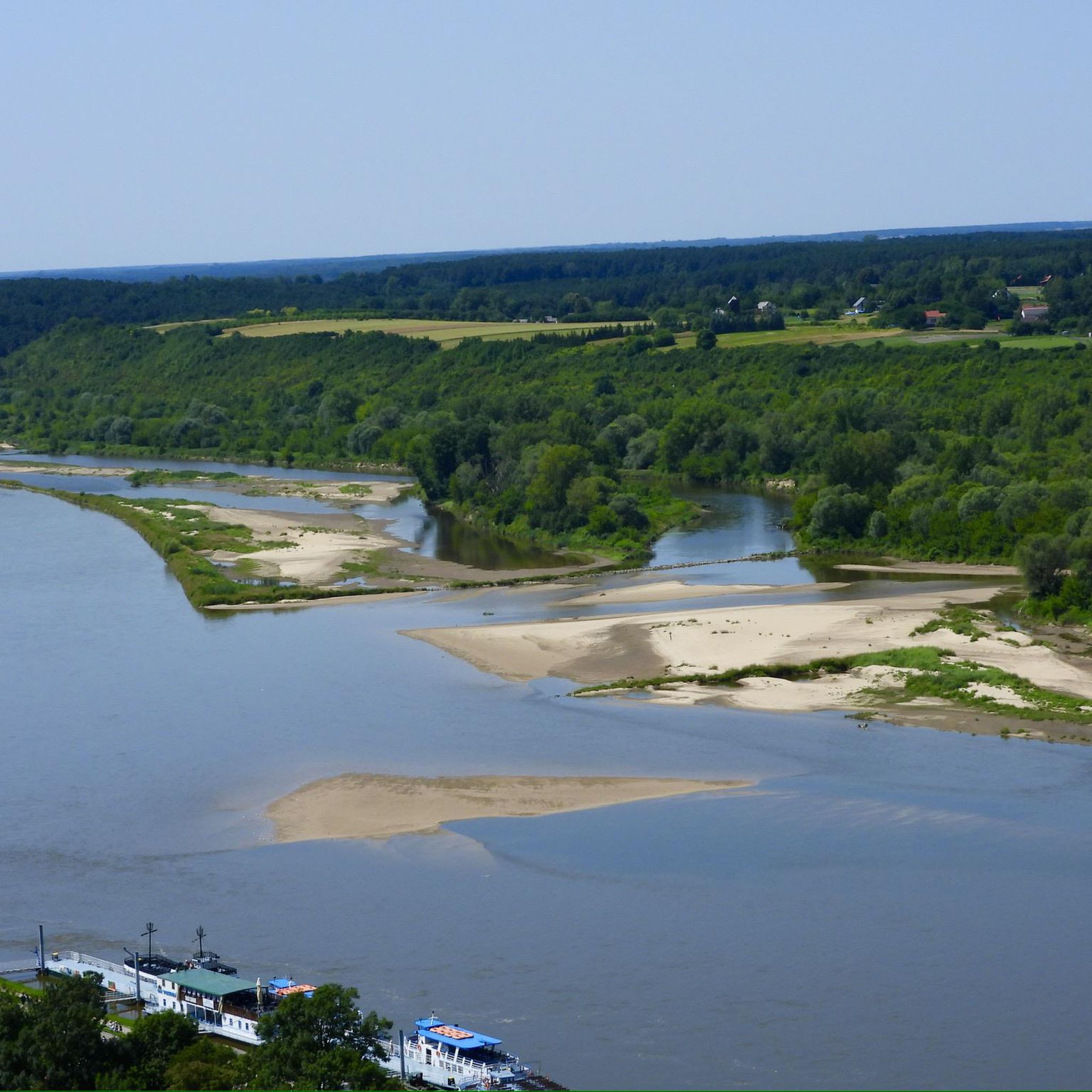
beautiful view over the Weichse valley
0
0

A charming chapel in Kazimierz. While you're here, be sure to visit this place.
0
0

On a Monday morning in December, there is a chance for less crowds. Overall, a cult place. A strong hit on a market day. A must 🔥🔥🔥
1
0

The castle in Kazimierz Dolny is a complex of defensive fortifications from the 13th and 14th centuries, located on Castle Hill. The castle consists of two main parts: the upper castle (also known as the "Baszta" or Łokietek's Tower) and the lower castle. The upper castle is a defensive bergfried tower from the turn of the 13th and 14th centuries, erected at the height of the Vistula River crossing. The tower, with a height of up to 20 meters, originally served as a guardhouse, providing control over the crossing and the collection of customs duties. In later years, it served as a navigation beacon. The entrance to the tower is located six meters above ground level, and its lower storey housed a dungeon. The lower castle was built on the orders of Casimir the Great in the 1340s and was part of a larger defensive complex. Initially built in the Gothic style, built of limestone, it had thick walls and wooden internal buildings. In the 15th century, during the time of the Grot family, the castle was expanded, including a two-storey residential wing and a defensive tower. In the 16th century, the castle underwent another reconstruction in the Renaissance style, thanks to the Firlej family, who added an attic and built the southern wing. During the Swedish Deluge (1655) and a fire in 1663, the castle was seriously damaged. In the 18th century, during the reign of August II the Strong, plans for reconstruction in the palace style were not realized due to the civil war. As a result of further destruction and destruction by the Austrian authorities in 1806, the castle fell into ruin. The castle witnessed historical events, including the Battle of Kazimierz Dolny in 1831 during the November Uprising. In the years 1958-1960, archaeological research was carried out, and the castle was secured and made available to tourists. Today, it is a tourist attraction, preserving the form of a permanent ruin.
1
0

Good food at the hairdresser in Polish and fryzjera (Jewish food)
0
0
The lower castle in Kazimierz Dolny was built in the mid-14th century on the initiative of Casimir the Great as a Gothic structure. Built of local limestone, it was originally an oval in shape surrounded by massive perimeter walls. It mainly served an administrative function and supported the development of trade on the Vistula. In the 15th century, expanded by the Grot family, it gained new residential wings, a tower and a moat. In the 16th century, during the Firlejs' times, the castle was rebuilt in the Renaissance style according to the design of Santi Gucci, adding, among other things, attics. Destroyed by the Swedes and Rákóczi's troops in the 17th century, it eventually fell into ruin. In the 18th century, there were plans to rebuild it in the palace style, but this did not happen. In the 19th century, it was the site of uprisings, and in the 20th century it was secured as a permanent ruin and opened to the public.
2
0
Monument commemorating 800 years of Wietrzna Góra (1181-1981).
2
0
The market square in Kazimierz Dolny was marked out after the city was founded under Magdeburg law in 1406. It is the central urban point of the city, with an open view of the parish church and the castle ruins. The market square has retained its historical layout with a characteristic undeveloped northern part of the square. For centuries, it has served a commercial and social function. It is currently the tourist heart of Kazimierz, surrounded by historic tenement houses, including Przybyłów, Celejowska and Czarnotów. In its center stands a historic well from the 19th century, one of the symbols of the city.
4
0
Frequently Asked Questions
What kind of landscapes can I expect when hiking around Karczmiska?
Hiking around Karczmiska offers a diverse range of landscapes. To the north, you'll find the unique inland sand dunes, swamplands, and dense pine forests of Kampinoski National Park. To the south, the Kazimierz Dolny region features distinctive loess gorges, such as Korzeniowy Dół Ravine, and scenic Vistula River views from elevated points like Three Crosses Hill.
Are there any family-friendly hiking options near Karczmiska?
Yes, there are several family-friendly options. Kampinoski National Park, for instance, offers 10 educational paths and well-marked trails suitable for various fitness levels. The park's "Do Karczmiska" Educational Trail includes a picnic shelter, making it ideal for families. An easy route like the Kleniewo Nature Trail is also a great choice for a gentle walk.
Can I bring my dog on the hiking trails?
While specific leash rules can vary, Kampinoski National Park generally allows dogs on designated trails, provided they are kept on a leash. It's always recommended to check local regulations for specific routes or protected areas within the park or the Kazimierz Dolny region to ensure a pleasant and compliant experience for you and your pet.
What unique natural features can I explore on hikes?
The region is rich in unique natural features. In Kampinoski National Park, you can explore inland sand dunes, vast swamplands often traversed by wooden boardwalks, and peat bogs like Olszowieckie Błoto. In the Kazimierz Dolny region, the deep loess gorges, such as Korzeniowy Dół Ravine and Plebanka Gorge, are particularly striking with their towering earthen walls and exposed tree roots.
Are there any challenging hikes for experienced trekkers?
While many routes are easy to moderate, the varied topography of the Kazimierz Dolny region, with its hills and escarpments, offers options for more challenging hikes. Routes like the Korzeniowy Dół Ravine – Lower castle loop from Kazimierz Dolny, at 7.2 miles (11.7 km) with significant elevation changes, provide a moderate challenge for those seeking a longer and more demanding trek.
What historical or cultural sites can I visit while hiking?
The area blends nature with heritage. Kampinoski National Park features historical sites like World War II cemeteries and an open-air museum of forest architecture. In the Kazimierz Dolny region, you can combine hikes with visits to the charming historic town, its castle ruins like the Lower castle, and other attractions such as the Historic well on the Market Square.
How can I reach the hiking trails using public transport?
Public transport options to the hiking areas around Karczmiska primarily serve the larger towns. For Kampinoski National Park, buses from Warsaw can take you to various entry points. For the Kazimierz Dolny region, buses connect to the town itself, from where many trails, including those to the loess gorges and Vistula viewpoints, are accessible on foot. Specific local connections to smaller trailheads might be limited, so planning ahead is advisable.
Are there good viewpoints or scenic spots along the trails?
Absolutely. In the Kazimierz Dolny region, Three Crosses Hill offers panoramic views over the historic town and the Vistula River. The Vistula River itself provides scenic riverside paths. In Kampinoski National Park, elevated sections within the pine forests on sand dunes offer varied perspectives of the park's unique mosaic of environments.
What is the best time of year to go hiking in Karczmiska?
Spring and autumn are generally the best times for hiking around Karczmiska. In spring, the Olszowieckie Błoto peat bog in Kampinoski National Park transforms into a colorful carpet of wildflowers. Autumn offers pleasant temperatures and vibrant foliage, particularly in the forested areas and along the gorges. Summer can be warm, while winter hikes are possible but require appropriate gear for snow and ice.
Are there options for shorter, easier walks for beginners?
Yes, there are plenty of options for beginners and those looking for shorter, easier walks. Kampinoski National Park has numerous well-marked trails, including educational paths, that are suitable for a gentle pace. The Kleniewo Nature Trail, for example, is an easy 1.9-mile (3.1 km) route that takes less than an hour to complete, offering a pleasant introduction to the natural surroundings.
Where can I find parking near the trailheads?
Parking facilities are available at various entry points to Kampinoski National Park, often near visitor centers or popular trailheads. In the Kazimierz Dolny region, designated parking areas can be found in and around the town of Kazimierz Dolny, providing access to the loess gorges and riverine paths. It's advisable to check specific trailhead information for the most convenient parking locations.
What kind of wildlife might I encounter in the area?
Kampinoski National Park is a haven for wildlife. Hikers might spot the park's symbol, the elk, as well as deer, wild boar, and beavers. The park is also home to over 200 bird species, making it an excellent spot for birdwatching. While less dense, the Kazimierz Dolny region also supports various forest and riverine wildlife.
Are there any circular hiking routes available?
Yes, many of the trails around Karczmiska are designed as circular routes, allowing you to start and end at the same point. Examples include the Lower castle – Market Square in Kazimierz Dolny loop from Jeziorszczyzna and the Three Crosses Hill – Lower castle loop from Kazimierz Dolny, which offer varied scenery without retracing your steps.
Are there places to eat or stay near the hiking areas?
The charming town of Kazimierz Dolny, located within the southern hiking region, offers a wide range of cafes, restaurants, and accommodation options, from guesthouses to hotels. Near Kampinoski National Park, particularly on its outskirts closer to Warsaw, you can find various amenities, including picnic shelters within the park itself and small eateries in nearby villages.
What makes Kampinoski National Park unique for hiking?
Kampinoski National Park, a UNESCO biosphere reserve, is unique for its rare combination of inland sand dunes and swamplands. It features a vast network of 350 kilometers of hiking trails that traverse dense pine forests, meadows, and peat bogs. The park's distinct topography and rich biodiversity, including elk and numerous bird species, offer a truly special hiking experience.
Most popular attractions around Karczmiska

Get inspired with the komoot mobile app


Explore more
Browse the best Hikes in other regions.
