Attractions and Places To See around Zabór - Top 20
Best attractions and places to see around Zabór, a village in Poland's Lubusz Voivodeship, offer a blend of historical landmarks and natural beauty. Situated near Zielona Góra and on the northern and western shores of Liwno Wielkie Lake, the area is known for its rich past and local wine industry. Visitors can explore historical sites like Zabór Palace and cultural centers such as the Lubusz Wine Centre.
Best attractions and places to see around Zabór
- The most popular attractions is…
Last updated: May 20, 2026
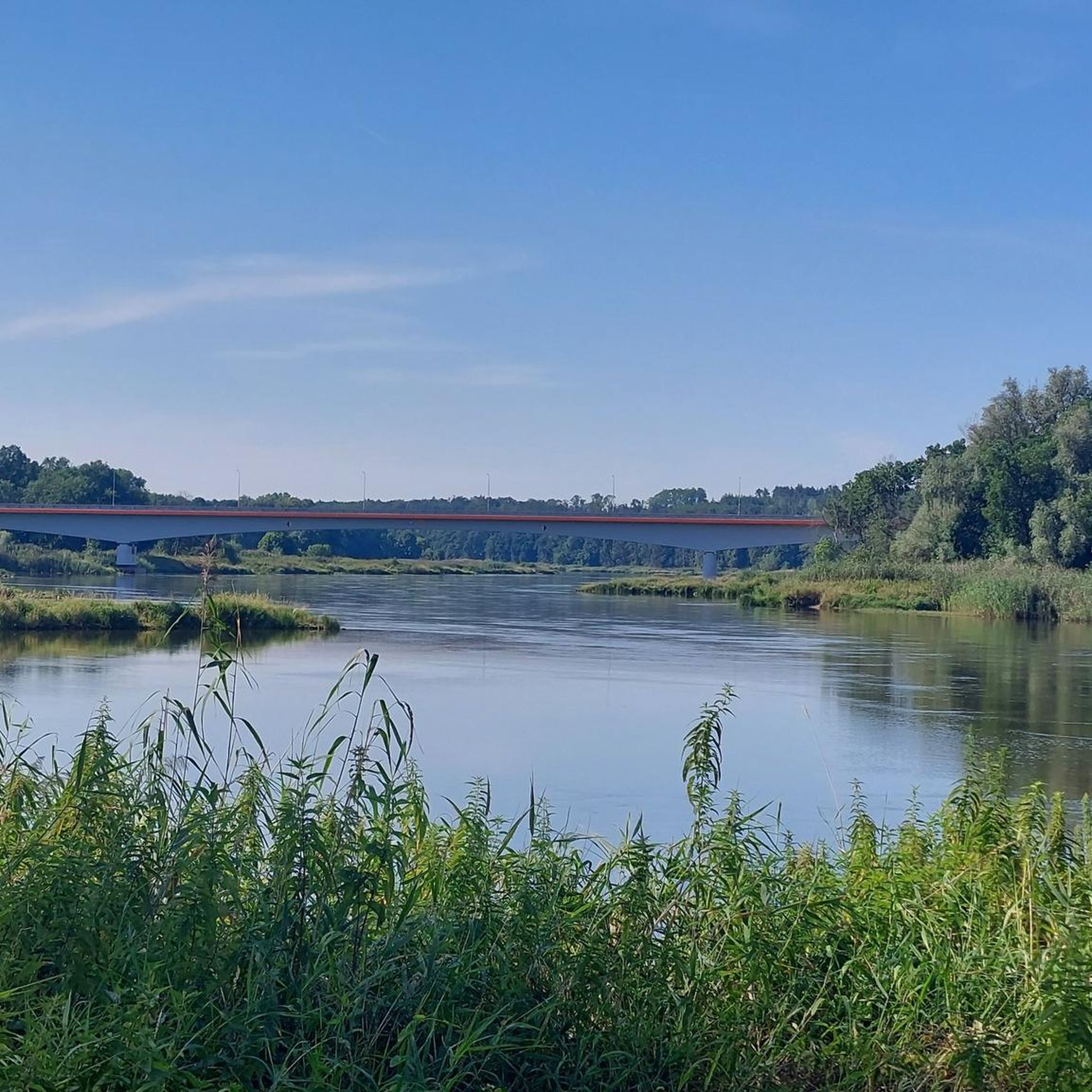
Stany Railway Bridge over the Oder River
Highlight • Bridge
Translated by Google •
Tip by

Zatonie Palace Ruins
Highlight • Historical Site
Translated by Google •
Tip by
Sign up now to discover places like this
Get recommendations on the best single tracks, peaks, & plenty of other exciting outdoor places.
Sign up for free
Lipiny Odrzańskie Railway Station
Highlight • Monument
Translated by Google •
Tip by

Rail trail Zielona Gora
Highlight (Segment) • Cycleway
Translated by Google •
Tip by

Rose Temple
Highlight • Monument
Translated by Google •
Tip by

Sign up for free to discover even more attractions around Zabór.
Sign up for free
Already have an account?
Start today with a free account
Your next adventure awaits.
Login or Signup

Tips from the Community

Former railway station on railway line no. 371 Wolsztyn - Żagań. Currently rebuilt into the Environmental Education Center,
0
0

A must-see bike path in Zielona Góra. The asphalt is in very good condition for most of the route, but between the viaduct and the brewery, roots are starting to form "volcanoes." Be careful. From Zielona Strzała to Łużycka Street, you can use the stairs with a convenient wheel well.
1
0

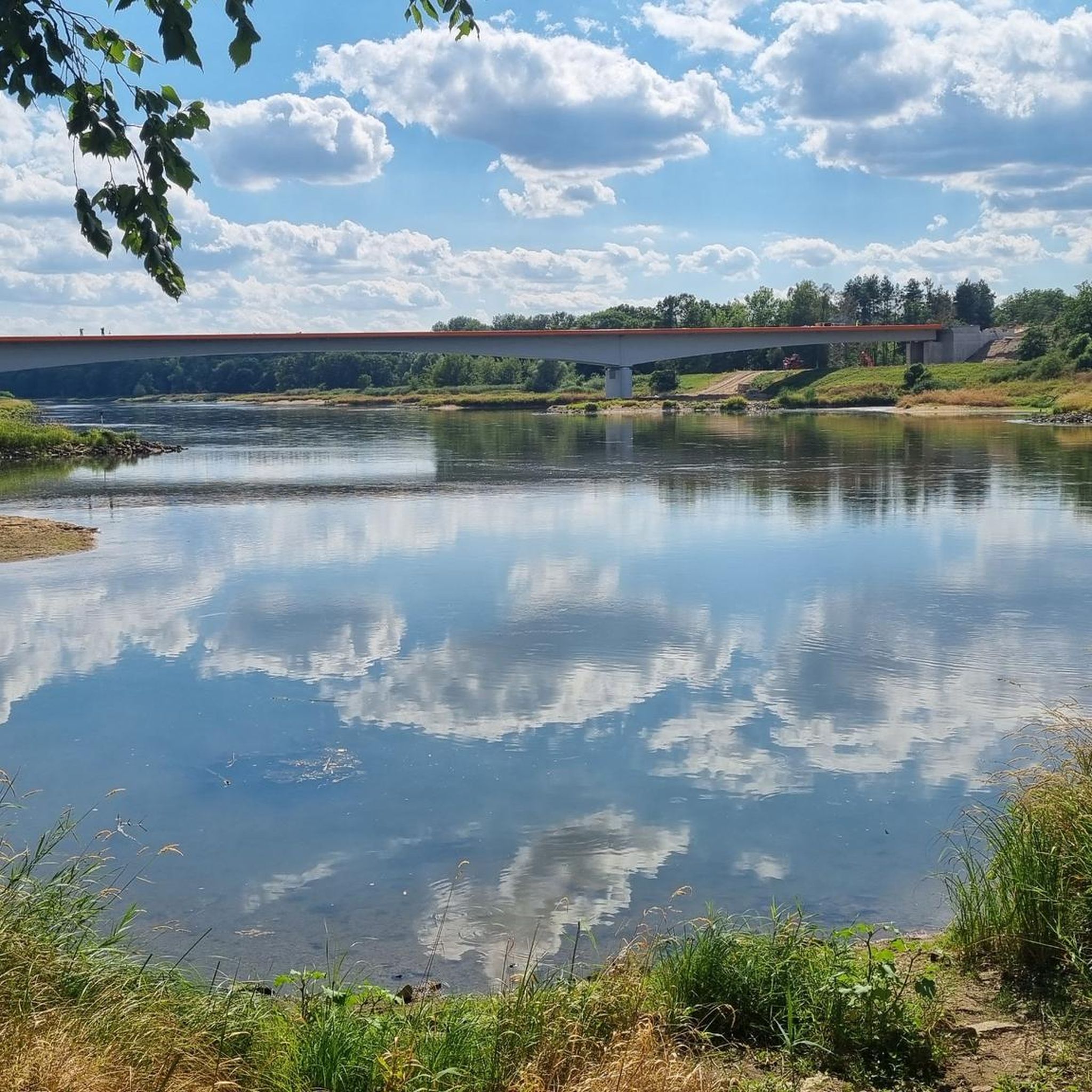
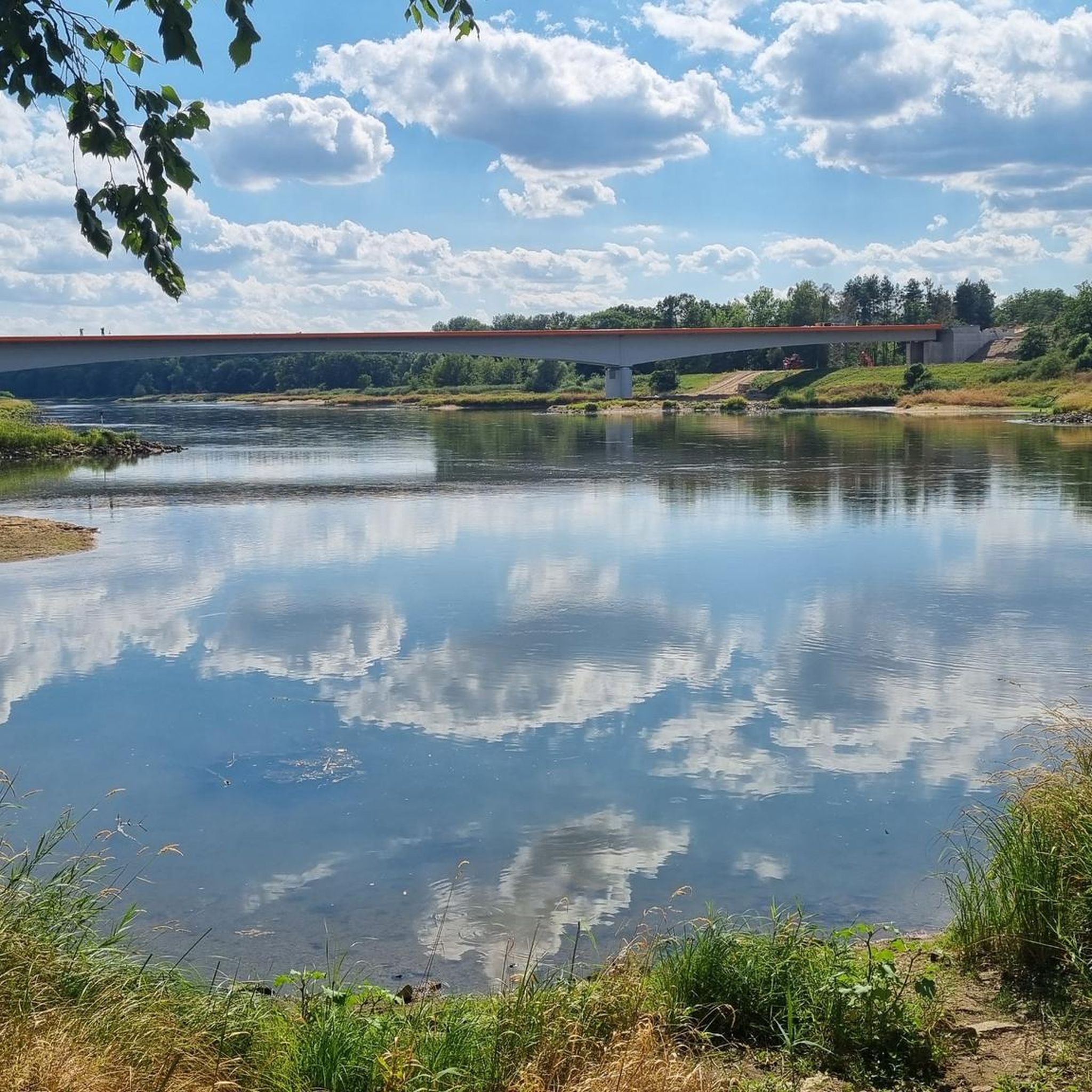
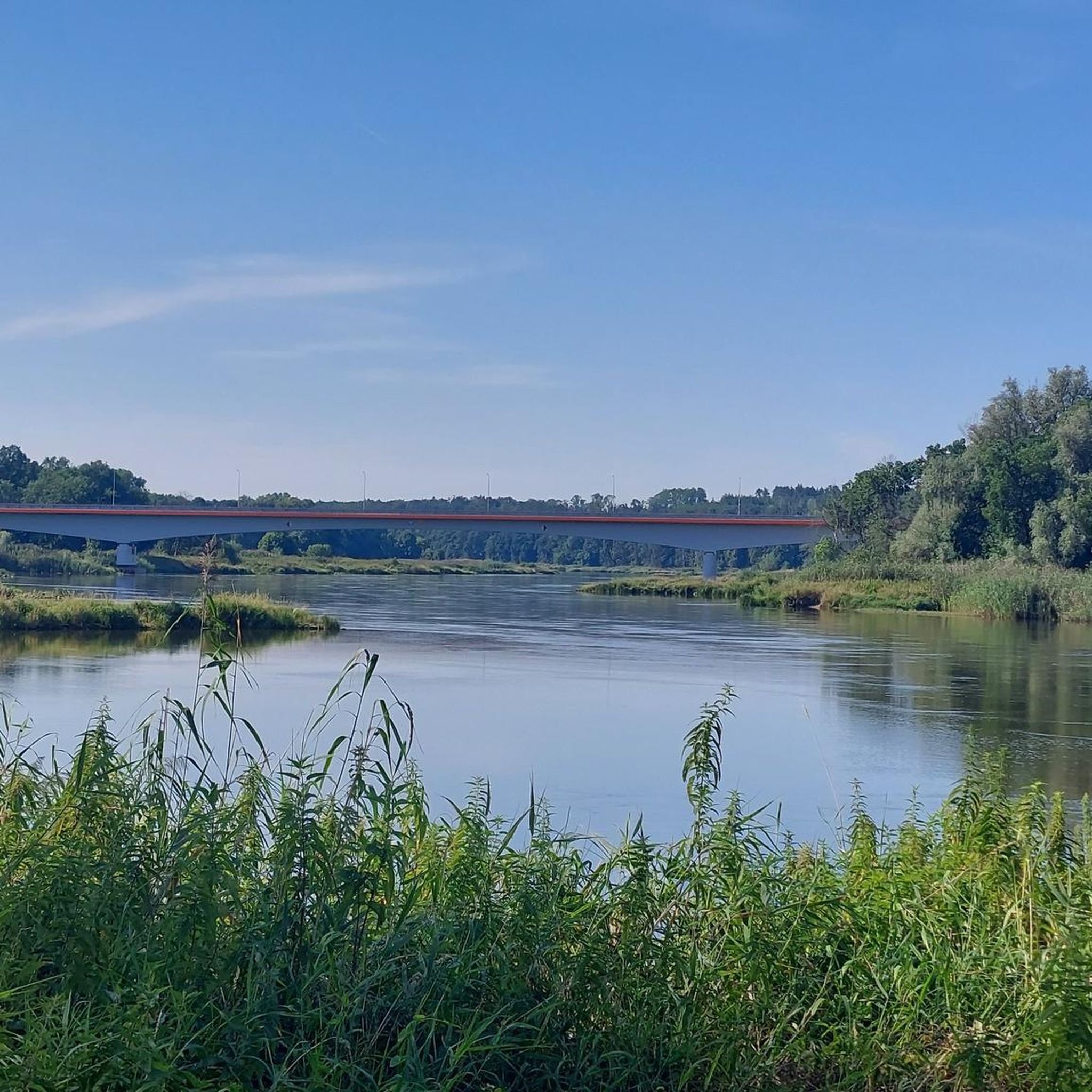
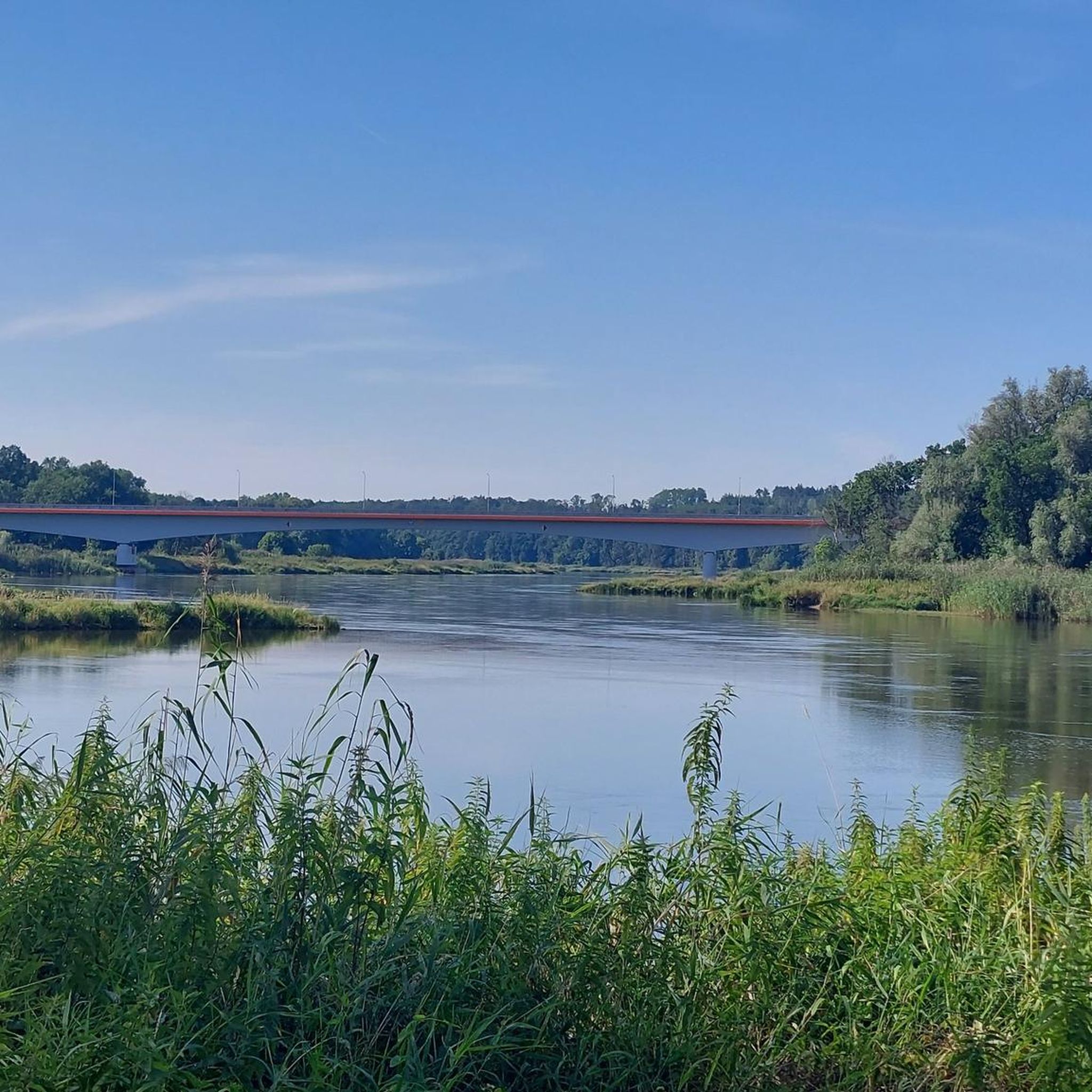
The railway bridge in the States, located on the Oder near Nowa Sól, is one of the longest and most impressive railway bridges in Poland. Its history, spanning over 120 years, is inextricably linked to the development of rail transport in the region and turbulent historical events. The construction of the bridge began in 1905 and was completed in 1908. It was a gigantic engineering undertaking. The bridge was designed as a steel truss structure, consisting of several spans supported by stone pillars. Its length was approximately 640 meters, making it one of the longest structures of this type in Germany at that time. With the opening of the bridge, transport in the entire region was significantly improved, and Nowa Sól gained a new, important rail connection. During World War I, the bridge did not suffer any major damage, although its strategic importance increased. The real test for the structure came with World War II. At the end of the war, in 1945
2
0

A place with great historical potential. Secured palace ruins, orangery, large park complex with rare trees and small architecture.
1
0
The Lipiny Odrzańskie railway station was established together with the construction of railway line no. 275, connecting Wrocław with Gubin. This line was crucial for the region, enabling passenger and freight transport. The section through Lipiny Odrzańskie was launched at the end of the 19th century, or more precisely in 1876, when the section from Rudna Gwizdanów to Nowa Sól was opened. For years, Lipiny Odrzańskie station played an important role for the local community. It was a point from which residents commuted to work, school or markets, as well as a place where agricultural and industrial goods were loaded and unloaded. The station building usually housed a ticket office, waiting room and apartments for railway employees. After World War II, railway line no. 275 came under the management of the Polish State Railways (PKP). For many years, passenger and freight traffic was maintained. However, over time, in the face of the development of road transport and a decrease in the number of passengers, the importance of local rail connections began to decrease. Finally, at the beginning of the 21st century, passenger traffic on the section through Lipiny Odrzańskie was suspended. The last passenger trains ran on this line until 2004, after which it was withdrawn from regular traffic.
4
0

How to travel through Zielona Góra quickly and comfortably? This way - on a bicycle path created on the track of the former Szprotawa Railway.
2
0
The station building in Lipiny Odrzańskie. It was opened in 1908 and closed in 1996. Before the war, a huge network of narrow-gauge forest railways began next to the station, which wrapped the surrounding trees in a spiderweb of tracks. Today, there is no trace of them. In 2023, the station building was nicely renovated. Now it looks beautiful and encourages rest with its numerous benches.
2
0
The ruins of the palace in Zatonie. The external and internal walls have been preserved. Only the roof and ceilings are missing. The ruins are tidy and the rooms are described. In front of the palace there is a fountain with a reconstruction of the Boy with a Swan sculpture, and next to it in the orangery there is a restaurant. The whole is surrounded by a very large park. It is a very nicely developed place, definitely worth recommending.
5
0
Frequently Asked Questions
What historical sites can I visit in and around Zabór?
Zabór is rich in history. You can explore the grand Zabór Palace, a Late Baroque structure with a fascinating past, now serving as a children's sanatorium. Although not fully open to the public, its exterior and surrounding park are notable. Another significant historical site is the Zatonie Palace Ruins, which burned down in 1945 but has preserved its external and internal walls, with a revitalized park and a cafe in its rebuilt orangery. Further afield, the Kościół Św. Jadwigi (St. Hedwig's Church) in Milsko, dating back to 1376, features an 18th-century structure and a rich Baroque interior.
Are there any attractions related to the local wine industry?
Yes, Zabór is a key point on the Lubusz Wine and Honey Trail. The Lubuskie Centrum Winiarstwa (Lubusz Wine Centre) is a modern facility dedicated to promoting the region's winemaking traditions. It features a 35-hectare municipal vineyard, the largest self-governing vineyard in Poland. Visitors can learn about the 850-year history of winemaking, participate in wine tastings, and attend various wine-related events.
What natural features can I explore near Zabór?
The village of Zabór is situated on the northern and western shores of Liwno Wielkie Lake, offering a natural setting for relaxation and views. While the famous Napoleon Oak is no longer standing, the area's natural beauty can still be appreciated through various outdoor activities.
What cycling opportunities are available around Zabór?
The region offers excellent cycling routes, often utilizing former railway lines. A notable highlight is the Stany Railway Bridge over the Oder River, which has been repurposed as part of a bicycle trail, offering scenic views. Another great spot for cyclists is the Lipiny Odrzańskie Railway Station, a restored former station building now serving as an Education Center and a resting place for cyclists. You can find many cycling routes, including MTB trails, in the area. For more detailed routes, check out the MTB Trails around Zabór guide.
Are there family-friendly attractions in the Zabór area?
Many attractions around Zabór are suitable for families. The Zatonie Palace Ruins, with its revitalized park and cafe, offers a pleasant outing. The Stany Railway Bridge over the Oder River and the Lipiny Odrzańskie Railway Station are part of cycling trails that can be enjoyed by families. The Rose Temple, an openwork gazebo on an artificial mound, provides a nice viewpoint within a park setting.
Where can I go hiking near Zabór?
There are several hiking opportunities around Zabór. You can find various trails, including easy to moderate options, that allow you to explore the local landscape. For specific routes and their difficulty, refer to the Hiking around Zabór guide or the Easy hikes around Zabór guide, which list routes like the 'Old Market Square – Zielona Góra Market Square loop'.
What is the Przytok Palace and Park?
Located in the village of Przytok within the Zabór municipality, the Przytok Palace is a Neo-Renaissance palace built between 1864 and 1867. It features elaborate architectural decorations and is surrounded by a landscape park established in 1792. The facility now functions as a school and educational center, and its interiors and grounds are generally accessible to visitors.
Are there any wheelchair-accessible attractions?
Yes, some attractions in the area are noted for their accessibility. The Stany Railway Bridge over the Oder River, now part of a bicycle trail, is considered wheelchair accessible. Additionally, the Rail trail Zielona Gora, a beautifully asphalted railway line cycle path, is also wheelchair accessible.
What do visitors enjoy most about the attractions around Zabór?
Visitors frequently praise the historical significance and the revitalized spaces. For instance, the Zatonie Palace Ruins are appreciated for their preserved walls, the surrounding large park, and the cafe in the rebuilt orangery. The Stany Railway Bridge is noted for its amazing structure, interesting history, and the views of the Oder River it offers from the new bicycle path.
Can I find places to rest or get refreshments near the attractions?
Yes, several spots offer amenities. The rebuilt orangery at the Zatonie Palace Ruins houses a cafe where you can enjoy refreshments. The Lipiny Odrzańskie Railway Station, now an Education Center, provides tables, benches, and a self-service point, making it a great resting place for cyclists. The Stany Railway Bridge also has a stopping point with a shelter and a self-service station.
Are there any unique viewpoints in the area?
The Rose Temple, an openwork gazebo situated on an artificial mound in the Zatonie park, offers a unique viewpoint. From here, you can admire the longest viewing axis in the park, which culminates with a view of the palace. The Stany Railway Bridge over the Oder River also provides excellent views of the river and surrounding landscape.
What is the former Evangelical Church in Zabór now used for?
The former Evangelical Church, located in the center of Zabór, dates from the 1930s and features a distinctive dome. After its religious use, it has been adapted and now serves as a commercial establishment.
Most popular attractions around Zabór

Get inspired with the komoot mobile app


Explore more
Still not found the Highlight you’re looking for? See guides of the top attractions in other regions:
