Attractions and Places To See around gmina Gorlice - Top 20
Best attractions and places to see around gmina Gorlice are found in the Low Beskids region of southeastern Małopolska Voivodeship. This area features historical landmarks, cultural sites, and natural features. The region is known for its early oil industry, World War I history, and a blend of Polish, Lemko, and Jewish cultures. Visitors can explore a diverse landscape of forested massifs, rock formations, and historical architecture.
Best attractions and places to see around gmina Gorlice
- The most popular attractions is St. Paraskevi Church, a religious building that dates back to the 17th century. Its tower, added in 1743, is considered the oldest dated tower of a Lemko church.
- Another must-see spot is Diabli Kamień Rock Formation, a natural monument on the edge of the Magurski National Park. It consists of large boulders of Magura sandstone, with some reaching over 10 meters in height.
- Visitors also love Lysula observation tower, a viewpoint offering scenic views of the surrounding area. The tower also features a slide as an additional attraction.
- gmina Gorlice is known for its historical sites, natural monuments, and religious buildings. The area offers a variety of attractions to see and explore, from ancient churches to unique rock formations.
- The attractions around gmina Gorlice are appreciated by the komoot community, with 13 highlights and 51 photos shared by visitors.
Last updated: May 20, 2026
St. Paraskevi Church
Highlight • Religious Site
Translated by Google •
Tip by

Diabli Kamień Rock Formation
Highlight • Natural Monument
This place owes its name to a local legend. According to her, devils wanted to destroy the church in Cieklin by moving a huge boulder from Magura Wątkowska. However, when the rooster crowed over Mount Cosmas, the devils lost their power and the boulder fell from their clutches, breaking into smaller rocks and saving the church. Apparently there are traces of devil's claws on the rock...
Translated by Google •
Tip by

Sign up now to discover places like this
Get recommendations on the best single tracks, peaks, & plenty of other exciting outdoor places.
Sign up for free
Lysula observation tower
Highlight • Viewpoint
Translated by Google •
Tip by

St. Catherine's Church in Grybow
Highlight • Religious Site
Translated by Google •
Tip by

St. Michael the Archangel Wooden Church in Szalowa
Highlight • Religious Site
Translated by Google •
Tip by

Sign up for free to discover even more attractions around gmina Gorlice.
Sign up for free
Already have an account?
Start today with a free account
Your next adventure awaits.
Login or Signup
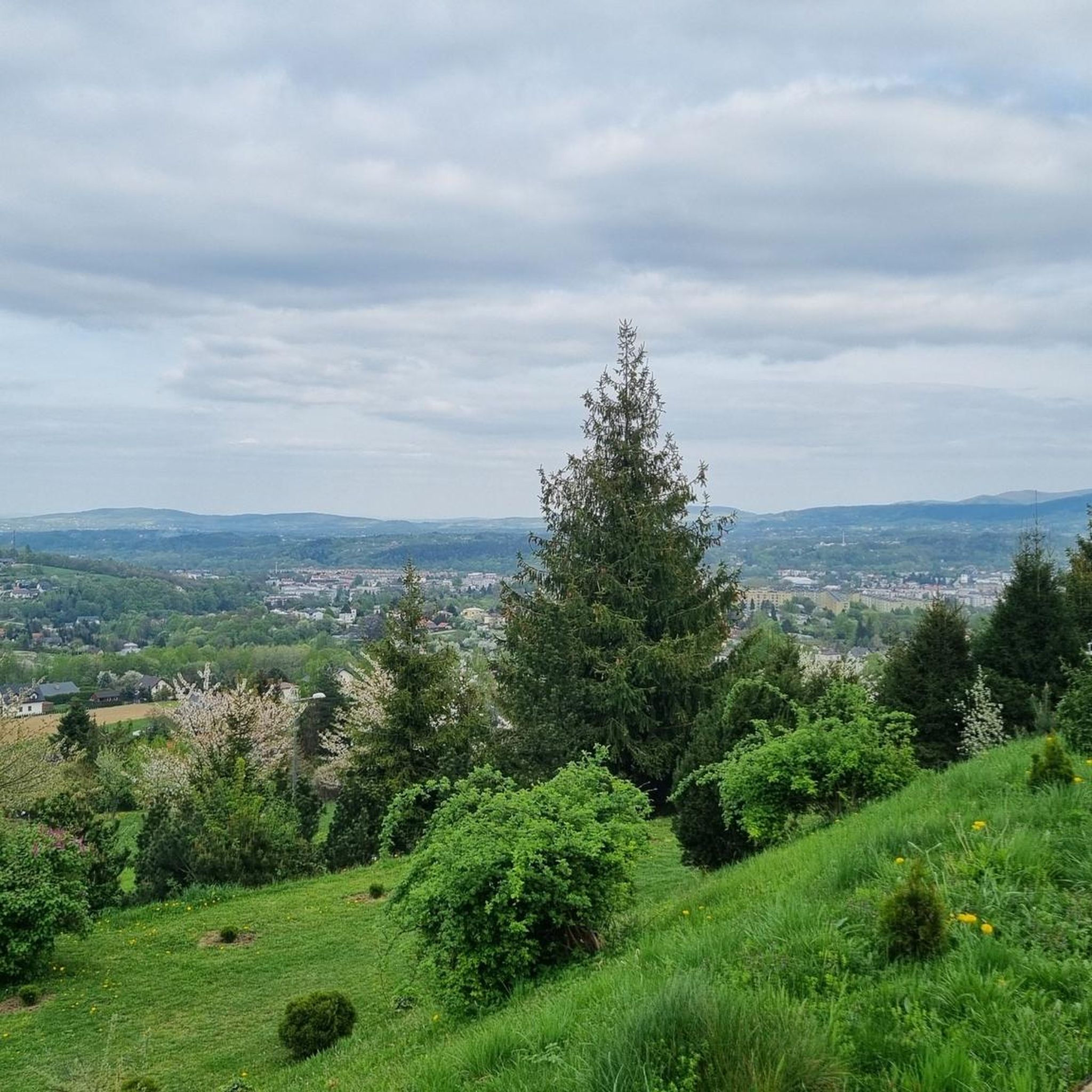
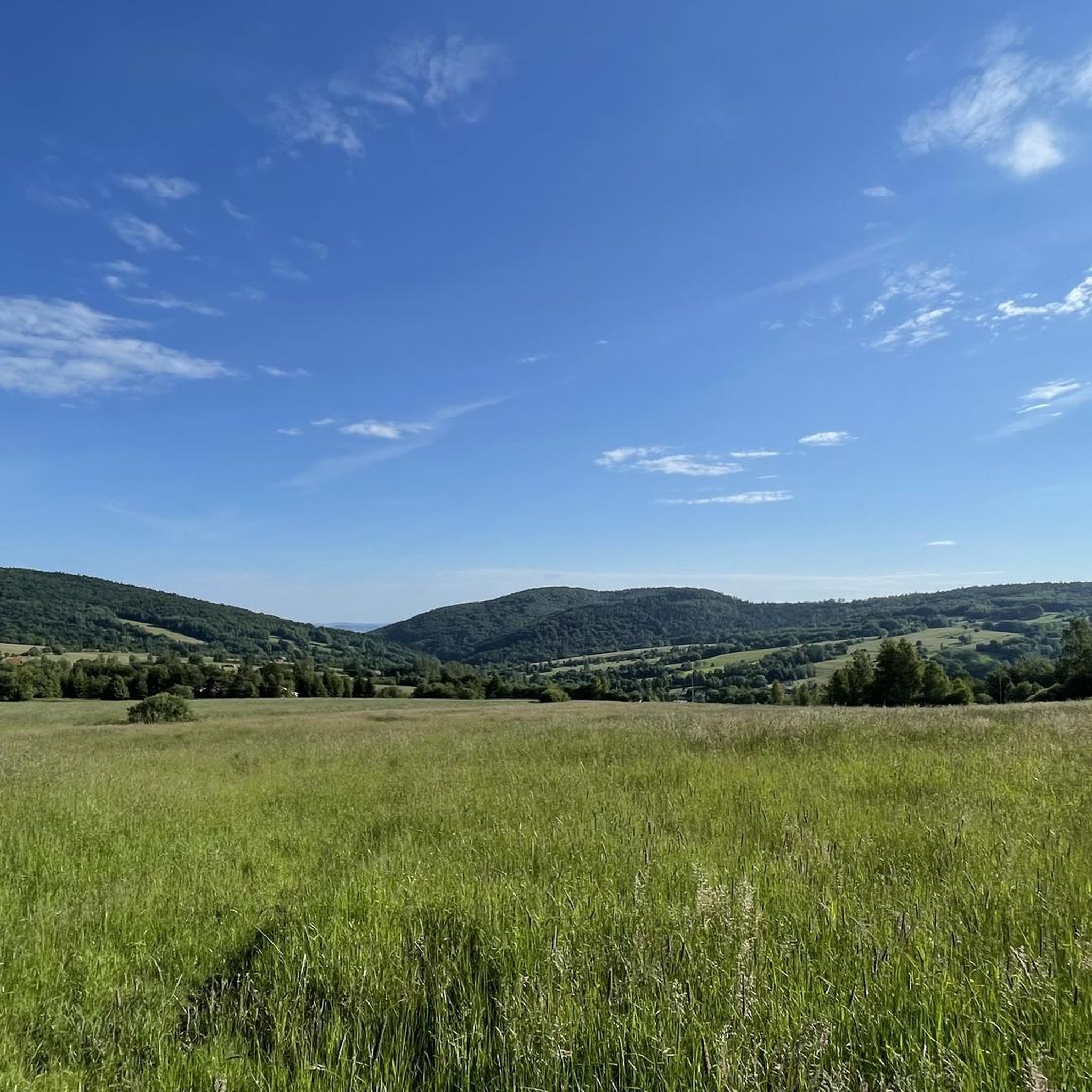
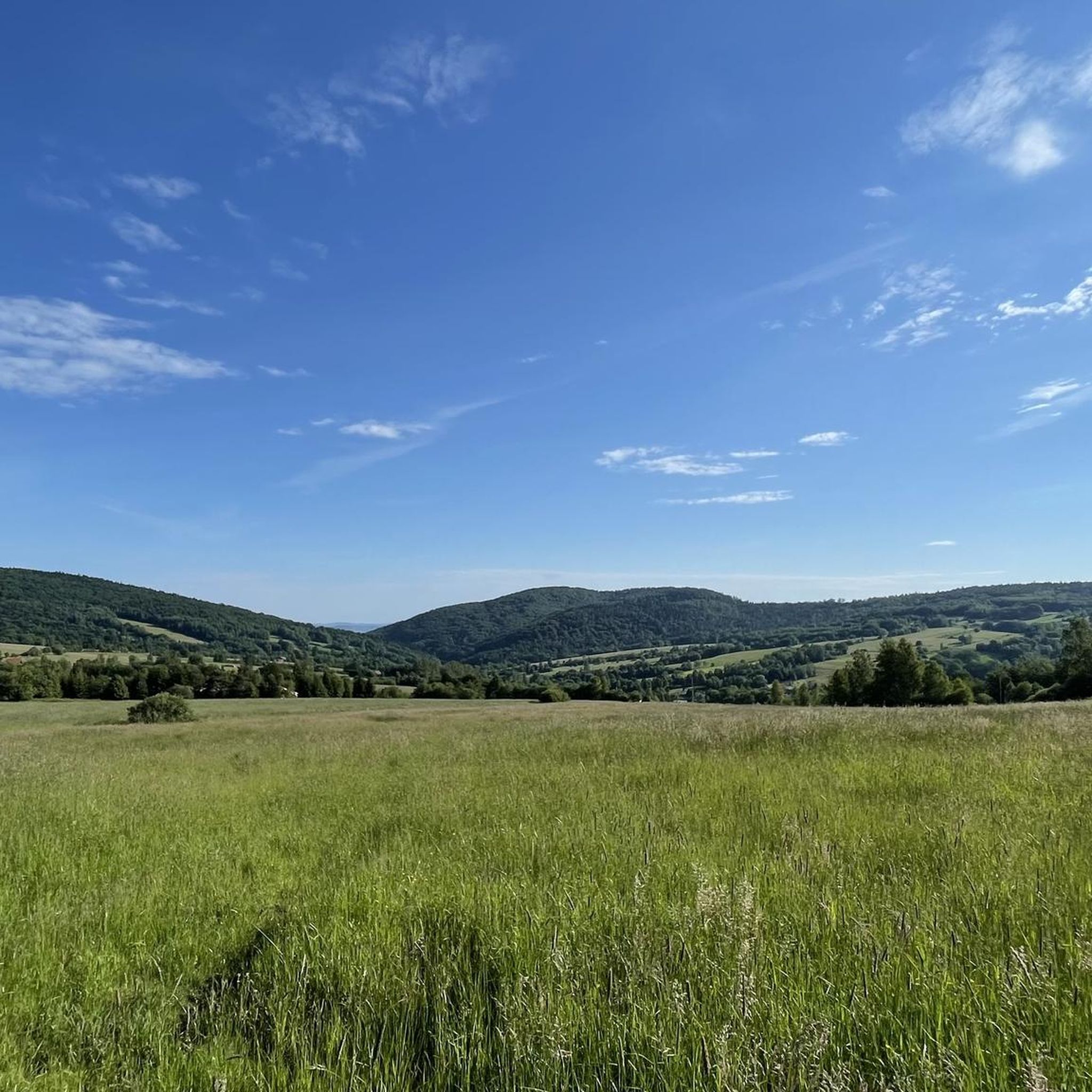
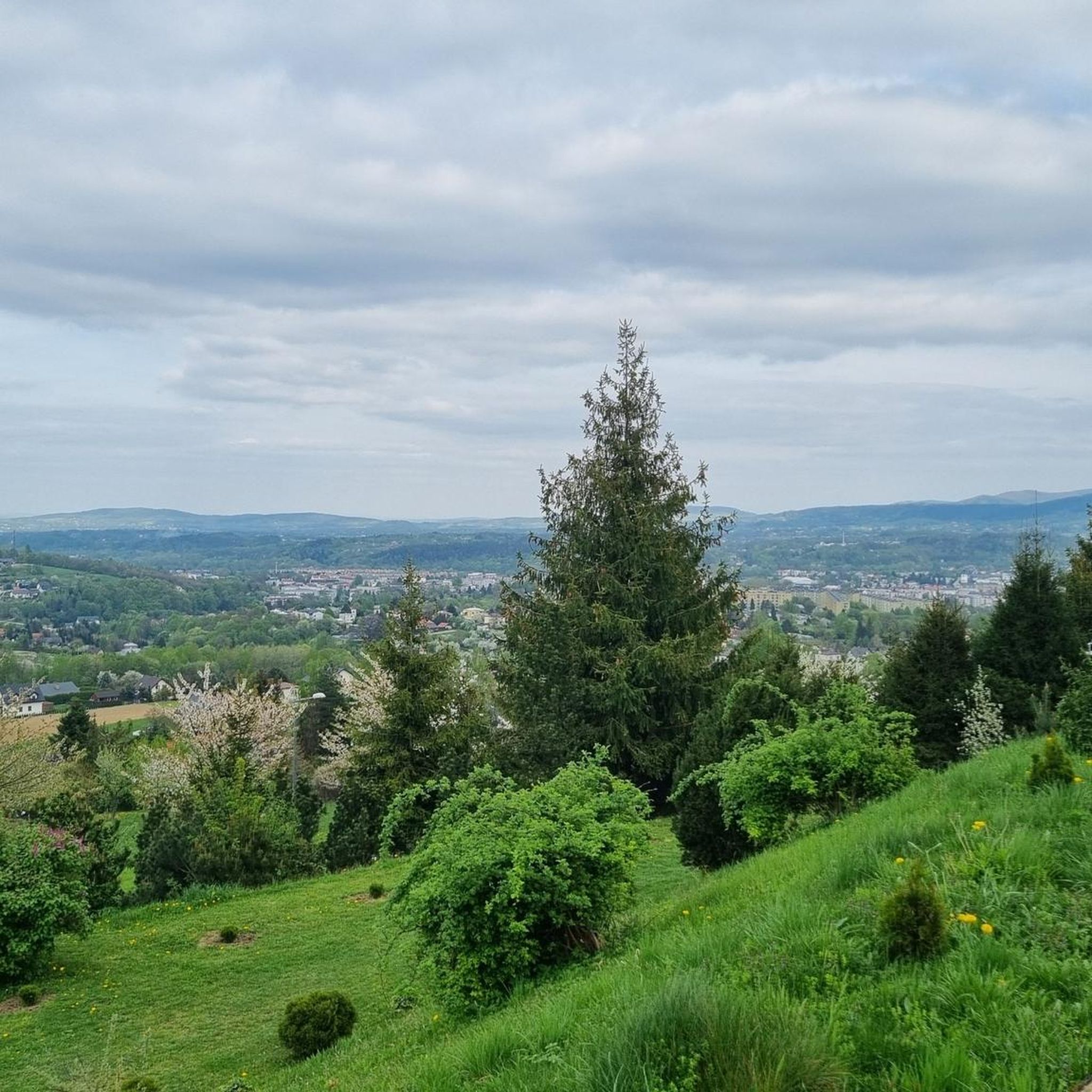

Tips from the Community

Observation tower plus slide from the tower.
0
0

In summer, access from the parking lot is much easier. A wide gravel path leads from Mecina Wielka or Mała, followed by steep forest trails. Access from Mecina Mała is also available via a narrow asphalt road, which leads to the parking lot.
0
0
In winter, when everything is covered in snow, you have to look at the trees and trail markings. In summer, there are plenty of paths, even if you get lost, you can find another path.
0
0

Parking 700 meters from the tower.
0
0
Church of St. Michael. Building from the 18th century. The whole is surrounded by a wall. Next to it is a baroque chapel and a brick belfry.
0
0

a place worth visiting for everyone
1
0
a route for everyone, at any time of the year
0
0

Pride of Szalowa - a wooden church from the 1730s. It is worth noting that at the time of its foundation, Augustus III of Saxony, the penultimate king of Poland, began his rule and the hussars were still a significant force in the Polish army. Inventions such as the steam engine, the telephone or even the light bulb were not yet known - the pinnacle of modernity at that time was the mercury thermometer invented a few years earlier.
1
0
Frequently Asked Questions
What historical landmarks can I explore in Gmina Gorlice?
Gmina Gorlice is rich in history. You can visit the St. Paraskevi Church, a 17th-century wooden church with a significant tower. Other notable sites include the Długosz Family Palace, the historic Gorlice Market Square with its Town Hall (where Ignacy Łukasiewicz experimented with the oil lamp), and the Shrine of the Pensive Christ marking the spot of the world's first street oil lamp. Don't miss the 16th-century Defensive Manor House in Szymbark.
Are there any natural attractions or viewpoints in the area?
Yes, the region offers several natural wonders. The Diabli Kamień Rock Formation, located on the edge of Magurski National Park, features impressive sandstone boulders. For panoramic views, head to the Lysula observation tower, which even has a slide for an added thrill. You can also explore the Beskidzkie 'Morskie Oko' landslide lake in Szymbark or the Gorlice Public Park, known for its ancient trees and educational path.
What cultural sites related to the region's heritage are worth visiting?
To delve into the region's unique cultural heritage, visit the Open-Air Petroleum Museum 'Magdalena' in Gorlice, which showcases the early oil industry. The area is also famous for its beautifully preserved wooden churches, some of which are UNESCO World Heritage sites, like the one in Sękowa. The St. Stanislaus Bishop Wooden Church in Binczarowa is another excellent example. The Pogórzańska Village Open-air Museum in Szymbark offers insights into traditional life.
Can I find family-friendly activities in Gmina Gorlice?
Absolutely! Many attractions are suitable for families. The Lysula observation tower is popular with children due to its slide. The Diabli Kamień Rock Formation offers an engaging nature trail with a local legend. The Gorlice Public Park provides open space and a nature-educational path, complete with a sculpture of cuddling bears. Several wooden churches, including St. Paraskevi Church, are also considered family-friendly.
Where can I learn about the World War I history of Gmina Gorlice?
The Gorlice region played a crucial role in World War I, particularly during the Battle of Gorlice in 1915. Numerous architecturally significant military cemeteries, such as Cemetery No. 91 on Cemetery Hill, commemorate the soldiers who fell during this pivotal battle. These sites offer a poignant look into the area's wartime past.
Are there opportunities for cycling around Gmina Gorlice?
Yes, Gmina Gorlice offers diverse cycling opportunities. You can find routes for gravel biking, mountain biking, and road cycling. For detailed routes and difficulty levels, explore the Gravel biking around gmina Gorlice, MTB Trails around gmina Gorlice, and Road Cycling Routes around gmina Gorlice guides.
What is the best time of year to visit Gmina Gorlice?
The Low Beskids region, where Gmina Gorlice is located, is beautiful throughout the year. Spring and autumn offer pleasant temperatures for hiking and cycling, with vibrant foliage in the fall. Summer is ideal for outdoor activities and exploring natural sites. Winter provides opportunities for skiing and enjoying the snowy landscapes, though some attractions might have reduced hours.
Are there any unique natural formations or parks to visit?
Beyond the Diabli Kamień Rock Formation, you can explore the forested massifs of Maślana Góra (753 m) and Jelenia Góra (684 m) which surround Szymbark, with Jelenia Góra also being a nature reserve. The Gorlice Public Park, also known as Wojciech Biechoński Town Park, is a 20-hectare green space with ancient trees and exotic specimens, perfect for a leisurely stroll.
What are some lesser-known attractions or 'hidden gems' in Gmina Gorlice?
While popular spots are well-known, consider visiting the Shrine of the Pensive Christ on Węgierska Street, which marks a significant historical moment in the oil industry. The Dworzec Gorlicki, a restored manor house, now serves as the Art Gallery of Małopolska, offering a cultural experience. The various military cemeteries from World War I, designed by notable architects, also offer a unique historical perspective beyond the main battle sites.
What kind of accommodation and dining options are available in the Gmina Gorlice area?
Gmina Gorlice and its surrounding villages offer a range of accommodation options, from guesthouses and agritourism farms to hotels, catering to different preferences and budgets. You'll also find local cafes, pubs, and restaurants serving traditional Polish and regional cuisine, allowing you to experience the local flavors.
Are there any specific regulations for dog owners when visiting attractions or trails?
While many outdoor areas in Gmina Gorlice are dog-friendly, it's always advisable to keep your dog on a leash, especially in nature reserves or crowded areas. Specific regulations might apply to certain attractions or within Magurski National Park, so checking local signage or official websites for individual sites is recommended to ensure a pleasant visit for everyone.
How long should I plan for a visit to Gmina Gorlice to see its main attractions?
To experience the diverse offerings of Gmina Gorlice, including its historical sites, natural features, and cultural points of interest, a visit of 2-3 days is generally recommended. This allows enough time to explore Gorlice town, visit key landmarks like the wooden churches and rock formations, and enjoy some outdoor activities without feeling rushed.
Most popular routes around gmina Gorlice
Most popular attractions around gmina Gorlice

Get inspired with the komoot mobile app


Explore more
Still not found the Highlight you’re looking for? See guides of the top attractions in other regions:
