The best walks and hikes around Wojnicz
4.4
(36)
478
hikers
48
hikes
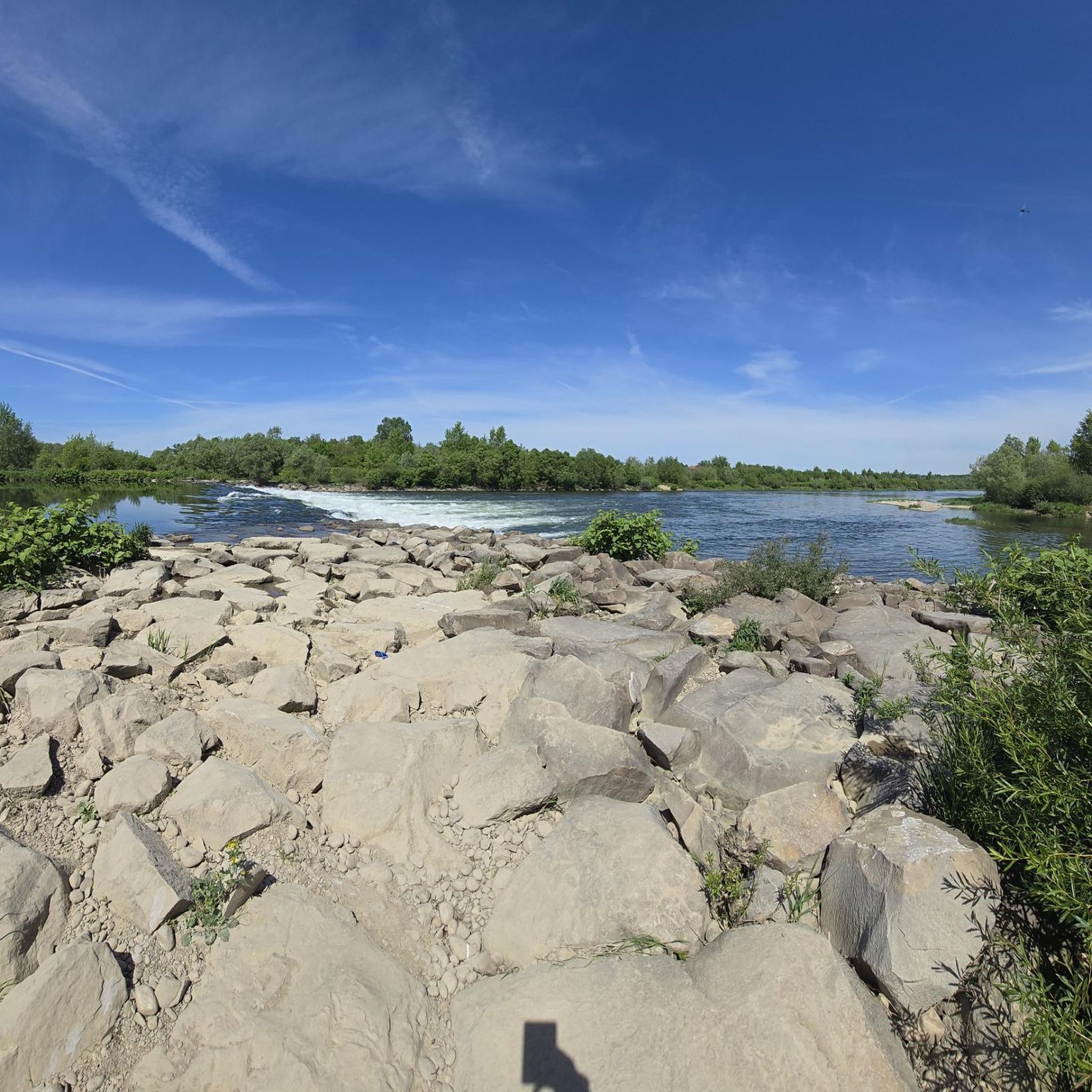
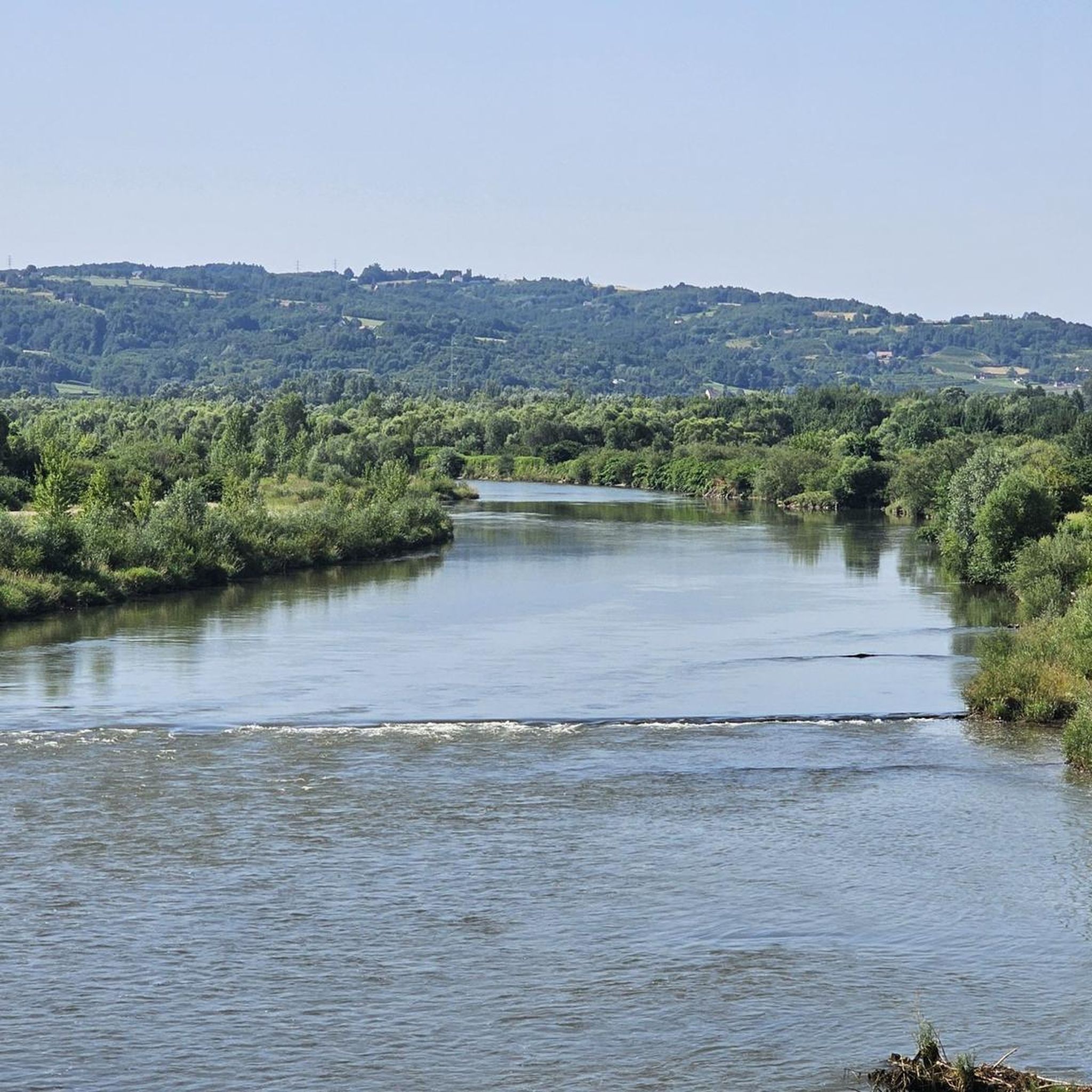
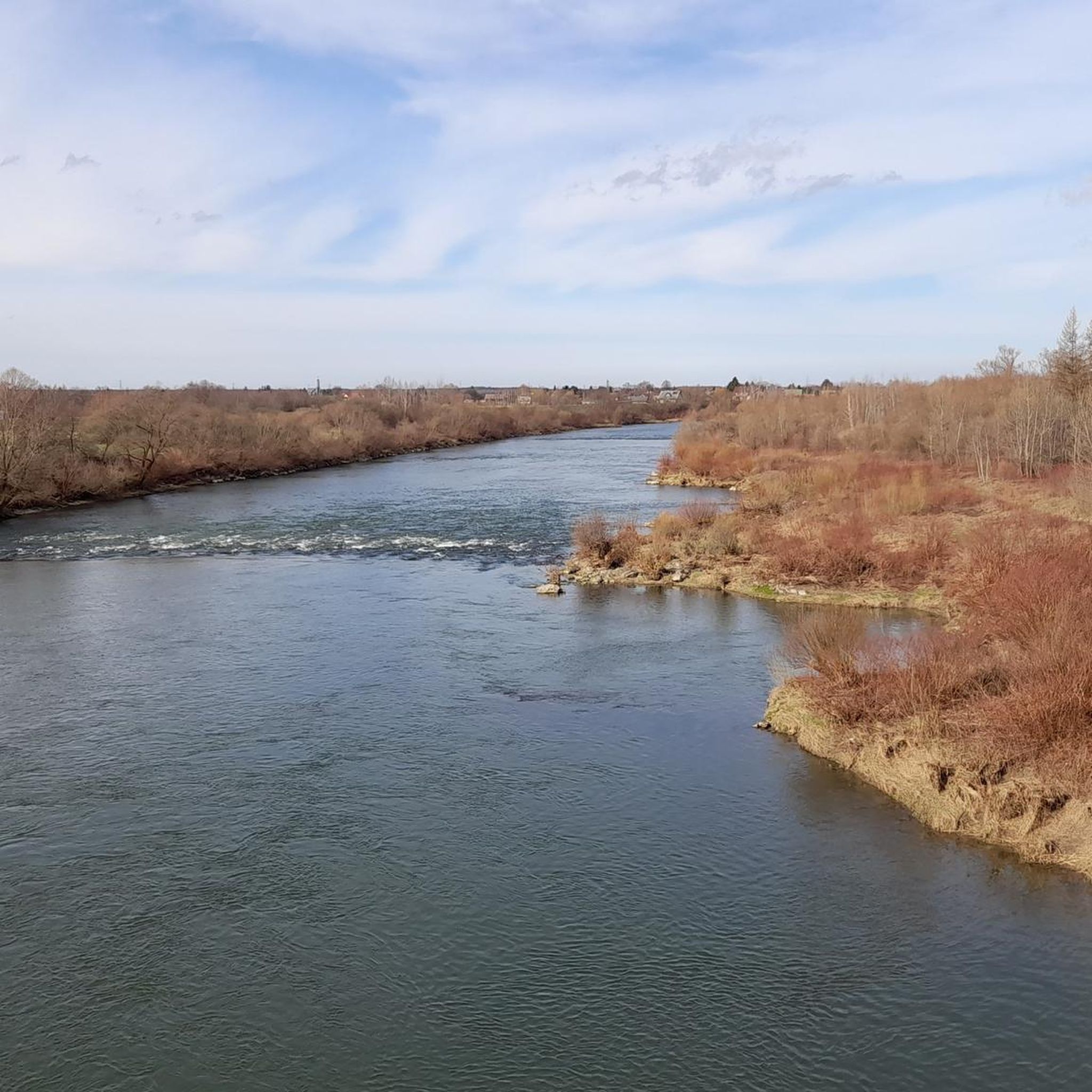
Hiking around Wojnicz offers diverse landscapes within the Dunajec River valley in Lesser Poland Voivodeship. The region is characterized by the picturesque river valley, providing opportunities for riverside walks. Gently undulating terrain is found in the Wiśnicz Foothills, and the Panieńska Góra Nature Reserve offers protected areas for exploration. These natural features contribute to a varied hiking experience.
Best hiking trails around Wojnicz
- The most popular hiking route is Las Buczyna loop from Zbylitowska Góra, a 2.5 miles (4.1…
Last updated: June 26, 2026
7
hikers
4.07km
01:05
40m
40m
Easy hike. Great for any fitness level. Easily-accessible paths. Suitable for all skill levels.
11
hikers
Easy hike. Great for any fitness level. Easily-accessible paths. Suitable for all skill levels.

Sign up for free
4.0
(1)
5
hikers
2.07km
00:39
80m
80m
Easy hike. Great for any fitness level. Easily-accessible paths. Suitable for all skill levels.
4.4
(5)
4
hikers
6.53km
01:48
110m
110m
Easy hike. Great for any fitness level. Easily-accessible paths. Suitable for all skill levels.
5.0
(2)
2
hikers
10.8km
02:54
140m
140m
Moderate hike. Good fitness required. Easily-accessible paths. Suitable for all skill levels.
Get access to more routes and recommendations from other explorers.
Sign up for free
Already have an account?
Our route recommendations are based on thousands of hikes, rides, and runs completed by other people on komoot.
Start today with a free account
Your next adventure awaits.
Login or Signup

Tips from the Community

Quite a steep climb, but the castle and views are worth the effort.
1
0

There is parking on the back road which is then a fairly level walk to the tower. If you park by the restaurant on the main road it is a steep & muddy when wet climb up to the site.
0
0

The castle is almost completely rebuilt, a beautiful view of the Dunajec and Zakliczyn
0
0

Melsztyn Castle was restored in 2022 and again in 2023 when the roof on the residential tower was completed. The castle can now be visited again without restrictions. Entry is free and possible at any time because the entire area is under video surveillance.
5
0
According to written records, the construction of the castle was started by the castellan of Kraków, Spycimire, in 1347. In the initial period, the castle was occupied by an eastern waporza. Steep and slender stols were an excellent protection for the castle. The castle consisted of a residential building with an oval light from a cistern and outbuildings. At the beginning of its existence, the castle functioned as a knightly residence of the powerful Melsztyński family. The stronghold was built in the 14th century. On the western edge of the hill, a high five-storey tower was erected on a rectangular plan. The third and fourth floors served as living quarters. The old and the new were themselves connected by a wall, enclosing the whole establishment with one defensive perimeter. From the west and south, a retaining wall was built to level the sweats in the courtyard and to strengthen the wall against sliding. At the bottom of the great, from the north-east side, there was a gatehouse through which the entrance to the castle led. Another extension of the defense system took place around 1461, which enabled the use of firearms. From the potnocnet side, an earth fortification was erected, which moved the first line of defense to a further distance. The main gate was also strengthened. In 1311, Melsztyn was sold and became the property of the Jordan family. In the middle of the 16th century, the oldest part of the castle was rebuilt in the Renaissance style into magnate residences. In the lower storey there were slit shooting ranges, while the upper storey had a representative and residential character. The castle survived almost unchanged until the end of the 18th century, despite the fact that its owners changed. From 1601 they were the Tarls, and from 1744 the Lanckoronskis. Resisting even the attacks of the Swedes in the 17th century The year 1770 turned out to be tragic for the Melsztyn castle, when it was first taken over by the Bar confederates and then conquered and burned by the Russian army. The first research work and securing the walls were undertaken in the years 1879-85 with the participation of architects and art historians. We owe it to Karol Lanckoronski and thanks to him we can still see the remains of the zambu today Local Action Group Dunajec-Biala
5
0
Frequently Asked Questions
How many hiking trails are available around Wojnicz?
There are over 30 hiking routes around Wojnicz, offering a variety of experiences. Most of these, around 20, are considered easy, while 14 are moderate. There are no difficult trails listed, making the area accessible for many hikers.
What types of landscapes can I expect to see while hiking near Wojnicz?
Hiking around Wojnicz offers diverse landscapes, primarily within the picturesque Dunajec River valley. You'll find opportunities for riverside walks, such as along the Dirt Path Along the Dunajec River. The region also features the gently undulating terrain of the Wiśnicz Foothills and protected natural areas like the Panieńska Góra Nature Reserve.
Are there any easy, family-friendly hiking options in Wojnicz?
Yes, Wojnicz offers many easy trails suitable for families. For instance, the Las Buczyna loop from Zbylitowska Góra is an easy 4.1 km route through forest areas. Another accessible option is the Las Buczyna loop from Cmentarz wojenny nr 216 – Sierakowice, which is 7.0 km and also navigates through the Buczyna forest.
Can I find circular hiking routes around Wojnicz?
Yes, several circular routes are available. The Las Buczyna loop from Zbylitowska Góra and the Las Buczyna loop from Cmentarz wojenny nr 216 – Sierakowice are both popular easy loops. For a moderate option, consider the Lake Dwudniaki loop from Wróblik, which is 11.0 km and offers views of the lake.
What historical sites or landmarks can I explore while hiking near Wojnicz?
The region around Wojnicz is rich in history. You can visit the 17th-century Wojnicz Collegiate Church or a 16th-century wooden bell tower. Further afield, consider exploring Dębno Castle or the ruins of Melsztyn Castle. The Melsztyn Castle loop from Melsztyn is an easy 2.0 km route that takes you directly to the castle.
Are there any trails that follow the Dunajec River?
Yes, Wojnicz is situated in the Dunajec River valley, offering opportunities for riverside walks. The Dirt Path Along the Dunajec River is a notable attraction, providing pleasant trails along the waterway. You might also encounter sections of the Velo Dunajec Bike Path, which runs along the river embankment.
What do other hikers say about the trails in Wojnicz?
The trails in Wojnicz are highly regarded by the komoot community, with an average rating of 4.1 out of 5 stars from over 20 reviews. Hikers often praise the varied terrain, from river valleys to gentle foothills, and the accessible nature of many routes.
Are there any long-distance or pilgrim routes passing through Wojnicz?
Yes, Wojnicz is a significant stop on the Pilgrim Way of St. James Via Regia. This historic route offers opportunities for longer treks, with specific stages connecting Tarnów to Wojnicz (15.8 km) and Wojnicz to Porąbka Uszewska (16.3 km).
What is the best time of year to go hiking in Wojnicz?
The region's diverse landscapes, including the Dunajec River valley and Wiśnicz Foothills, are generally enjoyable from spring through autumn. Spring brings blooming flora, summer offers lush greenery, and autumn provides beautiful fall colors. Always check local weather conditions before heading out.
Are there any viewpoints or scenic spots along the hiking trails?
While specific viewpoints are not detailed for every trail, the Dunajec River valley itself offers picturesque views. The Wiśnicz Foothills also feature points of interest like the viewing tower on Szpilówka, which can be incorporated into longer hikes in the broader region.
Can I reach hiking trails in Wojnicz using public transport?
Wojnicz is an established town, and while specific public transport links to trailheads are not detailed, it serves as a stop on the Pilgrim Way of St. James Via Regia, implying some level of accessibility. For local trails, checking regional bus schedules to Wojnicz or nearby villages would be advisable.
Are there any trails that lead to castles or historic ruins?
Yes, you can hike to historic sites. The Melsztyn Castle loop from Melsztyn is an easy 2.0 km route that takes you to the ruins of Melsztyn Castle. Dębno Castle is also a notable historical attraction in the vicinity.
Most popular attractions around Wojnicz

Get inspired with the komoot mobile app


Explore more
Browse the best Hikes in other regions.
