Attractions and Places To See around Sarnaki - Top 20
Attractions and places to see around Sarnaki encompass a variety of historical sites, cultural landmarks, and natural features along the Bug River. The region offers insights into World War II history, traditional Polish culture, and scenic river landscapes. Visitors can explore significant religious sites, historical farms, and remnants of military fortifications. This area provides diverse points of interest for those exploring eastern Poland.
Best attractions and places to see around Sarnaki
- The most popular attractions is Holy Mount Grabarka (Święta Góra Grabarka), a religious building that is the most important Orthodox center in Poland. It is known as the "Hill of Crosses" where faithful bring votive crosses, symbolizing prayers and thanksgiving.
- Another must-see spot is Winnica Korol Winery, an other man-made attraction located in Mielnik, a village with a history as a town for almost 500 years. Mielnik lies on the Bug River and is home to both a Roman Catholic and an Orthodox parish.
- Visitors also love Janów Podlaski Stud Farm, a historical site established in 1817 to rebuild the horse population after the Napoleonic Wars. It grew into a leading center for breeding Arabian horses, known for numerous awards and high-priced sales.
- Sarnaki is known for its historical sites, religious buildings, and natural features along the Bug River. The area offers a variety of attractions to see and explore, from ancient fortifications to cultural landmarks.
- The attractions around Sarnaki are appreciated by the komoot community, with 43 upvotes and 113 photos shared by visitors.
Last updated: July 1, 2026
Holy Mount Grabarka (Święta Góra Grabarka)
Highlight • Religious Site
Translated by Google •
Tip by

Janów Podlaski Stud Farm
Highlight • Historical Site
Translated by Google •
Tip by

Sign up now to discover places like this
Get recommendations on the best single tracks, peaks, & plenty of other exciting outdoor places.
Sign up for free
Molotov Line Bunkers
Highlight • Historical Site
Translated by Google •
Tip by

Holy Mountain Chapel and Spring
Highlight • Religious Site
In 1910, on the bicentennial of the miracle, a round roof was built over the spring. Currently, the well is surrounded by a new chapel from 2001.
According to Orthodox tradition, water is blessed several times a year. The Great Consecration takes place on the eve and on the feast of the Baptism of the Lord itself. The Little Consecration traditionally takes place on parish feast days (here: the Transfiguration of the Lord, the 10th Friday after Easter, the feast of the icon of the Mother of God "Joy of All Who Sorrow"), as well as on other days designated by the liturgical calendar (e.g. the feast of the icon of the Mother of God "Life-giving Source", half of the period of Pentecost).
Translated by Google •
Tip by

Winnica Korol Winery
Highlight • Structure
Mielnik was a city for almost 500 years - it obtained the charter in 1440, and was demoted in 1934. In the years 1975–1998, the town was located in the Białystok Voivodeship. It was a royal city of the Crown of the Kingdom of Poland[7] in the Mielnik starosty in the Mielnik land of the Podlaskie Voivodeship in 1795[8].
The town is the seat of the Mielnik commune, the Roman Catholic parish of the Transfiguration of the Lord and the Orthodox parish of the Nativity of the Blessed Virgin Mary.
pl.wikipedia.org/wiki/Mielnik_(wojew%C3%B3dztwo_podlaskie)
Translated by Google •
Tip by
Sign up for free to discover even more attractions around Sarnaki.
Sign up for free
Already have an account?
Start today with a free account
Your next adventure awaits.
Login or Signup

Other adventures around Sarnaki

Tips from the Community

Holy Mount Grabarka is the most important Orthodox center in Poland, located in the Podlaskie Voivodeship, near Siemiatycze. It is a pilgrimage site known as the "Hill of Crosses" because for centuries the faithful have brought votive crosses here, symbolizing prayers and thanksgiving. The complex includes the Saints Martha and Mary Monastery and three Orthodox churches.
1
0

A beautiful and magical place. It's impossible to describe, it must be seen.
1
0

Most of the "Molotov Line" bunkers along the Bug River are in very poor condition.
0
0
The Bug Valley tempts with picturesque views, but this is not the only attraction of this area. History enthusiasts flock here to discover the remains of one of the most famous fortifications of World War II. Around 1,900 structures of various purposes, over 150,000 soldiers and civilians working on their construction in 1940, over 1,000 km long – the scale of this undertaking is still admirable today. And all this in order to separate themselves from the German ally, with whom Minister Molotov had signed a friendship treaty just a few months earlier. However, Stalin knew that an alliance with Germany was as fleeting as the smoke from his favorite pipe. Hence the construction of large-scale fortifications, which were to stop the aggressor, enable mobilization in the event of war and support offensive operations. The Molotov Line, like its French “cousin” – the Maginot Line, did not live up to the hopes placed in it. The German attack surprised the Russians, some of the bunkers were not even occupied, others did not resist for long. Abandoned almost without a fight, some turned into a pile of rubble, after the war they became a treasure trove of engines and generators for the local population.
0
0
Large reinforced concrete shells of combat bunkers hide from the view of outsiders in the forest shade or grow from the tops of the Bug River hills. Overgrown with grass and bushes, covered with thick moss, they are beginning to resemble more and more the creations of nature, not human hands. The memory of them is slowly fading away along with their outlines. And yet eighty years ago, Soviet staff officers proudly referred to them as... Stalin's fangs. They were supposed to bite all those who dared to raise their hands against the Soviet Union. The belt of famous Soviet fortifications stretches across a significant part of the southern and western edges of the Podlaskie Voivodeship. The Molotov Line, because that is the name under which they are currently best known, is a real treat for lovers of military equipment and military architecture.
0
0
At the foot of the Mountain there is a miraculous spring. It was those who washed themselves here and drank the water that were saved from the cholera epidemic in 1710. To this day, people come here and wash their sick and sore places, drink water from the well and take it home. In 1910, on the bicentennial of the miracle, a round roof was built over the spring. Currently, the well is surrounded by a new chapel from 2001. According to Orthodox tradition, water is blessed several times a year. The Great Consecration takes place on the eve and on the feast of the Baptism of the Lord itself. The Little Consecration traditionally takes place on parish feast days (here: the Transfiguration of the Lord, the 10th Friday after Easter, the feast of the icon of the Mother of God "Joy of All Who Sorrow"), as well as on other days designated by the liturgical calendar (e.g. the feast of the icon of the Mother of God "Life-giving Source", half of the period of Pentecost).
2
0

As late as 1820, the streets of Janów were completely devoid of cobblestones (Historical and topographical-statistical description of the town of Janów from 1820 "). In 1837, a new road was built connecting the stud farm in Wygoda with the town, in 1850 Brzeska and Siedlecka streets were paved, in which on its section from the Market Square to the current Sienkiewicza Street not only the course of the street was corrected, but also the terrain was leveled in order to eliminate the ravine separating the town buildings from the seminary garden. The general development plan of Janów from the years 1807-1866 confirms the information about minor changes in the development and spatial structure of the town.
2
0
An important element of the historic spatial layout of the stud farm is the composed greenery: park, alleys, rows, naturalistic tufted greenery accompanying the paddocks and the old flood embankments (including mature oaks - natural monuments). The attribute of the monument is also the preserved original view relations with the panorama of Janów Podlaski and the excellent exposure of the stud farm silhouette in the Bug riverine landscape. https://zabytek.pl/pl/obiekty/janow-podlaski-janow-podlaski-stadnina-koni
3
0
Frequently Asked Questions
What historical sites can I explore around Sarnaki?
The Sarnaki area is rich in history. You can visit the Janów Podlaski Stud Farm, established in 1817 to rebuild Poland's horse population after the Napoleonic Wars. Another significant site is the Molotov Line Bunkers, Soviet fortifications built along the Bug River during WWII. Additionally, you can find the V2 Rocket Monument and Crater, marking a WWII event, and the historic Wooden Church in Sarnaki, built in 1816.
Are there any significant religious or cultural sites in the Sarnaki area?
Yes, the region is home to several important religious and cultural landmarks. The most prominent is Holy Mount Grabarka (Święta Góra Grabarka), the most important Orthodox center in Poland, known as the "Hill of Crosses." You can also visit the Holy Mountain Chapel and Spring, believed to have healing properties. The Wooden Church in Sarnaki (1816) and the Monastery and Church of St. Peter and Paul in Serpelice are other notable religious sites.
What natural attractions can I visit near Sarnaki?
The Bug River is a central natural feature, offering picturesque views and recreational spots like Plaża Nad Bugiem (Beach on the Bug River) in Sarnaki. The Holy Mountain Chapel and Spring, while a religious site, is also known for its miraculous spring at the foot of the mountain, surrounded by natural beauty.
What kind of outdoor activities are available around Sarnaki?
The area around Sarnaki is great for outdoor enthusiasts. You can explore various trails for hiking, including routes like the "Kalinik" nature trail or loops around Zakole Bugu. For cyclists, there are numerous cycling routes, such as the loop connecting the Wooden church and Janów Podlaski Stud Farm. Mountain biking enthusiasts can find MTB trails, including routes near Fronołów and Siemiatycze.
Are there any family-friendly attractions in the Sarnaki region?
Yes, several attractions are suitable for families. The Janów Podlaski Stud Farm offers an engaging historical experience with its famous horse breeding. The Holy Mountain Chapel and Spring is a peaceful site with a natural spring that can be interesting for all ages. Additionally, the Plaża Nad Bugiem (Beach on the Bug River) provides a natural recreational area for families to enjoy.
Where can I find unique local experiences or 'hidden gems' near Sarnaki?
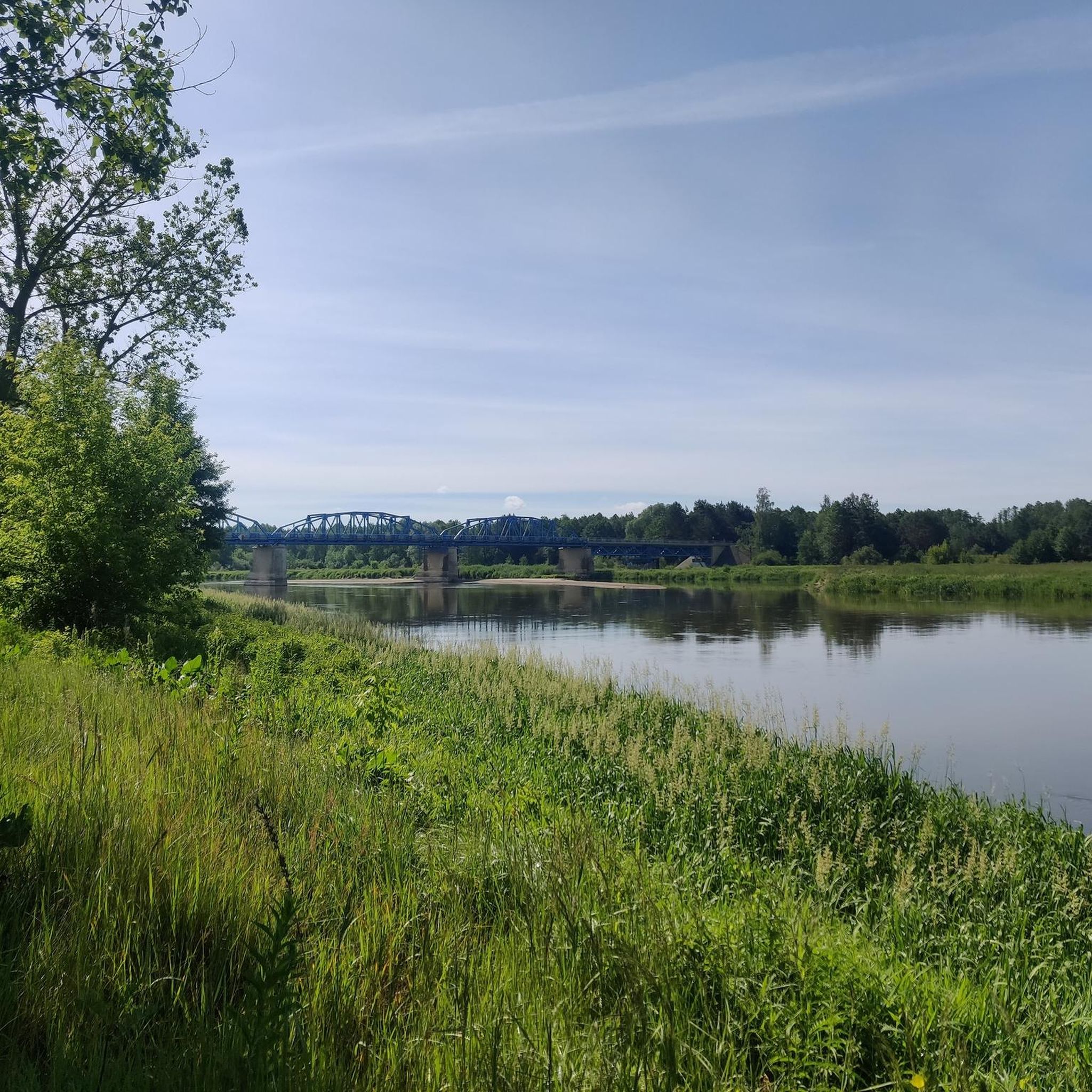
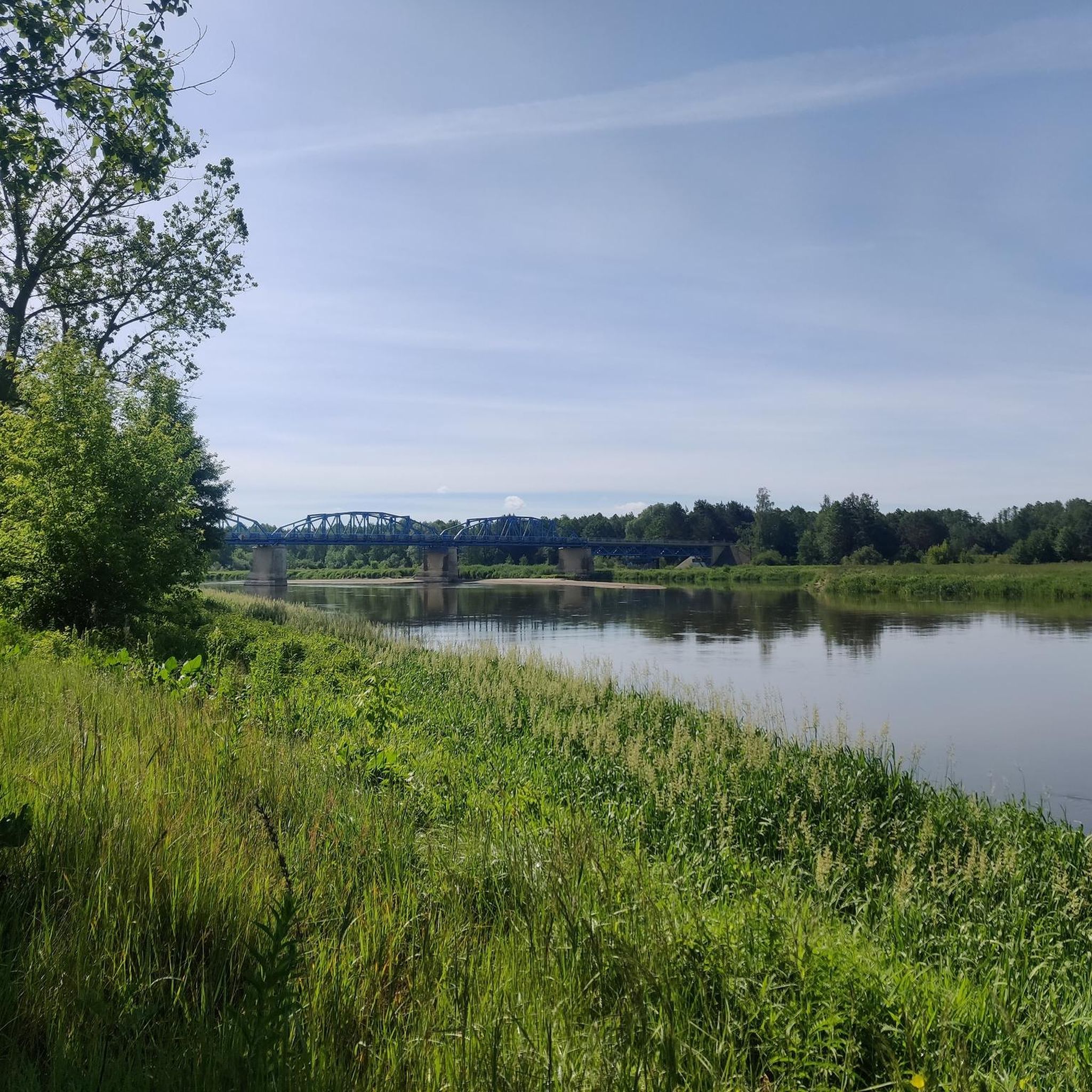
For a unique local experience, consider visiting the Winnica Korol Winery in Mielnik, a village with a rich history. Mielnik itself, once a town for almost 500 years, offers a glimpse into local heritage with its Roman Catholic and Orthodox parishes. The Railway Bridge in Fronołów is also an interesting attraction for those who appreciate large constructions and scenic views.
What is the best time of year to visit Sarnaki for outdoor activities?
The best time to visit Sarnaki for outdoor activities is generally during the spring, summer, and early autumn months (May to October). During these periods, the weather is most favorable for hiking, cycling, and exploring natural sites along the Bug River. The landscapes are lush, and temperatures are pleasant for outdoor adventures.
Can I find any historical manor houses or park complexes in the area?
Yes, the Sarnaki region features several historical manor and park complexes. Notable examples include a brick manor house built in 1830 in Sarnaki, now owned by the Sarnaki Forest Inspectorate. Another well-preserved site is the 1840 English Gothic-style manor and park complex in Klimczyce (Kasztel), which boasts old-growth trees, alleys, and a pond. There's also the manor and garden complex in Zabuże.
Are there any interesting railway-related attractions near Sarnaki?
Yes, the Railway Bridge in Fronołów is considered an interesting attraction for enthusiasts of railways and large constructions. It's part of the historic Siedlce-Czeremcha railway line, which was built between 1903 and 1906, offering scenic views of the surrounding landscape.
What are some of the most popular trails for hiking around Sarnaki?
For hiking, popular options include the "Kalinik" nature trail, a moderate loop from Gnojna within the Podlaski Landscape Park Bug Gorge. Other well-liked routes are the "Zakole Bugu – Plaża nad Bugiem loop from Borsuki" and the "Zalew II loop from Siemiatycze," which is an easier option. You can find more details on hiking around Sarnaki.
What do visitors enjoy most about the attractions around Sarnaki?
Visitors frequently praise the unique spiritual atmosphere of Holy Mount Grabarka, describing it as a beautiful and magical place that must be seen. The Janów Podlaski Stud Farm is appreciated for its rich history and the opportunity to see world-renowned Arabian horses. The scenic views along the Bug River and the historical significance of sites like the Molotov Line Bunkers also receive positive feedback from those interested in history and nature.
Most popular routes around Sarnaki
Most popular attractions around Sarnaki

Get inspired with the komoot mobile app


Explore more
Still not found the Highlight you’re looking for? See guides of the top attractions in other regions:
