The best walks and hikes around Sarnaki
5.0
(19)
119
hikers
58
hikes
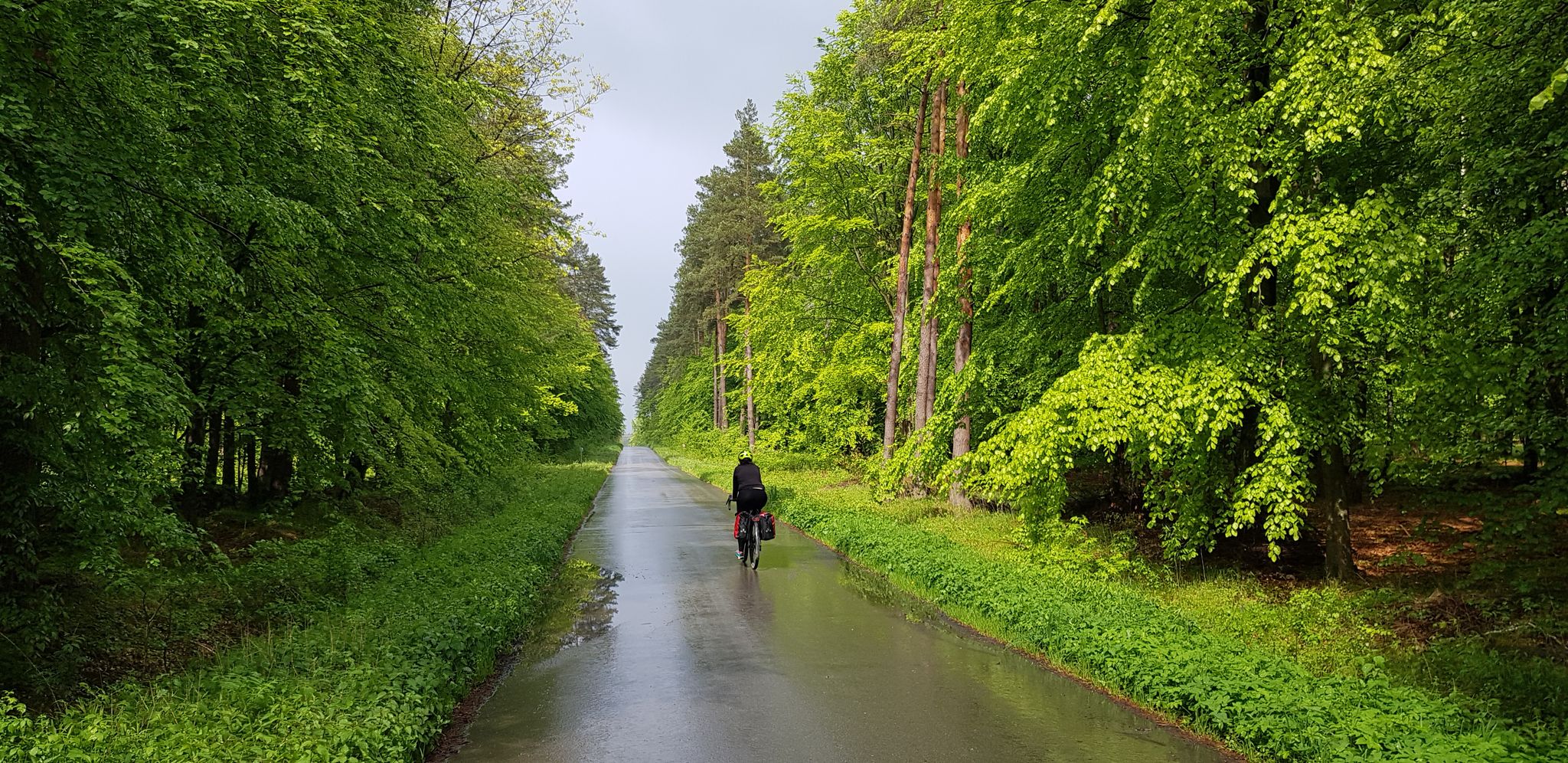
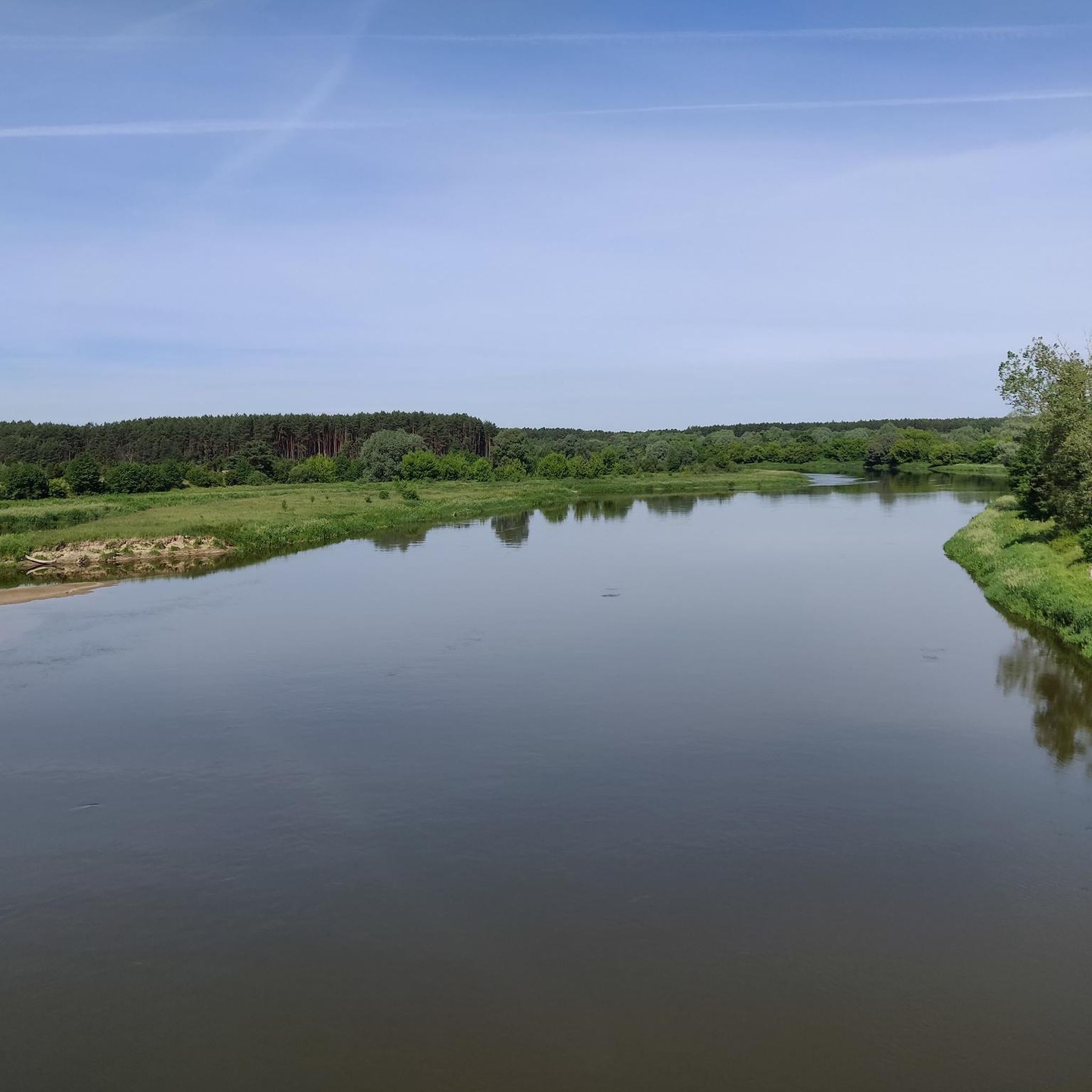
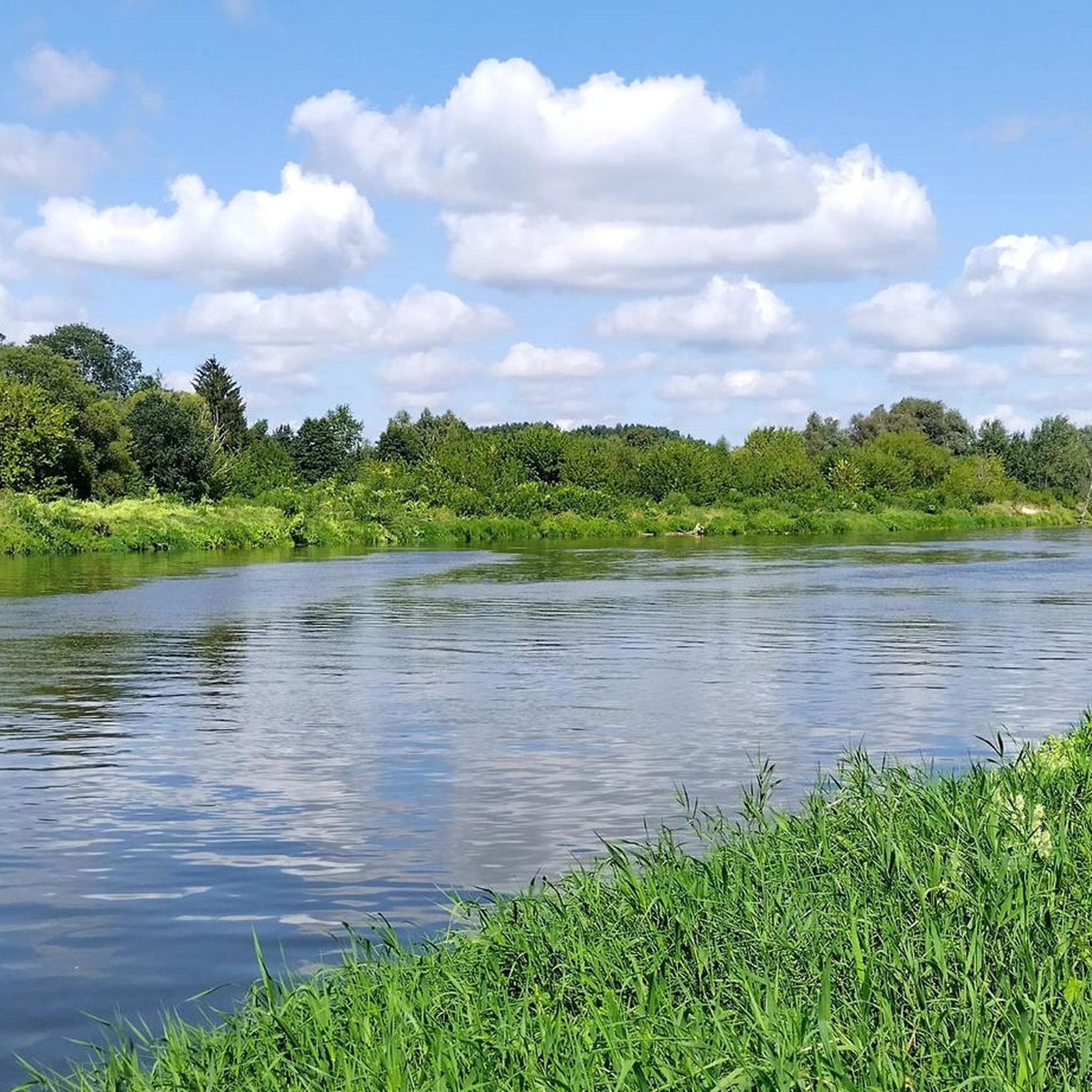
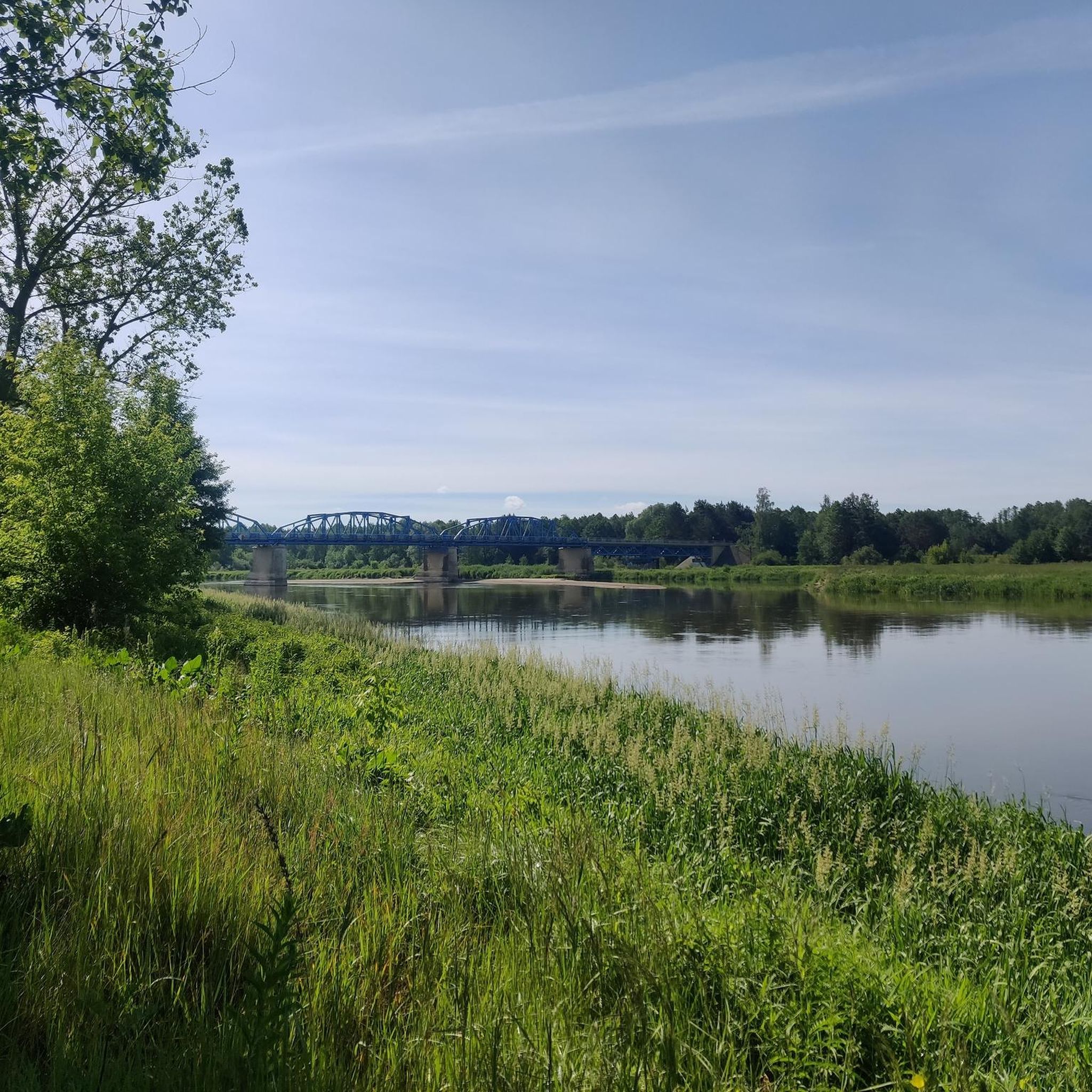
Hiking around Sarnaki offers diverse natural scenery, characterized by riverine landscapes along the Bug line and a rich natural environment. The region features a blend of historical significance, including the Molotov Line Bunkers, and opportunities to explore nature and wildlife. Its terrain includes varied paths suitable for discovery, often incorporating water features like rivers and reservoirs. This area provides a mix of natural beauty and historical landmarks for outdoor exploration.
Best hiking trails around Sarnaki
- The most popular hiking route…
Last updated: October 28, 2026
Moderate hike. Good fitness required. Easily walkable paths.
8
hikers
4.49km
01:15
80m
80m
Easy hike. Easily walkable paths.

6
hikers
5.95km
01:33
40m
40m
Moderate hike. Mostly walkable paths. Sure-footedness required.
7
hikers
7.47km
02:01
90m
90m
Moderate hike. Good fitness required. Easily walkable paths.
6
hikers
2.83km
00:47
50m
50m
Easy hike. Easily walkable paths.
Get access to more routes and recommendations from other explorers.
Already have an account?
Our route recommendations are based on thousands of hikes, rides, and runs completed by other people on komoot.
Start today with a free account
Your next adventure awaits.

Other adventures around Sarnaki

Tips from the Community

it's worth climbing the mountain next to it, there's a beautiful view
0
0

The highest viewpoint in the area over Mielnik and the Bug River valley. A footbridge leading to the tower on the right side allows for bringing a bicycle.
0
0

At the foot of Góra Zamkowa are the ruins of the castle church, founded in 1420 by the Grand Duke of Lithuania Vytautas. The church was built next to the castle and served a defensive function. It is an oriented building, built in the late Gothic style, made of brick with the use of field stones. In the second half of the 16th century, the castle church was thoroughly rebuilt and re-consecrated in 1618. In 1657, the temple, together with the entire archive, burned down. After the wars, in 1669, its reconstruction began. It is likely that during the new consecration, the church's name was changed to the Holy Trinity. In 1851, the castle church was abandoned. After the January Uprising in 1866, it was closed for five years, and in 1871 it was transformed into an Orthodox church of the Holy Spirit. In 1915, the church burned down. Although it was returned to the Catholic parish as part of the restitution campaign in the interwar period, it was never rebuilt. In the interwar period, a chapel of St. Anthony was set up in the sacristy, which was destroyed in 1941. During this period, the walls of the church were also partially demolished. Currently, the ruins of the church are one of the most interesting tourist attractions in Mielnik. Near the ruins of the castle church, there is also a building of the former Catholic rectory. Like the church, the rectory is a brick building, plastered and erected on a fieldstone foundation. The fate of the building from around the second half of the 18th century is closely linked to the fate of the castle church. When the church was regained by the Catholic parish in the 20th century, the rectory became a place of residence for priests. Since the 1950s, it has served as a residential building for priests and as a catechetical house. The building has been unused since the 1970s.
0
0

In the mielnik itself there is a large shop, a café and a restaurant. Additionally, after crossing to the other side there is a hotel and a restaurant.
1
0
an amazing view of Mielnik and the Bug River
0
0
Amazing place
0
0

Beautiful view from a high slope. Calm place. There is a covered shelter next to it.
0
0

The building of a wooden Uniate church erected in 1740 in the village of Stary Bubel. Currently it is the church of St. Saint John the Apostle and Evangelist. Worth a visit.
2
0
Frequently Asked Questions
How many hiking trails are available around Sarnaki?
There are over 30 hiking trails around Sarnaki, offering a variety of experiences for different skill levels. The region is known for its diverse natural scenery and historical sites.
Are there easy hiking trails suitable for beginners in Sarnaki?
Yes, Sarnaki offers many easy hiking options. Out of the 30 available routes, 22 are classified as easy, making them perfect for beginners or those looking for a relaxed walk. An example is the Zalew II loop from Siemiatycze, which is 3.2 miles (5.2 km) long and leads around a reservoir.
What kind of natural features can I expect to see on hikes in Sarnaki?
Hiking in Sarnaki is characterized by beautiful riverine landscapes along the Bug line, offering rich natural environments. You'll encounter varied paths, often incorporating water features like rivers and reservoirs. The region is ideal for exploring nature and wildlife.
Are there any historical landmarks to explore while hiking in Sarnaki?
Absolutely. Sarnaki is rich in historical significance. You can explore sites like the Molotov Line Bunkers, which are Soviet-era fortifications stretching along the Bug line. Another notable historical site is the Janów Podlaski Stud Farm, the first state horse breeding farm in Poland.
Are there any circular hiking routes in the Sarnaki area?
Yes, many of the trails around Sarnaki are designed as loops, offering convenient circular walks. For instance, the Zakole Bugu loop from Borsuki is a moderate 9.8 km (6.1 miles) route that allows you to return to your starting point without retracing your steps.
What are some unique attractions or 'hidden gems' to discover near Sarnaki?
Sarnaki is home to several unique spots. The Holy Mountain Chapel and Spring is a significant cultural and natural site with a miraculous spring. You might also enjoy visiting the Winnica Korol Winery for a taste of local produce after your hike.
What do other hikers say about the trails in Sarnaki?
The routes in Sarnaki are highly rated by the komoot community, with an average score of 5.0 stars from over 10 reviews. Hikers often praise the varied terrain, the beautiful riverine landscapes, and the blend of natural beauty with historical landmarks.
Are there any hikes that feature a beach or riverside views?
Yes, the region's riverine character means many trails offer stunning riverside views. The Zakole Bugu – Plaża nad Bugiem loop from Borsuki is a moderate 4.1 miles (6.7 km) path that specifically includes a beach section along the Bug river.
Are there family-friendly hiking options in Sarnaki?
Given the abundance of easy trails and the relatively gentle elevation changes, many routes in Sarnaki are suitable for families. The shorter, easy loops, such as the Zalew II loop from Słowiczyn, are great choices for outings with children.
What is the typical elevation gain on hikes around Sarnaki?
Hikes around Sarnaki generally feature relatively gentle elevation changes. Most trails have an elevation gain of less than 50 meters, making them accessible and enjoyable for a wide range of hikers without demanding strenuous climbs.
Can I find viewpoints with scenic vistas on the trails?
Yes, the varied landscape along the Bug river offers several opportunities for scenic views. You can find specific viewpoints like the Viewpoint of the chalk mine or the View from the High Bluff of the Bug River Bend, which provide expansive vistas of the surrounding nature.
Most popular routes around Sarnaki
Most popular attractions around Sarnaki

Get inspired with the komoot mobile app


Explore more
Browse the best Hikes in other regions.
