Top 20 Natural Monuments around Coppenbrügge
Best natural monuments around Coppenbrügge are found within a landscape characterized by the Ith mountain range and Süntel hills. This region features diverse rock formations, expansive views, and varied terrains. The area is known for its geological features and opportunities for outdoor activities. Coppenbrügge serves as a starting point for exploring these natural attractions.
Best natural monuments around Coppenbrügge
- The most popular natural monuments is Devil's Kitchen Gorge, a gorge that features a challenging ascent with stairs and is…
Last updated: September 29, 2026
Adam and Eve Rock Formations
Highlight • Natural Monument
A detour to the Ith tower past the Bisperoder cliffs and back over the IthssHils way.
Translated by Google •
Tip by

Devil's Kitchen Gorge
Highlight • Gorge
Translated by Google •
Tip by

Sign up now to discover places like this
Get recommendations on the best single tracks, peaks, & plenty of other exciting outdoor places.
Mönchstein rock formation
Highlight • Natural Monument
Translated by Google •
Tip by

View from the Ith Tower
Highlight • Viewpoint
Translated by Google •
Tip by
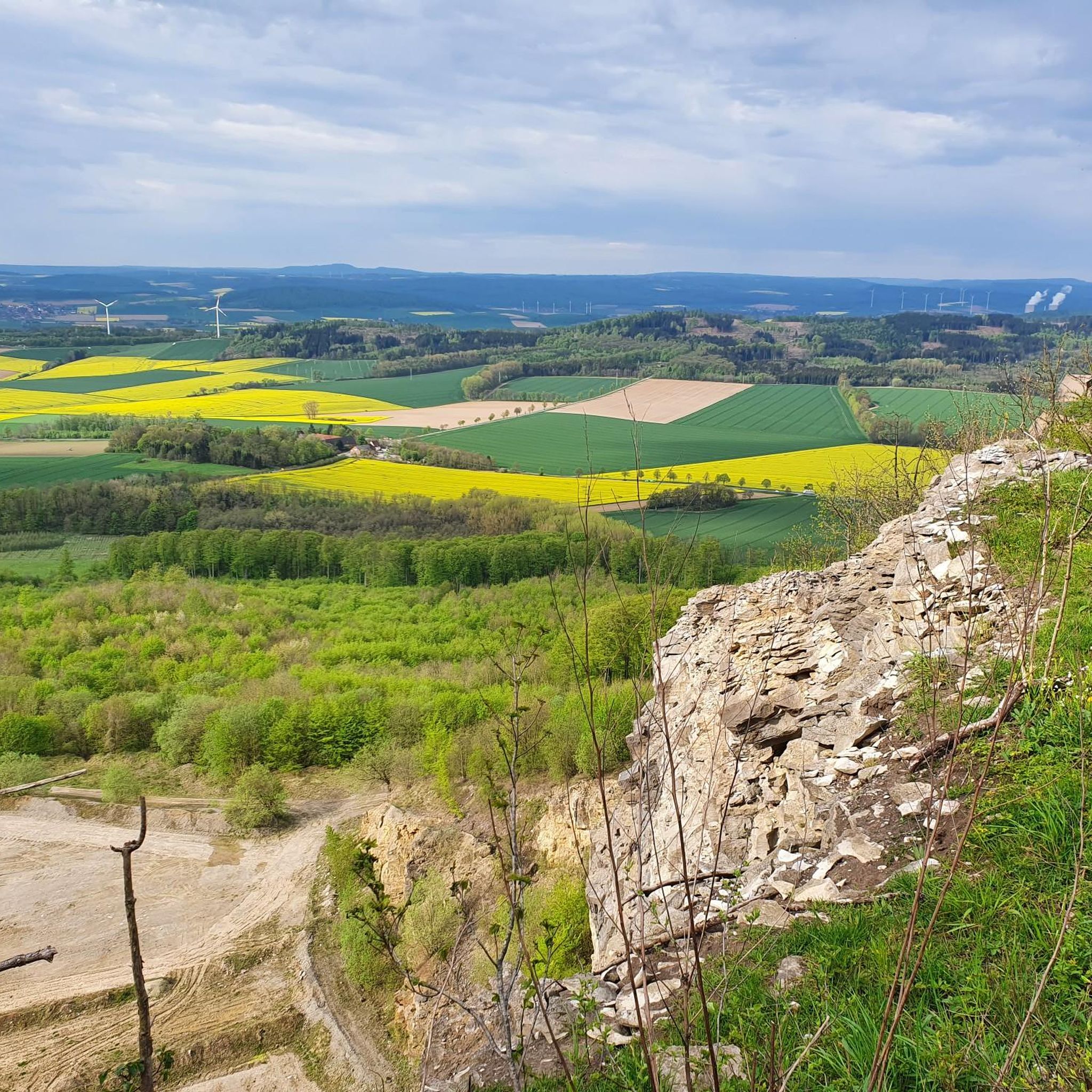
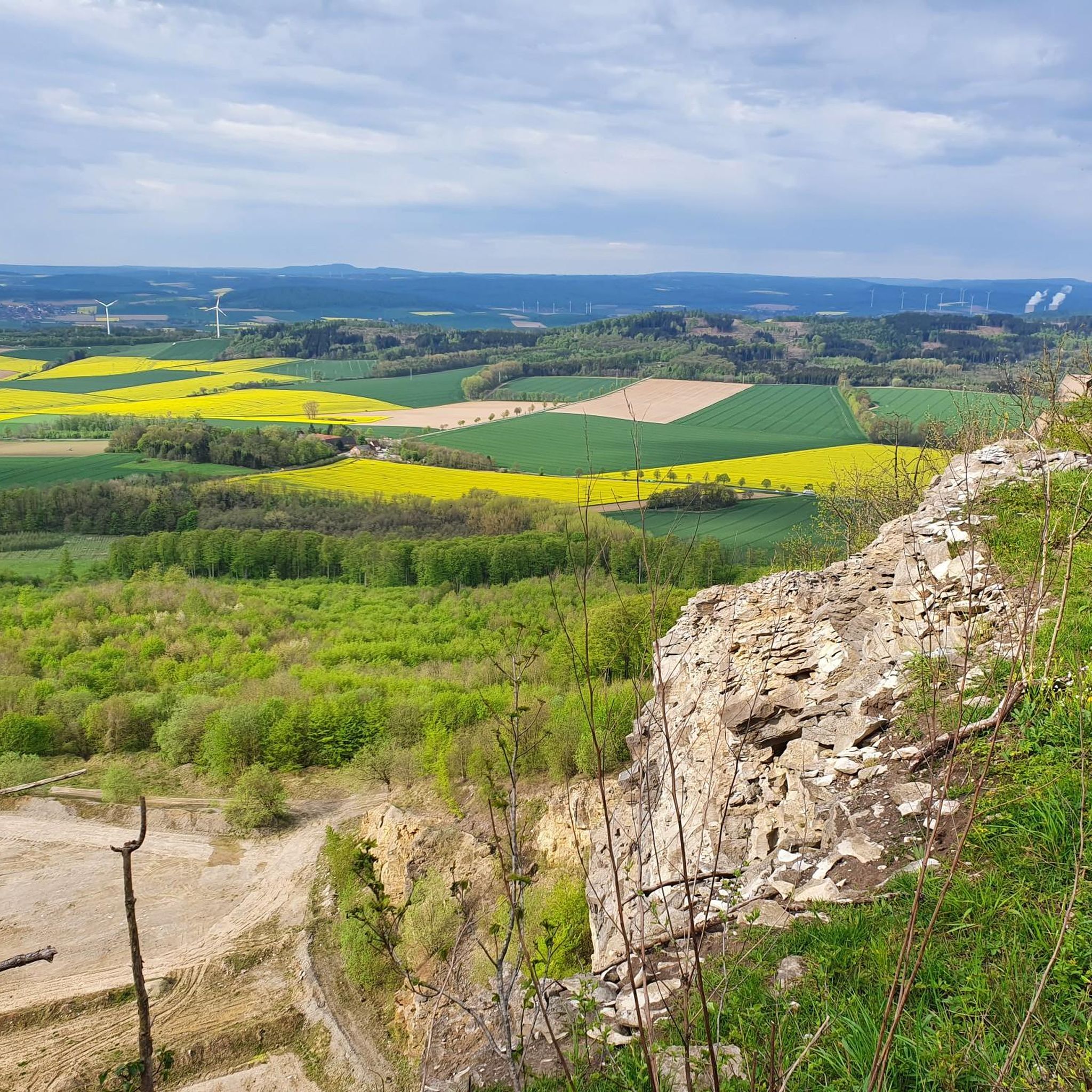
Quarry at Ebersberg
Highlight • Natural Monument
Although it is nowhere near as deep as in the neighboring quarry, (komoot.de/highlight/396054) you should still be careful.
Translated by Google •
Tip by

Sign up for free to discover even more natural monuments around Coppenbrügge.
Already have an account?
Start today with a free account
Your next adventure awaits.
Popular around Coppenbrügge
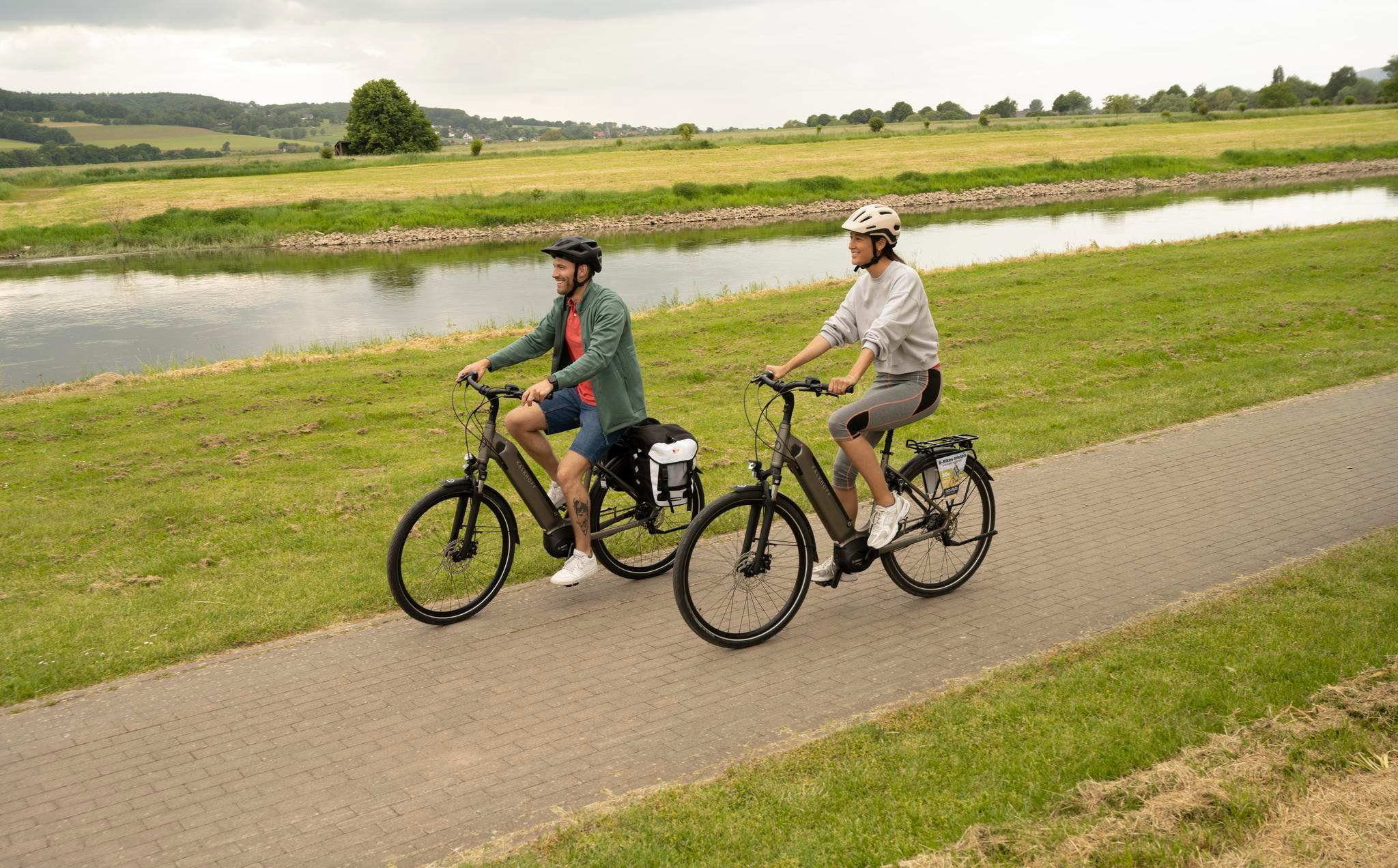
Relaxed rides in the Weser Uplands – E-bike routes with spectacular views
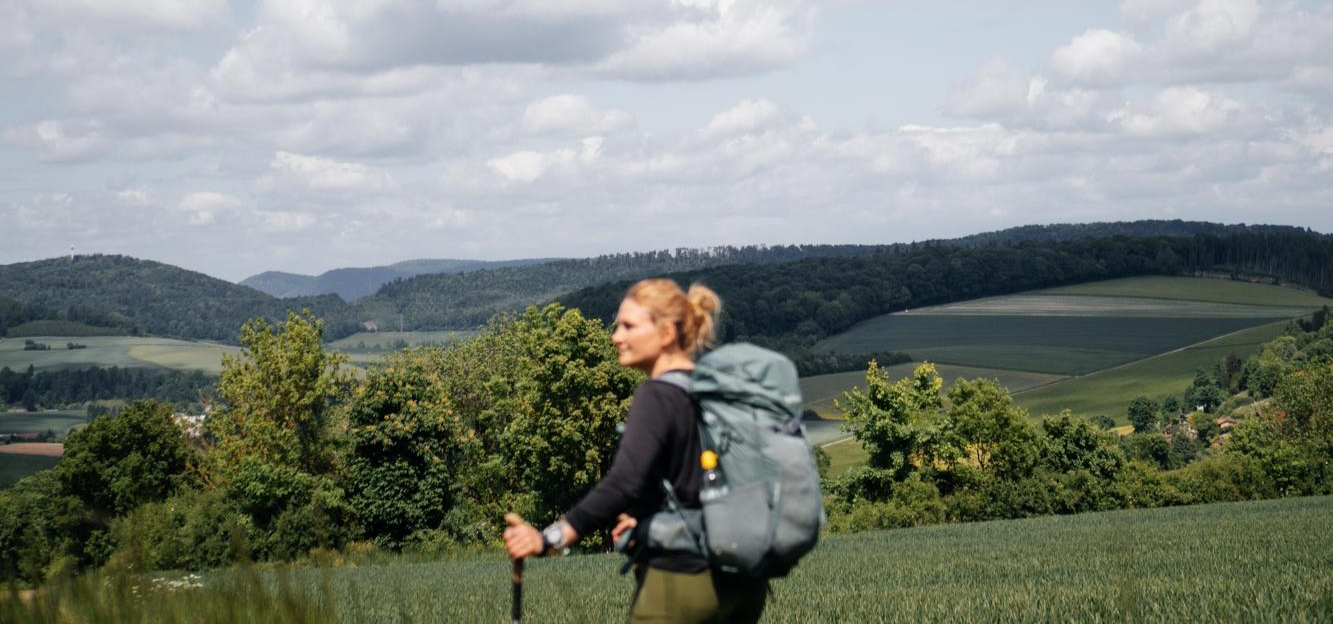
Ith-Hils-Weg with Fräulein Draußen
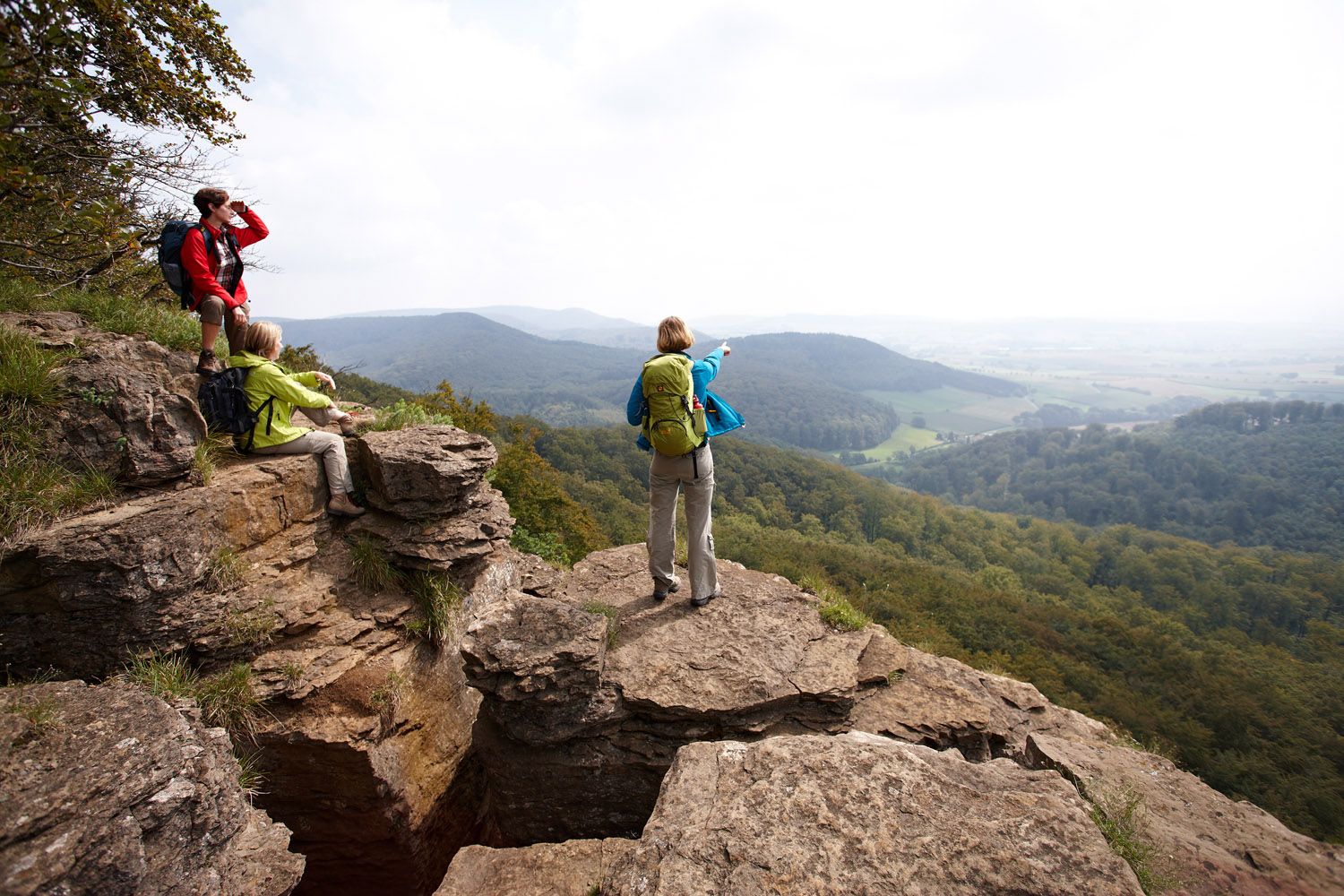
Weser Uplands Extreme – hiking for true adventurers
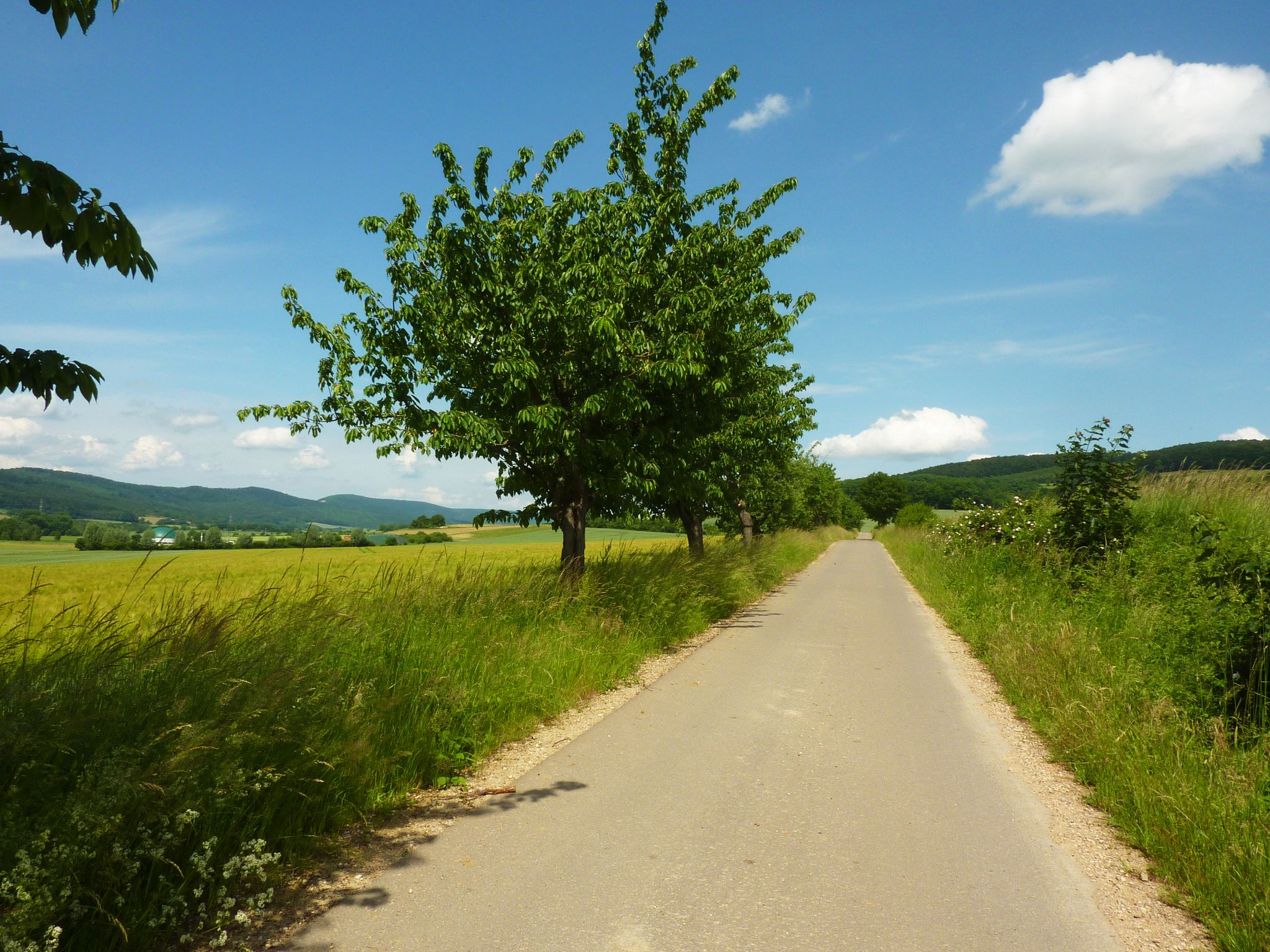
Between mountains and valleys – bike Tours in the Weser Uplands
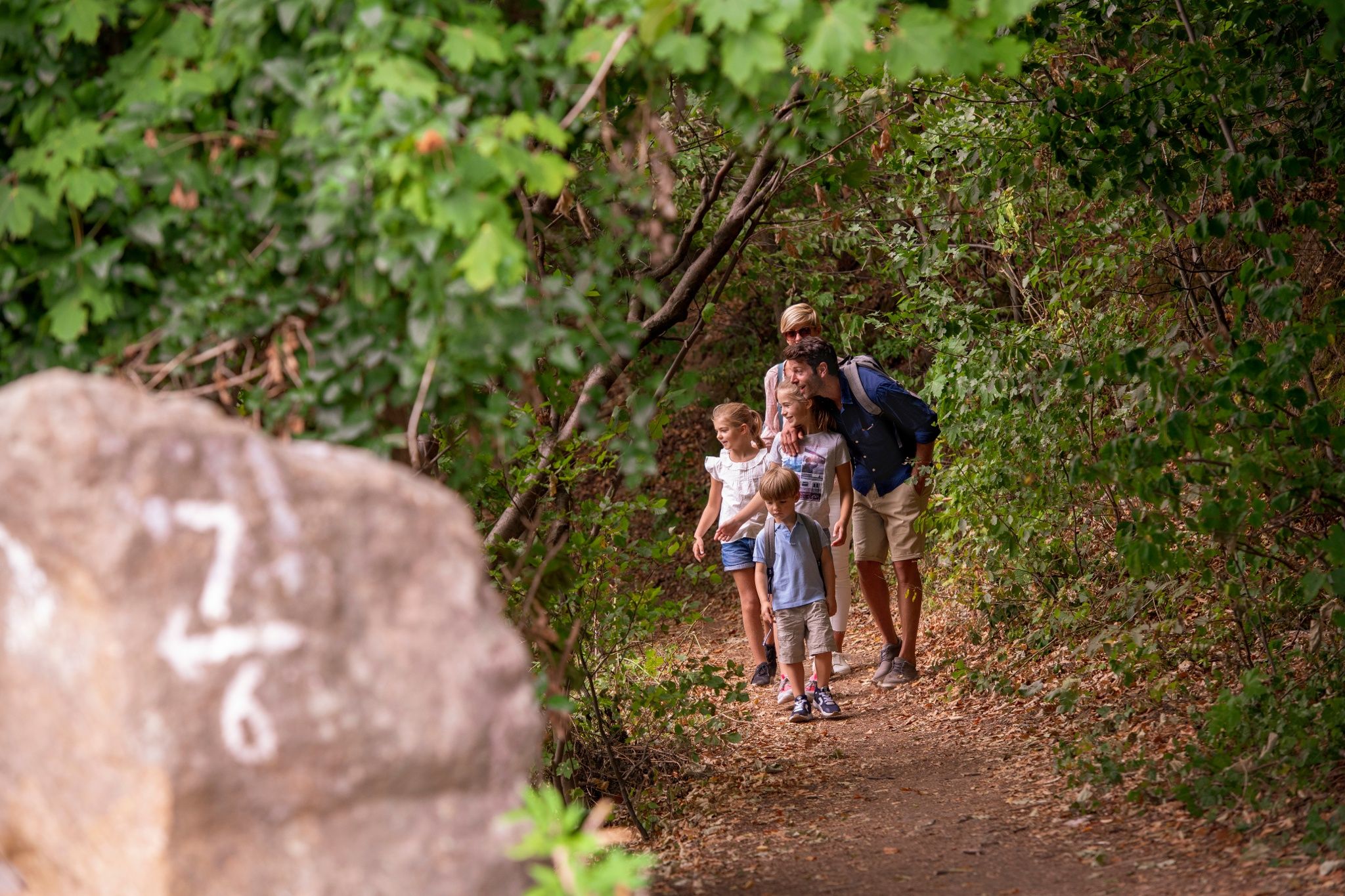
Castles and miners – hike through history in the Weserbergland region
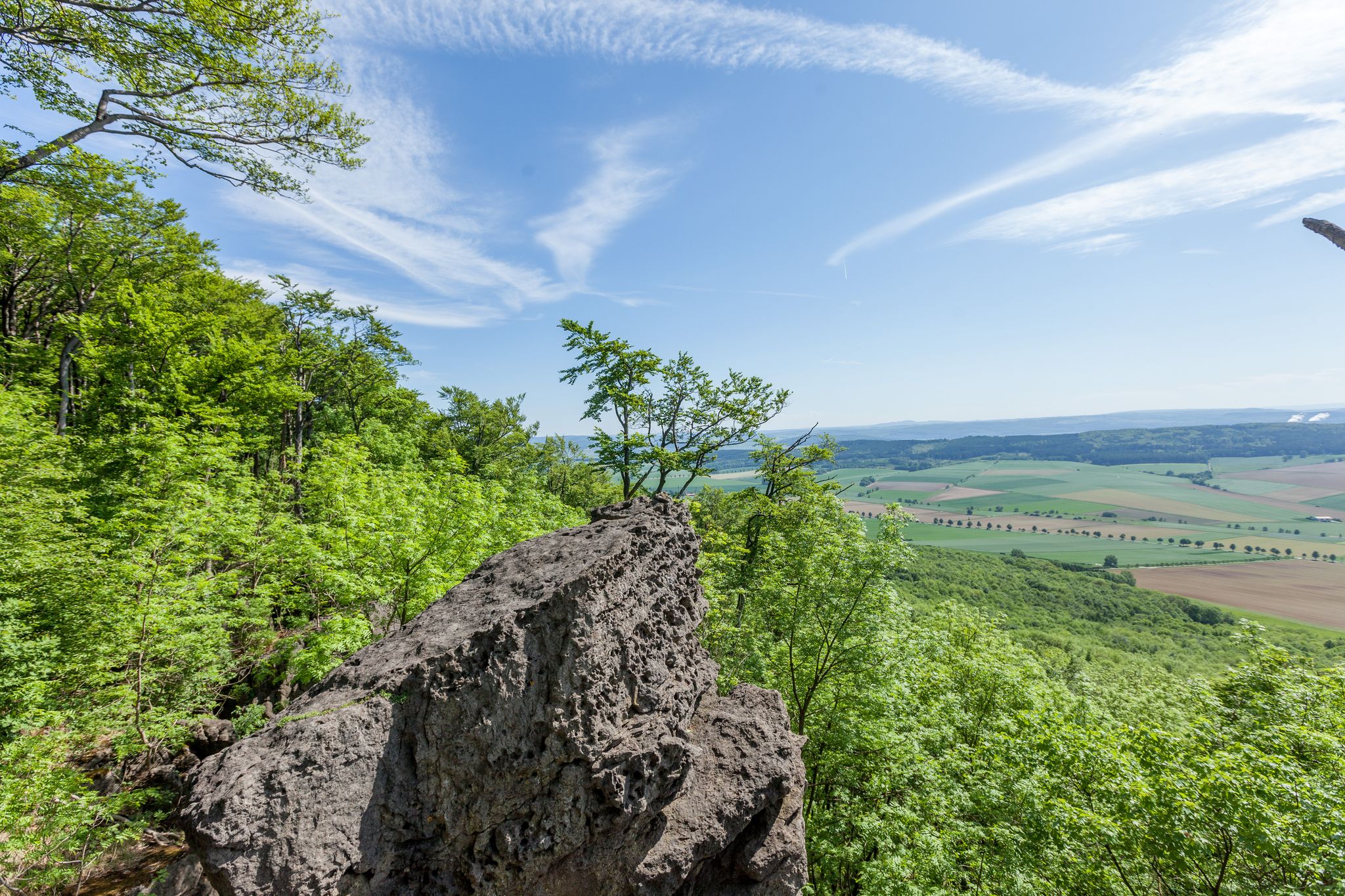
Bizarre cliffs and gentle valleys – Ith Hils Trail in Germany
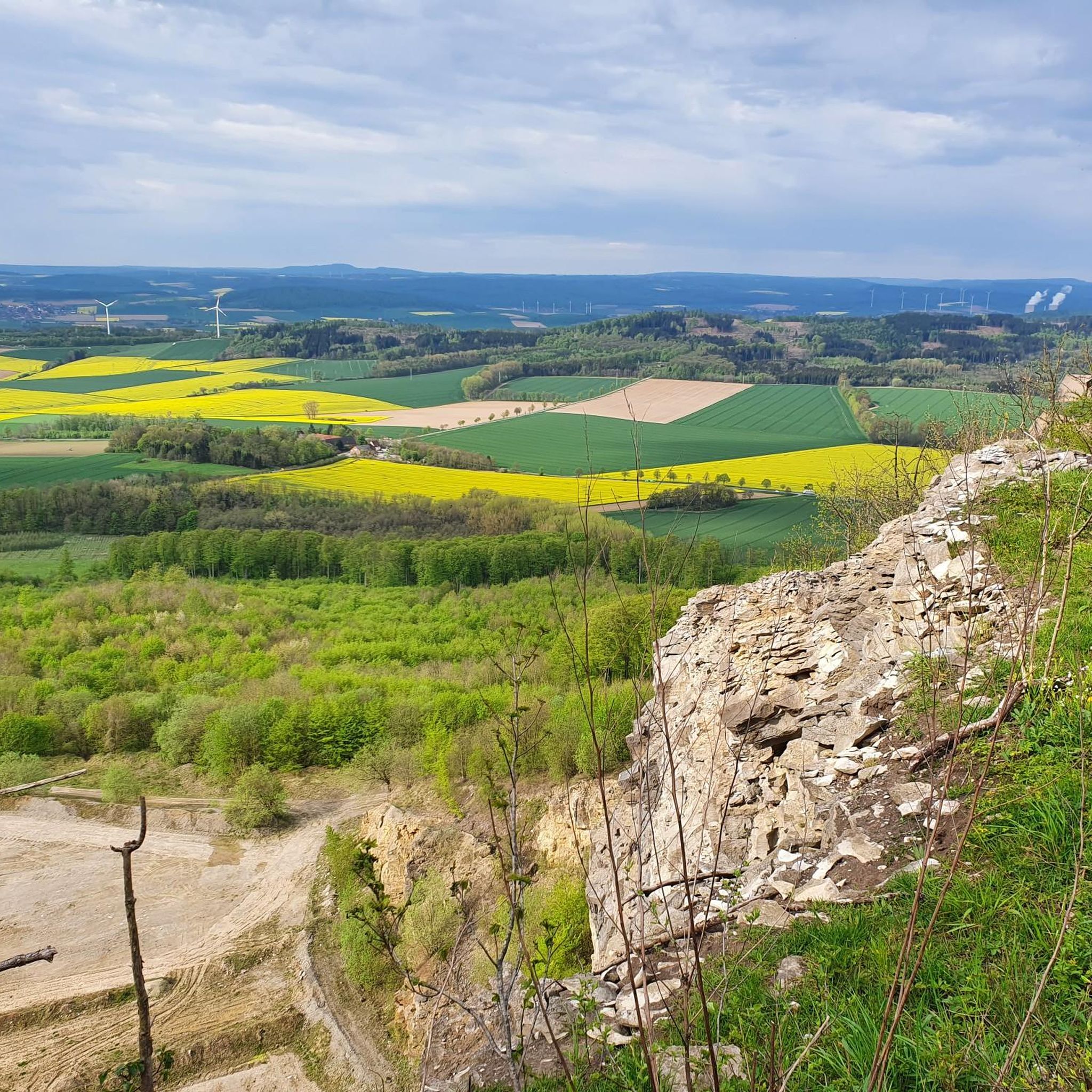
Hiking around Coppenbrügge
Cycling around Coppenbrügge
Road Cycling Routes around Coppenbrügge
MTB Trails around Coppenbrügge
Other adventures around Coppenbrügge

Tips from the Community

Good footwear and sure-footedness are required, especially when it is damp... But the journey is worth it.
3
0
Very striking rock with a beautiful view. Also a great photo opportunity.
3
0

This is an interesting rock formation.
0
0

Nice place on the ridge path, especially if you know the history(s).
0
0

Easily overlooked. You have to walk towards Coppenbrügge
5
0

Legend 1: The Männekenstein is a huge dolomite rock above Bessingen and Bisperode in the crest of the Ithgebirge. According to legend, all sorts of "Männeken" lived there in ancient times, namely giants and dwarves. A mighty giant called “monk” is said to have lived up there; that's why many people like to call this rock "monk stone". Legend 2: Today the Männekenstein is also often called the "Mönchenstein". The rock got this name during the Thirty Years' War. The Imperials under General Tilly had conquered our entire territory in 1625 and have occupied it ever since. Twelve monks were commissioned to preach in the twelve parishes of the Lauenstein district and to reintroduce the old Catholic faith. They had been housed at Lauenstein Castle. On June 28, 1633, the monks all rushed to the top of the Ith on the Männekenstein, from which one can enjoy a magnificent view. Behind Hamelin, near Hessisch Oldendorf, the battle between Georg von Celle and the imperial troops was raging. From the cliff, the monks hoped to watch the Imperials triumph. But things turned out differently; the evangelicals won. When the monks realized this, they gathered up their habit and fled in haste to Lauenstein and from there to Hildesheim. But the people cheered and, to mockingly, called the rock from which the monks saw the imperial banner fall the "Monk's Stone". Source: https://www.salzInhibitororf.de/naturdenkmale-und-deren-bezeichung/
4
0
It was the year 1284. As every year, there had been a series of festive days with boisterous activity in Hamelin around St. John's Day. Moving out and moving, especially of young people and children, were the order of the day. In the darkness, the St. John's fires blazed up on the heights of the surrounding mountains. Stimulated by the festivities of the preceding St. John's Day, a large group of children made their way to Ith, just under two miles away, on June 26th in the most beautiful summer weather. Massive and rugged, the massif of the Fahnenstein juts out into the plain on the northern Ith. According to ancient custom, a midsummer bonfire was burned at its height every year, and the youth of Hamelin wanted to be there. With happy playing and singing, we left Hamelin's Easter Gate. A minstrel, a piper, led the long procession of 130 children. The Cobbenberg, as this Ithhöhe is called in the oldest documents, was reached in good time towards evening. At the foot of the Fahnenstein, halfway up the Cobbenberg, lies the eerie devil's kitchen, a formerly swampy rock basin in the middle of steep cliffs. Tradition has it that this place was an old Germanic place of worship and sacrifice. The devil's kitchen at the foot of the flag stone now particularly attracted the leader of the children. Like all members of his guild, he was still excluded from the church and therefore stuck to the old beliefs. The devil's kitchen was dangerous terrain, due to the swamp basin and the steep cliffs from which large blocks had detached over time and today have completely filled the swamp hole. Mysterious mists rose from the bottom, will-o'-the-wisps floated to and fro. As dusk fell, the children feared spooks and ghosts. As if by magic, they pressed forward. As the foremost sank into the swamp, panic set in, and instead of realizing the danger and turning back, those who stayed behind became utterly shy. Partly driven by superstitions, partly in an effort to save their comrades, they pressed forward and thus to perdition. So the sump of the devil's kitchen on the slope of the Cobbenberg, just under two miles east of Hamelin, became the grave of the 130 Hamelin children. https://www.mystic-culture.de/kultplatz/ith/teufelskueche/rattenfaengersage.html
9
1

Quarry on the Ebersberg, where material for the lime works that were shut down in 1957 near the Springer train station was extracted. The limestone was deposited in a shallow, warm sea about 163 to 157 million years ago. The older rocks are the Heersumer strata (163 million years ago) and above (younger) is coral oolite (157 million). The quarry wall then shows a few million years of geological history from top to bottom. Formed in the sea, the layers of rock contain fossils of sea animals. The geological period in which this happened is called the Jurassic (201 to 145 million years ago, "Jurassic Park").
6
0
Frequently Asked Questions
What kind of natural monuments can I explore near Coppenbrügge?
The region around Coppenbrügge, nestled at the northern edge of the Ith mountain range, offers a variety of natural monuments. You can discover dramatic rock formations like the Adam and Eve Rock Formations, impressive gorges such as the Devil's Kitchen Gorge, and viewpoints offering expansive vistas, including the View from the Ith Tower. The area is also known for unique geological sites like the Quarry at Ebersberg.
Are there hiking trails to reach these natural monuments?
Yes, the area is excellent for hiking. The Ith-Hils-Weg, an 81-kilometer circular hiking trail, begins in Coppenbrügge and guides visitors along the Ith ridge, passing many natural monuments. For easier options, you can find routes like the Adam and Eve Rock Formations – Devil's Kitchen Gorge loop, which is an easy 5.4 km hike.
What other outdoor activities are available near Coppenbrügge's natural monuments?
Beyond hiking, the region offers great opportunities for cycling. You can explore various routes, including the challenging Ith Loop for touring bicycles or more moderate road cycling routes like the View of Calenberger Land – Coppenbrügge Castle loop.
Are there any natural monuments with historical or legendary significance?
Absolutely. The Devil's Kitchen Gorge is steeped in local lore, with texts suggesting it was a pre-Christian place of sacrifice and is even linked to the legend of the Pied Piper of Hamelin. The Mönchstein rock formation also has several legends associated with it, which you can explore during your visit.
Are there family-friendly natural monuments or trails suitable for children?
While some areas like the Devil's Kitchen Gorge involve a challenging ascent with stairs, many trails around the natural monuments are suitable for families. When visiting sites like the Quarry at Ebersberg, it's important to supervise children due to unsecured edges, but the overall experience of exploring rock formations and viewpoints can be very engaging for families.
What are the best natural monuments for panoramic views?
For breathtaking panoramic views, the View from the Ith Tower is highly recommended. Situated on the Lauensteiner Kopf, the highest point of the Ith, it offers expansive vistas of the surrounding Eastern Weser Uplands. The Adam and Eve Rock Formations also provide excellent views of the Süntel and Osterwald areas.
What is the best time of year to visit the natural monuments around Coppenbrügge?
The natural monuments are beautiful year-round. Spring and autumn offer pleasant temperatures for hiking and vibrant foliage. Summer is ideal for longer days and enjoying the views, while winter can provide a unique, serene experience, especially if you're prepared for colder weather. The Adam and Eve Rock Formations, for instance, offer beautiful views in summer.
Are there any natural monuments suitable for climbing?
Yes, the region is known for its climbing opportunities. The Adam and Eve Rock Formations are popular for climbing, and the Mönchstein rock formation also features several climbing routes. The Ith ridge, where these are located, is Germany's longest line of crags, attracting climbers.
What do visitors enjoy most about the natural monuments near Coppenbrügge?
Visitors frequently praise the unique geological formations and the stunning views. Many appreciate the opportunity for challenging hikes, such as the 'slight alpine ascent' at Devil's Kitchen Gorge, and the panoramic vistas from the Ith Tower. The blend of natural beauty with local legends also adds to the appeal.
Are there facilities like picnic areas or shelters at the natural monuments?
Yes, at the Ith Tower, you'll find picnic tables and a shelter, making it a perfect spot for a scenic break during your hike. This allows visitors to relax and enjoy the panoramic views comfortably.
How can I access the natural monuments, and is parking available?
Many natural monuments, especially along the Ith ridge, are accessible via hiking trails that often start from towns like Coppenbrügge. While specific parking details for each monument vary, general parking is usually available in or near the starting points of popular trails. It's advisable to check local information for designated parking areas before your visit.
Most popular routes around Coppenbrügge
Most popular attractions around Coppenbrügge

Get inspired with the komoot mobile app


Explore more
Extend your search for the best caves by checking out these guides of the top ones around Coppenbrügge:
