Attractions and Places To See around Baligród - Top 20
Best attractions and places to see around Baligród include a blend of natural landscapes, historical landmarks, and cultural sites. Situated in the Hoczewka River valley near the Bieszczady Mountains, Baligród serves as a base for exploring the wider Bieszczady area. The region offers opportunities to discover geological formations, historical churches, and remnants of past communities. Visitors can explore a variety of outdoor and cultural points of interest.
Best attractions and places to see around Baligród
- The most popular attractions is…
Last updated: October 5, 2026
Memorial to the Victims of the 1991 Helicopter Crash
Highlight • Monument
The three crew members and 7 accompanying police officers were killed in the crash.
pl.m.wikipedia.org/wiki/Katastrofa_lotnicza_w_okolicach_Cisnej
Translated by Google •
Tip by

Old Railway Viaduct over the Osława Rapids
Highlight • Bridge
Translated by Google •
Tip by

Sign up now to discover places like this
Get recommendations on the best single tracks, peaks, & plenty of other exciting outdoor places.
Charcoal Kiln in Ciśniańsko-Wetliński Landscape Park
Highlight • Structure
Translated by Google •
Tip by

Siekierezada Regional Inn, Cisna
Highlight • Restaurant
Translated by Google •
Tip by
Kamień Leski
Highlight • Natural Monument
This one of the most recognizable natural peculiarities of the region is located at the beginning of the village of Glinne, on the route …
Translated by Google •
Tip by
Sign up for free to discover even more attractions around Baligród.
Already have an account?
Start today with a free account
Your next adventure awaits.
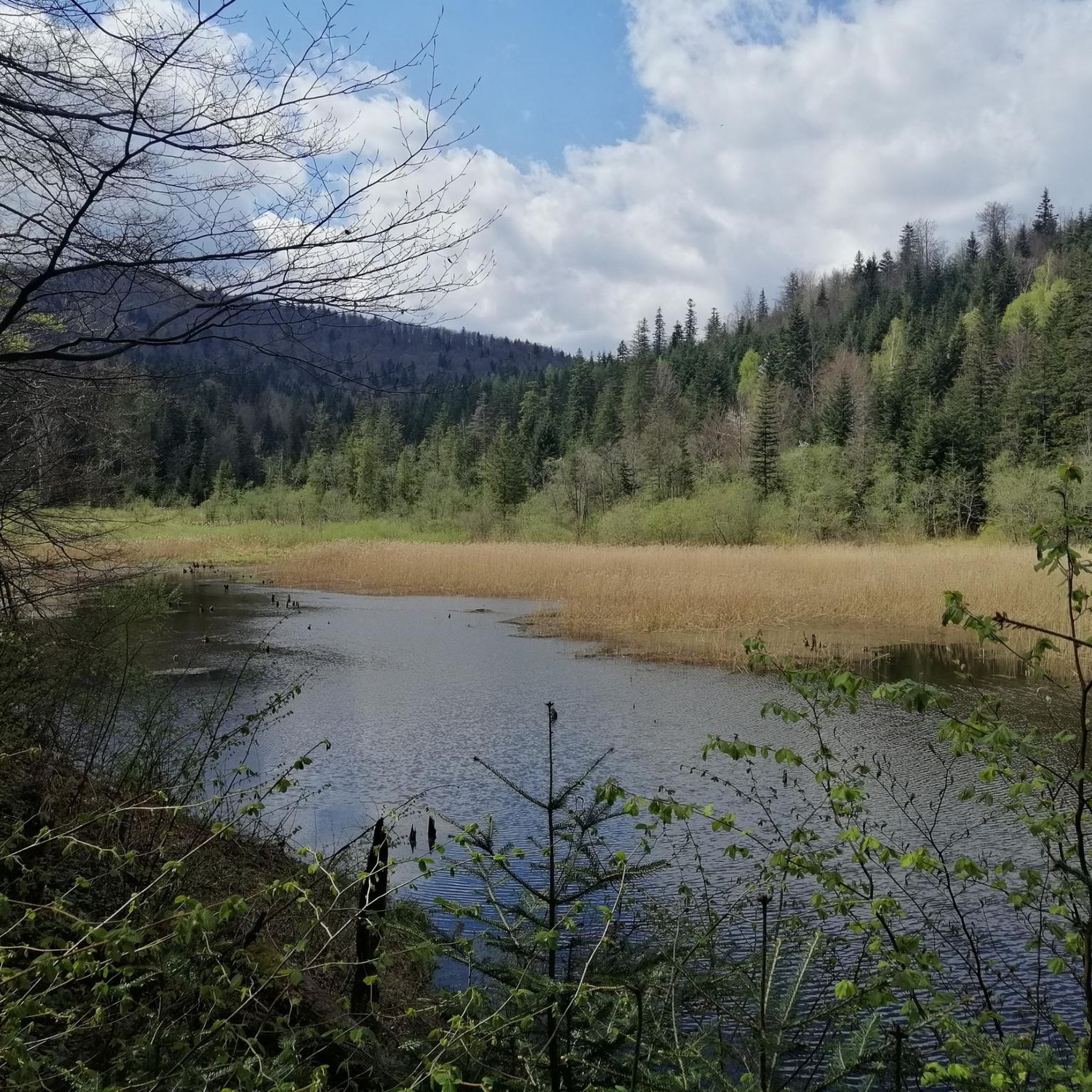
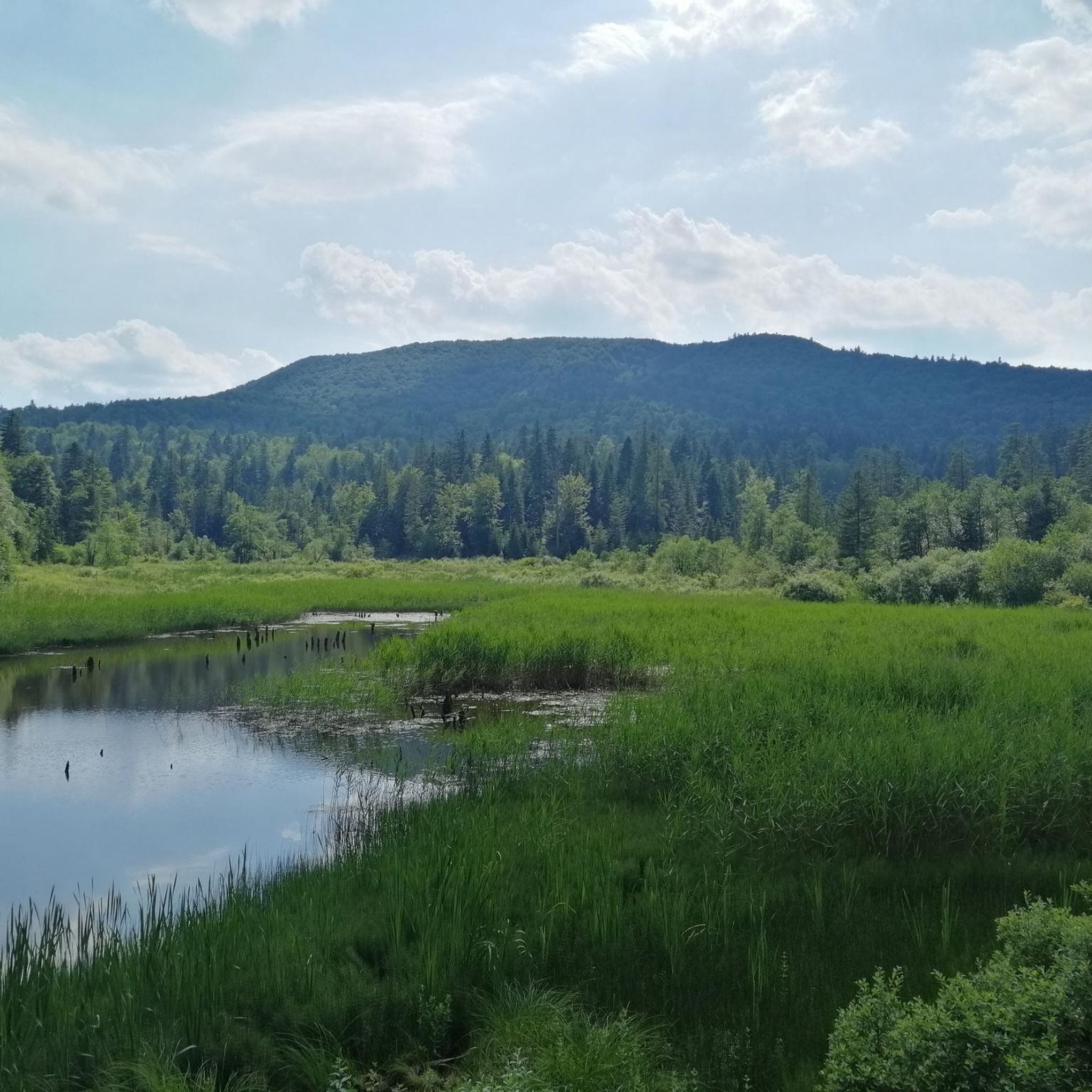
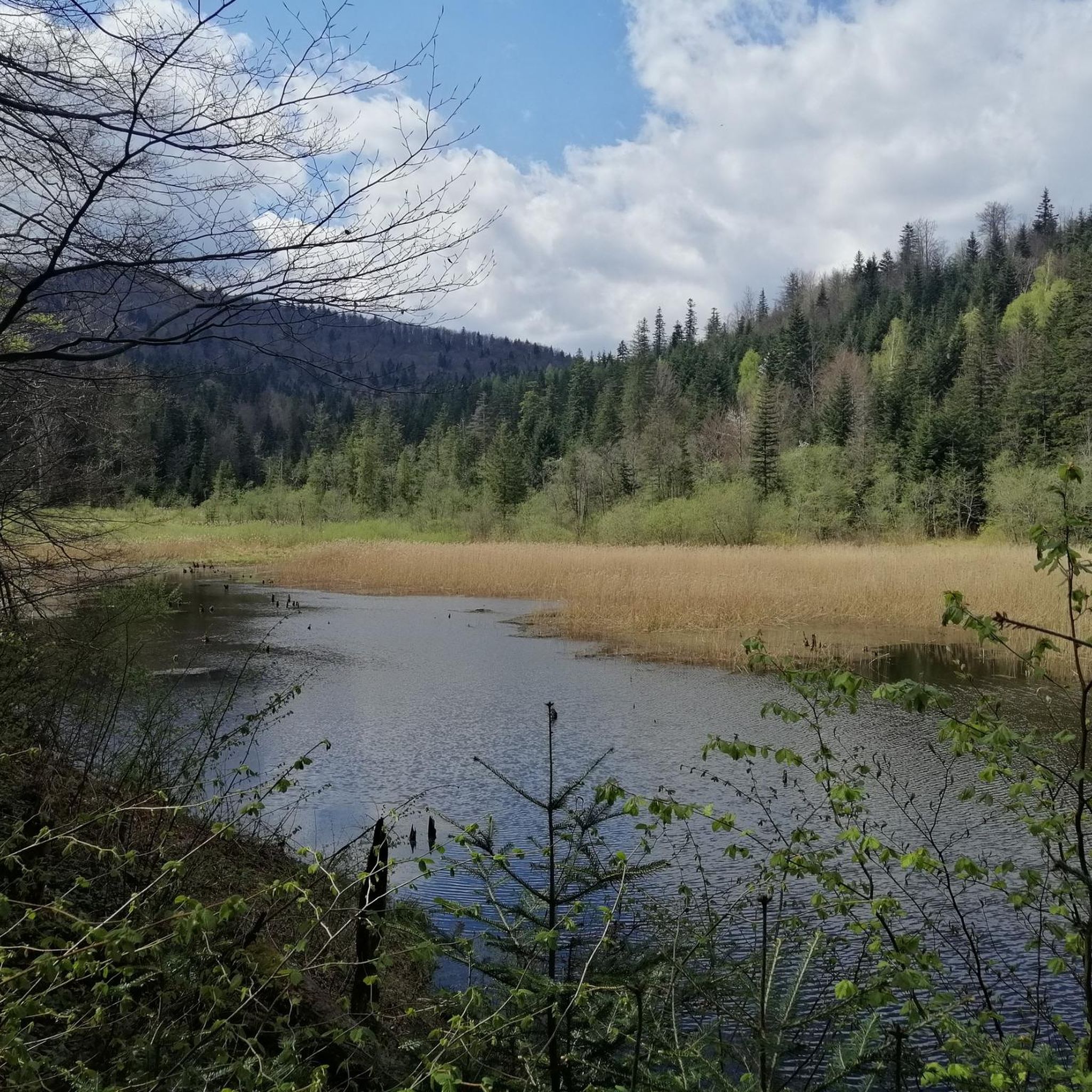

Tips from the Community

More information and photos: https://pl.wikipedia.org/wiki/Katastrofa_lotnicza_w_okolicach_Cisnej https://www.podkarpackahistoria.pl/artykul/48,katastrofa-smiglowca-pod-cisna-tragiczne-kulisy-magazynu-kryminalnego-997 https://dziejesienapodkarpaciu.pl/katastrofa-smiglowca-w-cisnej-zgineli-policjanci-i-zolnierze-na-planie-997/ https://wbieszczady.pl/aktualnosci/katastrofa-lotnicza-w-bieszczadach-czyli-dramat-posrod-ciszy-lasu/tOgbSO1fDb3Bk1xABmML
2
0

Today we were in this tavern as a group of four. The facility has numerous dining rooms in the lower part, located below the entrance level and in the adjacent garden with umbrellas and on the first floor. Self-service (no waiters). Disabled people in wheelchairs have no chance here - stairs, narrow passages, a long queue of people to the window with orders, customers pushing each other with plates in both directions, narrow and winding access to the toilet (2 cabins and a claustrophobic corridor with a sink). We ordered pancakes in the style of Zbójnicka and they turned out to be delicious, and the portions were very generous. Tea is served in large glass cups (approx. 300 ml) for PLN 10 (not 150 ml as in some restaurants). The drawback is the long waiting time, which consists of waiting in the queue to place an order and then waiting for it to be fulfilled. In our case, it was an hour and 20 minutes (1h 20'). As for the end of the season - the second half of October, and not the middle of the holidays, is definitely too long. WW
1
0

Memorial site for the helicopter crash victims.
0
0
I captured the charm of this place in the video below: https://youtu.be/JqqRCnqr_2g?si=XGBA_DUxGnUnZ6Wn
0
0
To visit the cascade on Osława and see the beautiful arched reinforced concrete viaduct up close, you need to cross the barrier by the road and go about 400 m along the tracks of the closed narrow-gauge railway. Most of this section can be covered by bicycle riding on the left side of the track with caution, because it is narrow and the viaduct is in poor technical condition. The barriers are bent, rebars protrude from the structure in places and you have to be careful of your legs and bicycles. I absolutely advise against visiting at night! You can leave your bicycles on the viaduct and go down the steep wooden stairs to the Osława riverbed and walk a bit through the forest. This will allow you to see the structure of the viaduct from the bottom and the river bed, noiselessly overcoming large boulders. In this place, in the summer, some people lie on the beach, spreading blankets on the stones, and in the event of excessive heat, you can shelter from the sun under the trees. The Osława creates a meander around the ridge of the mountain, similarly to the San near Zwierzyń, where the fall of the river was used to build the Myczkowce hydroelectric power plant. Here in Osława there was also such an idea, but the investment did not come to fruition and the place retained its natural charm, which confirms the status of a nature reserve.
1
0

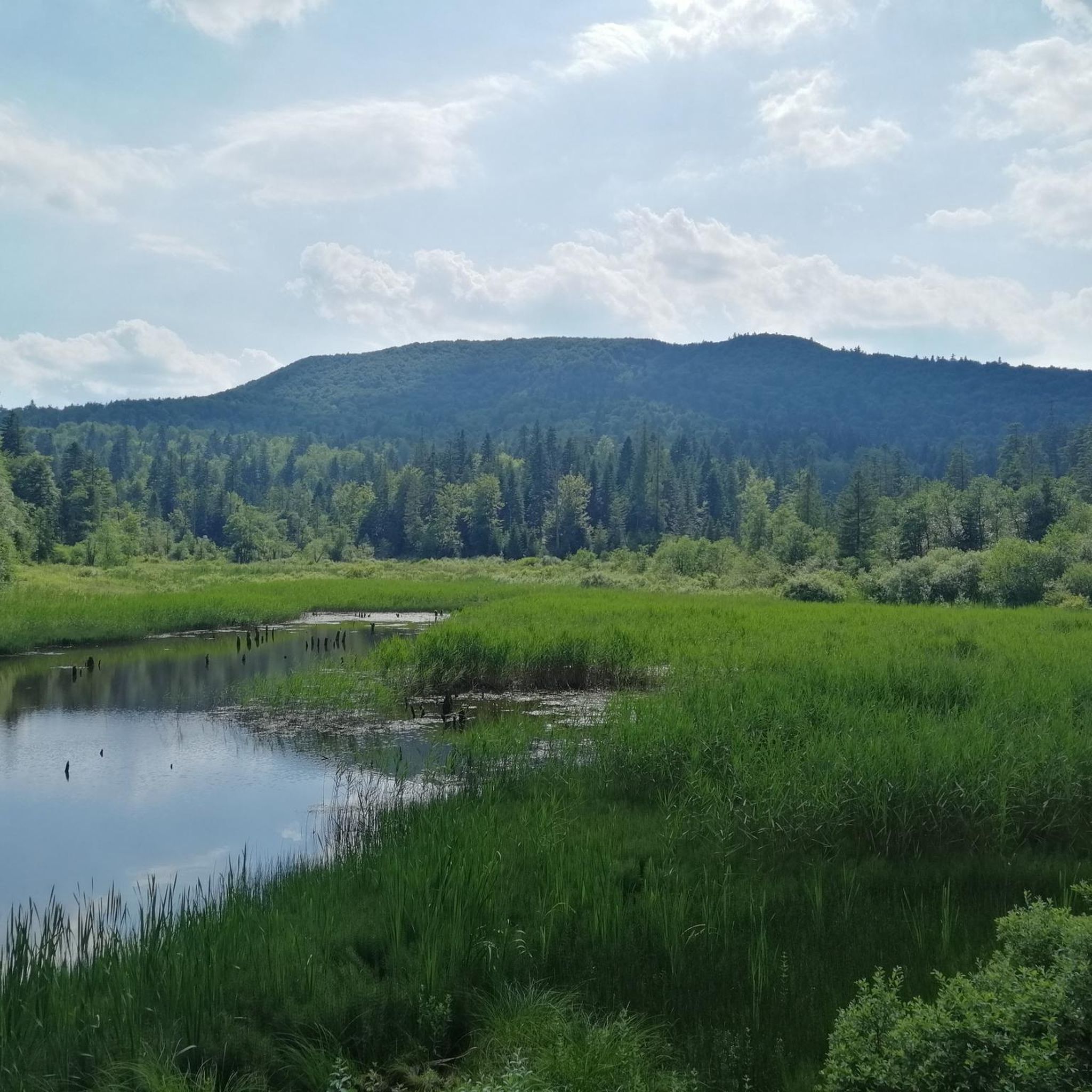
Beautiful river rapids, great view.
0
0
Place of commemoration of the victims of the helicopter crash.
0
0
How to get to Kamień Leski This one of the most recognizable natural peculiarities of the region is located at the beginning of the village of Glinne, on the route from Lesko to Ustrzyki Dolne, approximately 5 km from Lesko. You can also get here along the green trail from Lesko (Lesko - Krysowa), or from Zwierzyń through Czulnia and the Baszta bicycle path. The place is marked, there is a small parking lot next to it. Kamień Leski (approx. 410-420 m above sea level) - is an extremely original monument of inanimate nature built of Krosno sandstone. It owes its bizarre shape to nature (erosive atmospheric influences) and the inhabitants of the surrounding area. In the 19th century, stone was mined at its foot. Two deep gaps with a vertical rock wall from the side of Glinne are still visible after the former quarry. Today, overgrown with a young forest, they add a special charm to this corner. Source and more: https://www.twojebieszczady.net/warto/kleski.php
0
0
Frequently Asked Questions
What natural attractions can I explore around Baligród?
The region around Baligród is rich in natural beauty. You can discover the stunning vistas and hiking trails of the Bieszczady Mountains, enjoy water activities at Lake Solina, or explore the biodiversity of the Cisniańsko-Wetliński Landscape Park. Other notable natural sites include Mount Caryńska for panoramic views, the picturesque Wetlina Valley, the geological formations of Lesko Stones, and the tranquil Sine Wiry Nature Reserve.
Are there historical sites and cultural landmarks to visit near Baligród?
Yes, Baligród and its surroundings offer several historical and cultural landmarks. You can see the remnants of the Balów Castle Earth Fortifications, visit historic churches within Baligród, or explore the unique Bell tower in Terka, a 19th-century structure that survived demolition. The Charcoal Kiln in Ciśniańsko-Wetliński Landscape Park offers insight into traditional industries, and the Skansen Village Museum in Sanok provides a glimpse into the region's past architecture and lifestyles.
What outdoor activities are available near Baligród's attractions?
The area around Baligród is perfect for outdoor enthusiasts. You can find numerous routes for gravel biking, running, and hiking. For example, there are challenging gravel biking routes like the 'Szuter Master - Bieszczady' or scenic running trails such as the 'Loop over Jeziorko Bobrowe'. Easy hiking options include the 'Dziki Hon Nature and History Trail'. You can find more details on these activities and specific routes in the Gravel biking around Baligród, Running Trails around Baligród, and Easy hikes around Baligród guides.
Are there any family-friendly attractions around Baligród?
Absolutely! A popular family-friendly option is the Bieszczady Forest Railway – Majdan Station, which offers scenic excursion rides through the forest. The Muczne European Bison Show Farm is another great choice for families to observe majestic European bison. Many of the natural areas, like the Wetlina Valley or Lake Solina, also provide gentle paths and picnic spots suitable for families.
Where can I experience unique local history or industry?
To experience unique local history and industry, consider visiting the Bieszczady Forest Railway – Majdan Station, which was originally used for transporting wood and now offers tourist excursions. Another fascinating site is the Charcoal Kiln in Ciśniańsko-Wetliński Landscape Park, where you can learn about the traditional production of charcoal, a unique aspect of the Bieszczady Mountains.
What are some interesting viewpoints or scenic spots in the area?
For breathtaking views, Mount Caryńska offers panoramic vistas of the Bieszczady range. The Old Railway Viaduct over the Osława Rapids provides an impressive view of the river's meander and surrounding nature. Additionally, Mount Stebne, accessible from Baligród, offers a good perspective of the wider Bieszczady region.
Can I find places to eat or drink near the attractions?
While Baligród itself has dining options, if you're exploring further afield, the Siekierezada Regional Inn in Cisna is a well-known spot for traditional food, though it can get busy. Many smaller towns and villages throughout the Bieszczady region will also have local cafes and pubs, especially near popular tourist routes.
Are there any historical monuments commemorating past events?
Yes, Baligród has several commemorative sites. In the town center, you'll find a tank and monument dedicated to the war and post-war events, including a list of Poles murdered by the UPA. There's also a monument to General Karol Świerczewski in Jabłonki, marking the site of his death. The Dukla Pass, a strategic location, also holds remnants from World War II.
What unique geological features can I see?
The Lesko Stones are captivating geological limestone formations that are great for hiking and offer impressive views from their summit. The Huczwice Quarries are another monumental geological site, contributing to the scenic trails offered by the Baligród Forest District.
What is the best time to visit Baligród for outdoor activities?
The best time to visit Baligród for outdoor activities largely depends on your preferences. Spring and autumn offer pleasant temperatures for hiking and cycling, with vibrant foliage in autumn. Summer is ideal for water activities on Lake Solina and enjoying longer daylight hours, though it can be busier. Winter provides opportunities for snow-related activities in the Bieszczady Mountains for those prepared for colder conditions.
Are there any specific nature reserves worth visiting?
Yes, the Sine Wiry Nature Reserve, located in the valley of the Wetlinka mountain river, is a notable natural site known for its wild river landscape. Another unique reserve is the Olsza kosa (Dwarf Alder) Reserve in Stężnica, which protects the green dwarf alder, a shrub found exclusively in the Bieszczady Mountains.
What do visitors particularly enjoy about the attractions around Baligród?
Visitors often appreciate the blend of natural beauty and historical significance. The Bieszczady Forest Railway – Majdan Station is loved for its scenic rides and historical charm. The Bell tower in Terka is a popular subject for photography due to its unique character. The Old Railway Viaduct over the Osława Rapids is praised for its impressive views and the natural charm of the river. The community has shared over 14 photos and given more than 20 upvotes to these attractions, highlighting their appeal.
Most popular routes around Baligród
Most popular attractions around Baligród

Get inspired with the komoot mobile app


Explore more
Still not found the Highlight you’re looking for? See guides of the top attractions in other regions:
