Attractions and Places To See around Ujście - Top 20
Attractions and places to see around Ujście are centered on its unique geographical location at the confluence of the Gwda and Noteć rivers in Piła County, Greater Poland Voivodeship. The area features a blend of natural landscapes and historical sites. Ujście tourism information highlights its significance as a former royal town with roots dating back to a 7th-century stronghold. The region offers opportunities to explore both man-made monuments and natural features.
Best attractions and places to see around Ujście
- The…
Last updated: May 20, 2026
Piła Główna railway station
Highlight • Rest Area
Translated by Google •
Tip by

Pila railroad station
Highlight • Monument
Translated by Google •
Tip by

Sign up now to discover places like this
Get recommendations on the best single tracks, peaks, & plenty of other exciting outdoor places.
Sign up for free
Rodło Monument, Piła
Highlight • Monument
Translated by Google •
Tip by
Cycle Path Along the Railway from Piła to Kaczory
Highlight (Segment) • Cycleway
Tip by

Bike path east of Piła
Highlight (Segment) • Cycleway
First alongside the road, then a small road with little traffic.
TTR (Trans-Greater Poland Cycle Path)
More information: de.wikipedia.org/wiki/Pi%C5%82a
Translated by Google •
Tip by

Sign up for free to discover even more attractions around Ujście.
Sign up for free
Already have an account?
Start today with a free account
Your next adventure awaits.
Login or Signup

Tips from the Community

The railway station in Piła, one of the largest in the Wielkopolska province. It is a junction station; five railway lines cross here. The first railway connection from Krzyż Wielkopolski and Berlin, extended towards Bydgoszcz, was received by Piła in 1851. Two years later, construction of the railway station began, which was put into service in 1876 and later rebuilt many times. Subsequent connections were opened: in 1871 to Złotów, in 1879 to Poznań and Szczecinek, and in 1881 to Wałcz.
3
0
The monument was unveiled in 1962 on the occasion of the 20th anniversary of the Polish Workers' Party. It is officially called the Rodło monument.
2
0

Rodło Monument. In addition to the inscription "We were, we will be" on the monument, there is the Rodło sign (a sign of the union of Poles in Germany), a bull's head (a reference to the original coat of arms of Greater Poland from the Middle Ages), and a deer (a symbol of Piła and the city's coat of arms.)
0
0
Two bunkers practically before the entrance to the resort. Visible from the road only in autumn and winter.
0
0

Piła Główna – passenger and freight train station in Piła, one of the largest in the Greater Poland Voivodeship. It is a junction station; Five railway lines cross here (18, 203, 354, 374, 405). In addition, connecting track No. 999 provides additional access to the station from the north and a connection with line 403 towards Wałcz.
2
0

Steep climbs for a bike path hihi. A great route, I RECOMMEND!
2
0

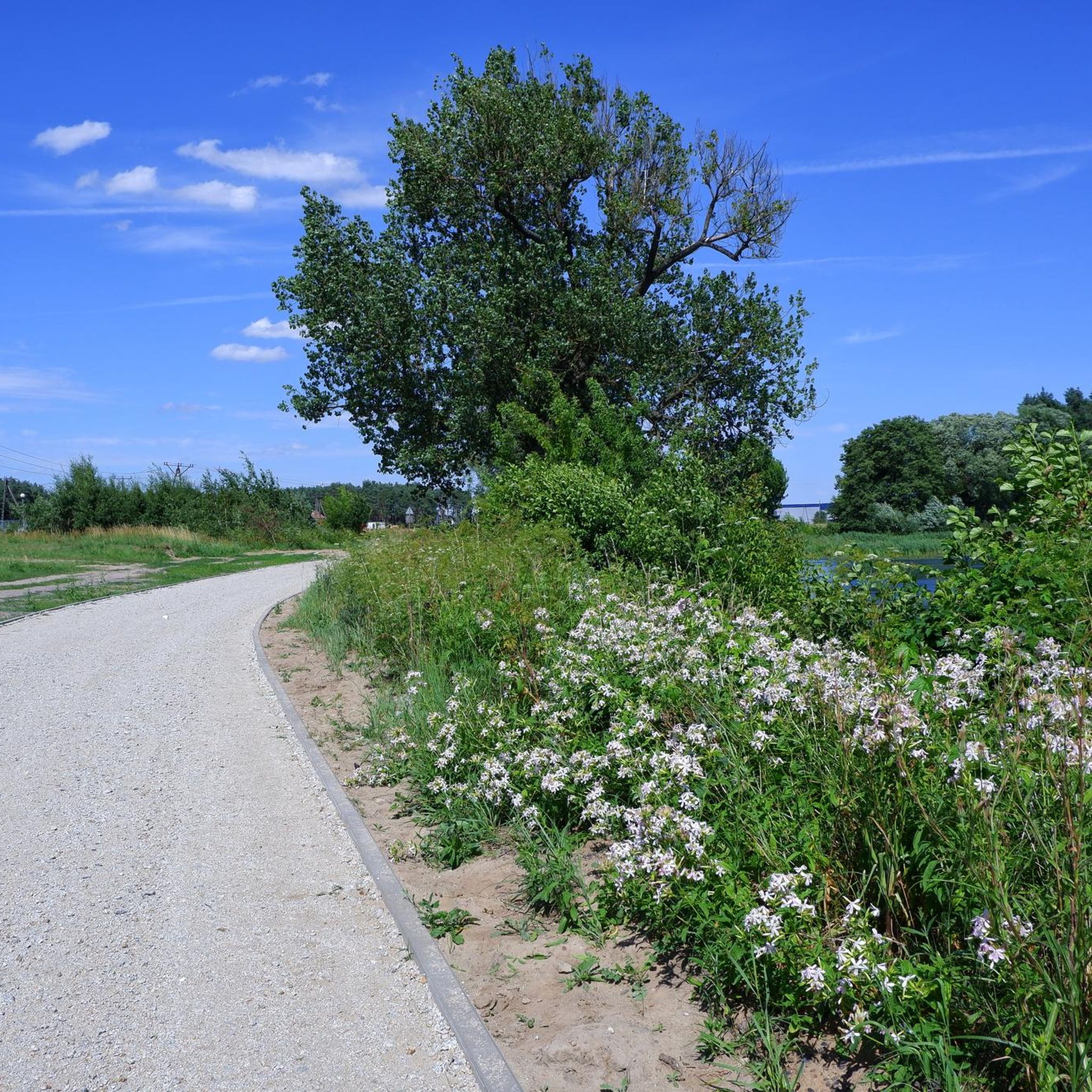
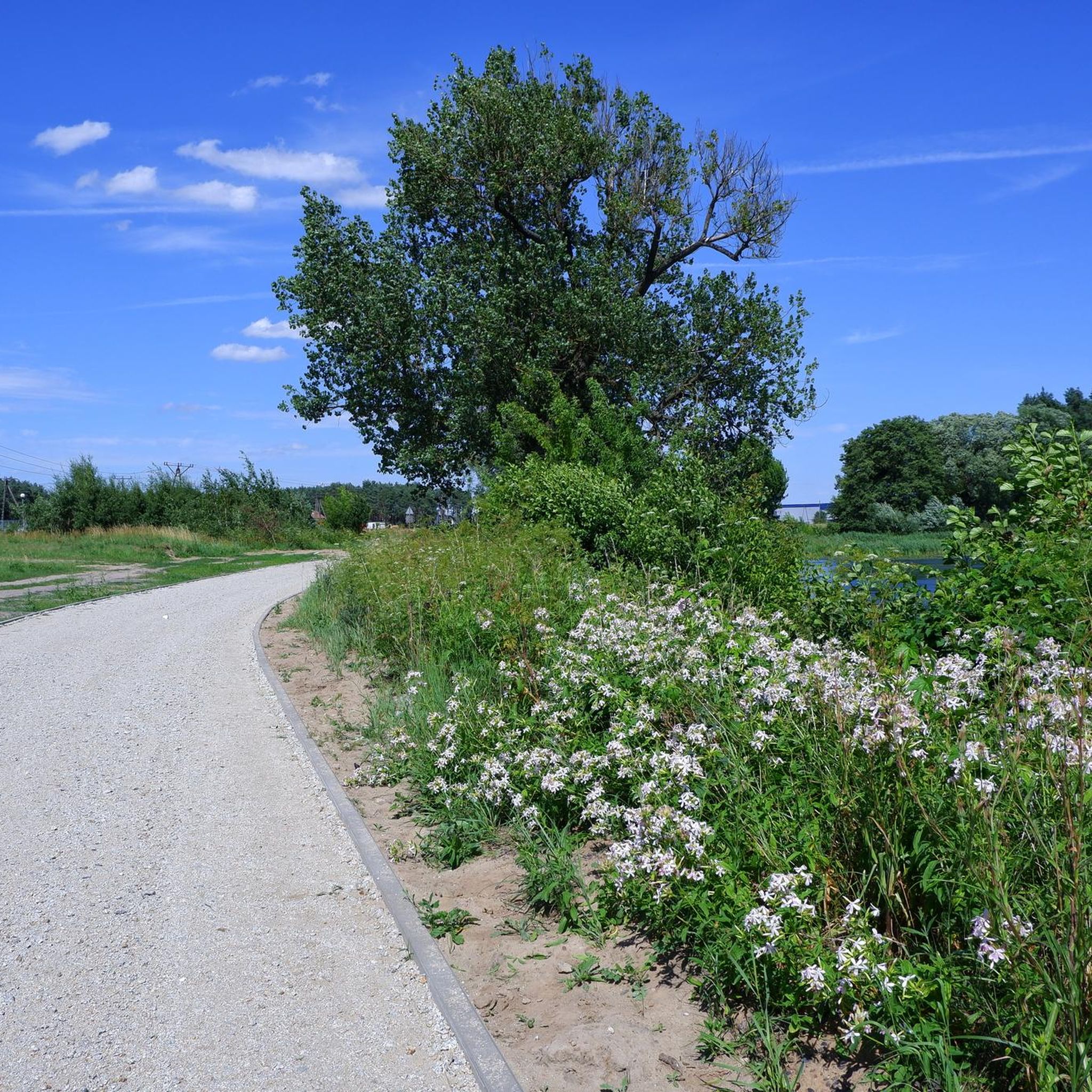
Amazing cycleway along railway tracks from Piła to Kaczory. Nice undulated terrain. I wish there were more such ways along railways rather than along car roads.
2
0

The train station is an absolute must for rail enthusiasts
0
0
Frequently Asked Questions
What natural attractions can I explore around Ujście?
Ujście is uniquely situated at the confluence of the Gwda and Noteć rivers, which is a significant natural feature. Nearby, you can visit the "Ujście Warty" National Park, a crucial wetland habitat known as a "true bird kingdom." It's an excellent spot for birdwatching, featuring vast meadows, reed beds, and river forests. You can learn more about the park at pnuw.gov.pl.
Are there any historical sites or monuments in Ujście and its vicinity?
Yes, Ujście has a rich history. Within the town, the Church of Saint Nicholas is a notable cultural site, featuring a Calvary. Historically, Ujście was a royal town with roots dating back to a 7th-century stronghold. Further afield, you can visit the Rodło Monument, Piła, which symbolizes the union of Poles in Germany and the city of Piła. The Piła Główna railway station is also a historical site, being one of the largest and oldest railway junctions in the Greater Poland Voivodeship.
What cycling opportunities are available near Ujście?
Cycling enthusiasts will enjoy the Cycle Path Along the Railway from Piła to Kaczory. This route offers an undulating terrain alongside railway tracks, providing a unique and engaging experience. It's highly recommended by visitors for its scenic beauty and enjoyable ride.
Can I find family-friendly attractions in the Ujście area?
Yes, the Rodło Monument, Piła is considered a family-friendly historical site. While the region is rich in natural beauty and historical context, specific attractions explicitly designed for young children are not extensively detailed, but exploring the natural landscapes and historical monuments can be an enriching family activity.
What is the best time of year to visit Ujście for outdoor activities, especially birdwatching?
The best times for birdwatching in the "Ujście Warty" National Park are spring and autumn. Autumn is particularly spectacular, with over 100,000 arctic geese observed. Generally, spring and summer offer pleasant weather for exploring the natural landscapes and engaging in outdoor activities like cycling and hiking.
Are there hiking trails suitable for different skill levels around Ujście?
Yes, there are various hiking opportunities around Ujście. For example, you can find easy to moderate trails like the 'Piła Główna Railway Station – Park on the Island, Piła loop' or the 'Mural at Wolności Square – Park on the Island, Piła loop'. You can explore more options and detailed routes in the Hiking around Ujście guide and the Easy hikes around Ujście guide.
What makes the Bridge Over the Noteć River in Czarnków noteworthy?
The Bridge Over the Noteć River in Czarnków has a fascinating history. One of its spans actually originated from a bridge over the Vistula River in Fordon that was blown up in 1945. After the war, Czarnków nad Notecią received this span, making it a unique piece of engineering with a storied past.
Are there any running trails available near Ujście?
Yes, for those interested in running, there are several trails in the vicinity. You can find routes like the 'Zakole loop from Piła Główna' or the 'Pila railroad station – Passage for aircraft loop from Piła Główna'. These trails offer varying distances and difficulty grades. More details can be found in the Running Trails around Ujście guide.
What is the significance of the railway stations in the Ujście area?
The railway stations, particularly Piła Główna railway station and Pila railroad station, are significant as they represent one of the largest railway junctions in the Greater Poland Voivodeship. Five railway lines cross here, making it a crucial hub. It's also a historical site, with the first railway connection established in 1851 and the station itself put into service in 1876.
What do visitors enjoy most about the attractions around Ujście?
Visitors particularly appreciate the unique blend of natural beauty and historical significance. The Cycle Path Along the Railway from Piła to Kaczory is highly praised for its 'amazing' and 'undulated terrain'. The historical context of sites like the Bridge Over the Noteć River in Czarnków also captivates visitors, offering a glimpse into the region's past.
Are any attractions around Ujście wheelchair accessible?
Yes, several key locations offer wheelchair accessibility. Both the Piła Główna railway station and the Pila railroad station are noted as wheelchair accessible facilities. Additionally, the Bridge Over the Noteć River in Czarnków is also accessible, allowing a wider range of visitors to enjoy these sites.

Get inspired with the komoot mobile app


Explore more
Still not found the Highlight you’re looking for? See guides of the top attractions in other regions:
