Attractions and Places To See around gmina Trzcińsko-Zdrój - Top 20
Attractions and places to see around gmina Trzcińsko-Zdrój include a blend of historical landmarks and natural features. The region is characterized by its preserved medieval urban layout, featuring defensive walls and historic gates. Natural attractions include several lakes, offering opportunities for relaxation and walks. Gmina Trzcińsko-Zdrój provides a setting for exploring historical architecture and serene landscapes.
Best attractions and places to see around gmina Trzcińsko-Zdrój
- The most popular attractions is Moryn Town Walls, a historical site that features an…
Last updated: August 25, 2026
Town Hall in Trzcińsko-Zdrój
Highlight • Historical Site
More information: de.wikipedia.org/wiki/Trzci%C5%84sko-Zdr%C3%B3j
Translated by Google •
Tip by

Moryn Town Walls
Highlight • Historical Site
Translated by Google •
Tip by

Sign up now to discover places like this
Get recommendations on the best single tracks, peaks, & plenty of other exciting outdoor places.
Sign up for free
Nowogródzka Gate
Highlight • Monument
There is another city gate and some remains of the city wall.
More information: de.wikipedia.org/wiki/My%C5%9Blib%C3%B3rz#Geschichte
Translated by Google •
Tip by
Church of the Holy Spirit, Moryń
Highlight • Religious Site
Translated by Google •
Tip by

Strzeszowskie Lake
Highlight • Lake
Translated by Google •
Tip by

Sign up for free to discover even more attractions around gmina Trzcińsko-Zdrój.
Sign up for free
Already have an account?
Start today with a free account
Your next adventure awaits.
Login or Signup
Popular around gmina Trzcińsko-Zdrój

Other adventures around gmina Trzcińsko-Zdrój

Tips from the Community

The first town hall in Trzcińsko (probably wooden) was built in the 13th century. The current building dates from the 15th century. In the 16th century, it was adorned with late Gothic gables. The rooms feature cross-ribbed vaults, with the exception of the former courtroom, which has reticulated vaults and 16th-century polychrome. Over the centuries, the building has been renovated, rebuilt, and rebuilt numerous times, changing its appearance. Only the town hall's foundations remain unchanged. Extensive renovations were carried out after the Thirty Years' War, in the second half of the 17th century, and at the turn of the 20th century. The last significant renovation was carried out in the late 1980s and early 1990s.
4
1
One of the two preserved city gates in Myślibórz. Unfortunately, visiting it is difficult because the main road into the city runs through and alongside the gate. Traffic there is very heavy.
1
2

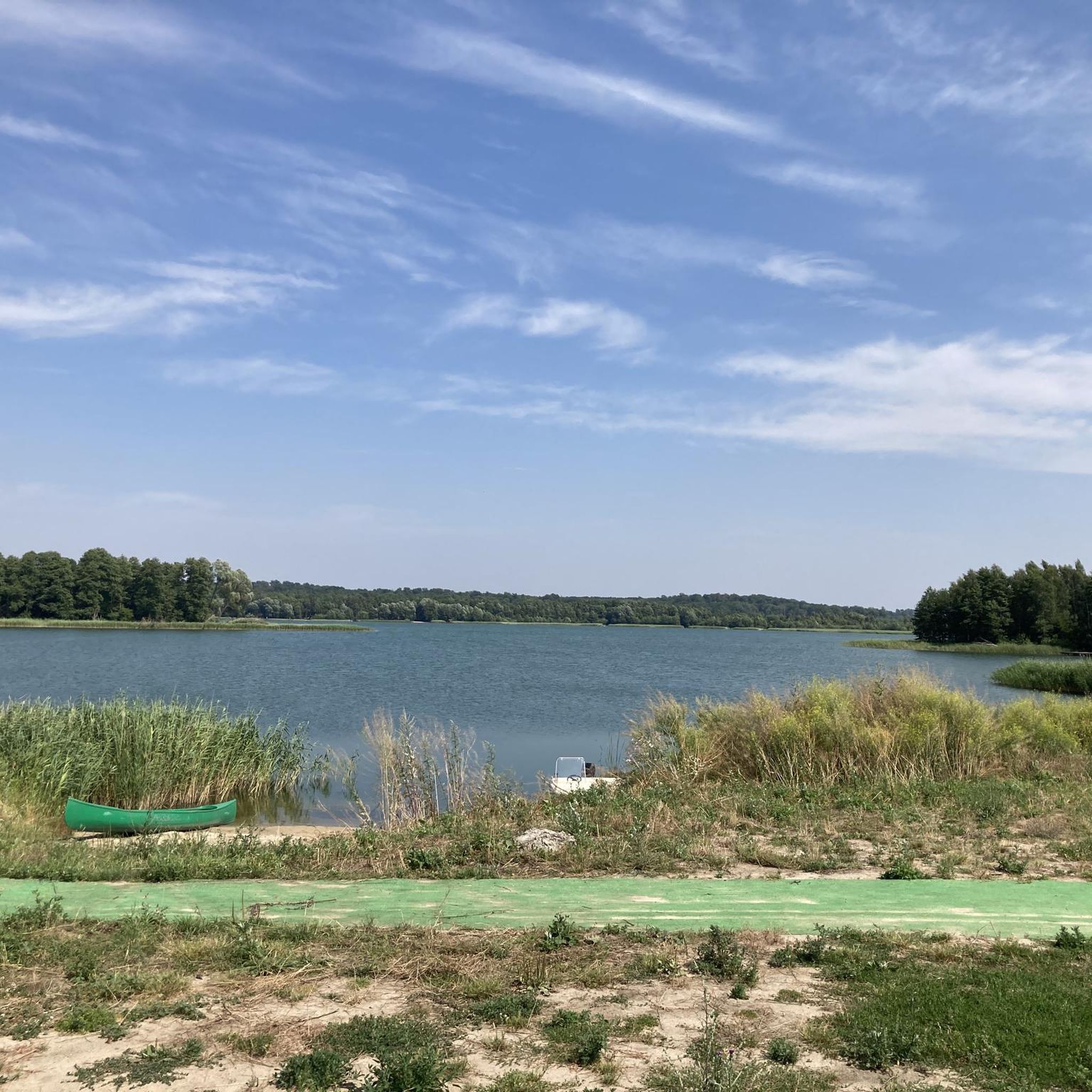
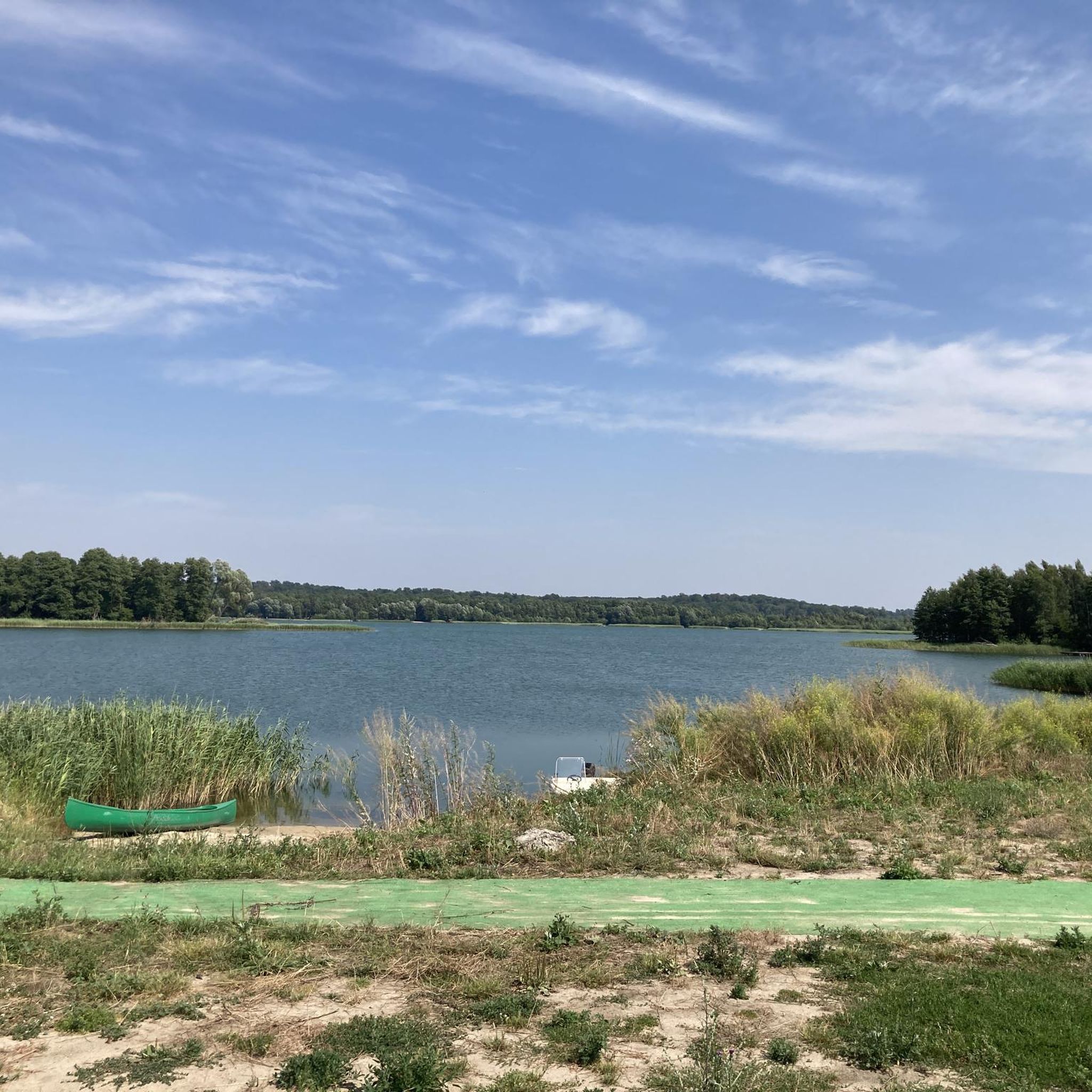
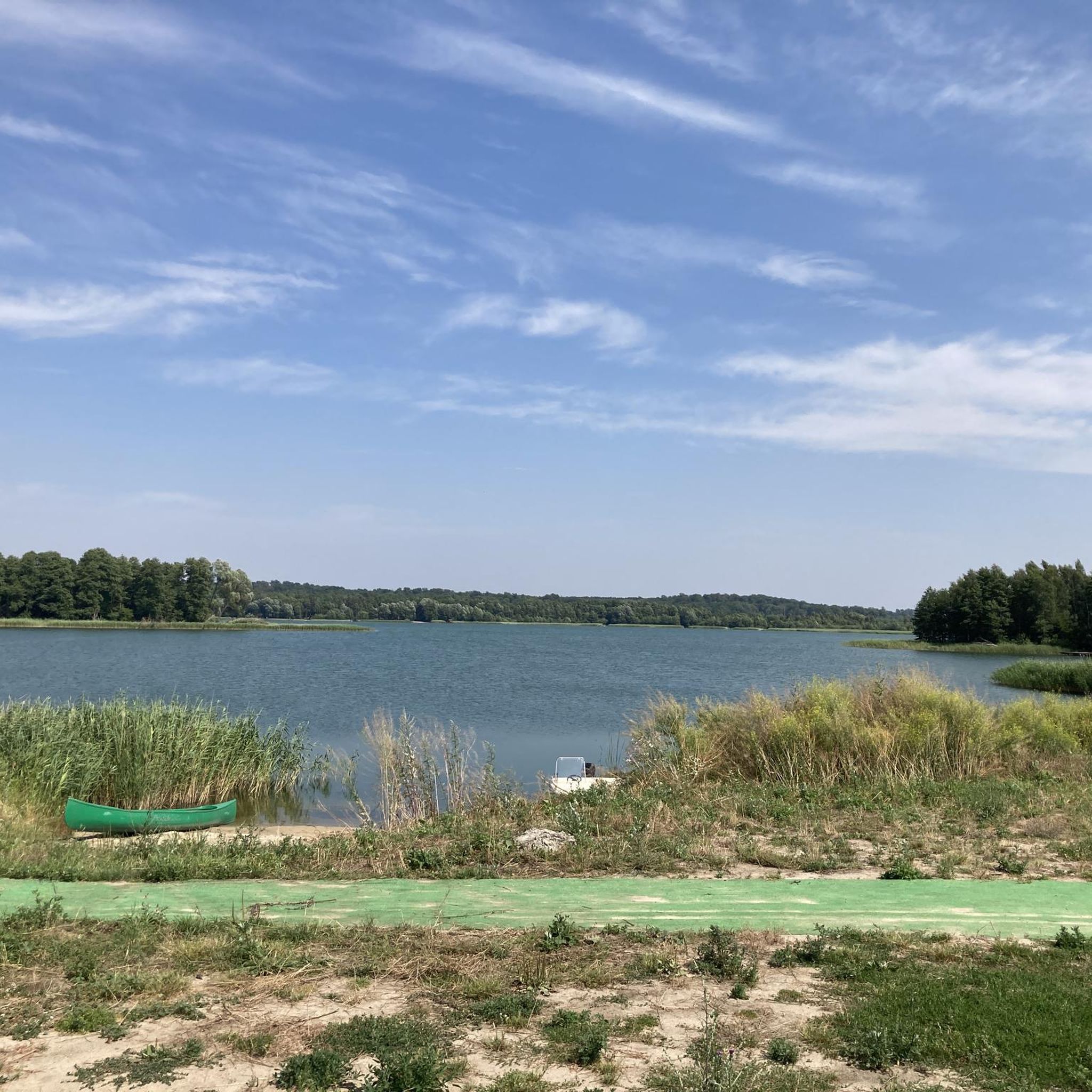
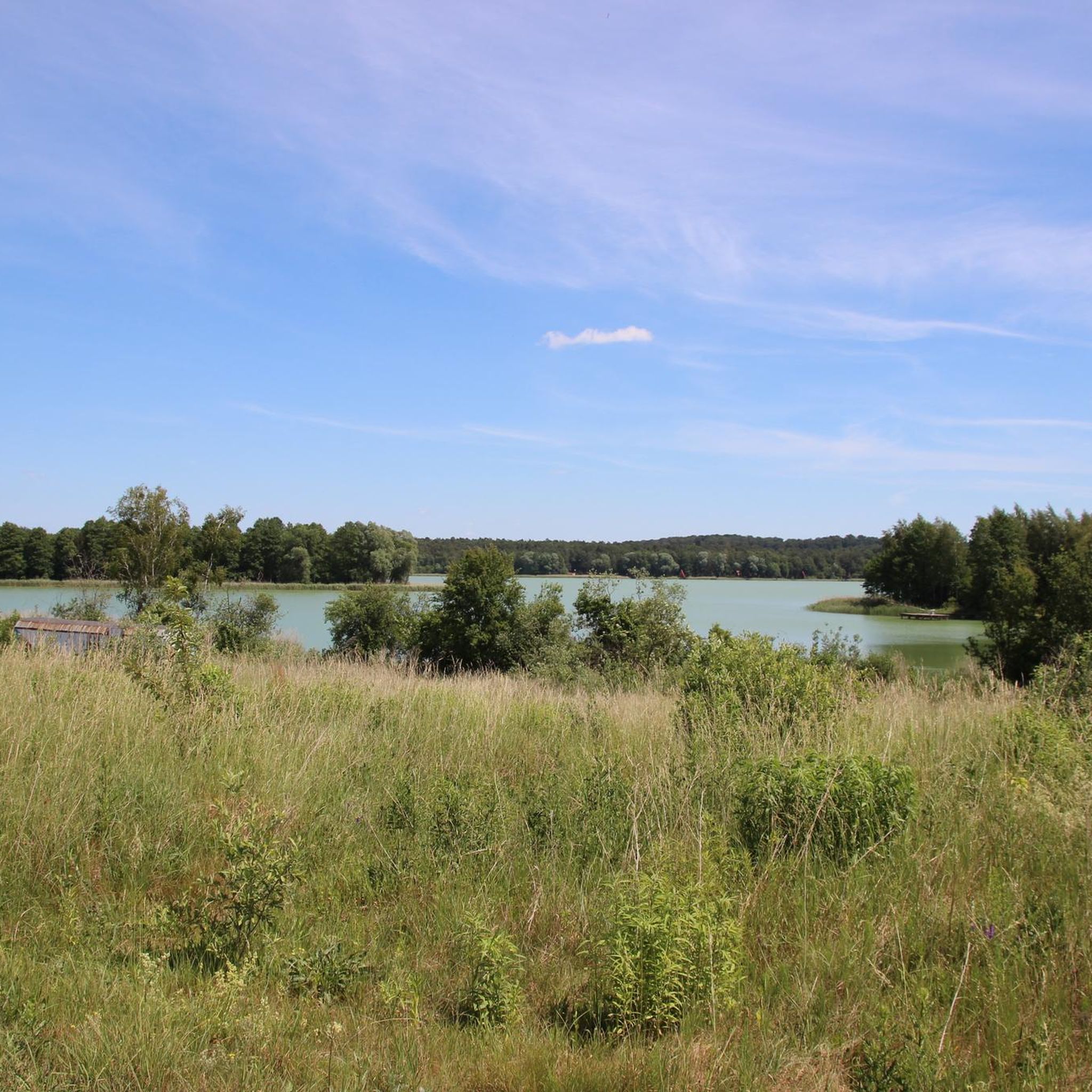
Lake Strzeszowskie is the largest body of water in the Trzcińsko-Zdrój commune, located in the Myśliborskie Lakeland. It has a surface area of over 120 ha and reaches a depth of 14 meters, which makes it attractive for both anglers and bathing enthusiasts - there is an official bathing area with water assessed as excellent quality. The north-eastern part of the lake borders the Natura 2000 area, which additionally increases its natural values. Access by bike is possible via local roads, and the area around the lake is conducive to peaceful relaxation by the water.
4
0

Beautifully maintained place. The city wall made of field stones is wonderful to look at.
3
1

Neuenburg Gate from the 13th/14th century, a former city gate.
2
2
The place where the Mill Gate once stood, one of the two gates leading to the city. The gate was demolished in 1870, and the end of the walls was secured with brick pillars.
4
1
The church is one of the oldest and most valuable Romanesque monuments in Western Pomerania. A Romanesque chancel and transept were built in the mid-13th century, while the main nave was added in the early 14th century. A freestanding tower with a passageway was built in the 15th century. The church was damaged during the Thirty Years' War, but this damage was repaired in the second half of the 17th century. The current wooden tower finial was built in 1756. On the southwest corner of the tower, at a height of 120 cm, you can see the checkerboard symbol described by Z. Nienacki in his "Book of Fears." The reason for this symbol's placement on the stone is unknown.
4
2

built in the first half 14th century brick. The façade is diversified by blinds and a two-row decorative frieze. The gate is topped with a tented roof. In 1737, a thorough renovation was carried out (this date is visible on the banner on the roof). In 1968, a youth hostel and an equipment rental shop were opened at the gate. A branch of the Polish Tourist and Sightseeing Society was also located here.
4
1
Frequently Asked Questions
What historical landmarks can I explore in Gmina Trzcińsko-Zdrój?
Gmina Trzcińsko-Zdrój is rich in historical landmarks, primarily its well-preserved medieval fortifications. You can explore the impressive Myślibórz Gate (Brama Myśliborska), a significant defensive structure from the early 14th century. The town also boasts extensive medieval Defensive Walls, among the best-preserved in West Pomerania, and the Town Hall in Trzcińsko-Zdrój, a historic building with foundations dating back to the 15th century. Other notable sites include the Chojeńska Gate, the Bocian Tower, and the Gothic Church of Our Lady of Perpetual Help.
Are there any natural attractions or lakes to visit in the area?
Yes, Gmina Trzcińsko-Zdrój offers several natural spots, particularly lakes, perfect for relaxation and outdoor activities. You can visit Trzygłowskie Lake (also known as City Lake) for tranquil views, fishing, and walks, where you might spot otters and beavers. Strzeszowskie Lake provides a bathing area for water-based recreation, and Klasztorne Lake offers a serene historic rural landscape. While not directly within the gmina, the broader region features the Beech Forest Landscape Park, known for hiking and cycling opportunities.
What kind of outdoor activities can I do near these attractions?
The area around Gmina Trzcińsko-Zdrój is excellent for outdoor enthusiasts, with numerous cycling and hiking trails. For road cycling, you can find routes like the 'Godków Train Station – Europa Bridge (Polish Side) loop' which offers moderate difficulty. If you prefer touring bicycle routes, consider the 'Chojna Gate (Brama Chojeńska) – Town Hall in Trzcińsko-Zdrój loop' or the 'Town Hall in Trzcińsko-Zdrój – Strzeszowskie Lake loop'. Hikers can enjoy easy trails such as the 'Pyrzyce Gate loop from Myślibórz'. You can find more details and routes in the Road Cycling Routes, Cycling, and Easy Hikes guides for the region.
Are there family-friendly attractions in Gmina Trzcińsko-Zdrój?
Many attractions in Gmina Trzcińsko-Zdrój are suitable for families. Historical sites like the Myślibórz Gate (Brama Myśliborska) and the Town Hall in Trzcińsko-Zdrój are marked as family-friendly. Exploring the medieval defensive walls and the replica of a siege engine (trebuchet) can also be engaging for children. Additionally, the serene lakes like Trzygłowskie Lake offer pleasant walks and opportunities to observe wildlife, which can be enjoyable for all ages.
What is the best time of year to visit Gmina Trzcińsko-Zdrój for outdoor activities?
The warmer months, typically from late spring to early autumn (May to September), are generally the best time to visit Gmina Trzcińsko-Zdrój for outdoor activities. During this period, the weather is most favorable for cycling, hiking, and enjoying the lakes. The Market Square is also particularly charming in summer with its fountain and flowers. While specific data on seasonal considerations isn't provided, this timeframe usually offers the most comfortable conditions for exploring historical sites and natural landscapes.
Can I find any unique cultural sites or points of interest in the town?
Beyond the main historical landmarks, Gmina Trzcińsko-Zdrój offers unique cultural insights. The town's preserved medieval urban layout with its charming, low-rise buildings creates a distinctive atmosphere. You can visit the Market Square, which is ideal for leisurely strolls. The Chamber of Remembrance is an interesting place with extensive collections, including a water mill. If it's closed, assistance can be sought at the nearby Trzcińsko Cultural Center.
What is the significance of the defensive walls in Gmina Trzcińsko-Zdrój?
The defensive walls of Trzcińsko-Zdrój are highly significant as they are among the best-preserved medieval examples in West Pomerania. Dating back to the 13th and 14th centuries, nearly their entire circuit still stands. They originally featured 51 open bastions, some of which were later converted into closed towers. These walls, along with gates like the Myślibórz Gate and Chojeńska Gate, offer a tangible connection to the town's rich defensive history.
Is there a specific highlight that visitors particularly enjoy?
Visitors often appreciate the historical depth of the region. For instance, Moryn Town Walls are a popular highlight, noted for their almost completely preserved 14th-century city wall. The Town Hall in Trzcińsko-Zdrój is also highly regarded for its enduring foundations from the 15th century and its architectural evolution over centuries.
Are there any religious buildings of historical importance in the area?
Yes, the region features several historically significant religious buildings. The Church of Our Lady of Perpetual Help in Trzcińsko-Zdrój is a notable Gothic church built in the 14th century, serving as a central architectural point. Additionally, the Church of the Holy Spirit in Moryń is a Romanesque stone church from the 13th century, featuring a 46-meter high tower and fragments of Gothic paintings from the 15th century.
What is the <a href="https://www.komoot.com/highlight/1498778" target="_blank" rel="noopener">Nowogródzka Gate</a> and why is it significant?
The Nowogródzka Gate is a Gothic brick building from the 14th century, featuring a ceramic gabled roof and decorative friezes. It is a significant man-made monument that once served as a city gate. Historically, it has undergone several renovations, and in the past, it even housed a youth hostel and a branch of the Polish Tourist and Sightseeing Society, highlighting its role beyond just a defensive structure.
Are there any unique natural features like specific wildlife or landscapes to look out for?
When visiting Trzygłowskie Lake (City Lake), you might be able to spot diverse wildlife, including otters and beavers, which thrive in its serene environment. The surrounding region also boasts the Beech Forest Landscape Park, offering a significant natural landscape with opportunities for observing local flora and fauna, though it's not directly within Trzcińsko-Zdrój.
What is the former Health Resort Building and can I visit it?
The Former Health Resort Building is an interesting historical structure located on a promontory overlooking Trzygłowskie Lake. It once operated as a health resort utilizing peat mud treatments until 1948. Currently, the building houses a Social Welfare Home, which means internal access is restricted to visitors. However, its exterior and location offer a glimpse into the town's past as a health destination.
Most popular routes around gmina Trzcińsko-Zdrój
Most popular attractions around gmina Trzcińsko-Zdrój

Get inspired with the komoot mobile app


Explore more
Still not found the Highlight you’re looking for? See guides of the top attractions in other regions:
