The best cycling routes around Évora (Santo Antão)
4.4
(26)
128
riders
12
rides
Touring cycling around Évora (Santo Antão) features routes across the Alentejo plains, characterized by gently rolling terrain and historical landscapes. The region offers a mix of converted railway paths, urban routes through the city of Évora, and paths connecting historical sites. Elevations are generally low, making the area suitable for various cycling abilities. The landscape includes open fields, olive groves, and areas around ancient city walls and Roman ruins.
Best touring cycling routes around Évora (Santo Antão)
- The most popular…
Last updated: August 18, 2026
4.6
(9)
49
riders
Moderate bike ride. Good fitness required. Mostly paved surfaces. Suitable for all skill levels.
4.4
(7)
44
riders
27.0km
02:18
100m
100m
Moderate bike ride. Good fitness required. Mostly paved surfaces. Suitable for all skill levels.

Sign up for free
3.2
(5)
10
riders
45.2km
02:49
370m
370m
Moderate bike ride. Good fitness required. Mostly paved surfaces. Suitable for all skill levels.
3.8
(4)
13
riders
34.3km
02:50
250m
250m
Moderate bike ride. Good fitness required. Mostly paved surfaces. Suitable for all skill levels.
5.0
(1)
7
riders
65.8km
03:55
460m
460m
Hard bike ride. Very good fitness required. Mostly paved surfaces. Suitable for all skill levels.
Get access to more routes and recommendations from other explorers.
Sign up for free
Already have an account?
Our route recommendations are based on thousands of hikes, rides, and runs completed by other people on komoot.
Start today with a free account
Your next adventure awaits.
Login or Signup


Tips from the Community

Built in 1556 to publicly distribute the water that came to the city through the Agua da Prata Aqueduct by order of Cardinal Infante Dom Henrique
0
0


The former Convent of Bom Jesus da Mitra was recently renovated and converted into local accommodation...
6
0

Today, the Eugénio de Almeida Foundation uses the former monastery complex, known as the Convento da Cartuxa, as a cultural and events center and operates a winery on the property. The grounds are open to the public.
1
0
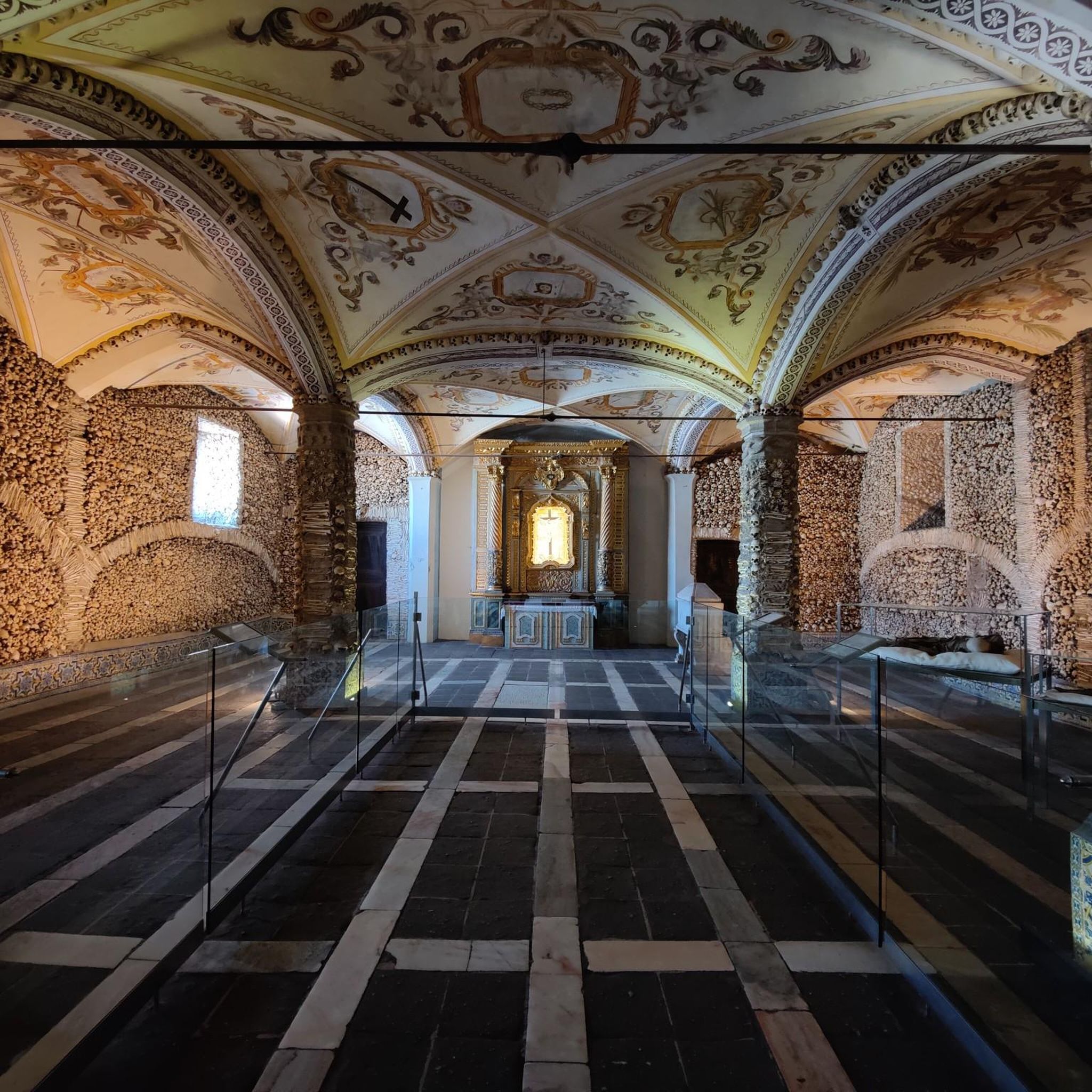
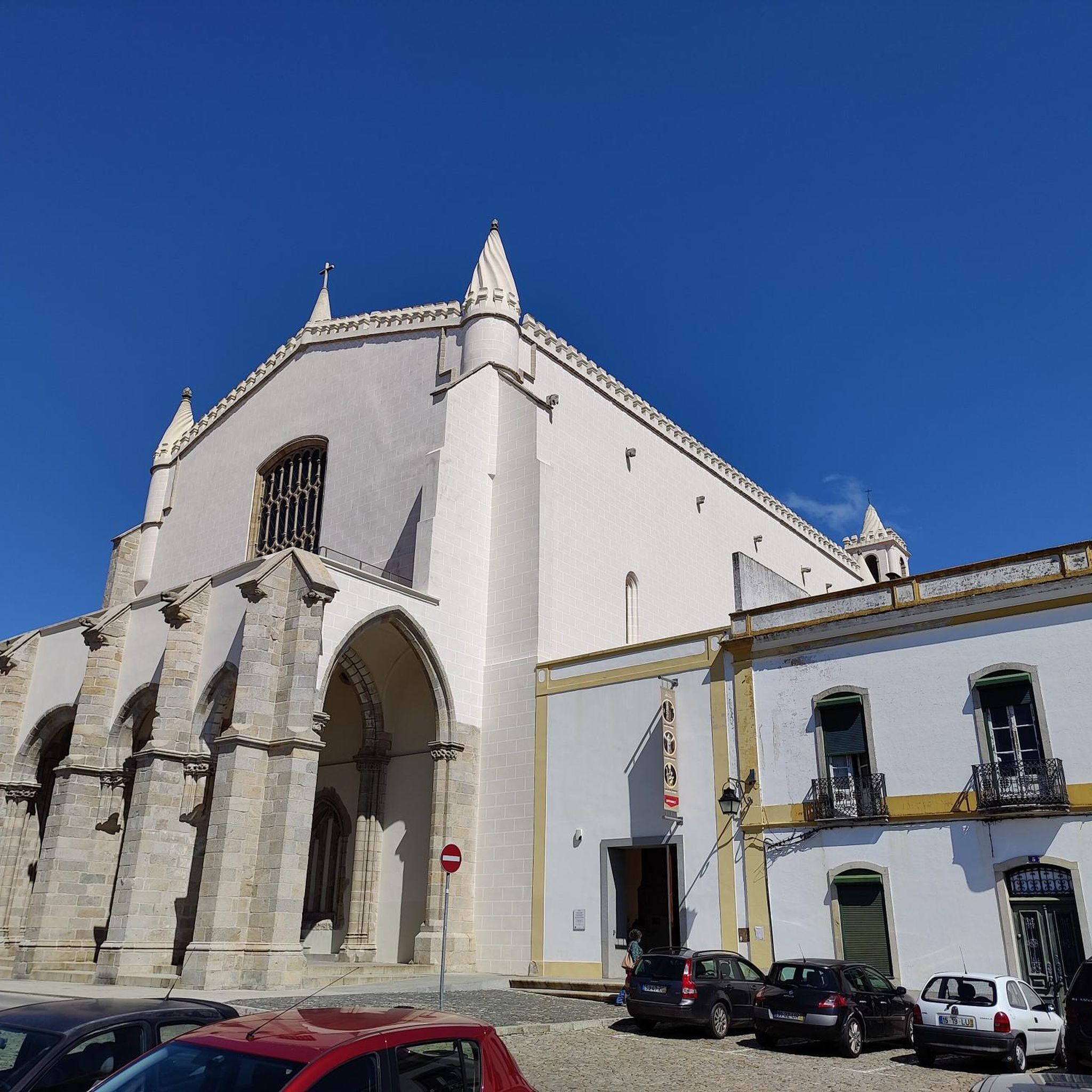
The number of human skeletons is estimated at around 5,000 and comes from cemeteries and churches in the area, where Franciscan monks were often buried. Many of these skulls are inscribed with the name of the deceased—a truly impressive experience. The inscription above the entrance reads: "We bones who lie here wait until we get yours."
1
0

The cathedral is a must-visit when in Évora. The entrance fee is very reasonable! First, climb the tower and enjoy a fantastic view from the roof of the cathedral. As you descend into the cloister, the beautiful yellow light from the window immediately catches your eye. Simply fascinating!
1
0
A must-see for anyone visiting Évora. Its morbid charm is fascinating, and the thousands upon thousands of bones serve as a reminder of one's own mortality. On the ceiling, you can discover various paintings and sayings about death and dying, and I would never have imagined how decoratively the bones were arranged in the chapel.
5
0

Visiting hours: - Daily from 9:00 AM to 6:30 PM - There is a fee per visit.
7
0
Frequently Asked Questions
How many touring cycling routes are available in Évora (Santo Antão)?
There are over 10 touring cycling routes around Évora (Santo Antão) documented on komoot. These routes cater to various skill levels, including easy, moderate, and a few more challenging options.
Are there easy routes suitable for beginners or families?
Yes, Évora (Santo Antão) offers easy routes perfect for beginners or family outings. The region's generally low elevation and converted railway paths provide a gentle cycling experience. For example, the Graça do Divor Former Railway Station – Giraldo Square loop from Évora combines a rail trail with city passages, offering a comfortable ride.
When is the best time of year to cycle in Évora (Santo Antão)?
The best seasons for cycling in Évora (Santo Antão) are spring (March to May) and autumn (September to November). During these periods, the weather is typically mild and pleasant, avoiding the intense heat of summer and the cooler, wetter days of winter. This allows for comfortable exploration of the Alentejo plains and historical sites.
What kind of terrain can I expect on the touring cycling routes?
The touring cycling routes in Évora (Santo Antão) primarily feature gently rolling terrain across the Alentejo plains. You'll encounter a mix of converted railway paths, which offer relatively flat and consistent surfaces, as well as urban routes through the city of Évora and paths connecting historical sites. Elevations are generally low, making the area accessible for various cycling abilities.
Are there circular routes available for touring cyclists?
Yes, many of the touring cycling routes in Évora (Santo Antão) are designed as loops, allowing you to start and end at the same point. Examples include the popular Graça do Divor Former Railway Station loop from Canaviais and the Évora City Walls – Little Convent of Mitra loop from Évora, which takes you through historical sites and rural surroundings.
What historical sites or landmarks can I see along the routes?
Évora (Santo Antão) is rich in historical landmarks. Many routes pass by or near significant sites. You can explore the central Giraldo Square, the ancient Roman Temple of Évora, the intriguing Chapel of Bones, and the impressive Silver Water Aqueduct. The Giraldo Square – Évora City Walls loop from Évora is a great option for historical sightseeing.
Where can I park my car when accessing the bike trails?
When cycling around Évora (Santo Antão), you can typically find parking in or near the city center of Évora, especially if your route starts there. For routes originating from smaller towns or specific trailheads like the former railway stations, look for designated parking areas or consult local signage. Many routes, such as the Giraldo Square – Roman Temple of Évora loop from Bacelo, offer starting points with accessible parking options.
Are there places to eat or rest along the cycling routes?
Yes, especially on routes that pass through Évora city or connect to smaller villages. Évora itself offers numerous cafes, restaurants, and shops where you can refuel and rest. Along the converted railway paths and rural routes, you might find fewer options, so it's advisable to carry snacks and water. Planning your route to include stops in towns is recommended.
What do other touring cyclists enjoy most about cycling in Évora (Santo Antão)?
The area is highly rated by the komoot community, with an average score of 4.3 stars from over 18 reviews. Reviewers often praise the unique combination of historical cityscapes, the ease of cycling on converted railway paths, and the serene open Alentejo landscapes. The opportunity to explore ancient sites while enjoying a pleasant ride is a frequently highlighted aspect.
What should I pack for a touring cycling trip in Évora (Santo Antão)?
Given the region's climate and terrain, it's advisable to pack light, breathable clothing, sun protection (sunscreen, hat, sunglasses), and plenty of water, especially during warmer months. A basic repair kit, spare tube, and pump are always recommended. For routes that include historical sites, comfortable shoes for walking might also be useful if you plan to dismount and explore.
Most popular routes around Évora (Santo Antão)
Most popular attractions around Évora (Santo Antão)

Get inspired with the komoot mobile app


Explore more
Browse the best Cycling routes in other regions.
