The best road cycling routes around Évora (Santo Antão)
4.7
(4)
322
riders
17
rides
Road cycling routes around Évora (Santo Antão) traverse a landscape characterized by rolling plains, historical routes, and cultural landmarks. The region features expansive, gently undulating terrain, often passing through cork forests and vineyards. Cyclists can encounter ancient aqueducts, medieval city walls, and megalithic sites, providing a blend of physical activity and historical sightseeing. The routes primarily consist of paved segments, connecting the city with charming rural villages.
Best road cycling routes around Évora (Santo Antão)
- The most popular road cycling…
Last updated: August 31, 2026
4.3
(3)
49
riders
51.1km
02:25
490m
490m
Moderate road ride. Good fitness required. Mostly well-paved surfaces and easy to ride.
34
riders
41.9km
02:03
320m
320m
Moderate road ride. Good fitness required. Some segments of this route may be unpaved and difficult to ride.

Sign up for free
17
riders
80.0km
03:53
920m
920m
Hard road ride. Very good fitness required. Mostly well-paved surfaces and easy to ride.
19
riders
89.2km
04:03
680m
680m
Moderate road ride. Good fitness required. Mostly well-paved surfaces and easy to ride.
14
riders
111km
05:03
920m
920m
Hard road ride. Very good fitness required. Some segments of this route may be unpaved and difficult to ride.
Get access to more routes and recommendations from other explorers.
Sign up for free
Already have an account?
Our route recommendations are based on thousands of hikes, rides, and runs completed by other people on komoot.
Start today with a free account
Your next adventure awaits.
Login or Signup
Popular around Évora (Santo Antão)
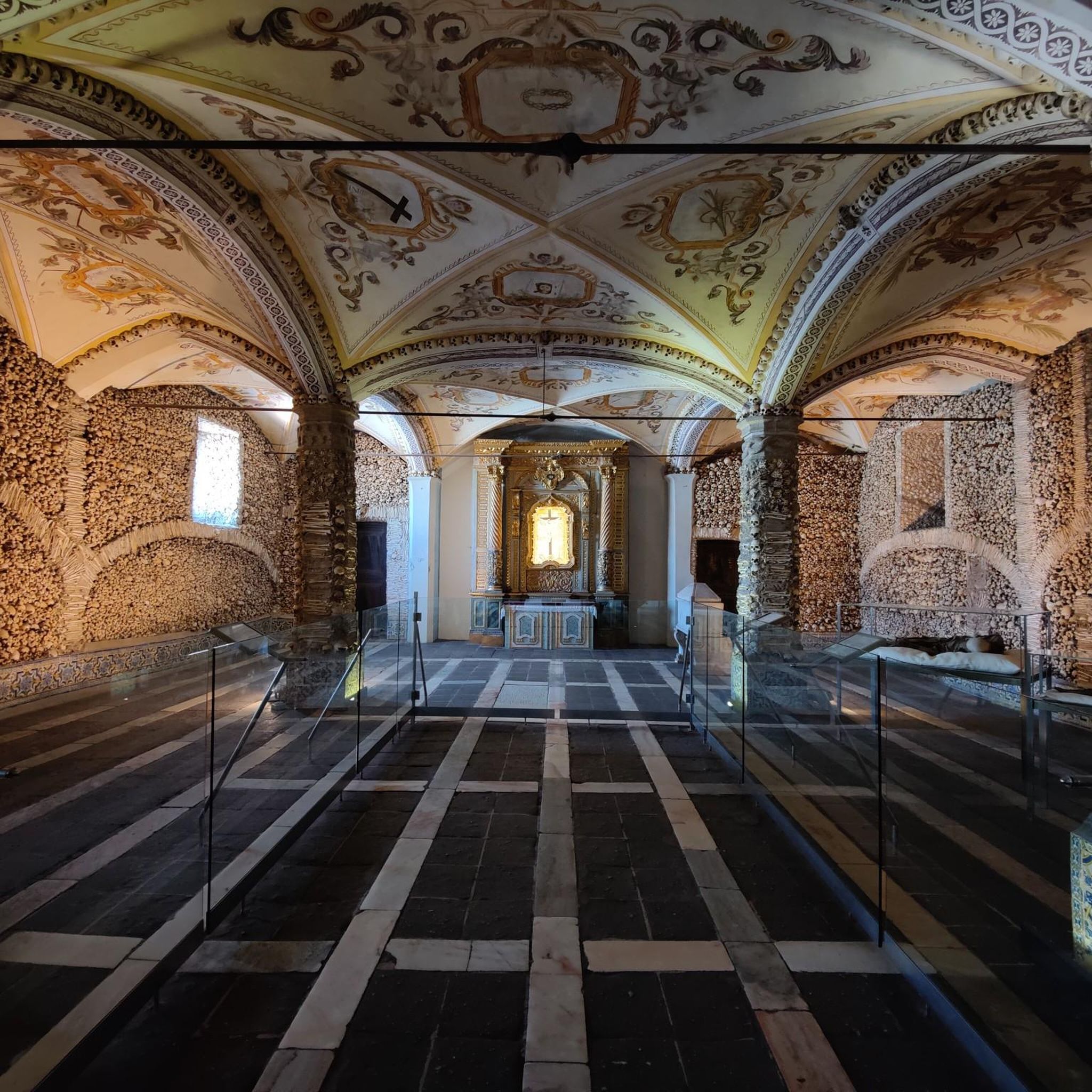

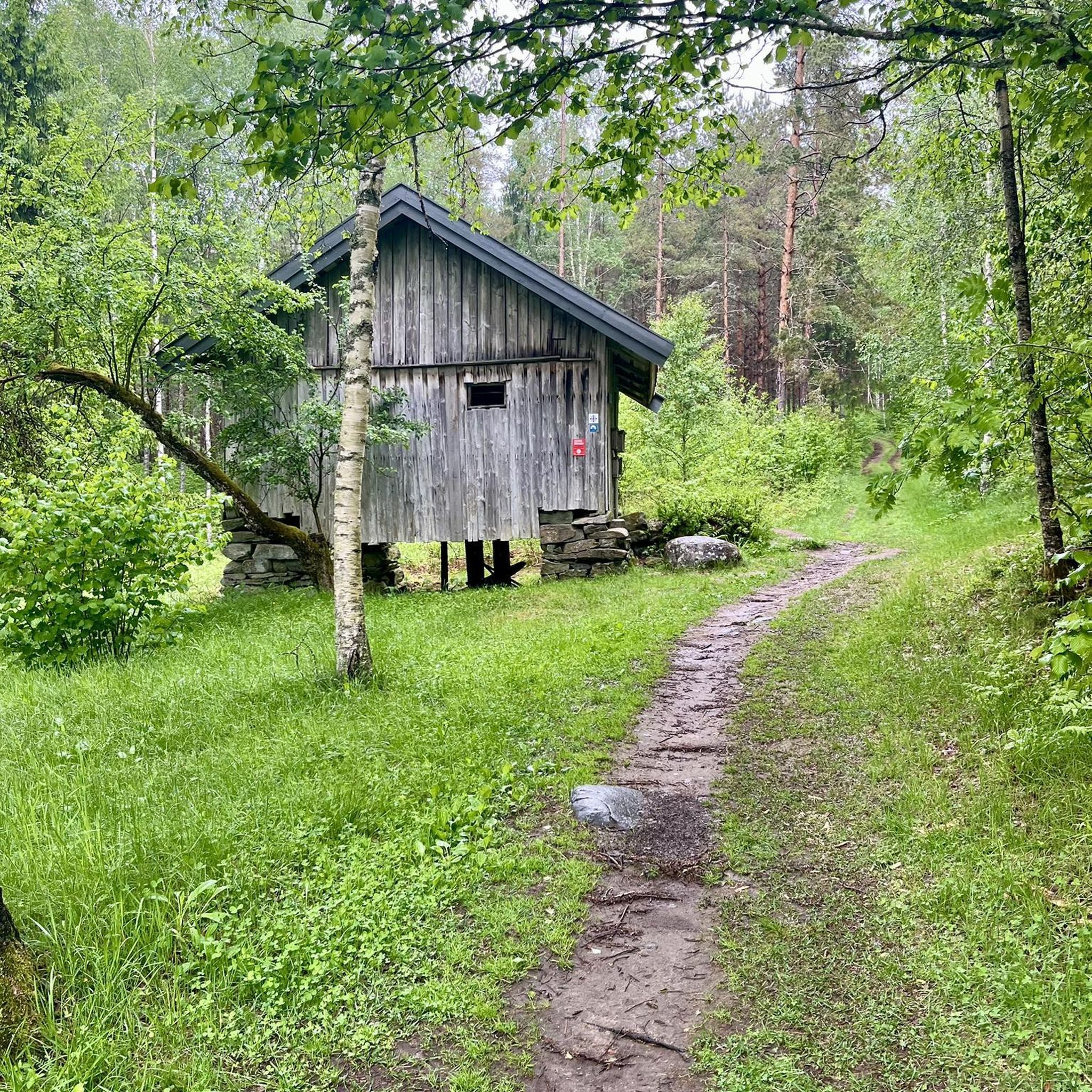
Tips from the Community

Reference karting track in Portugal, with over thirty years of history.
16
0
Picnic area with barbecue, with sink, tables and benches. There are trees that offer shade, which makes this picnic area the ideal place to rest.
15
0
3. Transition to Adults and Integration into the National Network (2004–Present) Name Change: In 2004, the institution extended its assistance to the adult population and changed its official designation to Hospital S. João de Deus. Continuing Care: In 2009, it formally integrated into the National Network of Integrated Continuing Care (RNCCI), providing specialized convalescence, rehabilitation, and palliative care services. 75 Years of History: The institution celebrated its 75 years of mission, marked by community events organized by the Montemor-o-Novo City Council and the Archdiocese of Évora.
10
0
1. Foundation and Children's Focus (1947–1956) [1] The Construction: Construction began in 1947 and the original building was inaugurated in 1950 as the S. João de Deus Children's Hospital. The adjoining church was completed in 1954. Initial Mission: The hospital was created to provide a national response for children suffering from poliomyelitis (infantile paralysis) and congenital malformations. Impact: By 1956, it had served around a thousand children, most of them from the south of the country. 2. Pioneering Physical Rehabilitation (1956–1969) Gulbenkian Support: Starting in 1956, the Calouste Gulbenkian Foundation began to subsidize the institution. This financial support allowed for the construction of a new hospital building in 1966. Multidisciplinary Approach: In 1969, the pioneering Hydrotherapy service was inaugurated. By combining a gymnasium, electrotherapy, and orthopedic workshops for prosthesis manufacturing, it became one of the first units in Portugal focused on integrated physical rehabilitation.
10
0
This is how all cycle paths should be, a dedicated lane for cyclists 🚴♀️, but an integral part of the road.
13
0
The São João de Deus Hospital, in Montemor-o-Novo, was inaugurated on October 3, 1950, as a children's hospital to treat children and victims of polio. It pays homage to João Cidade (Saint John of God), born in this Alentejo town in 1495.
13
0
Excellent place to rest, located halfway between Montemor-o-Novo and Évora. This place has a fountain, W.C., and a café-restaurant. The Fonte de Patalim and the stream Water is the central element that shaped human survival and settlement in this rural area. Geography: The region is crossed by the Ribeira de Patalim, a watercourse that has guaranteed the fertility of the fields over the centuries. Stopping point: The Fonte de Patalim has served for generations as a vital supply and rest point for those traveling through the region. The Venda do Patalim and the Royal Route Being located on the connecting axis between Montemor-o-Novo and Évora, the area developed a commercial aspect and support for travelers. Historical inn: Historical documents reveal the existence of the Venda do Patalim, a place for lodging and trade. Royal Passage: In May 1619, the entourage of King Philip III of Portugal (Philip IV of Spain) passed precisely by the Venda do Patalim on their way to Montemor-o-Novo.
15
0
A dolmen to which a house was attached. It consists of a burial chamber, of whose original structure 7 upright stones are still visible in situ. Two of the upright stones are embedded in the walls of the building. From the original corridor of the dolmen, one upright stone remains on the right side, on which a wall rises, not showing any traces of the mound. Since the dolmen has always been part of the daily life of the inhabitants of the house, it has been used for various domestic purposes such as a chicken coop, rabbit hutch and, currently, a storage place. The resident of Monte do Estanque even made a fire inside the dolmen. (Source: Wikipedia) The dolmen is located about 200 meters from the national road 2, but it is very well signposted.
13
0
Frequently Asked Questions
How many road cycling routes are available around Évora?
There are over 20 road cycling routes available around Évora, offering a variety of experiences for different skill levels. The komoot community has explored more than 300 of these routes.
What is the typical terrain like for road cycling in the Évora region?
The Évora region, part of the Alentejo, is characterized by expansive, often gently undulating plains. Routes frequently pass through cork forests and vineyards, offering picturesque scenery. While generally rolling, some routes do feature significant elevation gain, catering to more challenging rides.
Are there any family-friendly road cycling routes in Évora?
Yes, Évora offers routes suitable for families. The region's generally gently undulating terrain makes it accessible for various skill levels. You can find several easy routes among the available options, perfect for a leisurely family ride.
What historical landmarks can I see along the road cycling routes around Évora?
Many road cycling routes around Évora incorporate historical and cultural sights. You can cycle past the ancient Silver Water Aqueduct, explore routes around the well-preserved medieval Évora City Walls, or pass by significant sites like the Roman Temple of Évora and Giraldo Square in the city center.
What is the best time of year for road cycling in Évora?
Évora is a great destination for road cycling for much of the year. The Alentejo region generally experiences pleasant weather, making spring and autumn particularly ideal with milder temperatures. Summer can be hot, but early morning rides are still enjoyable. Winter offers cooler conditions, suitable for cycling, especially compared to more northern climates.
What do other road cyclists enjoy most about the routes in Évora?
The road cycling routes in Évora are highly rated by the komoot community, with an average score of 4.4 stars. Reviewers often praise the blend of physical activity with historical sightseeing, the scenic rides through cork forests and vineyards, and the variety of routes that connect the city with charming rural villages.
Are there routes that follow the Aqueduct of Água de Prata?
Yes, cyclists can follow routes that trace segments of the ancient Aqueduct of Água de Prata. For example, the Aqueduct Hotel – Checkpoint 3, Évora loop from Évora is a popular moderate route that incorporates parts of this historical structure, offering a unique backdrop to your ride.
What are the typical distances and durations for road cycling routes around Évora?
Road cycling routes around Évora vary significantly in length and duration. You can find shorter, easier rides, such as the Valverde – Évora City Walls loop at 52.2 km (32.5 miles) taking about 2 hours 26 minutes. Longer, more challenging routes like the Checkpoint 3, Évora – View of Alqueva Reservoir loop can extend to 122.1 km (75.9 miles) and take over 5 hours.
Are there any challenging road cycling routes for advanced riders?
Yes, Évora offers several challenging routes for advanced riders. While many routes feature gently undulating terrain, there are options with significant elevation gain. For instance, the Checkpoint 3, Évora – View of Alqueva Reservoir loop is classified as difficult, covering over 120 km with substantial climbing.
Can I find loop routes for road cycling in Évora?
Yes, many of the road cycling routes around Évora are designed as loops, allowing you to start and finish at the same point. Examples include the Valverde – Évora City Walls loop and the Évora Public Garden – Church of the Holy Spirit loop, providing convenient options for your ride.
Are there any megalithic sites accessible by road bike in the Évora region?
Yes, the Évora region is known for its prehistoric monuments. While specific road cycling routes directly to all sites might vary, the general area allows for incorporating visits to megalithic sites like the Almendres Chromlech or the Dolmen of Zambujeiro into your cycling itineraries for a cultural stop.
What kind of natural features will I encounter on Évora's road cycling routes?
Beyond historical sites, road cycling routes in Évora will take you through the expansive Alentejo plains, characterized by cork forests and vineyards. You'll experience the rural beauty of the region, with routes often connecting Évora with charming villages and offering scenic views of the countryside.
Most popular routes around Évora (Santo Antão)
Most popular attractions around Évora (Santo Antão)

Get inspired with the komoot mobile app


Explore more
Browse the best Road cycling routes in other regions.
