The best MTB trails around Almofala e Escarigo e Escarigo e Escarigo
3.3
(3)
28
riders
11
rides
Mountain biking around Almofala e Escarigo e Escarigo e Escarigo offers diverse terrain within Portugal's Guarda district. The region features varied landscapes, including the elevated Serra da Marofa and the natural beauty of the Côa Valley. Riders can expect a mix of thrilling climbs and descents on both dirt and asphalt roads, reflecting the area's robust geological composition of granite and schist. This provides a dynamic backdrop for mountain bike trails suitable for various skill levels.
Best mountain bike trails…
Last updated: June 28, 2026
5.0
(1)
2
riders
Moderate mountain bike ride. Good fitness required. Advanced riding skills necessary.
19.9km
01:36
180m
180m
This easy 12.4-mile mountain biking route on the Old Trail of La Redonda offers 606 feet of elevation gain in Parque Natural de Arribes del

Sign up for free
6
riders
Moderate mountain bike ride. Good fitness required. Advanced riding skills necessary.
5
riders
Moderate mountain bike ride. Good fitness required. Suitable for all skill levels.
4
riders
68.4km
05:46
730m
730m
Hard mountain bike ride. Very good fitness required. Suitable for all skill levels.
Get access to more routes and recommendations from other explorers.
Sign up for free
Already have an account?
Our route recommendations are based on thousands of hikes, rides, and runs completed by other people on komoot.
Start today with a free account
Your next adventure awaits.
Login or Signup
Popular around Almofala e Escarigo e Escarigo e Escarigo



Other adventures around Almofala e Escarigo e Escarigo e Escarigo

Tips from the Community

Hinojosa de Duero is a charming village in the El Abadengo region (Salamanca), located right on the border with Portugal and within the Arribes del Duero Natural Park, making it an ideal destination for rural tourism, nature and gastronomy.
3
0
What to see in Hinojosa de Duero Church of San Pedro 16th century, Gothic style with later renovations. Its Baroque altarpieces are particularly noteworthy. Hermitage of Christ of Mercy Located on San Pedro hill, with a 13th-century Romanesque carving and spectacular views. Monument to the Sacred Heart of Jesus Erected during the Second Republic, in the upper part of the town, surrounded by crosses and a Calvary. El Corralito and Plaza de la Constitución Former town hall meeting place, now a local gathering spot. Ethnographic Museum Collections on traditional life and local culture. Natural viewpoints Peña La Vela, Mirador del Contrabando, Cachón del Camaces, and Cachón de la Diabla offer unique views of the Duero River and the Arribes del Duero Natural Park.
2
0
Hinojosa de Duero is a charming village in the El Abadengo region (Salamanca), located right on the border with Portugal and within the Arribes del Duero Natural Park, making it an ideal destination for rural tourism, nature, and gastronomy. [turismocas...ayleon.com], [pte.es]
1
0
What to see in Hinojosa de Duero Church of San Pedro 16th century, Gothic style with later renovations. Its Baroque altarpieces are particularly noteworthy. Hermitage of Christ of Mercy Located on San Pedro hill, with a 13th-century Romanesque carving and spectacular views. Monument to the Sacred Heart of Jesus Erected during the Second Republic, in the upper part of the town, surrounded by crosses and a Calvary. El Corralito and Plaza de la Constitución Former town hall meeting place, now a local gathering spot. Ethnographic Museum Collections on traditional life and local culture. Natural viewpoints Peña La Vela, Mirador del Contrabando, Cachón del Camaces, and Cachón de la Diabla offer unique views of the Duero River and the Arribes del Duero Natural Park.
3
0
Hinojosa de Duero is a charming village in the El Abadengo region (Salamanca), located right on the border with Portugal and within the Arribes del Duero Natural Park, making it an ideal destination for rural tourism, nature, and gastronomy. [turismocas.
3
0

Nestled in the Serra da Marofa valley, Freixeda do Torrão holds centuries of history. Its name dates back to 1190, and since then, time has left its mark. Among its treasures stands the Parish Church, with Romanesque roots, rebuilt after the devastating fire of 1908 but still faithful to the 16th-century portal that saw its birth. In the heart of the parish, the Solar dos Metelos stands tall with its medieval tower and stately coat of arms, a testament to times of power and distinction.
2
0
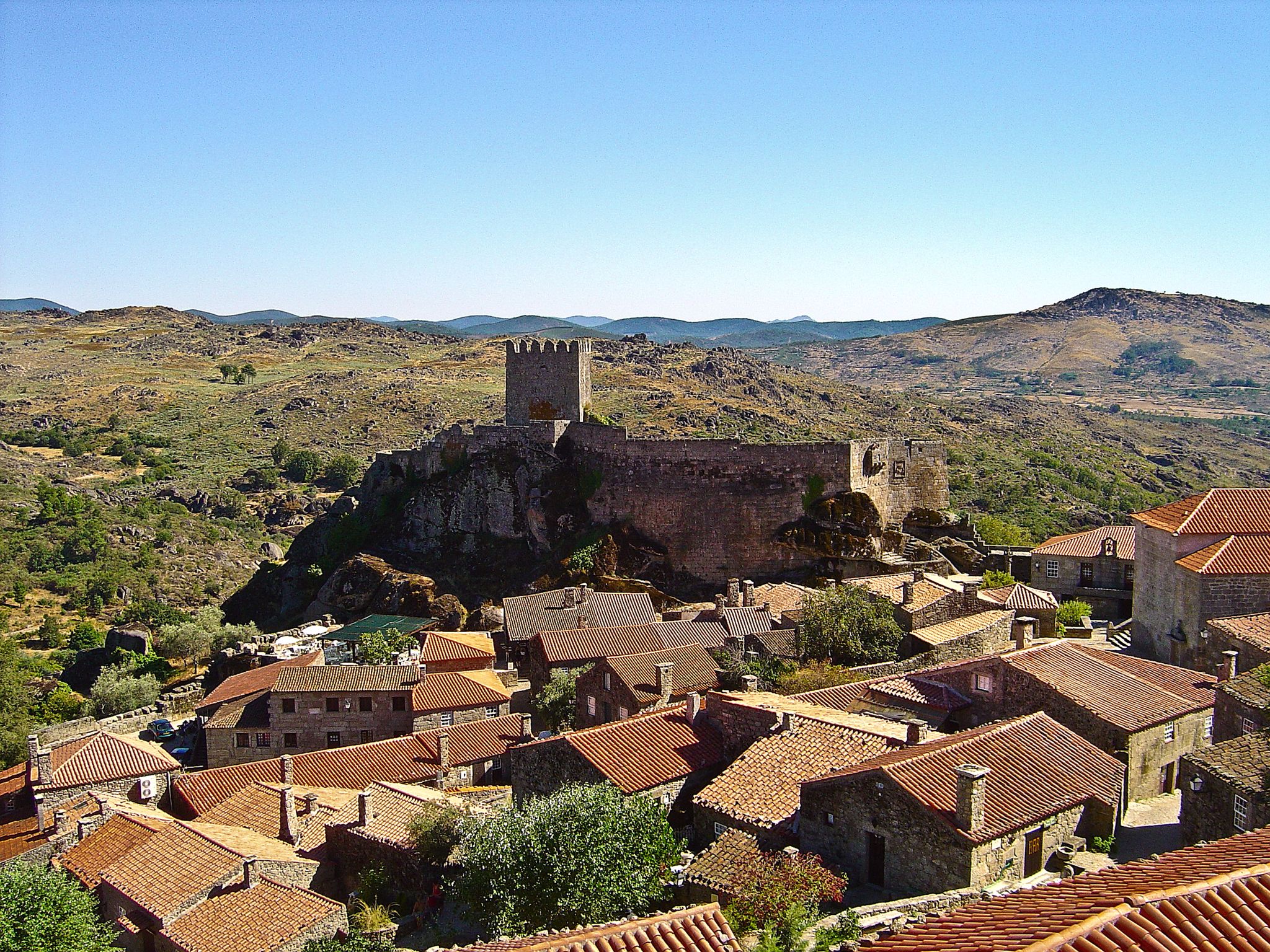
Castelo Rodrigo holds millennia of history, from Paleolithic and Roman remains to the Muslim presence in the castle. Conquered and reconquered between the 12th and 13th centuries, it became a town and municipality under King Alfonso IX of León and passed definitively to Portugal in 1297, when King Dinis rebuilt and repopulated the castle. Marked by wars, charters, and restorations, it welcomed pilgrims on their way to Santiago and remains today one of the twelve Historic Villages of Portugal.
3
0
Castelo Rodrigo is a village with a medieval soul, where time has left its deep marks: walls, stone streets and remains of an ancient community of New Christians. Surrounded by magnificent landscapes, from the Douro International Natural Park to the Côa Valley, passing through the Serra da Marofa and the Faia Brava Reserve, this village is an invitation to contemplation and to taste. Here, history is served at the table: Marofa lamb, octopus in migas or rice are flavors that count as much as the books.
2
0
Frequently Asked Questions
How many mountain bike trails are available around Almofala e Escarigo?
There are over 10 mountain bike trails available around Almofala e Escarigo, offering a variety of experiences for different skill levels. You'll find options ranging from easy to difficult, with a good selection of moderate routes.
What are the difficulty levels of mountain bike trails in this region?
The mountain bike trails around Almofala e Escarigo cater to various skill levels. You can find easy routes like Sobradillo – circular via the Old Path of La Redonda - Natural Park of the Arribes del Duero (R1-BTT Sobradillo), numerous moderate trails, and challenging options for advanced riders, such as the 42.5-mile Hinojosa de Duero – Hinojosa de Duero loop from Puerto Seguro.
Are there any family-friendly mountain bike trails in Almofala e Escarigo?
Yes, there are family-friendly options, particularly the easy-rated trails. For instance, the Sobradillo – circular via the Old Path of La Redonda - Natural Park of the Arribes del Duero (R1-BTT Sobradillo) is a 12.4-mile path that offers a less strenuous ride through scenic natural park landscapes, suitable for families.
What kind of terrain can I expect on the mountain bike trails?
The region offers diverse terrain, from thrilling climbs and descents to a mix of dirt and asphalt roads. The landscape is characterized by the elevated Serra da Marofa and the natural beauty of the Côa Valley, with robust geological compositions of granite and schist, providing varied and engaging surfaces for mountain biking.
What are some scenic viewpoints or landmarks I can see along the trails?
Many trails offer stunning views, especially those venturing towards the Serra da Marofa. You can also explore historical sites like the Castelo Rodrigo Discovery Trail or the Castle of San Felices de los Gallegos. The region's natural beauty includes the Côa Valley, known for its archaeological significance and untouched landscapes.
What is the best time of year for mountain biking in Almofala e Escarigo?
The region's landscape transforms with the seasons, offering beautiful backdrops year-round. Spring is particularly picturesque with almond trees in bloom, while summer showcases vibrant orange groves. Generally, spring and autumn offer milder temperatures ideal for mountain biking, avoiding the peak heat of summer.
Are there any circular mountain bike routes available?
Yes, many routes are designed as circular loops, allowing you to start and finish at the same point. Examples include the 21.8-mile Sobradillo - San Felices de los Gallegos – circular por el Parque Natural de las Arribes del Duero (R3-R4 BTT Sobradillo) and the 23.2-mile Castelo Rodrigo Village – Cristo Rei da Marofa loop from Figueira de Castelo Rodrigo.
What do other mountain bikers say about the trails in Almofala e Escarigo?
The mountain bike routes in Almofala e Escarigo are highly rated by the komoot community, with an average score of 3.5 stars. Riders often praise the varied terrain and the scenic beauty of the natural park and historical areas.
Are there any historical sites or cultural attractions near the mountain bike trails?
Absolutely. The region is rich in history. You can find the Castelo Rodrigo Discovery Trail, the Castle of San Felices de los Gallegos, and the Igreja de Nossa Senhora do Rocamador. The historical village of Castelo Rodrigo, one of Portugal's most beautiful, is also nearby, offering cultural exploration opportunities.
How long do the mountain bike trails typically take to complete?
Trail durations vary significantly based on length and difficulty. For example, an easy 12.4-mile route like Sobradillo – circular via the Old Path of La Redonda - Natural Park of the Arribes del Duero (R1-BTT Sobradillo) takes about 1 hour 35 minutes, while a moderate 23.2-mile loop such as Castelo Rodrigo Village – Cristo Rei da Marofa loop from Figueira de Castelo Rodrigo can take around 3 hours 25 minutes.
Is the Côa Valley accessible by mountain bike?
Yes, the Côa Valley, celebrated for its natural beauty and archaeological significance, is accessible for mountain biking. The Côa Valley Grand Route, a 222 km long-distance trail, is suitable for mountain biking, allowing exploration of this unique and largely undeveloped region.
Most popular routes around Almofala e Escarigo e Escarigo e Escarigo
Most popular attractions around Almofala e Escarigo e Escarigo e Escarigo

Get inspired with the komoot mobile app


Explore more
Browse the best MTB trails in other regions.
