Attractions and Places To See around Longroiva - Top 15
Best attractions and places to see around Longroiva, a village in Portugal's Beira Alta region, offer a blend of history, culture, and natural beauty. Situated between the granite landscapes of Serra da Estrela and the vineyards of Alto Douro Vinhateiro, the area provides a tranquil setting for exploration. Visitors can discover ancient castles, Roman-era sites, and significant archaeological parks. Longroiva tourist information highlights its rich heritage and diverse points of interest.
Best attractions and places to see around Longroiva
- The most popular attractions is Côa Museum, a historical site that is one of the largest museums in Portugal, dedicated to rock art. Its design mimics the natural irregularities of the region's metamorphic rocks, and it houses the largest library in Portugal dedicated to rock art.
- Another must-see spot is Historic Village of Marialva, a medieval village with an imposing castle and ancient buildings. Strolling its cobblestone streets offers a journey back in time, with details from the keep to the Church of Santiago telling stories of its past.
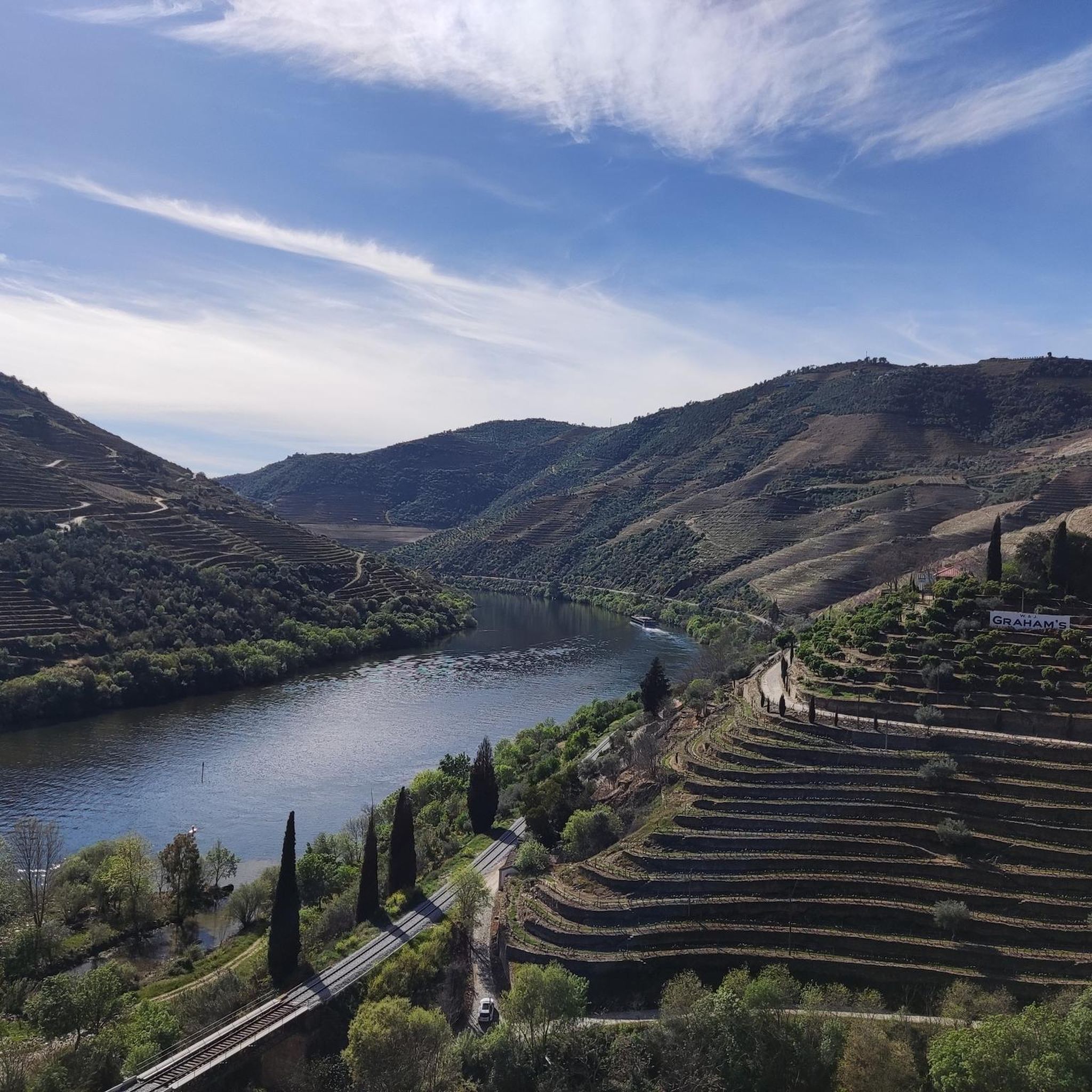
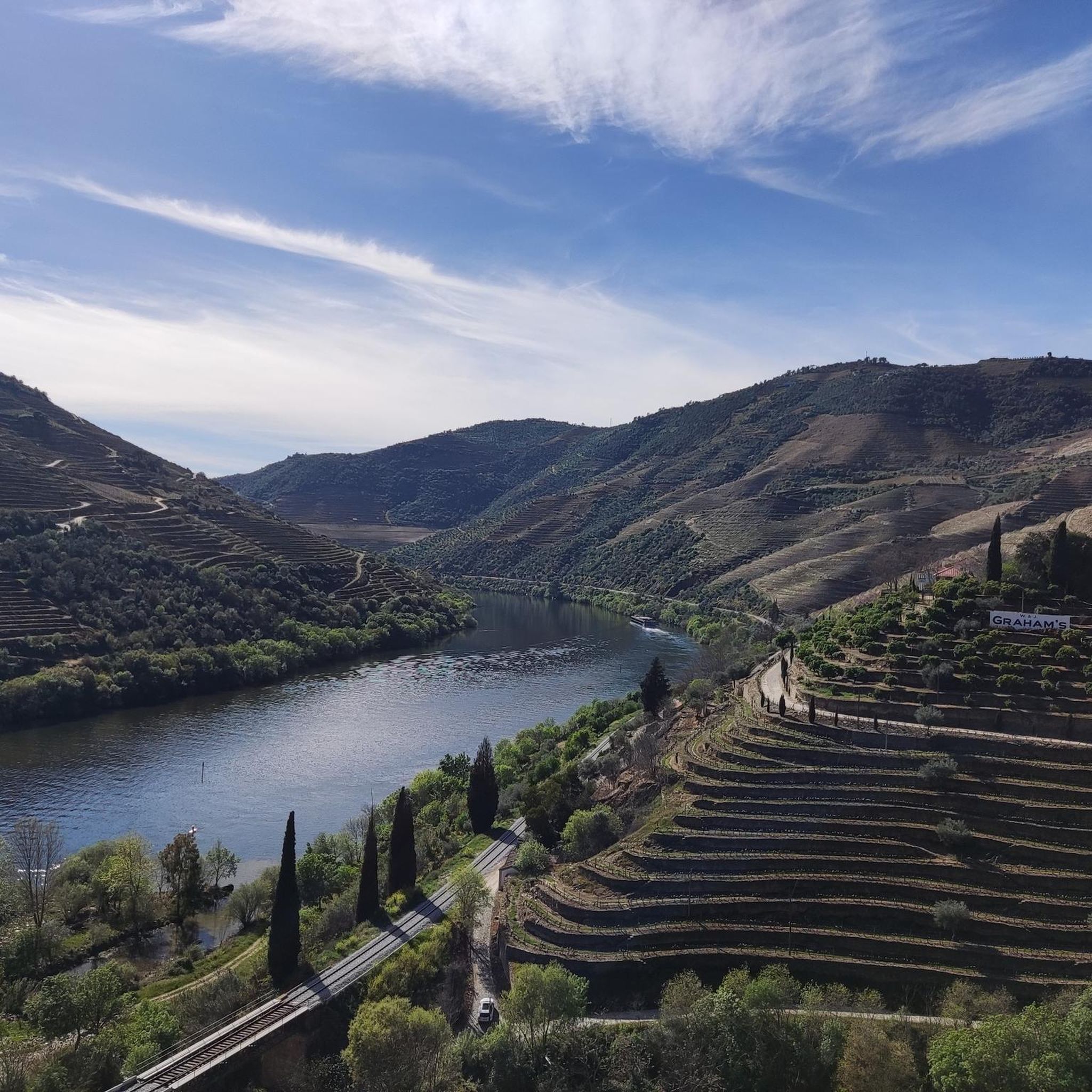
- Visitors also love End of N222 in Almendra, a scenic trail along the Douro River. It offers fantastic views and passes through a protected area, including a museum with early human rock drawings.
- Longroiva is known for its historical sites, archaeological parks, and scenic viewpoints. The region offers a variety of attractions to see and explore, from ancient castles to natural landscapes.
- The attractions around Longroiva are appreciated by the komoot community, with 12 upvotes and 9 photos shared by visitors.
Last updated: July 1, 2026
Côa Museum
Highlight • Historical Site
Translated by Google •
Tip by

Historic Village of Marialva
Highlight • Historical Site
Translated by Google •
Tip by

Sign up now to discover places like this
Get recommendations on the best single tracks, peaks, & plenty of other exciting outdoor places.
Sign up for free
End of N222 in Almendra
Highlight (Segment) • Trail
Tip by

São Gabriel Viewpoint
Highlight • Viewpoint
Panoramic views encompass:
The Côa Valley and the Douro River.
Municipalities such as Torre de Moncorvo, Mêda, Trancoso, Pinhel, Figueira de Castelo Rodrigo, and Freixo de Espada à Cinta.
Spanish territories such as Urros, Peredo dos Castelhanhos, and the Castilian Plateau.
The Serra da Marofa, Castelo Melhor, Almendra, and even the Historic Village of Castelo Rodrigo.
Translated by Google •
Tip by
Passage through the Faia Brava Reserve
Highlight • Trail
Translated by Google •
Tip by
Sign up for free to discover even more attractions around Longroiva.
Sign up for free
Already have an account?
Start today with a free account
Your next adventure awaits.
Login or Signup

Tips from the Community

Next to the viewing platform is a small 19th-century chapel, built of granite and situated on a schist outcrop. The interior is simple with a granite altar and a tile panel depicting the Annunciation, donated in 1951 by Maria Vitória Albuquerque Soares.
2
0
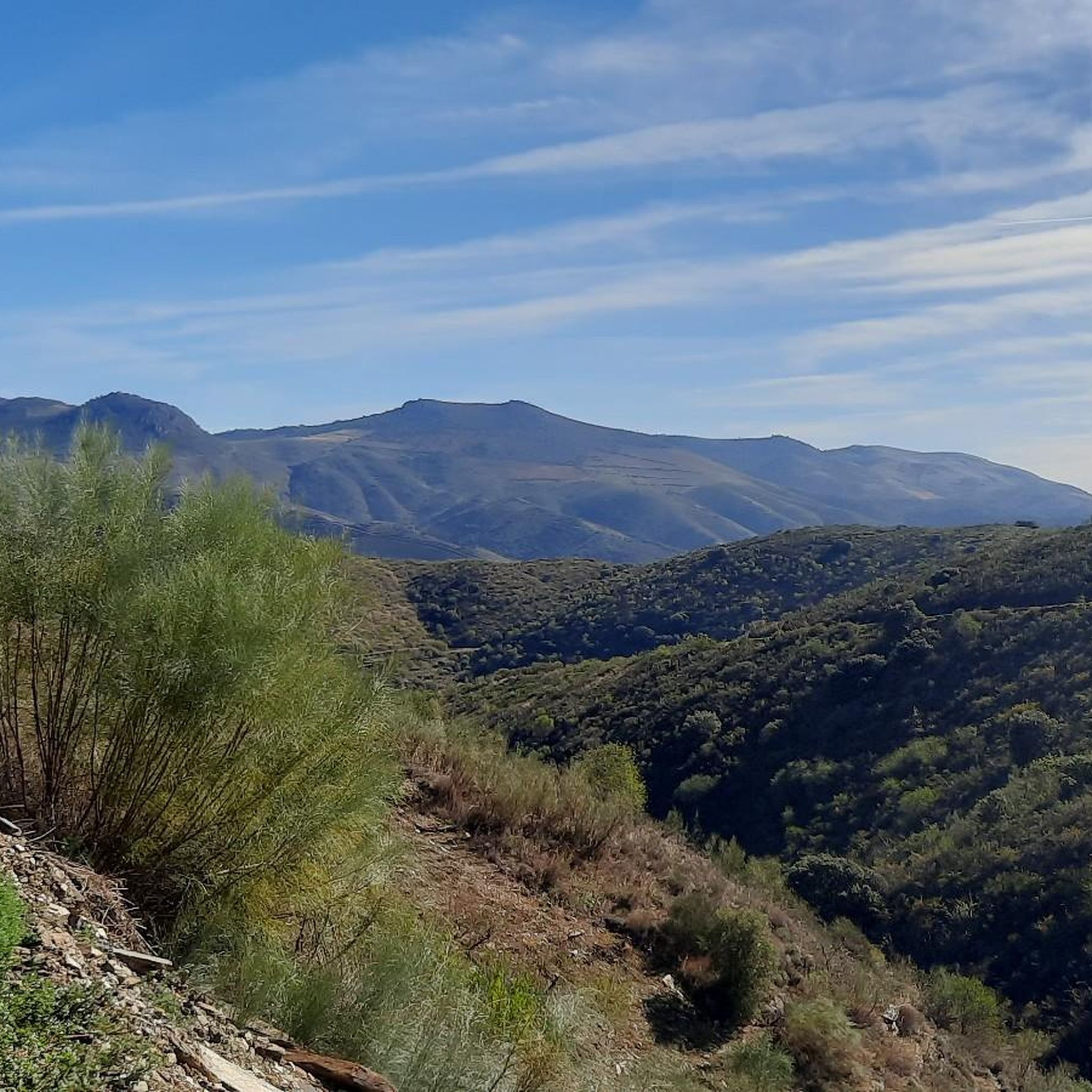
The São Gabriel Viewpoint, located in Castelo Melhor, within the municipality of Vila Nova de Foz Côa, is one of the most spectacular panoramic points in northern Portugal. Panoramic views encompass: The Côa Valley and the Douro River. Municipalities such as Torre de Moncorvo, Mêda, Trancoso, Pinhel, Figueira de Castelo Rodrigo, and Freixo de Espada à Cinta. Spanish territories such as Urros, Peredo dos Castelhanhos, and the Castilian Plateau. The Serra da Marofa, Castelo Melhor, Almendra, and even the Historic Village of Castelo Rodrigo.
2
0

Marialva is a jewel among Portugal's Historic Villages. High above, the castle watches over centuries of conquests and legends, while within the walls still echo the memory of kings, fairs, and battles. Strolling its cobblestone streets is like traveling back in time: from the keep to the Church of Santiago, every detail tells a story. Outside the walls, vineyards and flavors of Beira Alta complete the landscape: roast kid, sheep's cheese, and sweets that preserve the taste of tradition. Here, the village is experienced as much on foot as at the table.
3
0
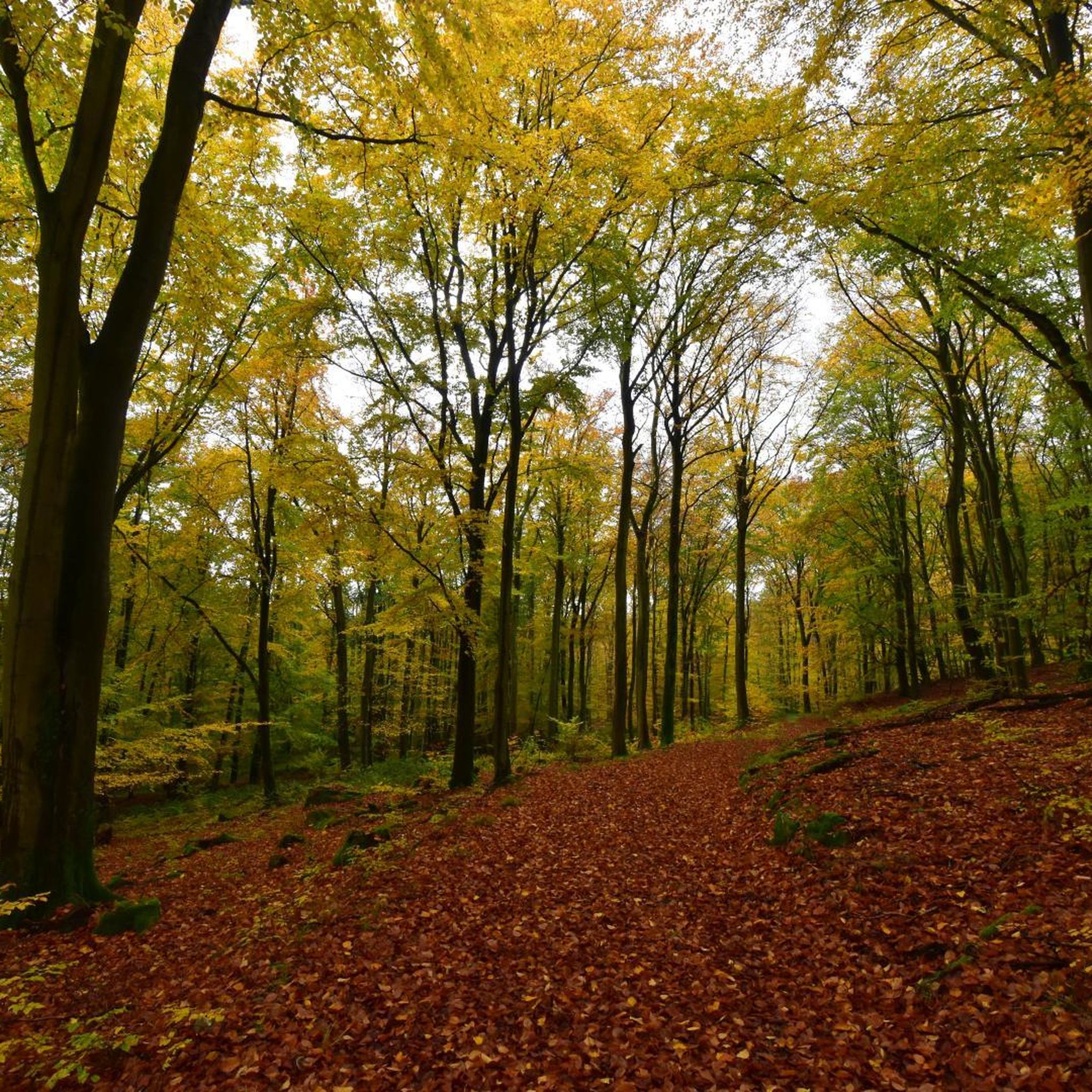
In the heart of the Côa Valley, Faia Brava is a wildlife sanctuary where griffon vultures, eagles, and black storks soar through the skies. Between imposing cliffs and the largest cork oak forest in the region, this 600-hectare protected area preserves rare habitats, ancient trails, and local traditions. Managed by the ATN, it invites you to discover nature through guided tours that reveal one of Guarda's most authentic and vibrant corners.
2
0
From a distance, the building resembles a large outcrop emerging from the ground, and its facade is composed of mineral pigments in concrete, mimicking the natural irregularities of the region's metamorphic rocks. The Côa Museum does not replace a visit to the rock art sites in the Côa Valley Archaeological Park, but it is a gateway that allows visitors to discover the artistic richness of the Côa and Douro valleys. Furthermore, the museum houses the largest library in Portugal dedicated to rock art. 😊
12
0
The Côa Museum opened on July 30, 2010, and is located on one of the slopes where the Douro and Côa rivers meet. Designed by architects Camilo Rebelo and Tiago Pimentel, the museum is one of the largest in Portugal. Its design is inspired by the notion that "Paleolithic art in the Côa Valley is perhaps the earliest manifestation of 'Land art.'"
13
0

Coa Valley is the largest Paleolithic open-air museum in the world. The museum provides a nice insight with replicas and screens
7
0

Final kilometers of N222 going along Rio Duoro. Monument at the start of N222 and Cafe in Almendra. Protected area to both sides of the road, fantastic views. Route also passes by museum with early human rock drawings.
0
0
Frequently Asked Questions
What historical sites can I explore in Longroiva and its immediate surroundings?
Longroiva is rich in history. You can visit the medieval Longroiva Castle, a National Monument with a Keep dating back to 1174. The Mother Church of Longroiva, with Romanesque origins and a Gothic portal, is also notable. Don't miss the Pelourinho de Longroiva, a Manueline pillory in the village center, and remnants of a Roman Road and Bridge.
Are there any thermal baths or wellness facilities in Longroiva?
Yes, the Thermal Baths of Longroiva are a significant attraction. With origins tracing back to Roman times, these modern facilities offer therapeutic sulfurous mineral waters at 47ºC, known for treating muscular, rheumatic, and respiratory ailments. They include a swimming pool, sauna, and jacuzzi for a relaxing experience.
Where can I find ancient rock art near Longroiva?
The Côa Valley Archaeological Park, a UNESCO World Heritage site, is a short distance from Longroiva. It features over 80 archaeological sites, including the Penascosa Prehistoric Rock-Art Site, and the Côa Museum, which provides extensive insight into Paleolithic art. The Fariseu rock art nucleus within the park is considered the largest open-air rock art site globally.
What is there to see in the nearby Historic Village of Marialva?
A short drive from Longroiva, the Historic Village of Marialva is a captivating medieval village. You can explore its imposing castle, narrow cobblestone streets, and ancient buildings, including the Church of Santiago, offering a journey back in time.
Are there family-friendly attractions or activities around Longroiva?
Yes, the Côa Museum is considered family-friendly and offers an engaging way to learn about the region's ancient history and rock art. Exploring the medieval streets of the Historic Village of Marialva can also be an exciting adventure for families.
What natural landscapes and viewpoints are accessible near Longroiva?
Longroiva is situated between the granite landscapes of Serra da Estrela and the vineyards of Alto Douro Vinhateiro, offering beautiful scenery. For panoramic views, visit the São Gabriel Viewpoint in Castelo Melhor, which overlooks the Côa Valley, Douro River, and surrounding municipalities. The Passage through the Faia Brava Reserve also offers stunning natural beauty and opportunities for wildlife spotting.
What outdoor activities, like hiking or cycling, can I do near Longroiva?
The region around Longroiva offers various outdoor activities. For hiking, you can find routes like the easy "Côa Museum – Stairway to Douro loop" or the moderate "Prazo Archaeological Site loop." Cyclists can explore routes such as the "Marialva Castle Ruins – Historic Village of Marialva loop." You can find more details and routes on the hiking guide and cycling guide for Longroiva.
When is the best time to visit Longroiva for scenic beauty?
While Longroiva is beautiful year-round, visiting in February is particularly special when the almond trees are in bloom, transforming the landscape with stunning white and pink blossoms.
Are there any scenic drives or trails with great views?
Yes, the End of N222 in Almendra offers a scenic trail along the Douro River with fantastic views. This route passes through a protected area and includes a museum featuring early human rock drawings.
What is the Faia Brava Reserve and what can I see there?
The Faia Brava Reserve is a wildlife sanctuary in the heart of the Côa Valley. It's home to griffon vultures, eagles, and black storks, and features the region's largest cork oak forest. This protected area preserves rare habitats and ancient trails, offering guided tours to explore its authentic nature.
What kind of cultural heritage can be found in Longroiva?
Beyond the castle and church, Longroiva's cultural heritage includes the 16th-century Fonte da Concelha, a rustic fountain with a unique armillary sphere top, and the historic Solar dos Marqueses de Roriz, a manor house that contributes to the village's rich past.
What do visitors enjoy most about the attractions around Longroiva?
Visitors frequently appreciate the blend of history and natural beauty. The Côa Museum is praised for its insightful exhibits and design, while the Historic Village of Marialva is loved for its immersive journey back in time. The scenic views along the End of N222 in Almendra are also a highlight for many.
Most popular routes around Longroiva

Get inspired with the komoot mobile app


Explore more
Still not found the Highlight you’re looking for? See guides of the top attractions in other regions:
