The best road cycling routes around Longroiva
5.0
(1)
107
riders
15
rides
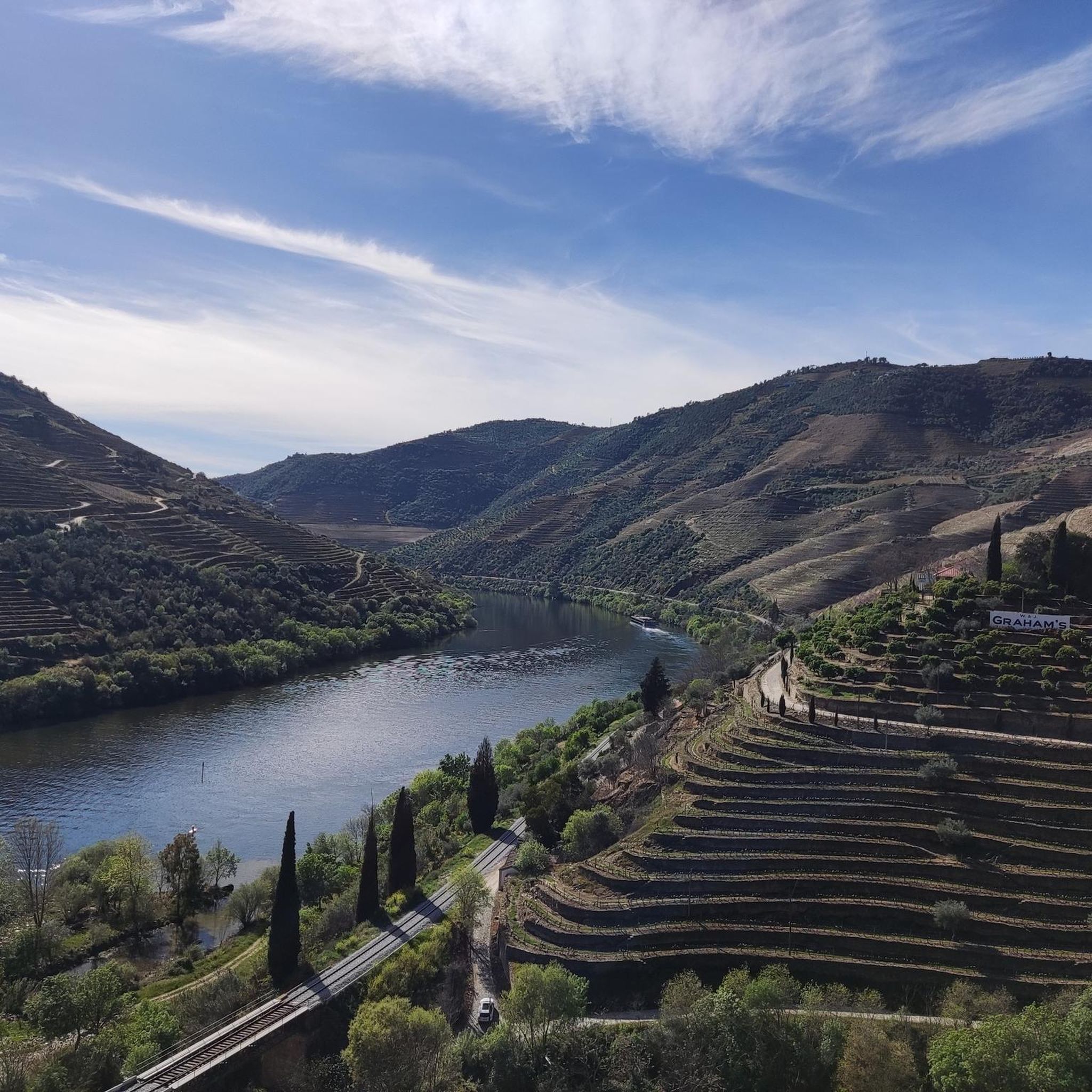
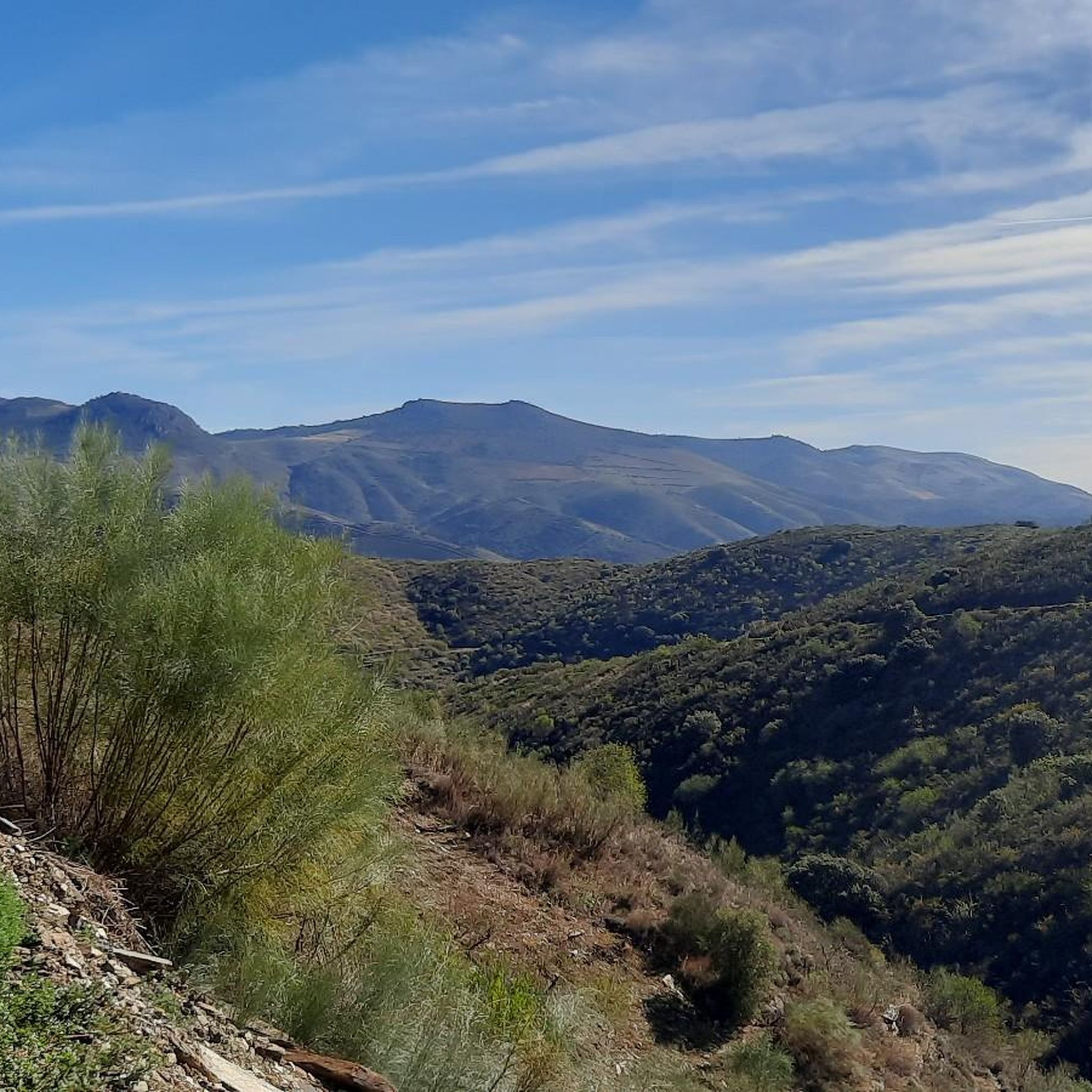
Road cycling routes around Longroiva, located in the municipality of Mêda, Portugal, traverse a landscape characterized by green hills, vineyards, and fertile agricultural fields. The region is nestled in the hills of Northeastern Portugal, offering varied topography with challenging uphill climbs and well-maintained tarmac roads. Proximity to the Douro River provides flatter sections, while venturing away from the river introduces significant elevation gains. This area offers diverse cycling experiences with generally low traffic conditions.
Best road cycling routes around Longroiva
…Last updated: July 1, 2026
14
riders
57.6km
02:58
910m
910m
Hard road ride. Very good fitness required. Mostly well-paved surfaces and easy to ride.
14
riders
Moderate road ride. Good fitness required. Mostly well-paved surfaces and easy to ride.

Sign up for free
5.0
(1)
13
riders
46.5km
02:25
830m
830m
Moderate road ride. Good fitness required. Mostly well-paved surfaces and easy to ride.
11
riders
Hard road ride. Very good fitness required. Some segments of this route may be unpaved and difficult to ride.
8
riders
Hard road ride. Very good fitness required. Mostly well-paved surfaces and easy to ride.
Get access to more routes and recommendations from other explorers.
Sign up for free
Already have an account?
Our route recommendations are based on thousands of hikes, rides, and runs completed by other people on komoot.
Start today with a free account
Your next adventure awaits.
Login or Signup

Tips from the Community

The Pocinho Road-Railway Bridge, also known as the Pocinho Bridge, is a road-rail infrastructure of the Linha do Sabor, which crosses the Douro River in the Municipality of Vila Nova de Foz Côa, in Portugal; it is closed to service, for both types of traffic. The construction of a bridge at this location, with two superimposed decks, was foreseen by the Plan of the Complementary Network North of Mondego, dated February 15, 1900.
0
0

Vila Nova de Foz Côa is a jewel of northern Portugal, located in the Guarda district of the Alto Douro region. It is known for its unique archaeological heritage, spectacular wine-growing landscapes, and its deep connection to history and nature.
3
0

Amid granite boulders and echoes of ancient battles, Moreira de Rei rises, an eagle's nest crowned by ruins that still whisper stories of fleeing kings, noblemen, and armies that passed through here. A good example is its name, which dates back to the time when Moreira welcomed King Sancho II on his way to exile from Toledo. Beneath the old Romanesque church lies a proto-Christian necropolis, witness to centuries of faith. Between worn walls, Roman pavements, and Visigothic memories, the town preserves, in stone and silence, the grandeur of a past that has never ceased to pulse.
2
0
Marialva is a jewel among Portugal's Historic Villages. High above, the castle watches over centuries of conquests and legends, while within the walls still echo the memory of kings, fairs, and battles. Strolling its cobblestone streets is like traveling back in time: from the keep to the Church of Santiago, every detail tells a story. Outside the walls, vineyards and flavors of Beira Alta complete the landscape: roast kid, sheep's cheese, and sweets that preserve the taste of tradition. Here, the village is experienced as much on foot as at the table.
3
0
In the heart of the rolling plain, your gaze reaches Marialva. As you follow the national road, in the distance, high above, the castle stands imposingly, guarding the valley beneath.
2
0

Its ancient castle contrasts with the fears and fears experienced by the people of yesteryear. It was a border town, the scene of many important battles and struggles for the formation and independence of the kingdom. It received important privileges. D. Afonso Henriques granted it a charter and D. Afonso III the charter of Feira. D. Dinis ordered the construction of the walls that still protect a village where Christians and Jews lived together. The ring of walls that still surround the old medieval town, as well as the vast civil and religious architectural heritage, give the Historic Centre a unique image.
3
0
The Castle of Trancoso is erected atop a hill in the North-Easternmost extreme of the city of Trancoso, within the district of Guarda, Portugal. It is a castle build in between the 10th and 13th centuries, featuring towers and the characteristic walls inclined to the tower of Moorish connotations. From the primitive castle appears the walled fortress with five towers and an homage one, the walls featuring several gates as well. Among these, the Porta do Rei stands out the most for being flanked by two towers.
2
0
Penedono Castle (Portuguese: Castelo de Penedono) is a medieval castle located in the parish of Granja, in the municipality of Penedono, Viseu District, Portugal. This castle, also known as Magriço Castle, dominates the town and combines elements of a defensive fortification and a stately home.
7
0
Frequently Asked Questions
What is the typical terrain and elevation profile for road cycling around Longroiva?
The Longroiva region offers varied terrain. Roads along the Douro River tend to be flatter, providing a more relaxed ride. However, venturing away from the river into the hills of Northeastern Portugal presents challenging uphill climbs, with ascents of 1000m to 2000m over 40km and average inclines of 6%. You'll encounter green hills, expansive vineyards, and fertile agricultural fields, with well-maintained tarmac roads and generally low traffic.
Are there road cycling routes suitable for different skill levels in Longroiva?
Yes, the area caters to various abilities. While many routes feature significant elevation gains, there are options for moderate rides. For example, the Pocinho Station loop from Vila Nova de Foz Coa is a moderate 46.6 km trail that follows the Douro River valley. More challenging routes, like the Historic Village of Marialva loop from Vila Nova de Foz Coa, involve substantial climbs.
What historical sites or natural attractions can I see while road cycling near Longroiva?
The region is rich in attractions. You can cycle past the medieval Longroiva Castle, explore the charming cobblestone streets of the Historic Village of Marialva, or visit the Côa Museum, dedicated to the Paleolithic art of the Côa Valley. The area also offers stunning natural beauty, including the terraced vineyards of the Alto Douro Wine Region and viewpoints like São Salvador do Mundo and Casais de Loivos.
Are there scenic viewpoints along the road cycling routes in Longroiva?
Absolutely. The challenging climbs in the region are often rewarded with spectacular views. Notable viewpoints overlooking the Douro River and the terraced vineyards include São Salvador do Mundo and Casais de Loivos. The São Gabriel Viewpoint is another excellent spot to take in the panoramic scenery.
Is parking available for cyclists in Longroiva and nearby starting points?
Yes, Longroiva village and other starting points like Vila Nova de Foz Coa and Mêda typically offer parking options for cyclists. The region is known for its low traffic, making it generally convenient to find places to park before starting your ride.
When is the best time of year to go road cycling in Longroiva?
The region's climate makes it suitable for cycling for much of the year. Spring and autumn generally offer the most pleasant temperatures for road cycling, avoiding the peak heat of summer. Winter cycling is possible, but be prepared for cooler temperatures and potentially more variable weather conditions.
Are there family-friendly road cycling routes around Longroiva?
While many routes in Longroiva involve significant climbs, the N222 road along the Douro River offers a winding yet flatter profile, which can be more suitable for families or those seeking a less strenuous ride. It's always recommended to check the elevation profile of a route before setting out with family.
Where can cyclists find refreshments or accommodation in the Longroiva area?
Longroiva village itself offers amenities, including the Longroiva Hot Springs (Termas de Longroiva) with the modern Longroiva Hotel & Thermal SPA, which is an excellent spot for recovery. Nearby towns and villages like Mêda, Marialva, and Vila Nova de Foz Coa also provide cafes, restaurants, and various accommodation options for cyclists.
Are there many loop trails available for road cycling in Longroiva?
Yes, many of the road cycling routes in Longroiva are designed as loops, allowing you to start and end your ride in the same location. Examples include the Historic Village of Marialva loop from Mêda, Outeiro de Gatos e Fonte Longa and the Historic Village of Trancoso – Moreira de Rei loop from Mêda, Outeiro de Gatos e Fonte Longa.
What do other road cyclists enjoy the most about road cycling in Longroiva?
The area is highly rated by the komoot community, with an average score of 5.0 stars. Cyclists often praise the well-maintained tarmac, winding roads, and generally low traffic, which contribute to an authentic and immersive cycling experience. The stunning natural beauty, particularly the terraced vineyards and river views, is also a major highlight.
How many road cycling routes are available around Longroiva?
There are over 15 road cycling routes available around Longroiva, offering a diverse range of experiences. These routes vary in difficulty, from moderate to difficult, ensuring options for different fitness levels and preferences.
Can I combine road cycling with a relaxing spa experience in Longroiva?
Absolutely. Longroiva is home to the Longroiva Hot Springs (Termas de Longroiva), known since Roman times for their therapeutic mineral waters. The modern Longroiva Hotel & Thermal SPA is specifically designed to leverage these springs, making it a perfect spot to relax and recover after a day of cycling. You can find more information about the thermal springs at aldeiashistoricasdeportugal.com.
Most popular routes around Longroiva
Most popular attractions around Longroiva

Get inspired with the komoot mobile app


Explore more
Browse the best Road cycling routes in other regions.
