Top 16 Castles around Kamen
Best castles around Kamen are primarily found in the German region, characterized by numerous historical structures, often referred to as water castles. This area offers a diverse range of architectural styles, from medieval origins to Neo-Gothic designs. The landscape features a mix of historical preservation and natural settings, including parks and river valleys. These sites provide insights into regional noble life and defensive architecture.
Best castles around Kamen
- The most popular castles is Cappenberg Castle, a castle that was…
Last updated: October 9, 2026
Haus Rodenberg Water Castle
Highlight • Castle
The bell tower tackles the quality time 🔔 🏰⛲️🏞
Translated by Google •
Tip by

Lippholthausen Castle Mill
Highlight • Historical Site
It is also an ideal place to take a break for a short rest.
Translated by Google •
Tip by

Sign up now to discover places like this
Get recommendations on the best single tracks, peaks, & plenty of other exciting outdoor places.
Water Castle Haus Opherdicke
Highlight • Castle
Translated by Google •
Tip by

Cappenberg Castle
Highlight • Castle
Translated by Google •
Tip by

Schwansbell Castle
Highlight • Castle
Translated by Google •
Tip by

Sign up for free to discover even more castles around Kamen.
Already have an account?
Start today with a free account
Your next adventure awaits.
Tips from the Community

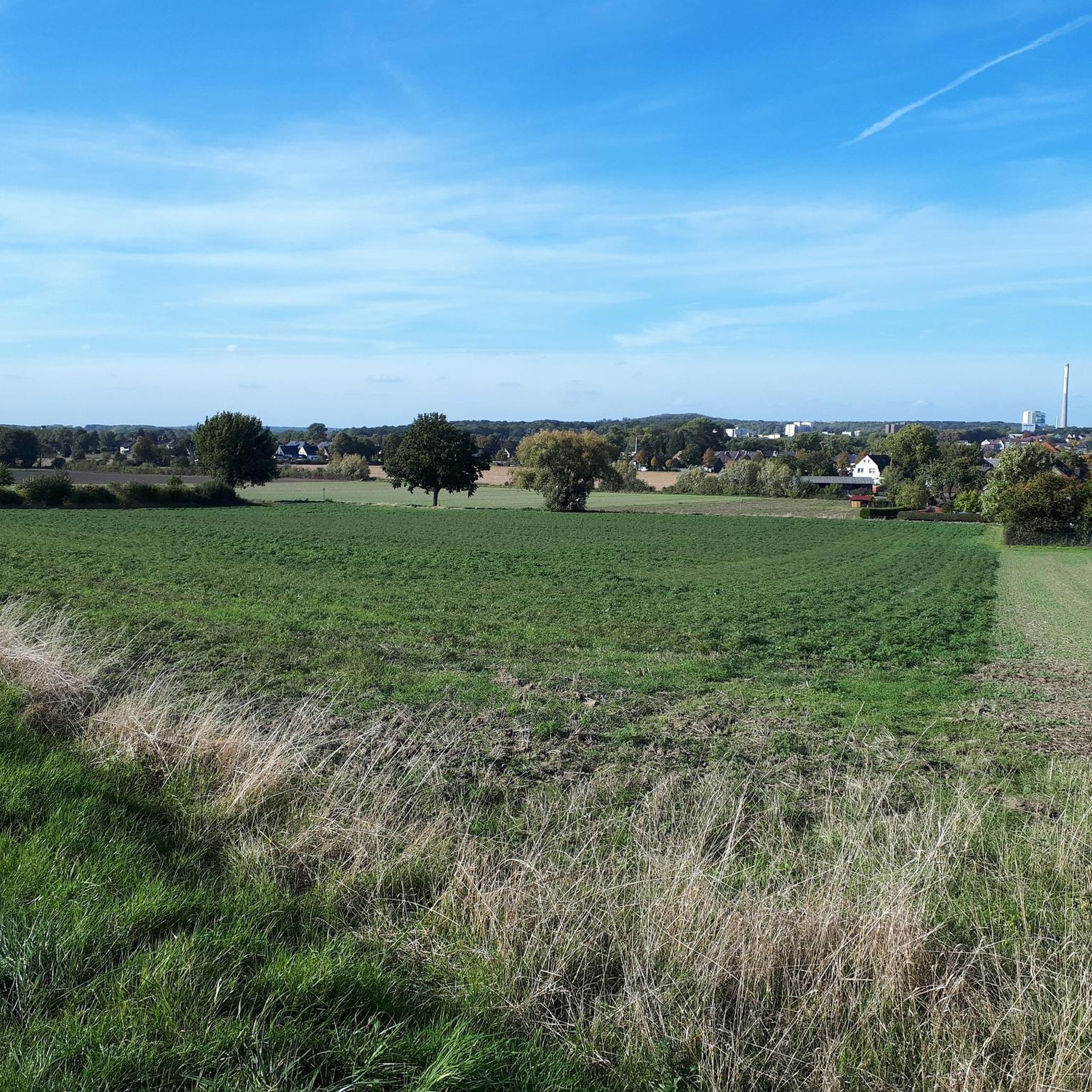
The former aristocratic residence Haus Rodenberg in Dortmund-Aplerbeck originally emerged from a medieval moated castle on the banks of the Emscher and was mentioned in a document as early as 1290. Of the former gardens, only the outer bailey island, the surrounding moats, the house pond and remnants of the wall surrounding the main garden remain. Today the park area is a public green space in the center of the Aplerbeck district.
12
0

Beautiful castle north of Lünen. The ascent up to the castle is great to drive on the new asphalt. As a descent you can let it fly properly here, but watch out for the crossing below
7
0

Schwansbell Castle almost suffered the same fate as Buddenburg Castle. It was saved by the entrepreneur Hildebrand, who purchased it for one of his adopted daughters and had it renovated by Polish restorers. The castle now has a different owner. The rooms are rented out as apartments. Schwansbell Castle was built in its current form in 1872 by the Counts of Westerholt on the site of the medieval castle. The servants' quarters also dates back to the 19th century and currently houses the Lünen City Museum. The collection, which focuses on the city's history, focuses on everyday and residential culture, as well as the social and industrial history of the city of Lünen in the 19th and 20th centuries.
10
0

The mill was supposed to be demolished in 2002, but some committed citizens of Lünen wanted to save the historic building and founded the Mühlenfreunde Lippholthausen association. Today, the Schlossmühle is in its old glory and is used by the Lünen registry office as a wedding room - an offer that many happy bridal couples have taken advantage of.
10
0

The Rodenberg House is a moated castle in the Aplerbeck district of Dortmund. The castle fell into disrepair in the 19th and 20th centuries. All that remained of the former moated castle was the outer bailey with the economic section. After the castle was destroyed in the Clevisch-Märkischen succession dispute in 1422, it was rebuilt in the years that followed. Between 1689 and 1698 the castle was rebuilt into a baroque moated castle. The property was sold to the city of Dortmund in 1985, which had the park and Rodenberg house thoroughly restored by 1996 and finally handed it over to the citizens of Dortmund. The castle is listed as a monument, the former castle as a monument in the monument list of the city of Dortmund. Today, Haus Rodenberg is home to the seminar rooms of the adult education center in Dortmund, the fairytale stage (a puppet theater for children and adults) and upscale gastronomy. The premises of Haus Rodenberg can be rented for so-called ambience weddings through the adult education center in Dortmund. The former mill pond and the park with "orchard" are well visited in summer.
8
0

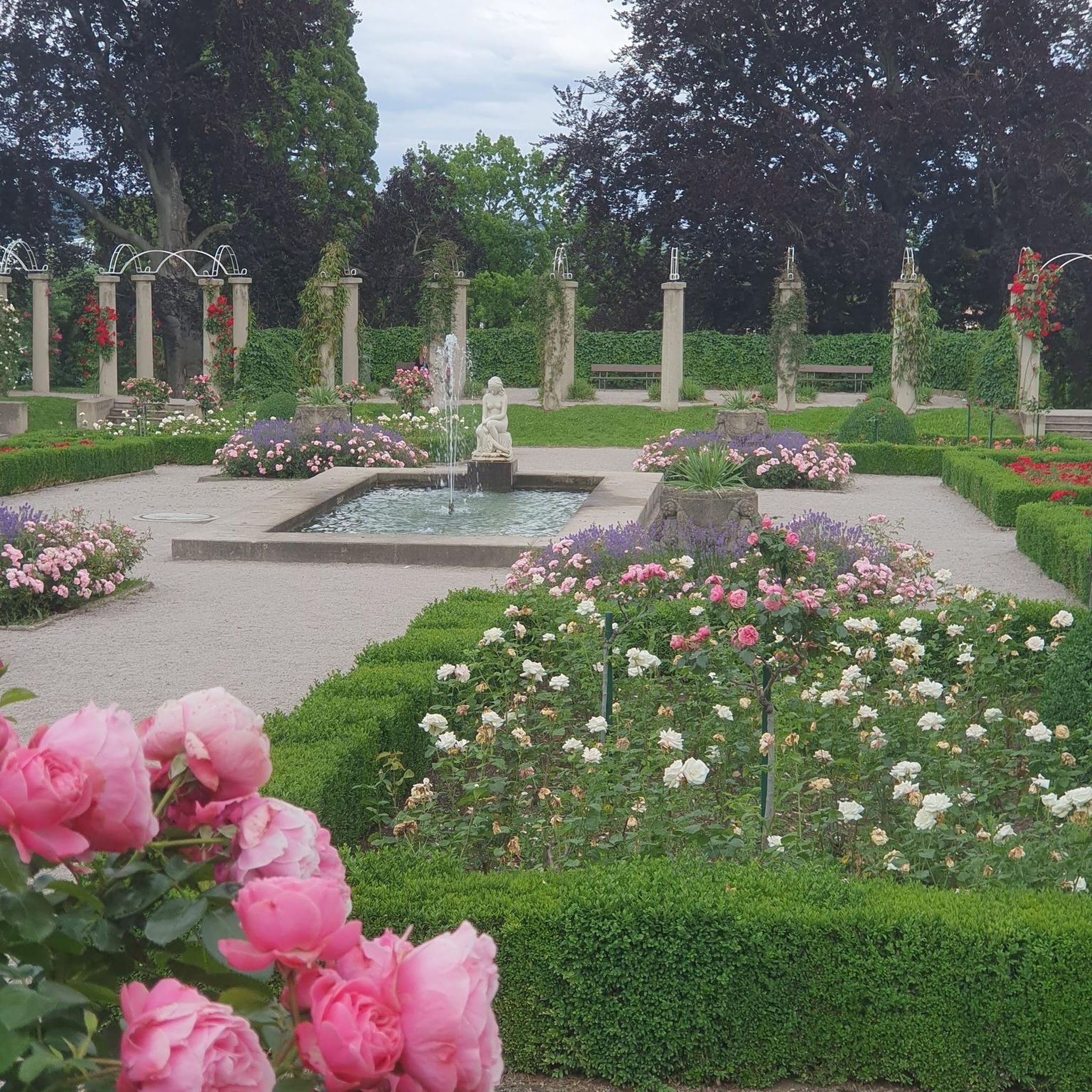
In the park there are plenty of sculptures and also the opportunity to rest
9
0
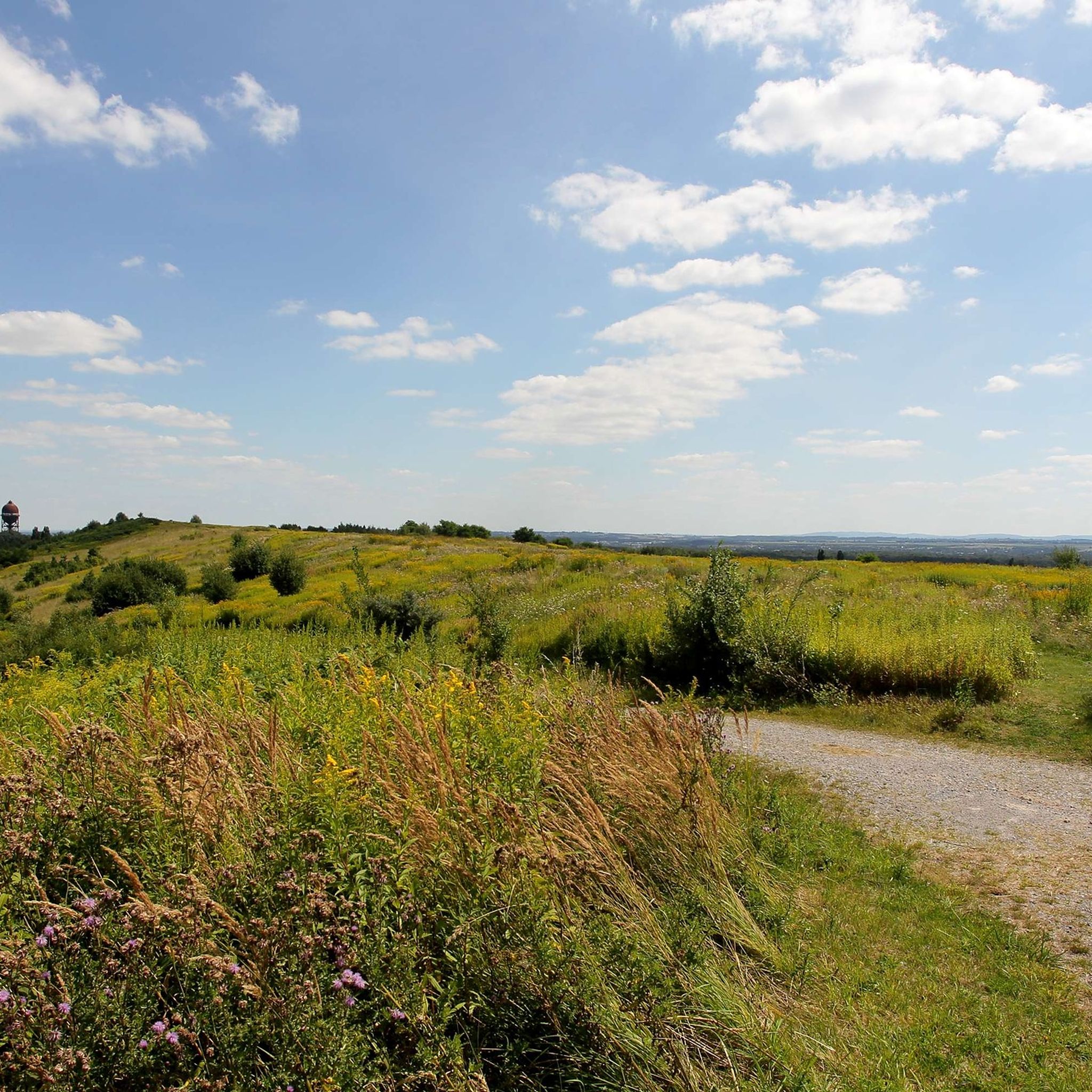
A well-known place for Brambauerans to rest on hikes or bike tours for ages
10
0

Frequently Asked Questions
What types of castles can I explore around Kamen?
The region around Kamen, Germany, is known for its diverse historical structures, particularly numerous water castles (Wasserschlösser). You'll find everything from medieval moated castles like Haus Opherdicke to former monasteries like Cappenberg Castle, and even knightly seats rebuilt in English Neo-Gothic style, such as Schloss Schwansbell.
Are there family-friendly castles to visit near Kamen?
Yes, several castles around Kamen are suitable for families. Haus Rodenberg Water Castle, Haus Opherdicke, and Cappenberg Castle are all listed as family-friendly. Many offer pleasant park areas for walks and some have cultural cafés or exhibitions that can engage visitors of all ages.
Can I combine a castle visit with outdoor activities like hiking or cycling?
Absolutely. The region around Kamen offers excellent opportunities for outdoor activities. You can find various routes for gravel biking, easy hikes, and general cycling that pass by or are near these historical sites. For example, there are easy hikes around Kamen and cycling routes that explore the wider area. Check out the Easy hikes around Kamen guide or the Cycling around Kamen guide for route ideas.
What natural features can I expect to see near the castles?
Many castles around Kamen are situated in scenic natural settings. Haus Rodenberg Water Castle, for instance, is located on the banks of the Emscher with a public green space. Haus Opherdicke offers beautiful views of the Ruhr Valley. You'll often find moats, house ponds, and adjacent parks, providing a blend of historical architecture and natural beauty.
Are there any castles that also serve as cultural venues or museums?
Yes, several castles around Kamen have been repurposed to host cultural activities. Haus Opherdicke beautifully combines historical preservation with contemporary use, featuring a cultural café and exhibition spaces. Cappenberg Castle, a former monastery, now hosts various exhibitions. Schloss Schwansbell also houses a municipal museum in its farm building.
What is the best time of year to visit the castles around Kamen?
Visiting the castles around Kamen is enjoyable throughout the year. Spring and summer offer lush greenery and pleasant weather for exploring the grounds and parks. Autumn provides beautiful foliage, making for picturesque walks around moated castles. Many castles also host events or exhibitions that vary by season, so checking their individual schedules is recommended.
Are there any castles with unique historical significance or architectural styles?
Definitely. Haus Opherdicke is a 12th-century moated castle, considered one of the region's most outstanding architectural monuments. Cappenberg Castle was originally the first Premonstratensian monastery in the German-speaking area. Schloss Schwansbell stands out with its English Neo-Gothic style, built between 1872 and 1875.
What do visitors enjoy most about the castles around Kamen?
Visitors appreciate the blend of historical architecture and natural surroundings. Many enjoy the peaceful atmosphere of the castle parks, the opportunity to learn about regional history through exhibitions, and the chance to relax at cultural cafés. The community has shared over 590 photos and given more than 1800 upvotes, highlighting the visual appeal and engaging experiences these sites offer.
Are there any castles that offer dining options or cafés?
Yes, several castles provide dining options. The Kultur-Café in the basement of Haus Opherdicke invites visitors to linger after a walk or exhibition visit, offering small bites and drinks with a view of the Ruhr Valley. Haus Rodenberg Water Castle and Cappenberg Castle also feature cafés or restaurants.
Is there a castle that is particularly picturesque or good for photography?
Haus Rodenberg Water Castle, with its origins as a medieval moated castle on the Emscher, is highly photogenic, especially its park area. Lippholthausen Castle Mill, with its charming old half-timbered house and watermill, also offers a very idyllic setting for photos.
Are there any castles that are less well-known but worth discovering (hidden gems)?
While the main highlights are popular, exploring the smaller, lesser-known water castles and knightly seats in the surrounding villages can reveal charming hidden gems. For example, Lippholthausen Castle Mill, while not a grand castle, is a delightful spot with a historic watermill and half-timbered house, perfect for a quiet break.
What is the difference between the castles in Germany and those in Slovenia or the Czech Republic that are also named Kamen?
While there are notable castles named Kamen in Slovenia (Grad Kamen) and the Czech Republic (Burg Kámen), the castles featured in this guide are primarily located in the region around Kamen, Germany. The German castles are often characterized as 'water castles' (Wasserschlösser) and include structures like Haus Rodenberg Water Castle and Haus Opherdicke, offering a distinct regional architectural style and history compared to their Slovenian or Czech counterparts.
Most popular routes around Kamen
Most popular attractions around Kamen

Get inspired with the komoot mobile app


Explore more
Looking for the best castles somewhere else? Discover other guides around Kamen:
