The best road cycling routes around Frielas
4.2
(75)
3,617
riders
151
rides
Road cycling routes around Frielas traverse a region characterized by varied landscapes, including hills and rural interiors, within the broader Lisbon District. The area offers diverse terrain suitable for road cyclists, with routes often featuring well-paved surfaces. Elevation gains vary, providing options from moderate to challenging climbs. Frielas serves as a point within a network of routes that showcase the scenic diversity of the Loures municipality.
Best road cycling routes around Frielas
- The most popular road cycling route is Waterfall…
Last updated: July 8, 2026
5.0
(2)
64
riders
37.2km
02:02
450m
440m
Moderate road ride. Good fitness required. Some segments of this route may be unpaved and difficult to ride.
48
riders
60.9km
03:20
400m
400m
Moderate road ride. Good fitness required. Some segments of this route may be unpaved and difficult to ride.

Sign up for free
35
riders
120km
05:28
1,000m
1,000m
Hard road ride. Very good fitness required. Some segments of this route may be unpaved and difficult to ride.
36
riders
53.6km
02:38
770m
770m
Moderate road ride. Good fitness required. Mostly well-paved surfaces and easy to ride.
32
riders
68.0km
03:06
770m
770m
Moderate road ride. Good fitness required. Mostly well-paved surfaces and easy to ride.
Get access to more routes and recommendations from other explorers.
Sign up for free
Already have an account?
Our route recommendations are based on thousands of hikes, rides, and runs completed by other people on komoot.
Start today with a free account
Your next adventure awaits.
Login or Signup
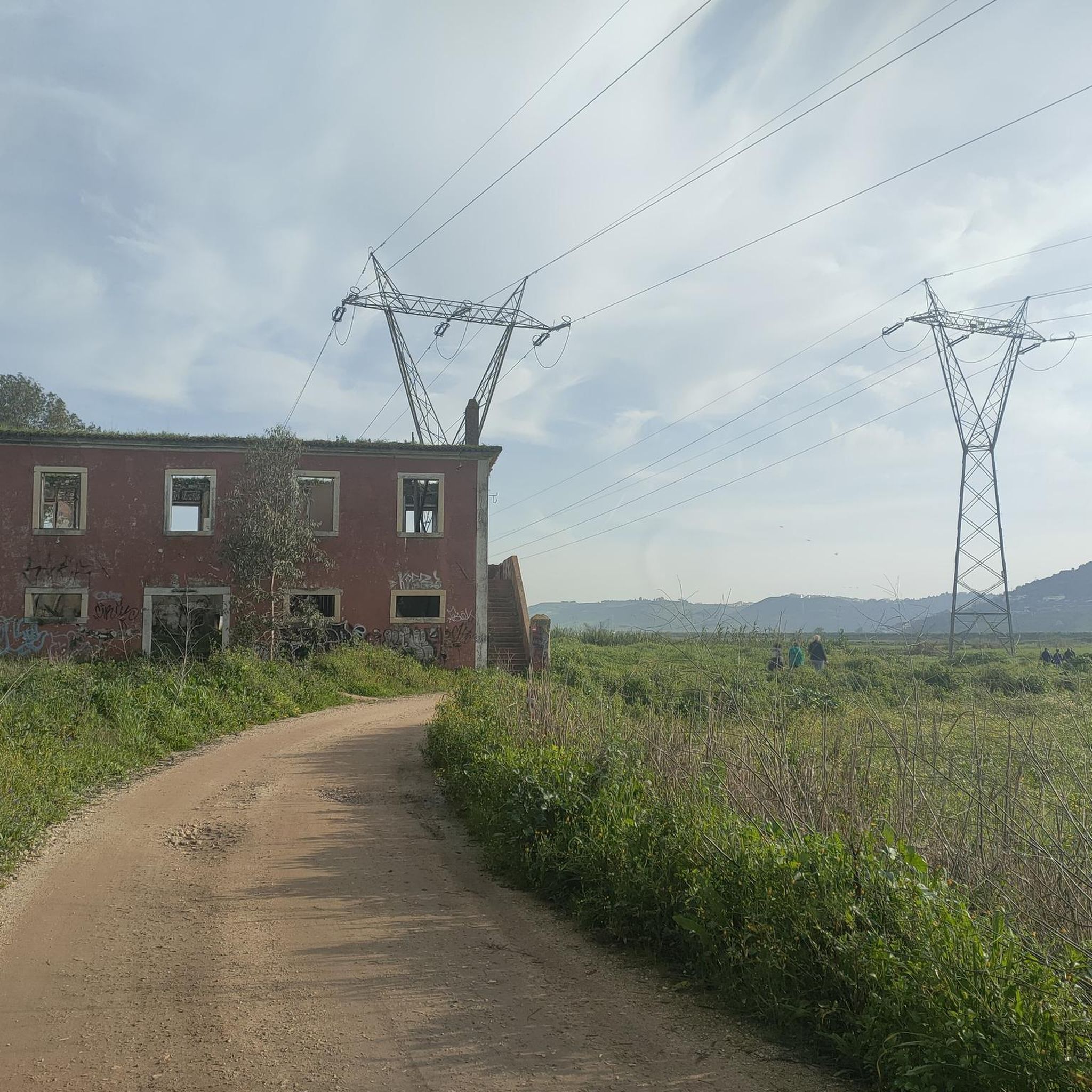
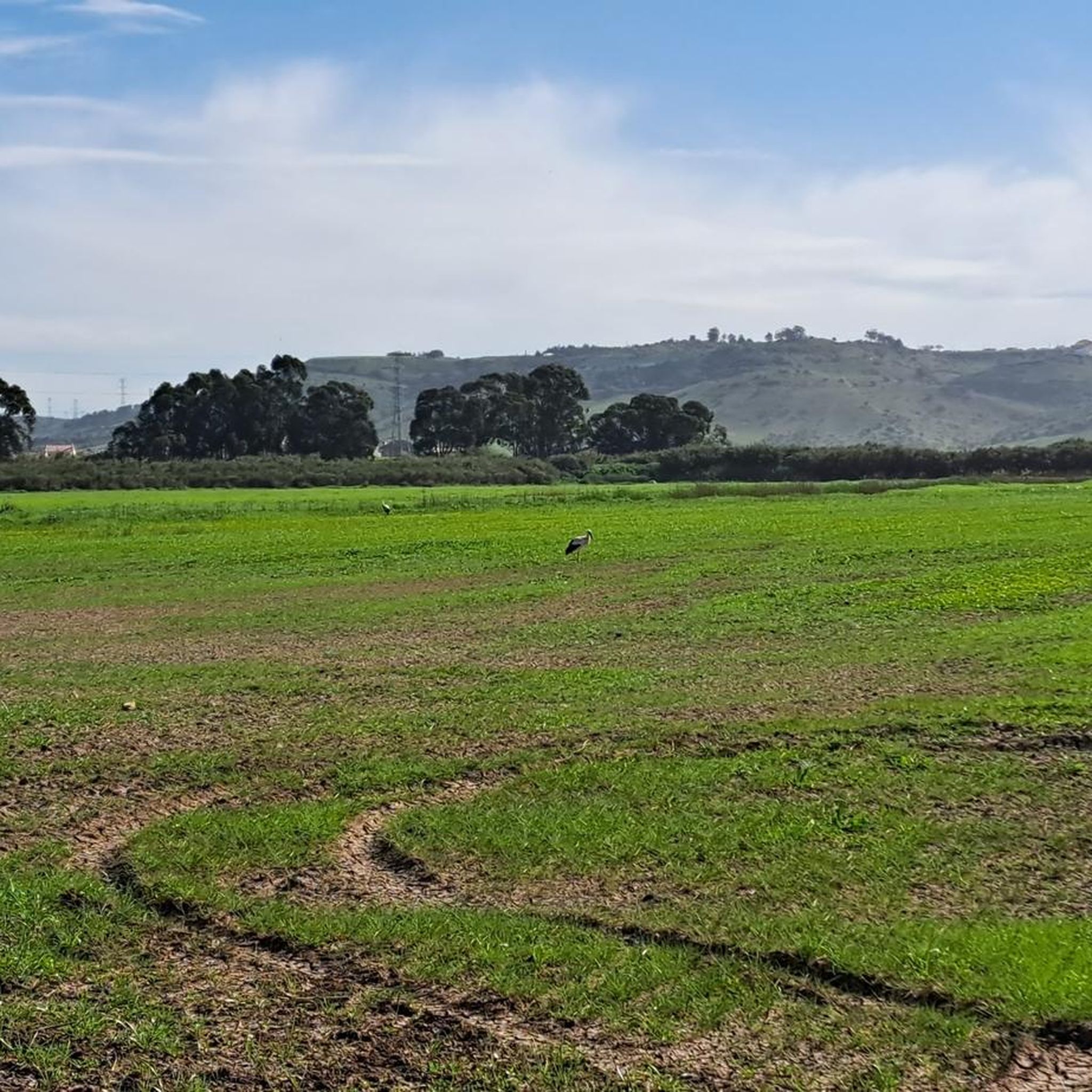
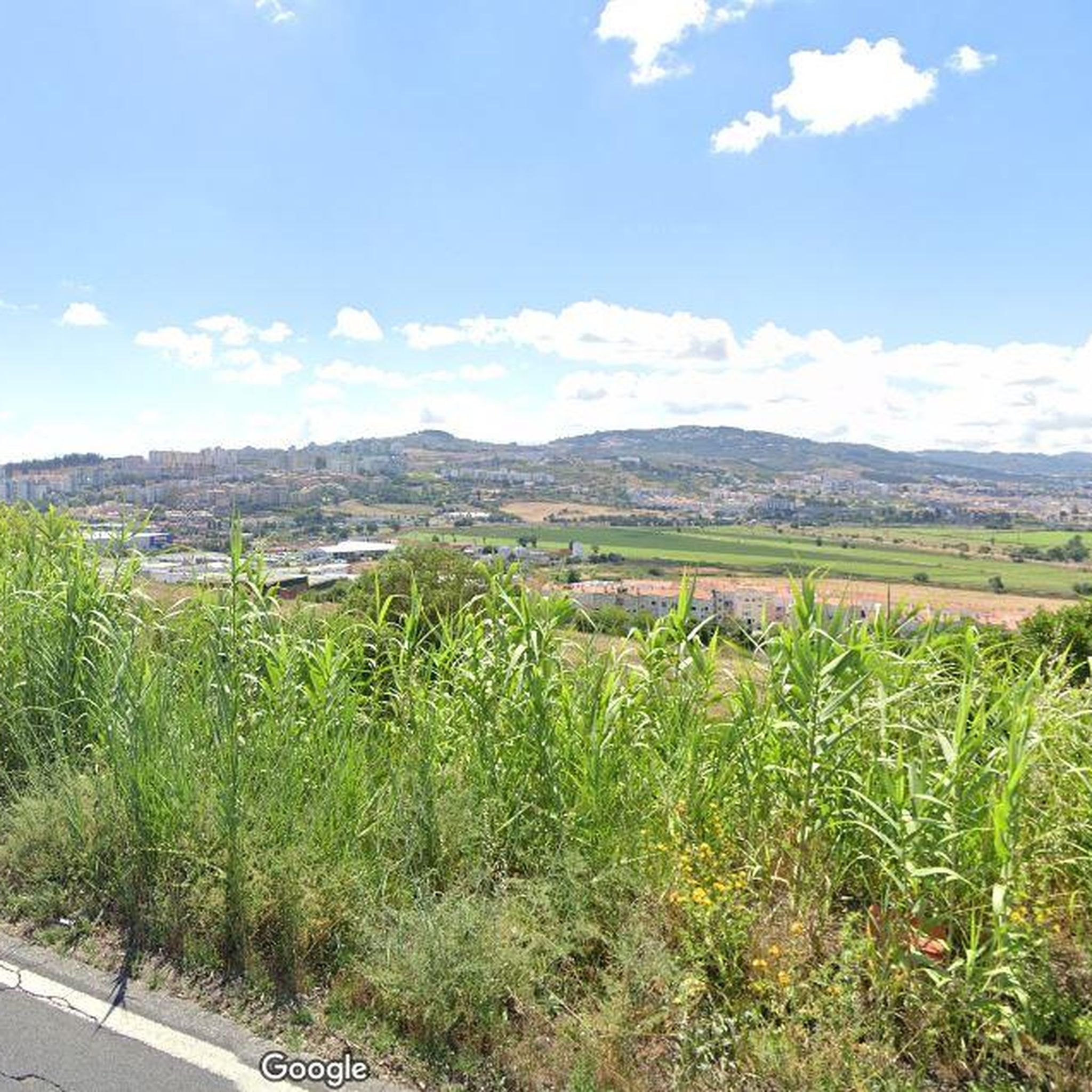

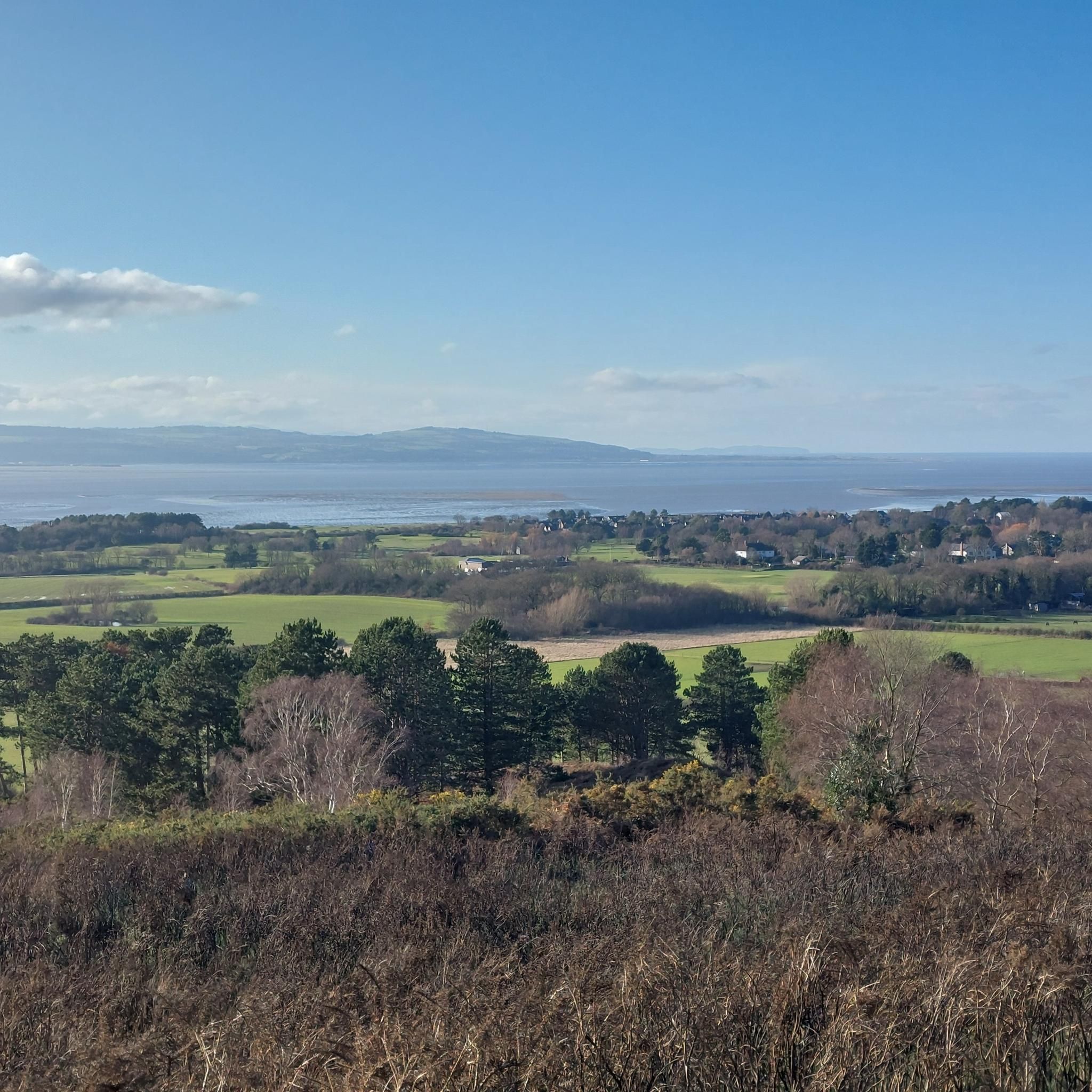
Tips from the Community

The elevator to the top of the tower, with its fantastic view, costs 10 euros. There's a bar at the top with exorbitant prices.
6
1
Groups often perform small concerts or dance events under the wonderful prestressed concrete ceiling.
5
1
Ingenious: you have to look closely to see what kind of junk the Lynx is made of.
5
1

The Portuguese Pavilion at the 1998 World's Fair (Expo'98), begun in 1995 and completed in 1998, housed the Portuguese national representation at that event and remains in operation to this day. The project was developed by architect Álvaro Siza Vieira. The building's entrance area is a large plaza covered by an imposing prestressed concrete canopy, based on the concept of a sheet of paper resting on two bricks, opening the space to the city to host the various events that a venue of this scale hosts. https://pt.m.wikipedia.org/wiki/Pavilh%C3%A3o_de_Portugal
1
1

Right next to the giant Iberian Lynx sculpture in Parque das Nações—created by street artist Bordalo II from recycled plastic—there’s a hidden spot most visitors overlook. If you turn your back to the lynx and stroll toward the Vasco da Gama Tower, you’ll find a quiet bench with a sweeping view of the Tagus and the park’s striking modern architecture. It’s a rare place where you can take in both the wild, colorful street art and the calm of the river at the same time. Hardly any tourists stop here, which makes it perfect for catching your breath or snapping a unique photo.
3
0

Can't agree that the Expo 98 area has already fallen into disrepair, quite the contrary, it is one of the most well maintained areas of the Lisbon city. There are places where some maintenance should be done, but it is far from fallen into disrepair. The International Exhibition Expo'98 - Lisbon took place in 1998, with a focus on the oceans and their future importance. Several exceptional structures were built for the event, and one of the most spectacular was the Portuguese National Pavilion, which includes a parabolic arched membrane slab roof cast in Lightweight Concrete (LWAC). The canopy dimensions are 65m x 50m, and the slab thickness is 20 cm. Project authorship: Architect Siza Vieira
3
0

Better go this way if it's raining or it has rained recently, you can go back to the Caminho just after a few Kms, avoiding a lot of mud.
1
0

publication of the royal charter of 26 July 1811, which, in order to mitigate the devastating effects of the French invasions, prescribed, among many other measures, the distribution of seeds to farmers in order to re-establish cereal production. The Real Celeiro was active for over sixty years, between 1812 and 1873, but, quoting Guilherme Henriques, “it died, like all good institutions, annihilated by abuses”. The City Council now holds the archive of the old Celeiro, which, although not very voluminous, nevertheless allows us to reconstruct almost the entire history of this important local institution of the 19th century. Commissioned to be rebuilt by the Municipality of Alenquer in 2002, it opened its doors as the Wine Museum and headquarters of the Lisbon Wine Route in 2006. Its interior was remodeled and its museology project renewed at the end of 2018, and it reopened its doors to visitors in February 2019. (Source: www.alenquer.pt)
10
0
Frequently Asked Questions
How many road cycling routes are available around Frielas?
There are over 160 road cycling routes available around Frielas, offering a wide range of options for different skill levels, from easy to difficult.
What kind of terrain can I expect on road cycling routes near Frielas?
The region around Frielas features varied terrain, including hills and rural interiors, with many routes on well-paved surfaces. You can expect diverse landscapes, from flat sections to challenging climbs, passing through pine forests and marsh areas within the broader Loures municipality.
Are there routes suitable for beginners or those looking for an easy ride?
Yes, there are 13 easy road cycling routes around Frielas. These routes typically have less elevation gain and are shorter in distance, making them ideal for beginners or a more relaxed ride.
What are some challenging road cycling routes for experienced riders?
For experienced riders, there are 76 difficult routes. A notable challenging option is the Waterfall Mural – Forca Viewpoint loop from Odivelas, which is 79.1 km long and features over 900 meters of elevation gain. Another demanding route is the Air Museum – Alenquer Wine Museum loop from Odivelas, covering 117.5 km with significant climbs.
What landmarks or scenic viewpoints can I see along the road cycling routes?
Many routes offer scenic views and pass by interesting landmarks. You might encounter viewpoints like the Eduardo VII Park Viewpoint, or natural features such as the Tagus Estuary. Historical sites like the Archaeological Station of Frielas (a Roman villa) can also be found in the area, offering cultural stops during your ride.
Are there any circular road cycling routes around Frielas?
Yes, many of the routes around Frielas are designed as loops, allowing you to start and end in the same location. For example, the Mr. Frog Mural – View of the Vasco da Gama Bridge loop from Odivelas is a popular moderate circular route offering diverse terrain and views.
What is the best time of year for road cycling in Frielas?
Portugal's climate, with over 300 days of sunshine annually, makes Frielas suitable for year-round cycling. However, spring and autumn generally offer the most pleasant temperatures for road cycling, avoiding the peak heat of summer and the cooler, wetter days of winter.
What do other road cyclists think about the routes in Frielas?
The road cycling routes in Frielas are highly rated by the komoot community, with an average score of 4.1 stars from over 130 reviews. More than 4000 road cyclists have used komoot to explore the varied terrain, often praising the diverse landscapes and well-maintained surfaces.
Are there any cafes or places to stop for refreshments along the routes?
Yes, the region offers various opportunities for refreshment. The Nicola Café loop from Loures specifically highlights a popular café, suggesting that many routes pass through towns or villages where you can find cafes and other amenities.
Can I find routes that offer views of the Vasco da Gama Bridge?
Yes, the Mr. Frog Mural – View of the Vasco da Gama Bridge loop from Odivelas is a moderate route specifically known for offering views of the iconic Vasco da Gama Bridge, providing a memorable scenic element to your ride.
Are there any routes that pass by museums or cultural sites?
Yes, some routes incorporate cultural stops. For instance, the Air Museum – Alenquer Wine Museum loop from Odivelas passes by both the Air Museum and the Alenquer Wine Museum, offering interesting diversions during your ride.
What is the longest road cycling route available in the Frielas area?
One of the longest routes is the Air Museum – Alenquer Wine Museum loop from Odivelas, which spans approximately 117.5 km and involves significant elevation gain, making it a substantial ride for endurance cyclists.
Most popular attractions around Frielas

Get inspired with the komoot mobile app


Explore more
Browse the best Road cycling routes in other regions.
