Top 20 Natural Monuments around Herzogenrath
Natural monuments around Herzogenrath showcase a diverse landscape within the Städteregion Aachen. The area features the Wurmtal, a near-natural lowland river valley recognized for its ecological and geological importance, including unique flora and fauna. Herzogenrath also contains individual protected trees and significant natural areas that blend natural beauty with historical elements. These sites provide opportunities to explore the region's natural heritage.
Best natural monuments around Herzogenrath
- The most popular natural monuments is Brunssummerheide Nature Reserve, a natural monument featuring…
Last updated: September 29, 2026
Vaalserberg Three-Country Point
Highlight • Monument
Translated by Google •
Tip by

Brunssummerheide Nature Reserve
Highlight • Natural Monument
Translated by Google •
Tip by

Sign up now to discover places like this
Get recommendations on the best single tracks, peaks, & plenty of other exciting outdoor places.
Bench with a view over the Brunssummerheide
Highlight • Viewpoint
Translated by Google •
Tip by

Rapids on the Wurm
Highlight • River
Translated by Google •
Tip by

Teverener Heide Nature Reserve
Highlight • Natural Monument
Translated by Google •
Tip by
Sign up for free to discover even more natural monuments around Herzogenrath.
Already have an account?
Start today with a free account
Your next adventure awaits.
Popular around Herzogenrath
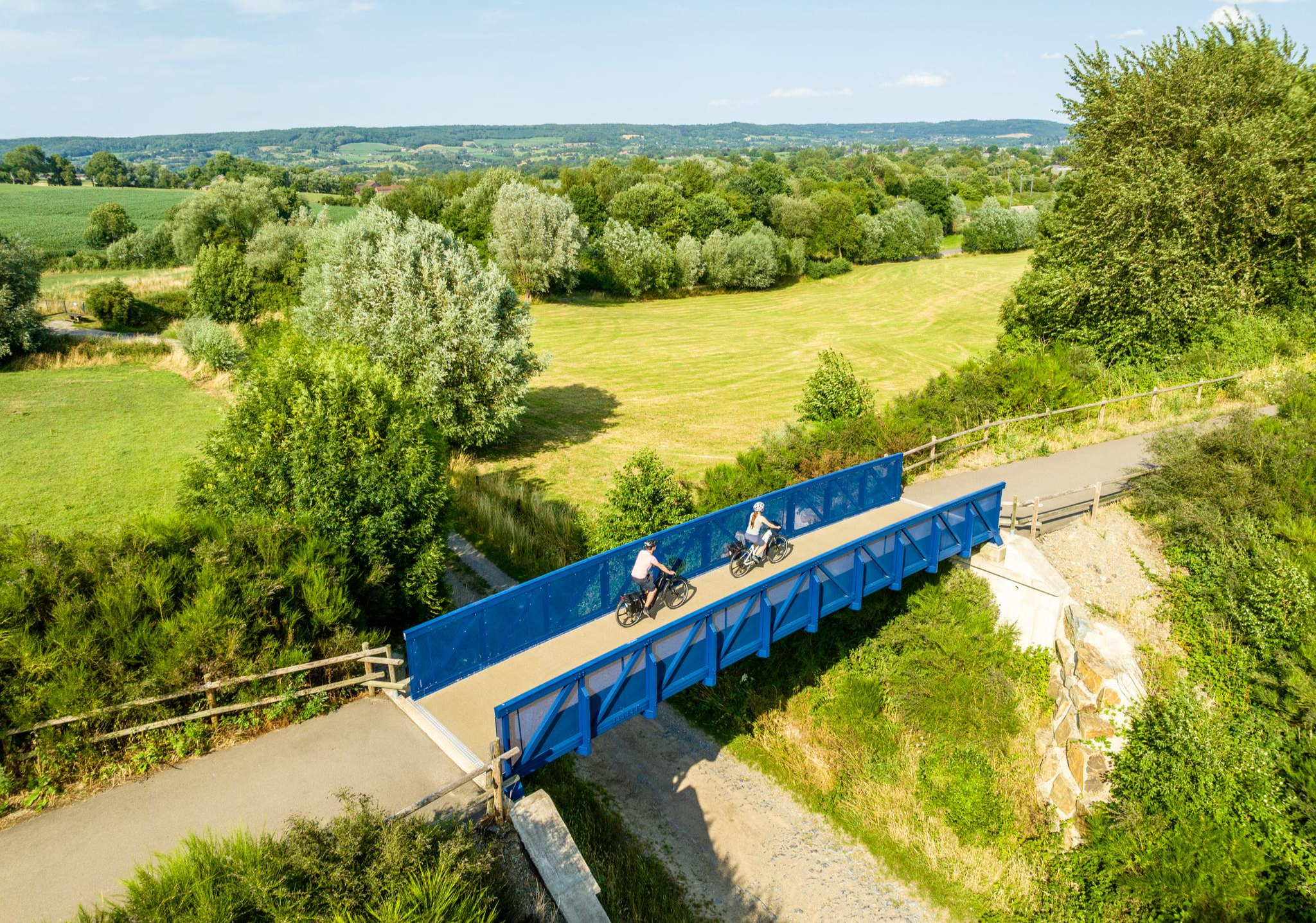
Three countries, one experience – borderless cycling in the Aachen region
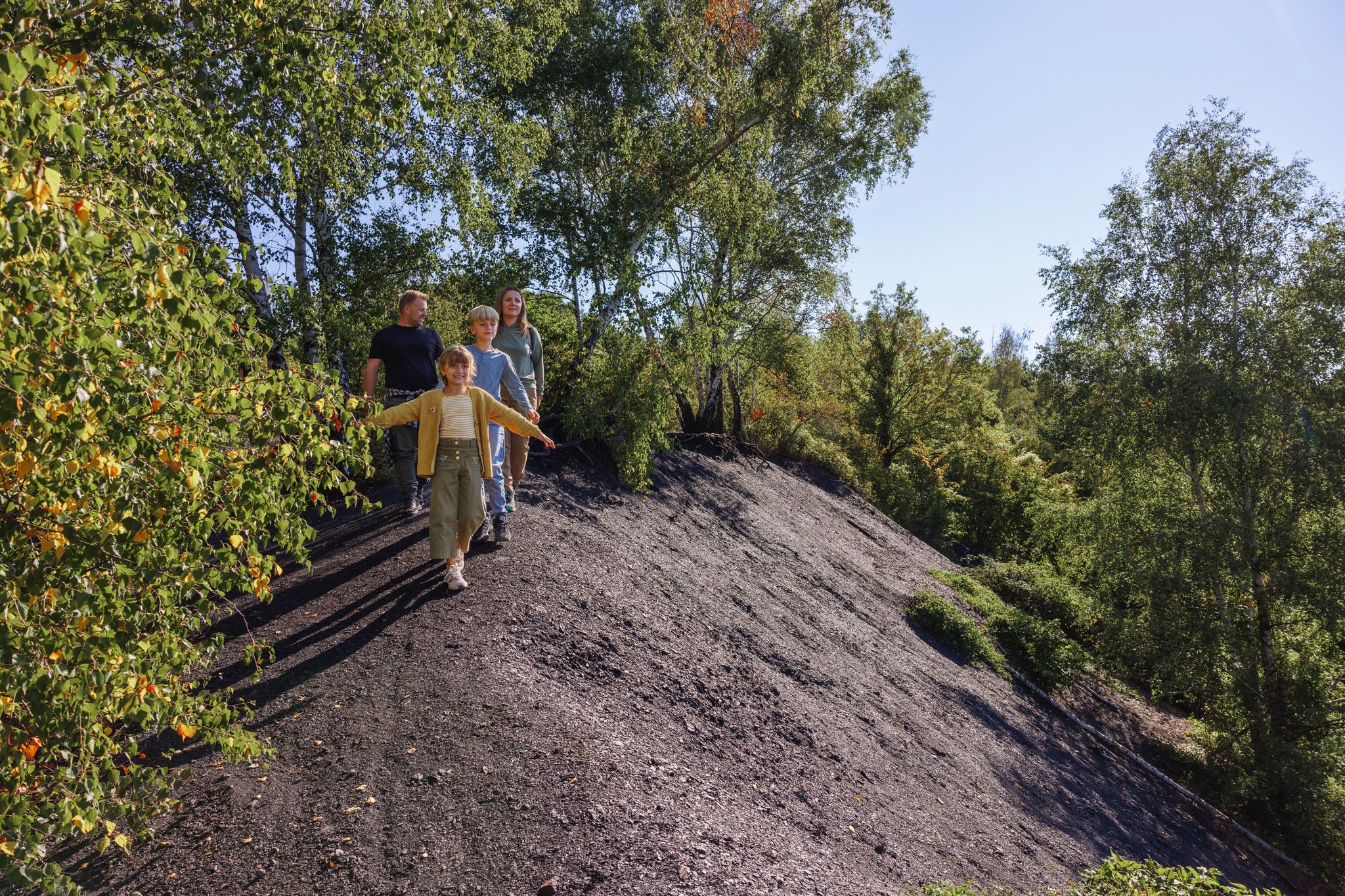
From coal to natural treasures – hiking in the Aachen Region
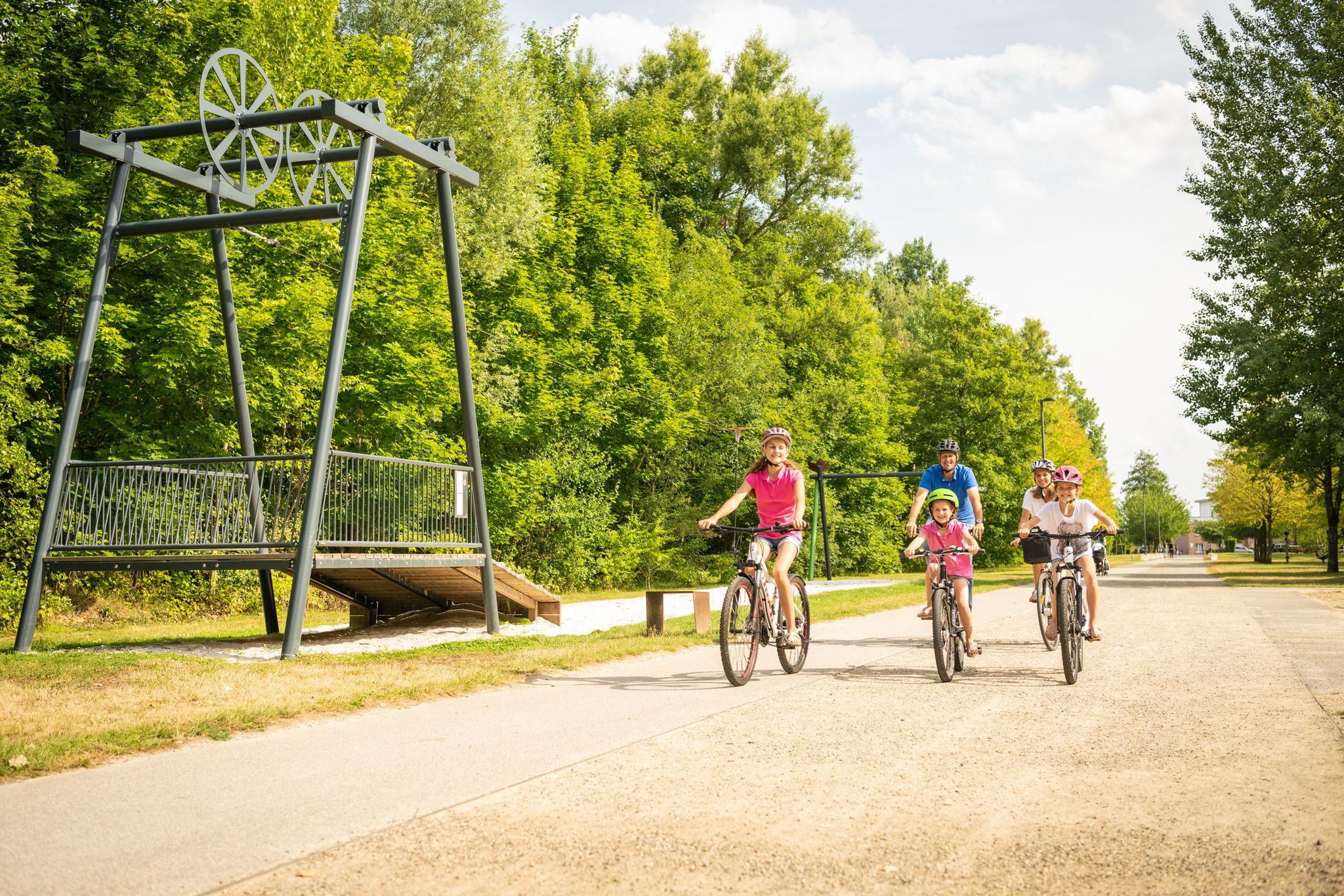
Between mining and castles – bike Tours in the Aachen region
Auszeiten im Grünen – Entspannte Wanderungen im Rheinland
Auf zwei Rädern mobil durchs Aachener Umland
Mit Rosbacher auf Tour im Rheinland
Hiking around Herzogenrath
Cycling around Herzogenrath
Road Cycling Routes around Herzogenrath
Running Trails around Herzogenrath
Other adventures around Herzogenrath


Tips from the Community

The Wurm is said to have received its name from the Celts who settled in the Aachen Basin. It is explained as a derivation of the word warm, which refers to the thermal springs from which the Wurm is partly fed (see also derivation of the city name of Würselen). However, there is no conclusive evidence for this derivation.
6
0

The highest point in the Netherlands coincides with the three-country point and is an important tourist attraction.
21
0

As early as the late Middle Ages, the border of the former Aachen Empire, fortified with the Aachen Moat, ran from south to north across the ridge of the Vaalserberg. From 1839 to 1919, the Vaalserberg, with the disputed area of Neutral Moresnet as the fourth country, was even a four-country corner (Vierlandenpunt), which is still remembered in the name of the access road on the Dutch side - Viergrenzenweg. During the First World War, from 1915 to 1918, the high-voltage border barrier stretched along the Belgian-Dutch border for a length of 300 kilometers from the then four-country corner on the Vaalserberg to the Belgian North Sea coast near Knokke. The German invasion of Belgium in 1914 via Gemmenich to Diksmuide, which brought much suffering to the Belgian population, is commemorated by a memorial made of compressed war material at the southern tip of the Vaalserberg, called Via Dolorosa.
23
0

From many hilltops in Brunssummerheide there are great views and sometimes surprising views.
6
0

With a height of no less than 322.4 meters above NAP, the Vaalserberg is the highest mountain in the Netherlands (with the exception of the mountains in the Caribbean). So you are standing on the roof of the Low Countries! The mountain is not only known for its height, but also for the three country point you will find here; here the borders of the Netherlands, Belgium and Germany meet. In addition, there are plenty of activities for young and old on and around the top, so hang out here for a while.
15
1
The Dreiländerpunkt is probably the most frequented area at the Dreiländereck for "selfies" or the like. If you don't like tourist hype of this kind, but still want to take a photo here without umpteen other people being on it, you should come here as early as possible in the morning and not at the weekend or during the holidays...
22
0

The open heath landscape lies on both sides of the wide, paved sand paths.
52
0
Fantastic viewpoints non-stop. A super beautiful heath landscape.
44
0
Frequently Asked Questions
What unique natural features can I explore in Herzogenrath?
Herzogenrath offers a diverse range of natural features. The Wurmtal (Wurm Valley) is a significant highlight, featuring a near-natural lowland river, unique geological formations, and rich biodiversity. You can also find impressive individual trees designated as natural monuments, such as the Riesenbuche (Giant Beech) within the Wurmtal, and other protected trees like field maples, horse chestnuts, and summer lime trees scattered across the landscape.
Are there any historical elements intertwined with the natural monuments in Herzogenrath?
Yes, the natural landscape around Herzogenrath often blends with historical intrigue. The Wurmtal, for instance, contains remnants of the Westwall and sections of the Aachener Landgraben, offering a unique combination of natural beauty and historical significance. Additionally, the Vaalserberg Three-Country Point is a natural monument that also serves as a historical landmark where three countries meet.
What outdoor activities can I do near the natural monuments in Herzogenrath?
The area around Herzogenrath is excellent for various outdoor activities. You can find numerous hiking trails, including easy routes like the 'Giant Beech Natural Monument – Giant Beech Tree in the Wurmtal loop from Herzogenrath'. For more options, explore the easy hikes around Herzogenrath. Gravel biking and mountain biking are also popular, with routes like the 'Wurm Valley Riverside Path' available. Check out the gravel biking guide or the MTB trails around Herzogenrath for detailed routes.
Are the natural monuments around Herzogenrath family-friendly?
Many natural monuments in Herzogenrath are suitable for families. The Brunssummerheide Nature Reserve, for example, is highlighted as family-friendly, offering diverse landscapes for exploration. The Vaalserberg Three-Country Point also features activities for all ages, including a labyrinth and an observation tower. Easy hiking trails, such as those visiting the Giant Beech, are also great for families.
What is the best season to visit the natural monuments in Herzogenrath?
The Brunssummerheide Nature Reserve is beautiful in all seasons, offering varied scenery throughout the year. Spring and summer are ideal for enjoying the lush flora and fauna, especially in the Wurmtal with its rare orchids. Autumn brings vibrant colors, while winter can offer a serene, crisp experience, though some paths might be more challenging.
Where can I find the Riesenbuche (Giant Beech) in Herzogenrath?
The impressive Riesenbuche, or Giant Beech, is located within the Wurmtal area. It's a specific point of interest often included in hiking routes, making it easily accessible for those exploring the natural surroundings of Herzogenrath. You can find it on routes like the 'Giant Beech Natural Monument – Giant Beech Tree in the Wurmtal loop from Herzogenrath'.
What makes the Wurmtal (Wurm Valley) a significant natural monument?
The Wurmtal is recognized as one of the most picturesque and historically interesting recreational areas in the region. It's a nature reserve because the Wurm River is one of the few lowland rivers in Germany that remains in a near-natural state. The valley is important for its geological development, unique flora (like the Spotted Orchid), and diverse fauna, including rare birds and small mammals.
Are there viewpoints to enjoy scenic vistas of the natural monuments?
Yes, there are several excellent viewpoints. The Bench with a view over the Brunssummerheide offers expansive views across the hilly heathland and dune landscape. The Vaalserberg Three-Country Point also provides an observation tower for unobstructed views of the surrounding three countries.
What do visitors enjoy most about the natural monuments around Herzogenrath?
Visitors frequently praise the diverse and beautiful landscapes. They appreciate the 'fantastic viewpoints non-stop' and the 'super beautiful heath landscape' of areas like the Brunssummerheide. The unique experience of being at the Three-Country Point and the tranquility of renatured river sections like the Restored section of the Wurm are also highly valued.
Besides the Wurmtal and Brunssummerheide, are there other notable individual tree natural monuments?
Yes, beyond the prominent Wurmtal and the Riesenbuche, Herzogenrath also protects individual trees for their age, size, or specific location. These include a field maple and two horse chestnut trees at the eastern edge of Hofstadt, as well as three summer lime trees east of Wildnis at a crossroads. These offer smaller, yet significant, natural points of interest.
Are there accessible natural monuments in Herzogenrath for visitors with mobility considerations?
While specific accessibility details for all natural monuments are not always available, many trails and areas within the Brunssummerheide Nature Reserve are generally well-maintained and can be navigated. The Vaalserberg Three-Country Point, being a popular tourist destination, often has more accessible facilities and paths leading to the main attractions.
Most popular routes around Herzogenrath
Most popular attractions around Herzogenrath

Get inspired with the komoot mobile app


Explore more
Extend your search for the best caves by checking out these guides of the top ones around Herzogenrath:
