Attractions and Places To See around Sintra (São Pedro De Penaferrim) - Top 20
Best attractions and places to see around Sintra (São Pedro De Penaferrim) include a blend of historical, cultural, and natural sites. This region, recognized as a UNESCO World Heritage Site, features mountains, forests, and a coastline. It offers a variety of experiences from ancient castles to opulent palaces and dramatic natural landscapes.
Best attractions and places to see around Sintra (São Pedro De Penaferrim)
- The most popular attractions is Ursa Beach, a beach known for its secluded golden sand…
Last updated: August 25, 2026
Sintra Historic Centre
Highlight • Settlement
Translated by Google •
Tip by

Pena Palace
Highlight • Castle
Translated by Google •
Tip by
Sign up now to discover places like this
Get recommendations on the best single tracks, peaks, & plenty of other exciting outdoor places.
Sign up for free
Castle of the Moors
Highlight • Castle
Translated by Google •
Tip by
Cabo da Roca — Westernmost point of mainland Europe
Highlight • Viewpoint
Until the 14th century, Europeans thought it was the end of the world.
The highlight of Cabo da …
Translated by Google •
Tip by

Quinta da Regaleira
Highlight • Castle
Translated by Google •
Tip by

Sign up for free to discover even more attractions around Sintra (São Pedro De Penaferrim).
Sign up for free
Already have an account?
Start today with a free account
Your next adventure awaits.
Login or Signup
Popular around Sintra (São Pedro De Penaferrim)
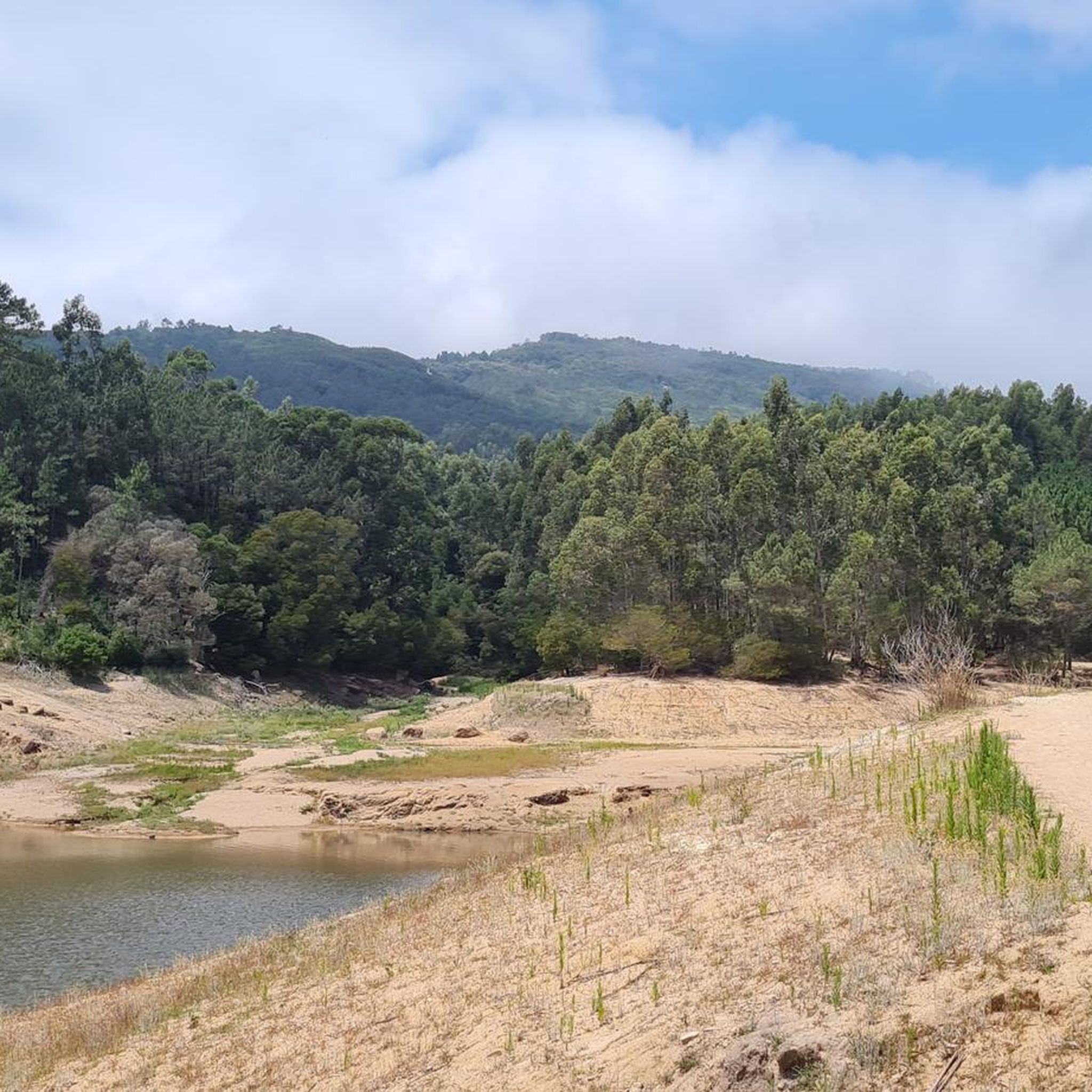
Hiking around Sintra (São Pedro De Penaferrim)
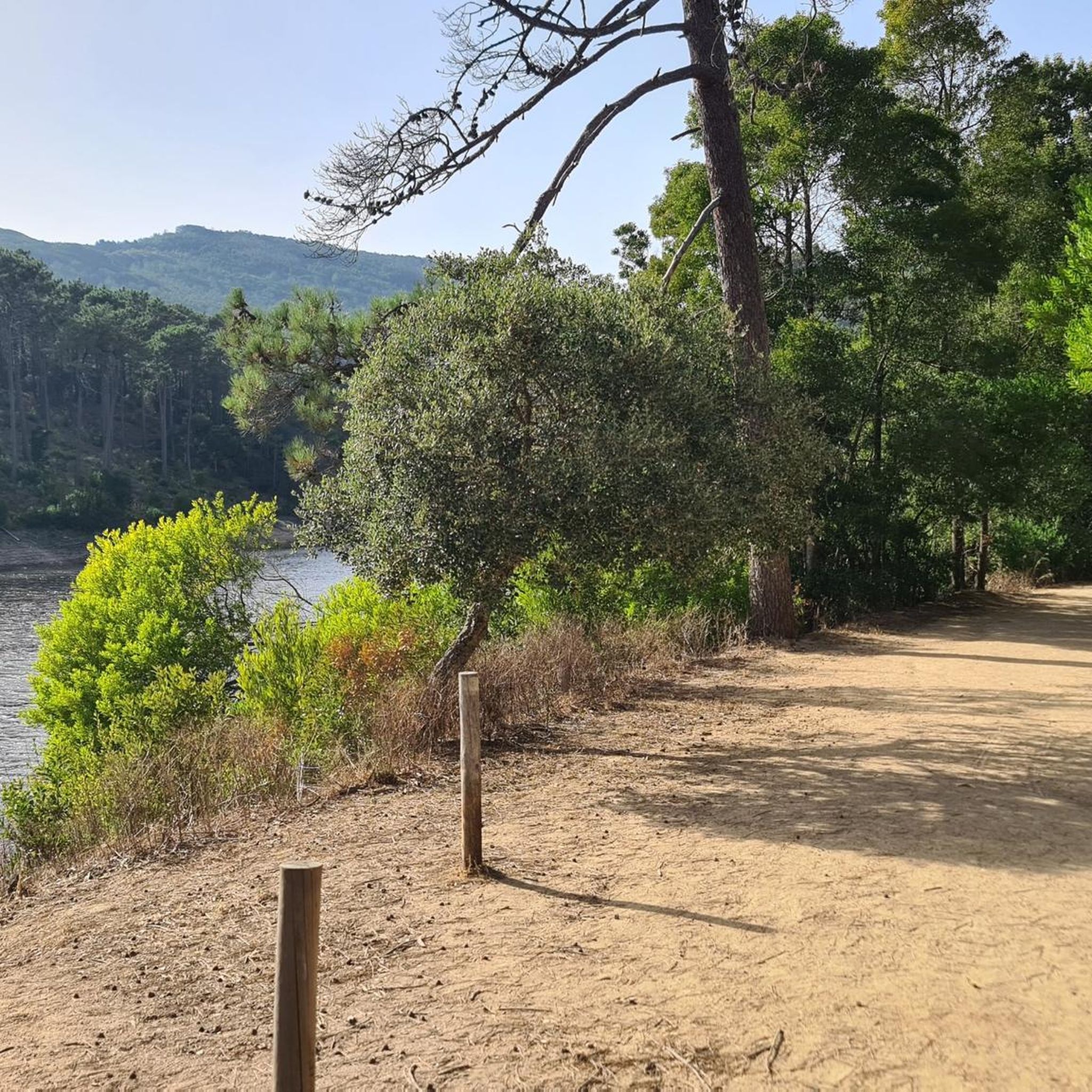
Running Trails around Sintra (São Pedro De Penaferrim)
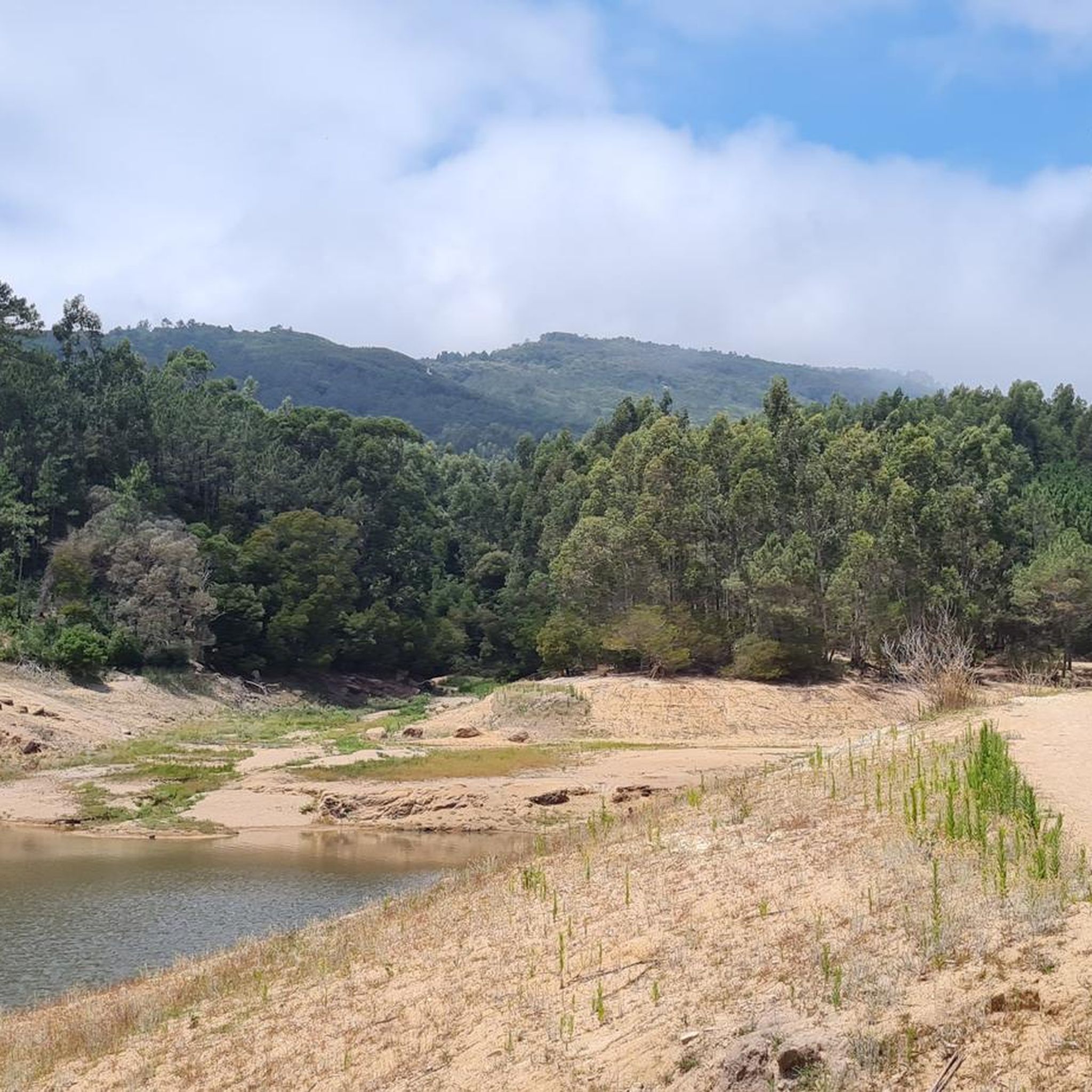
Cycling around Sintra (São Pedro De Penaferrim)
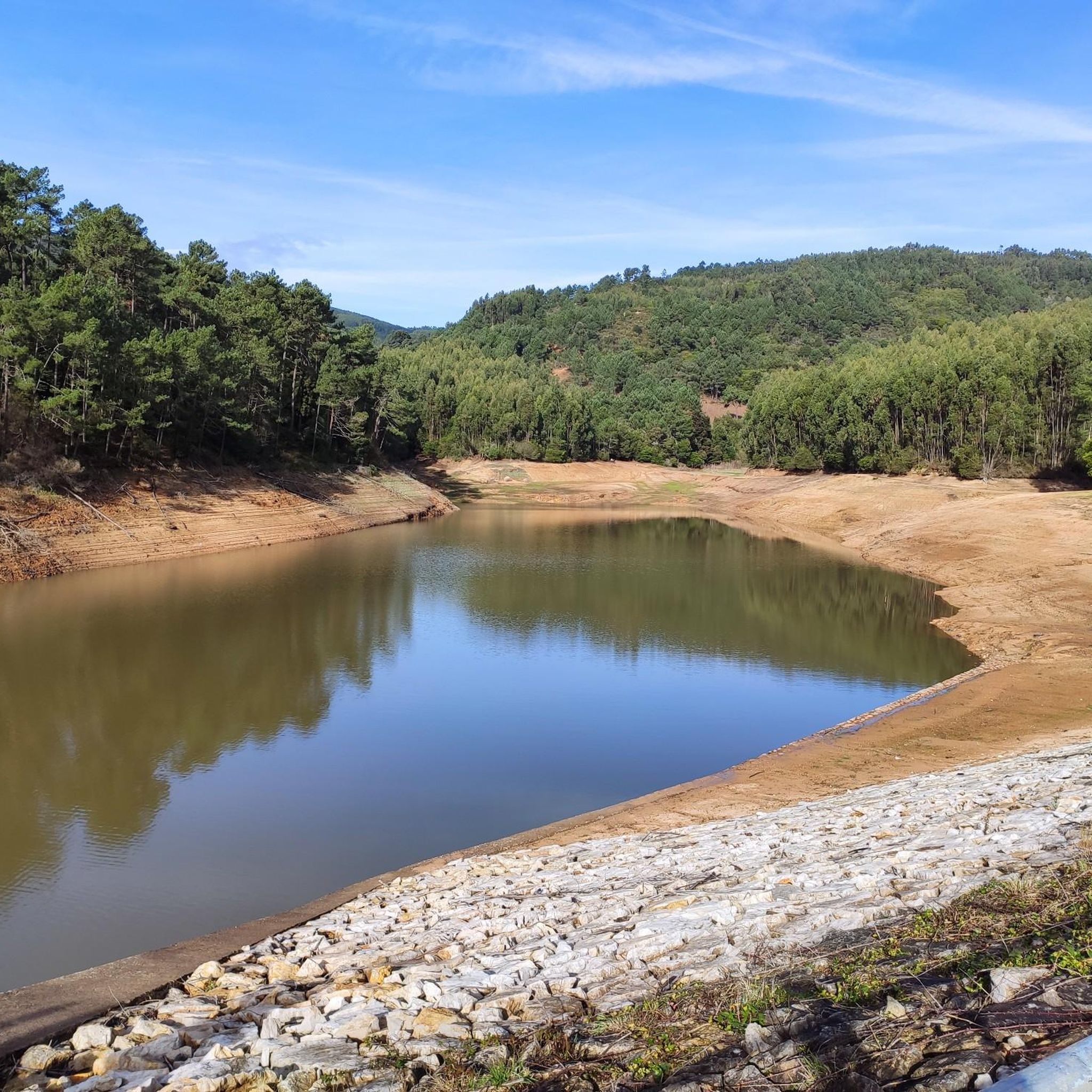
MTB Trails around Sintra (São Pedro De Penaferrim)
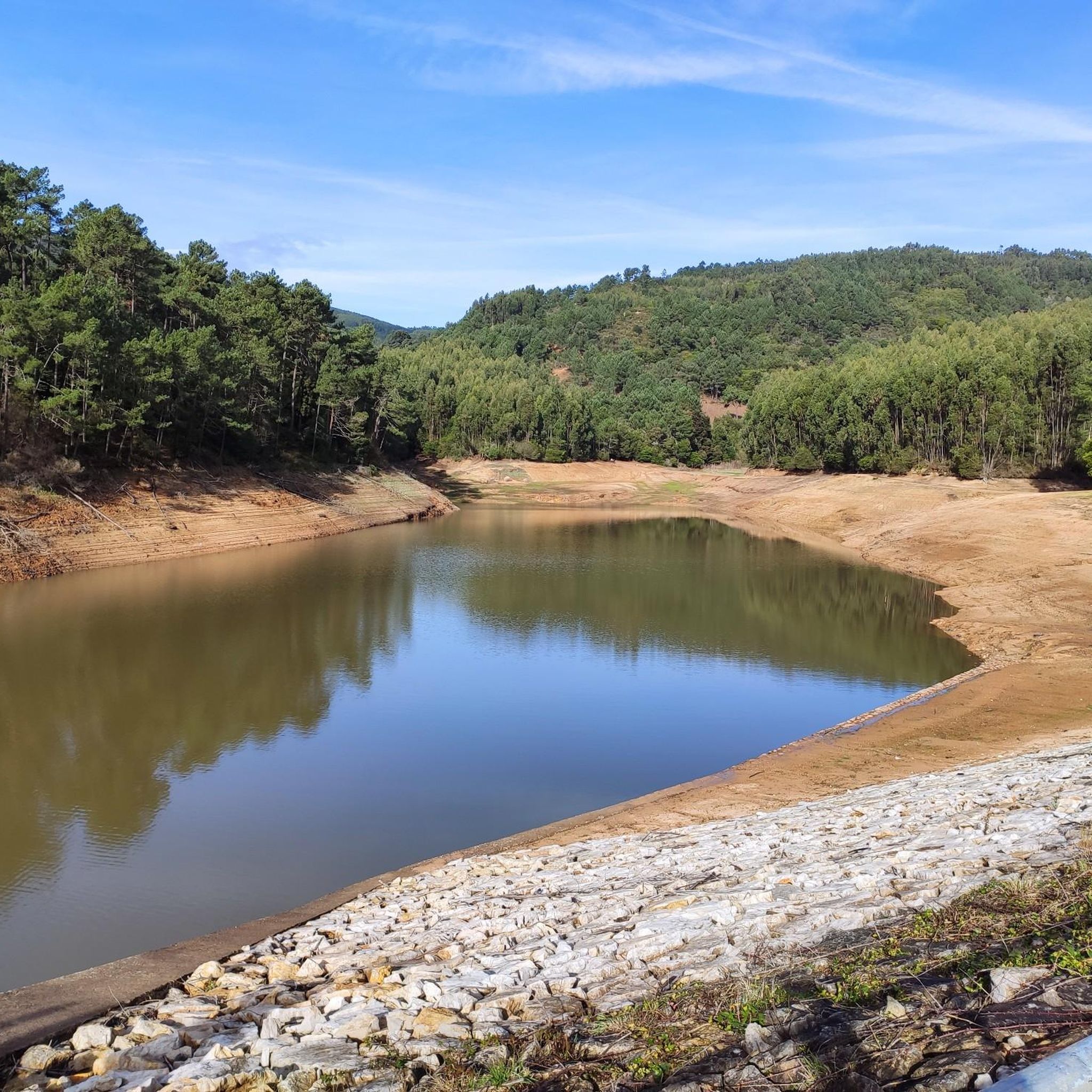
Road Cycling Routes around Sintra (São Pedro De Penaferrim)
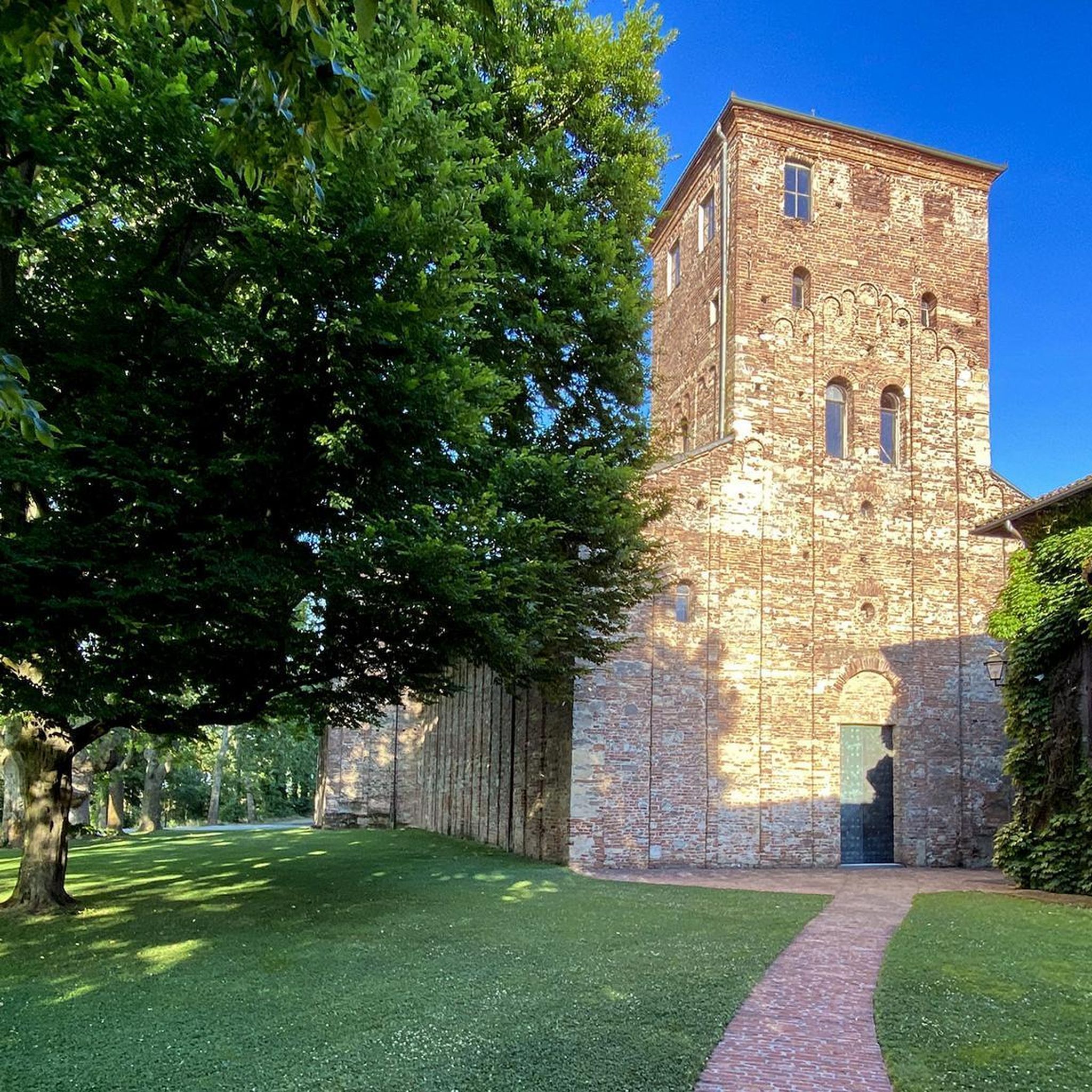
Gravel biking around Sintra (São Pedro De Penaferrim)
Tips from the Community

A very pretty little town with winding streets. However, like every hot spot, it's now completely exploited for tourism.
8
1

The view of Pena Palace and Sintra from the Castelo dos Mouros is one of the most spectacular in the entire region. Walking along the castle walls, you'll discover a landscape that blends history, architecture, and nature in perfect harmony.
7
0
Cabo da Roca is a spectacular cape located in the Sintra-Cascais Natural Park in Portugal, known as the westernmost point of continental Europe. Its rugged beauty and remote location make it a very special destination for nature lovers and those interested in dramatic landscapes.
7
0
It was originally a Hieronymite monastery founded in the 16th century, dedicated to Our Lady of Sorrow. After the 1755 earthquake, it fell into ruins and was acquired by King Ferdinand II in 1838. Between 1842 and 1854, it became a summer palace for the Portuguese royal family. In 1910, following the end of the monarchy, it passed into state hands and was opened to the public.
20
0
The Pena Palace in Sintra is one of Portugal's most spectacular monuments and a jewel of European Romanticism. Located high in the Sintra Mountains, about 25 km from Lisbon, this palace looks like something out of a fairy tale with its colorful and eclectic architecture.
21
0

Beautiful viewpoint, very popular, many buses, early or late time is recommended
6
1

This is one of the places that every visitor to Portugal wants to go to. When the weather is nice, it is of course full here. But even in fog and storms, the visit is attractive.
6
1

The Quinta da Regaleira palace was built at the beginning of the 20th century by the millionaire Antonio Augusto Carvalho Monteiro (1848-1920), who fulfilled his dream here with the help of the theater architect Luigi Manini (1848-1936). It is a UNESCO World Heritage Site. A fairytale 🏰. Beautiful here 🥰.
18
0
Frequently Asked Questions
What historical sites and palaces can I explore in Sintra (São Pedro De Penaferrim)?
The region is rich in historical and cultural sites. You can visit the ancient Castle of the Moors, the mystical Quinta da Regaleira with its Initiation Well, and the well-preserved Sintra National Palace. Other notable sites include the vibrant Pena Palace, the tranquil Monserrate Palace, the modest Convent of the Capuchos, and the recently restored Biester Palace. Don't miss a walk through the Sintra Historic Centre itself.
Where can I find the best natural landscapes and panoramic views in the region?
For dramatic natural beauty, head to Cabo da Roca, the westernmost point of mainland Europe, offering breathtaking cliff views. The Castle of the Moors also provides fantastic panoramic views over Sintra and the Atlantic. For elevated perspectives, Cruz Alta is the highest peak in the Sintra mountains, and the Peninha Sanctuary offers spectacular coastal vistas.
Are there any notable beaches near Sintra (São Pedro De Penaferrim)?
Yes, the area boasts several beautiful beaches. Ursa Beach is known for its wild, untamed beauty and dramatic rock formations. Praia das Maçãs and Praia Grande are popular for relaxation and water sports, with Praia Grande also featuring dinosaur footprints.
What outdoor activities can I do near these attractions?
The Sintra-Cascais Natural Park offers a diverse landscape perfect for outdoor enthusiasts. You can find numerous running and cycling routes. For running, consider trails like the Capuchos Trail or the Barragem do Rio da Mula – Santuário da Peninha loop. Cyclists can explore routes such as the Penha Longa-Sintra Cycling Ruta or the Praia de São Julião – Praia do Sul loop. You can find more details on these activities in the running and cycling guides.
Are there family-friendly attractions around Sintra (São Pedro De Penaferrim)?
Absolutely. Many sites are suitable for families. The Quinta da Regaleira with its mysterious tunnels and Initiation Well is often a hit with children. Cabo da Roca offers impressive views that can captivate all ages. The Sintra Historic Centre is also pleasant for a family stroll, with shops and cafes.
What is the best time to visit Sintra (São Pedro De Penaferrim) attractions?
Sintra was historically a favored summer retreat for Portuguese royalty, suggesting pleasant conditions during warmer months. However, to avoid the largest crowds, visiting during the shoulder seasons (spring or early autumn) can offer comfortable weather and a more relaxed experience. The lush gardens and natural parks are particularly beautiful in spring.
What are some lesser-known or 'hidden gem' attractions in the area?
For a more tranquil experience away from the busiest sites, consider the Monserrate Palace, known for its unique architecture and extensive botanical gardens. The Convent of the Capuchos, hidden within the Sintra forest, offers a fascinating glimpse into a modest 16th-century monastic life integrated with nature. The Peninha Sanctuary, perched on a rock outcrop, also provides stunning views in a serene setting.
Can I find hiking trails near the attractions?
Yes, the Sintra-Cascais Natural Park is crisscrossed with hiking trails. Many routes pass by or near key attractions. For example, you can find trails around the Pena Palace's park, leading to Cruz Alta, or explore the Peninha Forest near the Peninha Sanctuary. For detailed routes, refer to the running guide, which includes many walking and hiking options.
What is the significance of Sintra (São Pedro De Penaferrim) as a UNESCO World Heritage Site?
Sintra, including the area of São Pedro De Penaferrim, is recognized by UNESCO for its cultural landscape. This designation acknowledges the harmonious blend of natural and man-made elements, including its opulent palaces, ancient castles, mystical gardens, and dramatic natural landscapes, which reflect a unique Romanticist architecture and historical significance. You can learn more about its UNESCO status on UNESCO's website.
What do visitors enjoy most about the attractions in Sintra (São Pedro De Penaferrim)?
Visitors frequently praise the breathtaking panoramic views from sites like the Castle of the Moors and Cabo da Roca. The unique and fairytale-like architecture of places such as the Pena Palace and Quinta da Regaleira also receive high acclaim. The natural beauty, from secluded beaches like Ursa Beach to the lush forests, is also a major draw.
Are there any specific churches or religious sites worth visiting?
Yes, the Santo Pedro de Penaferrim Church is notable for its 16th-century lacunar vault and magnificent 18th-century blue and white azulejos depicting scenes from the life of Saint Peter. It also houses a Gothic sculpture of Saint Peter from the 15th century. The modest Convent of the Capuchos, while not a church, is a significant religious site known for its unique integration with nature.
How can I get around to the various attractions in Sintra?
While many attractions are within walking distance of the historic center, some, like Pena Palace or Cabo da Roca, require a bus, taxi, or car. Public transport options are available, with regular bus connections from Sintra town to many of the major sites. For more remote natural spots or specific trailheads, a rental car might be more convenient.
Most popular routes around Sintra (São Pedro De Penaferrim)
Most popular attractions around Sintra (São Pedro De Penaferrim)

Get inspired with the komoot mobile app


Explore more
Still not found the Highlight you’re looking for? See guides of the top attractions in other regions:
