The best MTB trails around Vilar De Andorinho
4.4
(57)
656
riders
74
rides
Mountain biking around Vilar De Andorinho offers diverse terrain within the municipality of Vila Nova de Gaia, Portugal. The area features a varied topography, with Vilar de Andorinho itself at an elevation of 145 meters (476 feet), providing dynamic ascents and descents. Proximity to the Douro River and the Gaia Biological Park introduces natural landscapes, including river valleys and preserved rural areas. This combination of elevation changes and natural features creates a compelling environment for mountain bike trails.
Best mountain…
Last updated: May 17, 2026
4.0
(1)
14
riders
66.1km
05:46
1,510m
1,510m
Hard mountain bike ride. Very good fitness required. Suitable for all skill levels.
10
riders
42.5km
03:29
980m
980m
Hard mountain bike ride. Very good fitness required. Suitable for all skill levels.

Sign up for free
6
riders
21.5km
01:46
390m
390m
Moderate mountain bike ride. Good fitness required. Suitable for all skill levels.
12
riders
37.2km
02:46
600m
590m
Moderate mountain bike ride. Good fitness required. Suitable for all skill levels.
7
riders
47.7km
04:10
1,080m
1,080m
Hard mountain bike ride. Very good fitness required. Advanced riding skills necessary.
Get access to more routes and recommendations from other explorers.
Sign up for free
Already have an account?
Our route recommendations are based on thousands of hikes, rides, and runs completed by other people on komoot.
Start today with a free account
Your next adventure awaits.
Login or Signup

Tips from the Community

It is located in Vila Nova de Gaia, just across the Douro River from Porto's historic center. It has been a UNESCO World Heritage Site since 1996 and is a National Monument. It is notable for its circular church and cloister, unique in Portugal, inspired by the Church of Santa Maria Redonda in Rome.
1
0

The trail climbs to the Reboredo hill; it's technical because it has a lot of loose rocks and mud.
1
0
It is the abundant and varied landscape that most impresses in Couce, a village in Valongo bathed by the Ferreira River and located between two mountain ranges, Santa Justa and Pias. In this part of the Porto district, the houses beg to be photographed with their ancient stone walls, showcasing the most typical and traditional aspects of the genuine Portuguese rural architectural tradition, and the cobbled paths invite slow walks, allowing one to identify, here and there, the marks of the past left in constructions with quartzite blocks from the local mining and schist exploitation. The irregular walls and fences of the village fascinate the visitor with this particular configuration, resulting from the use of materials that were applied in the constructions as they were collected directly from nature, without prior treatment. In this analysis of the genuineness of Couce's architecture, however, there are other works that deserve attention, the oldest of which is the Roman bridge that persists in the village, almost intact, since the territory was occupied by explorers of the Italian empire. From a much more recent period is the village chapel, as well as its haystacks, which have served as support for the community's agricultural activities, and its threshing floors, which function as a space for socializing among the population, who threshed corn there and shared news from the land. These habits and customs encourage discovering more of the surrounding landscape, motivating walks along the green and cool banks of the Ferreira River, where it is still possible to imagine how the nooks and crannies of Couce led the Romans and their slaves to settle in the area. From those times, moreover, remains the housing layout that is still identified in this Village of Portugal, with the houses very close to each other, so that, in the context of the geographical isolation of the village, the residents could better defend themselves in case of external threats.
0
0
old house with traces of the last century
0
0

This huge pillory is in the cathedral square.
1
0
Right next to the bridge.
1
1

Vímara Peres (Spanish variant of the name: Vímara Pérez; * c. 820; † 873) was a Galician warlord of noble descent. He served in the Reconquista of the Iberian Peninsula. As a vassal of King Alfonso III of Asturias, he was tasked with reconquering territories in the Duero Valley from the Moors, who had conquered Visigothic Hispania in the 8th century. https://de.wikipedia.org/wiki/V%C3%ADmara_Peres
1
0

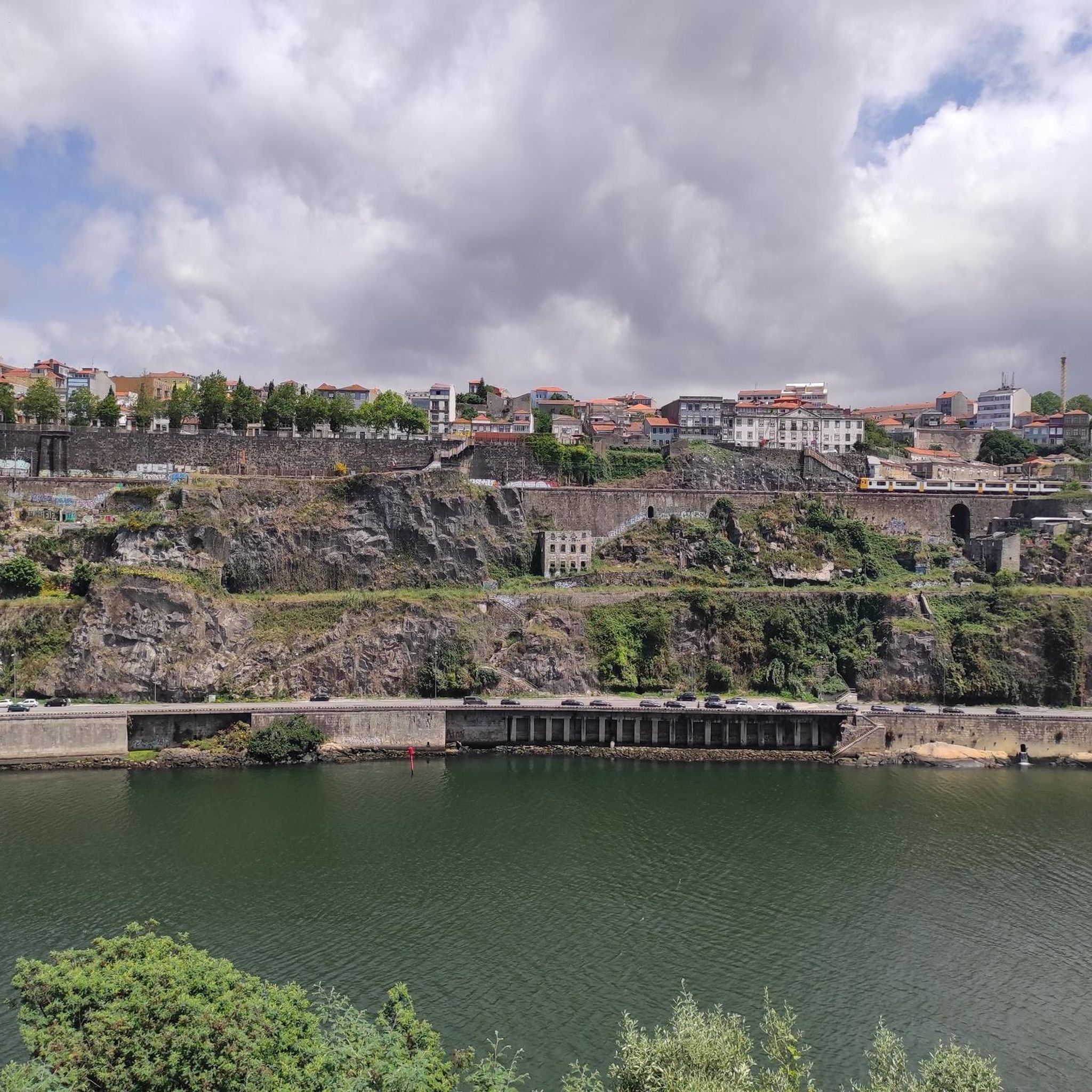
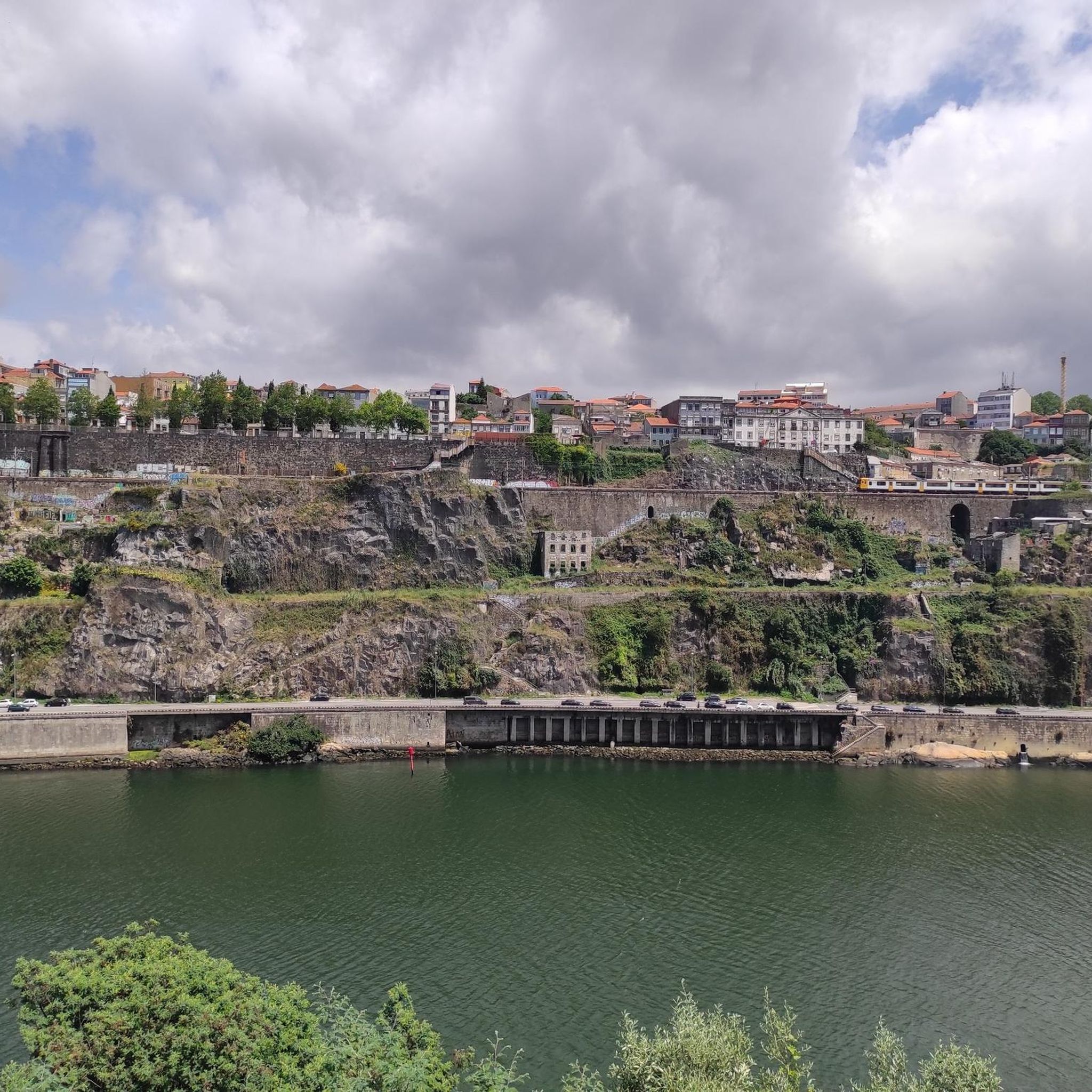
Possibly the best view in the region. A steep hike up is well worth it.
0
0
Frequently Asked Questions
How many mountain bike trails are available around Vilar De Andorinho?
There are over 80 mountain bike trails directly accessible from Vilar De Andorinho on komoot. The broader Vila Nova de Gaia area, which includes Vilar De Andorinho, boasts over 120 cycling routes, with more than 20 specifically designated for mountain biking.
What kind of terrain can I expect on mountain bike trails around Vilar De Andorinho?
The trails around Vilar De Andorinho feature a varied topography, with dynamic ascents and descents due to the area's elevation. You'll find routes that traverse natural landscapes near the Douro River and through preserved rural areas like the Gaia Biological Park. Expect a mix of fast, flowy singletracks, narrow sections, and some technical challenges, catering to various skill levels.
Are there any family-friendly mountain bike trails in Vilar De Andorinho?
While many routes in the area are rated moderate to difficult, there are 6 easy mountain bike trails available around Vilar De Andorinho. These easier paths are generally more suitable for families or those looking for a less strenuous ride. For specific recommendations, check komoot's route filters for 'easy' difficulty.
What are the most challenging mountain bike trails in the region?
For experienced riders seeking a challenge, there are 18 difficult mountain bike trails around Vilar De Andorinho. Routes like Praia de Arnelas – Crestuma-Lever Dam loop from Vila D'Este, a 41.0-mile trail with significant elevation gain, offer sustained climbs and demanding sections. Another difficult option is Praia de Arnelas – Porto Carvoeiro loop from Avintes, which features a mix of challenging terrain.
Are there circular mountain bike routes available?
Yes, many mountain bike routes around Vilar De Andorinho are designed as loops. For instance, the Moinhos de Jancido – Jancido Mills loop from Avintes is a 29.5-mile circular trail that takes you through areas with historical mills. Another option is the Praia de Arnelas loop from Vila D'Este.
What natural features or landmarks can I see while mountain biking in Vilar De Andorinho?
The region offers several natural and historical points of interest. You can explore the Ribeira Promenade along the Douro River, or visit the Gaia Biological Park, which features native fauna and flora, recreated habitats, and traditional rural elements. While biking, you might also encounter historical sites like the Praça da Sé ⛪ Porto Cathedral or the iconic Dom Luís I Bridge in nearby Porto.
What do other mountain bikers enjoy most about the trails in Vilar De Andorinho?
The mountain bike trails around Vilar De Andorinho are highly rated by the komoot community, with an average score of 4.4 stars from over 60 reviews. Riders often praise the varied topography, the dynamic ascents and descents, and the natural settings found near the Douro River and within areas like the Gaia Biological Park.
Is Vilar De Andorinho a good destination for mountain biking with dogs?
While specific dog-friendly trail designations are not always available, many natural trails in Portugal are generally accessible for well-behaved dogs on a leash. The Gaia Biological Park, with its natural landscapes, could be a suitable area for rides with your dog, but always check local regulations and ensure your dog is comfortable with the terrain and distance.
What is the best time of year to go mountain biking in Vilar De Andorinho?
July and August are popular months for mountain biking in the region, suggesting good weather conditions. However, Portugal's diverse terrain makes it a suitable destination for cycling throughout much of the year. Spring and autumn generally offer milder temperatures, which can be ideal for longer rides, while summer provides warm, sunny conditions.
Are there any routes that pass by historical mills?
Yes, the Moinhos de Jancido – Jancido Mills loop from Avintes is a 29.5-mile trail specifically designed to lead through areas featuring historical mills, offering a glimpse into the region's past while you ride.
What are some other notable attractions near the mountain biking routes?
Beyond the trails, you can explore several cultural and natural highlights. These include the São Bento Station known for its azulejo tiles, the beautiful Gardens of the Crystal Palace, or the unique Chapel of Senhor da Pedra located on the beach.
Most popular attractions around Vilar De Andorinho

Get inspired with the komoot mobile app


Explore more
Browse the best MTB trails in other regions.
