Attractions and Places To See around Ribeira De São João - Top 20
Best attractions and places to see around Ribeira De São João include a mix of historical sites and natural features. This region offers diverse landscapes, from unique inland salt pans to historical palaces and significant wetlands. Visitors can explore areas with cultural heritage and observe local biodiversity. The area presents opportunities for discovering both man-made monuments and natural environments.
Best attractions and places to see around Ribeira De São João
- The most popular attractions is Pina Manique Palace, a…
Last updated: July 1, 2026
Pina Manique Palace
Highlight • Monument
Translated by Google •
Tip by

Rio Maior Salt Pans
Highlight • Monument
Translated by Google •
Tip by

Sign up now to discover places like this
Get recommendations on the best single tracks, peaks, & plenty of other exciting outdoor places.
Sign up for free
Paúl de Manique do Intendente.
Highlight • Lake
Translated by Google •
Tip by
Assentiz Roman Bridge
Highlight • Bridge
Translated by Google •
Tip by
Royal Monastery of St. Mary of Almoster
Highlight • Religious Site
Translated by Google •
Tip by
Sign up for free to discover even more attractions around Ribeira De São João.
Sign up for free
Already have an account?
Start today with a free account
Your next adventure awaits.
Login or Signup
Tips from the Community

Salt is extracted from compartments – pits – made of cement or stone, of varying sizes and shallow depths, to which salt water is taken from a well through irrigation channels. Currently, the water is raised by means of a motor and distributed according to a system that is jointly accepted and respected (not always) by all the owners. The sewers, threshing floors and wooden houses for storing salt complete the set of what is called the Salt Mines of Rio Maior. According to technicians, a large and deep rock salt mine, crossed by an underground current that feeds a well, makes the water extracted from it salty, seven times saltier than that of the sea. The salt is obtained from its exposure to the sun and wind and the consequent evaporation of the water, deposited at the bottom of the pits, which is then placed in pyramid-shaped piles to dry until it is collected. The process is rudimentary and similar to that used in the salt mines on the seashore. The only difference is the picturesque valley that surrounds them, the well, the unique style of the sailors (as the men who work in the salt mines are known), the wooden houses and the country air that can be breathed.
3
0
The palace was built by the superintendent Diogo Inácio de Pina Manique (1733-1805), who held several positions during the time of the Marquis of Pombal. His connection to the town, which came to be called Manique do Intendente and was initially called Alcoentrinho, and which belonged to the Order of Christ, dates back to the time of his uncle, who established a manor in favor of his nephew in 1773. Thus began a very ambitious project, which envisaged the creation of a town with a rationalist architectural design and which included, in addition to the palace (whose construction remained unfinished), the Town Hall, the pillory, the Palace of Justice and the church. This plan did not go ahead due to Pina Manique's removal from the position of superintendent and his premature death.
4
0
The Roman bridge of Assentiz originally had two arches, but after a major flood in the 18th century, one of the sides gave way, leaving the bridge with only one arch. Analysing the way the stones in the arch area are placed, it is possible to conclude that this bridge is not in fact Roman, especially since it is now known that the Roman road did not pass through here. The bridge was part of the royal road built by order of Queen Maria I at the beginning of the 18th century, which followed the route of the old Roman road for most of its route. This royal road facilitated access to the region, allowing the flow of its products and also the passage of the mail carrier (transport of mail and people) that had a change point in Alto da Serra. The bridge is in urgent need of refurbishment and consolidation works. There is currently a bridge adjacent to it to connect Assentiz and Arrouquelas.
3
0
The monastery was founded in 1289 by D. Berengária Aires, maid of Queen Santa Isabel and wife of D. Rodrigo Garcia, in fulfillment of the testamentary wish of her mother, D. Sancha Pires. The works resulted from the joint initiative of the founder and the Holy Queen, the latter having ordered the construction of the cloister and the infirmary. After the completion of the works, the queen continued to express interest in the monastery, leaving it around a thousand pounds in her will. The date of completion of the works is unknown, only knowing that, when the founder died in 1210, they had not yet been completed. After the extinction of the religious orders, in 1834, the monastery was progressively abandoned, entering a phase of dilapidation and destruction of its rich heritage that would last until almost the middle of the 20th century. Still in 1910, the church was vandalized and robbed, with tiles, paintings and a portico that existed in the Chapter House missing. In the 50s of the 20th century, the state of degradation that the complex had reached led to the replacement of the vaulted roof of the central nave with the current wooden ceiling. The organ and the coat of arms on the main portico had already been dismantled, while the building attached to the church was transformed into a cowshed. Since then, the complex has been the subject of extensive restoration work, which seeks to restore, as much as possible, some of its original characteristics.
3
0
“Paul Natura”, Manique do Intendente https://www.youtube.com/watch?v=9nKhlLvOrJw
3
0
Paúl de Manique do Intendente is an area of around 97,000 square meters that constitutes a very rich natural heritage of great importance in terms of biodiversity, namely in terms of avifauna, already recognized at national level. It is an ecosystem composed of more than 180 species, where you can find 5 "simply unique" species such as the striped tortoise, the common caiman, the otter, the black stork and the reed. The municipality has been focusing on promoting this space, having recently advanced with the installation of an infrastructure for the observation of the fauna and flora of Pául, which aims to promote knowledge, protection and preservation of this unique and so rich ecosystem for the Municipality of Azambuja and for the entire region.
5
0

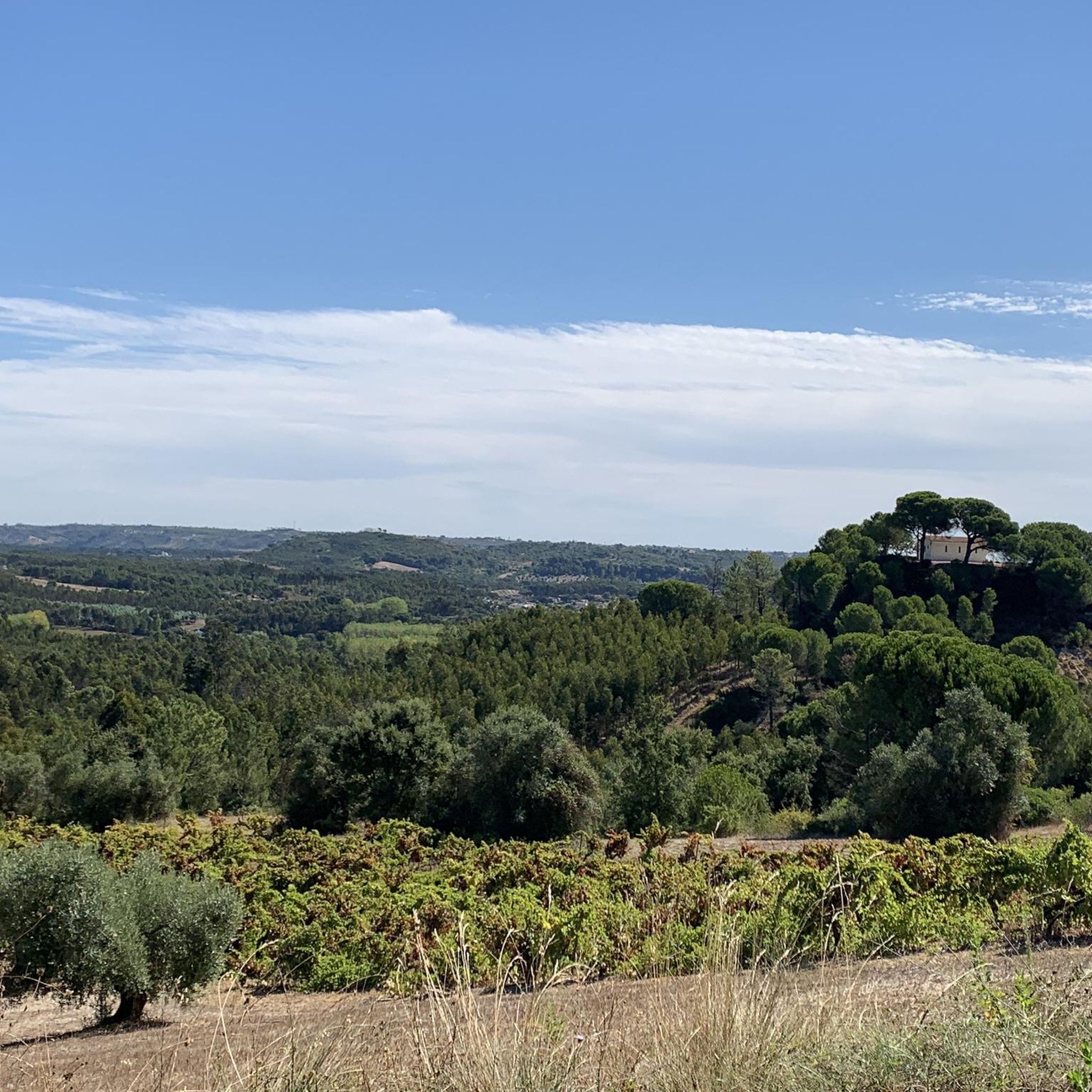
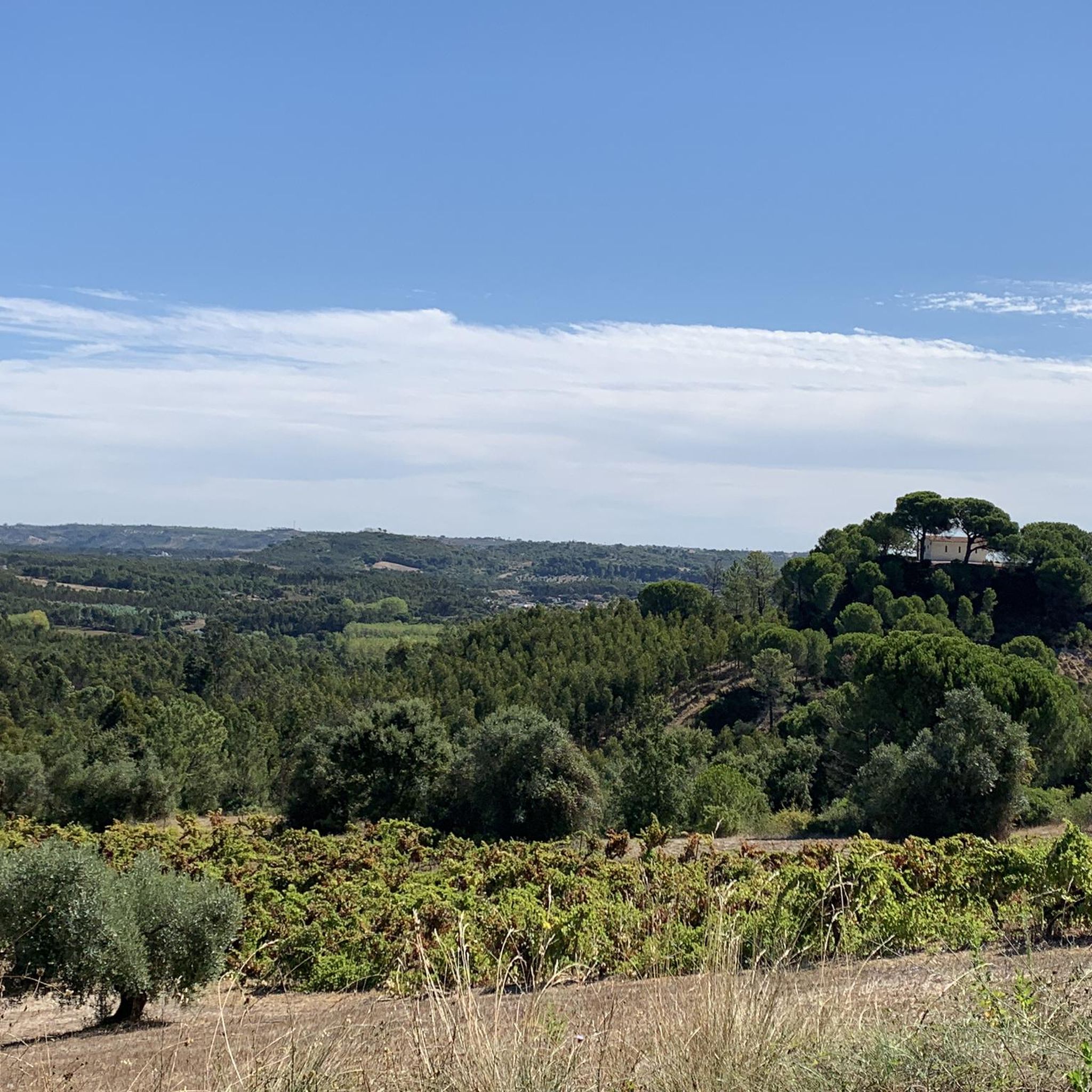
very pleasant landscape, it is recommended
1
0

The Salinas de Rio Maior are located about 3 km from the city center and are located in a valley at the foot of the Serra dos Candeeiros, in the heart of the Serras de Aire e Candeeiros Natural Park. Classified as a Property of Public Interest since December 1997, these are the only inland salt pans in Portugal, and the only ones that are fully operational in Europe. The first reference to its existence dates from 1177, but it is thought that the use of rock salt would have been made since prehistoric times.
5
0
Frequently Asked Questions
What kind of attractions can I expect to find around Ribeira De São João?
The Ribeira De São João area offers a diverse mix of historical sites and natural features. You can explore unique inland salt pans, historical palaces, and significant wetlands known for their rich biodiversity. The region provides opportunities to discover both man-made monuments and natural environments.
Are there any unique historical sites to visit in the area?
Yes, the region is rich in history. You can visit the Pina Manique Palace, an ambitious architectural project from the 18th century. Another significant historical site is the Rio Maior Salt Pans, the only operational inland salt pans in Portugal, with a history dating back to 1177. The Royal Monastery of St. Mary of Almoster and the Assentiz Roman Bridge also offer glimpses into the region's past.
Where can I experience nature and wildlife around Ribeira De São João?
For nature enthusiasts, the Paúl de Manique do Intendente is a must-see. This wetland area spans around 97,000 square meters and is recognized for its rich biodiversity, including over 180 species of avifauna. You might spot unique species like the striped tortoise, common caiman, otter, or black stork. Additionally, the Passadiços da Ribeira de São João in Ponte de Lima offer a harmonious blend of nature, allowing visitors to walk alongside the water and observe local flora and fauna.
Are there walking or hiking trails in the Ribeira De São João area?
Yes, there are several options for walking and hiking. The Passadiços da Ribeira de São João in Ponte de Lima feature approximately 4 kilometers of walkways alongside the river, passing by old water mills and suspension bridges. For more extensive routes, you can explore various trails, including those mentioned in the Road Cycling Routes around Ribeira De São João guide, which also includes paths suitable for walking.
What cycling opportunities are available near Ribeira De São João?
The area offers various cycling routes. You can find options for touring bicycles in the Cycling around Ribeira De São João guide, with routes like the 'Pina Manique Palace – View of Alcoentre loop from Rio Maior'. For road cycling, the Road Cycling Routes around Ribeira De São João guide features routes such as the 'Salinas Rio Major – Salinas de Rio Maior loop from Rio Maior'.
Are there any mountain biking trails?
Yes, mountain biking enthusiasts can find trails in the vicinity. The MTB Trails around Ribeira De São João guide lists several routes, including the 'Pina Manique Palace – Paúl de Manique do Intendente. loop from Manique do Intendente' and the 'Terra Chã Viewpoint – Rio Maior Salt Pans loop from Rio Maior'.
What are the Passadiços da Ribeira de São João?
The Passadiços da Ribeira de São João are scenic walkways located in the parish of Labruja, Ponte de Lima. These approximately 4-kilometer paths allow visitors to stroll alongside the water, observe local flora and fauna, and discover ten old water mills, three of which are restored and functional. The route also includes an Ecomuseum and two suspension bridges near the Santuário do Senhor do Socorro.
What makes the Rio Maior Salt Pans special?
The Rio Maior Salt Pans are unique as they are the only inland salt pans in Portugal and the only ones fully operational in Europe. Located in a valley at the foot of the Serra dos Candeeiros, they extract salt from a deep rock salt mine. The process is traditional, using compartments to evaporate water, resulting in salt seven times saltier than sea salt. It's a fascinating historical site and a Property of Public Interest since 1997.
Is Ribeira De São João suitable for families with children?
Yes, several attractions are family-friendly. The Rio Maior Salt Pans offer an educational and engaging experience for all ages. The Paúl de Manique do Intendente, with its rich wildlife, provides opportunities for nature observation. The Passadiços da Ribeira de São João also offer an accessible and enjoyable walk for families.
What is the best time of year to visit Ribeira De São João?
The best time to visit Ribeira De São João generally depends on your preferred activities. Spring and autumn offer pleasant temperatures for outdoor activities like walking and cycling, and the natural landscapes are vibrant. Summer can be warm, ideal for exploring the salt pans or enjoying the natural areas. Winter might be cooler but can still be suitable for cultural visits.
Are there any viewpoints or scenic spots in the area?
Yes, the region offers several scenic spots. The Paúl de Manique do Intendente is recognized as a natural monument and viewpoint, offering excellent opportunities for birdwatching and appreciating the wetland ecosystem. The Passadiços da Ribeira de São João also provide picturesque views along the river and from its suspension bridges.
What do visitors enjoy most about Ribeira De São João?
Visitors particularly appreciate the blend of historical and natural attractions. The unique operational aspect of the Rio Maior Salt Pans and the rich biodiversity of the Paúl de Manique do Intendente are highly rated. The architectural ambition of the Pina Manique Palace also captures interest, along with the tranquil walks offered by the Passadiços da Ribeira de São João.

Get inspired with the komoot mobile app


Explore more
Still not found the Highlight you’re looking for? See guides of the top attractions in other regions:
