The best cycling routes around Ribeira De São João
5.0
(2)
26
riders
11
rides
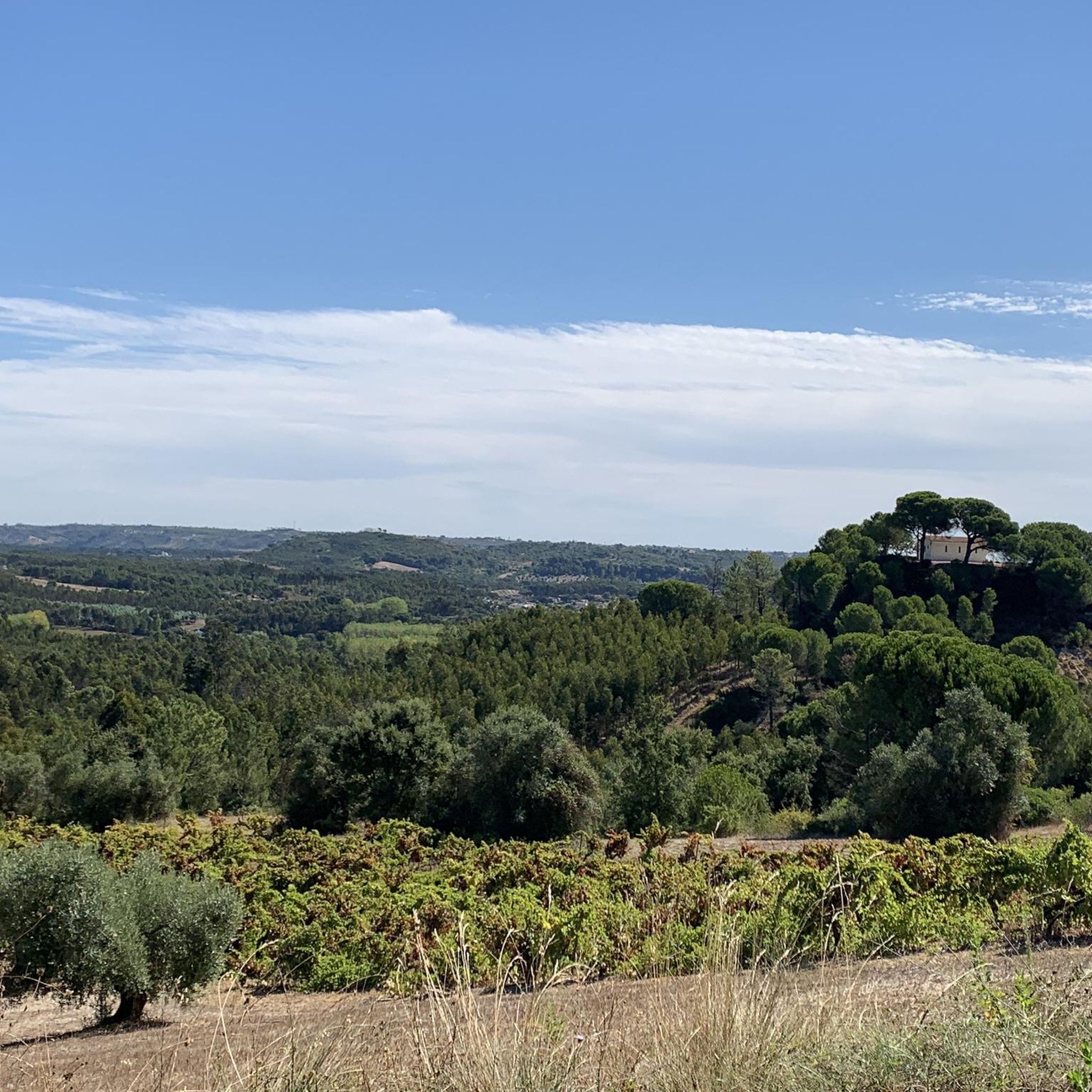
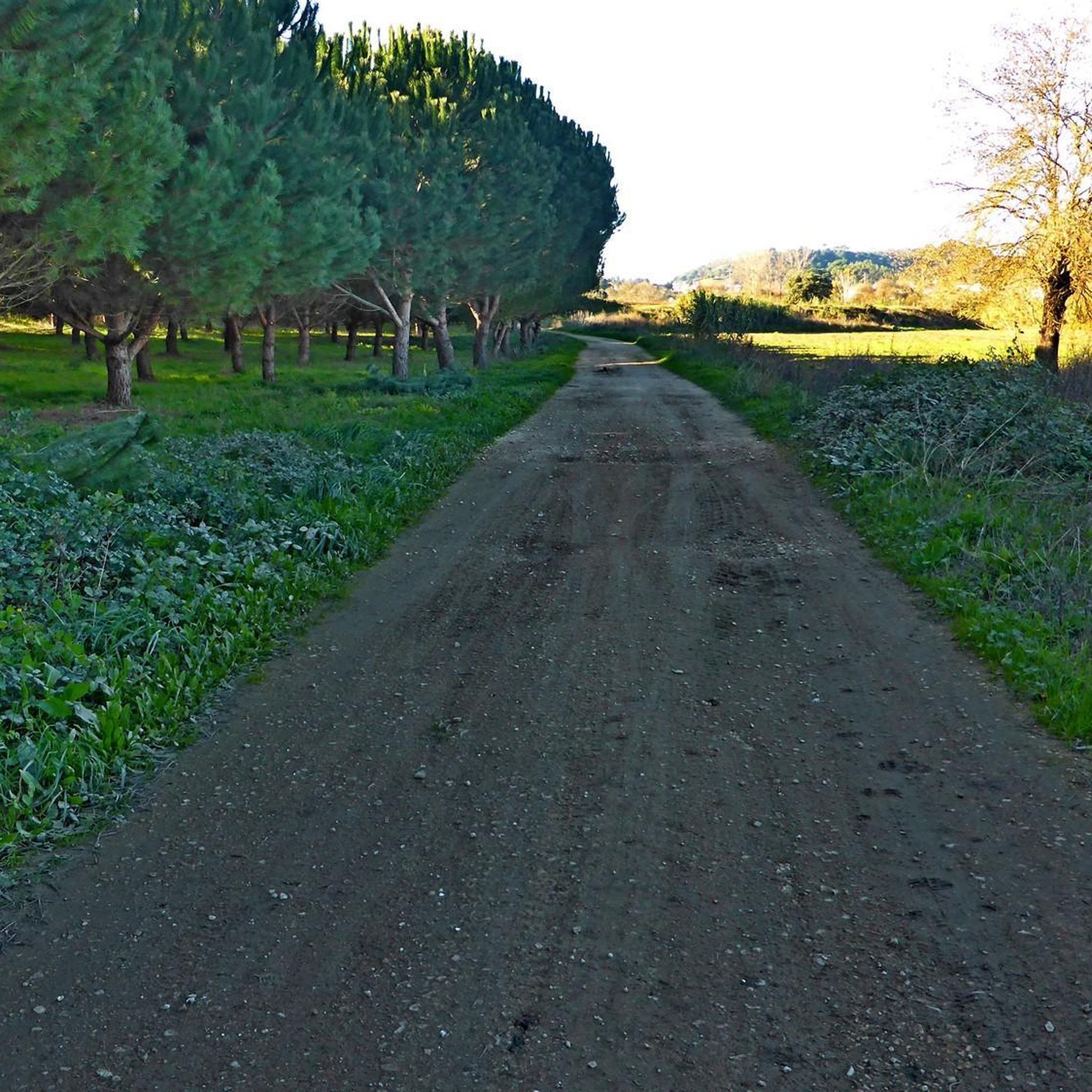
Touring cycling routes around Ribeira De São João traverse a landscape characterized by rolling hills, agricultural plains, and historical points of interest. The area features a mix of open countryside and scattered woodlands, with routes often connecting small towns and natural landmarks. Elevation changes are moderate to significant, offering varied challenges for touring cyclists.
Best touring cycling routes around Ribeira De São João
- The most popular touring cycling route is Pilgrim's Retreat – Alcanede Castle loop from Estacionamento do Parque…
Last updated: July 8, 2026
7
riders
Hard bike ride. Very good fitness required. Mostly paved surfaces. Suitable for all skill levels.
5.0
(2)
6
riders
43.1km
02:50
460m
460m
Hard bike ride. Very good fitness required. Mostly paved surfaces. Suitable for all skill levels.

Sign up for free
4
riders
38.8km
02:29
440m
440m
Moderate bike ride. Good fitness required. Mostly paved surfaces. Suitable for all skill levels.
2
riders
22.7km
01:32
280m
280m
Moderate bike ride. Good fitness required. Mostly paved surfaces. Suitable for all skill levels.
3
riders
29.2km
02:13
380m
380m
Moderate bike ride. Good fitness required. Mostly paved surfaces. Suitable for all skill levels.
Get access to more routes and recommendations from other explorers.
Sign up for free
Already have an account?
Our route recommendations are based on thousands of hikes, rides, and runs completed by other people on komoot.
Start today with a free account
Your next adventure awaits.
Login or Signup
Tips from the Community

Salt is extracted from shallow, concrete or stone pans of varying sizes, where saltwater drawn from a well is conveyed through ditches. Currently, the water is pumped by a motor and distributed according to a system that is generally accepted and respected (not always) by all the owners. Drainpipes, threshing floors, and wooden salt storage houses complete the complex known as the Rio Maior Salt Pans. According to technicians, a large and deep rock salt mine, traversed by an underground stream that feeds a well, makes the extracted water salty, seven times saltier than seawater. The salt is obtained from its exposure to the sun and wind, and the resulting evaporation of the water. This salt is deposited at the bottom of the pans, which are then piled up in pyramid-shaped heaps to dry until harvest. The process is rudimentary and similar to that used in seaside salt mines. The only difference is the picturesque valley that surrounds them, the well, the unique style of the sailors (as the men who work in the salt mines are known), the wooden houses and the country air that you breathe.
0
0
Salt is extracted from compartments – pits – made of cement or stone, of varying sizes and shallow depths, to which salt water is taken from a well through irrigation channels. Currently, the water is raised by means of a motor and distributed according to a system that is jointly accepted and respected (not always) by all the owners. The sewers, threshing floors and wooden houses for storing salt complete the set of what is called the Salt Mines of Rio Maior. According to technicians, a large and deep rock salt mine, crossed by an underground current that feeds a well, makes the water extracted from it salty, seven times saltier than that of the sea. The salt is obtained from its exposure to the sun and wind and the consequent evaporation of the water, deposited at the bottom of the pits, which is then placed in pyramid-shaped piles to dry until it is collected. The process is rudimentary and similar to that used in the salt mines on the seashore. The only difference is the picturesque valley that surrounds them, the well, the unique style of the sailors (as the men who work in the salt mines are known), the wooden houses and the country air that can be breathed.
3
0

top to roll
1
0
old railway
0
0

Just three kilometres from Rio Maior, on the southern tip of the Serra dos Candeeiros, lie the only inland salt pans in Portugal, and the only ones still active in the whole of Europe. Surrounded by vineyards and cultivated fields, they are a true wonder of nature, as the sea is 30 kilometres away. Their history dates back to at least 1177, but it is said that rock salt has been mined since prehistoric times. The water, seven times saltier than that of the ocean, emerges from a well after passing through an underground deposit, leaving behind the pure vestige of an ancient sea.
1
0
The place where the steam locomotive was supplied with water. The locomotive transported coal from the Rio Maior mine to the Vale de Santarém Railway Station, and then continued on to other destinations. The dock, which had a double track, was also used to unload, on exceptional occasions, other ordered goods.
1
0
The palace was built by the superintendent Diogo Inácio de Pina Manique (1733-1805), who held several positions during the time of the Marquis of Pombal. His connection to the town, which came to be called Manique do Intendente and was initially called Alcoentrinho, and which belonged to the Order of Christ, dates back to the time of his uncle, who established a manor in favor of his nephew in 1773. Thus began a very ambitious project, which envisaged the creation of a town with a rationalist architectural design and which included, in addition to the palace (whose construction remained unfinished), the Town Hall, the pillory, the Palace of Justice and the church. This plan did not go ahead due to Pina Manique's removal from the position of superintendent and his premature death.
4
0
The Rio Maior Branch Line is an old Portuguese railway branch line that connected the Espadanal Mines (Rio Maior) to the Santarém Valley (Northern Line)
1
0
Frequently Asked Questions
What is the general difficulty level of touring cycling routes around Ribeira De São João?
The touring cycling routes in Ribeira De São João are primarily designed for cyclists with some experience. The area features a mix of moderate and difficult routes, with 6 routes classified as moderate and 6 as difficult. There are no routes specifically categorized as easy, so cyclists should be prepared for varied terrain and elevation changes.
Are there any circular touring cycling routes in Ribeira De São João?
Yes, many of the touring cycling routes around Ribeira De São João are circular, allowing you to start and end at the same point. For example, the Pilgrim's Retreat – Alcanede Castle loop from Estacionamento do Parque das Bocas de Rio Maior is a popular loop covering 47.9 miles (77.1 km).
What kind of landscapes can I expect to see on a touring bike ride in Ribeira De São João?
Touring cycling routes in Ribeira De São João traverse a diverse landscape characterized by rolling hills, expansive agricultural plains, and scattered woodlands. You'll often find routes connecting small towns and natural landmarks, offering a blend of open countryside views and historical points of interest.
What are some notable landmarks or attractions I can see along the touring cycling routes?
The region offers several interesting landmarks. You might pass by historical sites like the Pina Manique Palace or the unique Rio Maior Salt Pans. Other points of interest include the Assentiz Roman Bridge and the Royal Monastery of St. Mary of Almoster.
How long do the touring cycling routes typically take to complete?
The duration of touring cycling routes varies depending on their length and difficulty. For instance, the moderate Salinas de Rio Maior – Salinas Rio Major loop from Rio Maior is about 22.7 miles (36.5 km) and takes around 1 hour 30 minutes. Longer, more challenging routes like the Pina Manique Palace – View of Alcoentre loop from Rio Maior, at 26.8 miles (43.1 km), can take approximately 2 hours 50 minutes.
Are there any touring cycling routes suitable for families or beginners?
While there are no routes specifically classified as 'easy' in Ribeira De São João, some moderate routes might be suitable for experienced families or beginners looking for a challenge. The View of Serra de Todo-o-Mundo – Figueirós Church loop from Rio Maior is a moderate 24.0 miles (38.6 km) route that offers open countryside views and could be a good option for those seeking a less strenuous ride among the available choices.
When is the best time of year for touring cycling in Ribeira De São João?
The best time for touring cycling in Ribeira De São João is typically during the spring (April to June) and autumn (September to October) months. During these periods, the weather is generally mild and pleasant, making for comfortable riding conditions. Summers can be hot, and winters may bring cooler temperatures and more rainfall.
What do other touring cyclists say about the routes in Ribeira De São João?
The touring cycling routes in Ribeira De São João are highly regarded by the komoot community, with an average rating of 5.0 stars from over 2 reviews. Cyclists often praise the varied terrain, the blend of historical sites with natural beauty, and the well-maintained paths that make for an enjoyable experience.
Are there routes that offer scenic viewpoints?
Yes, many routes provide scenic vistas of the surrounding countryside. For example, the View of Serra de Todo-o-Mundo – Figueirós Church loop from Rio Maior offers expansive views towards the Serra de Todo-o-Mundo, showcasing the region's natural beauty.
Where can I find parking for touring cycling routes in Ribeira De São João?
Many routes start from or pass through Rio Maior, which is a common starting point for tours in the area. Parking is often available in or near towns like Rio Maior. For instance, the Pilgrim's Retreat – Alcanede Castle loop starts from Estacionamento do Parque das Bocas de Rio Maior, indicating designated parking facilities.
Are there any routes that pass by the famous Rio Maior Salt Pans?
Yes, you can explore the unique landscape around the Rio Maior Salt Pans on a touring bike. The Salinas Rio Major – Salinas de Rio Maior loop from Rio Maior is a moderate 29.2 miles (47.0 km) route that takes you through this distinctive area, offering a chance to see this historical site up close.
Most popular routes around Ribeira De São João
Most popular attractions around Ribeira De São João

Get inspired with the komoot mobile app


Explore more
Browse the best Cycling routes in other regions.
