Attractions and Places To See around Santiago - Top 20
Best attractions and places to see around Santiago include a diverse range of natural and historical sites. The region offers opportunities to explore coastal landscapes, significant religious monuments, and challenging natural peaks. Visitors can find both well-known spots and more secluded areas, providing varied experiences for outdoor enthusiasts.
Best attractions and places to see around Santiago
- The most popular attractions is Cape Espichel Lighthouse, a man-made monument that has been guiding navigation since 1790. It is one of the…
Last updated: May 20, 2026
Cape Espichel Lighthouse
Highlight • Monument
Translated by Google •
Tip by

Sanctuary of Our Lady of Cape Espichel
Highlight • Religious Site
The church is incredibly beautiful inside. Unfortunately, photography is not allowed.
Translated by Google •
Tip by

Sign up now to discover places like this
Get recommendations on the best single tracks, peaks, & plenty of other exciting outdoor places.
Sign up for free
Hermitage of Memory
Highlight • Religious Site
Translated by Google •
Tip by
Ribeiro do Cavalo Beach
Highlight • Beach
Tip by
Formosinho Peak
Highlight • Summit
A very tough climb, an even tougher descent... Not accessible to everyone...
Translated by Google •
Tip by
Sign up for free to discover even more attractions around Santiago.
Sign up for free
Already have an account?
Start today with a free account
Your next adventure awaits.
Login or Signup
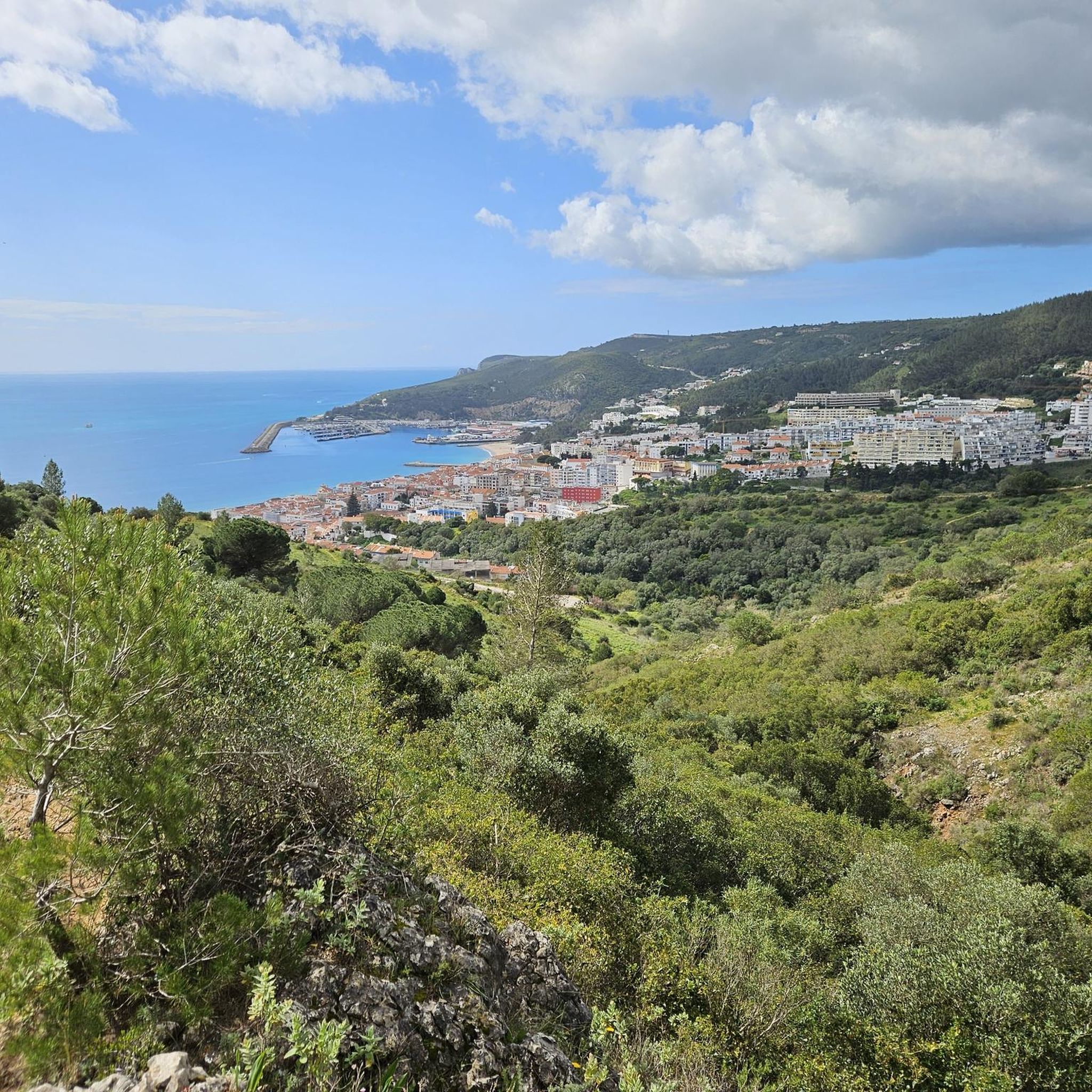
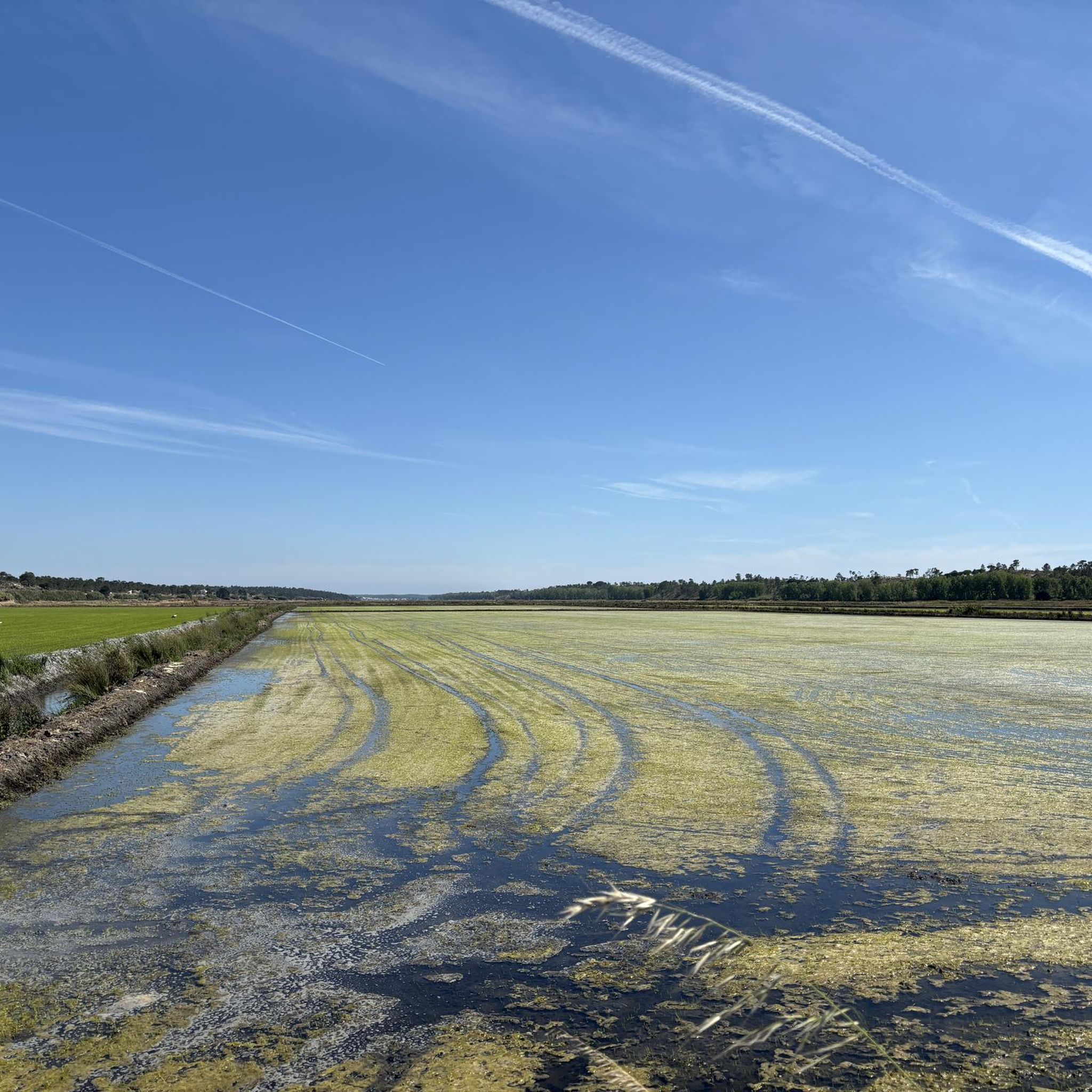
Other adventures around Santiago

Tips from the Community

Built in the 18th century, it is an eye-catcher with its baroque architecture and the typical blue and white tiles in which some icons were also kept.
2
0

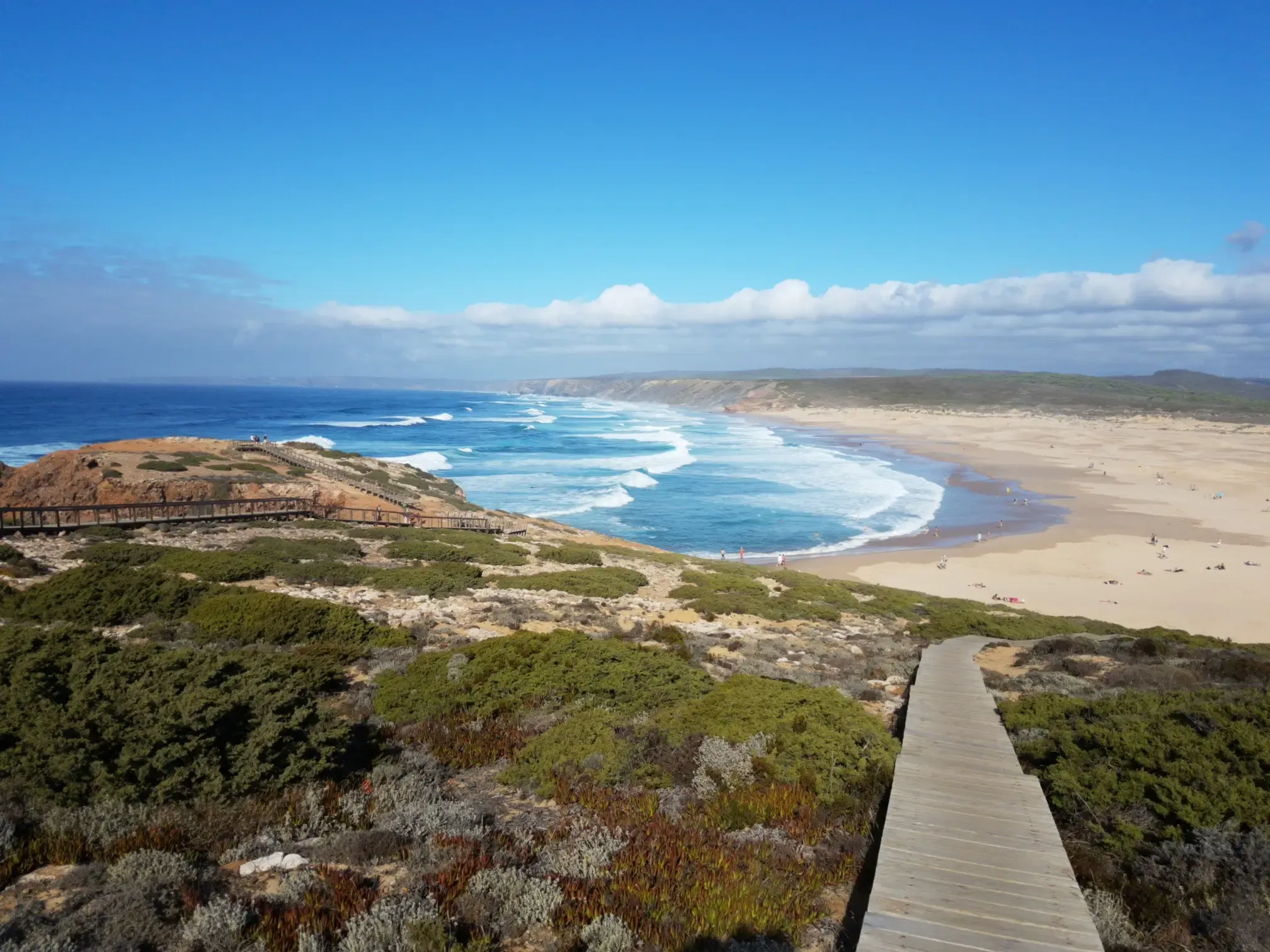
An excellent beach, although lacking in infrastructure and difficult to access, it's a super pleasant place, ideal for relaxing and recharging. Nearby, I also visited Mijona Beach and Hell Beach, which offer more challenging access but always boast immense natural beauty. I recommend it for those who don't have mobility issues and appreciate nature. 👍🥾🦯
1
0

Don't miss the opportunity to sign the summit book. The summit book is located in the small plastic container with the green lid, covered with a stone.
2
0

As it is a wild beach and difficult to access, there is no support equipment of any kind or lifeguards. Don't forget to bring water and food, and on the way back make sure to take all your rubbish with you (there are bins near the car park, at the start of the trail)! If you prefer to stay in the shade, you will need to bring a parasol. Also note that the name of the beach is Praia do Ribeiro do Cavalo and not Praia da Ribeira do Cavalo, as it is often called.
4
0

For many centuries, the Portuguese coast was known to foreign ships, especially English ones, as the “black coast”, as there was no lighting system to aid navigation. At the end of the 18th century, the Marquis of Pombal ordered the construction of a network of lighthouses to make it safer, including the one at Cabo Espichel, one of the oldest in Portugal, built in 1790.
6
0
No one had ever heard of this wild beach until recently, when social media, bloggers, and travel websites began showing photos of its stunning scenery. It wasn’t even marked on any map, and only a few locals knew that there was a trail leading down to one of Portugal’s most beautiful beaches. They kept it a well-guarded secret, but it’s now quite popular, including with tourists.
4
0
This linear route runs along the northern and southern slopes of the Serra da Arrábida up to Portinho da Arrábida, passing through the highest point of the mountain range, Alto do Formosinho, marked with a geodesic marker at 501 metres. This route, which is of the highest level of difficulty, is the closest to mountaineering conditions, due to the steep incline and the characteristics of the terrain. It is one of the most charismatic routes in the region, due to its connection to the first settlements of Arrábida (Castelo dos Mouros rock formation) and the ancient pilgrimage candles of devotion to Our Lady of Arrábida, which are still maintained, due to the challenge of reaching the peak, through dense vegetation, areas of gravel and rock climbing, and also through the endless landscapes that connect the Sado estuary to the Tagus and the border between Finisterra and the ocean.
3
0
It is the highest point of the Serra da Arrábida and it is not easy to get up there!...
3
0
Frequently Asked Questions
What historical and religious sites can I visit around Santiago?
The area around Santiago is rich in history and religious significance. You can explore the Sanctuary of Our Lady of Cape Espichel, a large architectural complex with origins dating back to the 14th century, featuring a baroque church and historical pilgrim accommodations. Nearby, the Hermitage of Memory is a small chapel built on the legendary spot of a Virgin Mary appearance, adorned with 18th-century tile panels.
Are there any lighthouses or coastal viewpoints to visit?
Yes, the Cape Espichel Lighthouse is a prominent man-made monument that has guided navigation since 1790, making it one of Portugal's oldest lighthouses. It offers impressive views over the coast, as does the nearby Hermitage of Memory, which provides unforgettable vistas over Praia dos Lagosteiros and towards Lisbon.
What natural attractions are there for outdoor enthusiasts?
Nature lovers can discover the stunning Ribeiro do Cavalo Beach, a wild and beautiful beach near Sesimbra, known for its pristine scenery. For a more challenging adventure, hike to Formosinho Peak, the highest point in the Serra da Arrábida, offering panoramic views from its 501-meter summit.
Are there family-friendly attractions in the Santiago area?
Absolutely. Both the Cape Espichel Lighthouse and the Sanctuary of Our Lady of Cape Espichel are considered family-friendly destinations, offering historical insights and scenic views that can be enjoyed by all ages.
What kind of outdoor activities can I do near these attractions?
The region offers a variety of outdoor activities. You can find numerous routes for mountain biking, cycling, and hiking. For example, there are challenging cycling routes like the 'Arrábida Park and Sesimbra Loop' and moderate MTB trails such as the 'Hermitage of Memory – Cape Espichel Lighthouse loop from Sesimbra'. Explore more options on the Hiking around Santiago, Cycling around Santiago, and MTB Trails around Santiago guide pages.
Are there challenging hikes or climbs in the area?
Yes, for those seeking a challenge, the ascent to Formosinho Peak is considered highly difficult. It involves steep inclines, dense vegetation, gravel, and some rock climbing, making it suitable for experienced hikers looking for mountaineering-like conditions.
What is the best time to visit the outdoor attractions around Santiago?
The best time to visit outdoor attractions in this coastal and mountainous region is generally during the spring (April to June) and early autumn (September to October). During these periods, the weather is typically mild and pleasant, ideal for hiking, cycling, and exploring historical sites without the intense heat of summer or the heavier rains of winter.
Are there any hidden gem outdoor spots near Santiago?
The Ribeiro do Cavalo Beach was once a well-guarded secret, known only to a few locals. While it has gained popularity through social media, its wild beauty and challenging access still give it a hidden gem feel, offering a more secluded natural experience compared to more commercial beaches.
What should I know before visiting Ribeiro do Cavalo Beach?
Before visiting Ribeiro do Cavalo Beach, be aware that it is a wild beach with no support equipment or lifeguards. Access is only on foot via two routes (red for difficult, green for easier), so sturdy shoes are recommended. Remember to bring your own water and food, and pack out all your rubbish to maintain its pristine condition.
Can I find cafes or amenities near hiking trails in the region?
While specific cafes directly on hiking trails are not detailed, the attractions are generally located near towns like Sesimbra. You'll find amenities and dining options in these towns before or after your outdoor adventures. For instance, the Sanctuary of Our Lady of Cape Espichel complex itself includes historical pilgrim accommodations, suggesting some facilities might be available nearby.
What do visitors enjoy most about the attractions around Santiago?
Visitors particularly appreciate the blend of historical significance and natural beauty. The dramatic coastal views from places like the Cape Espichel Lighthouse and the intricate history of the Sanctuary of Our Lady of Cape Espichel are highly rated. The unique, wild charm of Ribeiro do Cavalo Beach and the challenging, rewarding ascent to Formosinho Peak also receive strong positive feedback for their scenic and adventurous qualities.
Are there any circular walks or routes available?
Yes, the nearby routes include several circular options for various sports. For example, mountain bikers can enjoy the 'Hermitage of Memory – Cape Espichel Lighthouse loop from Sesimbra', while cyclists have options like the 'Ouro Beach – Hermitage of Memory loop from Sesimbra'. For hikers, there are easier loops such as 'Praia do Ouro loop from Sesimbra'. You can find more details on the respective guide pages for Hiking, Cycling, and MTB Trails.
Most popular attractions around Santiago

Get inspired with the komoot mobile app


Explore more
Still not found the Highlight you’re looking for? See guides of the top attractions in other regions:
