Attractions and Places To See around Fiães - Top 20
Best attractions and places to see around Fiães include a mix of historical landmarks, cultural sites, and natural features within the Santa Maria da Feira municipality. The region offers insights into ancient history with Iron Age settlements and 16th-century chapels. Natural landscapes feature river walkways, waterfalls, and extensive floodplains, providing opportunities for outdoor exploration. Fiães is characterized by its blend of heritage and natural beauty, making it a diverse area for visitors.
Best attractions and places to see around Fiães
- The most popular attractions is Castro Laboreiro Castle, a castle that consists of castle ruins in a dominant location on a hill, in difficult to access terrain. Built on a granite hill over 1,000 meters above sea level, it offers views of the surrounding landscape.
- Another must-see spot is Bico do Patelo, a natural monument featuring an immense granite rock that appears to defy gravity. This striking rock formation is a natural landmark in the Peneda-Gerês National Park.
- Visitors also love Ponte da Cava da Velha, a bridge that is a very impressive structure. This old Roman bridge was largely constructed in the 1st century and is a fine example of ancient engineering.
- Fiães is known for its historical sites, natural monuments, and bridges. The area offers a variety of attractions to see and explore, from ancient ruins to traditional architecture.
- The attractions around Fiães are appreciated by the komoot community, with 28 upvotes and 44 photos shared by visitors.
Last updated: August 25, 2026
Castro Laboreiro Castle
Highlight • Castle
Translated by Google •
Tip by

Bico do Patelo
Highlight • Natural Monument
Sculpted by time, wind and water, they form escarpments and rocks of improbable balance, such as the Bico do Patelo, an immense rock that seems to defy gravity.
In this wild landscape, the mountain goat reigns supreme, agile and imposing, running along the cliffs as if they were trails traced just for it.
Translated by Google •
Tip by

Sign up now to discover places like this
Get recommendations on the best single tracks, peaks, & plenty of other exciting outdoor places.
Sign up for free
Ponte da Cava da Velha
Highlight • Bridge
The name Ponte Nova indicates the existence of another structure constructed in the same location (or nearby) at one time preceding the current bridge. This may actually be the nearby Ponte de São Brás or Ponta da Assureira.
The bridge linked the Roman road to Espanha through Portela do Homem, passing through Estrimo (in Spain), Ameixoeira, Porto do Vaga and Assureira - Cova da Velha - Varziela - Castro Laboreiro. The bridge was largely constructed in the 1st century, but does not appear in the two most comprehensive lists of Roman bridges.
Translated by Google •
Tip by

Varziela Bridge and Varziela Village
Highlight • Bridge
Translated by Google •
Tip by
Igreja Matriz de Santa Maria da Visitação de Castro Laboreiro
Highlight • Religious Site
de.wikipedia.org/wiki/Igreja_Matriz_de_Santa_Maria_da_Visita%C3%A7%C3%A3o_de_Castro_Laboreiro
Somewhat hidden in a side room is a small, free museum with liturgical objects and figurines.
Translated by Google •
Tip by

Sign up for free to discover even more attractions around Fiães.
Sign up for free
Already have an account?
Start today with a free account
Your next adventure awaits.
Login or Signup
Tips from the Community

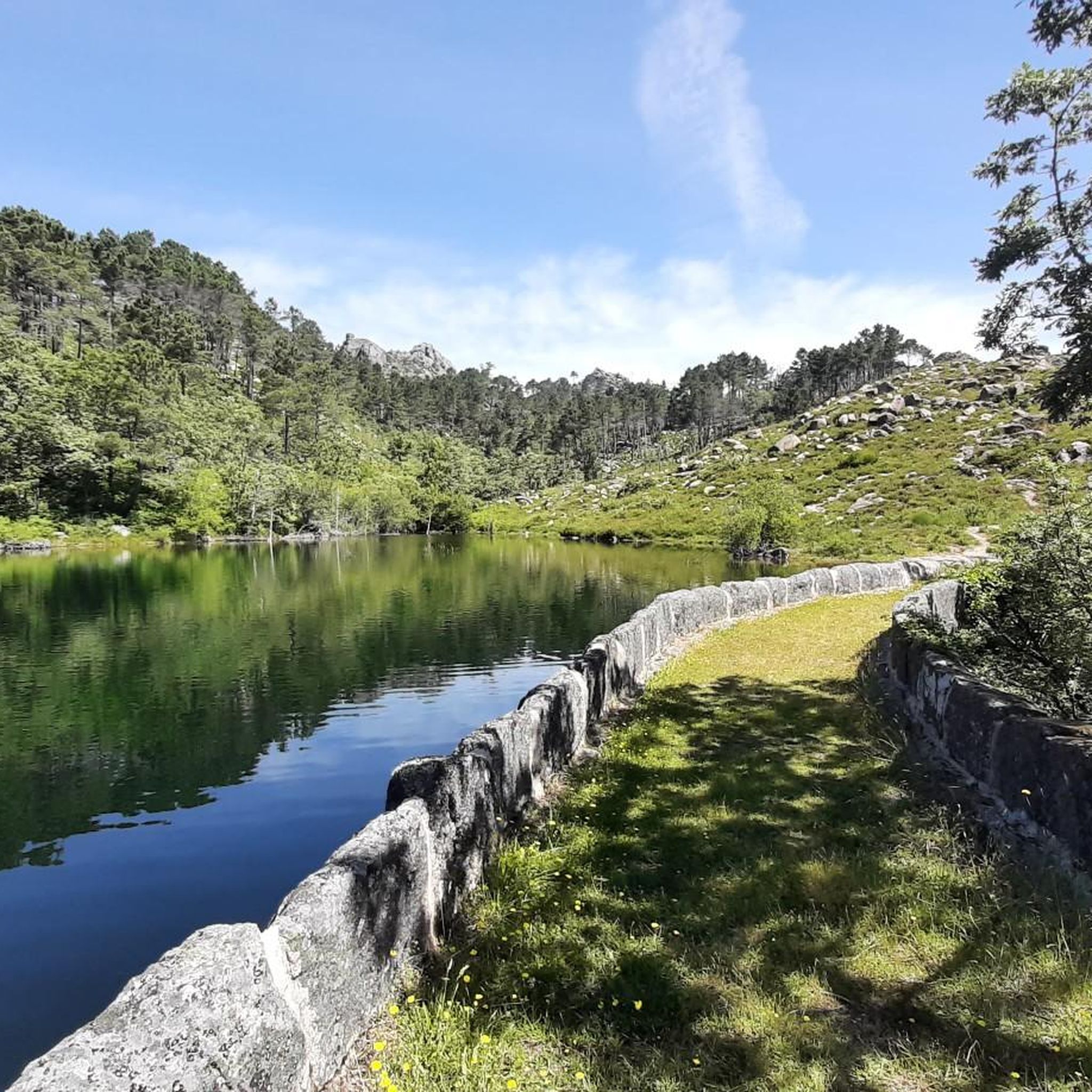
This ancient stone bridge crosses the Ribeira da Varziela near the village of Varziela. Built with large granite blocks and a simple arch, it is a fine example of traditional mountain architecture.
0
0
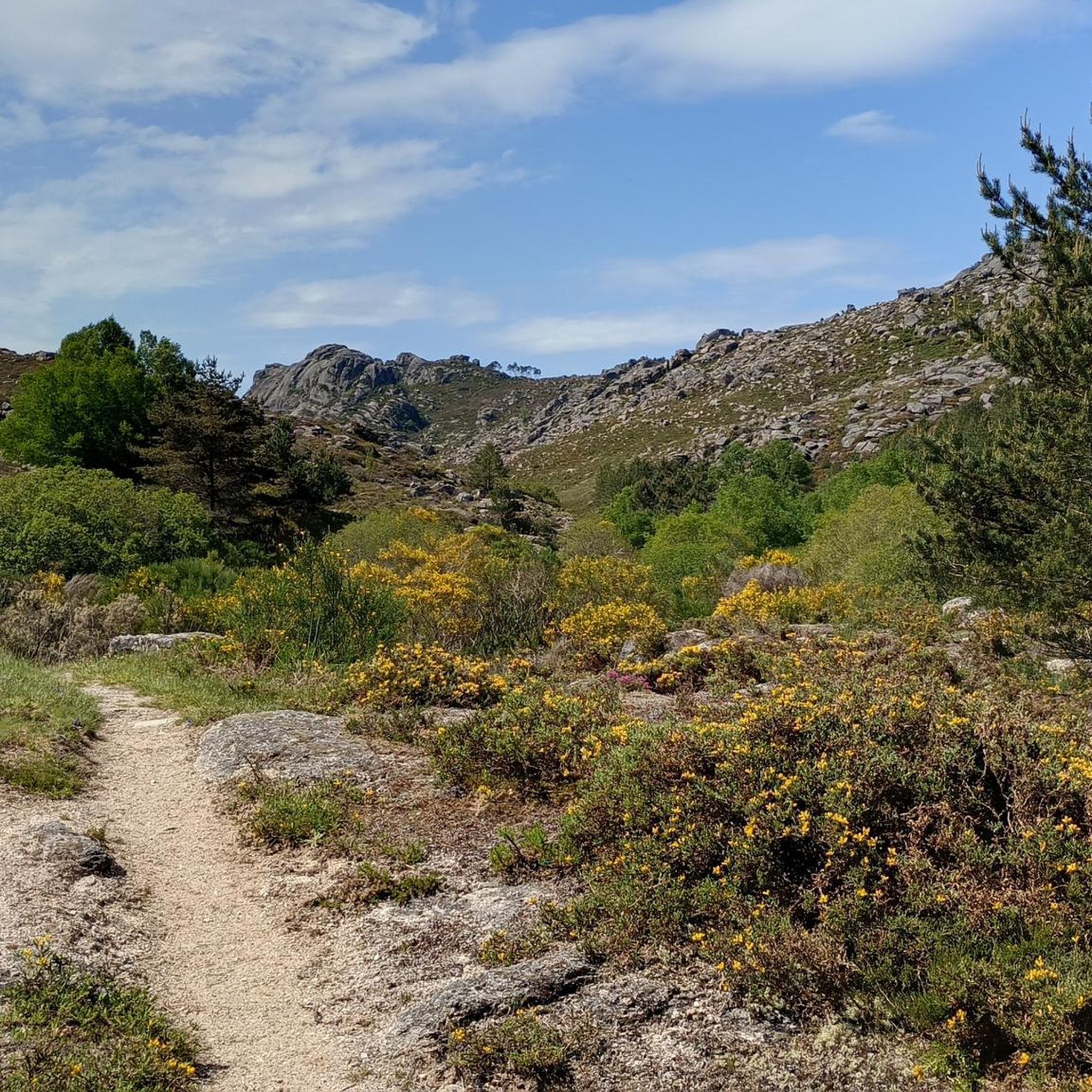
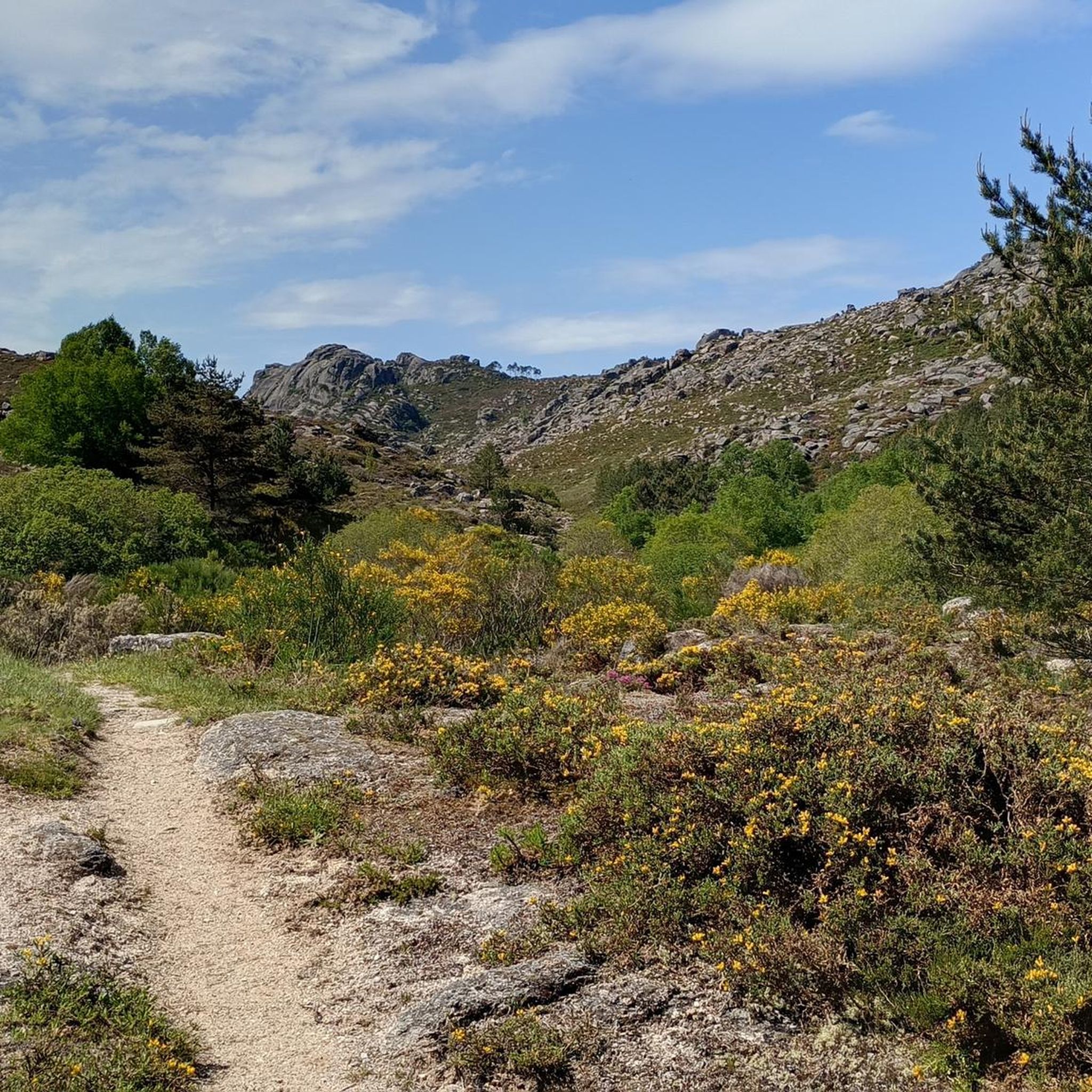
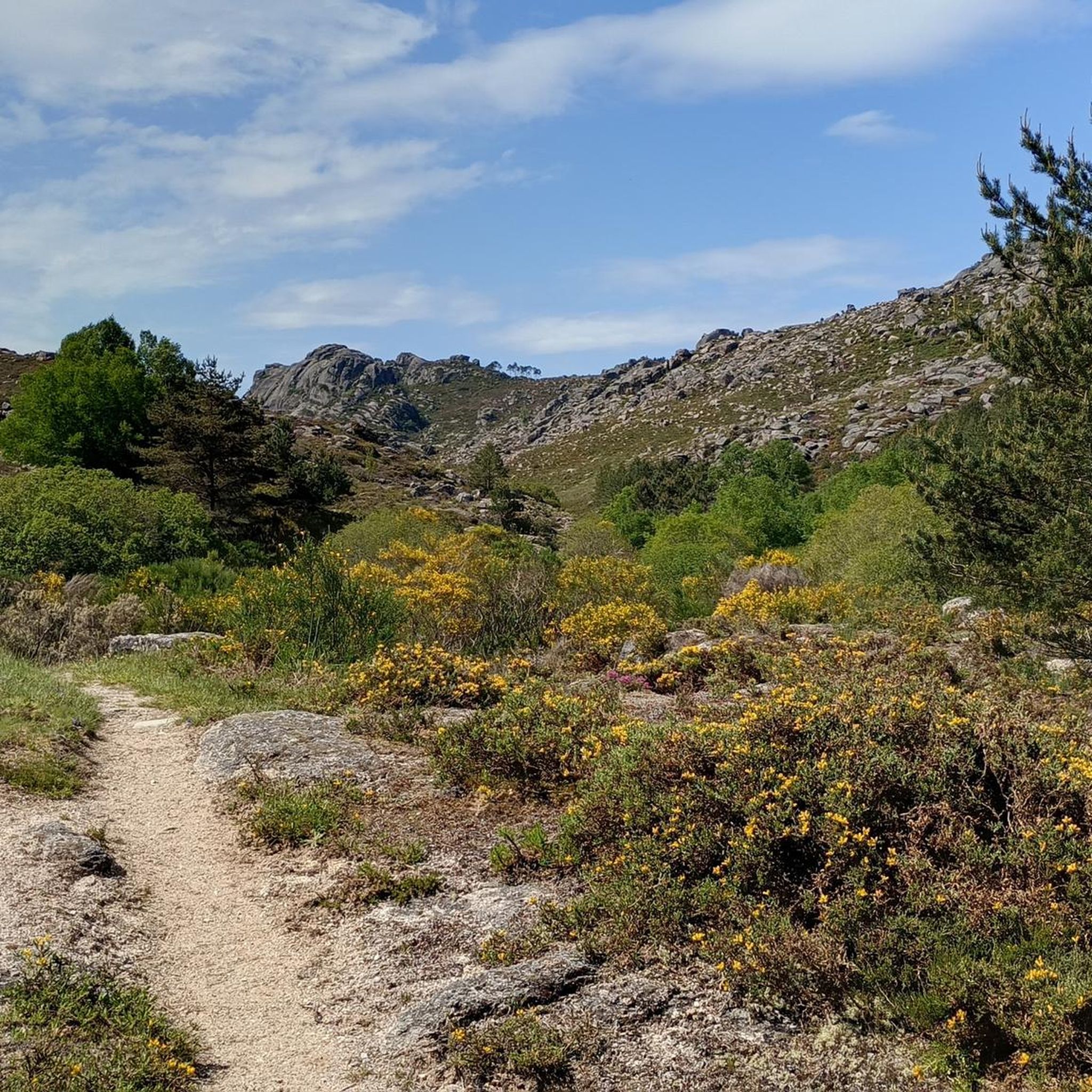
Bico do Patelo, literally "Patelo’s Beak," is a striking granite rock formation in Peneda-Gerês National Park. Its bold shape rises above the surrounding hills, catching the eye from different points along the PR3 Castrejo trail. As you approach, the unusual form makes it a natural landmark and one of the memorable sights of the hike.
0
0

These are the ruins of a Romanesque castle with a walled enclosure around a central tower with a cistern, located on the top of an isolated hill at 1,033 meters (3,389 feet) above the Minho and Lima rivers. It has an oval plan oriented north-south. The main entrance is the Porta do Sol, which opens to the east, while the Gate of Traitors, the Porta do Sapo, is located at the other end. The exit is well-maintained and normal for its location.
0
0
The medieval church Igreja Matriz de Santa Maria da Visitação de Castro Laboreiro, or simply Igreja de Santa Maria da Visitação (Visitation of the Virgin Mary) or Igreja Matriz de Castro Laboreiro, is located in the small town (Portuguese: Vila) of Castro Laboreiro. The church was first mentioned in 1241, when the monastery of Celanova transferred ownership of the church to Sancho II (Portuguese: Sancho II o Capelo). In 1319, the church was entrusted to the Knights of the Order of Christ of Bragança. https://de.wikipedia.org/wiki/Igreja_Matriz_de_Santa_Maria_da_Visita%C3%A7%C3%A3o_de_Castro_Laboreiro Somewhat hidden in a side room is a small, free museum with liturgical objects and figurines.
1
0

Built on a granite hill over 1,000 metres above sea level, the castle dominates the Laboreiro River valley, offering spectacular views of the surrounding landscape. Its origins are ancient, probably dating back to Roman or pre-Roman times, but the current structure mainly reflects medieval modifications and extensions, particularly during the Reconquista and the formation of the Kingdom of Portugal. The castle, although now in ruins, still preserves its defensive walls, part of the watchtower and the main gate, elements that testify to its strategic importance in controlling the borders. It is a symbol of the history and resistance of the region, and its isolated and wild location adds to its charm.
0
0

Nice walk but certainly not easy and not flat. Lots of scrambling and climbing First part was a lot of climbing but doable. Descent after the castle was sometimes difficult
0
2

Varziela is a typical village in the region, where the stone houses defy time and preserve the authenticity of the past. Among the various historic bridges that still stand, the Varziela Bridge stands out as the one that most clearly shows traces of medieval architecture. However, some argue that this bridge is actually a medieval reinterpretation of an older Roman structure, as was the case with other bridges in the region.
2
0
Among the low scrubland, oak groves and winding streams, the imposing granite outcrops that define this mountain landscape stand out. Sculpted by time, wind and water, they form escarpments and rocks of improbable balance, such as the Bico do Patelo, an immense rock that seems to defy gravity. In this wild landscape, the mountain goat reigns supreme, agile and imposing, running along the cliffs as if they were trails traced just for it.
1
0
Frequently Asked Questions
What historical sites can I visit around Fiães?
Fiães and its surroundings offer several historical sites. You can explore the remnants of an Iron Age fortified settlement at Castro de Fiães, which also shows signs of Roman occupation. The Capela de Nossa Senhora da Conceição, dating back to the 16th century, features baroque elements and distinctive blue and white tilework. In the wider Santa Maria da Feira municipality, don't miss the impressive Castro Laboreiro Castle, a medieval military structure with ancient origins, or the Ponte da Cava da Velha, an old Roman bridge.
Are there natural attractions or scenic viewpoints near Fiães?
Yes, the region boasts natural beauty. The Fiães Walkways (Passadiços do Rio Uíma) offer a pleasant route along the Uíma River, featuring waterfalls and a bird-watching observatory within the Parque das Ribeiras do Uíma. For a unique natural monument, visit Bico do Patelo, an immense granite rock formation that appears to defy gravity. The Castro Laboreiro Castle also provides spectacular views of the surrounding landscape from its elevated position.
What outdoor activities can I do around Fiães?
The area around Fiães is excellent for outdoor activities. You can enjoy walking along the Fiães Walkways (Passadiços do Rio Uíma), which are about 2 km each way. For more extensive adventures, there are numerous routes for mountain biking, cycling, and running. Explore options like the 'Castro Laboreiro Plateau Megalithic Loop' for MTB, or the 'Tour 4 de Melgaço' for cycling. You can find detailed routes and guides for these activities on komoot, such as MTB Trails around Fiães, Cycling around Fiães, and Running Trails around Fiães.
Are there family-friendly attractions in the Fiães area?
Yes, there are family-friendly options. The Fiães Walkways (Passadiços do Rio Uíma) are suitable for families, offering picnic areas, exercise equipment, and a playground. In the wider Santa Maria da Feira municipality, the Lourosa Zoo - Ornithological Park is a great destination for families, home to over 500 birds of 150 different species.
What are some unique cultural or traditional sites to visit?
Beyond the historical landmarks, you can visit the Moinho do Povo, a still-functioning watermill on the Caima River, offering a glimpse into traditional life. The Museum of Santa Maria de Lamas, also known as the 'Cork Museum,' showcases a unique collection of cork statues, gilded woodcarvings, and other artifacts, providing insight into local craftsmanship and heritage.
Can I find any ancient bridges or settlements in the region?
Absolutely. The region is rich in ancient structures. You can visit the Ponte da Cava da Velha, an impressive Roman bridge largely constructed in the 1st century. Another notable structure is the Old Bridge of Castro Laboreiro, a medieval-style bridge over the Laboreiro River. Additionally, the Varziela Bridge and Varziela Village offer a look at traditional stone architecture and a bridge with medieval characteristics, possibly built on older Roman foundations.
What is the best time of year to visit Fiães for outdoor activities?
The best time to visit Fiães for outdoor activities is generally during the spring (April to June) and early autumn (September to October). During these periods, the weather is typically mild and pleasant, ideal for hiking, cycling, and exploring the natural landscapes without the intense heat of summer or the heavier rains of winter.
Are there any natural reserves or parks for nature lovers?
Yes, the Parque das Ribeiras do Uíma, which includes the Fiães Walkways, is an extensive floodplain combining wetlands and terrestrial systems, perfect for nature observation. Further afield in the Santa Maria da Feira municipality, the Reserva Natural da Barrinha de Esmoriz features a lake with pathways over wooden planks, offering another excellent spot for nature lovers.
What do visitors enjoy most about the attractions around Fiães?
Visitors appreciate the blend of historical significance and natural beauty. For instance, the Castro Laboreiro Castle is valued for its dominant location, offering spectacular views and a sense of history. The Ponte da Cava da Velha is admired for its impressive ancient engineering. The natural monuments like Bico do Patelo are noted for their striking and unique formations within wild landscapes.
Are there any specific architectural landmarks to see?
Beyond the ancient structures, the Capela de Nossa Senhora da Conceição is a notable architectural landmark with its 16th-century origins, 17th-century baroque adaptations, and distinctive 19th and 20th-century renovations, including a bell tower and patterned tilework. The Church (1596) in the village is also highlighted for its historical significance and baroque elements.
Where can I find more information about the historical significance of sites like Castro de Fiães?
For detailed historical information on sites such as Castro de Fiães, you can consult official heritage resources. For instance, information about the Castro de Fiães can be found on the Portuguese Directorate-General for Cultural Heritage website: monumentos.gov.pt. Similarly, details on the Capela de Nossa Senhora da Conceição are available at monumentos.gov.pt.

Get inspired with the komoot mobile app


Explore more
Still not found the Highlight you’re looking for? See guides of the top attractions in other regions:
