Attractions and Places To See around Favaios - Top 20
Attractions and places to see around Favaios are centered in a "wine village" on the Douro plateau, known for its winemaking heritage, particularly Moscatel de Favaios, and traditional "Four Corners Bread". The region features extensive vineyards and is adjacent to the Serra do Vilarelho mountain range. Visitors can explore historical landmarks, natural features, and cultural sites. The area's geomorphology, characterized by granite and schist formations, contributes to its distinctive landscape.
Best attractions and places to see around Favaios
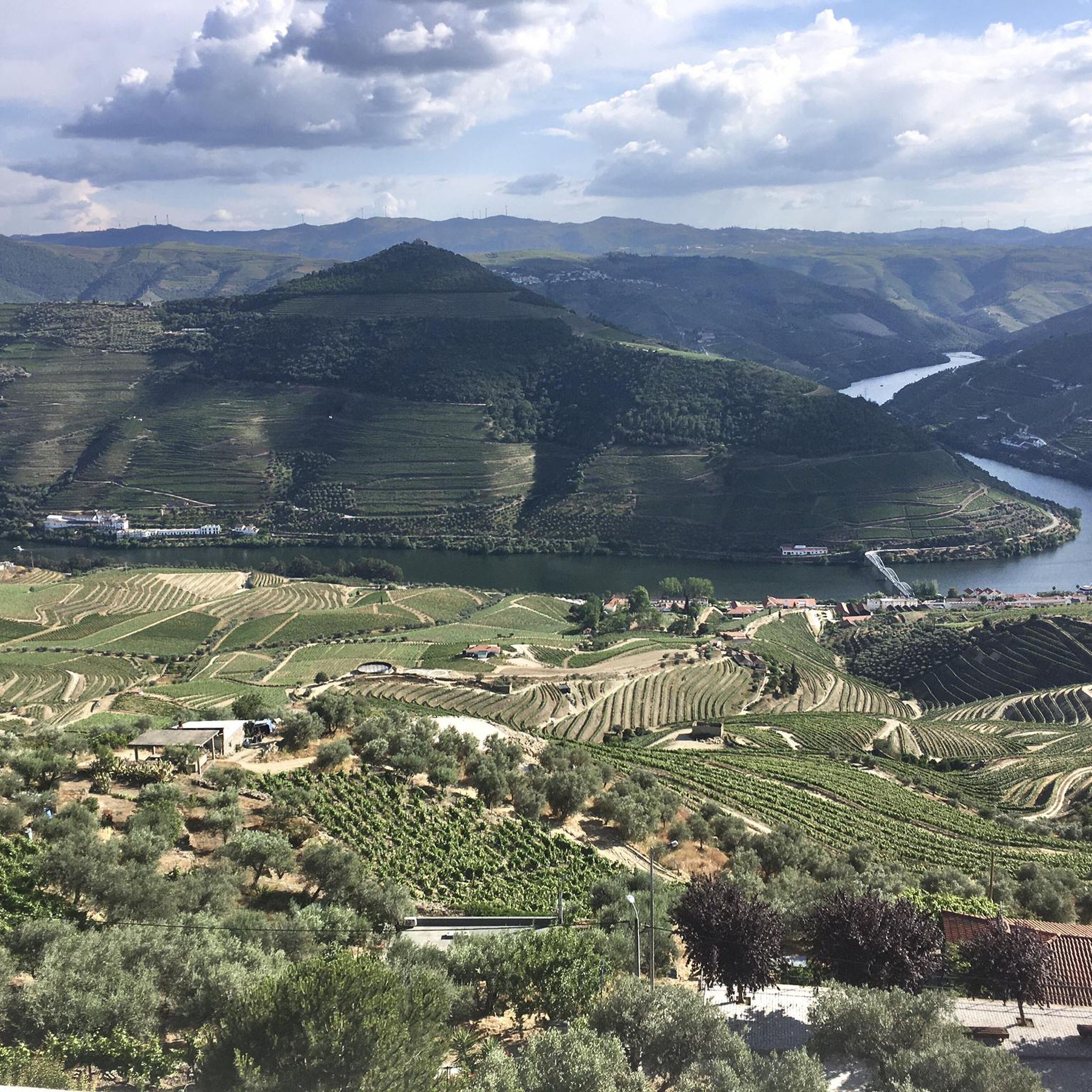
- The most popular attractions is View of Pinhão and the Douro River from Miradouro de Casal de Loivos, a viewpoint that offers spectacular views of the Douro Valley and Pinhão. This vantage point provides a comprehensive perspective of the vineyards and the river.
- Another must-see spot is Pinhão Railway Station, a man-made monument. Its azulejos depict the work in the Douro Valley, including wine harvesting, shipping, filling barrels, and loading ships.
- Visitors also love Douro River Promenade, a well-designed waterfront promenade. This path offers a relaxing stretch directly by the river, providing views of the Douro.
- Favaios is known for its historical landmarks, natural viewpoints, and cultural sites related to wine and bread production. The region offers a variety of attractions to see and explore, from ancient hillforts to modern wineries.
- The attractions around Favaios are appreciated by the komoot community, with 154 upvotes and 165 photos shared by visitors.
Last updated: August 25, 2026
Pinhão Railway Station
Highlight • Monument
Translated by Google •
Tip by

Olhos do Tua Viewpoint
Highlight • Viewpoint
Translated by Google •
Tip by

Sign up now to discover places like this
Get recommendations on the best single tracks, peaks, & plenty of other exciting outdoor places.
Sign up for free
View of Pinhão and the Douro River from Miradouro de Casal de Loivos
Highlight • Viewpoint
Translated by Google •
Tip by
Casal de Loivos Viewpoint
Highlight • Viewpoint
Translated by Google •
Tip by

Douro River Promenade
Highlight • River
Translated by Google •
Tip by

Sign up for free to discover even more attractions around Favaios.
Sign up for free
Already have an account?
Start today with a free account
Your next adventure awaits.
Login or Signup
Tips from the Community

I love discovering viewpoints like Miradouro Olhos do Tua, where dramatic landscapes and panoramic river views make the journey feel worthwhile. The rugged scenery around the Tua River sounds especially impressive for anyone who enjoys nature and exploration. I also enjoy that same sense of movement and adventure when playing https://sloperidergame.com
0
0
Arrival by bus is possible, 7:45 a.m., 10:20 a.m. from Tua train station. This option returns you to the starting point. Caution: some steep descents.
1
0

Spectacular views of the Douro River and the valley. A small bar invites you to enjoy the view with a glass of wine.
4
0
Spectacular views of the Douro River and the valley. A small bar invites you to enjoy the view with a glass of wine.
6
0
The regional motifs are simply beautiful. You should take some time to enjoy them.
7
0
Great station with its azulejos. If you're staying at a hotel on the hill, it's best to book a taxi in advance. Otherwise, it can be difficult during peak season.
6
0

This viewpoint on the Tua was also built entirely of steel, so the shape we see in this viewpoint represents the keel of a boat, which provides an incredible panoramic view of the river.
3
0

Great viewpoint
2
1
Frequently Asked Questions
What historical and cultural sites can I explore in Favaios?
Favaios is rich in history and culture, particularly related to its winemaking and bread traditions. You can visit the Núcleo Museológico do Pão e do Vinho (Bread and Wine Museum), housed in an 18th-century building, to learn about the iconic Moscatel wine and traditional "Four Corners Bread." Other notable landmarks include the Igreja Matriz de São Domingos, the Antigo Paço do Concelho (Old Town Hall), and the ancient Castro Vilarelho hillfort. Don't miss the traditional bakeries for a taste of local bread or the Favaios Cooperative Winery for wine tourism.
Where can I find the best panoramic views of the Douro Valley near Favaios?
For breathtaking vistas, head to the View of Pinhão and the Douro River from Miradouro de Casal de Loivos, which offers spectacular views of the Douro Valley and Pinhão. Another stunning spot is the Olhos do Tua Viewpoint, providing an incredible panoramic view of the deep valley and the Tua River winding below. Within Favaios itself, the Capela de Santa Bárbara offers excellent views of the village and the Marão mountain range.
Are there family-friendly attractions around Favaios?
Yes, several attractions around Favaios are suitable for families. The Pinhão Railway Station is a fascinating stop, where its famous azulejos (tiles) depict the work in the Douro Valley, including wine harvesting, which can be engaging for all ages. The View of Pinhão and the Douro River from Miradouro de Casal de Loivos is also categorized as family-friendly, offering beautiful scenery that everyone can enjoy.
What outdoor activities can I do near Favaios?
The region around Favaios is perfect for outdoor enthusiasts. You can explore numerous cycling routes, such as the "Museum of Bread and Moscatel loop from Favaios," which is a challenging 46.8 km ride. For hikers, there are trails like the "Casal de Loivos Viewpoint – Pinhão Riverside Promenade loop from Pinhão," a moderate 6.6 km hike. Runners can enjoy routes like the "View of the Douro River loop from Pinhão." You can find more details on these activities in the dedicated guides for Cycling around Favaios, Hiking around Favaios, and Running Trails around Favaios.
What is the significance of wine and bread in Favaios?
Favaios is deeply intertwined with its winemaking heritage, particularly the renowned Moscatel de Favaios, a fortified wine unique to the region. The village is also famous for its traditional "Four Corners Bread," produced in wood-fired ovens. These products are central to the local economy and culture, celebrated through the Núcleo Museológico do Pão e do Vinho and events like the annual Festival of Moscatel D'Ouro. Many local wineries, like Quinta da Avessada, offer tastings and experiences.
Are there any accessible attractions for visitors with mobility needs?
Yes, some attractions in the area are noted for their accessibility. The Pinhão Railway Station and the Peso da Régua Footbridge are both categorized as wheelchair accessible. Additionally, the Douro River Promenade offers a well-designed, relaxing stretch directly by the river that is also wheelchair accessible, allowing everyone to enjoy the scenic views.
What natural landscapes define the Favaios region?
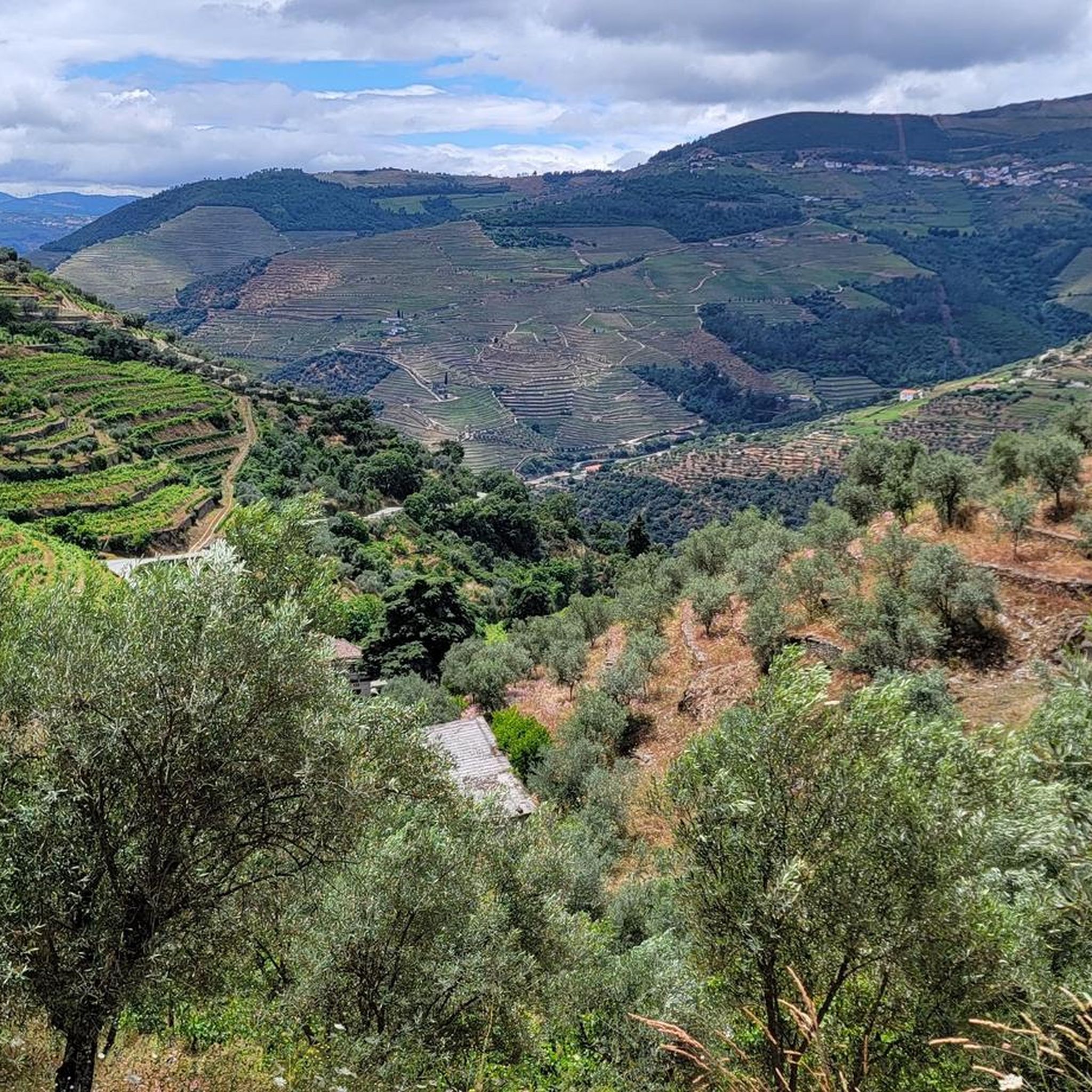
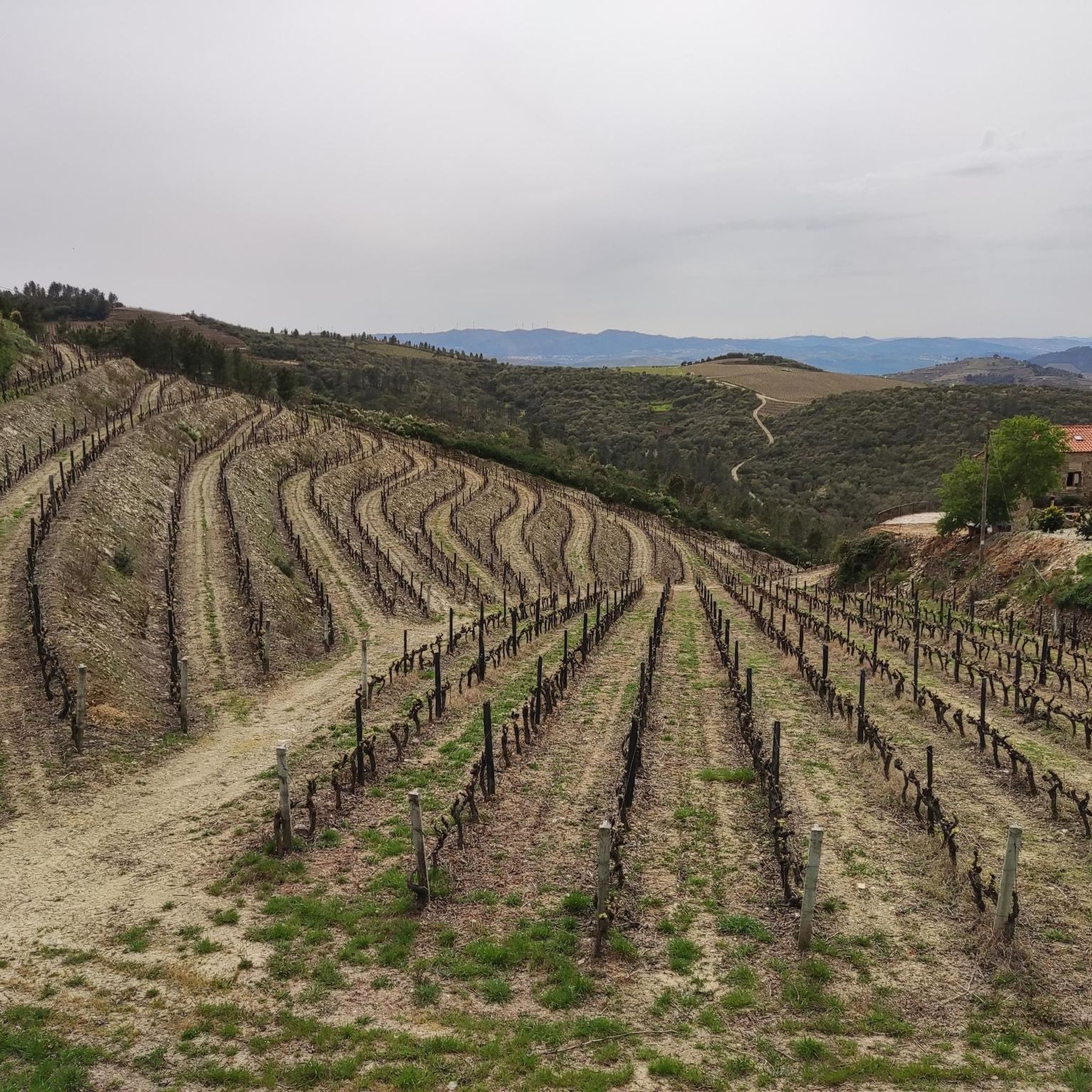
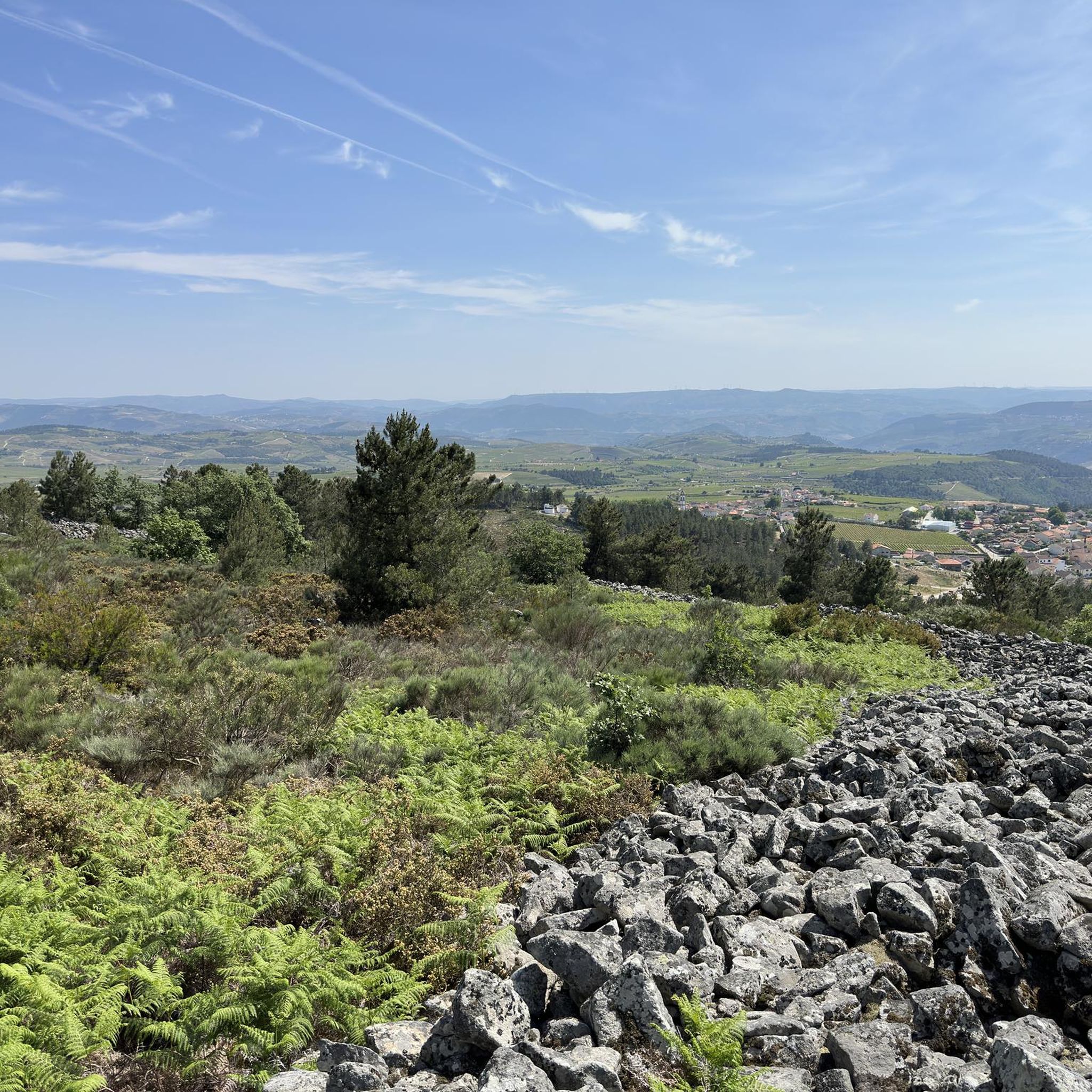
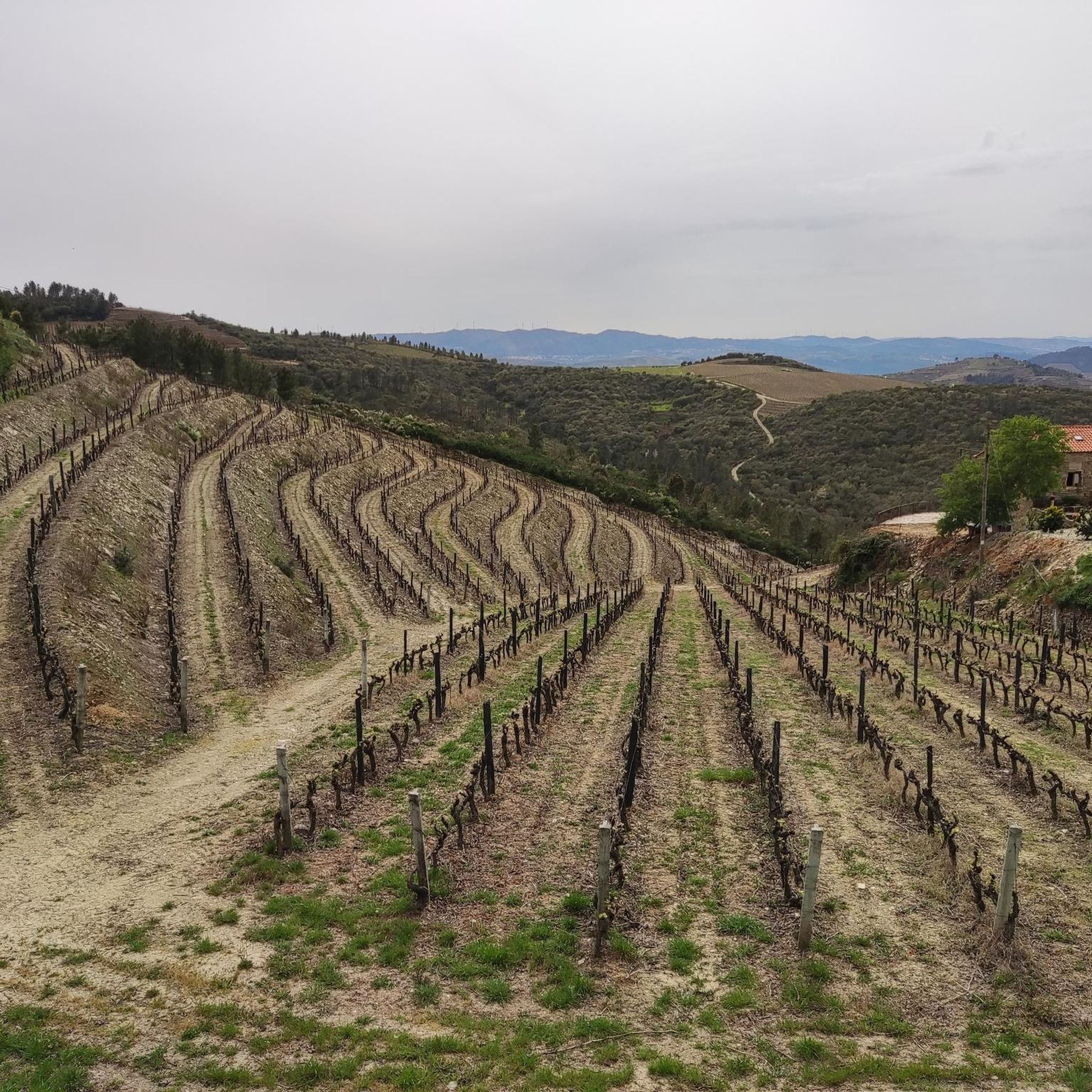
The Favaios region is characterized by its stunning natural landscapes, dominated by extensive and intricate vineyards that stretch across the Douro plateau. The unique geomorphology, with granite and schist formations, contributes to the distinctive terroir. The village is adjacent to the Serra do Vilarelho mountain range, and the routes leading to Favaios offer breathtaking views of mountainous terrain and vineyards, considered some of the most scenic in the Douro region. The area also boasts diverse wildlife, including hawks, foxes, and boars.
What do visitors enjoy most about the attractions around Favaios?
Visitors frequently praise the spectacular views, especially from viewpoints like Miradouro de Casal de Loivos, which offers an "incredibly beautiful view of the Douro Valley." The Pinhão Railway Station is highly appreciated for its amazing azulejos depicting local life. Many also enjoy the relaxing atmosphere of the Douro River Promenade and the overall beauty of the vineyards and river landscape.
Can I find traditional food experiences in Favaios?
Absolutely. Favaios is renowned for its traditional "Four Corners Bread," and you can visit local bakeries that have been producing it for generations using wood-fired ovens. Many wineries, such as Quinta da Avessada, offer wine tastings paired with traditional lunches, providing an authentic taste of the region's culinary heritage alongside its famous Moscatel wine.
Are there any challenging hiking or cycling routes near Favaios?
Yes, for those seeking a challenge, the area offers several difficult routes. Cyclists can tackle the "Viewpoints of Casais do Douro – Campsite loop from Pinhão," a demanding 54.6 km ride, or the "Régua Pedestrian Bridge – Douro Valley loop from Pinhão," which spans 65.2 km. For runners, the "View of the Douro Valley loop from Sabrosa" is a difficult 30.2 km trail. You can explore these and other challenging options in the Cycling around Favaios and Running Trails around Favaios guides.
What is the best time to visit Favaios to enjoy its attractions?
While specific data isn't provided, the Douro region, including Favaios, is generally best visited during the spring (April to June) and autumn (September to October). During these seasons, the weather is pleasant for exploring vineyards and outdoor attractions, and the landscapes are particularly beautiful, either with spring blossoms or the vibrant colors of the grape harvest in autumn. Summers can be hot, and winters cooler, though still suitable for some activities.

Get inspired with the komoot mobile app


Explore more
Still not found the Highlight you’re looking for? See guides of the top attractions in other regions:
