The best MTB trails around Montalegre e Padroso e Padroso e Padroso
4.0
(1)
185
riders
10
rides
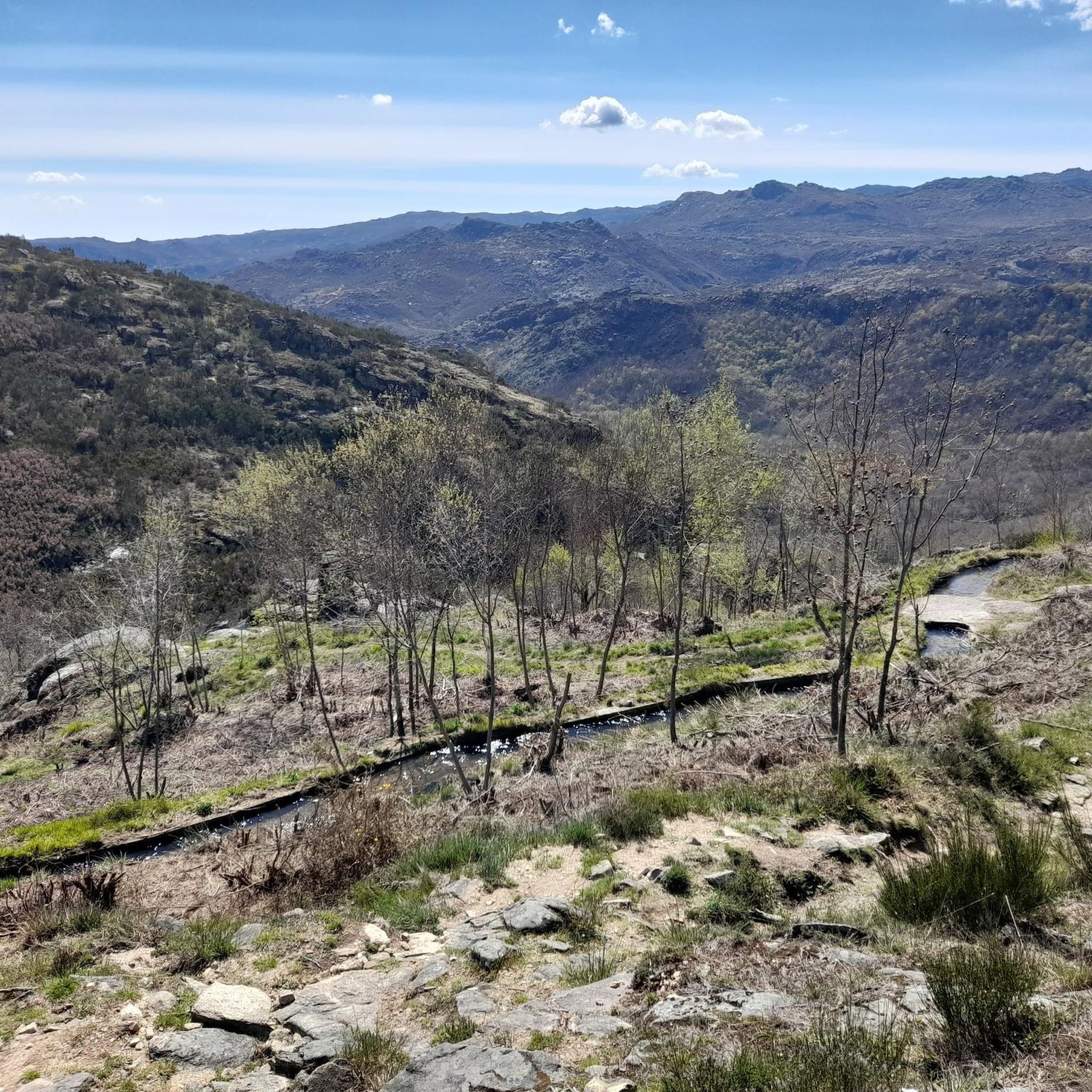
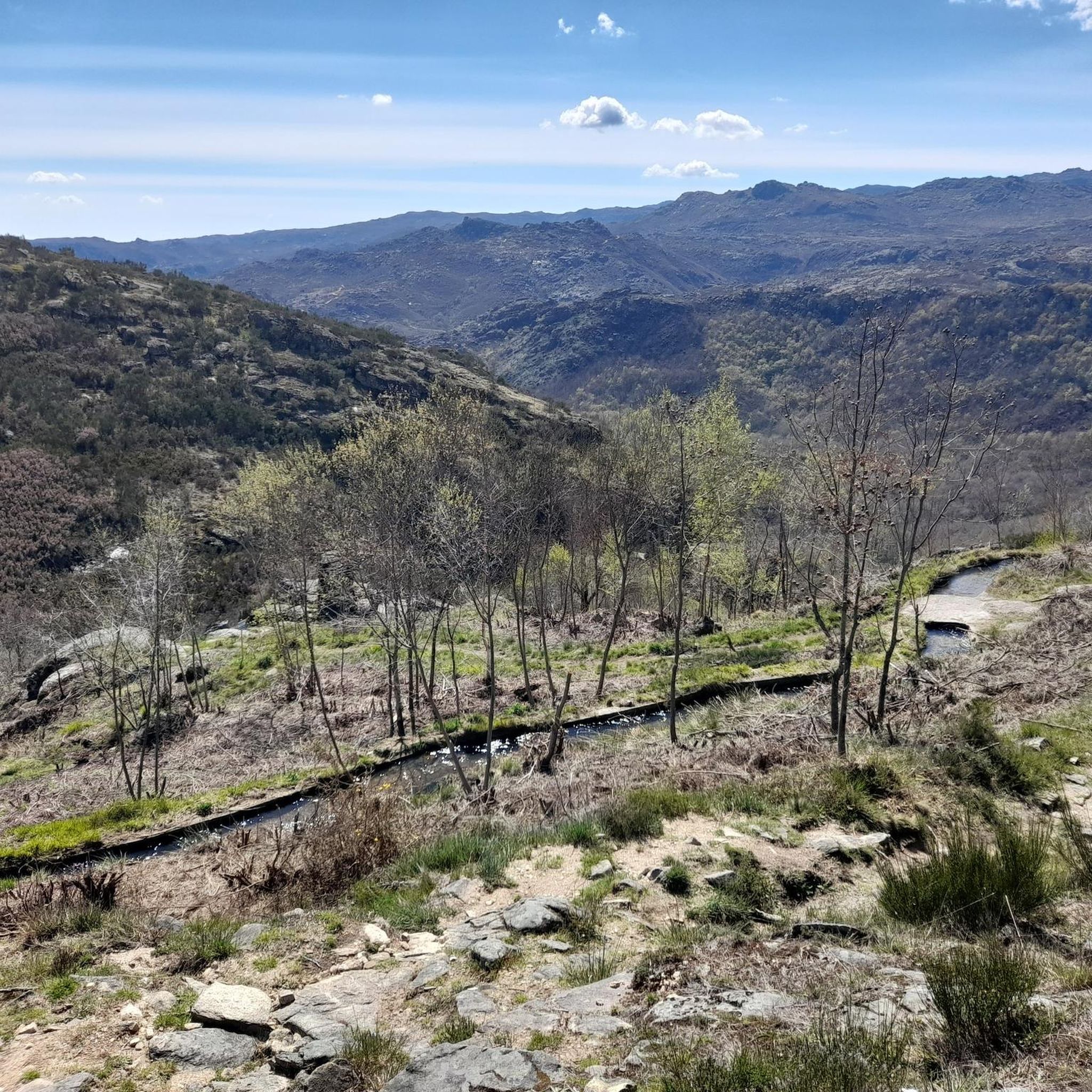
Mountain biking around Montalegre e Padroso e Padroso e Padroso offers a diverse and rugged landscape, largely due to its integration with the Peneda-Gerês National Park. The region features significant elevation changes, with Montalegre itself nearly 1,000 meters above sea level, providing challenging ascents and descents. Terrain varies from dense oak and chestnut woodlands to granite and rocky outcrops, with both paved and unpaved segments. This area provides a prime location for mountain biking enthusiasts seeking varied natural features.
Best…
Last updated: May 6, 2026
27
riders
69.2km
06:33
1,580m
1,590m
Hard mountain bike ride. Very good fitness required. Suitable for all skill levels.
21
riders
83.5km
08:27
2,110m
2,110m
Hard mountain bike ride. Very good fitness required. Suitable for all skill levels.

Sign up for free
19
riders
92.4km
09:11
2,280m
2,280m
Hard mountain bike ride. Very good fitness required. Advanced riding skills necessary. Some portions of the route may require you to push your bike.
6
riders
51.8km
04:20
920m
920m
Hard mountain bike ride. Very good fitness required. Suitable for all skill levels.
Get access to more routes and recommendations from other explorers.
Sign up for free
Already have an account?
Our route recommendations are based on thousands of hikes, rides, and runs completed by other people on komoot.
Start today with a free account
Your next adventure awaits.
Login or Signup
Popular around Montalegre e Padroso e Padroso e Padroso
Tips from the Community

Minimum altitude: 760 m Maximum altitude: 1,425 m
0
0
The Monastery of Santa Maria das Júnias is a ruined monastery, of which the church remains, located on the outskirts of Pitões das Júnias. The last Cistercian monk became the parish priest of the village of Pitões das Júnias in 1834, the date of the abolition of religious orders in Portugal. As a historical curiosity, it is worth noting that Dom Pedro de Pitões, one of the main drivers of the conquest of Lisbon from the Moors in 1147, was ordained bishop of Porto at this monastery.
0
0
Carvalhais, in the municipality of Montalegre. Here is his video: https://youtu.be/TNJBrWACbno
0
0
The granite village stretches along a peninsula formed by the Alto Rabagão Dam reservoir. This body of water, intense blue or pitch black, depending on the mood of the sky, is surrounded by mountains covered in rocks and vegetation.
1
0

Montalegre is a mountain town, characterized by rugged and uncontaminated landscapes. The medieval castle dominates the landscape and in the surroundings there are prehistoric dolmens that keep alive the link with the past.
0
0
This is a church that reflects the traditional architecture of the region, often characterized by simple but robust elements, in line with the surrounding rural environment.
0
0

Hidden in the heights of Pitões das Júnias, the ancient monastery of Santa Maria carries centuries of history in the stones that support it. It is believed that its origins date back to the 9th century, in the middle of the Reconquista era, before Portugal was born as a kingdom. Officially, however, it was founded in the 12th century under the auspices of the Benedictines, and later embraced the austerity of the Cistercian reform. Today, among the silent ruins, the modest side portico of the church and the delicate arcades of the cloister remain.
1
1
The monastery of Santa Maria de Pitões das Júnias has roots that are believed to date back to a period before the founding of the Kingdom of Portugal, in the 9th century, during the Christian Reconquest. However, it is certain that it was founded in the mid-12th century, initially under the Benedictine Order, later adhering to the Cistercian reform. Notable remains of its original design still remain, such as the simple side portico of the church and the discreet arcades of the cloister, now in ruins.
2
0
Frequently Asked Questions
How many mountain bike trails are there in Montalegre e Padroso?
There are 10 mountain bike trails around Montalegre e Padroso, offering a diverse range of experiences for riders. The komoot community has explored these routes over 200 times.
What is the terrain like for mountain biking in Montalegre e Padroso?
The terrain around Montalegre e Padroso is rugged and diverse, characterized by significant elevation changes. You'll encounter dense oak and chestnut woodlands, granite and rocky outcrops, and both paved and unpaved segments. The region is part of the Peneda-Gerês National Park and close to Alvão Natural Park, ensuring varied and scenic landscapes.
What are the difficulty levels of mountain bike trails in this region?
The mountain bike trails in Montalegre e Padroso cater to various skill levels, though many are challenging. There is 1 easy route, 1 moderate route, and 8 difficult routes. For instance, the Igreja de Morgade – Montalegre Castle loop from Montalegre is a difficult 69.2 km trail with over 1500 meters of ascent.
When is the best time of year for mountain biking in Montalegre e Padroso?
The region's significant elevation means that while summer offers warm, dry conditions, spring and autumn provide milder temperatures and vibrant scenery, ideal for mountain biking. Winter can be challenging due to higher altitudes and potential for adverse weather.
Are there any interesting landmarks or natural features to see while mountain biking?
Yes, the region is rich in natural beauty and historical sites. You can explore the Montalegre Castle, a thirteenth-century fortress, or visit the Serra do Larouco Summit for panoramic views. Other highlights include traditional granaries like the Hórreo and the Torre do Boi Monument.
Can I see waterfalls on mountain bike trails in Montalegre e Padroso?
While specific trails listed in this guide may not directly pass by them, the wider region, especially Alvão Natural Park, is known for spectacular waterfalls like Fisgas de Ermelo, where the Olo River cascades approximately 200 meters. Peneda-Gerês National Park also features numerous rivers and natural pools.
What do other mountain bikers enjoy about the trails in Montalegre e Padroso?
The trails in Montalegre e Padroso are highly rated by the komoot community, with an average score of 4.0 stars. Riders often praise the challenging ascents, rewarding descents, and the immersive experience of traversing dense woodlands and open mountain landscapes within the natural parks.
Are there family-friendly mountain bike trails in Montalegre e Padroso?
Yes, there is 1 easy mountain bike route available, which can be suitable for families or those looking for a less strenuous ride. While many routes are challenging, options exist for varying skill levels.
Are mountain bike trails in Montalegre e Padroso dog-friendly?
Many natural areas in Portugal, including parts of Peneda-Gerês National Park, generally allow dogs on trails, often requiring them to be on a leash. However, specific regulations can vary, so it's always best to check local signage or park guidelines before heading out with your dog.
Are there circular mountain bike routes available?
Yes, all the mountain bike routes highlighted in this guide are circular loops. For example, the Fontanário – O Lago da Cheira loop from Montalegre is a 55.3 km difficult route that brings you back to your starting point.
What kind of wildlife might I encounter while mountain biking?
The natural parks surrounding Montalegre e Padroso are home to diverse wildlife. You might spot red deer, wild boar, and various bird species like peregrine falcons. The region is also known for the elusive Iberian wolf, adding to the immersive natural experience.
Are there any very long mountain bike routes for experienced riders?
Yes, for experienced riders seeking a significant challenge, there are several long routes. The Geodesic landmark (1125m) – Ribeiro do Campesinho Bridge loop from Montalegre is a difficult 78.9 km trail with over 2100 meters of ascent, typically taking over 8 hours to complete.
Can I find amenities like cafes or accommodation near the mountain bike trails?
Montalegre itself offers various amenities, including cafes, pubs, and accommodation options. As you explore the trails, you may also pass through quaint villages with traditional architecture, where you might find local establishments.
Most popular routes around Montalegre e Padroso e Padroso e Padroso
Most popular attractions around Montalegre e Padroso e Padroso e Padroso

Get inspired with the komoot mobile app


Explore more
Browse the best MTB trails in other regions.
