The best road cycling routes around Alfarela De Jales
4.0
(2)
260
riders
24
rides
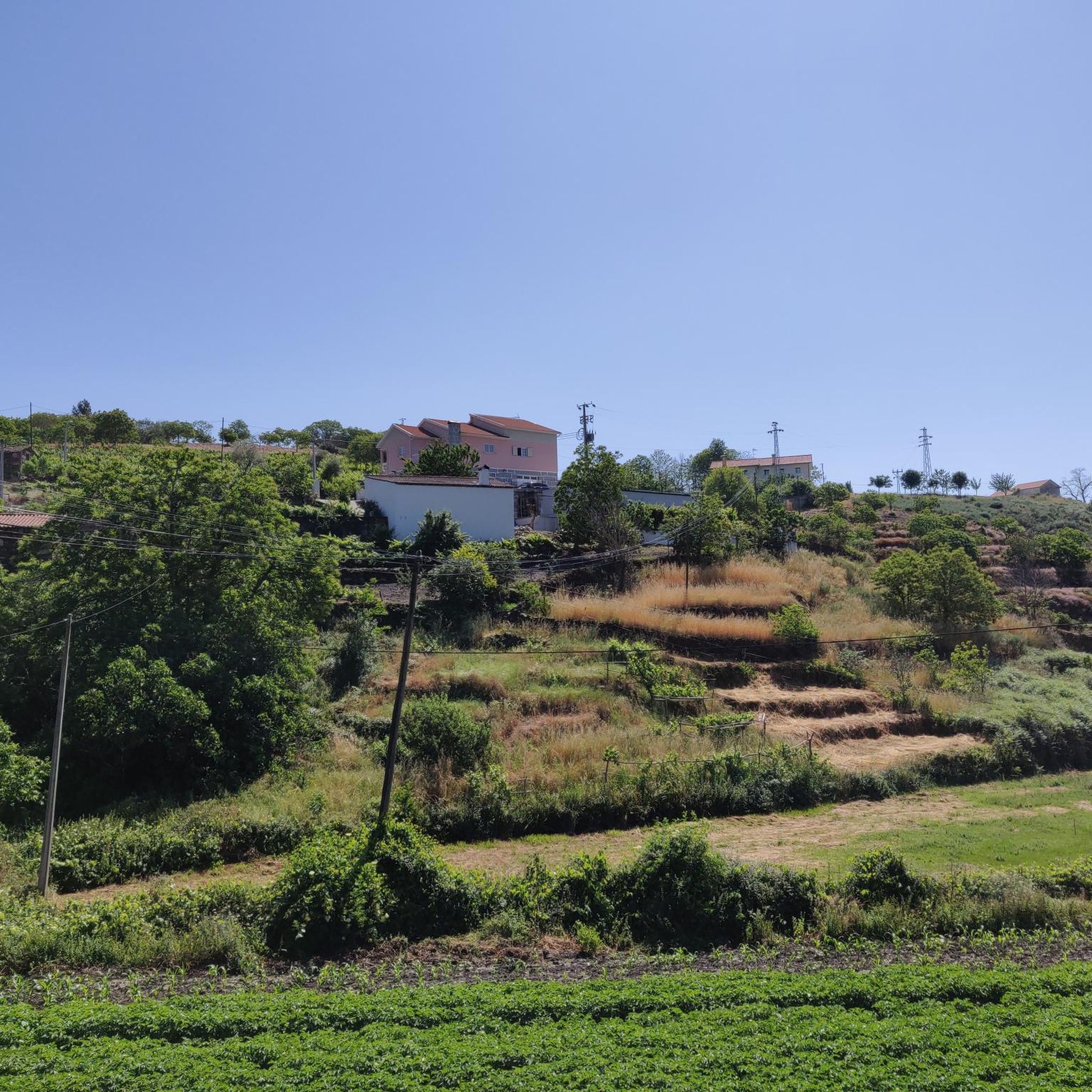
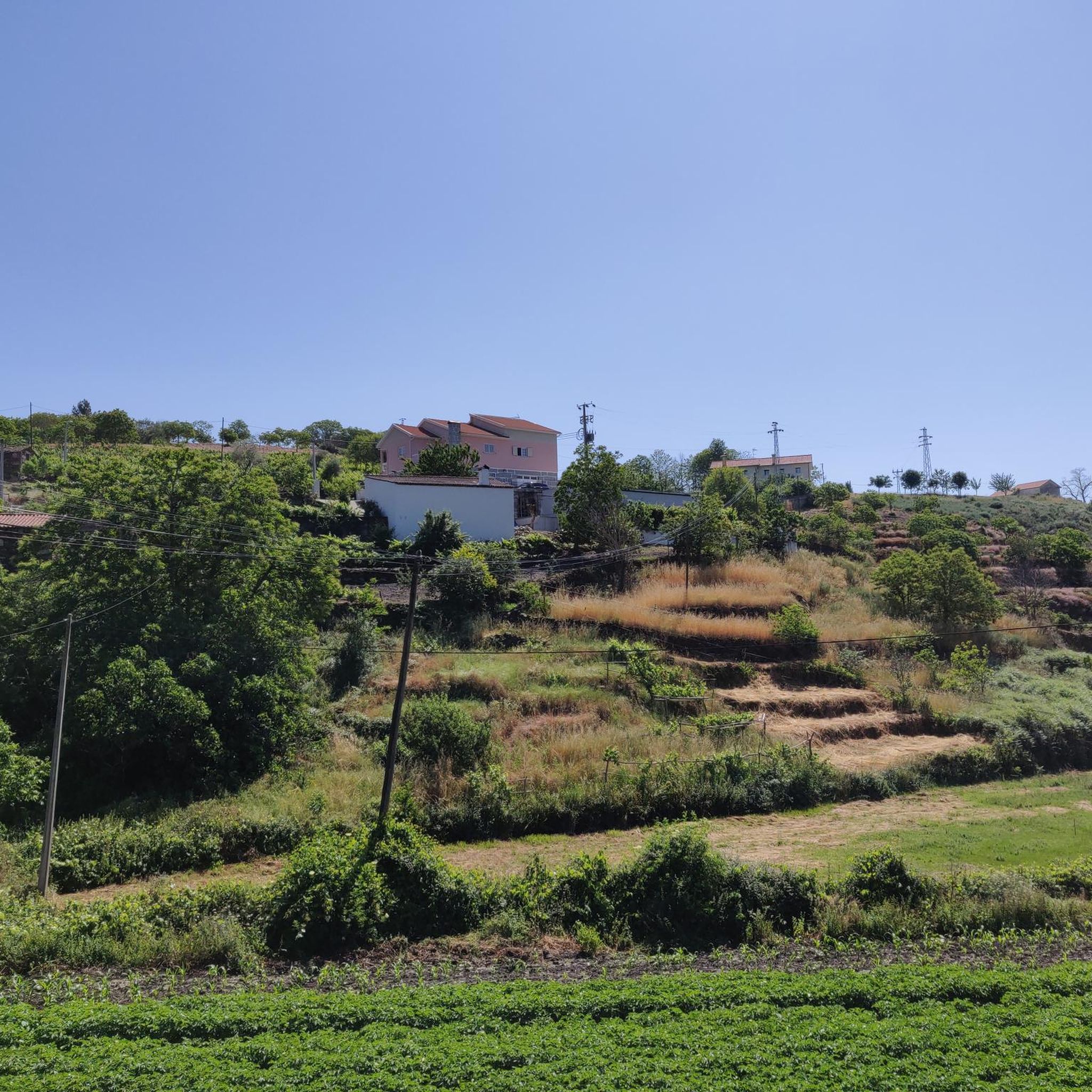
Road cycling routes around Alfarela de Jales are situated in the mountainous northern region of Portugal, characterized by rugged terrain and large granite formations. The area features challenging ascents, with gradients reaching up to 17% in the wider municipality, and offers diverse landscapes from elevated plateaus to rural areas. Cyclists can expect quiet roads and scenic views, particularly on the Jales Plateau and near the Alvão Natural Park. This environment provides a demanding yet rewarding experience for road cyclists.
Best…
Last updated: July 11, 2026
52
riders
Moderate road ride. Good fitness required. Some segments of this route may be unpaved and difficult to ride.
31
riders
66.5km
03:19
1,020m
1,020m
Hard road ride. Very good fitness required. Mostly well-paved surfaces and easy to ride.

Sign up for free
17
riders
93.1km
04:54
1,730m
1,730m
Hard road ride. Very good fitness required. Mostly well-paved surfaces and easy to ride.
12
riders
109km
05:29
1,660m
1,660m
Hard road ride. Very good fitness required. Mostly well-paved surfaces and easy to ride.
13
riders
91.6km
05:13
1,820m
1,820m
Hard road ride. Very good fitness required. Mostly well-paved surfaces and easy to ride.
Get access to more routes and recommendations from other explorers.
Sign up for free
Already have an account?
Our route recommendations are based on thousands of hikes, rides, and runs completed by other people on komoot.
Start today with a free account
Your next adventure awaits.
Login or Signup
Popular around Alfarela De Jales
Tips from the Community

The Roman Baths Museum, recently opened, is a must-see. It is located in Largo do Arrabalde, very close to the current baths. It is the largest Roman bath complex in the Iberian Peninsula. What makes this museum special is that, after an earthquake in the 4th century, the structures collapsed and remained "frozen" in time until they were rediscovered a few years ago. You can see the huge original stone pools where Roman legionaries bathed 2,000 years ago. The Roman Baths Museum What to see: It is the largest Roman bath complex in the Iberian Peninsula. What makes this museum special is that, following an earthquake in the 4th century, the structures collapsed and remained "frozen" in time until they were rediscovered a few years ago. You can see the huge original stone pools where Roman legionaries bathed 2,000 years ago.
0
0
The Historic Centre of Chaves is one of the most fascinating in Northern Portugal because it manages to tell the story of millennia—from the Romans to the Napoleonic invasions—in a compact, walkable area. Here are the 4 main reasons why it is worth visiting: 1. The Roman Bridge of Trajan This is the city's landmark and one of the greatest legacies of Roman engineering in the Iberian Peninsula. Why visit: Crossing this pedestrian bridge over the Tâmega River is literally walking over 2,000 years of history. Built in the 1st century AD, it still maintains its robust stone arches. It is the perfect spot for that classic photo of the city with the river and houses in the background. 2. The Castle Keep (Torre de Menagem) & Views Of the old medieval castle, the imposing Keep (a National Monument) remains, surrounded by a very well-kept garden. The Viewpoint: Climbing to the top offers the best panoramic view over the Chaves valley, the river, and the surrounding mountains. Military Museum: Inside the tower, there is a military museum (symbolic entry fee of ~€1) that explains the strategic importance of Chaves in defending the border against Spain and during the French Invasions. 3. The Colorful Balconies of Rua Direita Rua Direita is the backbone of the historic center. Photogenic Charm: It is famous for its narrow houses with colorful wooden balconies, very typical of this region, creating a picturesque corridor full of traditional shops. Praça de Camões: This street leads to the main square, where the noble buildings are concentrated: the Town Hall, the Main Church (Matriz) with its Romanesque portal, and the Misericórdia Church (Baroque, with beautiful tiles inside). 4. The Thermal Heritage Chaves is the city of water (known as "Aquae Flaviae" to the Romans). Just a short walk away, at Largo do Arrabalde, you will find the Roman Baths Museum, a recently musealized archaeological complex showing how the Romans already utilized these medicinal hot waters. Right next to it, you can see (and taste, with caution!) the water springing out at over 70°C (158°F) at the thermal Buvette. Foodie Tip: Don't leave the historic center without entering a pastry shop to try the authentic Pastel de Chaves (PGI). It is a flaky puff pastry filled with minced veal—the perfect snack while exploring the streets.
2
0

everything around is beautiful to appreciate
1
0

Chaves is famous for its many spa centres and thermal baths that are said to cure many ailments. Chaves is a small town in the north of Portugal located near the River Tâmega and not far from the border of Spain. The city also boasts some great architecture which dates back to Roman times and a fort which is a reminder of the war of Independence with Spain.
5
0

Beautifully renovated houses. Great architecture.
5
0

30 meter high dam, built in 2021 on the Torno River.
0
0
View over Ribeira de Pena and the Tâmega river valley.
0
0
Built in 2022, the Daivões Dam, 77 meters high, produces 159GWh of energy annually.
0
0
Frequently Asked Questions
What kind of terrain and difficulty can I expect for road cycling in Alfarela de Jales?
Alfarela de Jales, located in northern Portugal, offers rugged and beautiful mountainous terrain with significant granite formations. Cyclists can expect challenging ascents, with gradients reaching up to 17% in the wider municipality. The routes transition from elevated plateaus to rural areas, providing a demanding yet rewarding experience. While most routes are difficult, there are options for moderate and even easy ability levels.
Are there any easy road cycling routes in Alfarela de Jales?
Yes, while the region is known for its challenging terrain, there is at least one easy road cycling route available. The area also features the Corgo Greenway (Ecopista da Linha do Corgo), a converted railway line offering over 51 kilometers of cycling paths, which provides a more accessible and scenic option for a less strenuous ride.
What historical or natural landmarks can I see while cycling in Alfarela de Jales?
The region around Alfarela de Jales is rich in history and natural beauty. You can encounter historical sites such as the Pelourinho (pillory) and ancient Roman mining complexes like Tresminas. Natural formations such as the 'Fragão do Quelho' also offer interesting stops. These points of interest provide cultural immersion alongside your ride.
Where can I find scenic views on road cycling routes in Alfarela de Jales?
Many routes offer spectacular views, particularly on the expansive Jales Plateau. The proximity to the Alvão Natural Park also means cycling through areas with diverse flora and fauna and elevated vistas. Routes like the N2 Kilometer 43 – Telões – Statue of Carvalho Araújo loop from Vila Pouca de Aguiar are known for their panoramic views across the region.
Is parking available for road cyclists in Alfarela de Jales?
While specific parking areas for cyclists are not detailed, the rural nature of Alfarela de Jales and the wider Vila Pouca de Aguiar municipality suggests that parking is generally available in towns and villages, especially near starting points of popular routes. It's advisable to check local information for specific parking facilities in your chosen starting location.
What is the best time of year for road cycling in Alfarela de Jales?
The mountainous region of Alfarela de Jales can experience varied weather. For comfortable road cycling, spring and autumn generally offer milder temperatures and pleasant conditions. Summer can be warm, especially on exposed plateaus, while winter may bring colder temperatures and potentially more challenging conditions in higher elevations.
Are there family-friendly road cycling routes in Alfarela de Jales?
While many road cycling routes in Alfarela de Jales are challenging, the region does offer some easier options suitable for families. The Corgo Greenway (Ecopista da Linha do Corgo), a converted railway line, provides over 51 kilometers of flat, scenic cycling paths that are ideal for family outings away from traffic.
Are there many circular road cycling routes available?
Yes, many of the road cycling routes in Alfarela de Jales are designed as loops, allowing you to start and finish in the same location. Examples include the N2 Kilometer 43 – Telões loop from Vila Pouca de Aguiar and the Gouvães Dam – View of Daivões Dam loop from Vila Pouca de Aguiar, offering varied distances and difficulties.
What do other road cyclists enjoy the most about road cycling in Alfarela de Jales?
The komoot community highly rates road cycling in Alfarela de Jales, with an average score of 4.0 stars. Cyclists often praise the challenging and varied terrain, the spectacular views, and the quiet rural roads that allow for an immersive experience. The blend of physical challenge and natural beauty is a significant draw.
How many road cycling routes are there in Alfarela de Jales?
There are over 25 road cycling routes around Alfarela de Jales documented on komoot, catering to various skill levels from easy to difficult. This provides a wide range of options for exploring the region's diverse landscapes.
What is the longest road cycling route available in the area?
One of the longest routes is the N2 Kilometer Zero – Chaves – Sabroso de Aguiar Climb loop from Vila Pouca de Aguiar, which covers approximately 105.9 kilometers (65.8 miles) and features significant elevation gain, making it a challenging long-distance option.
Are the roads generally quiet for cycling in Alfarela de Jales?
Yes, a significant advantage for road cyclists in this inland, less populated part of Portugal is the generally light traffic on rural roads. This allows for a safer and more immersive cycling experience, enabling riders to fully appreciate their surroundings without constant interruption from heavy vehicle flow.
Most popular routes around Alfarela De Jales

Get inspired with the komoot mobile app


Explore more
Browse the best Road cycling routes in other regions.
