Attractions and Places To See around Vilarinho De Samardã - Top 17
Attractions and places to see around Vilarinho De Samardã, a village in Vila Real, Portugal, offer a mix of historical, cultural, and natural points of interest. Situated on the right bank of the Corgo River and at the eastern foot of the Serra do Alvão, the area provides diverse landscapes for exploration. Visitors can find traditional agricultural practices, ancient megalithic monuments, and significant cultural sites. The region is suitable for outdoor activities like hiking and cycling.
Best attractions and places…
Last updated: July 2, 2026
Mateus Palace
Highlight • Castle
Translated by Google •
Tip by

Ecopista do Corgo: Vila Real to Parada de Aguiar
Highlight (Segment) • Cycleway
Tip by

Sign up now to discover places like this
Get recommendations on the best single tracks, peaks, & plenty of other exciting outdoor places.
Sign up for free
Gregos Waterfall
Highlight • Waterfall
Translated by Google •
Tip by
Church of São Dinis
Highlight • Religious Site
Tip by

Granaries of Galegos da Serra
Highlight • Monument
Translated by Google •
Tip by

Sign up for free to discover even more attractions around Vilarinho De Samardã.
Sign up for free
Already have an account?
Start today with a free account
Your next adventure awaits.
Login or Signup

Tips from the Community

Old train station
1
0

Very nice and not overcrowded. Parking is free too 😃
4
0

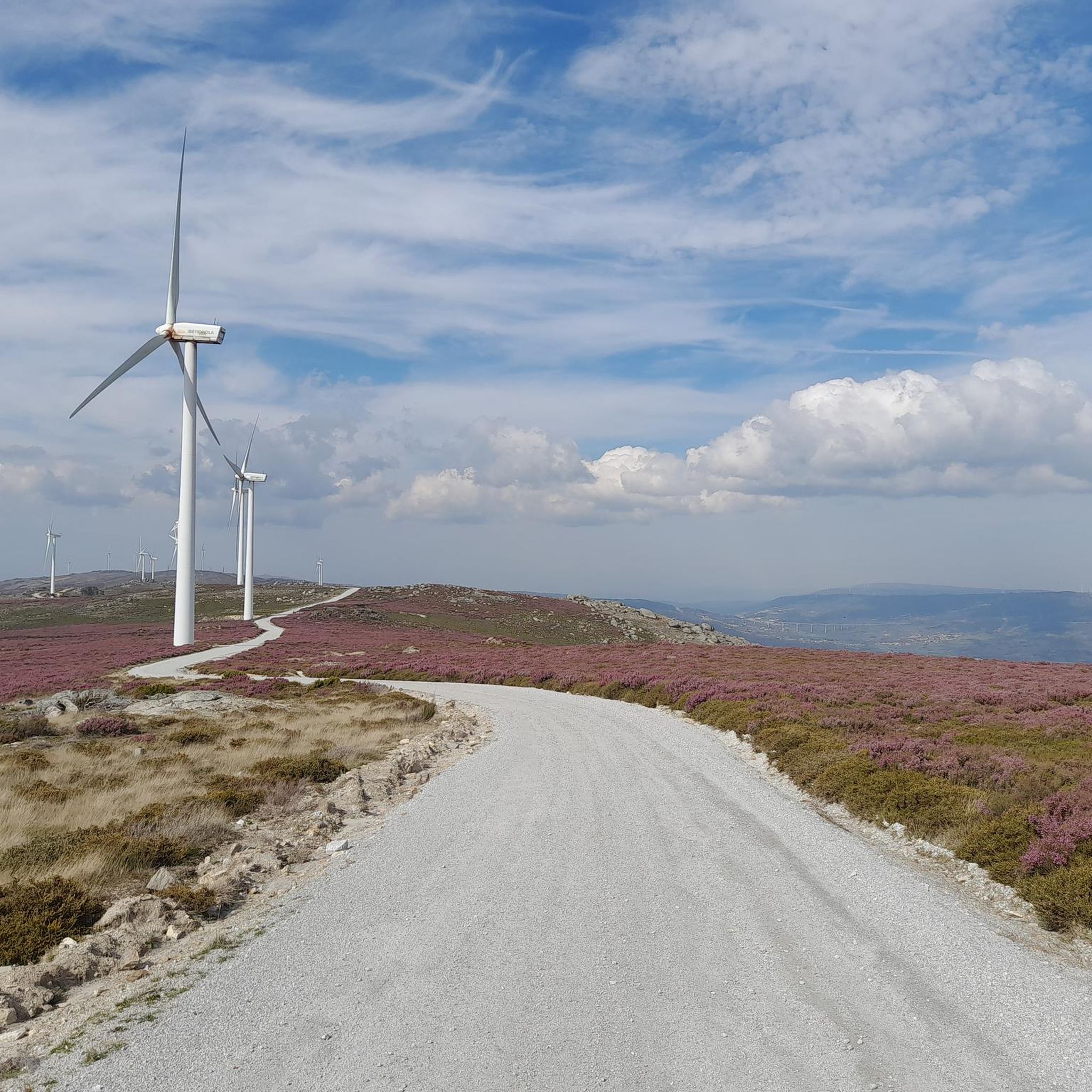
Beautiful scenic byway and alternative route to Chavez. Definitely useful with some proper touring tires, to avoid punctures.
1
0

Be careful, some sections are of poor quality, stones, risk of punctures
2
0

Granaries are icons of northern Portugal, built in stone or a combination of stone and wood. Elongated in shape and built on pillars, they are used to store corn cobs, allowing them to dry through the side gaps, while protecting them from birds and rodents.
3
0
A natural pearl, away from the large tourist crowds 😃. Easy to reach by car, plenty of parking available.
6
1

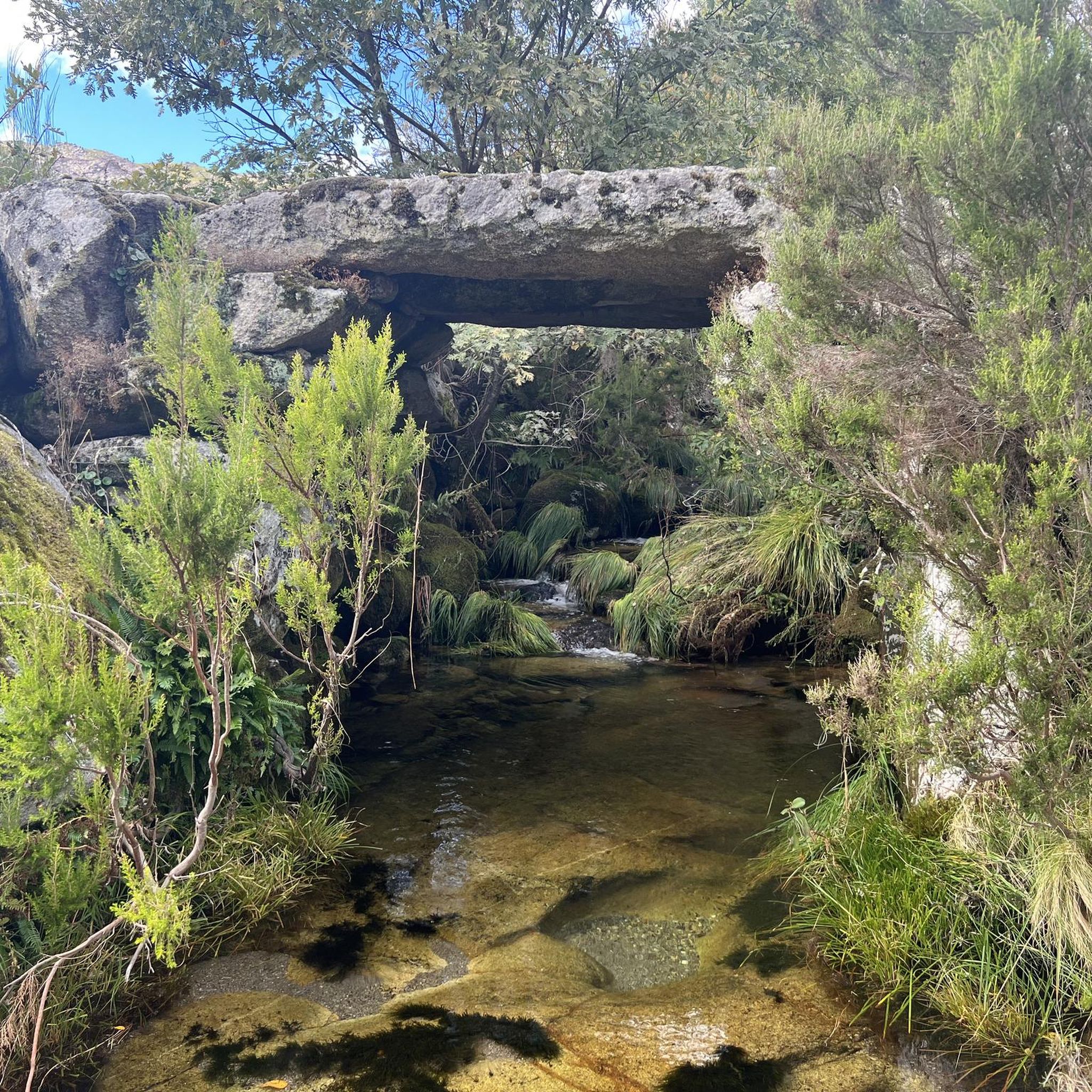
Beautiful spot on the Ribeira de Arnal, just to watch the water rippling or to jump in. There is a road with a parking lot directly above.
3
1

This spectacularly sited church was probably constructed in C14. Its simple frame is resolutely Romanesque, although there are some later additions, notably the bell tower. A tomb housed in the adjacent chapel, marked with a sword and two half moons, is presumed to belong to Lourenço Viegas, son of Egas Moniz, tutor of Dom Afonso Henriques, the first king of Portugal.
0
0
Frequently Asked Questions
What natural attractions can I explore around Vilarinho de Samardã?
The region offers several natural highlights. You can visit the Gregos Waterfall, a serene spot perfect for cooling off and swimming, easily accessible by car. The area is also situated on the eastern slope of the Serra do Alvão and along the Corgo River, providing diverse landscapes for exploration.
Are there historical or cultural sites to visit in Vilarinho de Samardã?
Yes, Vilarinho de Samardã is rich in history and culture. You can explore the Church of São Dinis, a 14th-century Romanesque church with historical significance. Don't miss the Granaries of Galegos da Serra, traditional structures iconic to Northern Portugal. The village also has a deep connection to writer Camilo Castelo Branco, with his former residence, Casa de Camilo Castelo Branco, maintaining a rural ambiance. Additionally, the Fojo do Lobo, a historical wolf pit, is classified as a Public Interest Property.
What kind of outdoor activities can I do near these attractions?
Vilarinho de Samardã is ideal for outdoor enthusiasts. You can enjoy cycling along the Ecopista do Corgo: Vila Real to Parada de Aguiar, a scenic route perfect for exploring the surroundings. For more cycling options, check out the Cycling around Vilarinho De Samardã guide or the Road Cycling Routes around Vilarinho De Samardã guide. There are also various Running Trails around Vilarinho De Samardã for those who enjoy jogging.
Are there any family-friendly attractions or activities?
Absolutely! The Gregos Waterfall is a great spot for families to cool off and swim. The Parque de Lazer e Piscina de Samardã offers a large swimming pool with mountain water, a children's pool, shaded picnic areas, and playgrounds, making it an ideal family destination. Many of the hiking and cycling routes also offer varying difficulties suitable for different family members.
What is the Mateus Palace and why should I visit it?
The Mateus Palace is a stunning Baroque building from the 18th century, renowned for its architecture and beautiful gardens. It's considered a highlight of Baroque architecture in Portugal. Visitors can take guided tours of the interior, which features richly carved wooden ceilings, period furniture, and valuable books. The gardens and orchard are also a must-see.
Can I learn about traditional agricultural practices in the area?
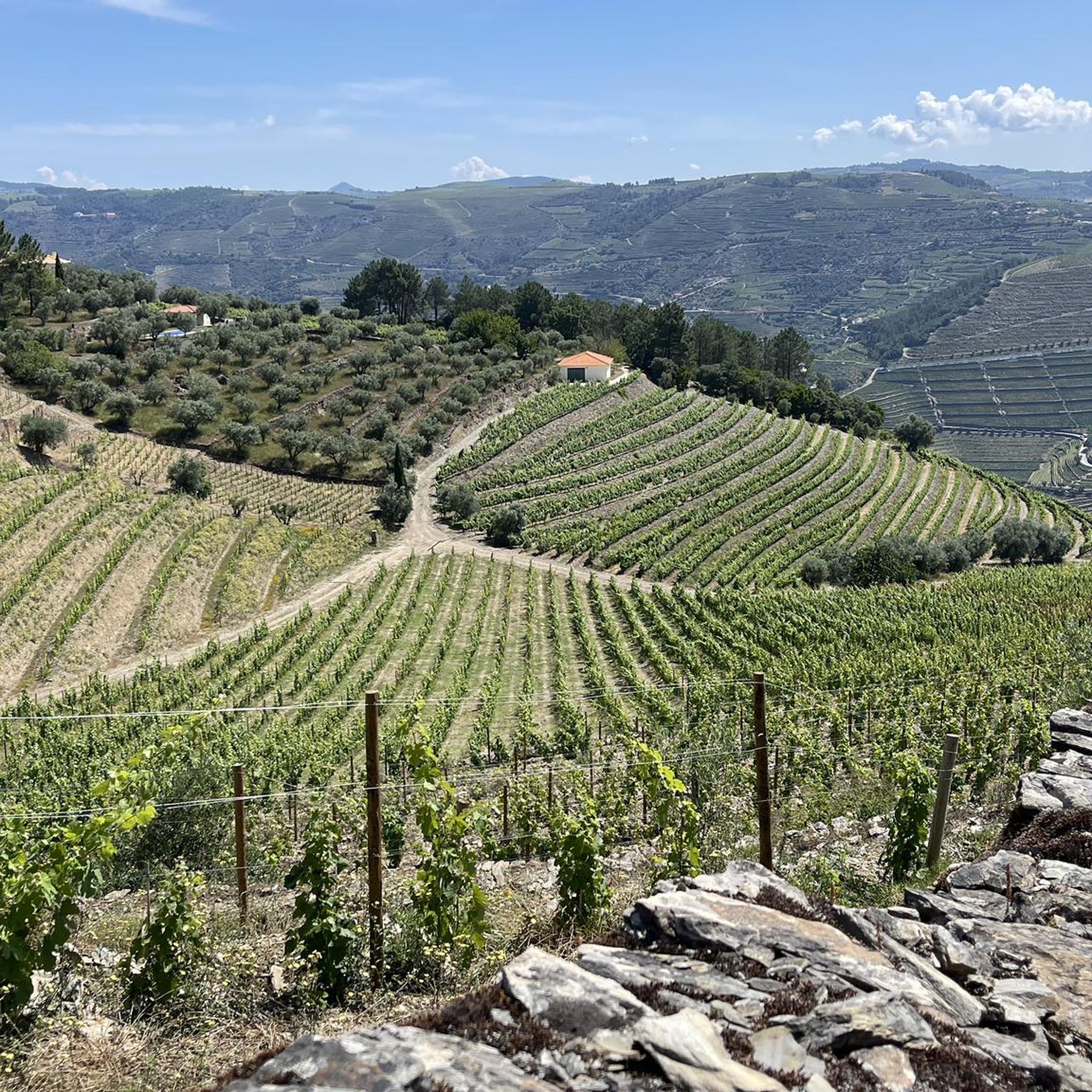
Yes, Vilarinho de Samardã maintains a strong connection to its agricultural roots. The local families are deeply involved in vineyard cultivation, a practice that has shaped the village for generations. You can observe traditional agricultural landscapes and structures like the Granaries of Galegos da Serra, which are historical granaries used for storing corn.
Are there any ancient archaeological sites nearby?
The region is home to significant archaeological points of interest, including the Monumento Megalítico da Veiga da Samardã and the Estela-Menir de Vilarinho da Samardã. These megalithic monuments offer a fascinating glimpse into the area's ancient past.
What is the best time to visit Vilarinho de Samardã for outdoor activities?
The region's landscape, shaped by water and hills, is generally pleasant for outdoor activities. Spring and autumn typically offer mild temperatures, making them ideal for hiking and cycling. Summer can be warm, but places like the Gregos Waterfall and the Parque de Lazer e Piscina de Samardã provide excellent opportunities to cool off.
What do visitors enjoy most about the Gregos Waterfall?
Visitors describe the Gregos Waterfall as a 'natural pearl' away from large tourist crowds. It's highly appreciated for being easy to reach by car with ample parking, and many enjoy it as a great spot for cooling off and swimming in the beautiful Ribeira de Arnal.
Where can I find scenic viewpoints in the area?
While specific named viewpoints are not detailed, the location of Vilarinho de Samardã on the eastern slope of the Serra do Alvão and along the Corgo River suggests numerous opportunities for scenic vistas. Exploring the various hiking and cycling routes, such as those found in the Cycling around Vilarinho De Samardã guide, will likely lead you to picturesque spots overlooking the mountainous and riverine landscapes.
What is the significance of the Fojo do Lobo in Samardã?
The Fojo do Lobo (wolf pit) in Samardã is a unique agricultural and vernacular architectural structure. Classified as a Public Interest Property, it consists of a stone wall enclosure historically used for hunting wolves. It also features a marble plaque with an excerpt from Camilo Castelo Branco's 'Novelas do Minho,' referencing the fojo, highlighting its cultural and historical importance.

Get inspired with the komoot mobile app


Explore more
Still not found the Highlight you’re looking for? See guides of the top attractions in other regions:
