Attractions and Places To See in Cucamonga Wilderness - Top 9
Best attractions and places to see in Cucamonga Wilderness include a 12,781-acre preserve in the eastern San Gabriel Mountains. This rugged and scenic area features elevations ranging from approximately 5,000 to nearly 9,000 feet, supporting a sub-alpine environment with mixed conifers. The wilderness is home to diverse wildlife and offers numerous natural features and historical sites for exploration. It is managed jointly by the Angeles and San Bernardino National Forests.
Best attractions and places to see in Cucamonga Wilderness
- The…
Last updated: October 2, 2026
Cucamonga Peak
Highlight • Summit
Tip by

Icehouse Saddle
Highlight • Mountain Pass
Tip by
Sign up now to discover places like this
Get recommendations on the best single tracks, peaks, & plenty of other exciting outdoor places.
Kelly Camp
Highlight • Mountain Hut
Tip by
Timber Mountain
Highlight • Summit
Tip by

Telegraph Peak
Highlight • Summit
Tip by
Sign up for free to discover even more attractions in Cucamonga Wilderness.
Already have an account?
Start today with a free account
Your next adventure awaits.
Popular around Cucamonga Wilderness
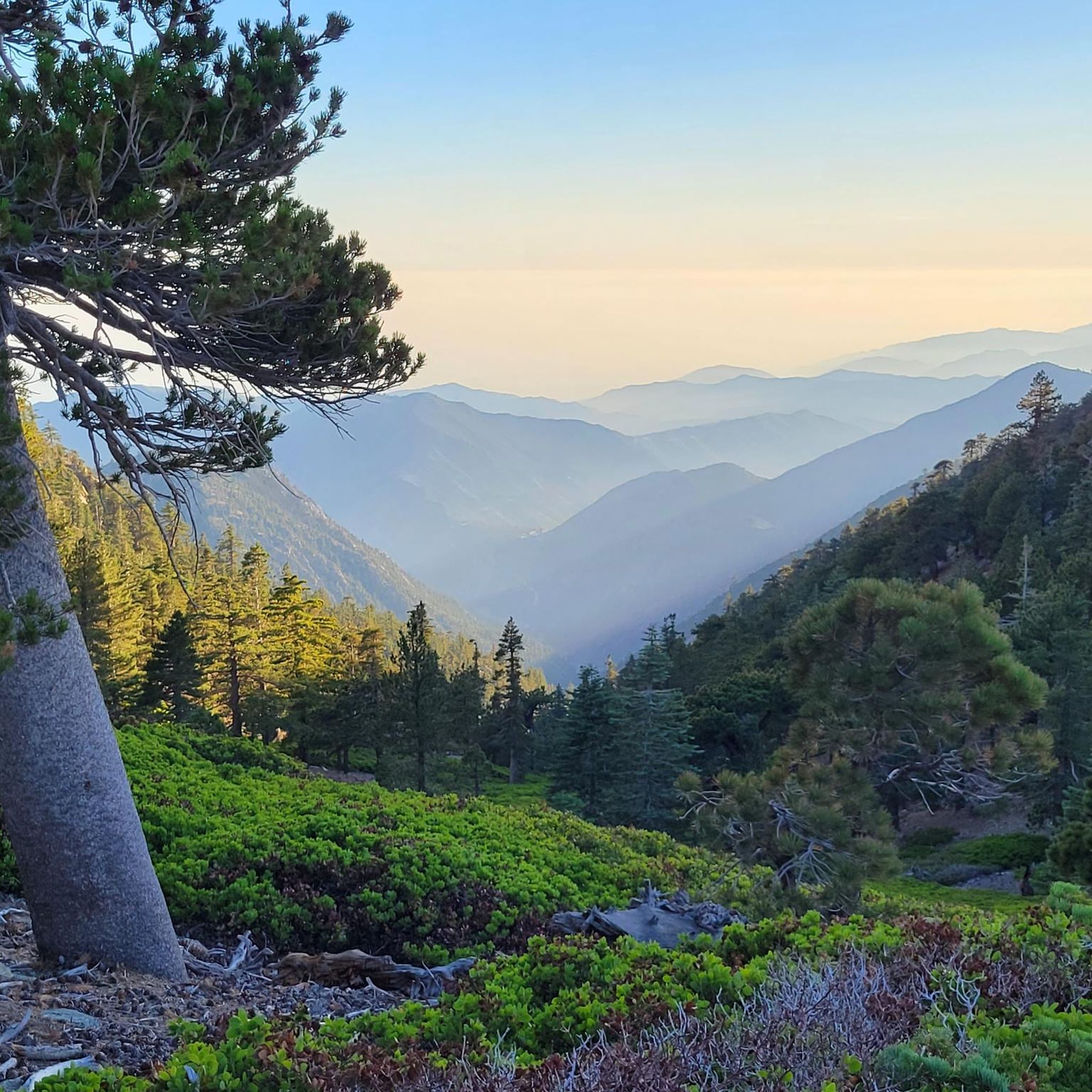
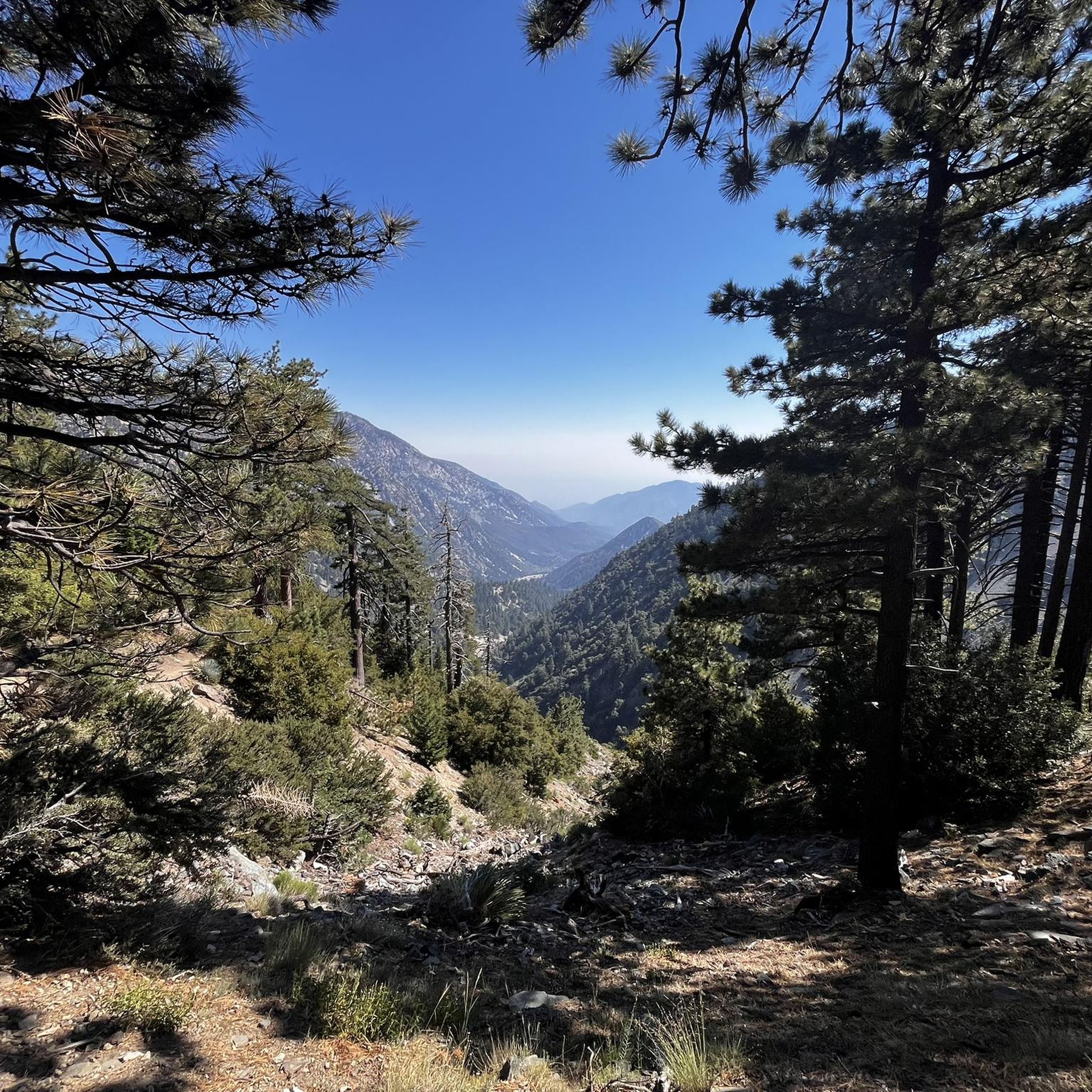

Tips from the Community

At 8,989 feet, Telegraph Peak is one of the highest summits in this part of the Cucamonga Wilderness. The running about 7,000 feet is technical and tough, but the views from the top are worth the power-hiking it takes to reach the summit.
0
0
Timber Mountain is an 8,307-foot peak right on the border of Angeles National Forest and San Bernardino National Forest. This peak is a remote-feeling peak in the Cucamonga Wilderness since the summit is at the end of a dead-end trail.
0
0
Cucamonga Peak rises up to 8,862 feet and is one of the most popular peaks that you can access from the Icehouse Canyon Trail. You get an awesome view of the San Gabriel range from the peak, which you should only attempt to run up in the dry season.
0
0

Timber Mountain is at an elevation of 8,307 feet and is four miles southeast of Mount Baldy. It is not the highest peak in the local area, but hikers often describe it as one of the more remote-feeling peaks.
0
0
Telegraph Peak sits at an elevation of 8,989 feet, and can be reached by the Three Ts Trail. Hikers can get a great view of Telegraph Peak from Devil's Backbone Trail.
0
0

Reaching the summit of Cucamonga you know you worked hard! But look around and enjoy the majestic views over the San Gabriel mountains from one of the highest peaks within the mountain range. Bring appropriate gear if you hike in winter conditions. If you hike from the Icehouse Canyon Trailhead please obtain your wilderness permit from the Angeles National Forest, Baldy Ranger Station. If you prefer ascending via Middle Fork Trail, you can obtain the permit from the San Bernardino National Forest, Lytle Creek Ranger Station.
1
0
Today Kelly Camp is a great spot to pitch your tent and spend the night. You will see some ruins, since back in the day this was a busy place. In 1905, John Kelly built a mining prospect right here that was turned into a trail resort 17 years later. To hike here, you will need to obtain a wilderness permit for the Cucamonga Wilderness: Contact the Lytle Creek Ranger Station at (909) 382-2851.
1
0
Whatever your goal for today might be – Cucamonga Peak or any other scenic summit in the Cucamonga Wilderness – this junction is a perfect spot to take a break and eat some snacks. Gain some strength for your way up the beautiful mountains.
3
0
Frequently Asked Questions
What are the most prominent natural features and viewpoints in Cucamonga Wilderness?
The Cucamonga Wilderness is renowned for its impressive peaks and scenic vistas. Key natural features include Cucamonga Peak, offering majestic views of the San Gabriel range, and Icehouse Saddle, a central hub with access to various scenic summits. Other notable peaks providing breathtaking views include Telegraph Peak, Ontario Peak, and Bighorn Peak.
Are there any historical sites to explore in Cucamonga Wilderness?
Yes, the wilderness holds historical significance. You can visit Kelly Camp, a site that was originally a mining prospect built in 1905 and later transformed into a trail resort. Today, hikers can find ruins there and it serves as a great spot for camping. Another historic site is Stonehouse Trail Camp, located along the Middle Fork Trail, which features remnants of an old stone house.
What kind of wildlife can I expect to see in Cucamonga Wilderness?
The Cucamonga Wilderness is home to diverse wildlife. Visitors might encounter deer, bears, mountain lions, and bighorn sheep. The varied elevations and sub-alpine environment with mixed conifers provide habitats for these species.
What are some popular hiking trails in Cucamonga Wilderness?
Popular trails include the Icehouse Canyon Trail, which serves as a primary access point to the wilderness, and routes leading to Cucamonga Peak and Ontario Peak. The Middle Fork Trail descends from Icehouse Saddle towards Lytle Creek, passing through areas like Comanche and Stone House Camps. For more options, you can explore the Hiking in Cucamonga Wilderness guide.
Are there any less-frequented peaks for a more solitary hiking experience?
If you prefer solitude, Bighorn Peak is an excellent choice. At 8,441 feet, it sees fewer visitors compared to its neighbors, offering a more solitary hiking experience with breathtaking views. Timber Mountain is also described as one of the more remote-feeling summits in the wilderness.
What is the highest point in the Cucamonga Wilderness?
The highest point in the Cucamonga Wilderness is Telegraph Peak, which stands at 8,985 feet. It is accessible via the 3T Trail, offering a challenging but rewarding ascent.
Do I need a permit to hike in Cucamonga Wilderness?
Yes, a wilderness permit is required for hiking in the Cucamonga Wilderness. Depending on your access point, you may need to obtain it from the Angeles National Forest, Baldy Ranger Station (for Icehouse Canyon Trailhead) or the San Bernardino National Forest, Lytle Creek Ranger Station (for Middle Fork Trail). It's advisable to contact the Lytle Creek Ranger Station at (909) 382-2851 for current information.
What is the best time of year to visit Cucamonga Wilderness?
The Cucamonga Wilderness can be visited year-round, but conditions vary significantly. The dry season is generally recommended for summit attempts like Cucamonga Peak due to snow and ice in winter. Elevations range from 5,000 to 9,000 feet, so be prepared for sub-alpine conditions, especially outside of summer.
Are there any easy hiking routes suitable for beginners in the area?
Yes, there are easier options available. The Icehouse Canyon Trail itself has sections that are considered easy. For more beginner-friendly routes, you can check the Easy hikes in Cucamonga Wilderness guide, which includes trails like Stoddard Peak via Barrett Stoddard Truck Trail and West Cucamonga Truck Trail.
Where can I find water sources in the wilderness?
Lytle Creek is a significant water source within the wilderness, with campsites like Stone House Camps located along its headwaters. Columbine Spring is also mentioned as a beautiful and important stopping point on some trails. Always carry sufficient water and be prepared to filter or treat any natural water sources.
What is Icehouse Saddle and why is it important?
Icehouse Saddle is a mountain pass at approximately 7,800 feet and serves as a central hub where several trails converge. It's a strategic point for hikers to take a break, refuel, and access various scenic summits within the Cucamonga Wilderness, including Cucamonga Peak, Ontario Peak, and the 3T Trail.
What are the typical trail difficulty levels in Cucamonga Wilderness?
Trails in Cucamonga Wilderness range from easy to challenging. Many routes leading to the prominent peaks like Cucamonga Peak and Bighorn Peak are considered strenuous due to significant elevation gains. However, sections of the Icehouse Canyon Trail and other specific routes are suitable for moderate or easy hikes. Always check trail descriptions for specific difficulty ratings.
Most popular attractions in Cucamonga Wilderness

Get inspired with the komoot mobile app


Explore more
Still not found the Highlight you’re looking for? See guides of the top attractions in other regions:
