Paria Canyon-Vermilion Cliffs Wilderness
Paria Canyon-Vermilion Cliffs Wilderness
Attractions and Places To See in Paria Canyon-Vermilion Cliffs Wilderness - Top 11
Best attractions and places to see in Paria Canyon-Vermilion Cliffs Wilderness include a diverse range of geological formations and natural landscapes. This protected area, spanning parts of northern Arizona and southern Utah, features towering cliffs, deep canyons, and unique sandstone formations. It is known for its dramatic landscapes and offers opportunities to explore ancient cultural sites.
Best attractions and places to see in Paria Canyon-Vermilion Cliffs Wilderness
- The most popular attractions is The Wave, a natural monument characterized by smooth, winding, and colorful cross-bedded patterns. Access is highly restricted, with permits issued daily through a lottery system to protect its fragile environment.
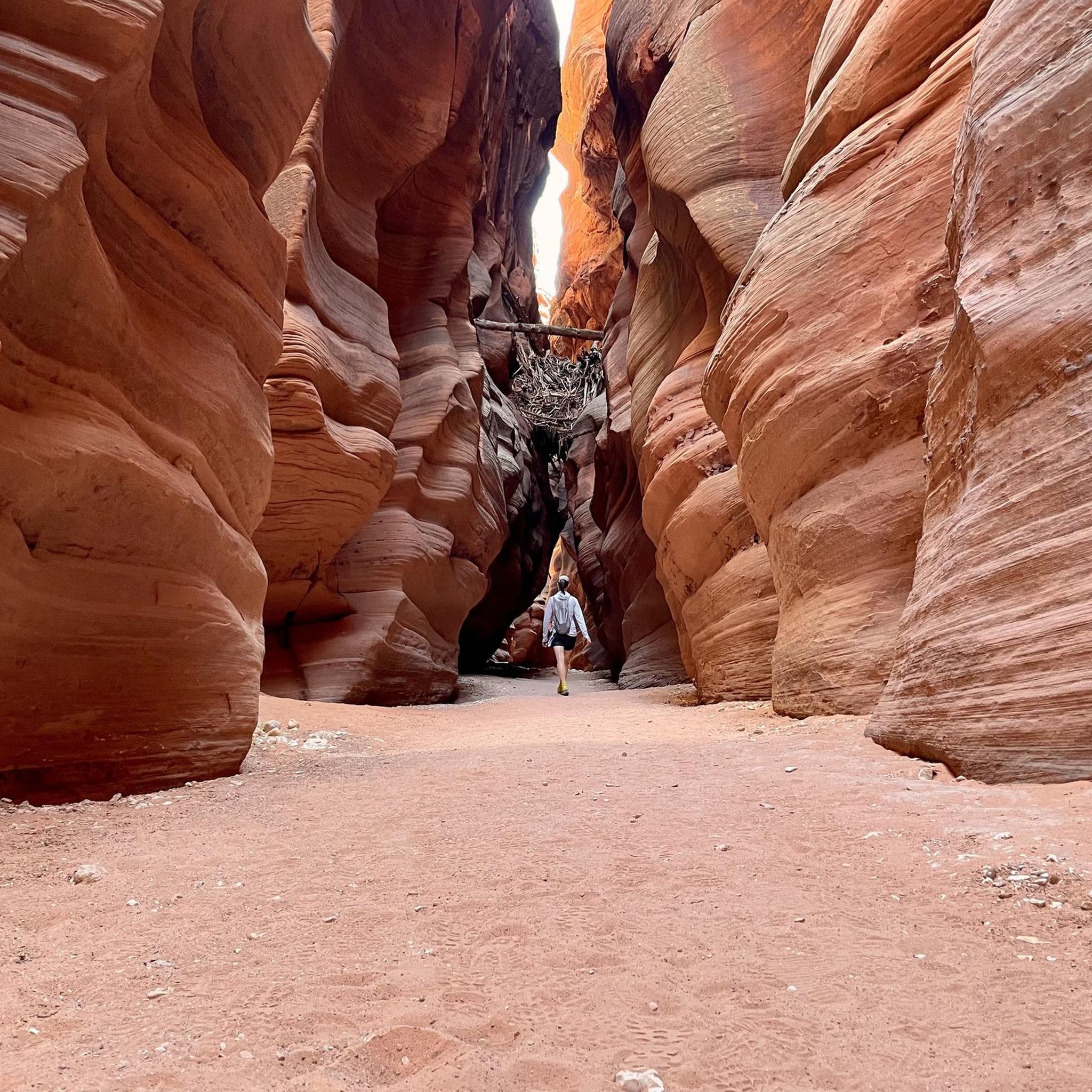
- Another must-see spot is Wire Pass Slot Canyon, a canyon that provides a direct route into Buckskin Gulch. This slot canyon has sections less than 3 feet wide, and sunlight can illuminate the sandstone walls.
- Visitors also love Buckskin Gulch, a canyon known for its corridors that can be hundreds of feet deep and as little as 10 feet wide. Hikers should be prepared for potential knee-deep water or mud in certain sections.
- Paria Canyon-Vermilion Cliffs Wilderness is known for its slot canyons, sandstone formations, and ancient cultural sites. The area offers a variety of natural monuments and canyons to explore.
- The attractions in Paria Canyon-Vermilion Cliffs Wilderness are appreciated by the komoot community, with 22 upvotes and 13 photos shared across the highlights.
Last updated: June 29, 2026
The Wave
Highlight • Natural Monument
If you did not get a permit, there is still a chance to get one on short notice since a number of walk-in permits are available every day. Therefore you have to be at the Grand Staircase Escalante National Monument Visitors Center one day before you want to go to The Wave as early as possible. The Visitors Center opens at 8 a.m., lottery is done at 9 a.m.
Tip by

Wire Pass Slot Canyon
Highlight (Segment) • Canyon
Translated by Google •
Tip by

Sign up now to discover places like this
Get recommendations on the best single tracks, peaks, & plenty of other exciting outdoor places.
Sign up for free
Buckskin Gulch
Highlight (Segment) • Canyon
Day-use permits are required for this hike. The permits cost $6 and can be purchased at the Bureau of Land Management Office in Kanab or they can be purchased online at recreation.gov. Hikers should note that cell service can be spotty at the trailhead, so purchase the permit before you drive out. Dogs can join in on the hike for an additional $6 per dog.
Tip by

Coyote Buttes South (Brain Rocks)
Highlight • Natural Monument
Tip by

Wire Pass Trailhead
Highlight • Trail
Tip by
Sign up for free to discover even more attractions in Paria Canyon-Vermilion Cliffs Wilderness.
Sign up for free
Already have an account?
Start today with a free account
Your next adventure awaits.
Login or Signup
Popular around Paria Canyon-Vermilion Cliffs Wilderness
Tips from the Community

be aware, my phone was constantly jumping from one time zone to another, so it was difficult to have a right time if you hike with friends and split at some point
0
0
Permit Area, difficult access, 4 wheels high clearance needed. We played lottery to be able to win the access permit. The BLM Office gave us a detailed description of the access. We took a House Rock Valley Road (BLM 1065) and then Red Pocket Road till Cottonwood Cove Access Point. We couldn't drive fast, so it took un about 2h30 by 4X4 to get at the Trailhead. FUN Fact: the coyote buttes are situated very close to the border between UTAH and ARIZONA. The mobile phone was constantly jumping from UTAH timezone to Arizona Time zone + 1h -1h. so if you hike with friends and give an appointment be aware of the timezone!
0
0

This trailhead is an entry point to Buckskin Gulch and the Paria Canyon-Vermilion Cliffs Wilderness. It has direct access to the Wire Pass Trail through Coyote Gulch and also connects to Coyote Buttes North. It requires a $6 day-use permit and a special lottery permit to enter Coyote Buttes North.
0
0
These are some more amazing rock formations on the south end of the National Monument. These Brain Rock formations are colorful and there are plenty of petroglyphs to be seen around as well.
0
0

There's a gap there about 2 meters high, which you'll only be able to manage if you're a really fit climber! Otherwise, just take the bypass, which is MUCH easier.
2
0
Currently costs $6 per person per day!
1
0

Buckskin Gulch is one of the most unique hikes in the world. The walk through this canyon's floor takes hikers through corridors that can be hundreds of feet deep while being no more than 10 feet wide. During certain parts of the year, hikers should expect pools of knee-deep water or extensive stretches of mud. There are some areas that may require climbing but not to the point of needing any specialized gear; just a few feet at most. Day-use permits are required for this hike. The permits cost $6 and can be purchased at the Bureau of Land Management Office in Kanab or they can be purchased online at recreation.gov. Hikers should note that cell service can be spotty at the trailhead, so purchase the permit before you drive out. Dogs can join in on the hike for an additional $6 per dog.
0
0
Frequently Asked Questions
What unique geological features can I explore in Paria Canyon-Vermilion Cliffs Wilderness?
The wilderness is renowned for its dramatic landscapes and unique formations. You can explore the world-famous The Wave, characterized by its smooth, winding, and colorful cross-bedded patterns. Other notable features include the towering, multicolored Vermilion Cliffs, the deep and narrow Buckskin Gulch slot canyon, and the intricate rock sculptures of Coyote Buttes South (Brain Rocks).
Are permits required to visit certain attractions in Paria Canyon-Vermilion Cliffs Wilderness?
Yes, access to highly sensitive areas like The Wave (North Coyote Buttes) is strictly limited to 20 visitors per day through a lottery system. Permits are also required for Buckskin Gulch and Coyote Buttes South. It's advisable to secure permits well in advance, either online or through walk-in lotteries at visitor centers.
What are some less crowded alternatives to The Wave that offer similar geological beauty?
If you don't secure a permit for The Wave, consider visiting White Pocket on the Paria Plateau. It offers otherworldly rock formations similar to The Wave and does not require a permit. However, it is accessible primarily by ATV or 4x4 vehicles due to challenging road conditions.
Are there any cultural or historical sites to see in the wilderness area?
Yes, the wilderness contains numerous petroglyphs, granaries, and ancient campsites left by the Ancestral Puebloans and later the Paiute people. These sites, such as those found near Coyote Buttes South, offer a glimpse into the long history of human presence in the area.
What kind of hiking experiences can I expect in Paria Canyon-Vermilion Cliffs Wilderness?
The wilderness offers a range of hiking experiences, from challenging slot canyon explorations to scenic trails. You can hike through Wire Pass Slot Canyon, which leads directly into the much longer Buckskin Gulch, one of the world's longest slot canyons. Be prepared for potential knee-deep water or mud in certain sections of Buckskin Gulch. For more hiking options, explore the Hiking in Paria Canyon-Vermilion Cliffs Wilderness guide.
Are there any family-friendly attractions or activities in the area?
While many trails are challenging and require permits, some sections of the wilderness can be enjoyed by families. For easier hikes, consider routes like the Upper Buckskin Gulch Trail or the White Pocket Trail, which are listed in the easy hikes guide. Always check trail conditions and difficulty before heading out with children.
Can I bring my dog on trails in Paria Canyon-Vermilion Cliffs Wilderness?
Dogs are generally allowed on trails in the wilderness, but specific regulations and fees may apply, especially in permit areas. For instance, a permit for Buckskin Gulch costs an additional $6 per dog. Always check the latest regulations from the Bureau of Land Management before bringing your pet.
What is the best time of year to visit Paria Canyon-Vermilion Cliffs Wilderness?
The best time to visit is typically during the spring (March to May) and fall (September to November) when temperatures are milder. Summers can be extremely hot, and flash floods are a risk during monsoon season (July to September), especially in slot canyons. Winters can bring cold temperatures and occasional snow.
What should I bring for a day hike in the wilderness?
Given the remote and challenging nature of many trails, it's crucial to be well-prepared. Essential items include plenty of water (more than you think you'll need), sun protection (hat, sunscreen), sturdy hiking boots, a map and compass or GPS device (especially for areas like The Wave), snacks, and a first-aid kit. Cell service is often spotty or nonexistent.
Are there opportunities for backpacking in Paria Canyon?
Paria Canyon is renowned as one of the best canyon-backpacking destinations globally. It features towering walls, red-rock amphitheaters, and sandstone arches. Backpacking permits are required and should be obtained in advance. Be prepared for river crossings and varying trail conditions.
What are 'The Elephants' and where can I find them?
The Elephants are two large red sandstone formations located within the Upper Buckskin Gulch Canyon. They are named for their striking resemblance to elephants and can be spotted by hikers exploring that section of the canyon.
Where can I see California Condors in the wilderness area?
The Vermilion Cliffs are a reintroduction site for the endangered California condor. An interpretive viewing area along House Rock Valley Road offers opportunities to see these magnificent birds, which are among the largest flying land birds in North America.
Most popular routes in Paria Canyon-Vermilion Cliffs Wilderness
Most popular attractions in Paria Canyon-Vermilion Cliffs Wilderness

Get inspired with the komoot mobile app


Explore more
Still not found the Highlight you’re looking for? See guides of the top attractions in other regions:
