Attractions and Places To See around Gerersdorf-Sulz - Top 20
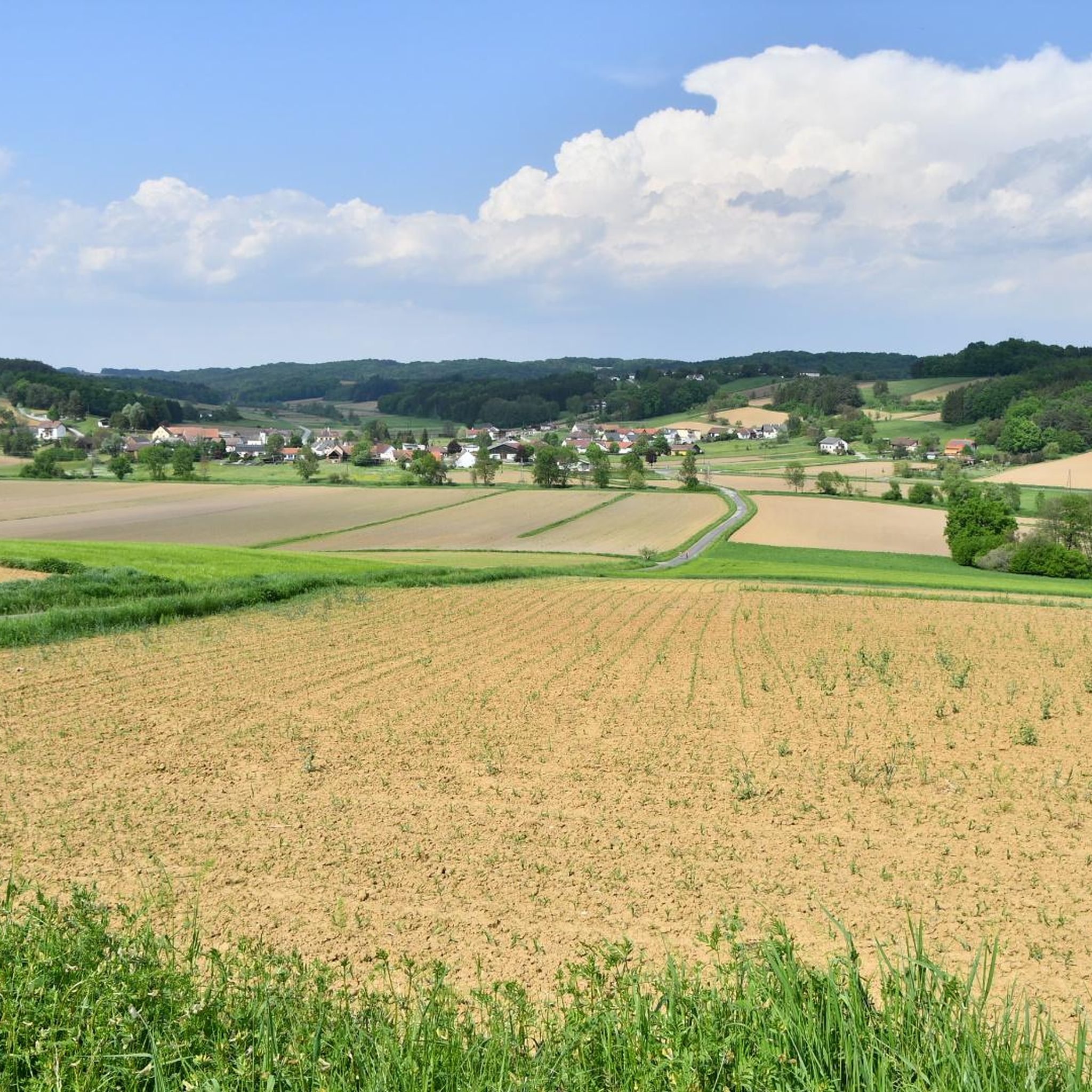
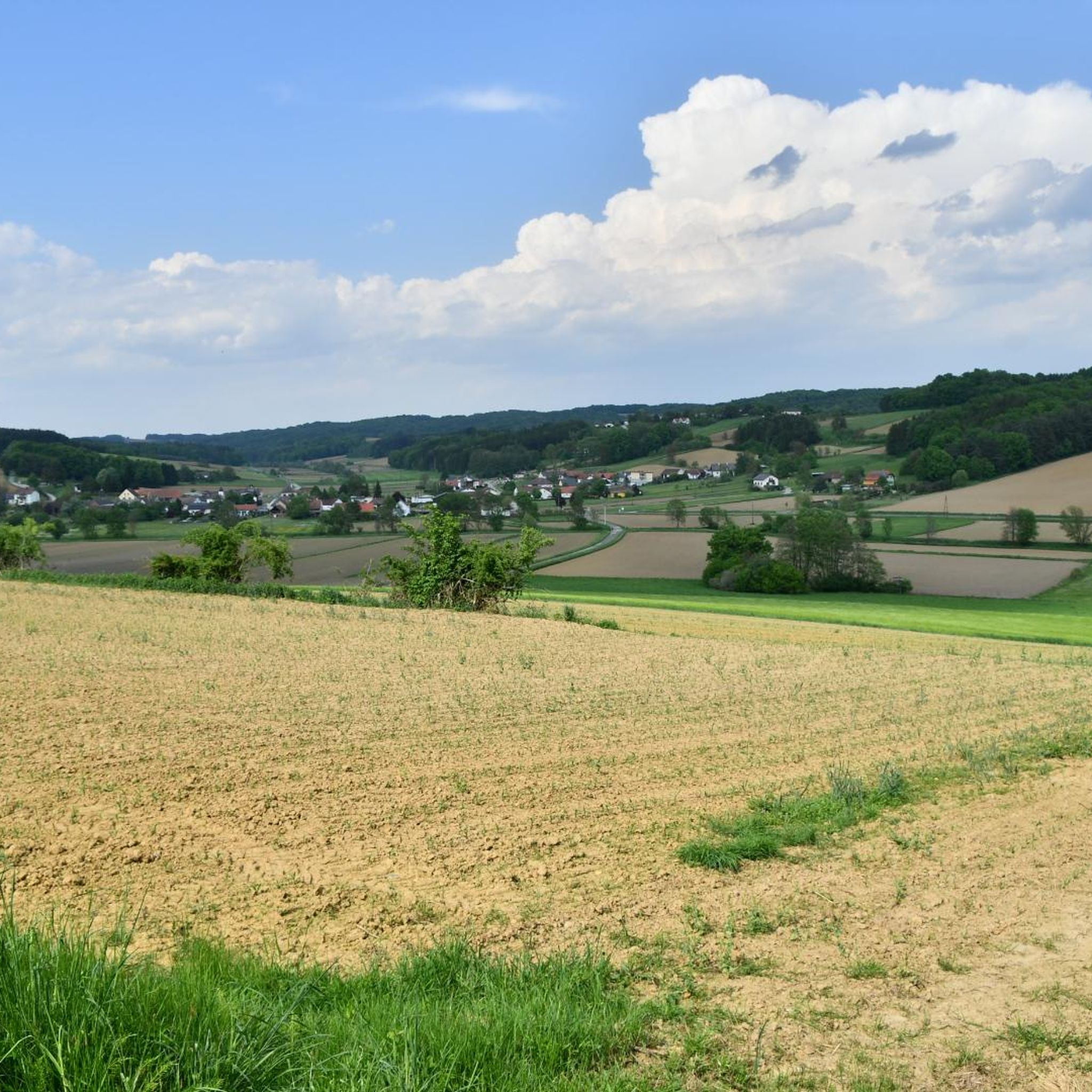
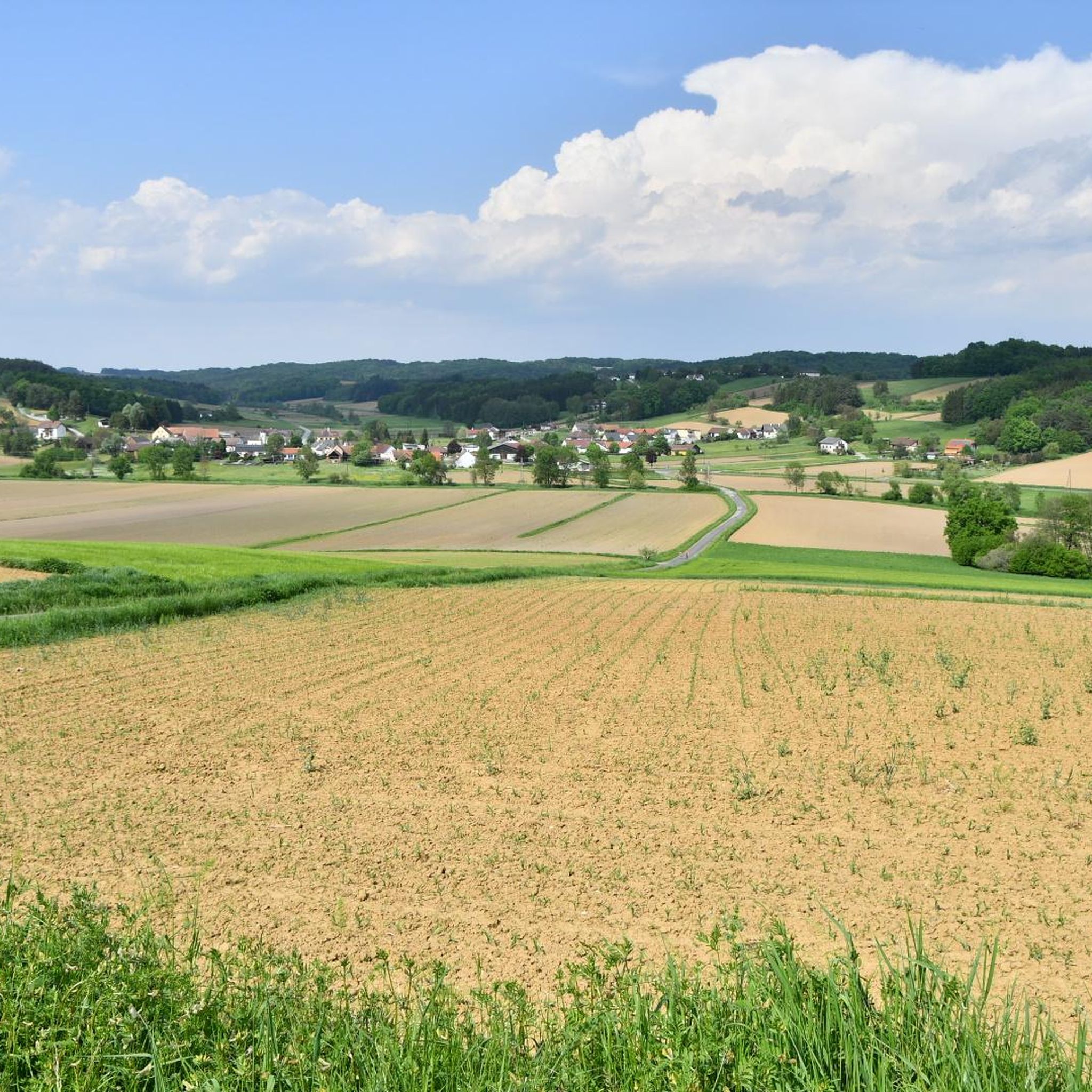
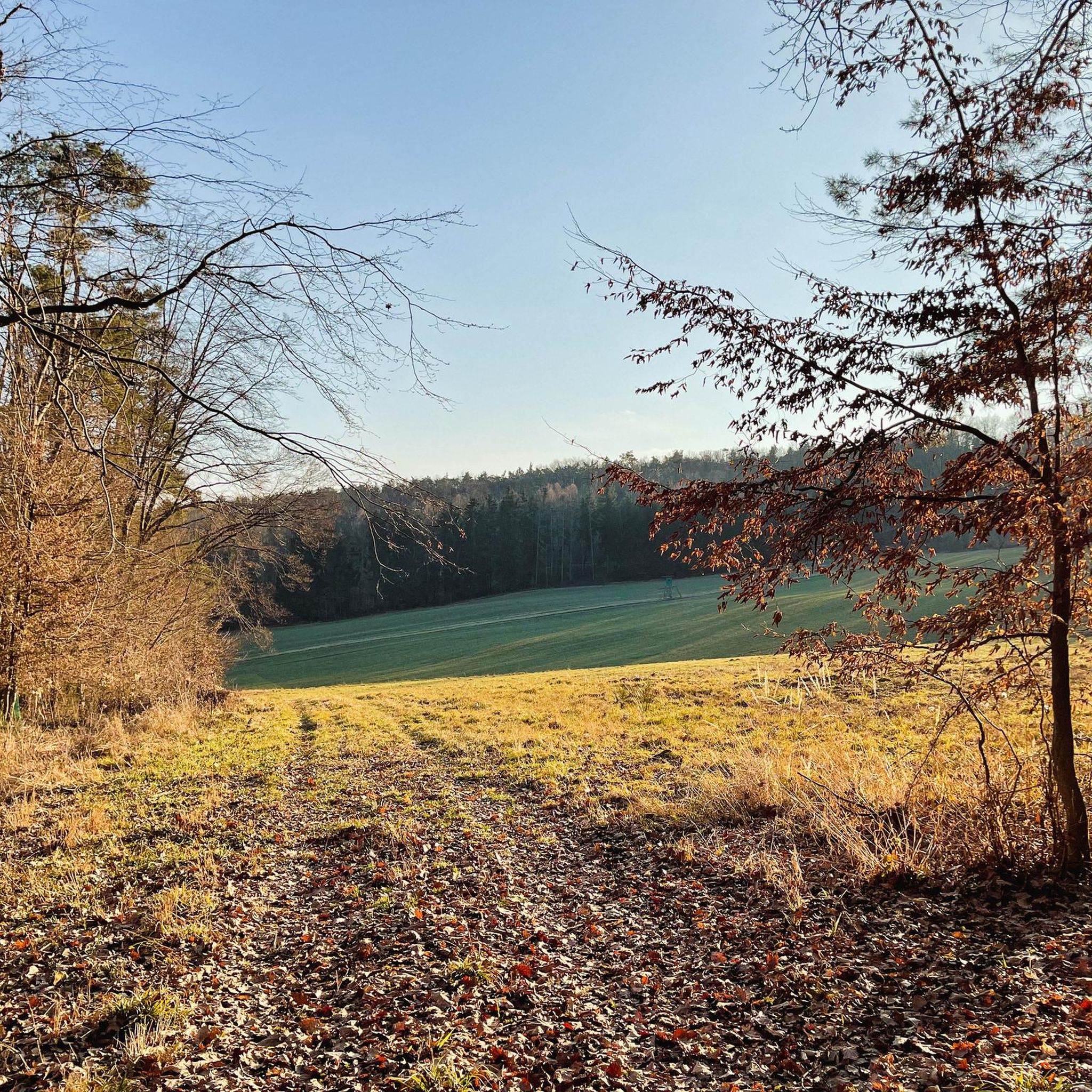
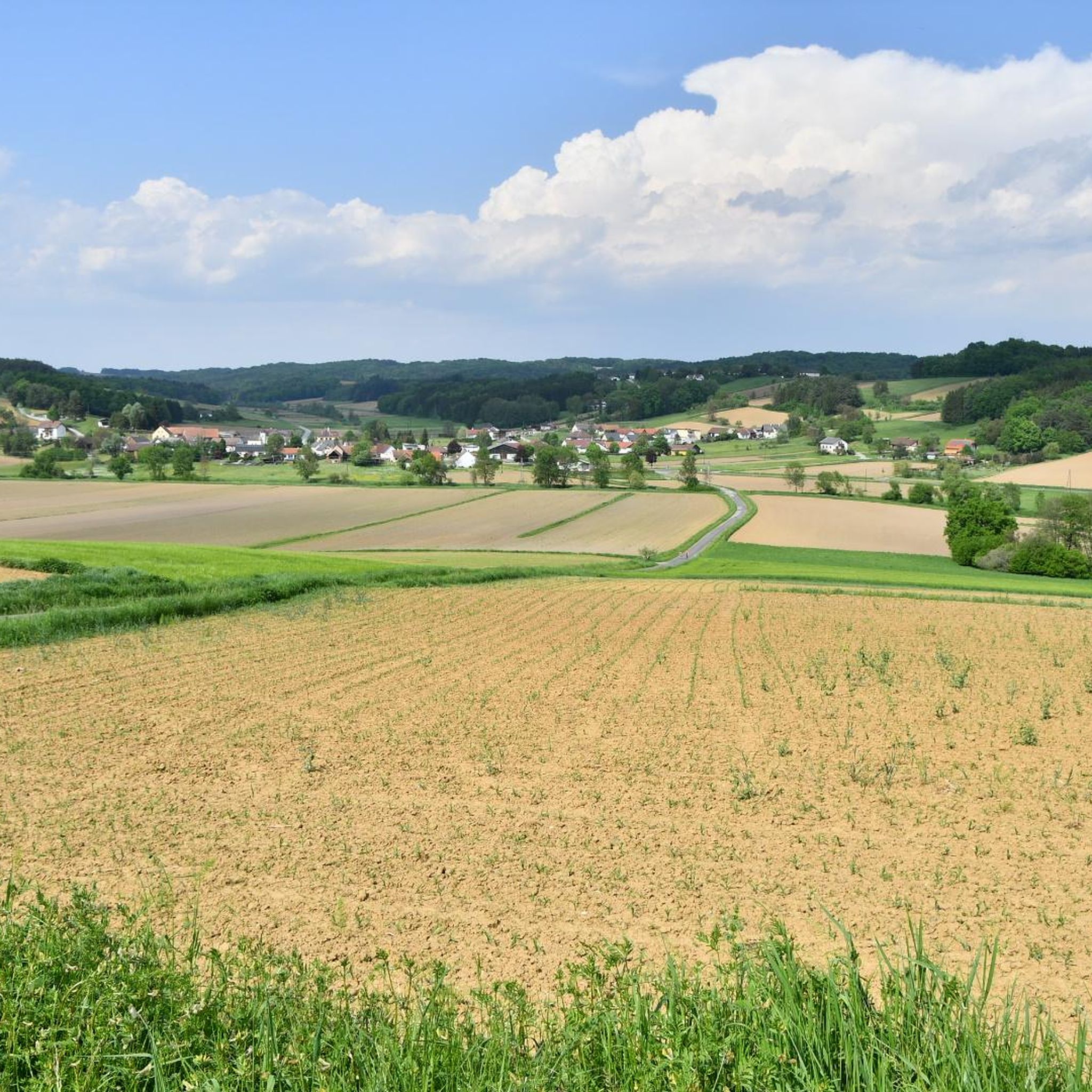
Best attractions and places to see around Gerersdorf-Sulz, a municipality located in the Zickental valley, offer a blend of cultural heritage and natural landscapes. The region is characterized by rolling hills, lush meadows, and dense forests, providing diverse experiences for visitors. It features historical sites, religious buildings, and natural points of interest. Gerersdorf-Sulz is known for its open-air museum and its position within a picturesque natural setting.
Best attractions and places to see around Gerersdorf-Sulz
- The most popular attractions is…
Last updated: May 25, 2026
Memorial Chapel Schlösslberg Mogersdorf
Highlight • Religious Site
Translated by Google •
Tip by

St. Emmerich Church
Highlight • Religious Site
The church almost fell apart during the time of the Iron Curtain, as neither Hungarians nor Austrians could reach the church and was restored after the borders were opened.
Translated by Google •
Tip by

Sign up now to discover places like this
Get recommendations on the best single tracks, peaks, & plenty of other exciting outdoor places.
Sign up for free
Güssing Castle
Highlight • Castle
Translated by Google •
Tip by

Franciscan Monastery and Basilica of the Visitation, Güssing
Highlight • Religious Site
Translated by Google •
Tip by
Kastell Batthyány Güssing
Highlight • Castle
Translated by Google •
Tip by
Sign up for free to discover even more attractions around Gerersdorf-Sulz.
Sign up for free
Already have an account?
Start today with a free account
Your next adventure awaits.
Login or Signup
Tips from the Community

A modern building right next to the Peace Cross. Worth seeing. The view from up here is at least as impressive. You'll also find several places to rest nearby. Or you can stop by the restaurant at the Kreuzstadl.
0
0
A beautiful church, rebuilt after the World Wars as a peace project. The square around the church is also inviting for strolling and relaxing. We enjoyed our time here.
0
0


The history of this memorial goes back much further than the monuments found in almost every town to the fallen soldiers of the two world wars that claimed so many lives in the first half of the 20th century. It commemorates the military conflicts of the 16th and 17th centuries, when the then "Ottoman Empire" conquered parts of the Balkans from the territory of present-day Turkey and advanced on Vienna. In 1529 and again in 1683, the army laid siege to the Austrian capital, which the Sultan called the "Golden Apple," but both times unsuccessfully. But even between these two more famous campaigns, there were hostile clashes between the Habsburg and Ottoman Empires. Here, near Mogersdorf, the imperial troops were victorious, ending the so-called Turkish War of 1663/64.
0
0

St. Emmerich's Church, consecrated in 1903, served as the parish church of Inzenhof, Tschanigraben, and several Hungarian communities until World War II. During the Iron Curtain era, it stood in no man's land between Austria and Hungary. The communists allowed the church to fall into disrepair, making it inaccessible from Austria. St. Emmerich's Church, near Güssing, offers ideal conditions for encounters between people from both sides of the still-existing border. It lies precisely on the Austro-Hungarian border strip, in a clearing amidst a vast forest, and is the only place along the border where people can meet for church service or a concert without border formalities – a place with great symbolic value.
0
0

I love this castle! I am happy that it can be visited freely and there is less interference from posterity than in the case of other larger castles in the area. ... there will be good summer programs for sure and I will also award the creative exhibition... Wheelbarrows!😄👍
0
0

The Güssing Castle is a castle in the town of Güssing in the district of the same name in Burgenland. It is owned by the former noble Batthyány family and is a listed building. The castle, built in the 17th century, was formerly the seat of the Güssing district administration and is now used as a residential and office building.
5
0
The Batthyány Castle is a castle in the town of Güssing in the district of the same name in Burgenland. It is owned by the Batthyány family and is a listed building. Built in the 18th century as a replacement residence for the medieval Güssing Castle, which was considered inconvenient at the time, it is still used by the family for residential purposes today.
8
0
Frequently Asked Questions
What historical sites can I visit near Gerersdorf-Sulz?
The region is rich in history. You can explore the ancient Güssing Castle, the oldest castle in Burgenland, which sits on an extinct volcanic cone. Another significant site is the Memorial Chapel Schlösslberg Mogersdorf, commemorating those who fell in 1664. Additionally, the Kastell Batthyány Güssing, an 18th-century castle, offers a glimpse into the region's noble past.
Are there any notable religious buildings in the area?
Yes, several significant religious sites are worth visiting. The St. Emmerich Church, located on the Austrian-Hungarian border, symbolizes a borderless Europe after its restoration. The Franciscan Monastery and Basilica of the Visitation in Güssing, elevated to a minor basilica, is a pilgrimage destination and houses the final resting place of the Batthyàny family.
What natural features can I explore around Gerersdorf-Sulz?
Gerersdorf-Sulz is nestled in the picturesque Zickental Valley, characterized by rolling hills, lush meadows, and dense forests. The area boasts diverse flora and fauna, including rare butterfly species and the globeflower. You can also find the source of the renowned Güssinger mineral water in Sulz and visit a natural swimming lake (Naturbadesee) for recreation.
What kind of hiking trails are available near Gerersdorf-Sulz?
The region offers numerous hiking opportunities. Popular routes include the 'Riesen-Eiche – Kreuz am Riegelberg Rundweg' from Gerersdorf-Sulz, a moderate 9.8 km trail leading to natural monuments. Another favored trail is the 'Rastbank mit Panoramablick – Evangelische Kirche Kukmirn Rundweg,' offering expansive panoramic views. For more options, you can explore the various hiking routes available in the area.
Are there cycling routes suitable for different skill levels?
Yes, the area around Gerersdorf-Sulz provides a variety of cycling routes. You can find easy to difficult options for road cycling, mountain biking, and general touring. For example, the 'Rauchwart Lake Restaurant – View of Güssing Castle loop from Sulz im Burgenland' is an easy road cycling route, while the 'View of Güssing Castle – Güssing Castle loop from Gerersdorf-Sulz' offers a more challenging touring bicycle experience. Discover more routes on the Road Cycling Routes around Gerersdorf-Sulz, MTB Trails around Gerersdorf-Sulz, and Cycling around Gerersdorf-Sulz guide pages.
What are some family-friendly activities in Gerersdorf-Sulz and its surroundings?
Families can enjoy several attractions. Güssing Castle is a great option, offering historical exploration and scenic views. The Memorial Chapel Schlösslberg Mogersdorf is part of a well-prepared theme trail, the Friedensweg Mogersdorf, which can be engaging for older children. The natural swimming lake (Naturbadesee) also provides a fun outdoor activity for all ages.
Where can I find panoramic views in the Gerersdorf-Sulz area?
For breathtaking views, head to Güssing Castle, which sits majestically on an extinct volcanic cone and offers expansive vistas of the surrounding landscape. The 'Rastbank mit Panoramablick – Evangelische Kirche Kukmirn Rundweg' hiking trail is also specifically known for its panoramic viewpoints.
Is there an open-air museum in Gerersdorf-Sulz?
Yes, Gerersdorf-Sulz is known for its Freilichtmuseum Ensemble Gerersdorf. This open-air museum showcases original 18th and 19th-century farmhouses, providing an insightful look into the region's historical architecture and rural life.
What do visitors particularly enjoy about the attractions near Gerersdorf-Sulz?
Visitors frequently appreciate the historical depth and scenic beauty. For instance, many enjoy the historical atmosphere and views from Güssing Castle. The restoration of the St. Emmerich Church as a symbol of a borderless Europe also resonates with many, highlighting the region's unique history and cultural significance.
Are there any equestrian activities available?
Yes, for those interested in horseback riding, Reiterhof Rössler is listed as a leisure option in the area, providing opportunities for equestrian enthusiasts.
What is the best time of year to visit Gerersdorf-Sulz for outdoor activities?
The Zickental valley, with its rolling hills and lush meadows, is ideal for nature lovers. Spring and autumn generally offer pleasant temperatures for hiking and cycling, allowing you to fully enjoy the diverse flora and fauna. Summer is also suitable, especially for activities around the natural swimming lake.
Are there any unique local products or features from Sulz?
Sulz is notable as the source of the renowned Güssinger mineral water. This natural feature is a point of local pride and interest.
Most popular routes around Gerersdorf-Sulz
Most popular attractions around Gerersdorf-Sulz

Get inspired with the komoot mobile app


Explore more
Still not found the Highlight you’re looking for? See guides of the top attractions in other regions:
