The 20 Most Amazing Peaks around Ludmannsdorf
Mountain peaks around Ludmannsdorf, nestled in the Rosental Valley, offer diverse experiences for visitors. The region features a range of elevations, from prominent summits like Hochobir to more accessible hills such as Rupertiberg and the Sattnitz range. This area provides opportunities for hiking, cycling, and exploring natural landscapes with varied flora and fauna. The geographic location allows for expansive views across the Karawanks and surrounding valleys.
Best mountain peaks around Ludmannsdorf
- The most popular mountain peaks is Pyramidenkogel Observation Tower, a viewpoint that offers views of the Wörthersee from Velden to Klagenfurt. This site is known for its panoramic vistas and an optional slide for descent.
- Another must-see spot is Kathreinkogel Archaeological Site and Church, a historical site and summit. Traces of Mesolithic hunters from the 7th millennium BC are found here, alongside a Gothic church and remains of a fortification.
- Visitors also love Rjautza Summit, a summit with a panoramic view of the Karawanken, Koralm, and Nockberge. It is appreciated for its extensive views into the surrounding mountain ranges.
- Ludmannsdorf is known for its observation towers, historical sites on summits, and natural mountain peaks. The area offers a variety of mountain peaks to see and explore, catering to different interests and activity levels.
- The mountain peaks around Ludmannsdorf are appreciated by the komoot community, with more than 1400 upvotes and over 1400 photos shared by users.
Last updated: June 23, 2026
Pyramidenkogel Observation Tower
Highlight • Viewpoint
Translated by Google •
Tip by

Kathreinkogel Archaeological Site and Church
Highlight • Historical Site
Translated by Google •
Tip by

Sign up now to discover places like this
Get recommendations on the best single tracks, peaks, & plenty of other exciting outdoor places.
Sign up for free
Golica (1836 m)
Highlight • Summit
Today, the slopes of Golica serve as a pasture for sheep, and until 1957 the locals from the village under it mowed it. The hill means great pride to the inhabitants below it, among other things because of the world-famous Avsenik's regiment Na Golici.
In the month of May (also in late April or early June, depending on weather conditions), mountain daffodils (Narcissus poeticus radiiflorus) bloom in large numbers on the slopes at the foot of Golica, which the locals also call locks. There are about 120 different names for such plants in the Slovene language. Daffodils are perennials with bulbs and are anemones, so they are found in large numbers mainly on barren meadows, where the conditions for reproduction are favorable. Golica was still growing to the top after the Second World War, but today their deposits are much smaller. They are threatened by modern methods of mechanized tillage and chemical fertilizers containing potassium and phosphorus. Intensive fertilization promotes the growth of dandelion and grass, which displace daffodils. In addition, daffodil meadows are unsuitable as pastures: as long as daffodil leaves are green, they are toxic to livestock. Therefore, once farmers drove cattle to such slopes only in August. Mowing is suitable only after June 20. The popular name lock in the vicinity of Jesenice is due to the fact that the flowers do not allow insects to pollinate (they are "locked"). Access to the narcissus fields is from Jesenice towards Planina pod Golico or Plavški rovt.
Endangered plants such as Crepis bocconi and Diphasiastrum alpinum also grow on Golica.
In May, the traditional event "Daffodil Festival" takes place on Planina pod Golico.
Translated by Google •
Tip by

View of Wörthersee and Pyramidenkogel from Pirkerkogel
Highlight • Viewpoint
Translated by Google •
Tip by
View of Lake Wörthersee from Kathreinkogel
Highlight • Viewpoint
Translated by Google •
Tip by
Sign up for free to discover even more peaks around Ludmannsdorf.
Sign up for free
Already have an account?
Start today with a free account
Your next adventure awaits.
Login or Signup
Tips from the Community

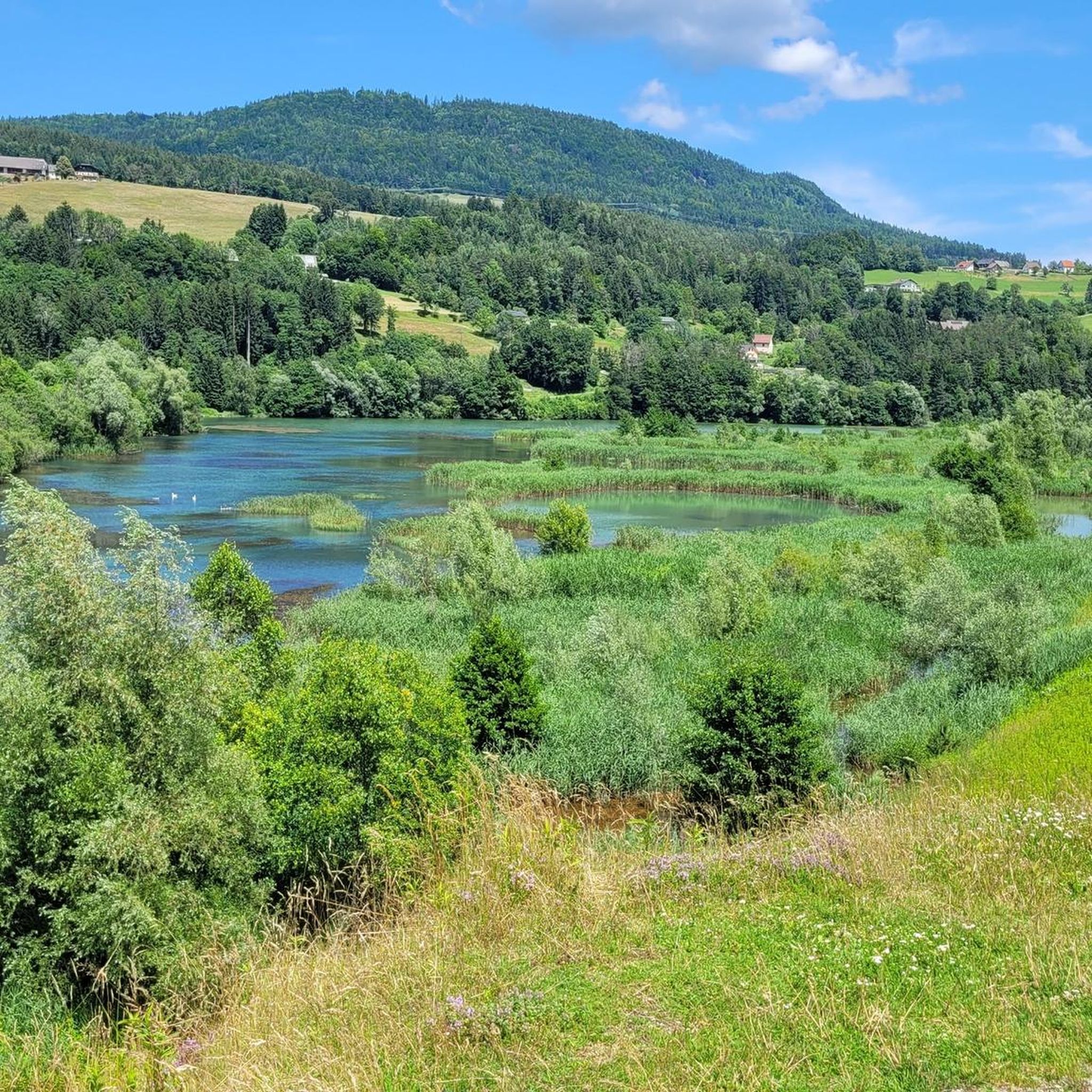
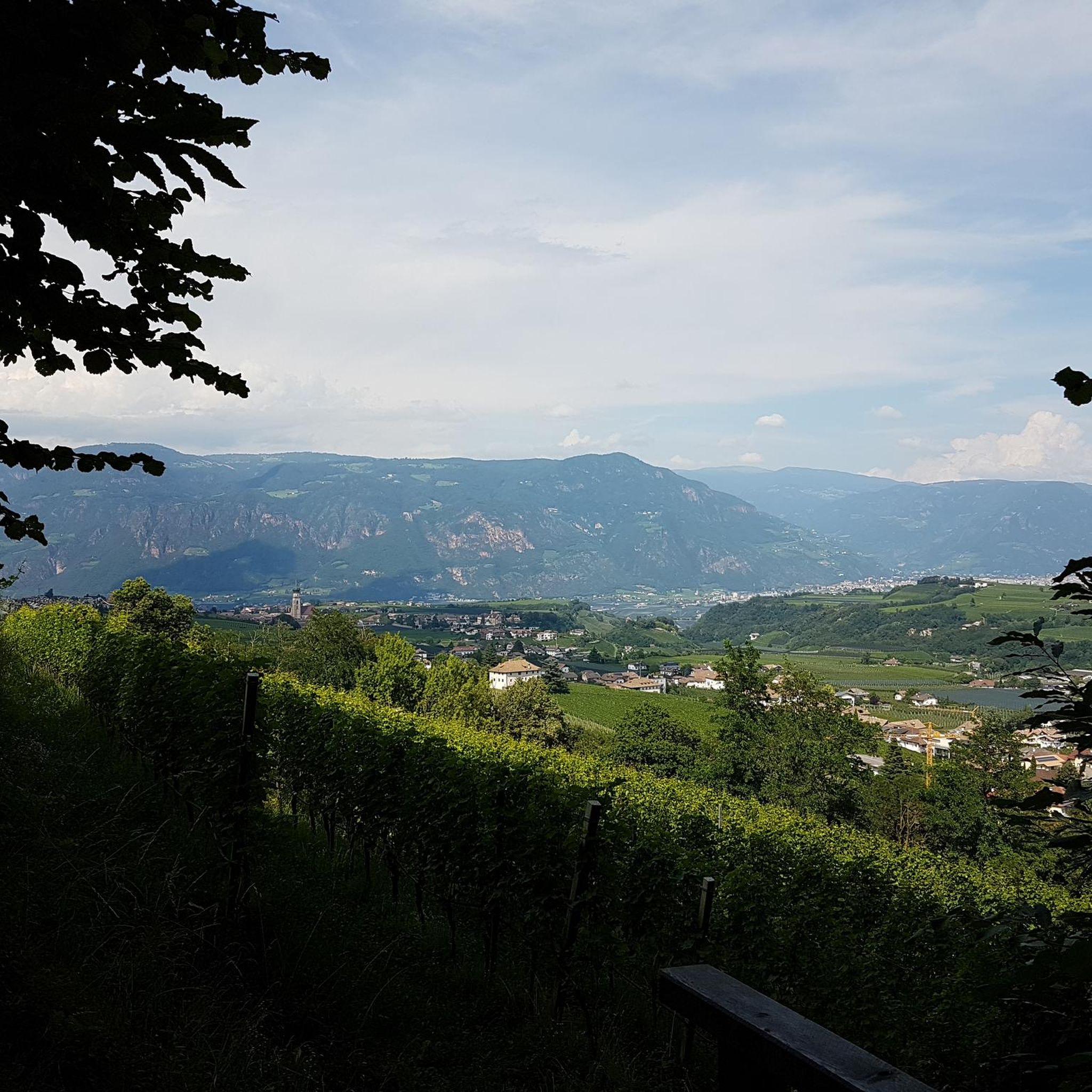
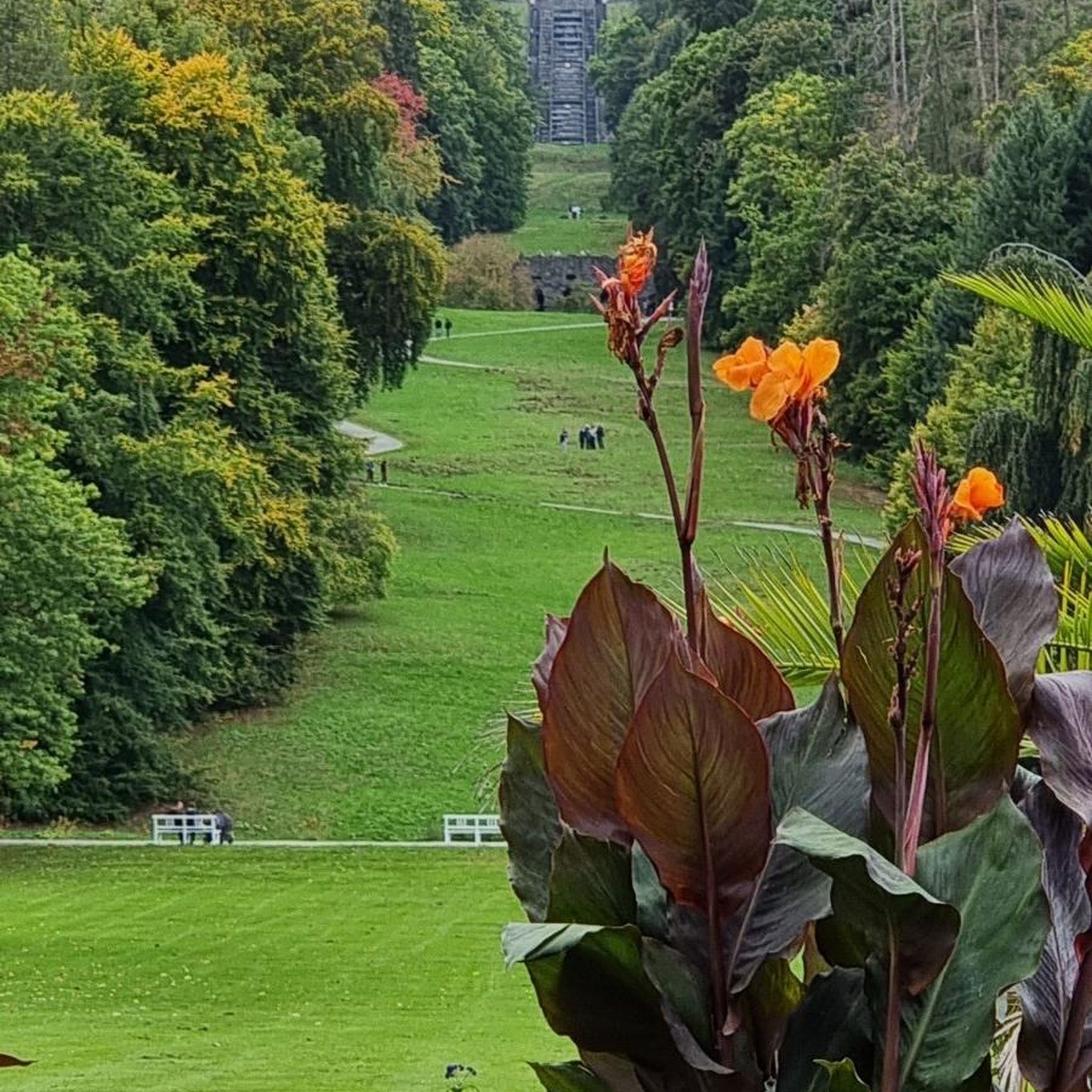
And then there's the Pirkerkogel – 666 meters above everyday life. The path up isn't long, but long enough to forget the noise below. At the top, a picture like something out of a brochure about an Alpine idyll awaits: lake, mountains, forests – and in the middle of it all, the Pyramidenkogel, rising from the back of the mountain like a distant exclamation point. If you're lucky, you'll still find the bench free – it's half in the light, half in the shade, and, as one commentator wrote, is dry even in the rain. Perhaps that's the true quality of this place: even the weather seems to be considerate here.
0
0

On the Kathreinkogel, huts of various dimensions were found wherever natural depressions in the steep slopes provided absolute protection from the wind. A remarkable farm site dating to the 12th/11th century BC was uncovered on a western slope terrace. The most important find is a prehistoric vertical loom.
0
0
At the summit of Kathreinkogel, you'll find not only an old church and archaeological excavations, but also Austria's only wishing tree. Prepare your very own wish at home. Please bring a small wooden plaque with a matching string and simply hang it on the tree. The wind will carry your heart's desire out into the world, where it may come true! Take a moment to rest on the bench at the nearby lookout point, enjoy the view, and draw strength from this wonderful place.
0
0
Opening Hours of the House of Archaeology Mid-June to September 30th, 10:00 a.m. to 4:00 p.m. (Closed in rainy weather - the information board at the Kreuzwirt parking lot indicates whether the museum is open). The complex (e.g., the fort with its early Christian church, the burial ground to the southwest) is open to visitors at all times. Information is available at +49 4274 2275-22. Velden/Schiefling/Rosegg Historical Society Chairwoman: Dr. Renate Jernej
0
0

Very nice quiet hike
0
1

Traces of Mesolithic hunters from the 7th millennium BC can be found on the mountain. Farm settlements can be traced back to the Neolithic period (3rd millennium BC). The subsequent Bronze Age culture is seen in connection with the Frög burial ground. The first people known by name to settle here were the Celts. Artifacts from the Roman period indicate the presence of the Mithras cult. During the
0
0

Special place with a beautiful view.
1
0
Traces of Mesolithic hunters from the 7th millennium BC can be found on the mountain. Peasant settlements are tangible from the Neolithic Age (3rd millennium BC). The following Bronze Age culture is seen in connection with the Frög burial ground. The first people known by name to settle here were the Celts. Artifacts from Roman times indicate the presence of the Mithraic cult. During the
4
0
Frequently Asked Questions
What are some notable mountain peaks to visit around Ludmannsdorf?
Beyond the most popular spots, Ludmannsdorf offers several distinctive mountain peaks. You can explore Hochobir, the highest in the Obir massif, known for its expansive panoramic views and rich botanical diversity. For a more accessible experience, Rupertiberg provides great views over the Rosental valley and is popular for cycling. The Tanzboden, the highest point of the Sattnitz range, offers breathtaking vistas of the Wörthersee and diverse natural trails.
Which mountain peaks offer the best panoramic views?
For truly spectacular panoramic views, Hochobir is highly recommended, offering vistas across the Karawanken range, the Drau Valley, the Klagenfurt basin, and the Steiner Alps. The Tanzboden within the Sattnitz range also provides stunning views of the Wörthersee and the Austrian Alps. Additionally, the Rjautza Summit is appreciated for its extensive views into the surrounding mountain ranges like the Karawanken, Koralm, and Nockberge.
Are there any historical or archaeological sites on the mountain peaks?
Yes, the Kathreinkogel Archaeological Site and Church is a significant historical site. Traces of Mesolithic hunters from the 7th millennium BC have been found here, alongside a Gothic church and remains of a fortification. Hochobir also has historical significance, with the remains of the Hann-Warte, Austria's first mountain weather station, and a history of lead and zinc mining visible through old tunnels and spoil heaps.
Which mountain peaks are suitable for families?
The Pyramidenkogel Observation Tower is a family-friendly highlight, offering panoramic views and an optional slide for descent. While not a traditional 'peak' for hiking, its accessibility and unique features make it great for families. For more accessible hiking, Rupertiberg offers serene trails and is part of the mystical 'Places of Power' hiking trail, suitable for a broader range of outdoor enthusiasts.
What kind of natural features can I expect to see on these mountain peaks?
The mountain peaks around Ludmannsdorf boast diverse natural features. Hochobir is a paradise for botanists, with summit meadows covered in a dense, colorful carpet of rare flowers, especially in early summer. The Sattnitz range, including Tanzboden, is geologically interesting with diverse flora and fauna, offering opportunities to observe local wildlife. Golica (1836 m) is particularly famous for its extensive daffodil fields that bloom in April and May.
What outdoor activities can I do near these mountain peaks?
The region around Ludmannsdorf offers a variety of outdoor activities. You can find numerous hiking opportunities, from easy walks to more challenging trails. For example, there are many easy hikes and general hiking routes. Cycling is also popular, especially on Rupertiberg, which is known for its winding roads and serves as a popular cycling climb. You can also explore gravel biking routes in the area.
Are there specific hiking trails recommended for reaching the summits?
Yes, for Hochobir, several well-marked hiking trails lead to the summit, such as the Simon Rieger Steig, offering routes of varying difficulty. Some require good stamina. The Eisenkappler Hütte (1,553 m) is a common starting point, accessible via an 8-kilometer toll road. The Sattnitz Ridge Trails, including the area around Tanzboden, are well-marked and praised for their diverse nature and views.
What is the best time to visit the mountain peaks around Ludmannsdorf?
Early summer is particularly rewarding for visiting Hochobir, as its summit meadows are covered in a dense, colorful carpet of flowers, including rare species. For Golica, April and May are ideal to witness the famous daffodil fields in full bloom. Generally, spring through autumn offers pleasant conditions for hiking and exploring the peaks, with clear days providing the best panoramic views.
What do visitors enjoy most about the mountain peaks in this region?
Visitors frequently praise the spectacular panoramic views, especially from peaks like Hochobir and the Tanzboden, which offer extensive vistas of the surrounding mountains, valleys, and lakes. The diverse natural landscapes, opportunities for observing unique flora like the daffodil fields on Golica, and the well-marked trails for hiking and cycling are also highly appreciated. The historical significance of sites like Kathreinkogel adds another layer of interest for many.
Are there any mountain peaks suitable for beginner hikers near Ludmannsdorf?
For beginner hikers, Rupertiberg offers accessible hiking opportunities with serene trails and good views over the Rosental valley. It's a more modest elevation compared to higher peaks, making it suitable for those seeking a less strenuous experience. The Sattnitz Ridge Trails around Tanzboden also offer diverse landscapes on well-marked paths that can be enjoyed by nature lovers of varying fitness levels.
Can I find any unique natural phenomena or rare plants on these peaks?
Yes, Hochobir is particularly noted for its rich botanical diversity, with its summit meadows hosting a dense carpet of flowers, including rare species like the Steiner alpine cabbage orchid. Golica (1836 m) is world-renowned for its vast daffodil fields that bloom spectacularly in spring, attracting many visitors. The Sattnitz range also features diverse flora and fauna, making it an interesting area for nature observation.
Most popular routes around Ludmannsdorf
Most popular attractions around Ludmannsdorf

Get inspired with the komoot mobile app


Explore more
See even more amazing summits around Ludmannsdorf with these guides:
