Top 4 Castles around Sankt Gilgen
Best castles around Sankt Gilgen are found in the picturesque village and its surrounding area, offering historical intrigue and scenic beauty. The region, part of the Salzkammergut, features historic buildings and natural landscapes, including Lake Fuschl and Lake Wolfgangsee. While Sankt Gilgen is known for its charm, the nearby castles provide a glimpse into the area's past. These landmarks near Sankt Gilgen castles are accessible for exploration.
Best castles around Sankt Gilgen
- The most popular castles is View of Schloss Fuschl on Lake Fuschl, a viewpoint that features a listed, former hunting lodge from the 15th century. Today, it operates as a five-star hotel on Lake Fuschl.
- Another must-see spot is Wartenfels Ruins, a castle dating back to 1259. The ruins were partially restored in the 1980s after centuries of disrepair.
- Visitors also love Hüttenstein Castle, a castle enthroned over the Krotensee. The castle underwent remodeling in the neo-Gothic style in 1843.
- Sankt Gilgen is known for historic hunting lodges, medieval ruins, and neo-Gothic castles. These structures offer insights into different historical periods and architectural styles.
- The castles around Sankt Gilgen are appreciated by the komoot community, with more than 980 upvotes and over 200 photos shared.
Last updated: May 11, 2026
View of Schloss Fuschl on Lake Fuschl
Highlight • Viewpoint
Translated by Google •
Tip by

Wartenfels Ruins
Highlight • Castle
Restoration work did not take place until the 1980s. Today you can visit the ruins and take a look over the wall to the surrounding landscape.
Translated by Google •
Tip by

Sign up now to discover places like this
Get recommendations on the best single tracks, peaks, & plenty of other exciting outdoor places.
Sign up for free
Hüttenstein Castle
Highlight • Castle
Translated by Google •
Tip by

Mondsee Abbey, Castle, and Museum
Highlight • Historical Site
Translated by Google •
Tip by

Start today with a free account
Your next adventure awaits.
Login or Signup
Popular around Sankt Gilgen
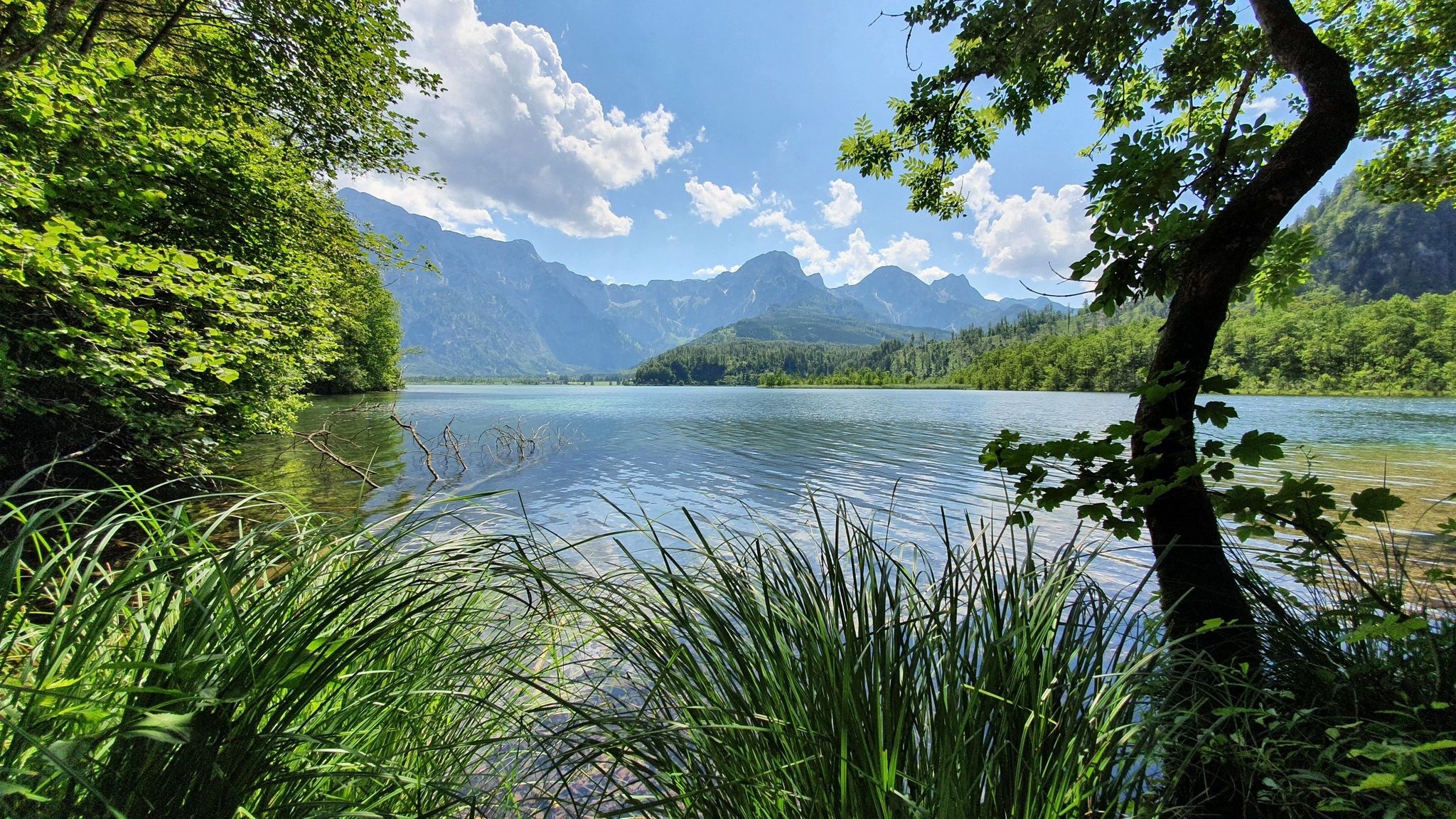
Voralpenweg 04 – From Vienna to Bad Reichenhall
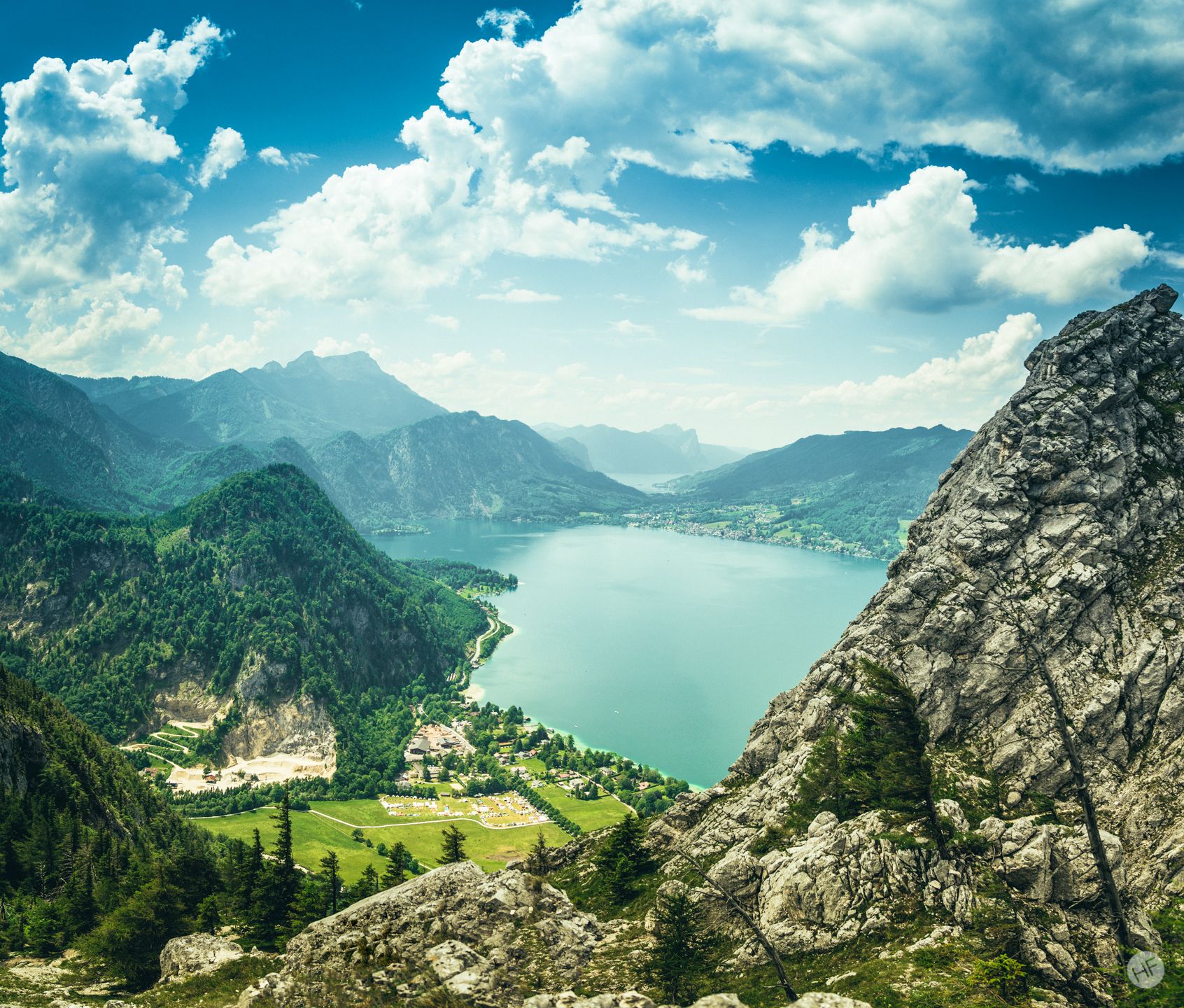
Around the Attersee – long-distance trails and the mountain hikes
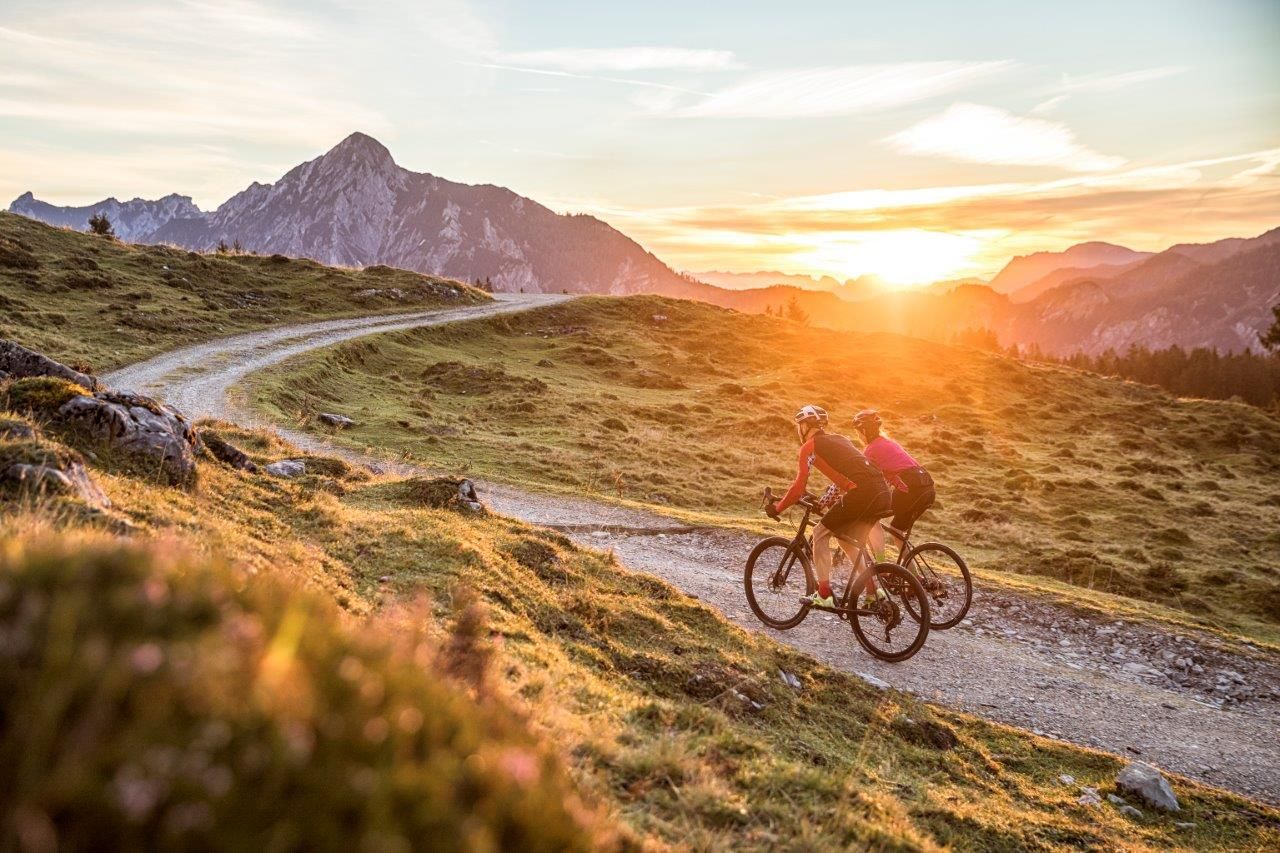
Cycle in SalzburgerLand – roads and gravel in Salzkammergut and Tennengau

The most beautiful leisurely cycling routes in Upper Austria

Fourteen Wadlbeißer – best road cycling routes in Upper Austria

Discover Austria’s largest lake — day hikes around Lake Attersee
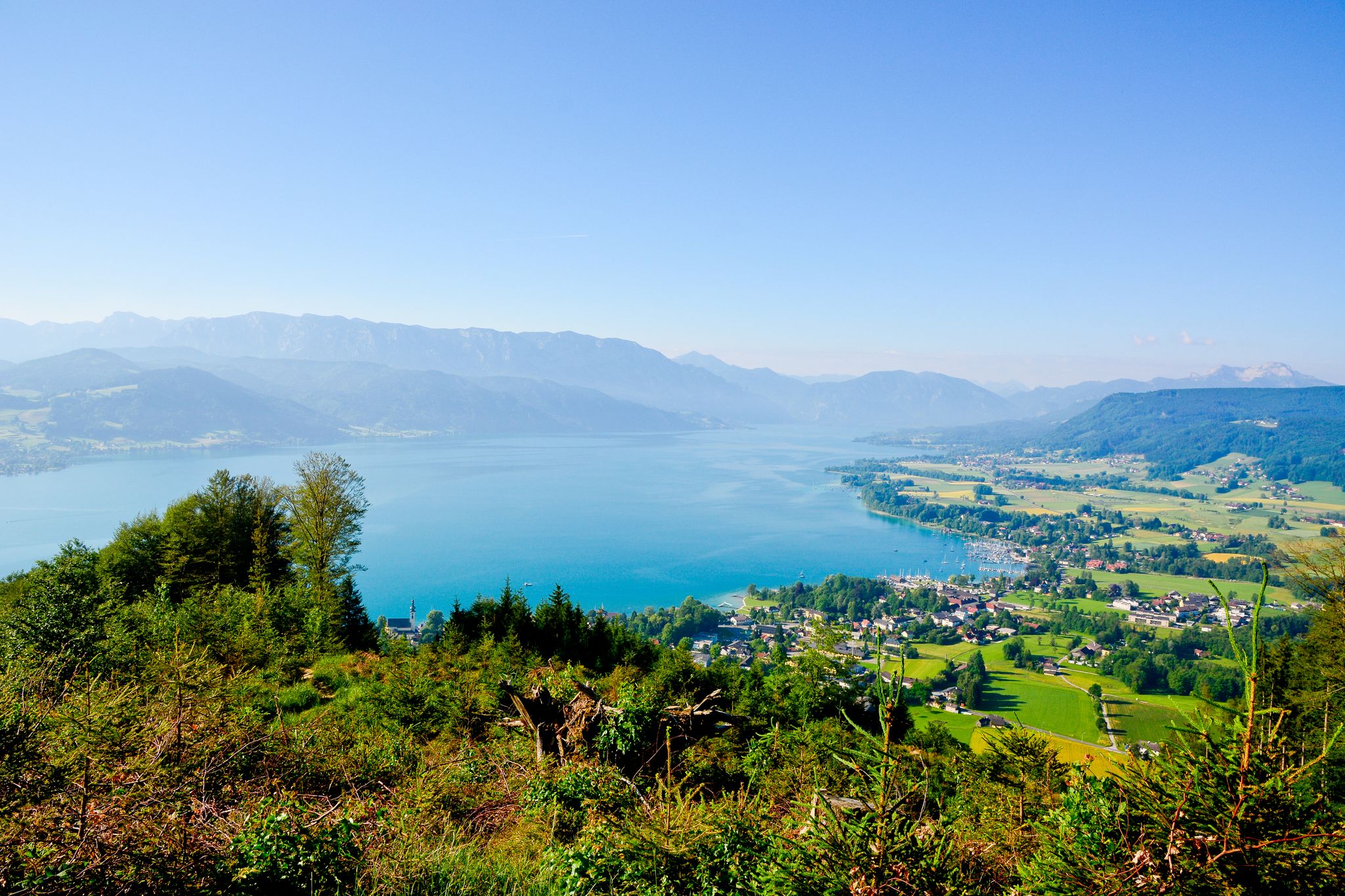
Far away from everyday stress – hikes around the Attersee
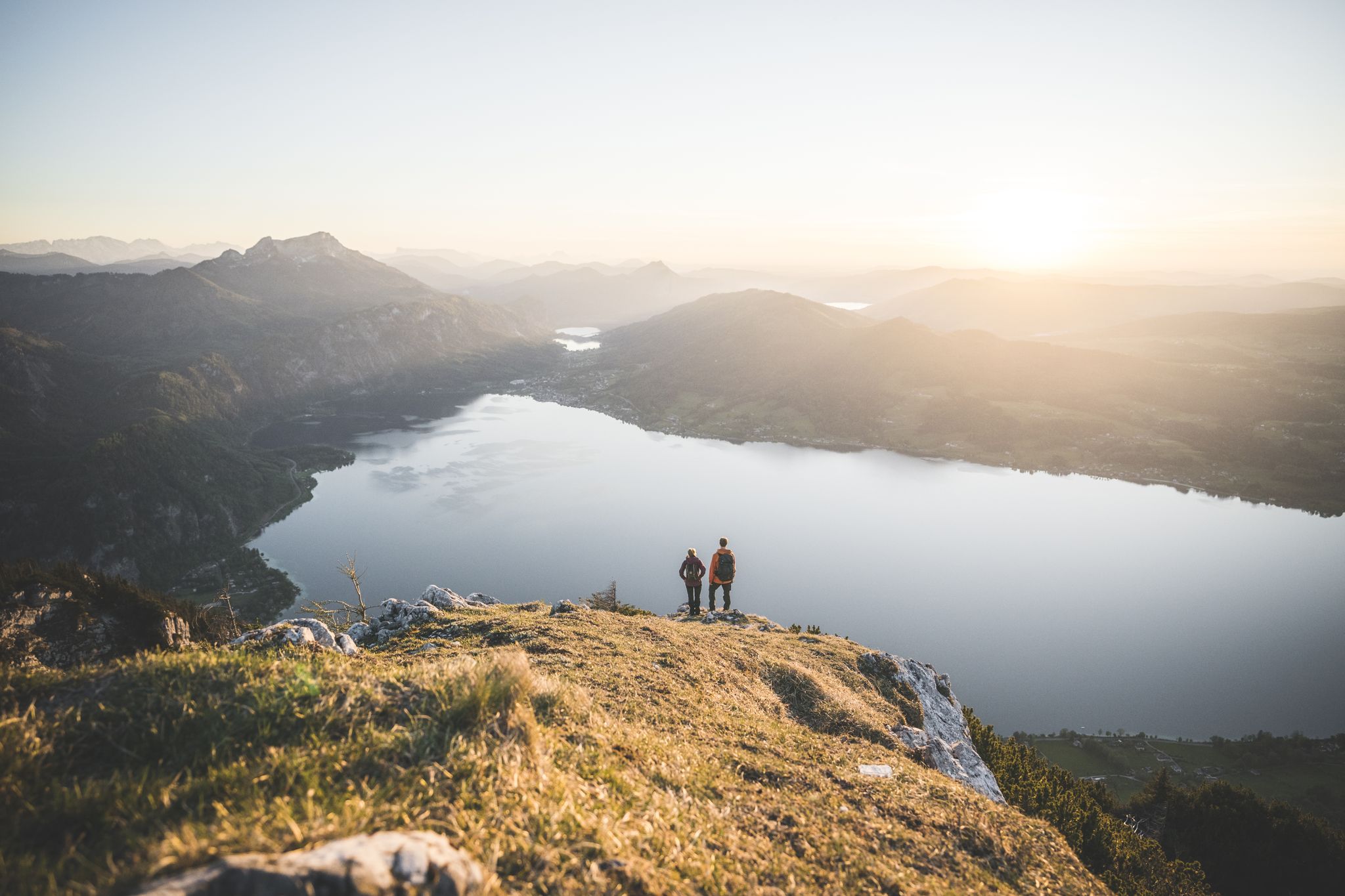
Explore the Salzkammergut on the BergeSeen Trail
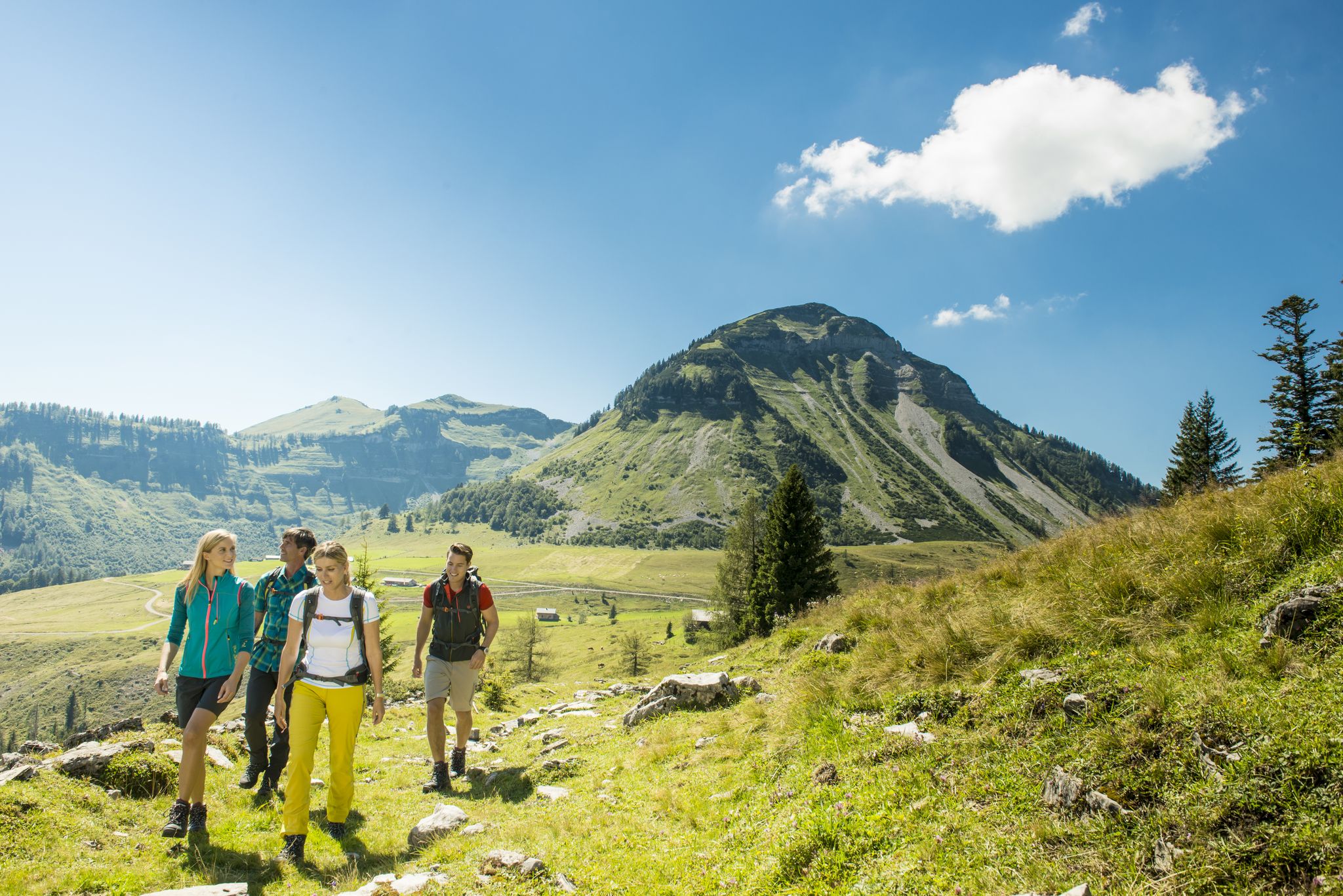
Weekend hikes around Lake Fuschl
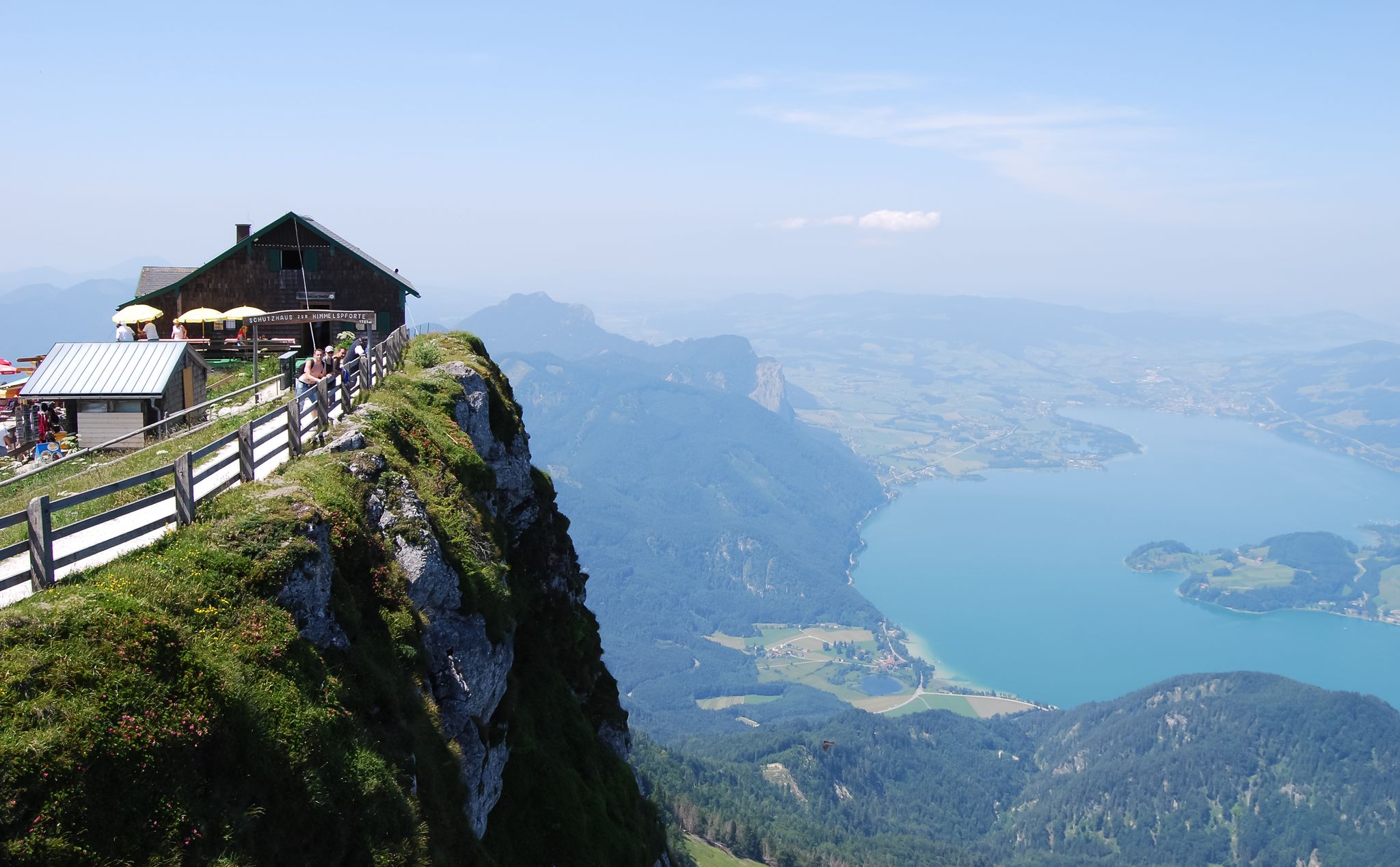
Fantastic hiking trails between Mondsee and Irrsee
Other adventures around Sankt Gilgen


Tips from the Community


The castle's origins date back to a medieval fortress, first documented in 1323. Around 1565, it was converted into a court of law, but over time, its importance declined and it was already uninhabited by 1608. After the court's seat was relocated to St. Gilgen in 1703, the complex gradually fell into disrepair, and by 1811, large parts had been demolished or used as building material. In 1817, Field Marshal Carl Philipp von Wrede acquired the remains of the castle, and his son, Karl Theodor von Wrede, had a neo-Gothic palace built starting in 1843. Four octagonal towers, pointed arch windows, and a crenellated parapet were added, giving the current building its characteristic appearance. From 1880 onward, the castle changed hands several times, including Princess Franziska von Liechtenstein and later Demeter von Frank. Today, Hüttenstein Castle is owned by a private foundation and is not open to the public. The entire grounds, including the adjacent Krottensee lake, are used for private purposes. Visitors can only view the castle from the outside as part of cycling tours in the region.
0
0

A detour to the ruins is definitely worth it. :)
2
0

Mondsee Castle was and is a lot. Founded as a monastery, it was converted into a castle, today it is a museum and hotel, but also still a church worth seeing. Definitely worth a visit. If you want to learn more about the history, visit the monastery museum, which is part of the Mondsee local history museum.
1
0

The former Benedictine monastery was founded in 748 by the Bavarian Duke Odilo and dissolved in the course of the Josephine church reform in 1791. In 1809, Emperor Napoleon handed over the monastery building and its goods to the Bavarian Field Marshal Carl Philipp von Wrede, who converted it into a castle.
1
0

The area originally belonged to the rule of Hüttenstein Castle, not far north on the Schaflingerhöhe. In the course of the 16th century, a separate nursing court was set up in Hüttenstein and in 1565 a separate building was built for the nursing judge. This nursing court included today's communities of St. Gilgen and Strobl, as well as Fuschl am See. As early as a report from 1577 it was mentioned that poorly installed eaves had caused damage and could endanger the roof. In 1608 it was said that the castle was uninhabited. In 1614, a cost estimate for repairing the damage was drawn up, which was then doubled when implemented. In 1657, too, damage had to be repaired after a severe flood. An archive was set up in 1672. The nurses lived here until 1703, when the nursing court was moved to St. Gilgen. In 1747 the castle was a brick house with four rooms, two chambers, a kitchen, a cellar and the prison. At that time the castle was inhabited by a woodworker. In 1747, Johann Elias Geyer suggested that the castle, which was useless for defensive purposes, be left to the court chamber, which is what happened. In 1794 the Court Chamber asked to be allowed to tear down the castle and use the stones for a new hammer mill in Abersee, which is what happened. The rest of the building was auctioned off in 1811 to the woodmaster Johann Radauer. In 1817, the Bavarian field marshal Prince Carl Philipp von Wrede (1767–1838) bought Hüttenstein, followed in 1838 by Karl Theodor von Wrede, who began remodeling and rebuilding Hüttenstein in the neo-Gothic style in 1843, giving it its current shape. In 1880, Princess Franziska Liechtenstein, née Chalupetzky, bought the castle. She was followed in 1884 by Demeter Ritter von Frank, general director of the Romanian National Bank. Other owners were Dr. Edmund von Frank (1908), Thea Urban-Emmerich, née Morawitz (1917), Huogo Carl and Hans Edgar Urban-Emmerich (1938), Hugo Carl Urban-Emmerich (1948), Katharina Wunschek-Dreher (1951) and Robert Wimmer ( 1982) (Wikipedia).
3
0

This little castle is enthroned very dominantly over the Krotensee.
3
0
Frequently Asked Questions
What types of castles and historical sites can I explore around Sankt Gilgen?
Around Sankt Gilgen, you can discover a range of historical structures. These include former hunting lodges like Schloss Fuschl, medieval ruins such as the Wartenfels Ruins, and neo-Gothic castles like Hüttenstein Castle. Each offers a unique glimpse into different historical periods and architectural styles of the Salzkammergut region.
Are there any family-friendly castles to visit near Sankt Gilgen?
Yes, both the View of Schloss Fuschl on Lake Fuschl and the Wartenfels Ruins are considered family-friendly. Schloss Fuschl offers a beautiful lakeside setting, while the Wartenfels Ruins provide an adventurous exploration opportunity with expansive views.
What is the history behind the Wartenfels Ruins?
The Wartenfels Ruins date back to 1259. It changed hands multiple times and was notably burned down during the peasant wars. After the 16th century, it became uninhabited and fell into disrepair until restoration work began in the 1980s. Today, you can explore the ruins and enjoy panoramic views of the surrounding landscape.
Can I visit Schloss Fuschl, and what is its current use?
Schloss Fuschl, originally a 15th-century hunting lodge, has been meticulously reimagined and now operates as a five-star hotel. While it's a luxury accommodation, visitors can still appreciate its historical architecture and stunning lakeside setting on Lake Fuschl, often from nearby viewpoints.
What is special about Hüttenstein Castle?
Hüttenstein Castle is uniquely enthroned over the Krotensee. It underwent significant remodeling in the neo-Gothic style in 1843, giving it its distinctive current appearance. The area around it also offers a beautiful bike path through its park.
Are there hiking opportunities near the castles around Sankt Gilgen?
Yes, the area around Sankt Gilgen offers various hiking opportunities. For instance, the Wartenfels Ruins are accessible via trails that provide great views. You can find more detailed routes and information on Mountain Hikes around Sankt Gilgen.
What other outdoor activities can I do near these castles?
Beyond exploring the castles, the Sankt Gilgen region offers a variety of outdoor activities. You can find numerous running trails, challenging mountain hikes, and scenic gravel biking routes, many of which pass by or offer views of these historical sites and the beautiful lakes.
What natural features can I see when visiting castles near Sankt Gilgen?
The castles around Sankt Gilgen are set amidst stunning natural beauty. You'll encounter picturesque lakes like Lake Fuschl and Lake Wolfgangsee, as well as forested areas and elevated viewpoints offering expansive vistas of the Salzkammergut landscape. The View of Schloss Fuschl on Lake Fuschl is a prime example, showcasing the castle against the glittering turquoise lake and surrounding mountains.
What do visitors enjoy most about the castles around Sankt Gilgen?
Visitors frequently appreciate the blend of historical intrigue and scenic beauty. The opportunity to explore ancient ruins, admire historic architecture, and take in breathtaking views of the lakes and mountains is a major draw. The komoot community has shared over 200 photos and given more than 980 upvotes to these highlights, reflecting their popularity.
Is there public transport available to reach castles near Sankt Gilgen?
While Sankt Gilgen itself is well-connected, specific public transport options directly to each castle ruin or viewpoint may vary. It's often best to combine public transport to Sankt Gilgen with walking or cycling to reach some of the more secluded sites like the Wartenfels Ruins.
What is the best time of year to visit the castles around Sankt Gilgen?
The best time to visit depends on your preferences. Spring and autumn offer pleasant temperatures for exploring and hiking, with beautiful foliage or blooming landscapes. Summer provides warm weather for combining castle visits with lake activities. Winter visits can be magical, especially if there's snow, though some paths might be less accessible.
Most popular routes around Sankt Gilgen
Most popular attractions around Sankt Gilgen

Get inspired with the komoot mobile app


Explore more
Looking for the best castles somewhere else? Discover other guides around Sankt Gilgen:
