The best walks and hikes around Feldatal
4.6
(1775)
6,269
hikers
97
hikes
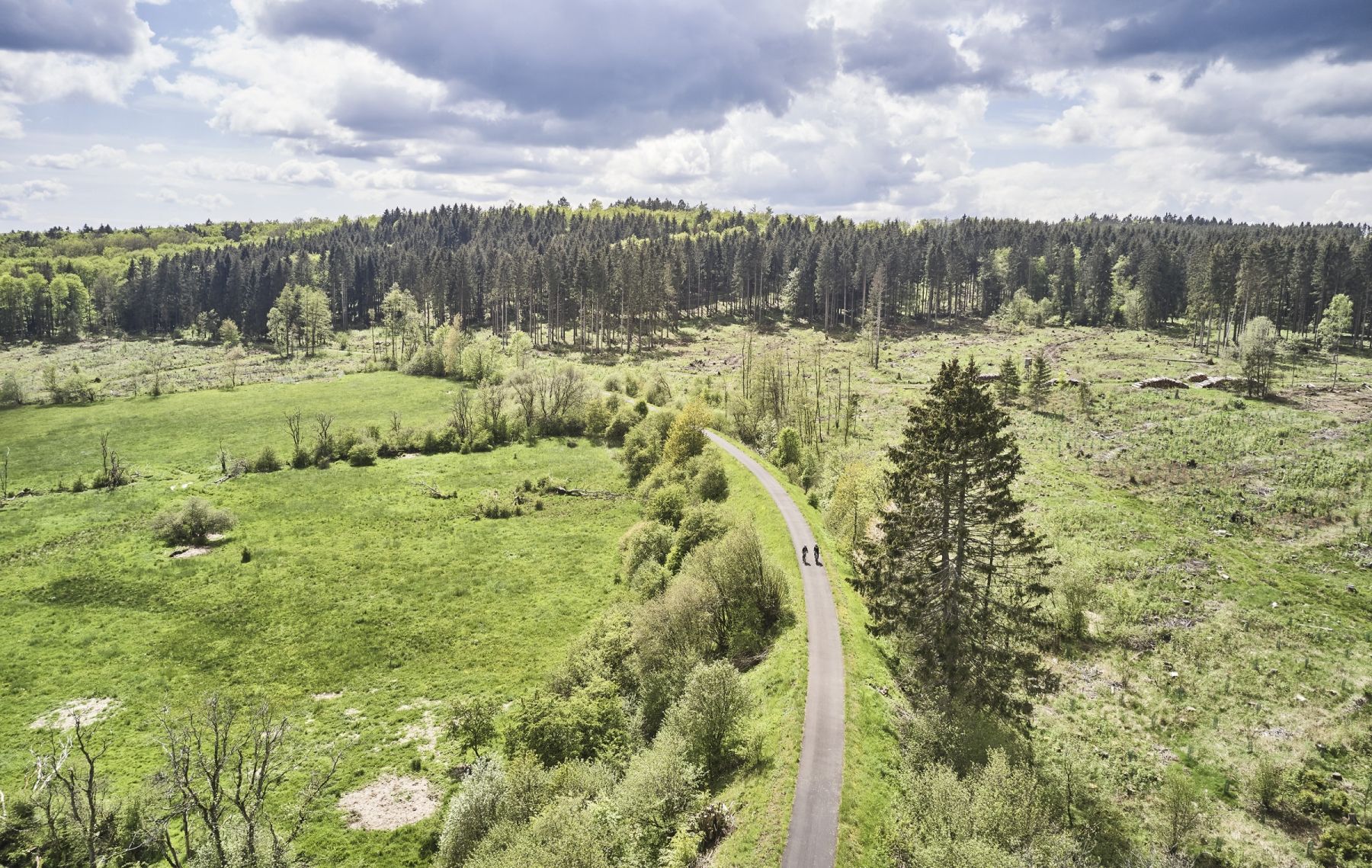
Hiking around Feldatal offers diverse landscapes within the High Vogelsberg Nature Park, characterized by its open, sub-mountainous terrain and the geological features of the Vogelsberg volcanic region. This area, recognized as Central Europe's largest continuous volcanic massif, features natural forests, moorland, and numerous headstreams. Hikers encounter unique rock formations shaped by erosion, picturesque valleys, and significant elevations such as the 774-meter Taufstein mountain.
Best hiking trails around Feldatal
- The most popular hiking route is Feldatal Fairy and Gnome Trail –…
Last updated: October 8, 2026
4.4
(5)
24
hikers
Easy hike. Great for any fitness level. Easily-accessible paths. Suitable for all skill levels.
4.3
(6)
18
hikers
6.52km
01:48
110m
110m
Easy hike. Great for any fitness level. Easily-accessible paths. Suitable for all skill levels.

4.4
(7)
19
hikers
5.69km
01:34
100m
100m
Easy hike. Great for any fitness level. Easily-accessible paths. Suitable for all skill levels.
5.0
(2)
20
hikers
16.3km
04:28
260m
260m
Moderate hike. Good fitness required. Easily-accessible paths. Suitable for all skill levels.
4.5
(6)
19
hikers
10.6km
02:58
210m
210m
Moderate hike. Good fitness required. Easily-accessible paths. Suitable for all skill levels.
Get access to more routes and recommendations from other explorers.
Already have an account?
Our route recommendations are based on thousands of hikes, rides, and runs completed by other people on komoot.
Start today with a free account
Your next adventure awaits.


Tips from the Community

The sculpture "Faeller Naelschmied" ( Feldatal Nail Smith) in Feldatal was created by Dr Ulrich Barnickel. In August 2012, on the occasion of the 7th Feldataler Schmiedefest (Festival of Blacksmiths), it was solemnly unveiled. The sculpture is a homage to the nail smiths in Feldatal. They practiced their craft until the end of World War I and produced up to 25,000 nails daily. The trade of the nail smiths is also anchored in the coat of arms of the municipality with 4 nails and a hammer.
0
0

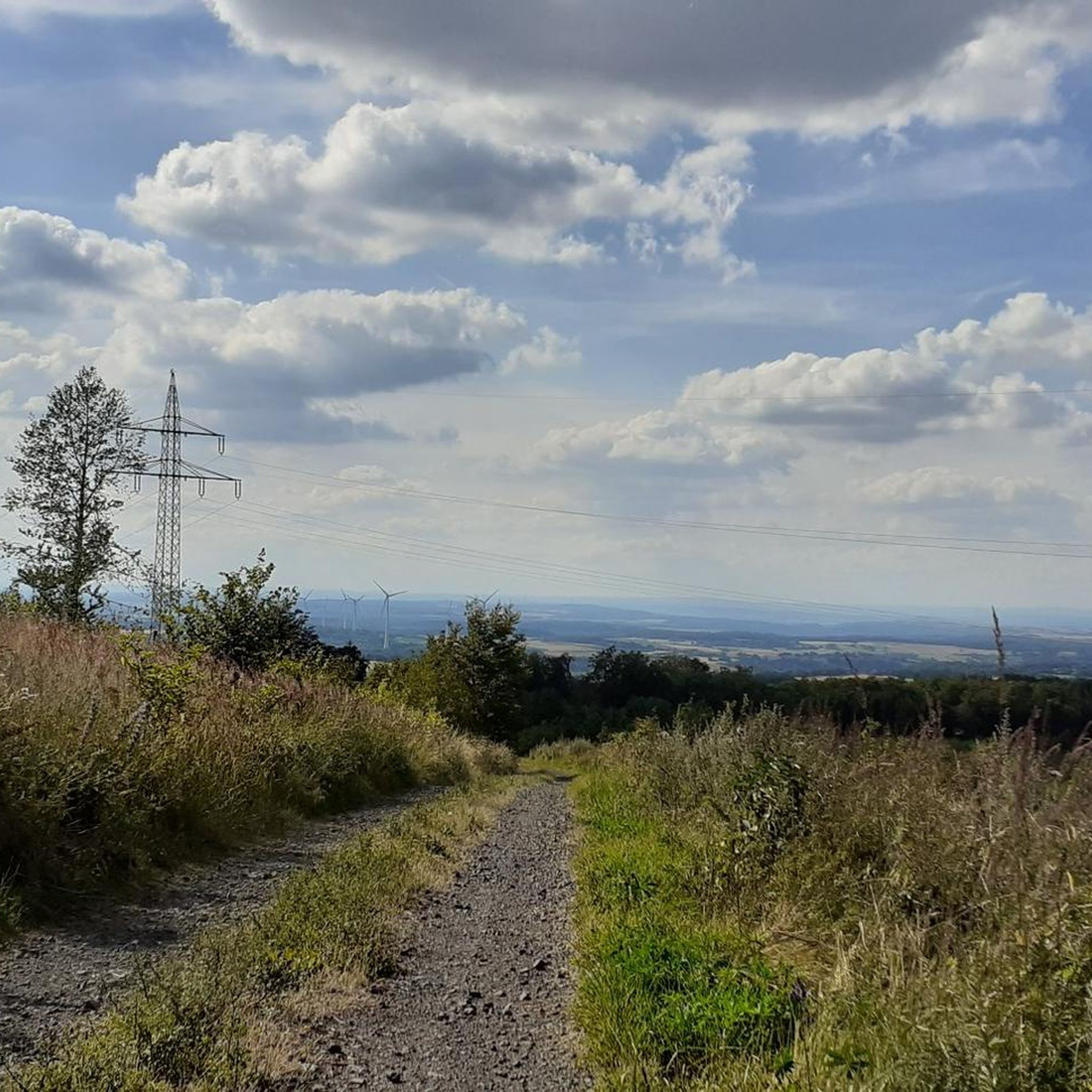
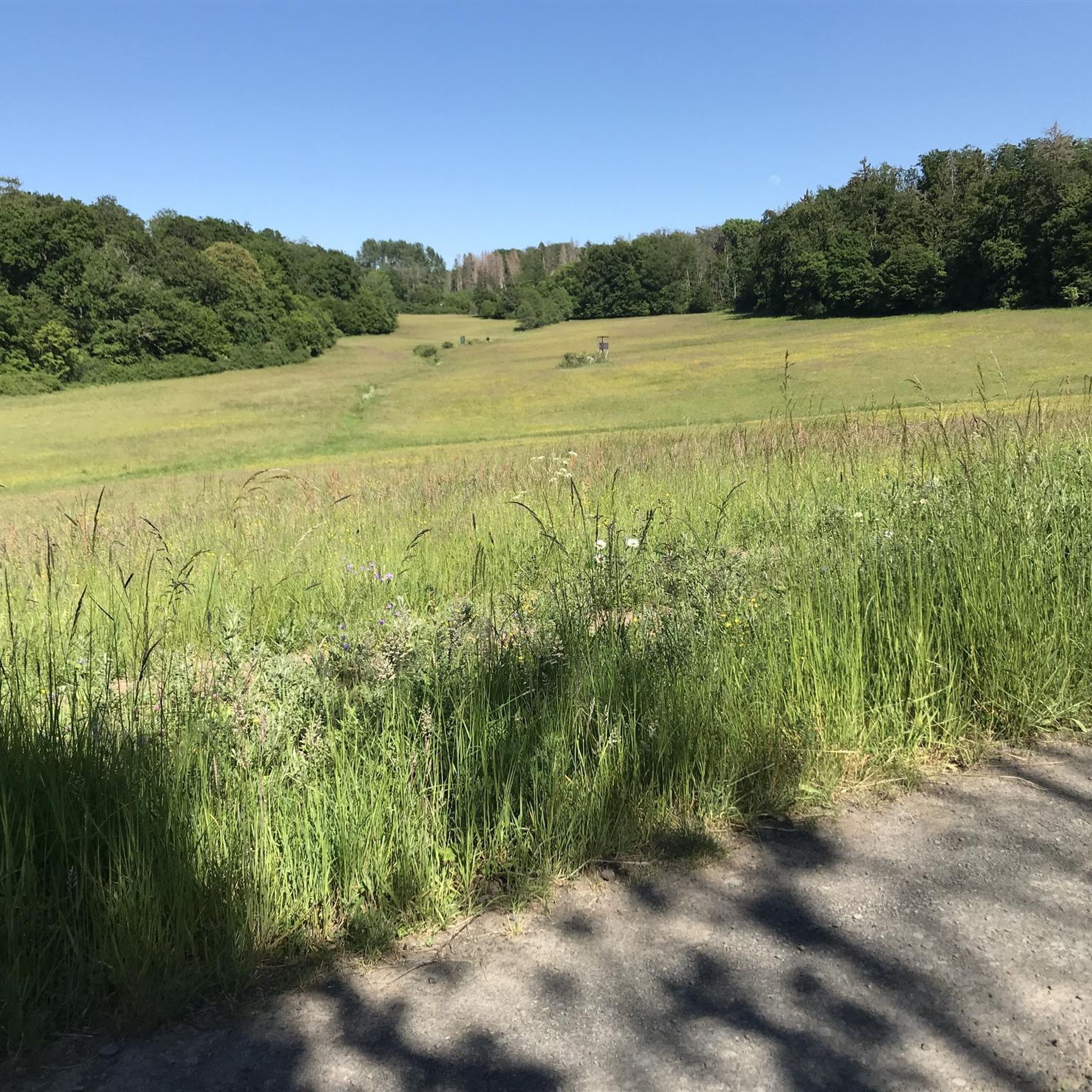
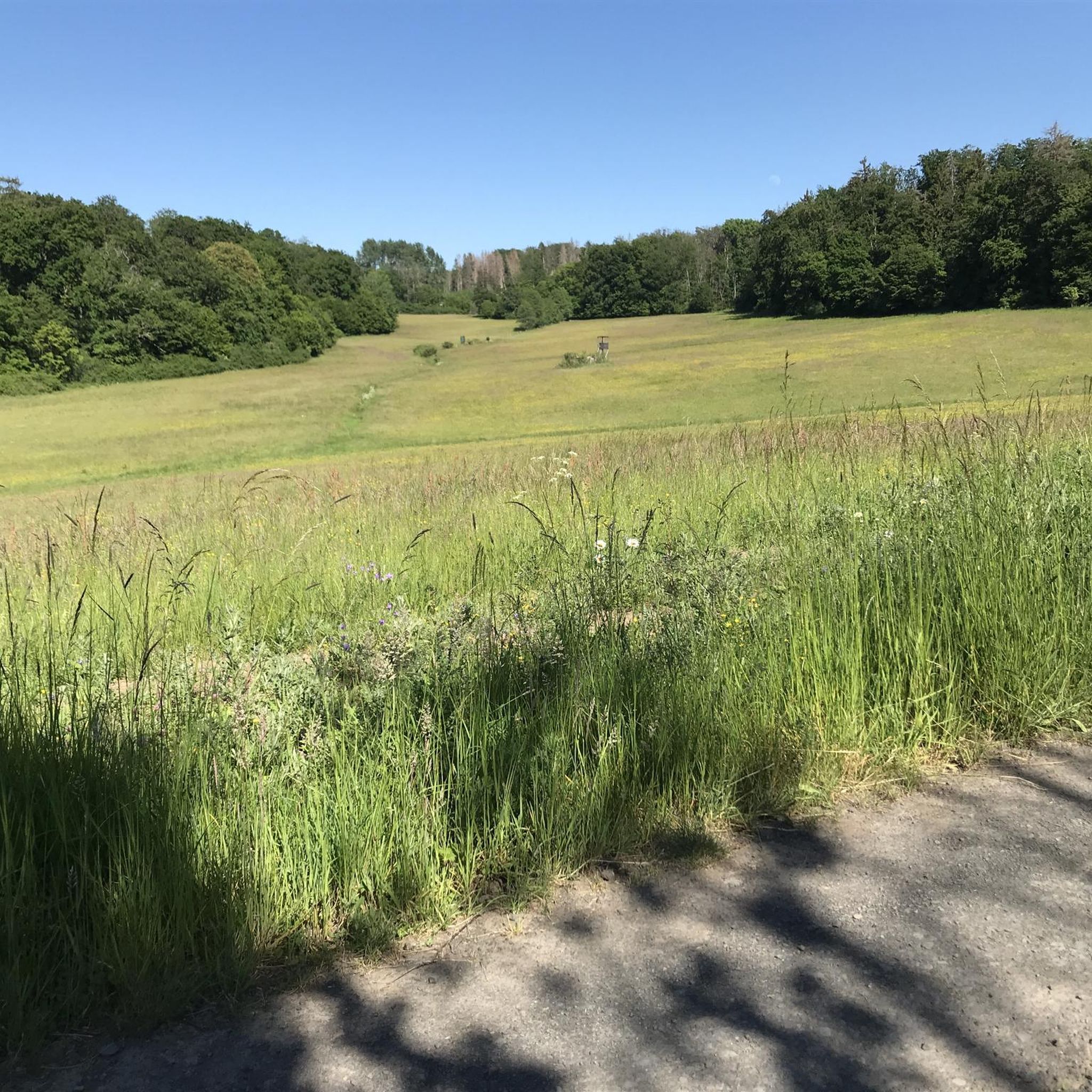
a magnificent wide-angle view over the western edge of the Vogelsberg
0
0

Only the Romanesque church tower remains from the previous building. In 1713, it was given an eight-sided, slate-covered top, which houses the tower clock and the belfry. The clock faces are on four sides, the sound arcades on all eight sides. The tower is covered with a bell-shaped hood on which a lantern sits. The largest church bell had to be handed over during the First World War because it was not considered to have any artistic value. The other two were left in the church. Before the bell could be lowered on a rope, the north side of the tower had to be broken open. The organ was spared from the delivery of organ pipes.[1] The nave was demolished in 1969 and a new one built in 1971.
0
0

The sculpture by Dr. Ulrich Barnickel recalls the tradition of nailsmiths.
0
0

Nice “Lutherrestplatz” in the sun
0
0
One of the works of art on the Feldatal Fairy and Gnome Trailhttps://www.feldatal.de/tourismus/wanderwege/feen-und-wichtelweg-in-ermenrod/
0
0

Since its full opening in May 2017, the Lutherweg 1521 has been a 400-kilometer-long pilgrimage/long-distance hiking trail from Worms in Rhineland-Palatinate through Hesse to the Wartburg near Eisenach in Thuringia. Wikipedia
0
0
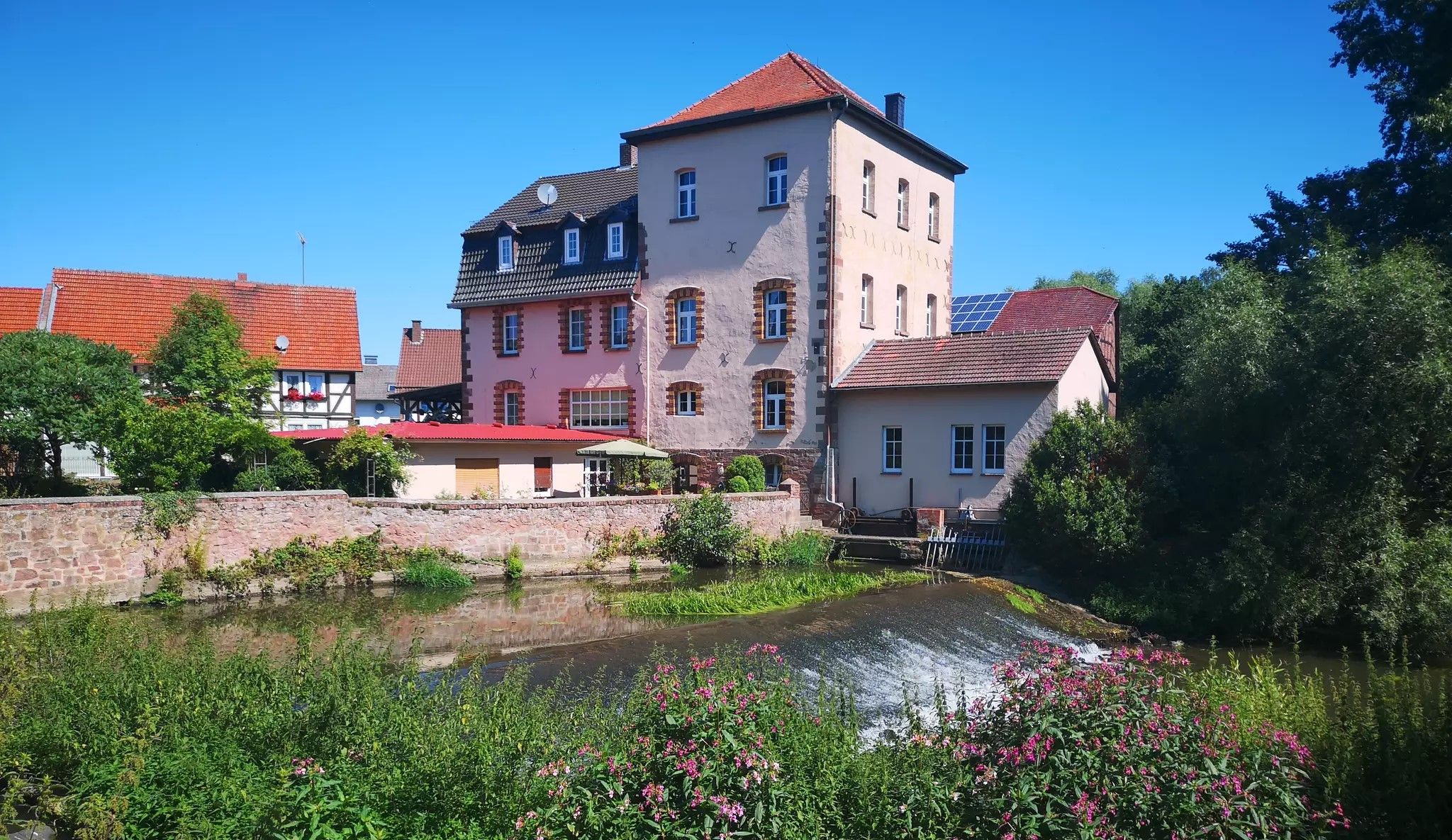
The beautiful old brick house from 1899/1900 is located at Alsfelder Straße 17.
1
0
Frequently Asked Questions
How many hiking trails are available in Feldatal?
Feldatal offers a wide network of hiking trails, with over 90 routes available for exploration. These trails cater to various preferences, ranging from easy strolls to more challenging hikes through the diverse landscapes of the High Vogelsberg Nature Park.
Are there family-friendly hiking options in Feldatal?
Yes, Feldatal is an excellent destination for families. An especially popular and easy option is the Feldatal Fairy and Gnome Trail – Parsonage Ermenrod (1899/1900) loop from Ermenrod, which is just under 3 km and suitable for all fitness levels, including children.
What kind of terrain can I expect on hikes in Feldatal?
Hikes in Feldatal traverse a unique landscape shaped by the Vogelsberg volcanic region, Central Europe's largest continuous volcanic massif. You'll encounter natural forests, moorland, picturesque valleys with streams, and unique rock formations. Elevations vary, with the Taufstein mountain reaching 774 meters, offering a mix of sub-mountainous and open terrain.
Are there any circular hiking routes in Feldatal?
Many trails in Feldatal are designed as circular routes, allowing you to start and end at the same point. For example, the Moose Oak Groß-Felda – Lutherweg 1521 loop from Feldatal is an easy 5.7 km circular path that takes you to the notable Mooseiche Groß-Felda.
What natural landmarks or viewpoints can I see while hiking in Feldatal?
Feldatal is rich in natural features and viewpoints. You can explore unique rock formations like the Teufelskanzel, Bilstein, Geiselstein, and the Uhuklippen in the Schwarzbach Valley. For panoramic views, consider routes that pass by the Bismarck Tower Taufstein (once renovated) or the View from Bildsteinskopf – Kestrich Village Church loop from Köddingen, which offers varied terrain and scenic vistas.
What do other hikers enjoy most about Feldatal?
The hiking trails in Feldatal are highly regarded by the komoot community, boasting an average rating of 4.6 stars from over 1600 reviews. Hikers frequently praise the diverse volcanic landscape, the well-maintained paths, and the variety of routes suitable for different skill levels, from easy family walks to more challenging excursions.
Are there any specific nature reserves or protected areas to explore?
Yes, the region is part of the High Vogelsberg Nature Park. Additionally, you can explore the "Feldatal" Nature Reserve near Schellnhausen and the Natura Trail, which runs through the FFH area "Feldatal," highlighting the region's commitment to preserving its natural beauty and unique ecosystems.
What are the difficulty levels of hiking trails in Feldatal?
Feldatal offers a good mix of difficulty levels. Approximately 53% of the trails are rated as easy, 41% as moderate, and 5% as difficult. This variety ensures that both casual walkers and experienced hikers can find suitable routes.
Can I find places to relax or enjoy nature by water in Feldatal?
Yes, the landscape is characterized by picturesque valleys intersected by brooks and streams, providing serene settings. The Oberer Forellenteich (Upper Trout Pond) in the Upper Niddatal is a particularly peaceful spot for walks and relaxation by the water.
Is there information available about the High Vogelsberg Nature Park?
Feldatal is nestled within the High Vogelsberg Nature Park, which is known for its open, sub-mountainous terrain and unique volcanic geology. For more general information about the nature park and its offerings, you can visit the Hessen Tourismus website.
Are there any trails that lead to significant historical or cultural sites?
While the region is primarily known for its natural beauty, some trails incorporate historical elements. For instance, the Moose Oak Groß-Felda – Lutherweg 1521 loop from Feldatal touches upon the Lutherweg, connecting to a broader historical context.
What is the best time of year to go hiking in Feldatal?
The diverse landscapes of Feldatal, with its forests, moorland, and valleys, offer beautiful hiking opportunities throughout much of the year. Spring brings lush greenery, summer provides warm conditions for longer treks, and autumn showcases vibrant foliage. Winter can offer unique snowy landscapes, though some trails might be more challenging.
Most popular routes around Feldatal
Most popular attractions around Feldatal

Get inspired with the komoot mobile app


Explore more
Browse the best Hikes in other regions.
