Top 20 Mountain Passes around Gschnitz
Best mountain passes around Gschnitz are characterized by high-alpine hiking routes and a network of mountain huts within the Stubai Alps. The region offers challenging experiences for hikers, featuring natural beauty, diverse flora, and panoramic views. The Gschnitztal Hut Tour, a multi-day hike connecting six mountain huts, provides a comprehensive way to explore the elevated terrain.
Best mountain passes around Gschnitz
- The most popular mountain passes is Brenner Border Ridge Road, a trail that follows an old military road high above the Brenner Pass. This route offers views and seclusion, moving through a historical landscape with dilapidated buildings from World War II.
- Another must-see spot is Abandoned Military Bunkers on the Brenner Pass, a man-made monument. Historically interested visitors can explore many old bunkers along a trail that is partly narrow in exposed places.
- Visitors also love Peiljoch, a mountain pass with extensive stone cairns. This pass provides views of the glacier and the Sulzenausee, with its deep blue water and ice floes.
- Gschnitz is known for high-alpine hiking routes, historical military roads, and scenic viewpoints. The area offers a variety of mountain passes to see and explore, from challenging trails to historical sites.
- The mountain passes around Gschnitz are appreciated by the komoot community, with 394 upvotes and 688 photos shared by visitors.
Last updated: June 26, 2026
Brenner Border Ridge Road
Highlight (Segment) • Trail
In about 10 kilometers in gentle up and down, you move through a world that remains completely hidden from the travelers on the busy Brenner Motorway. Thanks to their length and seclusion, you will find very few hikers and bikers here and have the magnificent view and peace for you.
But that is also the reason why you should only ride this section in stable weather conditions, adequate food and enough time.
Translated by Google •
Tip by

Abandoned Military Bunkers on the Brenner Pass
Highlight • Monument
Be careful of “loose” stones - they can hit the trail again downhill
Translated by Google •
Tip by

Sign up now to discover places like this
Get recommendations on the best single tracks, peaks, & plenty of other exciting outdoor places.
Sign up for free
Peiljoch
Highlight • Mountain Pass
Translated by Google •
Tip by

Zwölfernieder
Highlight • Mountain Pass
Translated by Google •
Tip by

Niederl
Highlight (Segment) • Mountain Pass
A good description is included here (click the link to get there at the right time):
Translated by Google •
Tip by

Sign up for free to discover even more mountain passes around Gschnitz.
Sign up for free
Already have an account?
Start today with a free account
Your next adventure awaits.
Login or Signup
Popular around Gschnitz
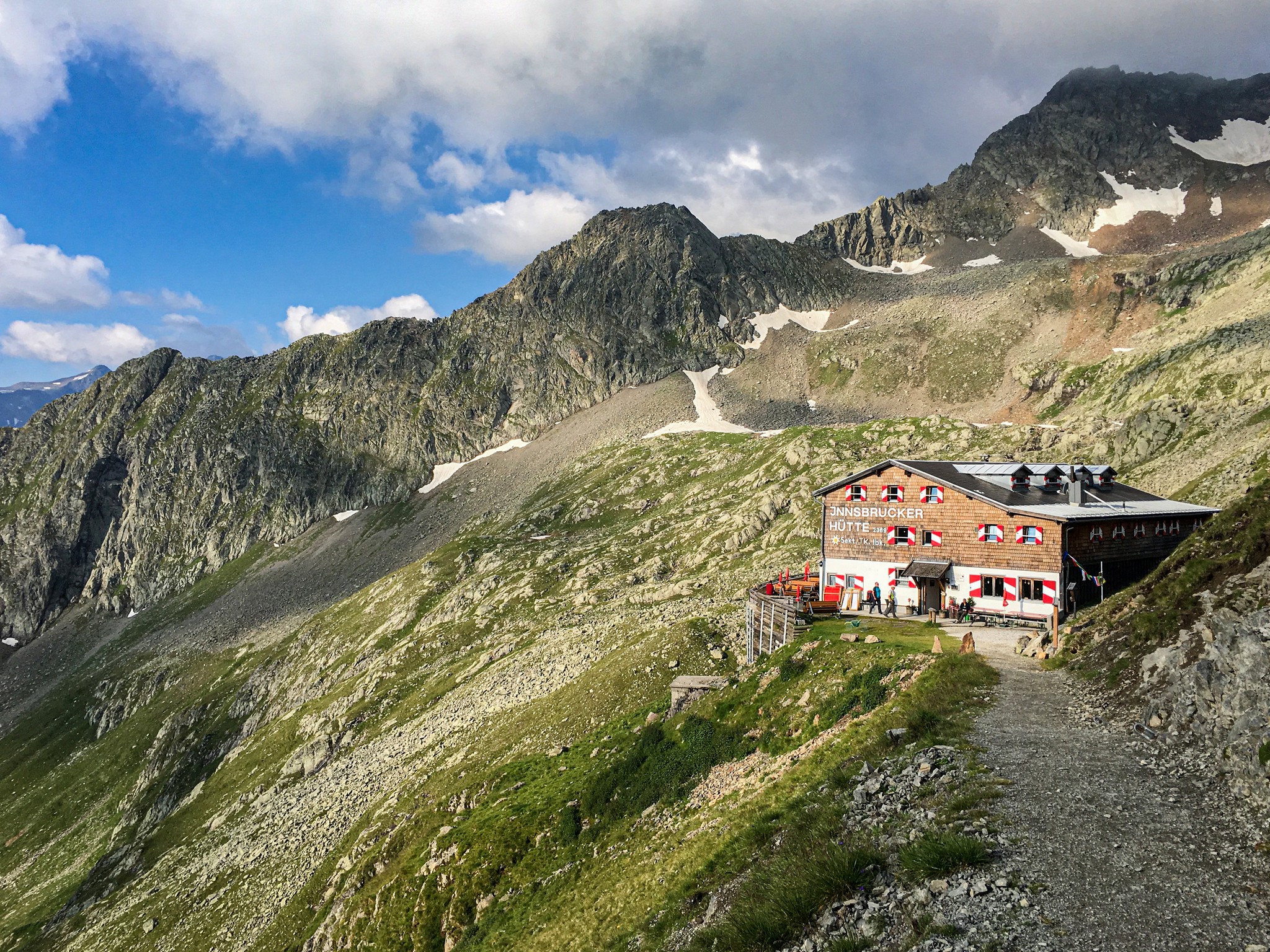
Gschnitztal Hüttenstern – 6 glorious day hikes to mountain huts
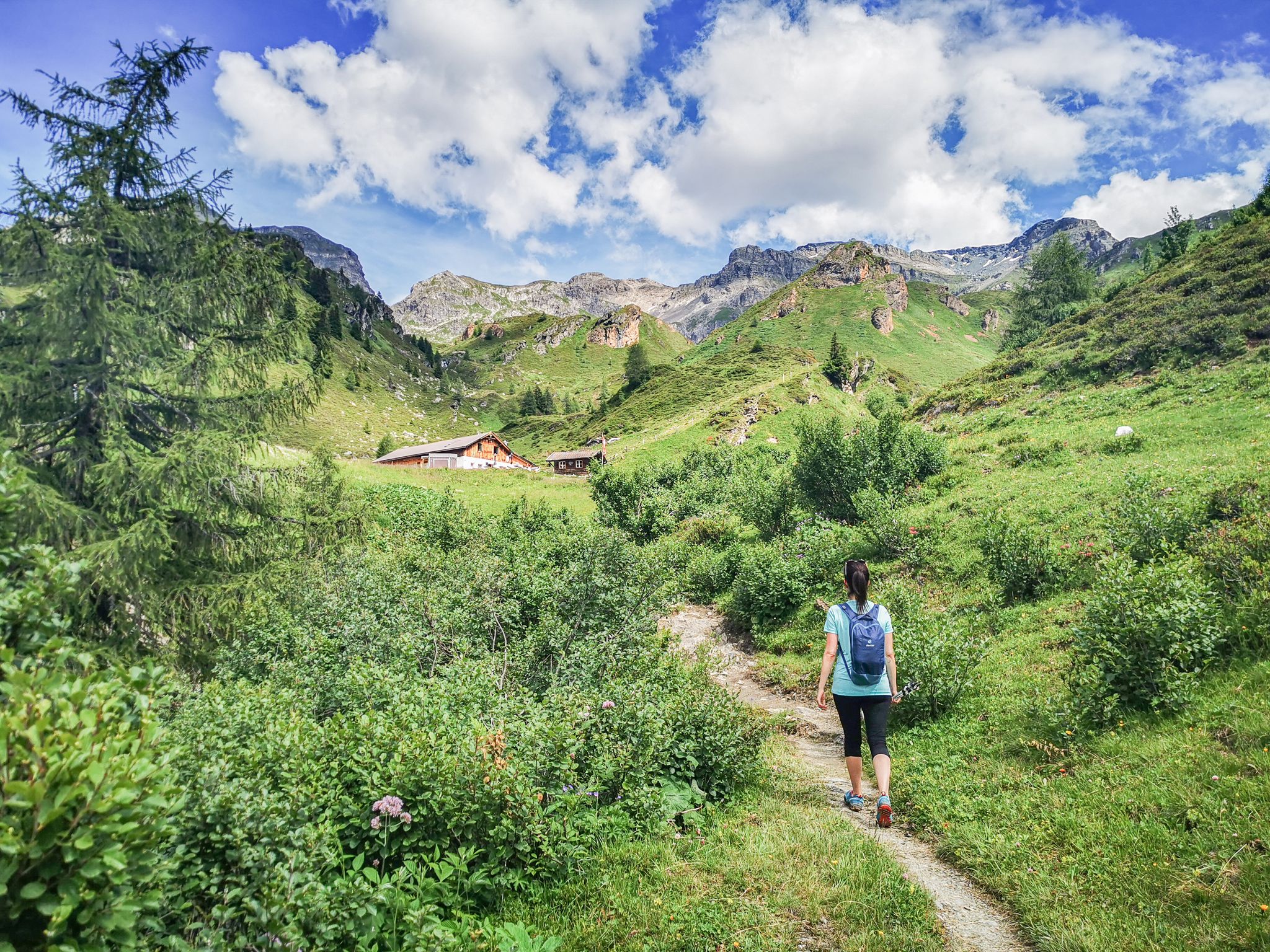
5 culinary alpine and hut hikes in Austria's Wipptal
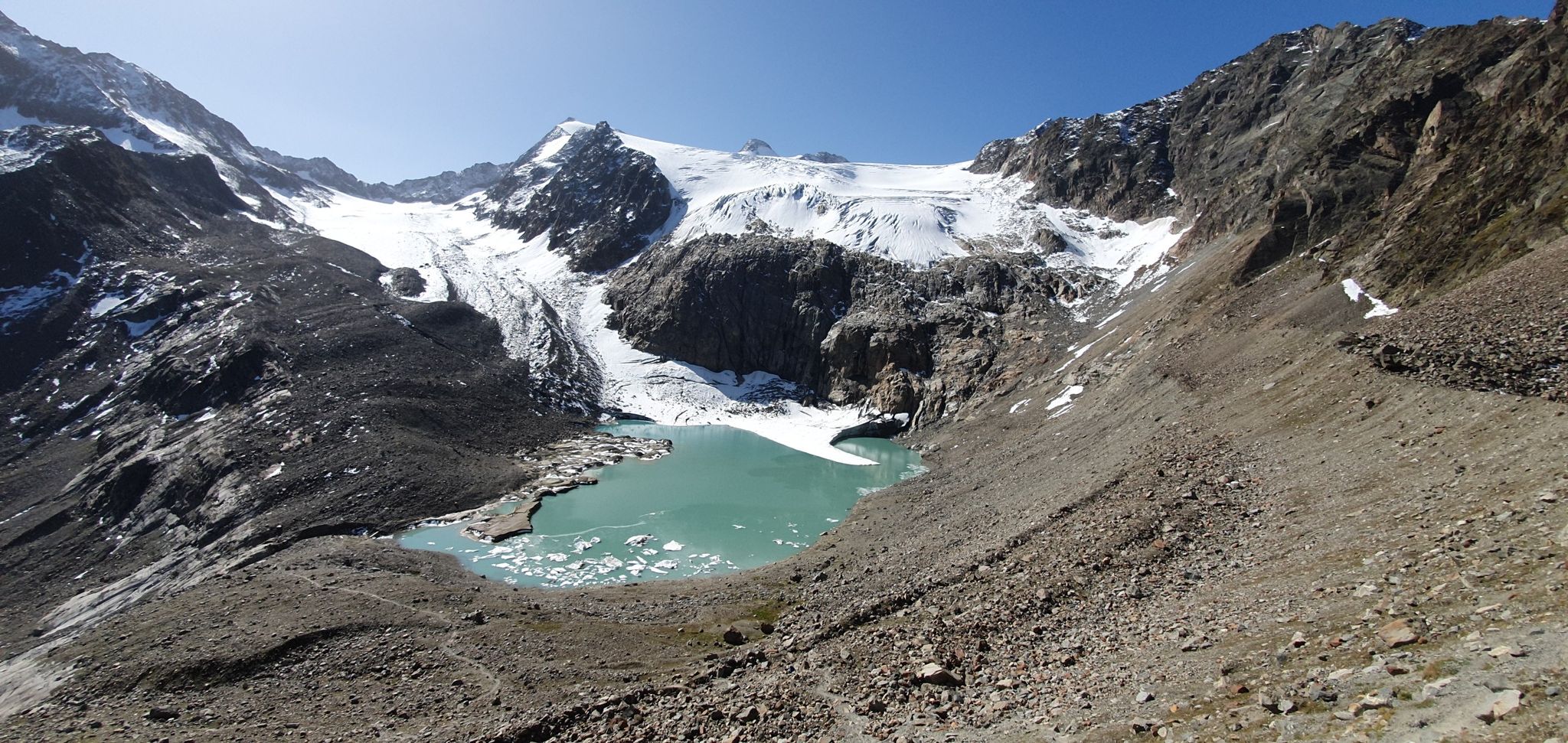
Stubai Alps Crossing – 10 days of pure adventure
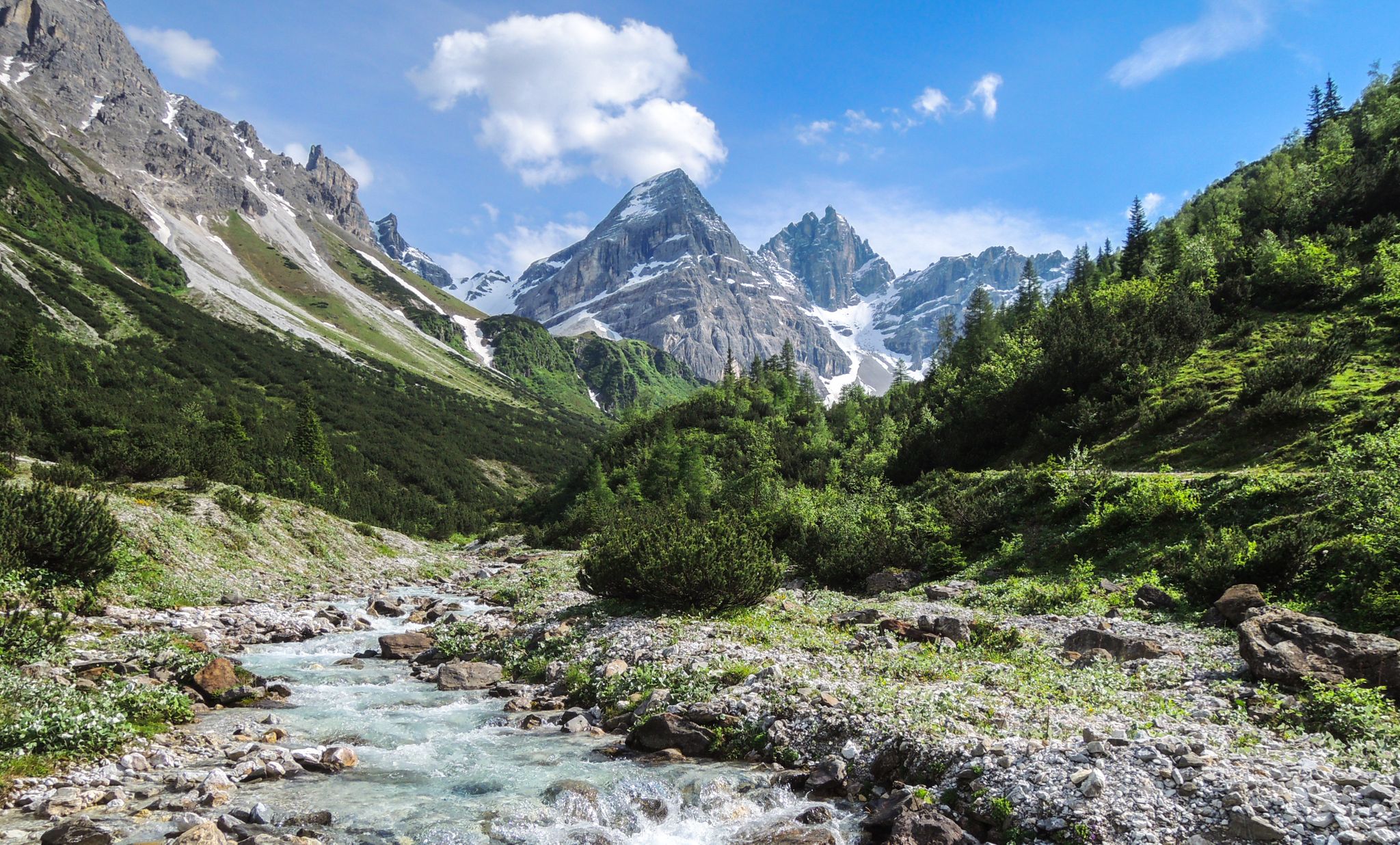
A journey of discovery in Tyrol – hidden places in the Wipptal Valley
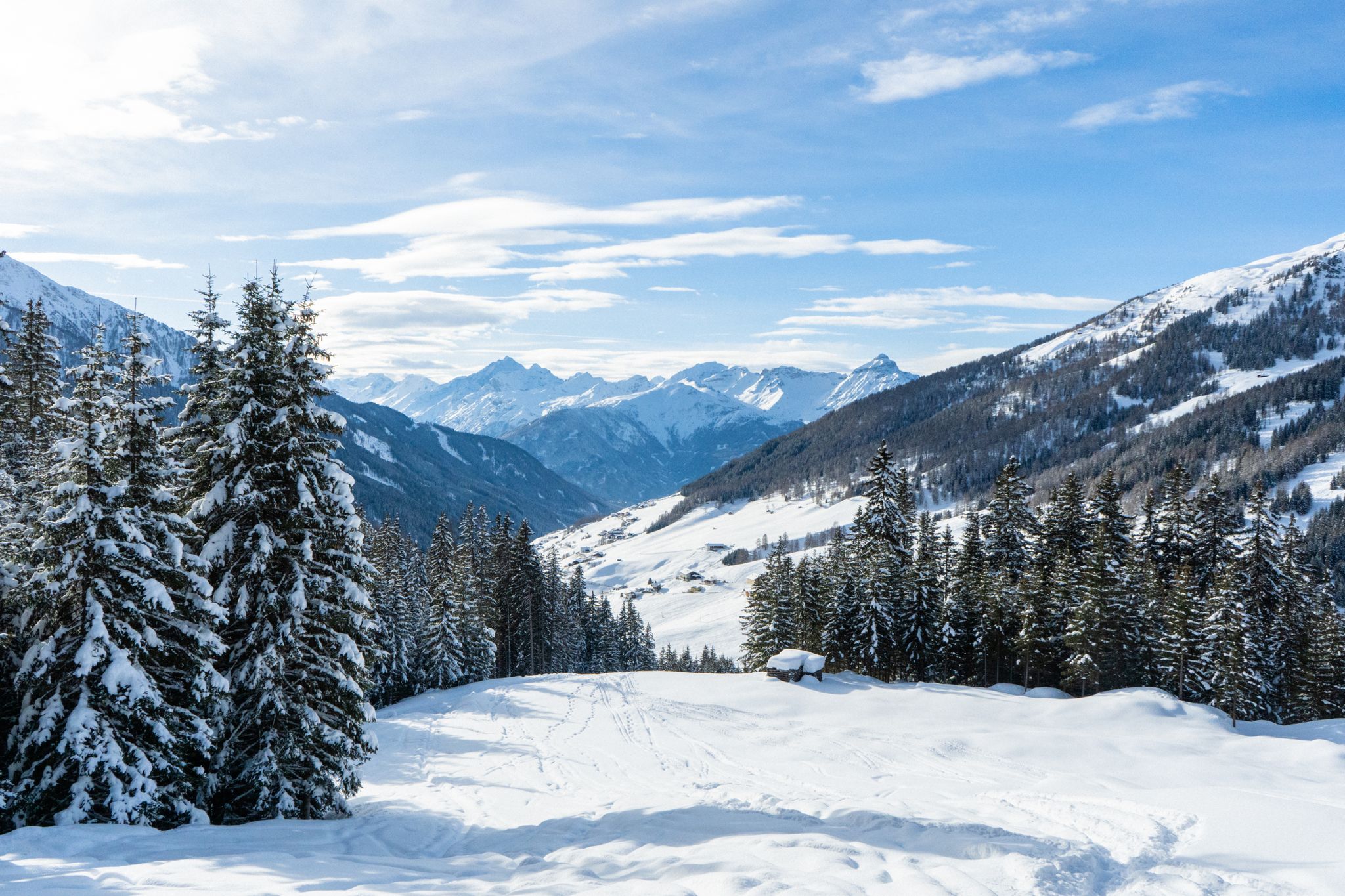
Your winter in Austria’s Wipptal Valley: 10 tips for adventuring in the snow
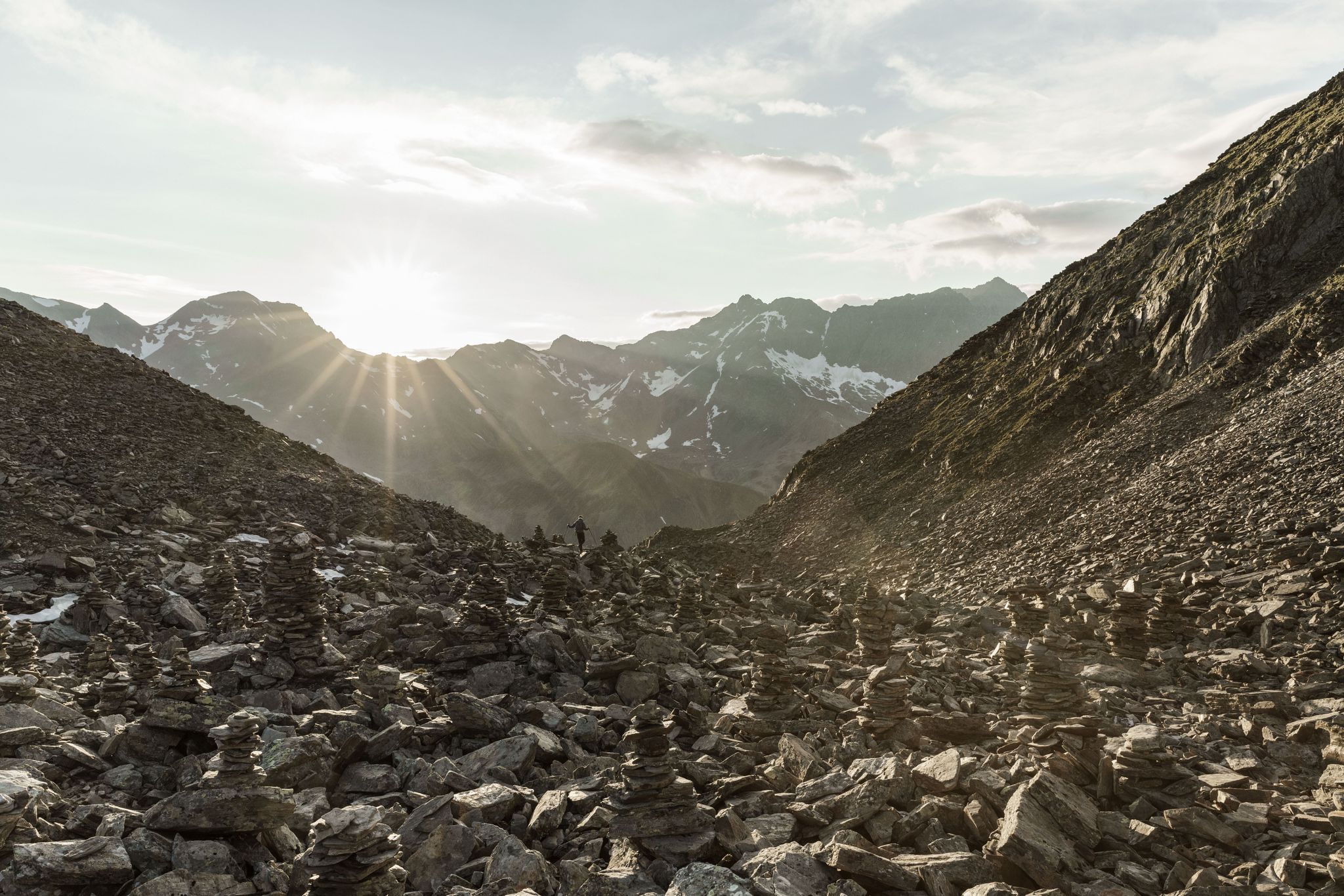
A breath of alpine air on the Stubai High Trail — Great Walks
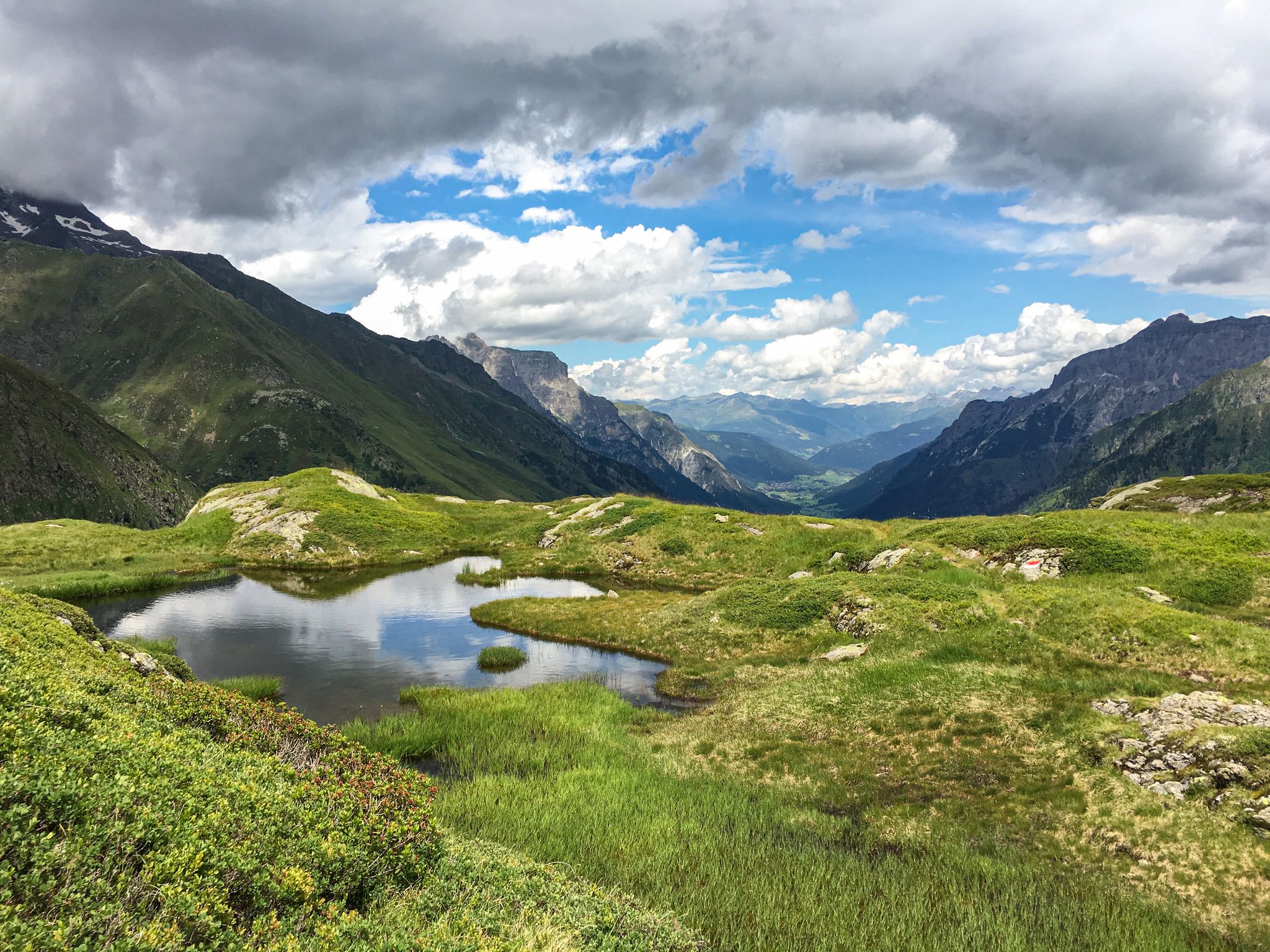
Lonely lakes and thundering waterfalls – magical places in the Wipp Valley
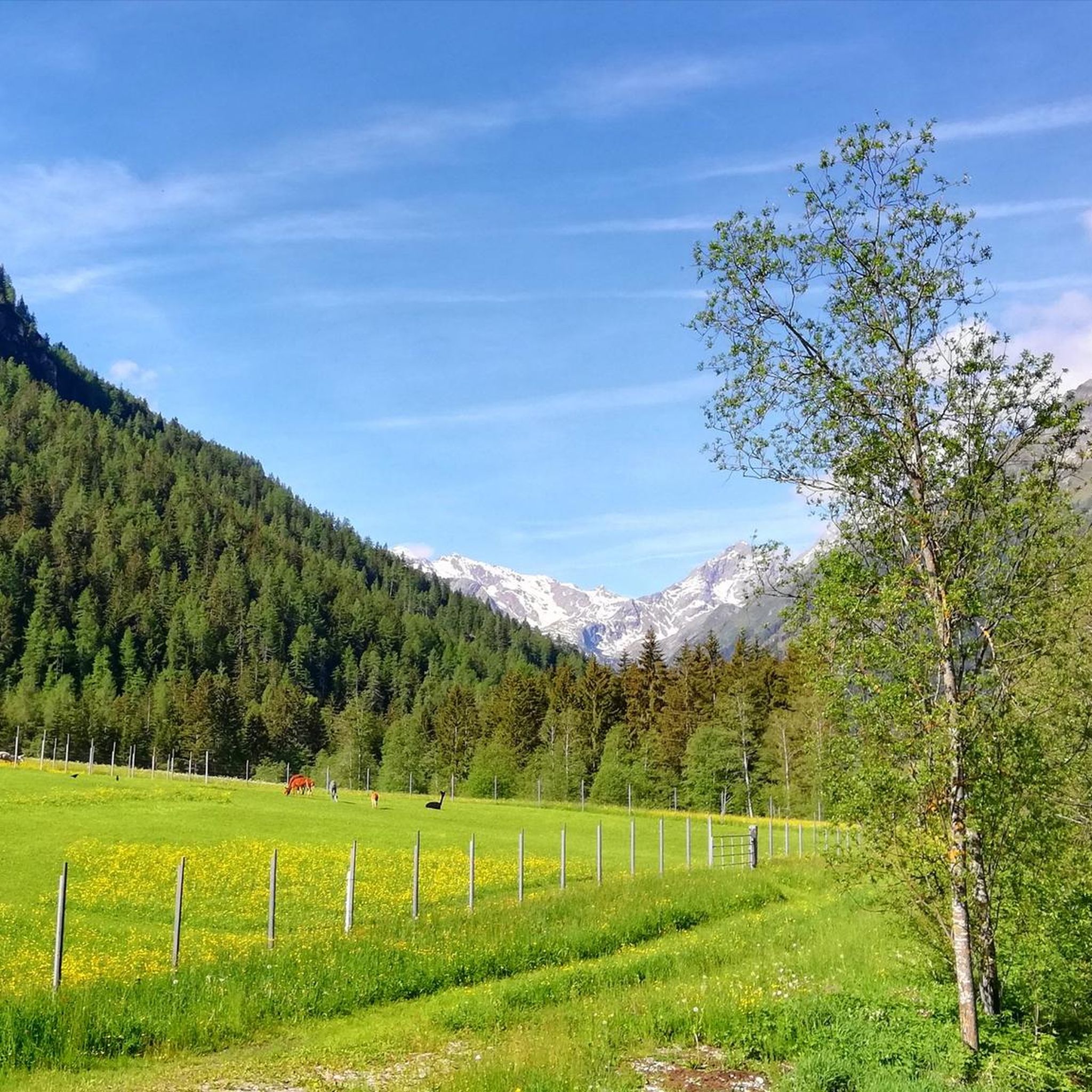
Hiking around Gschnitz
Cycling around Gschnitz
MTB Trails around Gschnitz
Other adventures around Gschnitz


Tips from the Community


The Zwölfernieder is a 2,300-meter-high pass below the Elferspitze. It connects the Pinnistal with the Stubai Valley.
2
0
The Beiljoch, also called Peiljoch, is a narrow alpine pass above the Dresdner Hütte. The approach to the pass is secured with wire ropes due to its partially exposed areas. Concentration and surefootedness are required on the climb! Once you reach the pass, you have a beautiful view of the Sulzenausee, which is the end of the Sulzenauferner. Ice floes are constantly floating in the deep blue water.
2
0


A very beautiful passage, but easily doable. A good description can be found here: https://youtu.be/vzWTEY3Iyy0
2
0
You can see it clearly in the video here (click the blue link to get to the right time): https://youtu.be/vzWTEY3Iyy0?si=ElXSHJP32LK_ZfbT&t=332
2
1
A very beautiful section, slightly exposed, but easily doable. A good description is included here (click the link to get there at the right time): https://youtu.be/vzWTEY3Iyy0?si=TJ9APkTnoWmG2DZp&t=840
4
1
Frequently Asked Questions
What kind of natural beauty can I expect to see on mountain passes around Gschnitz?
The Gschnitz Valley, nestled in the Stubai Alps, offers stunning alpine scenery. You'll encounter rugged mountains, three-thousand-meter peaks like Habicht, Feuersteine, and Tribulaune, and lush alpine meadows. The region is known for its rich biodiversity, especially alpine flowers, with the Blaser mountain being particularly famous for its floral wealth. You can also find picturesque lakes like the Simmingsee and the deep blue Sulzenausee, often with ice floes.
Are there any passes with particularly impressive viewpoints?
Yes, several passes offer breathtaking views. Peiljoch provides extensive views of the glacier and the Sulzenausee. From Zwölfernieder, you can enjoy ingenious views of the pass itself and the surrounding mountain ridge. The Padasterjochhaus, a significant point on the Gschnitztal Hut Tour, is renowned for its unparalleled panoramic views extending to the Tux Alps, the rugged Tribulaune mountains, and even the distant Dolomites on clear days.
Are there any historical sites or cultural attractions near the mountain passes?
Absolutely. You can explore the Brenner Border Ridge Road, an old military road with dilapidated buildings from World War II, offering a glimpse into history. Nearby, you'll also find the Abandoned Military Bunkers on the Brenner Pass, a man-made monument for historically interested visitors. Beyond the passes, the region features the historic pilgrimage church of St. Magdalena and the Mill Village Gschnitz, an open-air museum showcasing historical water utilization.
What is the difficulty level of hiking the mountain passes around Gschnitz?
The mountain passes and high-alpine routes around Gschnitz are generally considered challenging. Many routes, especially those connecting the mountain huts, are classified as difficult, requiring sure-footedness, a head for heights, and good physical condition. For instance, the ascent to Bremer Hütte involves an elevation gain of over 1,100 meters. Some sections, like the path from Zwölfernieder down to Autenalm, are very steep, narrow, and exposed, requiring significant caution.
When is the best time of year to visit the mountain passes in Gschnitz?
The best time to visit the mountain passes and undertake high-alpine hikes in Gschnitz is typically during the warmer months, from late spring through early autumn (roughly June to September). During this period, the snow has usually melted from higher elevations, and the weather conditions are more stable for challenging routes and multi-day hut tours. This also allows you to experience the rich alpine flora in full bloom.
What outdoor activities can I do near these mountain passes?
Besides challenging high-alpine hiking, the Gschnitz region offers a variety of outdoor activities. You can find numerous cycling routes, including those around the valley and towards the Brenner Pass. For example, there are moderate to difficult cycling tours like the 'Isarco River – Old Brenner Railway Tunnel loop' or the 'Mill Village Gschnitz – Gschnitz Waterfall loop'. Running enthusiasts can also explore trails such as the 'STUBAI K18' or scenic loops around waterfalls. You can find more details on these activities in the cycling, road cycling, and running guides for Gschnitz.
Are there multi-day hiking options that connect several passes or huts?
Yes, the Gschnitz region is renowned for its multi-day hut tours. The most notable is the Gschnitztal Hut Tour, a difficult multi-day hike that loops around the valley, connecting six different mountain huts. These huts, such as Trunahütte, Gschnitzer Tribulaunhütte, Bremer Hütte, Innsbrucker Hütte, and Padasterjochhaus, serve as significant crossings and provide comfortable resting points with traditional Tyrolean hospitality.
What are the mountain huts like in the Gschnitz Valley?
The mountain huts in the Gschnitz Valley, such as Trunahütte, Gschnitzer Tribulaunhütte, Bremer Hütte, Innsbrucker Hütte, and Padasterjochhaus, offer an authentic alpine experience. They provide comfortable resting points, often serving hearty traditional Tyrolean meals. These huts are crucial for multi-day tours, offering overnight stays and a chance to immerse yourself in the unique mountain culture. Some, like the Bremer Hütte, have a rich history dating back to 1897.
What should I be aware of regarding safety on these challenging routes?
Given the challenging nature of many routes, sure-footedness and a head for heights are essential. Some trails, like the approach to Peiljoch, are secured with wire ropes due to partially exposed areas, requiring concentration. On the Abandoned Military Bunkers on the Brenner Pass trail, be cautious of loose stones and narrow, exposed sections. It's always advisable to check weather conditions, carry adequate food and water, and allow sufficient time for your tour, especially on secluded paths like the Brenner Border Ridge Road.
Can I spot wildlife while exploring the mountain passes?
Yes, the high-alpine environment of Gschnitz offers opportunities to spot wildlife. Hikers in the vicinity of the Sandesjöchl, near the Gschnitzer Tribulaunhütte, can often spot ibex. On more secluded paths, like the Brenner Border Ridge Road, you might encounter marmots, enjoying the peace and quiet of the mountains.
Are there any passes suitable for intermediate hikers looking for a rewarding experience?
Yes, several passes offer rewarding experiences for intermediate hikers. Niederl is described as a very beautiful section, slightly exposed but easily doable, offering wonderful views. The Brenner Border Ridge Road is also considered intermediate, offering unique historical insights and views without extreme technical difficulty, provided you are prepared for its length and seclusion.
Most popular routes around Gschnitz
Most popular attractions around Gschnitz

Get inspired with the komoot mobile app


Explore more
See even more epic mountain passes by checking out these guides around Gschnitz:
