The best mountain hikes around Gschnitz
4.9
(62)
513
hikers
15
hikes
Mountaineering routes around Gschnitz are set within Tyrol's Wipptal valley, an "Alpine Club Mountaineering Village" in the Stubai Alps. The region features a diverse landscape, transitioning from gentle eastern slopes to rugged, towering peaks in the west. This geological variety, encompassing limestone, crystalline, primary rock, and dolomite, supports a rich alpine environment. The valley is surrounded by impressive mountains, including several three-thousand-meter peaks such as the Habicht (3,277 m), Feuersteine (3,267 m), and Tribulaune (3,097 m).
Best mountaineering routes around…
Last updated: June 24, 2026
5.0
(9)
94
hikers
5.20km
04:51
850m
850m
Hard mountaineering route. Good fitness required. Sure-footedness, sturdy shoes and alpine experience required.
4.8
(16)
90
hikers
13.9km
10:27
1,910m
1,910m
Hard mountaineering route. Very good fitness required. Sure-footedness, sturdy shoes and alpine experience required.

Sign up for free
4.8
(12)
98
hikers
4.89km
02:25
370m
370m
Hard mountaineering route. Good fitness required. Sure-footedness, sturdy shoes and alpine experience required.
4.5
(2)
35
hikers
12.0km
06:31
1,080m
1,080m
Hard mountaineering route. Very good fitness required. Sure-footedness, sturdy shoes and alpine experience required.
5.0
(2)
17
hikers
5.45km
03:07
410m
410m
Hard mountaineering route. Good fitness required. Sure-footedness, sturdy shoes and alpine experience required.
Get access to more routes and recommendations from other explorers.
Sign up for free
Already have an account?
Our route recommendations are based on thousands of hikes, rides, and runs completed by other people on komoot.
Start today with a free account
Your next adventure awaits.
Login or Signup
Popular around Gschnitz
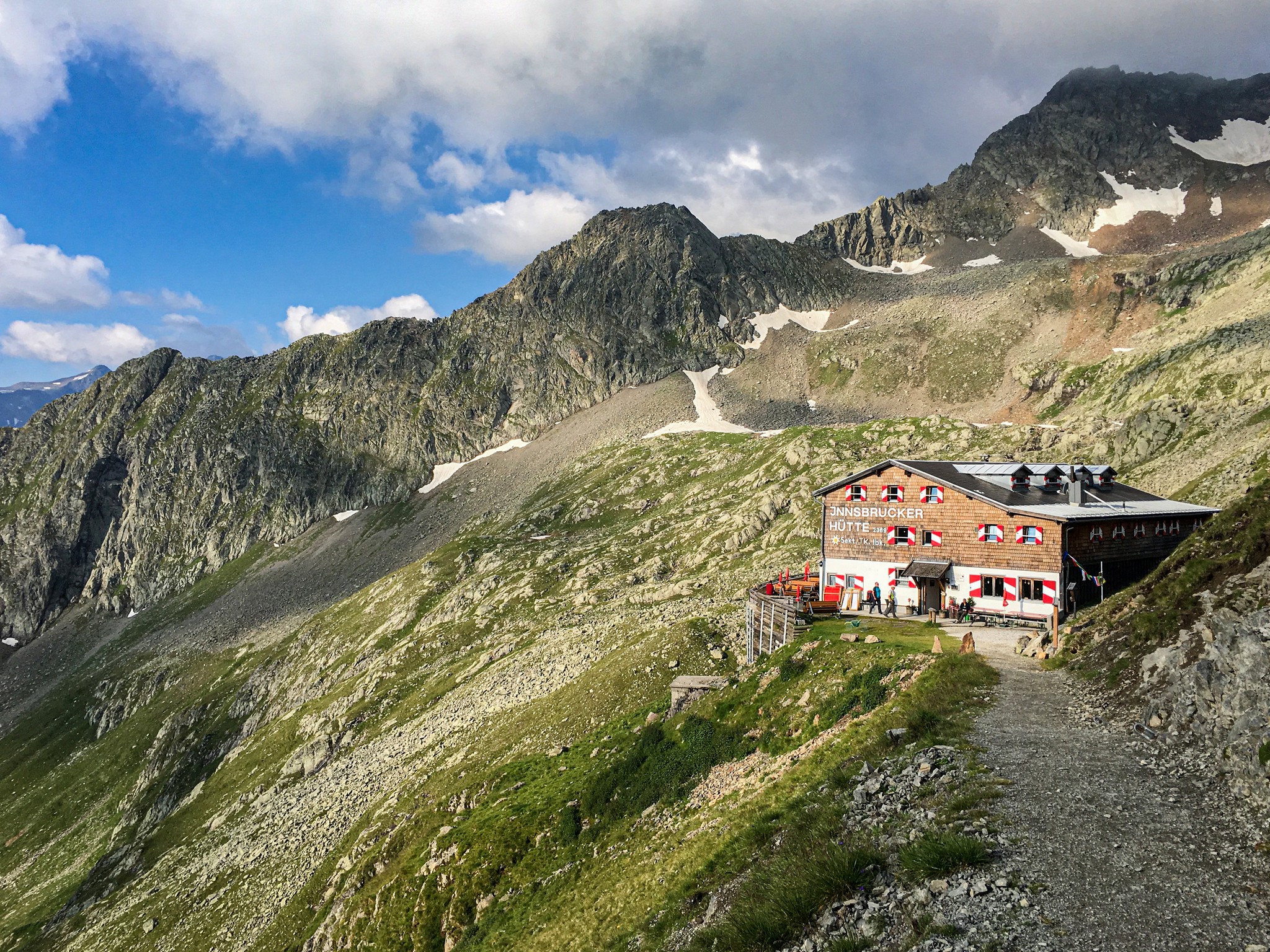
Gschnitztal Hüttenstern – 6 glorious day hikes to mountain huts
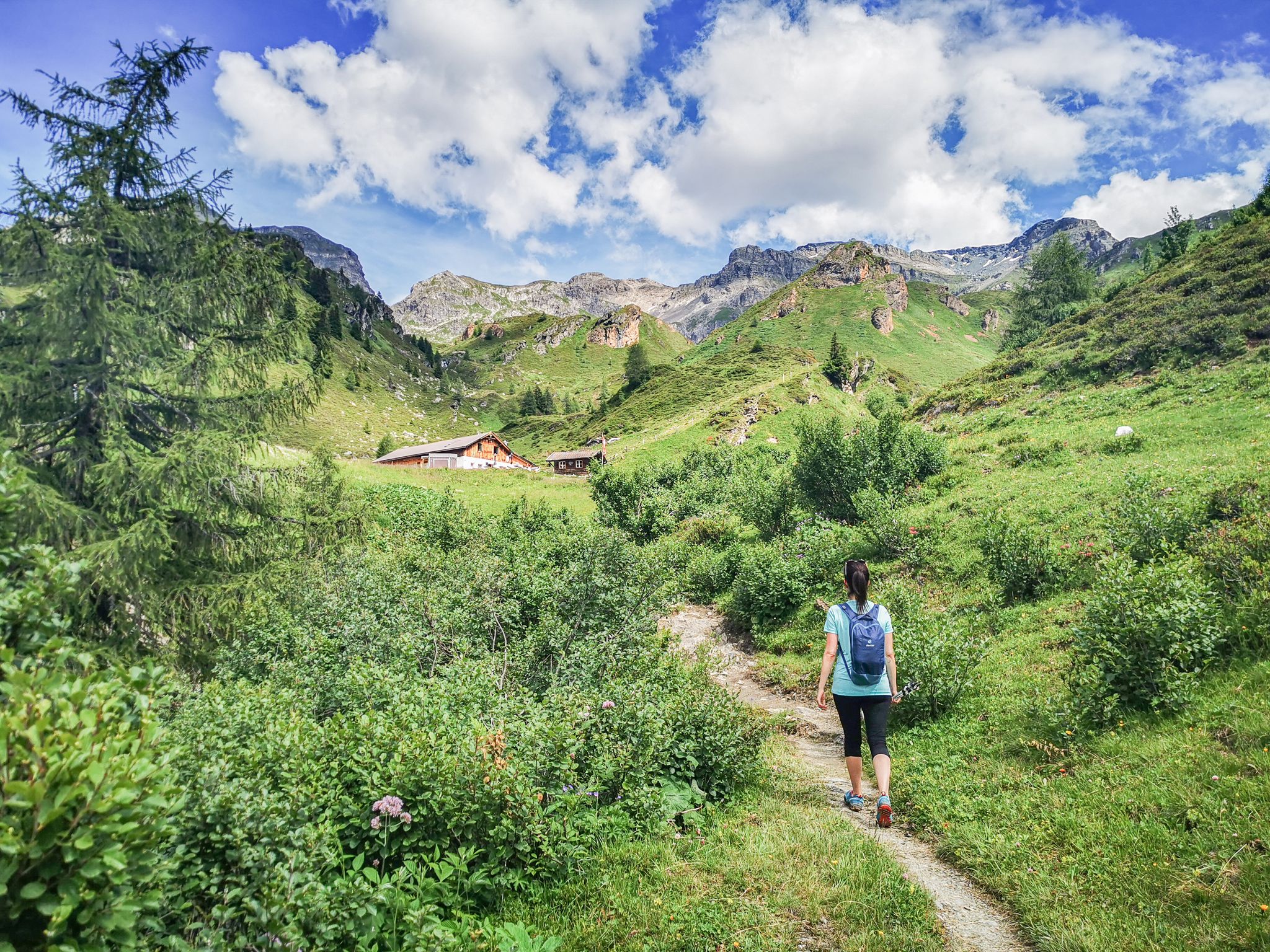
5 culinary alpine and hut hikes in Austria's Wipptal
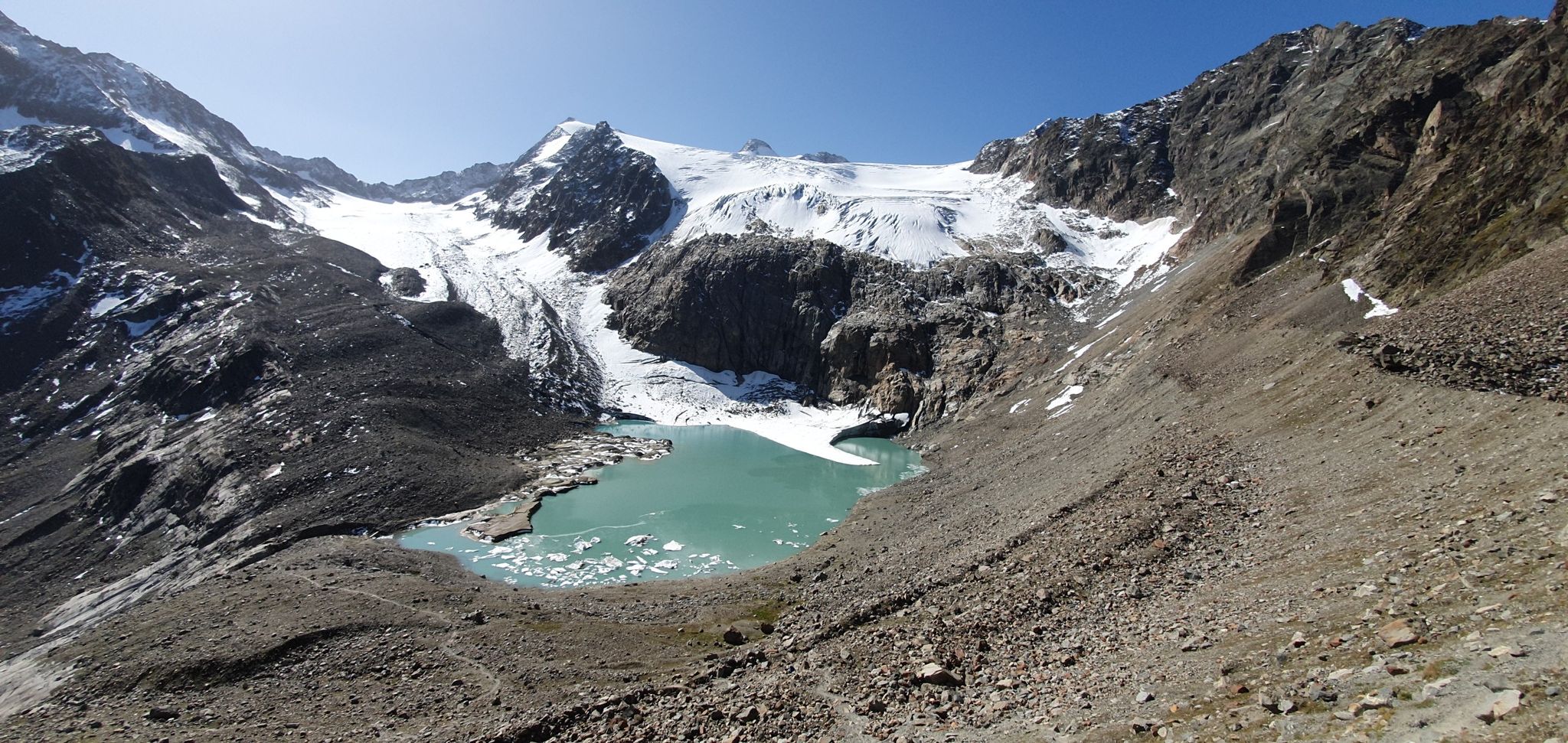
Stubai Alps Crossing – 10 days of pure adventure
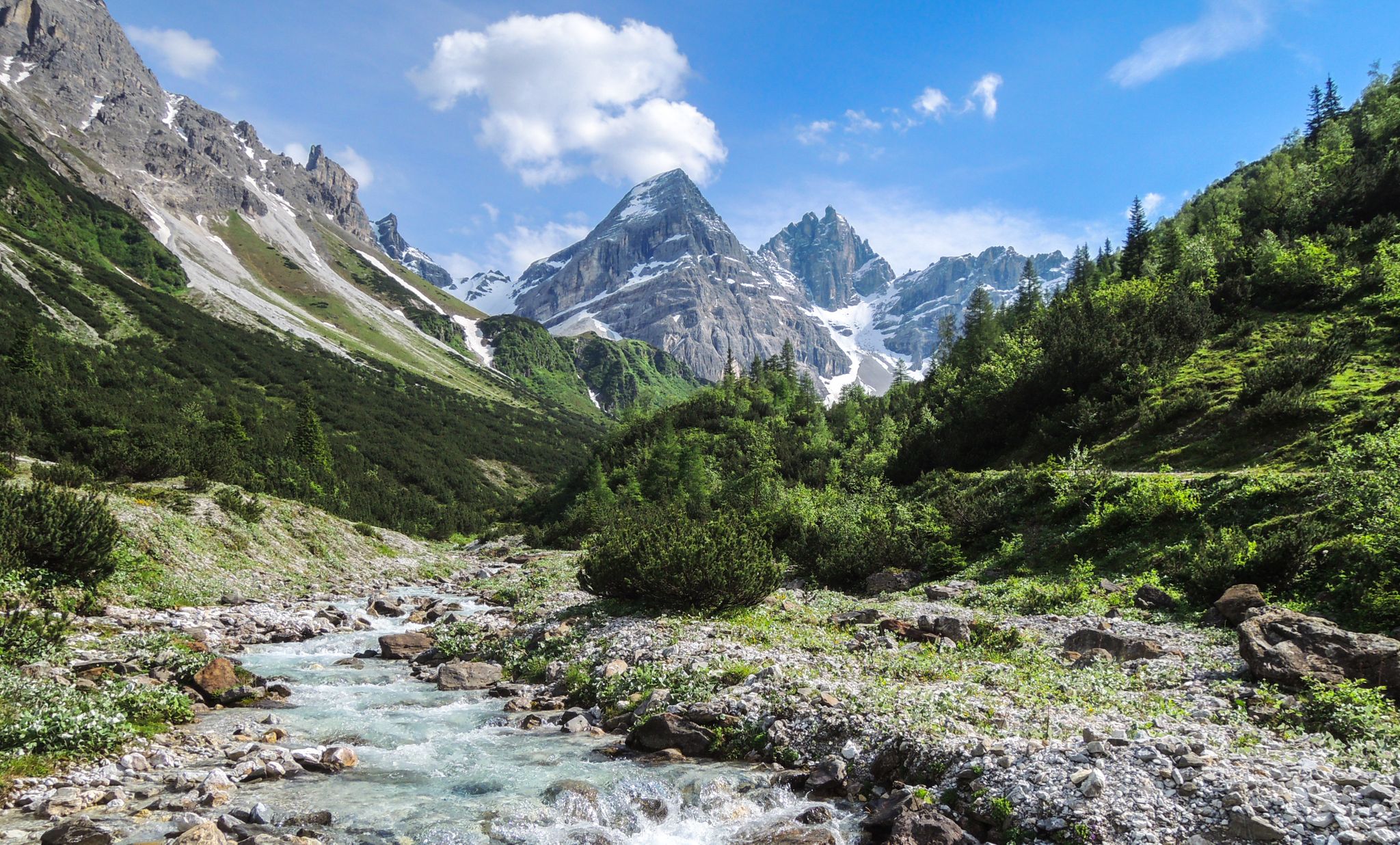
A journey of discovery in Tyrol – hidden places in the Wipptal Valley
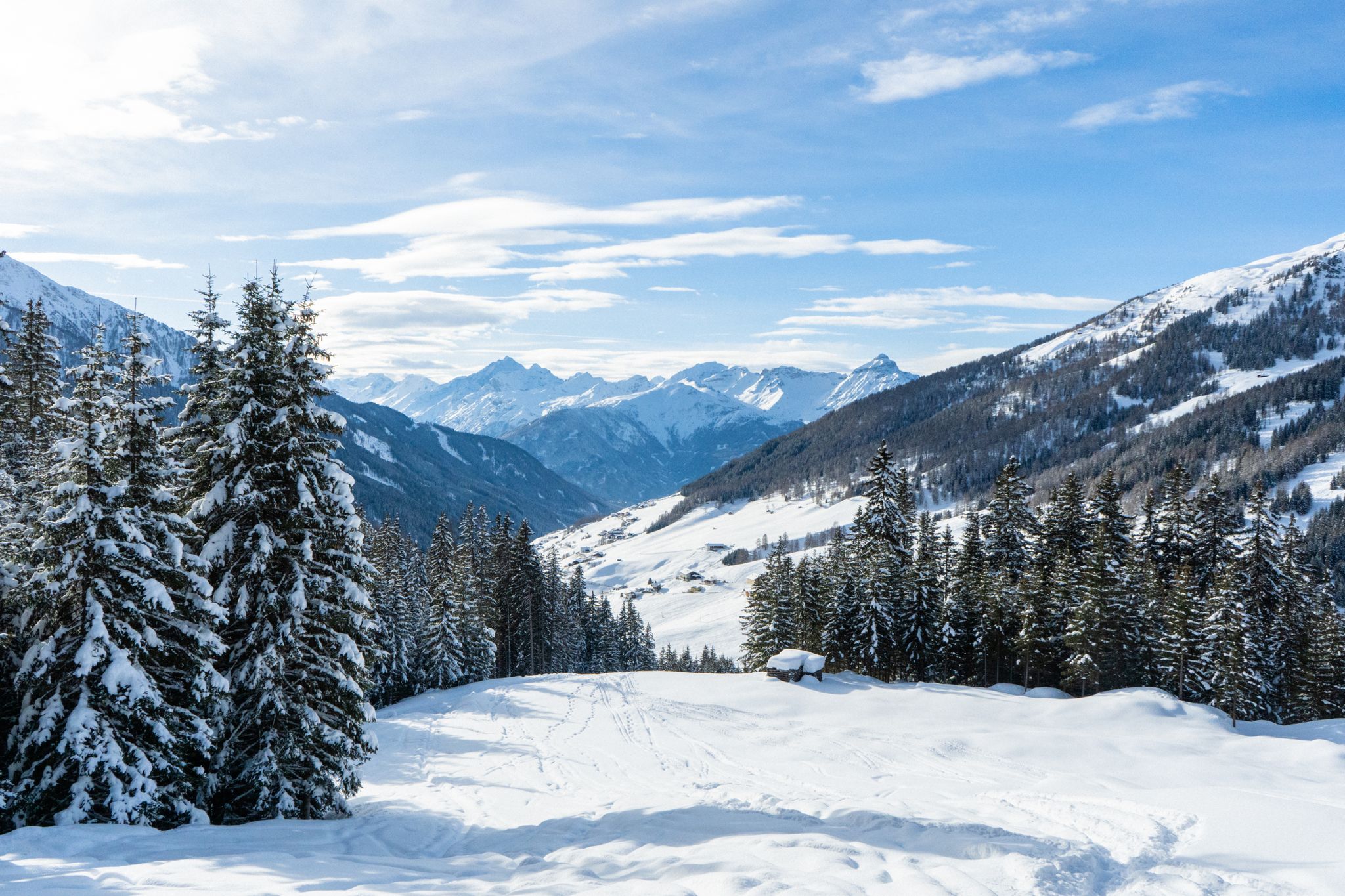
Your winter in Austria’s Wipptal Valley: 10 tips for adventuring in the snow
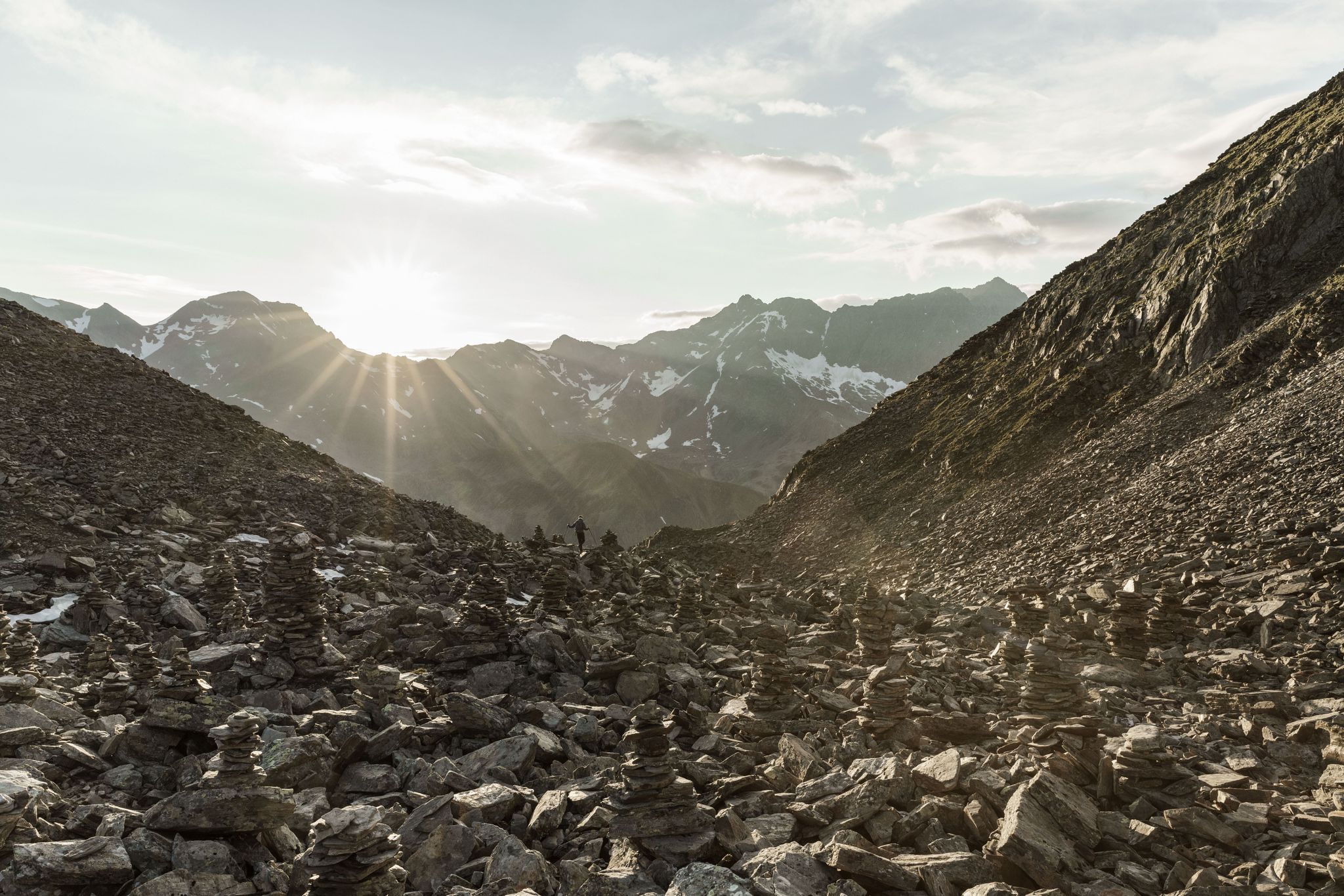
A breath of alpine air on the Stubai High Trail — Great Walks
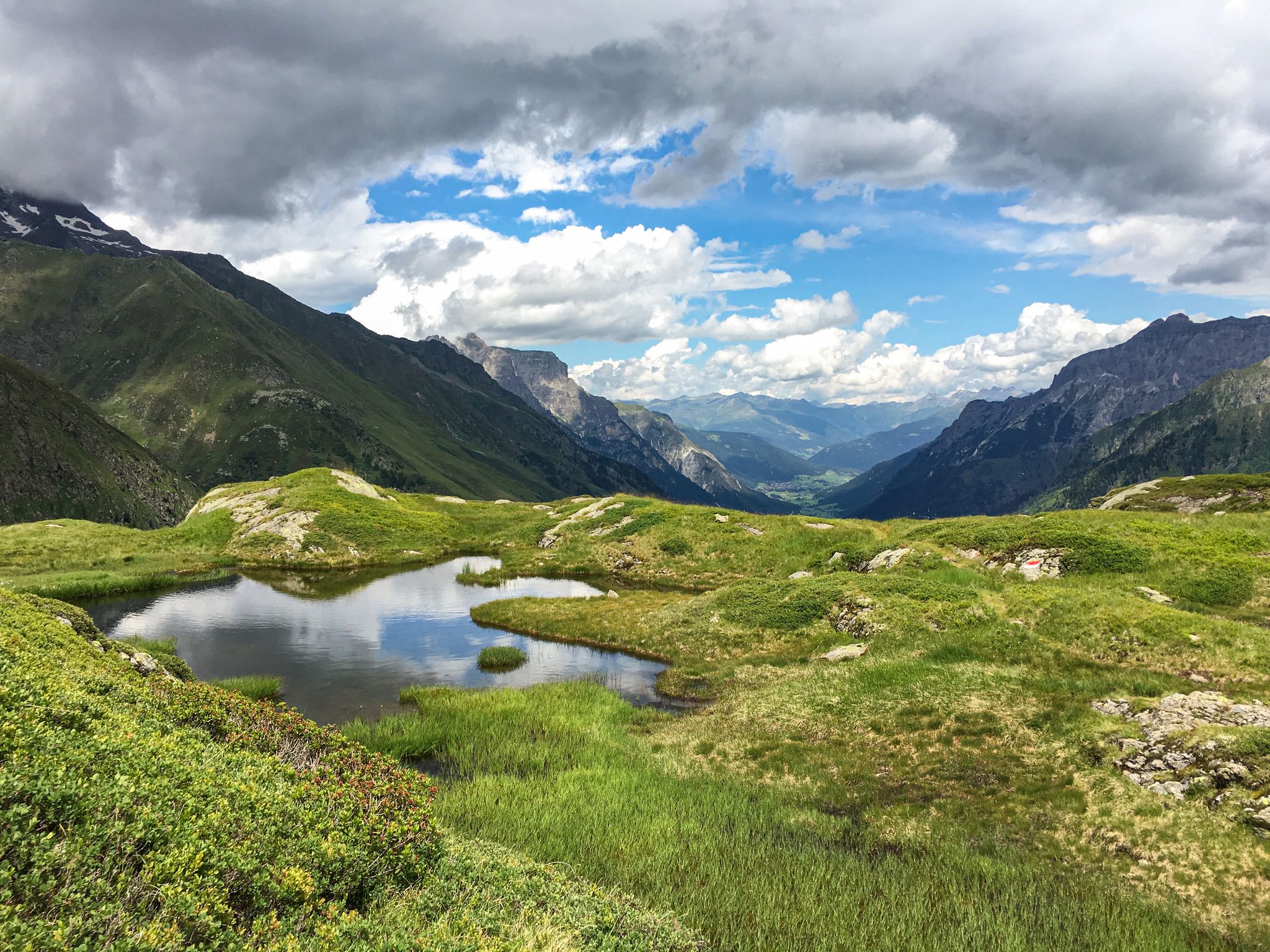
Lonely lakes and thundering waterfalls – magical places in the Wipp Valley
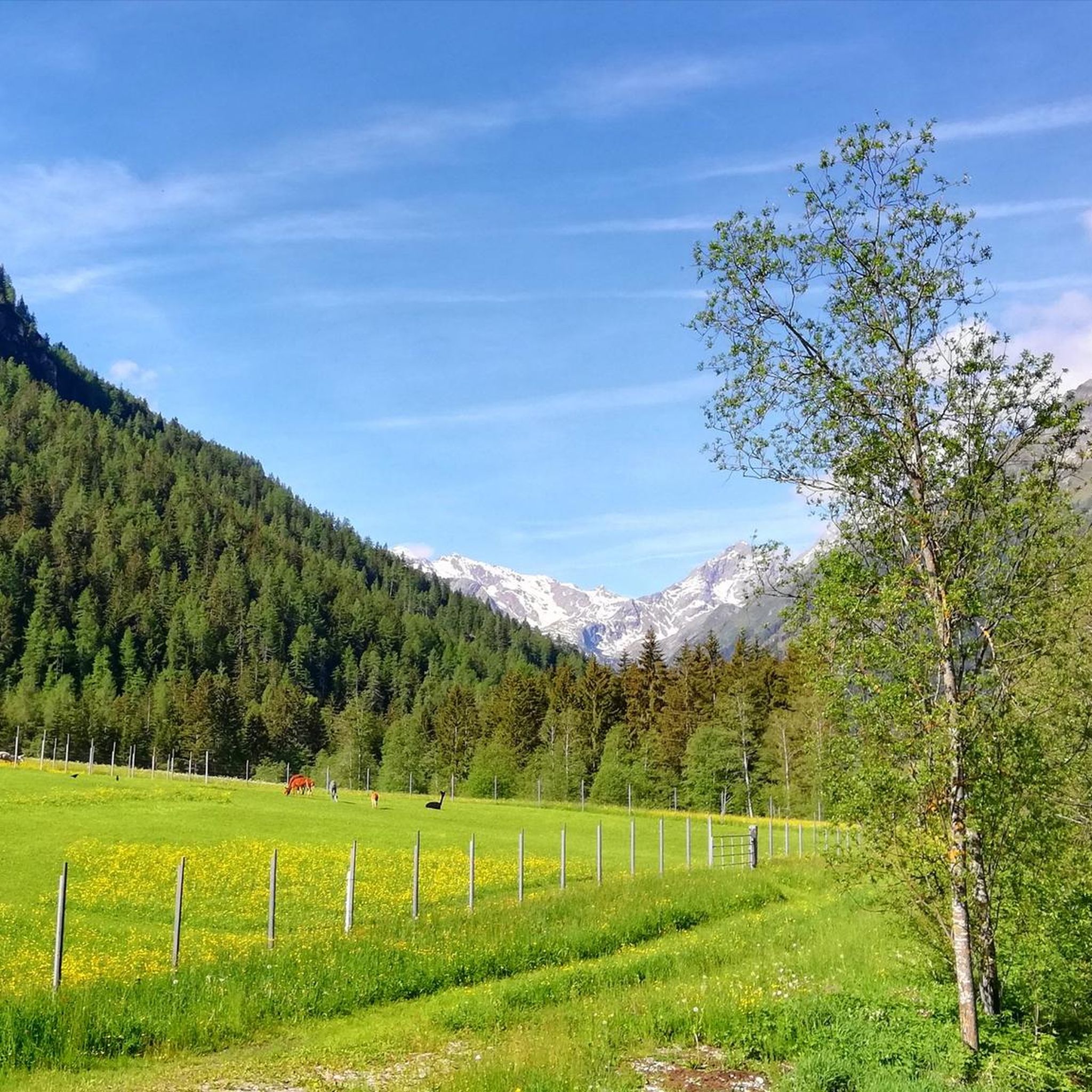
Hiking around Gschnitz
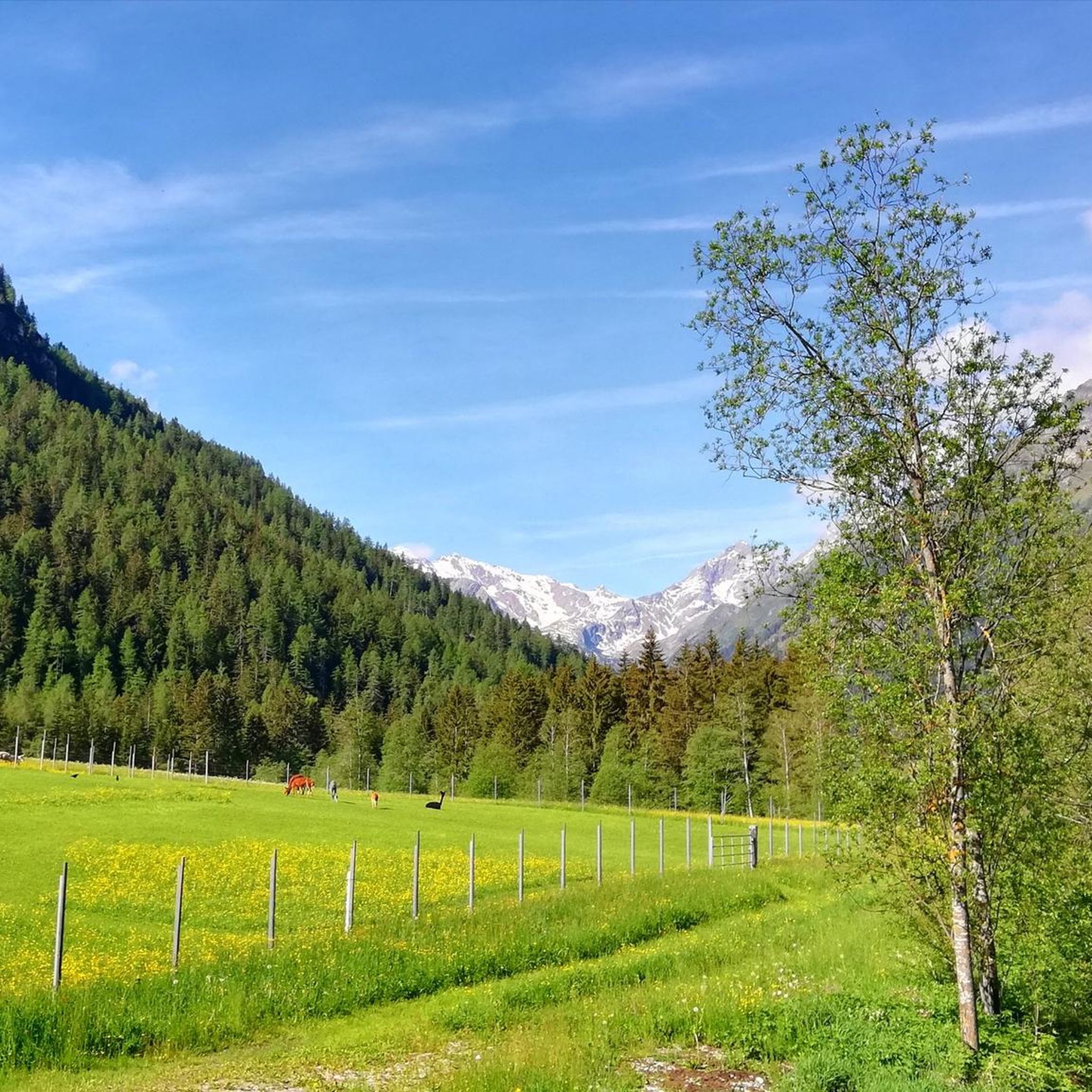
Cycling around Gschnitz
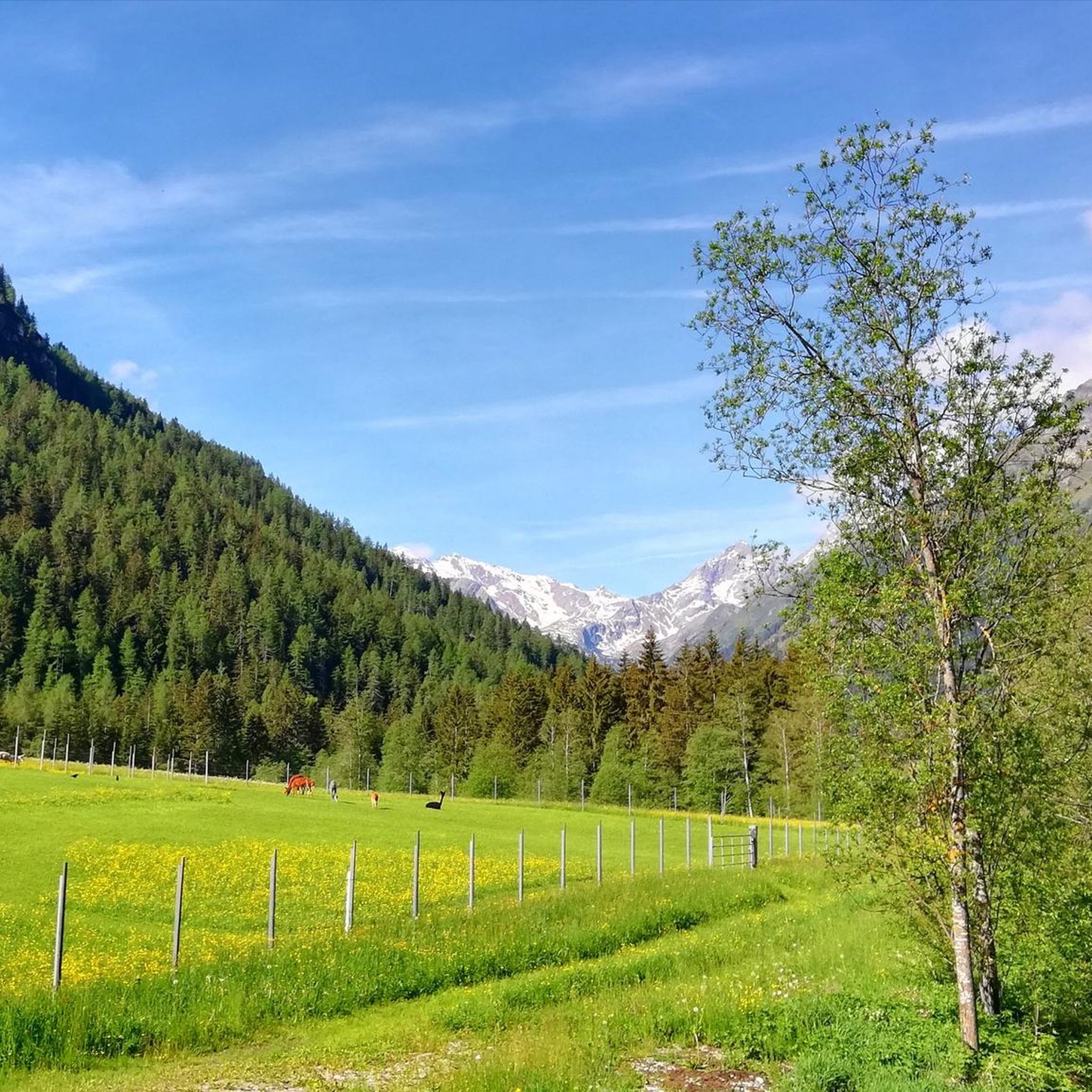
MTB Trails around Gschnitz
Other adventures around Gschnitz


Tips from the Community

The path from the valley to the Innsbrucker Hut, which leads past this bench, is very demanding! The descent is particularly challenging.
0
0

Shortly before the final climb to Habicht, this simple, stone-built rest stop offers shelter from the wind and space for a well-deserved break. Surrounded by rugged rock and breathtaking views of the Stubai and Zillertal Alps, this is a place to recharge your batteries – a quiet, impressive spot at over 3,000 meters, where nature and humanity join hands for a moment.
0
0
The path to the summit of the Habicht is not only scenically impressive, but also dotted with small signs of human presence: so-called Stoanmandln (stone men). These artfully stacked piles of stones not only serve as orientation in the barren high mountains, but also exude a special, almost meditative calm. On the rocky plateau below the summit, they create a quiet, archaic atmosphere – a moment of connection between nature, people, and the mountain.
0
0
The Habicht is one of the highest and most distinctive peaks in the Stubai Alps. The ascent usually starts from the Innsbrucker Hut (2,369 m) along the well-marked south ridge. While the trail requires surefootedness and a head for heights, technical climbing skills are not necessary – ideal for experienced hikers. From the summit, an impressive 360° panorama opens up: to the south, the Dolomites and the glaciers of the Central Alps, to the west, the Ötztal Alps, and to the east, the Zillertal Alps. To the north, the view sweeps across the Inn Valley to the Nordkette and deep into the wild Karwendel range – a worthwhile vantage point for anyone who wants to reach high.
1
0

A nice place to eat well and relax.
0
0

Beautiful, not too difficult evening tour from the Innsbrucker Hut (approx. 45 minutes each way).
0
0

The Santa Madgalena via ferrata is rated C, although a more difficult E variant is also available. The safety is very good, and the ascent is 270 meters. A scenic treat awaits you on this via ferrata, with a vertical middle section and a pretty mountain chapel at the end. The return route leads back to the valley via a hiking trail. However, you should avoid the via ferrata in wet conditions. Before you start climbing, you can try out various via ferrata difficulties from A to E at the start in the Alpine Safety Area.
2
0
Frequently Asked Questions
How many mountaineering routes are there in Gschnitz?
Gschnitz offers a wide array of mountaineering experiences, with over 15 routes available. These range from easier ascents to highly challenging high-alpine tours, catering to various skill levels.
Are there mountaineering routes suitable for beginners in Gschnitz?
While Gschnitz is known for its challenging high-alpine terrain, there are a few less strenuous options. For instance, the path to the pilgrimage church of St. Magdalena or a walk to the Laponesalm offer more leisurely exploration. The region also features the "Gschnitzer Wasserwelt" theme trail, an easy circular walk suitable for families.
What are some challenging mountaineering routes in Gschnitz for experienced climbers?
Experienced mountaineers will find plenty of demanding routes. The ascent to the Habicht Summit (3277 m) from Innsbrucker Hütte is a challenging option. Another demanding high-alpine experience is the Habicht Summit (3277 m) loop from Obertal. The Gschnitztal Valley Hut Hike is also a multi-day trek connecting six huts, traversing mostly black-marked high-alpine trails.
Are there via ferrata routes in Gschnitz?
Yes, Gschnitz offers opportunities for via ferrata climbing. A notable route is the St. Magdalena Via Ferrata loop from Gschnitz, which leads through alpine rock faces. Other options include the Ilmspitze via ferrata and the Elfer via ferrata.
Can I find circular mountaineering routes in Gschnitz?
Yes, several circular routes are available for mountaineering in Gschnitz. Examples include the Habicht – Habicht Summit (3277 m) loop from Innsbrucker Hütte and the St. Magdalena Via Ferrata loop from Gschnitz. The Innsbrucker Hütte loop from Gschnitz also offers a substantial circular tour.
Are there mountain huts available for overnight stays or refreshments along the routes?
Gschnitz is known as the "Valley of the Huts" and features numerous mountain huts that serve as essential bases for multi-day tours and provide opportunities for rest and refreshments. Key huts include the Tribulaunhütte, Bremer Hütte, Innsbrucker Hütte, Padasterjochhaus, and Trunahütte.
What are some notable natural attractions or viewpoints along the mountaineering routes?
The region is rich in natural beauty. You can find stunning waterfalls like the Grawa Waterfall and the Ruetz Waterfall. The Burkhard Gorge and Achenrain Gorge also offer impressive sights. The Habicht peak provides an impressive 360° panorama extending to the Dolomites and the Central Alps.
When is the best time of year for mountaineering in Gschnitz?
The best time for mountaineering in Gschnitz is typically during the summer months, from late June to early September, when the high-alpine trails are generally free of snow and weather conditions are more stable. This period allows access to the higher peaks and multi-day hut tours.
Are dogs allowed on the mountaineering routes in Gschnitz?
Generally, dogs are welcome on most hiking and mountaineering trails in Gschnitz, provided they are kept on a leash, especially in alpine pastures and near wildlife. Always ensure your dog is well-behaved and capable of handling the terrain. It's advisable to check specific hut policies if planning an overnight stay with your dog.
What do other mountaineers appreciate about Gschnitz?
The mountaineering routes in Gschnitz are highly rated by the komoot community, with an average score of 4.9 stars from over 60 reviews. Mountaineers often praise the majestic alpine scenery, the well-developed network of mountain huts, and the diverse range of trails from challenging summit ascents to technical climbing routes.
What are the parking options for mountaineering routes in Gschnitz?
Parking is generally available at the trailheads or in the villages within the Gschnitz valley. For routes starting from Obertal, such as the Sunrise view from Bremer Hütte loop, designated parking areas are usually provided. It's always recommended to arrive early, especially during peak season, to secure a spot.
Most popular routes around Gschnitz
Most popular attractions around Gschnitz

Get inspired with the komoot mobile app


Explore more
Browse the best Mountain Hikes & Routes in other regions.
