The 20 Most Amazing Peaks in the United States of America
Best mountain peaks in the United States of America offer a diverse range of natural features and challenging terrain. From the towering peaks of the Alaska Range to the ancient formations of the Appalachians, the country presents varied landscapes. These mountains are characterized by significant elevation changes, unique geological formations, and extensive trail networks. They provide opportunities for exploration across numerous national parks and wilderness areas.
Best mountain peaks in the United States of America
- The most popular mountain peaks…
Last updated: October 9, 2026
Half Dome Summit
Highlight • Summit
Tip by

Angels Landing
Highlight • Summit
Tip by

Sign up now to discover places like this
Get recommendations on the best single tracks, peaks, & plenty of other exciting outdoor places.
Diamond Head State Monument
Highlight • Natural Monument
Tip by

Back of the Hollywood Sign on Mount Lee
Highlight • Viewpoint
Tip by

Wisdom Tree on Burbank Peak
Highlight • Viewpoint
Tip by
Stone Mountain Summit
Highlight • Summit
Translated by Google •
Tip by

Cadillac Mountain — Summit and Overlook
Highlight • Summit
Tip by

Stony Man Lookout
Highlight • Viewpoint
Tip by

Mount Monadnock Summit
Highlight • Summit
Tip by

Potato Chip Rock
Highlight • Natural Monument
Tip by

Sign up for free to discover even more peaks in the United States of America.
Already have an account?
Start today with a free account
Your next adventure awaits.
Popular around United States

Like in the movies – road trip through the USA's south
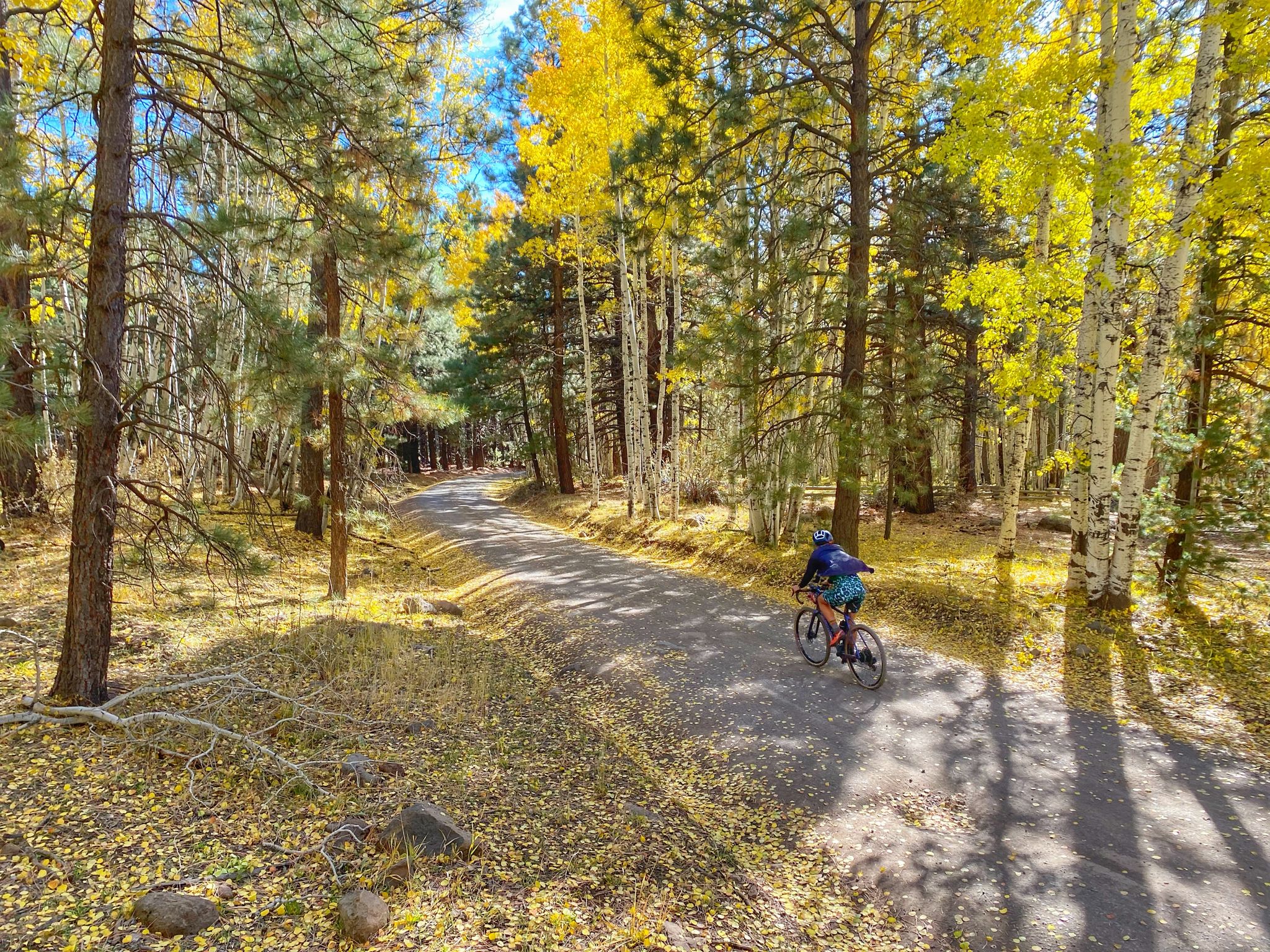
Grand Canyon to Mount Humphreys — a run, bike, run adventure
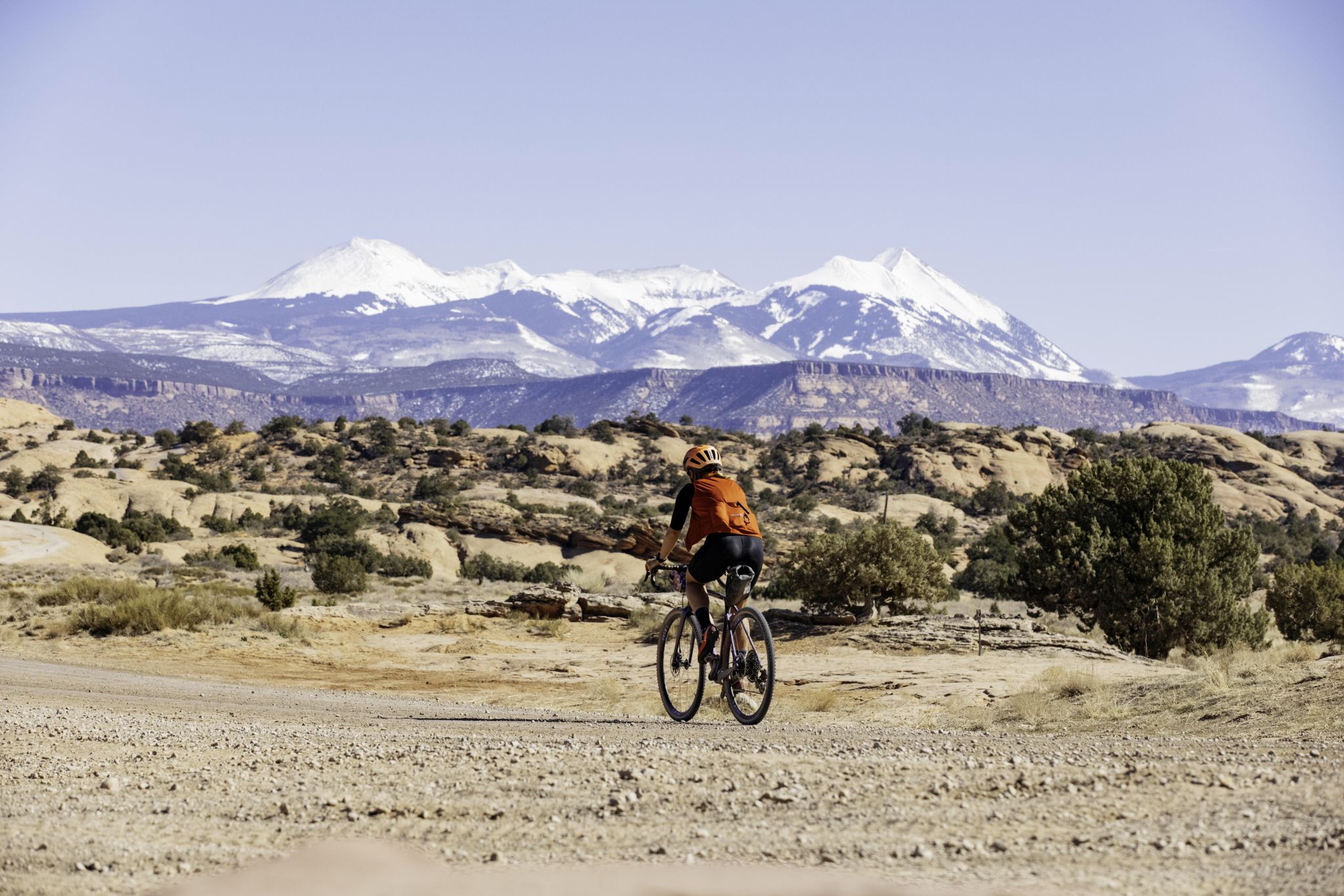
My Utah road trip: trail running and gravel riding in the mountains

Triathlon 360 – my journey around the world
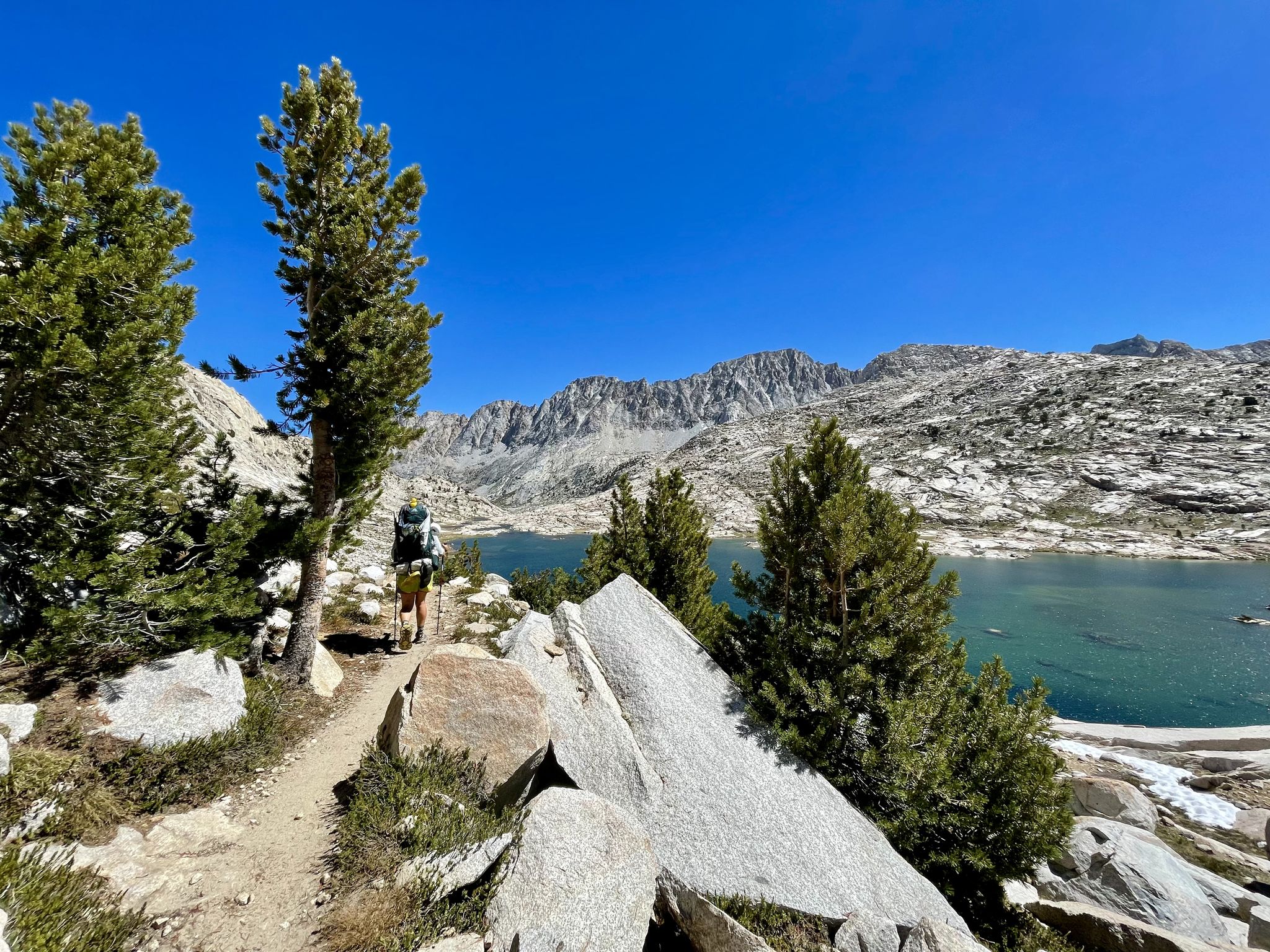
John Muir Trail – Along the legendary trail through the magical Sierra Nevada
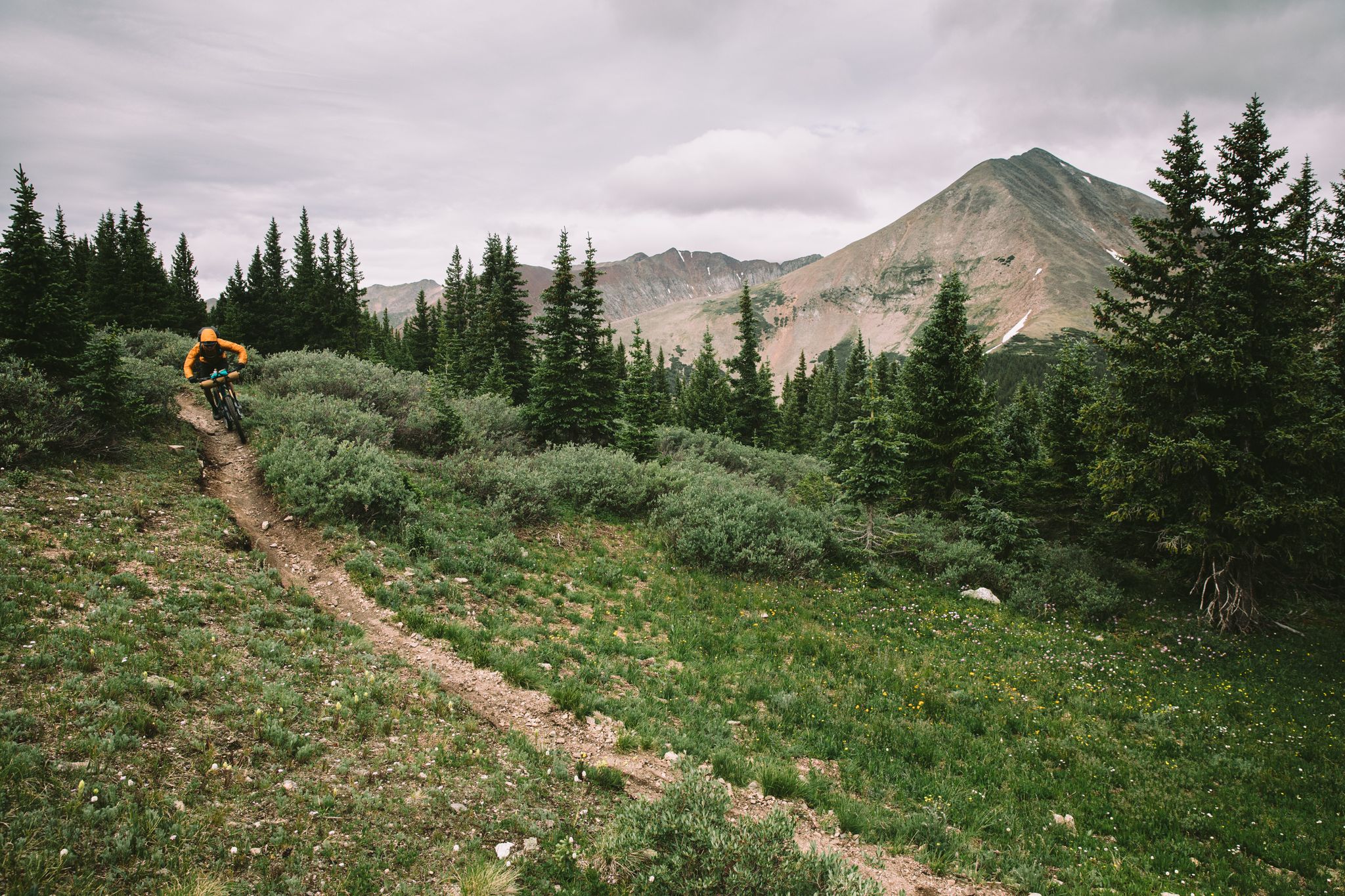
The Colorado Trail — Ten incredible days in the Rocky Mountains
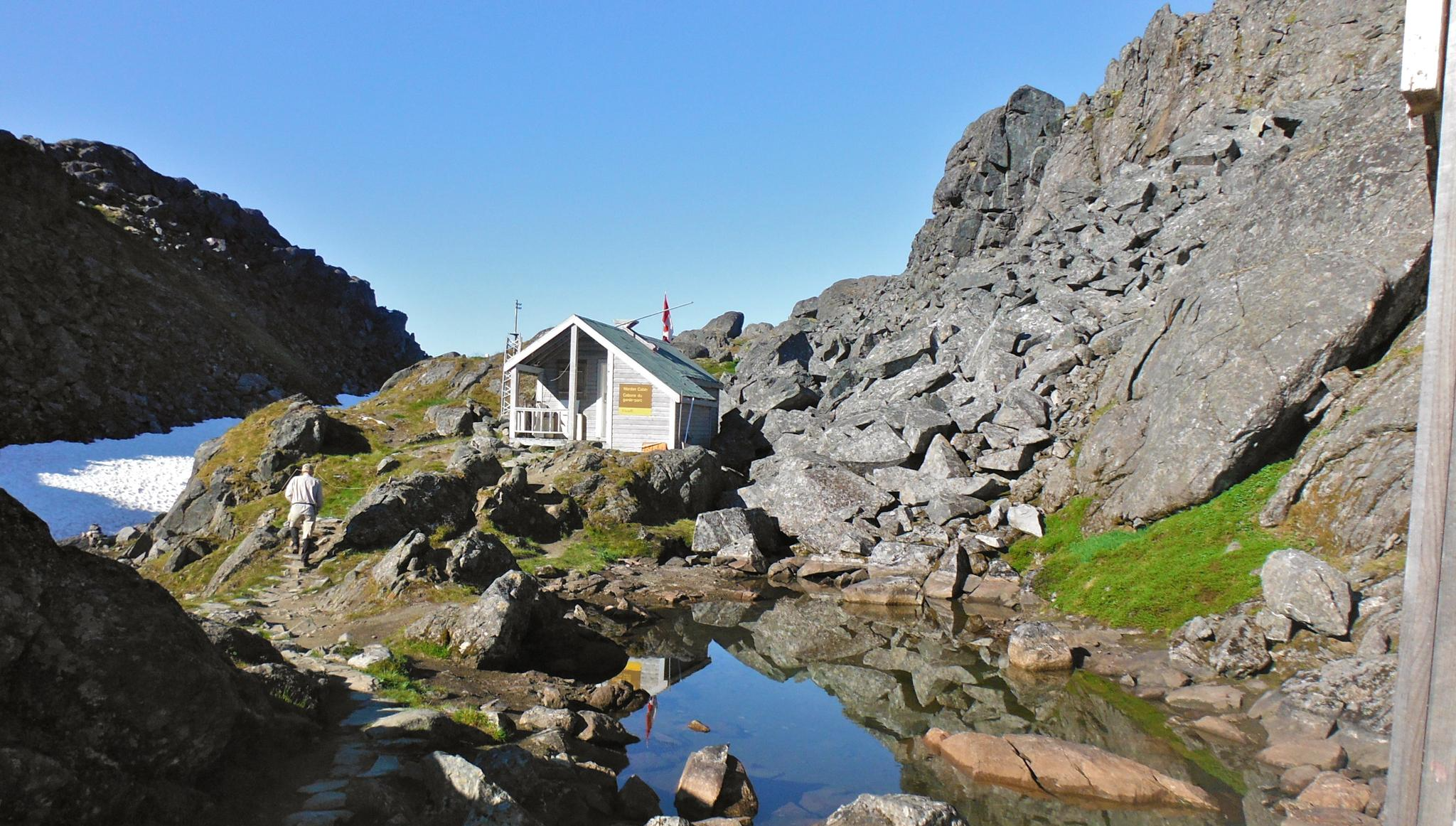
The Chilkoot Trail — Gold Rush history among soaring mountains
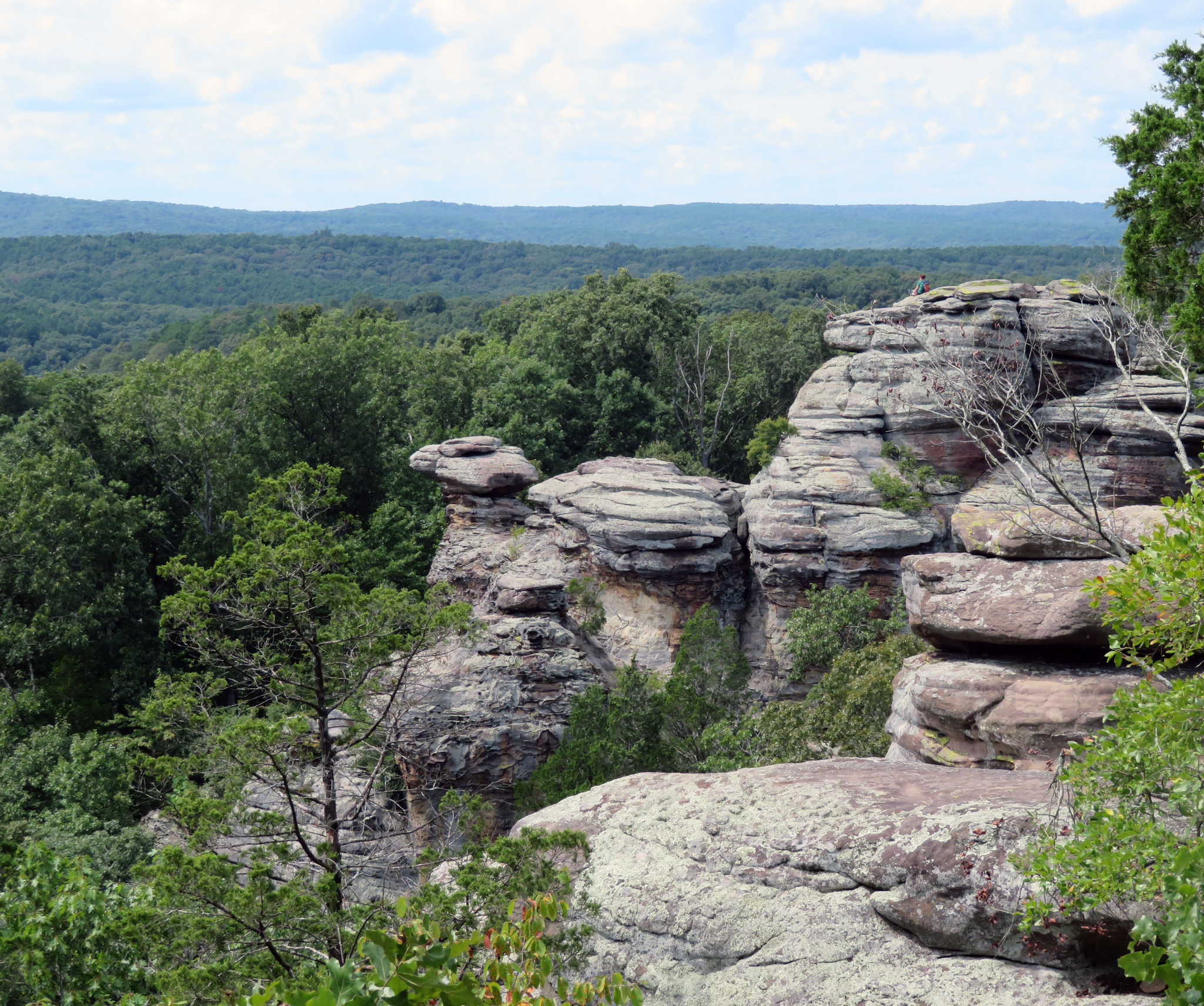
River to River Trail — A patchwork journey across Illinois
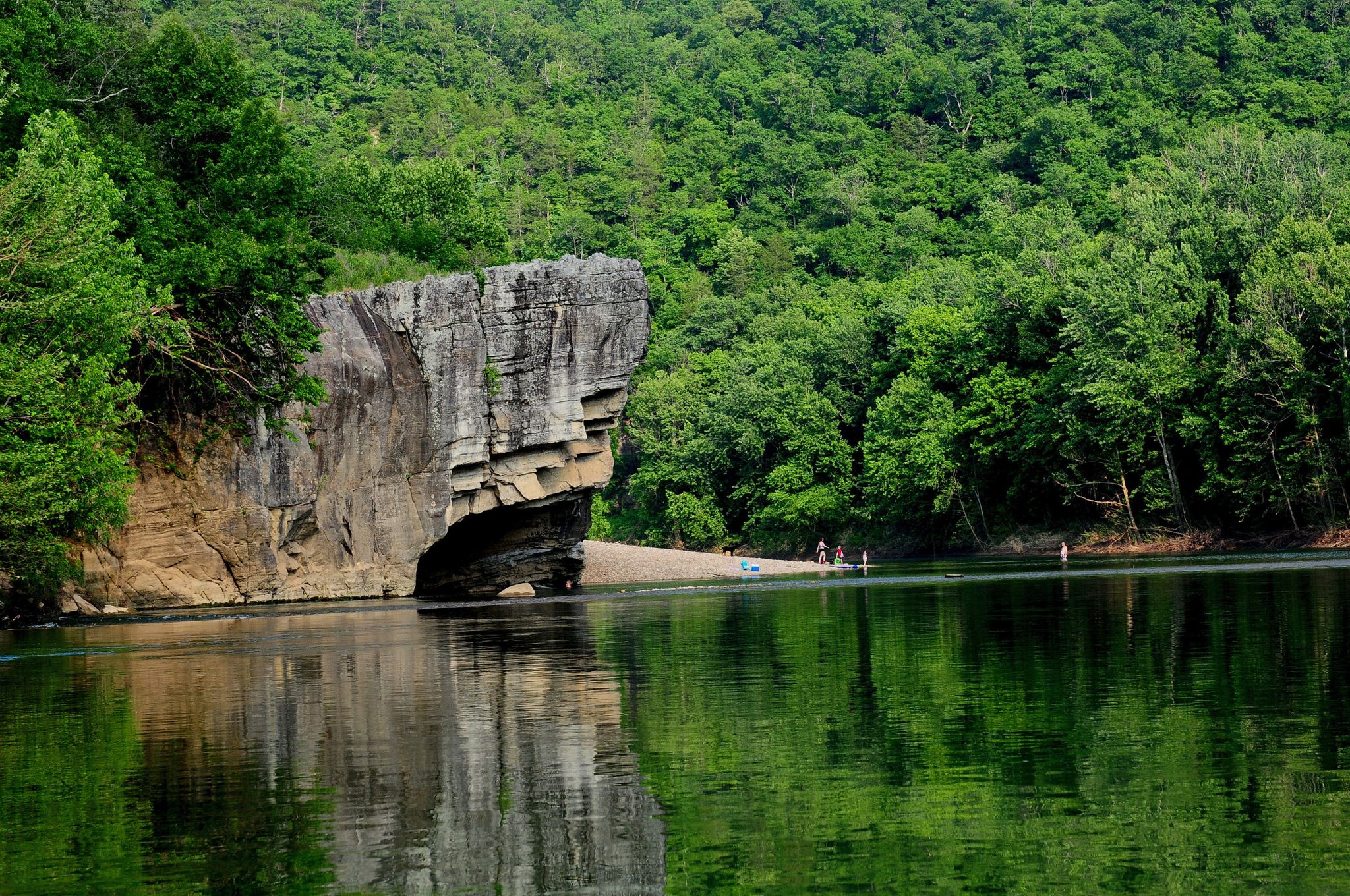
Ozark Highlands Trail: Falling Water Creek Trailhead to Dillard's Ferry — Hiking the Buffalo River corridor
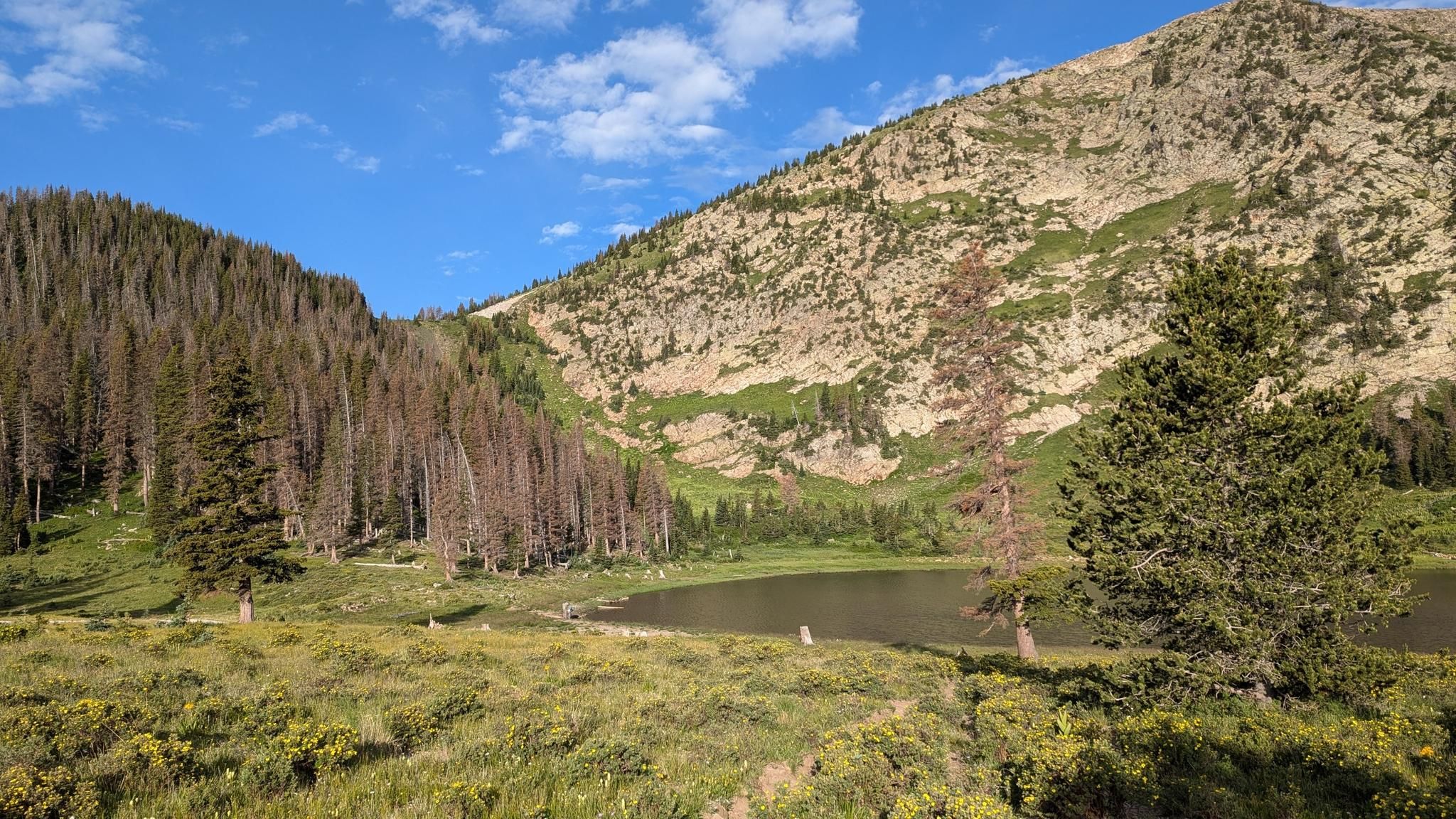
Santa Fe to Taos Thru-Hike — A journey across the Sangre de Cristo Mountains
Other adventures in the United States of America


Tips from the Community


After the ascent, a magnificent view of Honolulu and Waikiki awaits you
0
0

Unmissable, yes this sign is legendary! We did the excursion from the Griffith Observatory and the trail is not particularly well indicated. The walk is nice (a little sporty) but at times the path is very narrow, lost in the vegetation and I admit that with the risk of fires you have to be vigilant. Don't forget to bring enough water. Excursion made at the beginning of September 2024, it was a heatwave.
0
0

Awesome spot for a 360 view! Just note, there's no shade up there. Take your breaks in shade on the road up and then stay for the views and wind.
0
0
Awesome spot. There's no shade and a lot of sun exposure coming to this spot from Cahuenga Peak. Stay hydrated and wear sun protection.
0
0


At the end of the 19th century, Desert Island became a tourist attraction. The Green Mountain Cog Railway, a cog railway, was in operation from 1883 and took tourists to the summit of Green Mountain, today's Cadillac Mountain (from 1918), where they could enjoy the breathtaking view. The railway ran from Eagle Lake to the summit over a distance of around 1.8 km. When passenger numbers declined, the railway service was discontinued in 1891. In the following years, the railway line was completely dismantled. Today, only remnants of the route remain. The Buckboard Road was built in the late 19th century, leading up to the summit along the north ridge. However, the journey was only possible by horse-drawn carriage and tourists preferred to walk up the mountain. https://www.nps.gov/articles/000/secrets-of-the-summit.htm The paved ‘Cadillac Mountain Road’ was completed between 1929 and 1932. The more than six kilometer long route is considered an exceptional example of construction work in mountainous terrain. https://www.nps.gov/articles/000/motor-road-history.htm
4
0
Frequently Asked Questions
What are some of the most popular mountain peaks to visit in the United States?
The United States offers a diverse range of popular mountain peaks. Some highly regarded options include Back of the Hollywood Sign on Mount Lee, which provides magnificent views over Los Angeles, and Diamond Head State Monument in Hawaii, known for its panoramic ocean and Waikiki views. Another favorite is Stone Mountain Summit, offering expansive views and accessible via a hiking trail or cable car. Beyond these, iconic peaks like Denali in Alaska, Mount Whitney in California, and Mount Rainier in Washington are renowned for their grandeur and challenging experiences.
Are there family-friendly mountain peaks or trails in the U.S.?
Yes, many mountain areas in the U.S. offer family-friendly options. For instance, Stony Man Lookout is categorized as family-friendly. Pikes Peak in Colorado is highly accessible, allowing visitors to drive, hike, or take a cog railway to the summit, making it suitable for families. Mount Rainier National Park also features lush forests and alpine meadows with various hiking opportunities that can be enjoyed by families.
What unique natural features can I expect to see at these peaks?
The mountain peaks across the U.S. showcase a variety of unique natural features. You can find immense glaciers on Denali and Mount Rainier, granite formations on Mount Whitney and Grand Teton, and volcanic landscapes at Mount Hood and Mount Shasta. Potato Chip Rock in California is a distinctive geological formation known for its precarious shape. Many peaks also offer stunning viewpoints, such as Wisdom Tree on Burbank Peak, providing unique perspectives of the surrounding landscapes.
Are there accessible viewpoints for visitors with mobility challenges?
Yes, some mountain peaks and viewpoints are designed to be accessible. For example, Cadillac Mountain — Summit and Overlook in Maine offers wheelchair-accessible paved paths from the parking lot and visitor center, providing views of Bar Harbor and Mount Desert Island. Pikes Peak in Colorado is also notable for its accessibility, as visitors can reach the summit by car or cog railway.
What kind of outdoor activities can I do near these mountain peaks?
Near the mountain peaks in the United States, you can engage in a wide range of outdoor activities. For mountaineering enthusiasts, there are challenging routes like the Strawberry Peak via Mountaineers Route in Angeles National Forest or Angels Landing Summit in Zion Canyon. You can find more details on these and other routes in the Mountain Hikes in the United States of America guide. Cycling is also popular, with routes such as the Yosemite Valley Loop Trail, detailed in the Cycling in the United States of America guide. For mountain biking, trails like The Whole Enchilada are available, as highlighted in the MTB Trails in the United States of America guide. Many areas also offer backcountry camping, fishing, boating, and scenic drives.
Are there challenging climbs for experienced mountaineers?
Absolutely. The United States is home to some of the world's most challenging climbs. Denali in Alaska is North America's highest peak and presents extreme mountaineering challenges due to its altitude, weather, and glacial terrain. Mount Whitney in California, the tallest in the contiguous U.S., offers a popular but serious 22-mile round-trip trail. Half Dome Summit in Yosemite and Angels Landing in Zion are also known for their challenging, exposed routes that require permits and experience.
What permits are required for popular mountain trails in the U.S.?
Permit requirements vary significantly by location and popularity. For instance, the Mount Whitney Trail requires a permit, with over 20,000 applications annually. Access to Diamond Head State Monument requires reservations for non-Hawaii residents. Highly trafficked areas like Half Dome and Angels Landing also operate on a permit system, often through lotteries, to manage visitor numbers and preserve the natural environment. It's crucial to check the specific park or trail's official website well in advance of your visit for current regulations.
When is the best time to visit mountain peaks in the United States?
The best time to visit mountain peaks in the U.S. largely depends on the region and your desired activity. Summer (June to September) is generally ideal for hiking and climbing in most high-altitude areas like the Sierra Nevada (Mount Whitney) and the Rockies (Grand Teton, Pikes Peak), offering milder weather and snow-free trails. However, some peaks like Mount Hood offer skiing almost year-round. For lower elevations or specific experiences like viewing wildflowers, spring or fall might be preferable. Always check seasonal weather patterns for the specific peak you plan to visit, as conditions can change rapidly, especially at higher altitudes.
What do visitors enjoy most about the mountain peaks in the United States?
Visitors frequently express enjoyment for the breathtaking panoramic views, the sense of accomplishment from challenging climbs, and the immersion in diverse natural environments. For example, the view from Back of the Hollywood Sign on Mount Lee is described as magnificent, while Stone Mountain Summit offers a 'perfect view over the surrounding landscape.' The unique geological features, opportunities for wildlife viewing, and the extensive trail networks for hiking and other outdoor sports also contribute to a memorable experience.
Are there any mountains with significant historical or cultural importance?
Yes, several mountains in the U.S. hold significant historical or cultural importance. Pikes Peak in Colorado is famous for inspiring Katherine Lee Bates to write 'America the Beautiful' and is a designated National Historic Landmark. Mount Shasta in California is considered a spiritual vortex by some. Mount Washington in New Hampshire is known for its extreme weather and is crossed by the historic Appalachian Trail. These peaks offer not only natural beauty but also a rich tapestry of human history and cultural narratives.
What are the differences between East Coast and West Coast mountain hiking in the U.S.?
Hiking experiences differ between the East and West Coasts of the U.S. West Coast mountains, such as the Sierra Nevada and the Cascades, often feature higher elevations, more dramatic glaciated peaks, and vast wilderness areas, offering challenging climbs and long-distance trails like the John Muir Trail. East Coast mountains, like the Appalachians and the White Mountains (home to Mount Washington), are generally older, lower in elevation, and characterized by dense forests, rolling terrain, and well-established trail systems like the Appalachian Trail. While less extreme in altitude, they can still present challenging conditions, particularly Mount Washington's unpredictable weather.
Most popular routes in the United States of America
Most popular attractions in the United States of America

Get inspired with the komoot mobile app


Didn’t find what you were looking for?
Discover United States’s best peaks and summits by region:
Explore more
See even more amazing summits in the United States of America with these guides:
