Top 20 Lakes around Linthal
Best lakes around Linthal are found in the Glarus Alps of Switzerland, a region characterized by dramatic mountainous terrain. This area serves as a gateway to several alpine lakes, offering a variety of natural and man-made water bodies. The landscape provides a picturesque backdrop for these features. Each lake presents unique characteristics and attractions for visitors.
Best lakes around Linthal
- The most popular lakes is Glattalpsee, a lake that is beautiful and offers a circuit feasible for families. This…
Last updated: August 11, 2026
Oberblegisee
Highlight • Lake
Translated by Google •
Tip by

Lai da Pigniu
Highlight • Monument
Translated by Google •
Tip by

Sign up now to discover places like this
Get recommendations on the best single tracks, peaks, & plenty of other exciting outdoor places.
Sign up for free
Ochsenstäfeli
Highlight • Lake
Translated by Google •
Tip by

Griesslisee
Highlight • Lake
Claridensee: The secret glacier lake on the Klausenpass at 2098 m
Glacier lake at the foot of the Clariden north face and the rock formation “Tyyfelsfriedhof”.
Translated by Google •
Tip by

Glattalpsee
Highlight • Lake
Tip by

Sign up for free to discover even more lakes around Linthal.
Sign up for free
Already have an account?
Start today with a free account
Your next adventure awaits.
Login or Signup
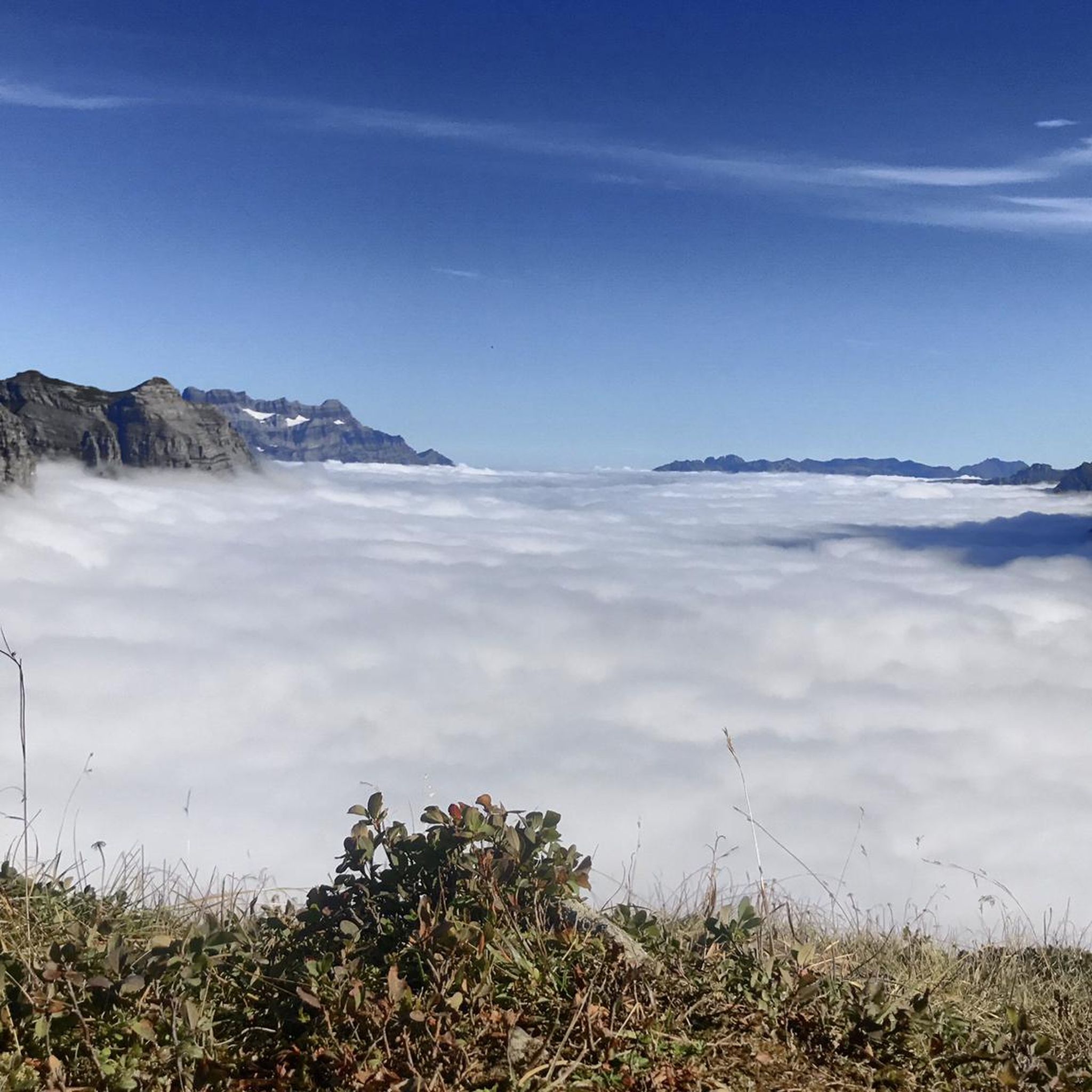
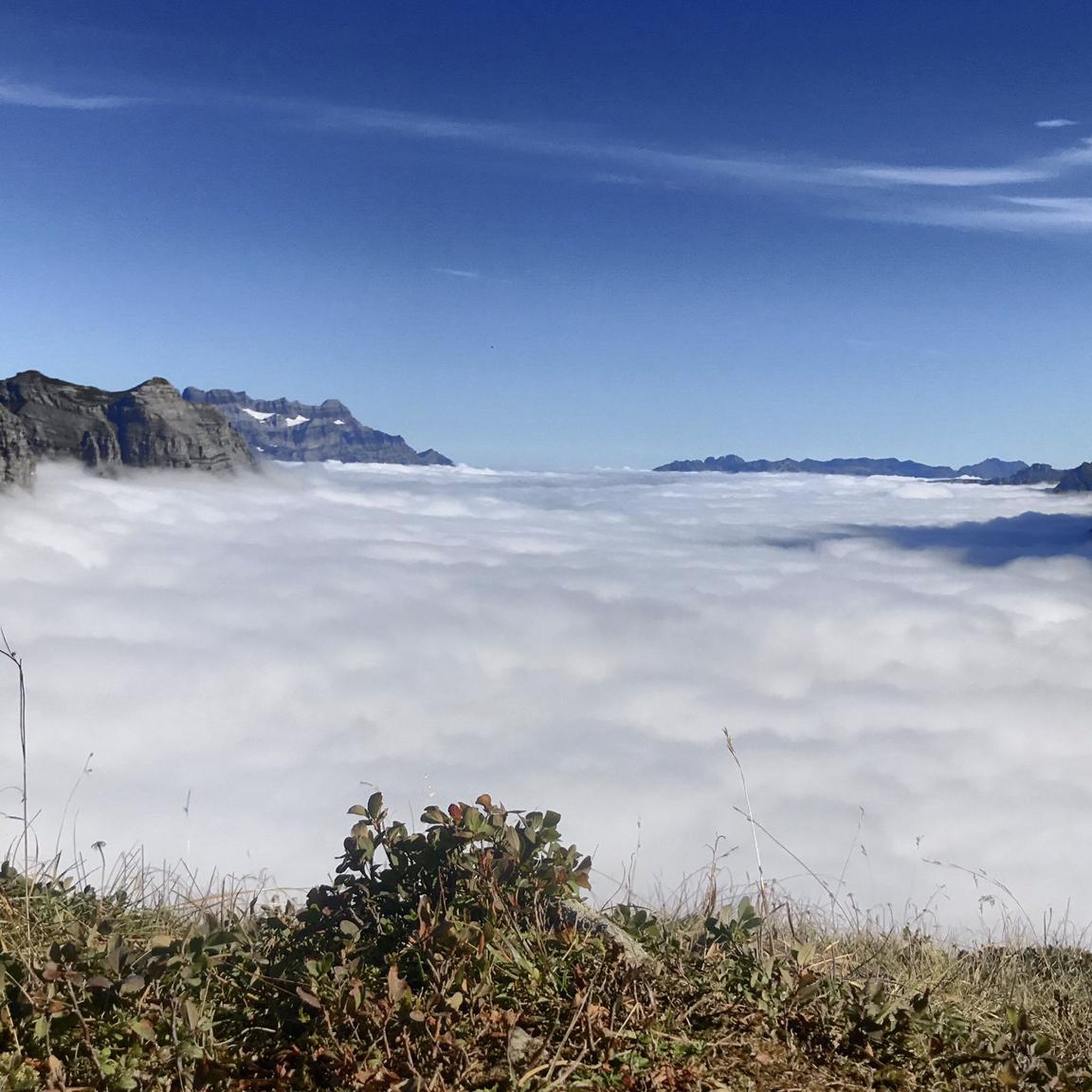

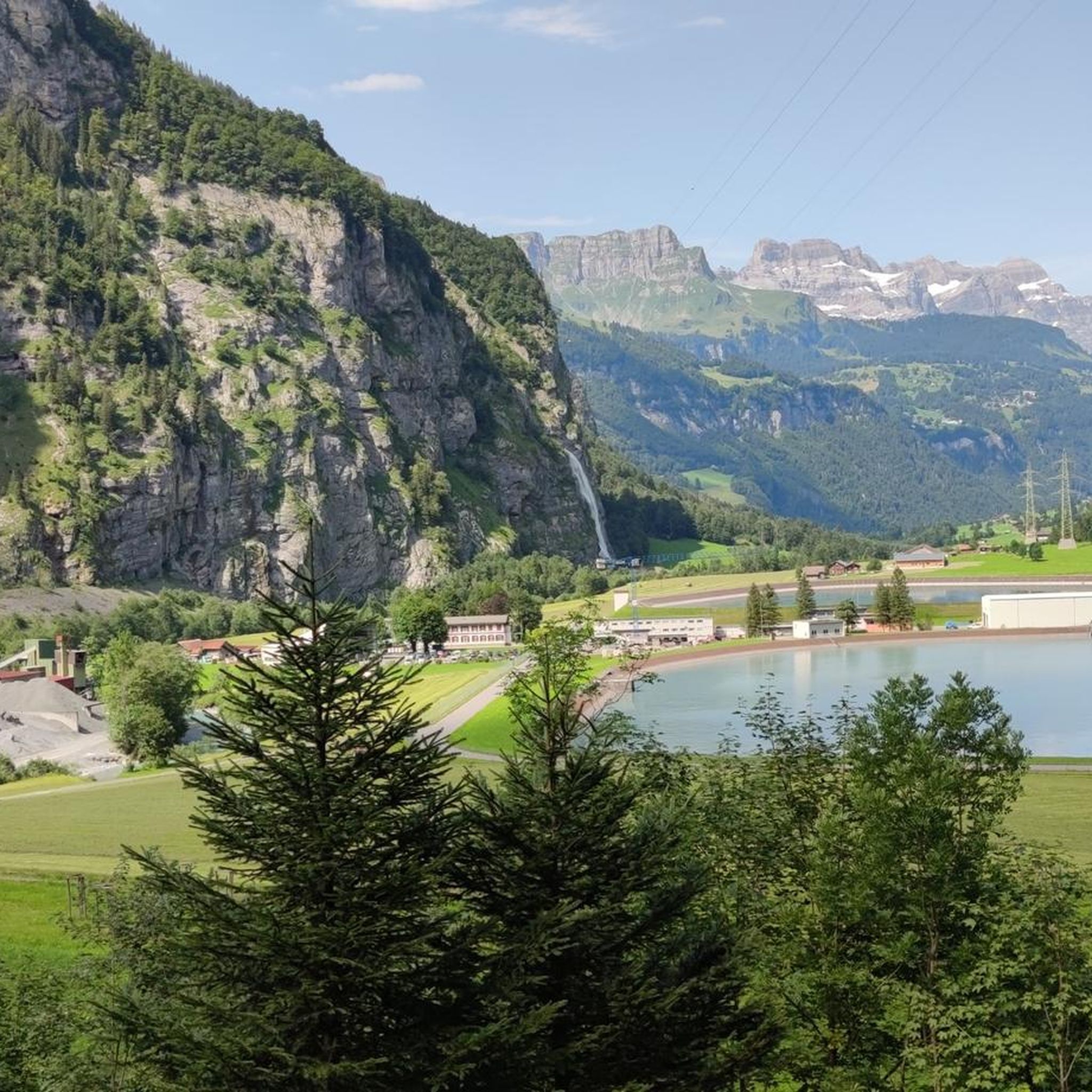



Tips from the Community

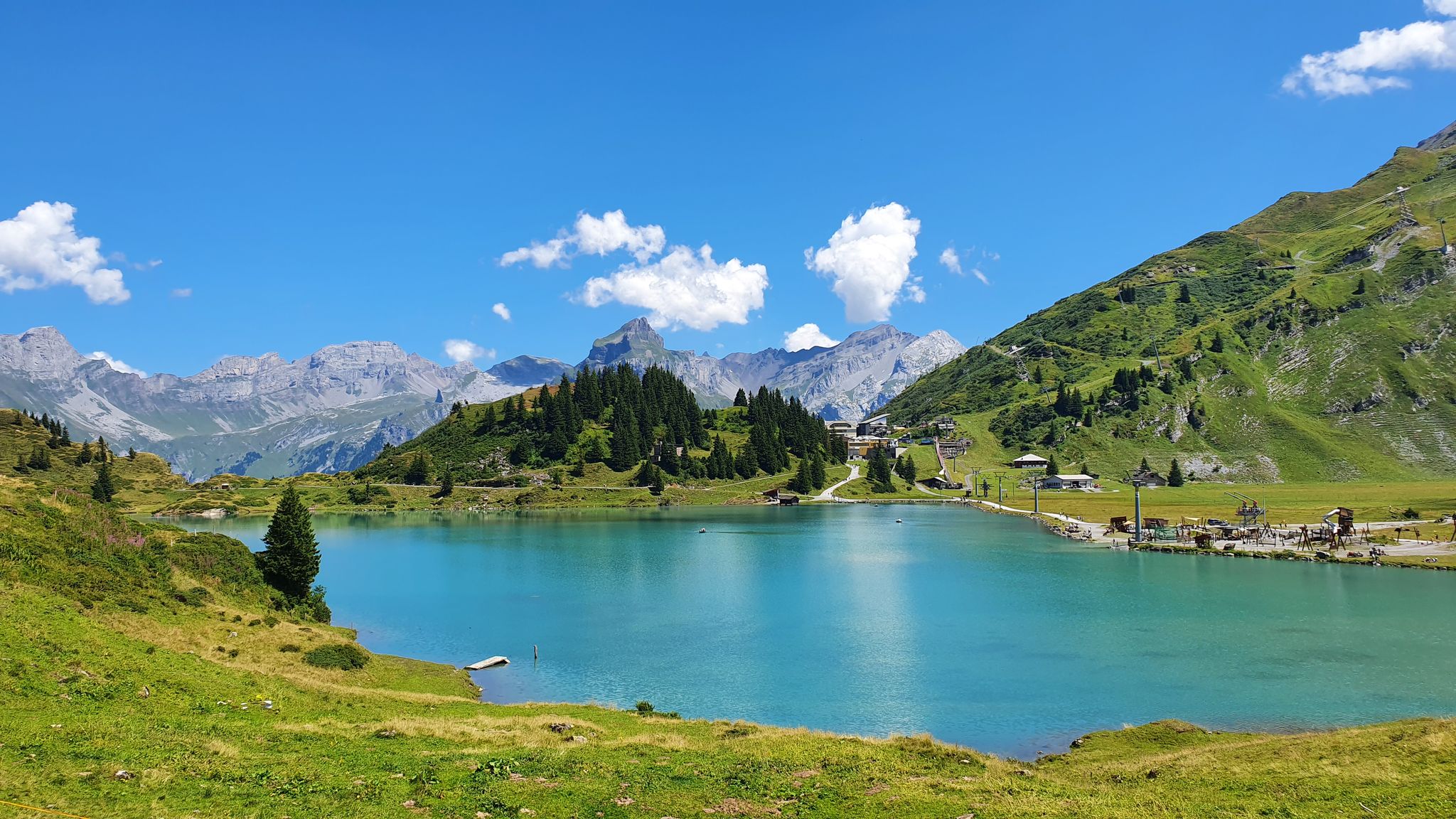
The Lag da Pigniu, also known as Panixersee, is beautifully nestled in an impressive alpine mountain landscape. The turquoise reservoir, the steep rock faces, and the imposing waterfalls at the rear of the lake make this place a special hiking destination. At the waterfalls, there is a nice barbecue and picnic area with tables and benches – ideal for a cozy break in the middle of nature. Important: One side of the path around the lake is currently closed. Therefore, a complete circuit is not possible at the moment. The closure must be strictly observed. Despite the restriction, the trip to Panixersee is worthwhile. Especially the waterfalls and the quiet, impressive mountain backdrop make the visit rewarding.
0
0

Imposing rock faces around the lake and its peculiar color: The Lag da Pigniu is certainly worth an excursion! It is very easily accessible by bike.
0
0

Heatwave in Switzerland, the lake is almost empty! https://youtu.be/pzwT2zepdXM
0
0


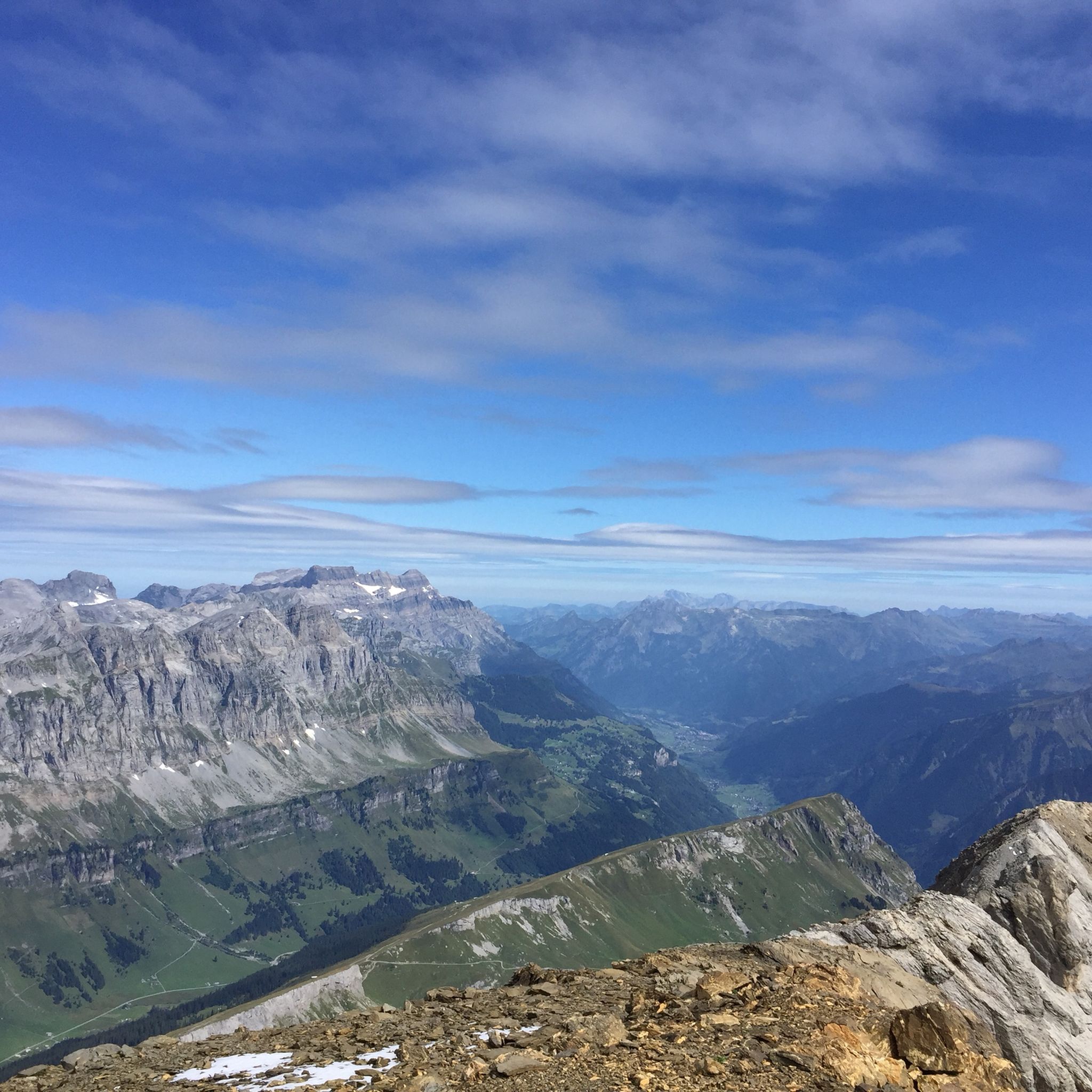
Cold lake great for cooling feet and a great place to take a break with a view of the glacier and the mountains
1
0


Griessseeli is always beautiful. This time it wasn't frozen. The colors were more grayish. They change with the seasons.
1
0

The Muttsee (formerly Mutten See, Muttensee) is a reservoir on the Muttenalp in the southernmost part of the municipality of Glarus South in the canton of Glarus in Switzerland.
2
0
Frequently Asked Questions
Which lakes near Linthal are suitable for families?
For families, Glattalpsee is an excellent choice, offering a circuit that is feasible for all ages and easily accessible via the Glattalp-Bahn. Klöntalersee also provides family-friendly amenities like designated barbecue and picnic areas, and opportunities for swimming in its clear waters.
What kind of hiking trails can I find around the lakes near Linthal?
The region offers a diverse range of hiking trails. For high-alpine experiences, consider routes around Limmernsee and Muttsee, such as the challenging Muttsee Hut Circular Trail or the trek from Limmernsee to the Muttseehütte. For easier walks, the circuit around Glattalpsee is a great option. You can explore more hiking routes in the Hiking around Linthal guide.
Are there any lakes near Linthal known for their unique natural features or viewpoints?
Yes, several lakes offer stunning natural features. Oberblegisee is a natural monument known for the striking contrast between its shallow waters and the steep southern wall of the Glärnisch. Klöntalersee is famed for its fjord-like appearance and reflections of the Glärnisch and Dejenstogg mountains. Griesslisee, a secret glacier lake, offers a beautiful viewpoint on the Klausenpass.
What is the best time of year to visit the lakes around Linthal?
The best time to visit largely depends on your desired activities. Summer (June to September) is ideal for swimming, paddleboarding, and most hiking, though some high-alpine trails might still have snow early in the season. Klöntalersee is particularly popular in summer. For winter activities like ice skating (when conditions allow) or serene snowy landscapes, the colder months offer a different charm.
Can I go swimming in the lakes near Linthal?
Yes, swimming is possible in some lakes. Klöntalersee is a popular spot for swimming, though its glacial waters are notably cold, reaching around 22 degrees Celsius on the hottest days. Oberblegisee is also a beautiful and quiet mountain lake for cooling off.
Are there any man-made lakes or engineering marvels to see?
Absolutely. The region features impressive reservoirs that are engineering marvels. Limmernsee is a striking reservoir created by the 122-meter-high Limmern Dam, a testament to sustainable energy. Further up, Muttsee Reservoir boasts the longest dam wall in Switzerland and is known as the country's highest reservoir, offering insights into hydropower generation.
What outdoor activities, besides hiking, are available near the lakes?
Beyond hiking, you can enjoy various outdoor activities. Klöntalersee is excellent for stand-up paddleboarding, canoeing, and fishing in summer. For cycling enthusiasts, there are numerous routes for gravel biking and road cycling around Linthal, offering scenic rides through the alpine landscape.
How accessible are the lakes near Linthal by public transport or cable car?
Accessibility varies by lake. Glattalpsee is easily accessible with the Glattalp-Bahn cable car. Limmernsee can be reached from Linthal by an aerial tramway (funicular) to Kalktrittli, followed by a hike. Klöntalersee is generally well-accessible, making it a popular destination for day trips.
Are there options for overnight stays near the lakes?
Yes, for those wishing to stay overnight, Klöntalersee offers lakeside campgrounds such as Güntlenau and Vorauen for an immersive experience. For high-alpine hikers, the Muttseehütte near Muttsee provides an opportunity for overnight stays, allowing you to fully experience the serene mountain environment.
What do visitors particularly enjoy about the lakes around Linthal?
Visitors frequently praise the stunning natural beauty and tranquility of the lakes. The clear, cold waters and dramatic mountain backdrops, especially at Klöntalersee, are often highlighted. The contrast at Oberblegisee and the impressive engineering of Muttsee Reservoir are also highly appreciated. The komoot community has shown strong appreciation, with over 280 upvotes and 250 photos shared for these spots.
Are there any specific tips for visiting the high-altitude lakes like Limmernsee or Muttsee?
When visiting high-altitude lakes like Limmernsee or Muttsee, be prepared for alpine conditions. These areas are best suited for experienced hikers, often requiring sturdy hiking boots. The weather can change rapidly, so layered clothing is recommended. In early summer, you might encounter snow fields and muddy sections. Always check local conditions before heading out.
Can I find facilities like cafes or restaurants near the lakes?
While the high-alpine lakes like Muttsee are more remote, with facilities limited to mountain huts like Muttseehütte, more accessible lakes like Klöntalersee offer amenities. You can find places to eat or grab refreshments in the villages and towns surrounding the more popular lakes, or at designated picnic and barbecue areas.
Most popular attractions around Linthal

Get inspired with the komoot mobile app


Explore more
Still not found your perfect lake around Linthal? Check out the guides of these regions to see even more beautiful places.
