Top 17 Castles around Schalkenmehren
Best castles around Schalkenmehren are found within the surrounding Vulkaneifel region, characterized by its volcanic landscape and maars. Historically, the area has ties to ancient fortifications, with legends of castles submerged in maars. Today, the region offers a mix of medieval castle ruins and reconstructed fortresses, providing insights into the area's past.
Best castles around Schalkenmehren
- The most popular castles is Manderscheid Upper Castle, a castle that was once a state castle of the Archbishops of Trier. It features…
Last updated: May 26, 2026
Manderscheid Upper Castle
Highlight • Castle
Translated by Google •
Tip by

Manderscheid Lower Castle
Highlight • Castle
Translated by Google •
Tip by

Sign up now to discover places like this
Get recommendations on the best single tracks, peaks, & plenty of other exciting outdoor places.
Sign up for free
Freudenkoppe Castle Ruins
Highlight • Castle
Translated by Google •
Tip by

Upper Castle of Ulmen
Highlight • Castle
Translated by Google •
Tip by

View of Manderscheid Castles from Belvedere
Highlight • Viewpoint
Translated by Google •
Tip by

Sign up for free to discover even more castles around Schalkenmehren.
Sign up for free
Already have an account?
Start today with a free account
Your next adventure awaits.
Login or Signup
Popular around Schalkenmehren
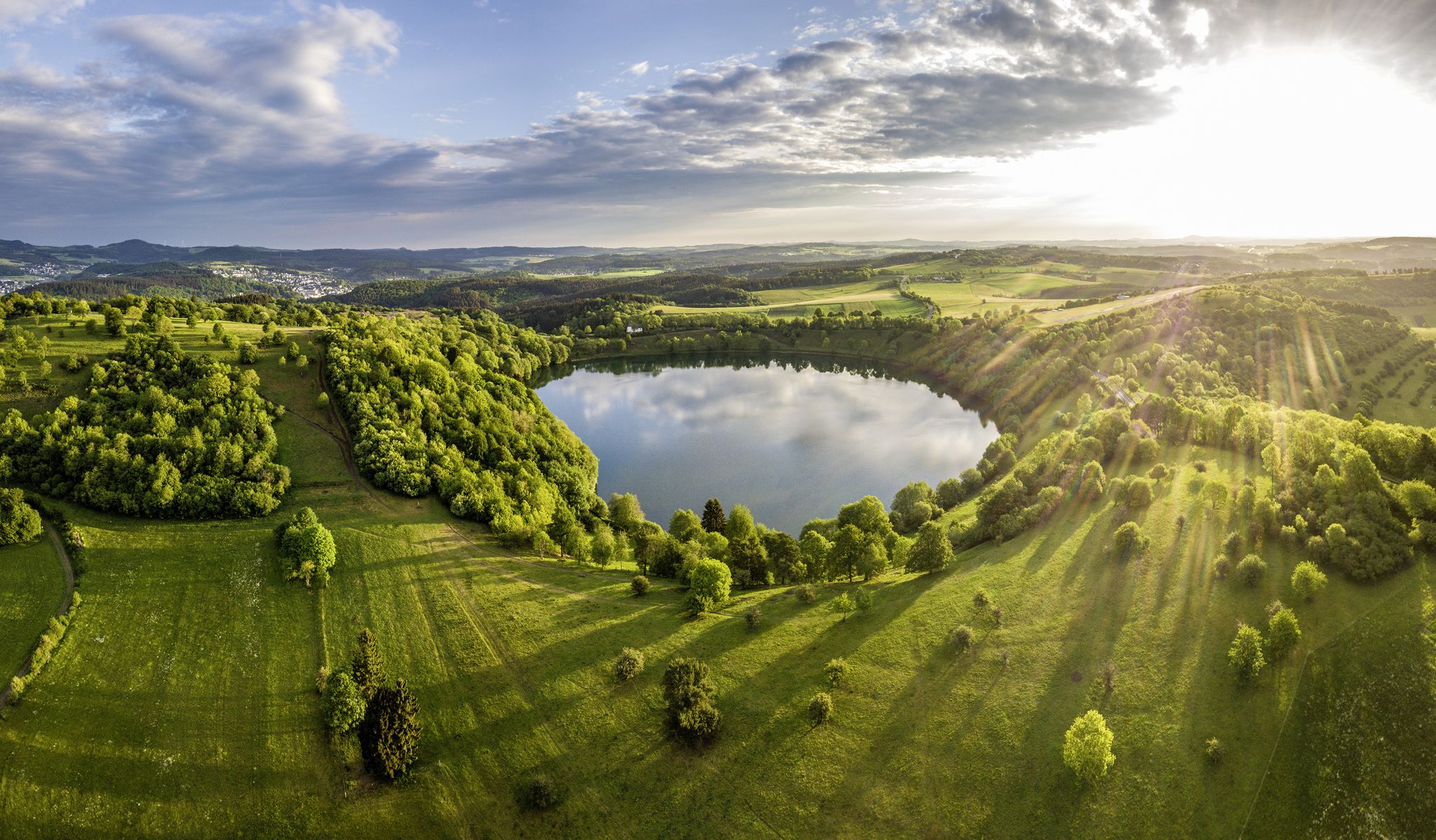
Germany’s Most Beautiful Hiking Trails in the Vulkaneifel
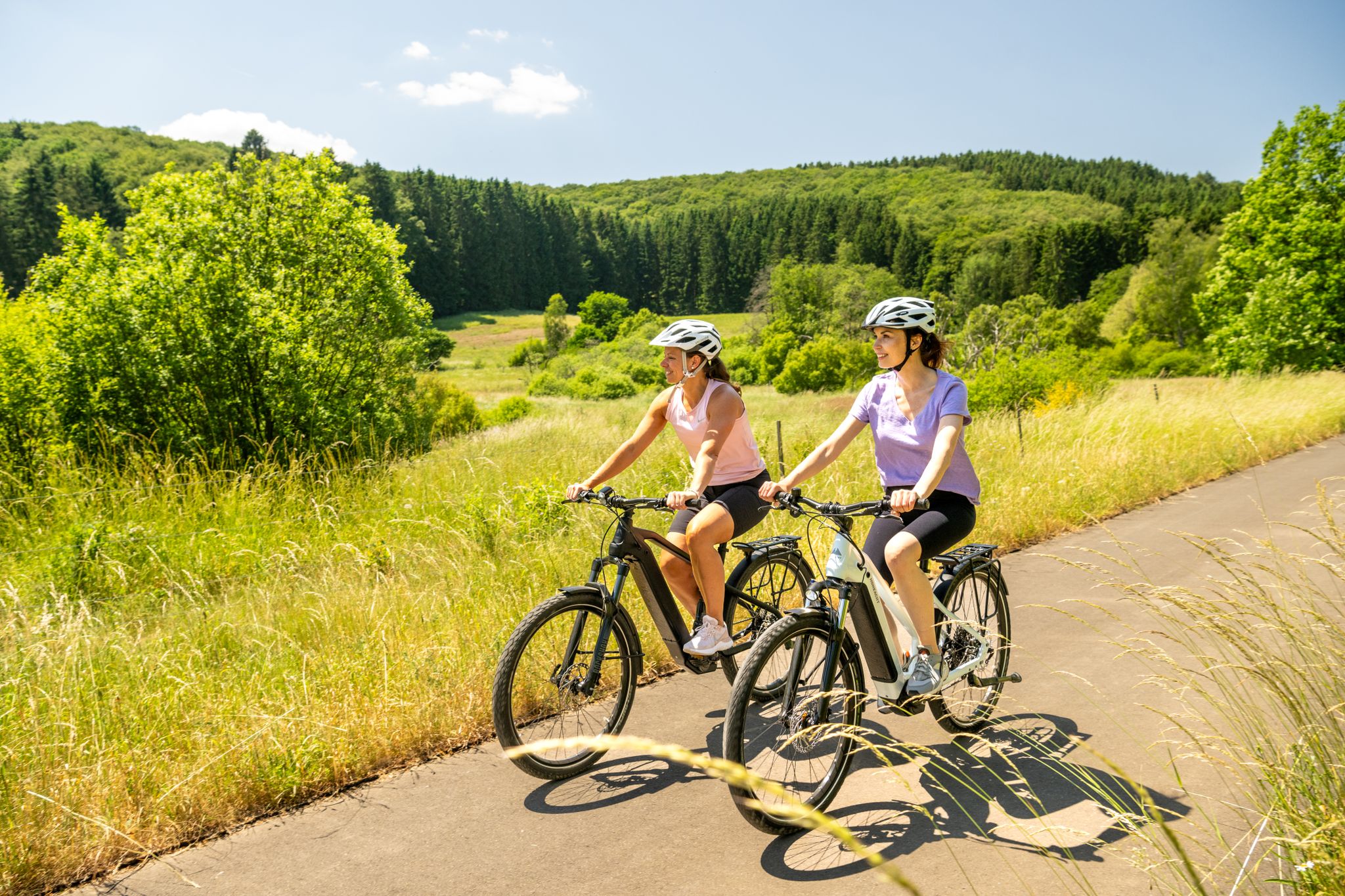
E-biking through the Volcanic Eifel
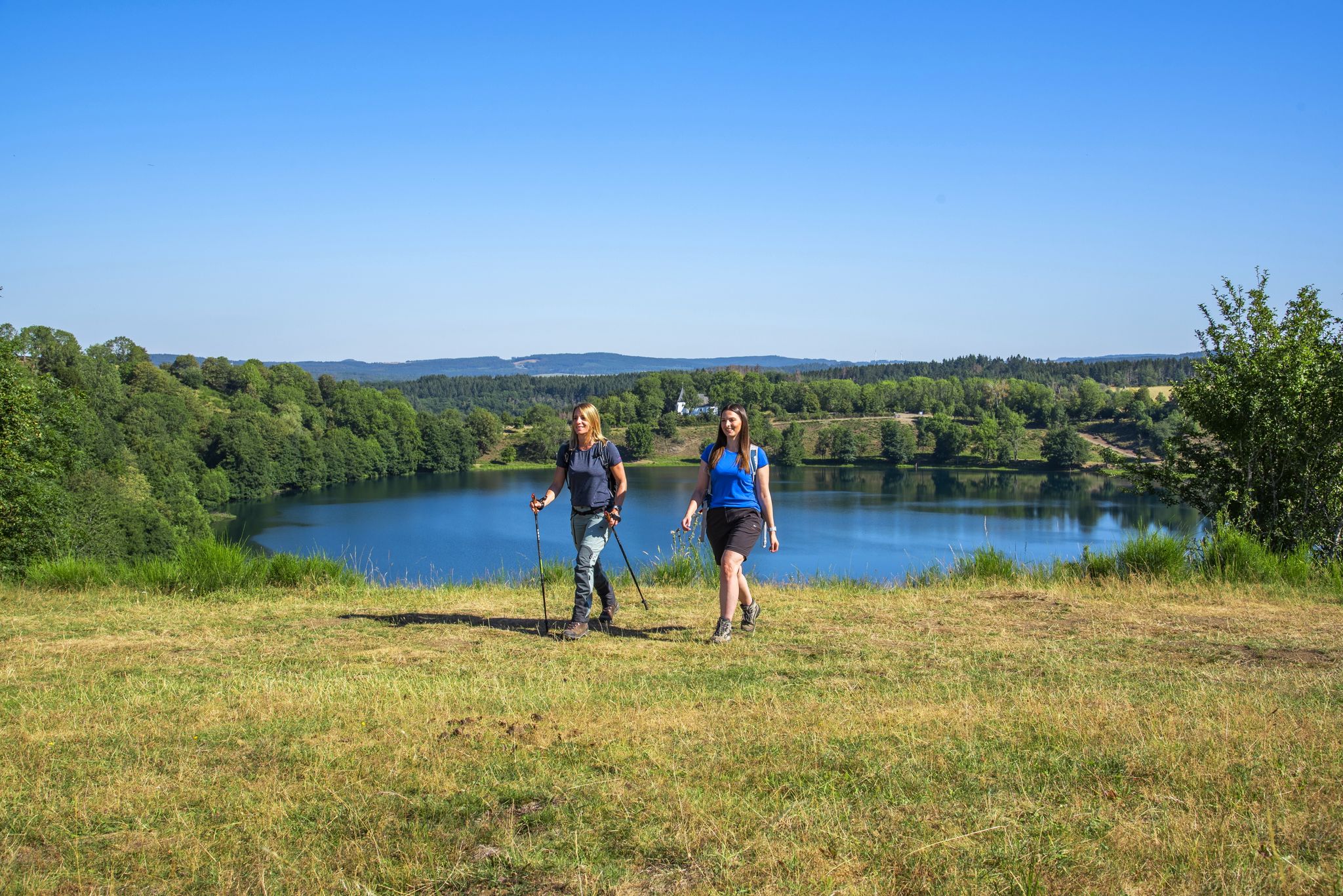
Excellent paths in the Vulkaneifel – Explore the HeimatSpuren
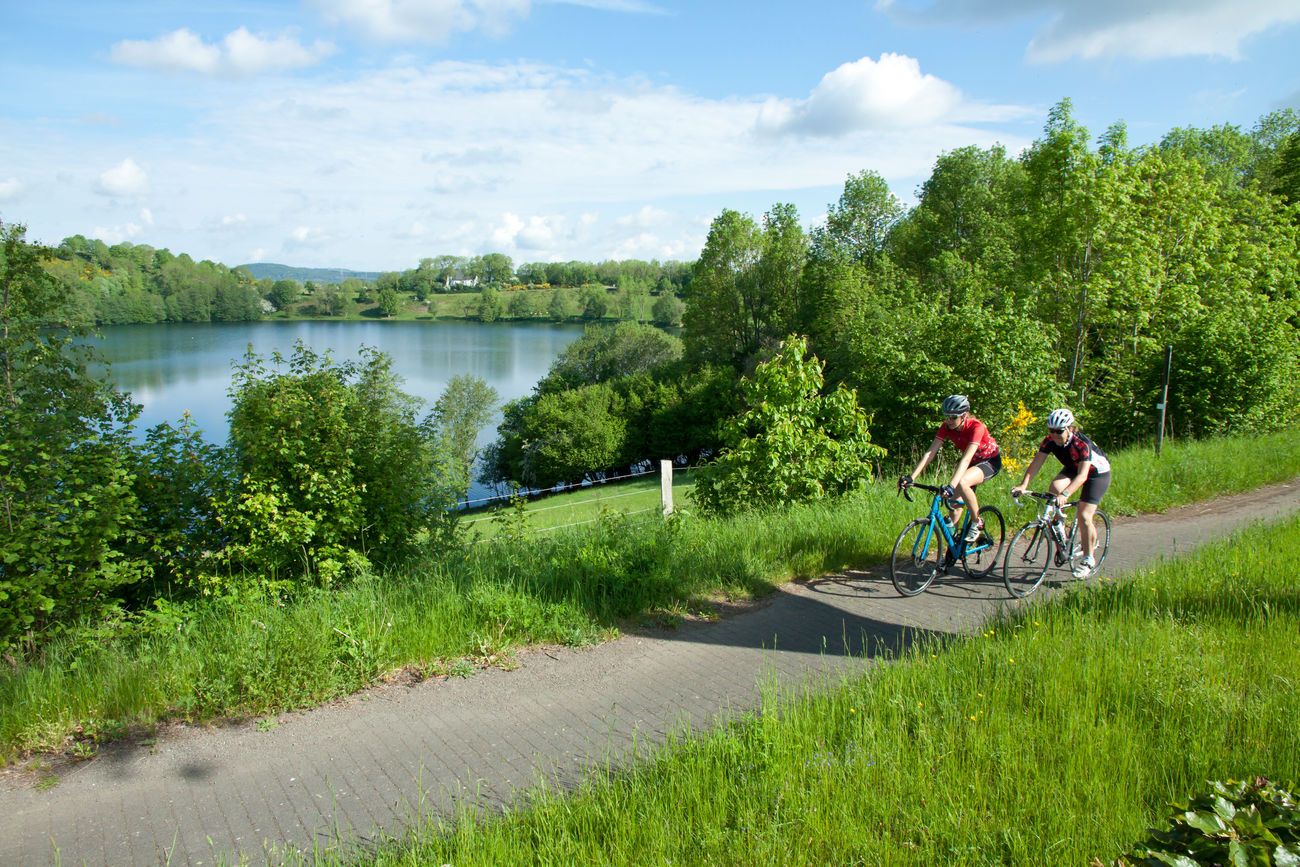
Discover Germany with the Tour in a motorhome and racing bike
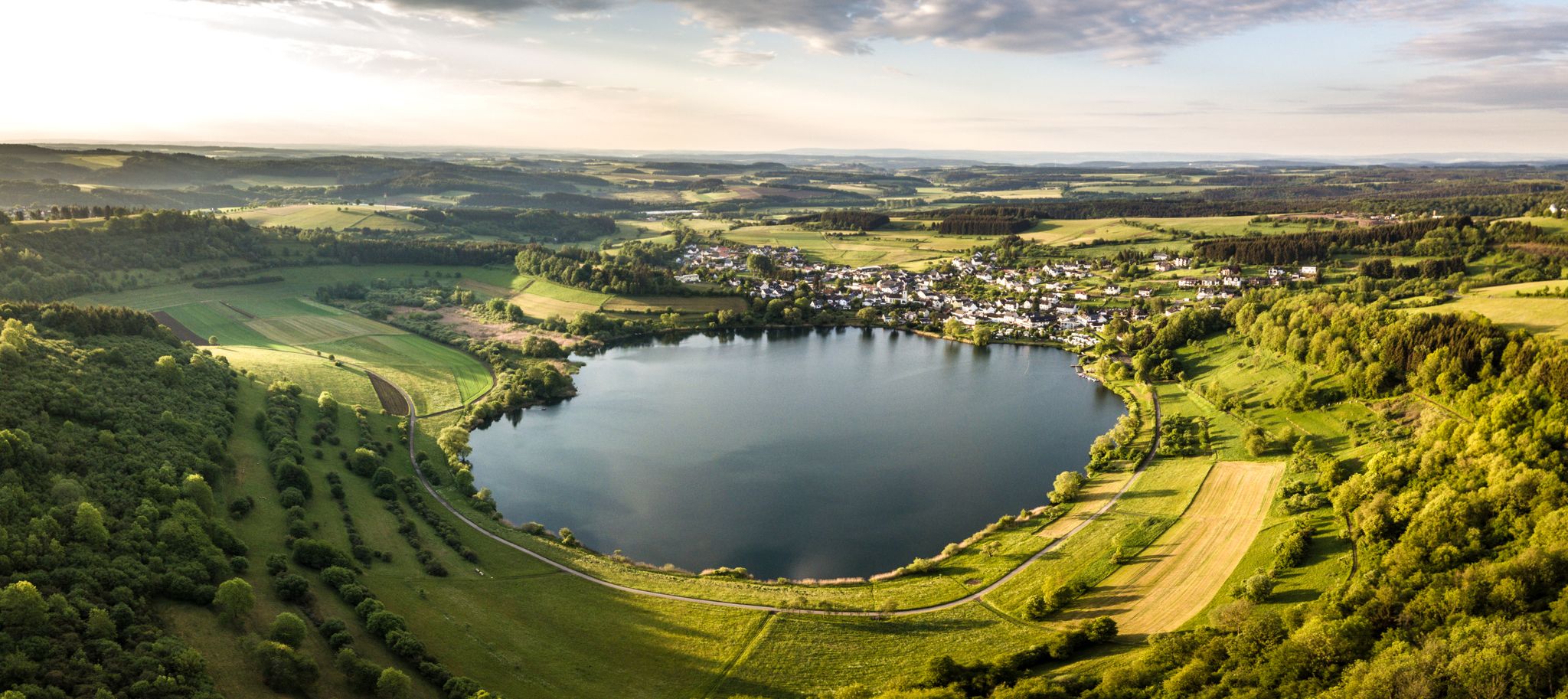
Volcanoes, water, forest – the partner trails of the Eifelsteig
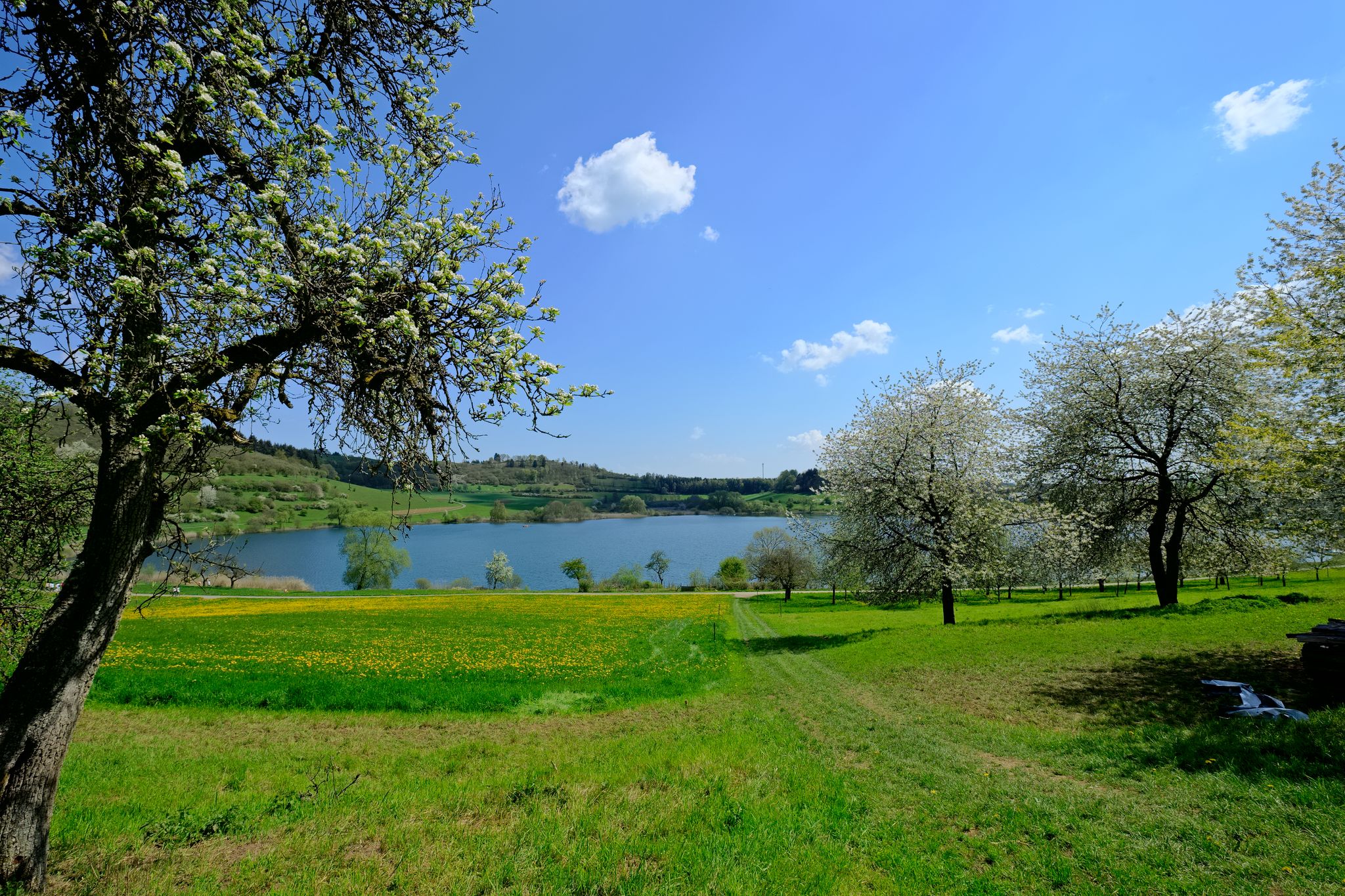
4 days of pure geological history — a tour through the Volcanic Eifel
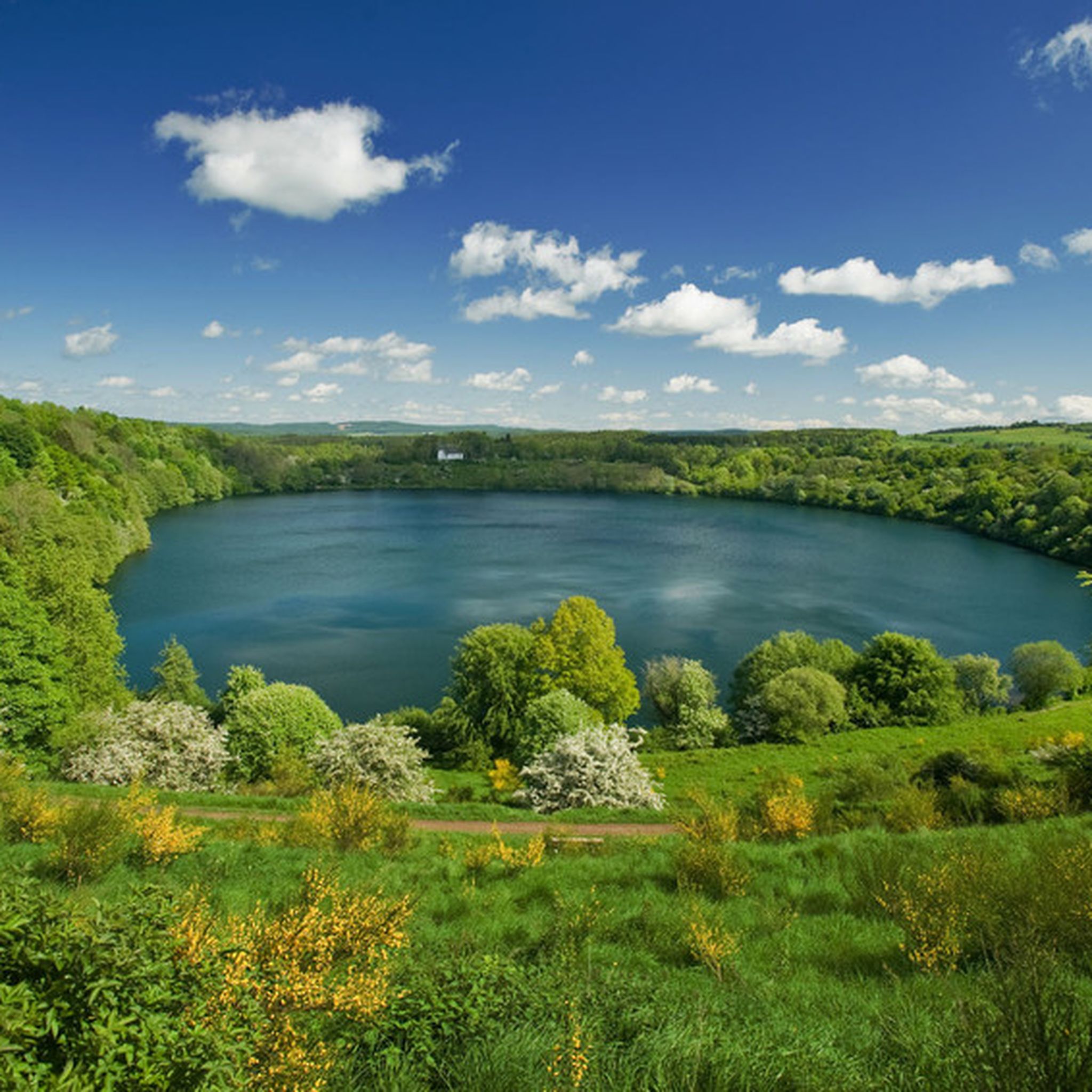
Hiking around Schalkenmehren
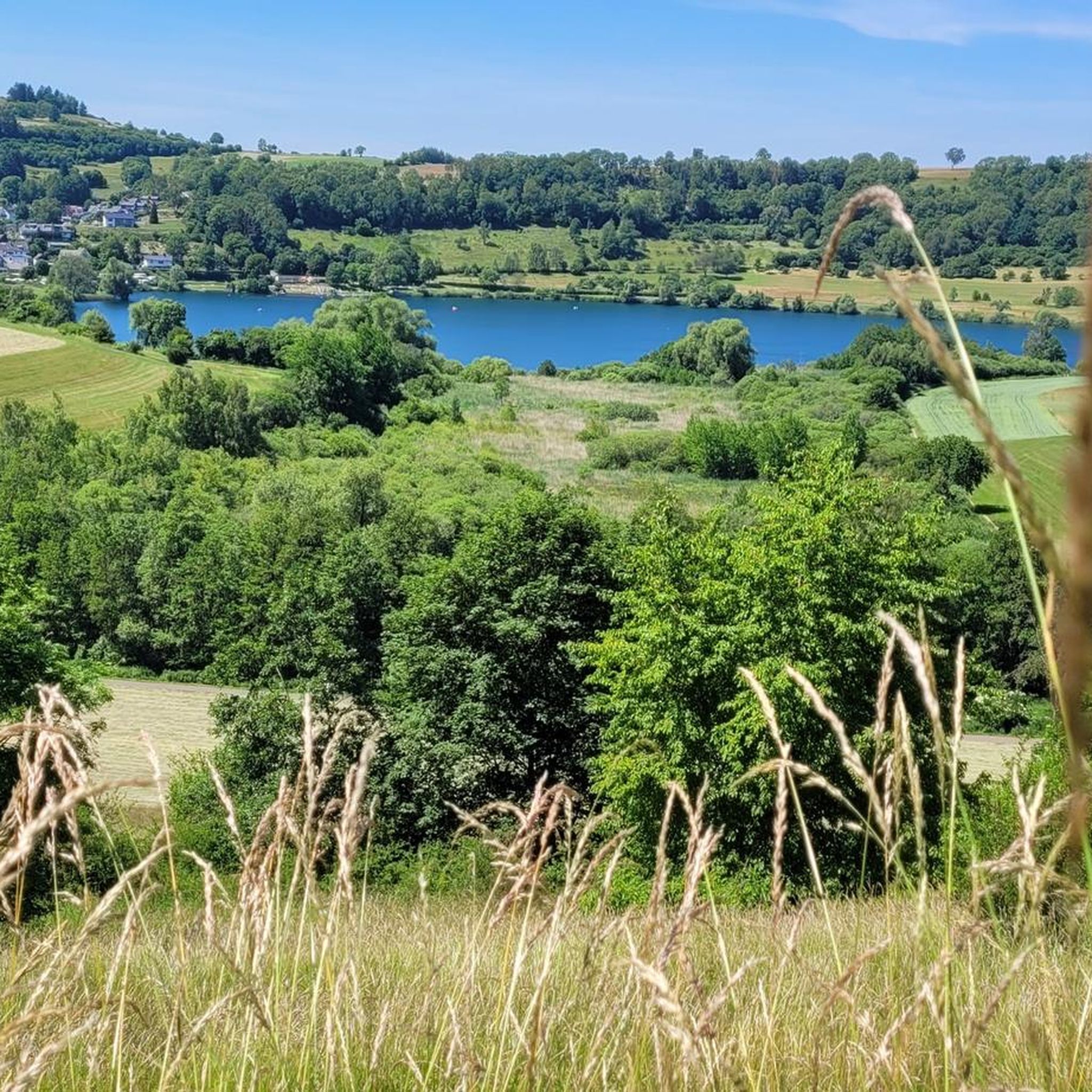
Cycling around Schalkenmehren
MTB Trails around Schalkenmehren
Running Trails around Schalkenmehren
Other adventures around Schalkenmehren


Tips from the Community

The lower castle has completely disappeared. You can still see the beginning of the ring that connected the lower castle and the Ulmen city wall, a two-story outer wall of the palace, as well as a cistern and some foundation walls of other buildings. The old part of Ulmen Castle was built around 1074 AD and likely rests on the remains of a Roman settlement. In the Middle Ages, Ulmen Castle was further expanded and divided into the upper castle, whose remains of the walls still exist, and the lower castle, which extended to the banks of the maar river. Two knightly families lived in the castle, which is believed to have never been attacked or destroyed until 1673 due to its size. Only the Sun King's troops succeeded. It was rebuilt, but fell again in 1689 during the War of the Succession. However, Ulmen Castle was also rebuilt this time, with only the city wall being abandoned. With the invasion of Napoleon's soldiers, Ulmen also became French and later Prussian. The empty castle, whose last descendant died in 1801, was auctioned to a merchant from Cochem, who sold it as a quarry. When a devastating fire burned Ulmen to the ground in the 19th century, the residents of Ulmen rebuilt their houses with stones from the castle. That's why you can still see a coat of arms on some of the stables today. It wasn't until the early twentieth century that Ulmen Castle was declared a listed building and became the property of the municipality of Ulmen. The castle is always freely accessible.
7
0

The Upper Castle and the Lower Castle rise up in the Lieser valley near Manderscheid. The Upper Castle was once a state castle of the Archbishops of Trier, while the Lower Castle, around 150 years younger, served as the residence of the Lords of Manderscheid, who lived there as representatives of the Counts of Luxembourg.
53
3

The steep climb to the castle is quite difficult. A real calf biter! But once at the top you forget it all. Beautiful ruin and the cave is more than worth it.
5
0

From the Niederburg via the tournament meadow to the Oberburg. There you have a view of the Niederburg. Gradweg past the Kaisertempelchen! Very beautiful! Definitely recommended to be included in a hike.
11
0

Just awesome being so close to the place and with a half day walk around and visit. For a nice stop, first check whether the castle café opposite is open; but a stop in Manderscheid is also possible.
10
0

Access to the upper castle is free. 199 steps lead up to the tower.
10
0
There's also a pavilion here. So the place is perfect for a snack break.
4
0

"The Lower Castle, first mentioned in documents in 1133, was the ancestral home of the Counts of Manderscheid. The castle, which has been uninhabited since 1794, is now owned by the Eifel Association. It has been restored and today, together with the Manderscheid Upper Castle, forms an impressive backdrop for the annual castle festival with knightly games that takes place on the last weekend in August." Opening times: March/April: 9.30 a.m. to 5.30 p.m. May to August: 9 a.m. to 7 p.m., outdoor seating with food until 10 p.m. September/October: 9.30 a.m. to 5.30 p.m. Costs: Entry for individual visitors: adults €2, adults with a spa card €1.50. https://www.eifel.de/go/freizeitmoeglichkeiten-detail/niederburg_manderscheid.html https://www.niederburg-manderscheid.de/
8
0
Frequently Asked Questions
What are the most notable castles to visit near Schalkenmehren?
The Vulkaneifel region offers several significant castles. Among them, Manderscheid Upper Castle and Manderscheid Lower Castle are prominent, standing opposite each other in the Lieser valley. Another impressive site is Freudenkoppe Castle Ruins, located on a basalt cone, offering a glimpse into 14th-century fortifications. Further afield, the grand Cochem Castle on the Mosel River is a major attraction.
Are there family-friendly castles around Schalkenmehren?
Yes, Manderscheid Lower Castle is known to be family-friendly, with visitors noting that even dogs are allowed inside. The area around the Manderscheid castles also features a meadow with a barbecue hut, perfect for a family picnic.
What kind of historical insights do these castles offer?
The castles provide a rich historical perspective. Manderscheid Upper Castle was once a state castle of the Archbishops of Trier, while Manderscheid Lower Castle served as the residence for the Lords of Manderscheid. These sites reflect the historical conflicts between the Electorate of Trier and the Duchy of Luxembourg. Freudenkoppe Castle Ruins, built around 1340, showcases the fortifications used to secure borders.
Can I explore castle ruins or are they mostly well-preserved fortresses?
You'll find a mix. The region features medieval castle ruins like Manderscheid Upper Castle and Freudenkoppe Castle Ruins, where you can explore ancient walls and keeps. Manderscheid Lower Castle is better preserved, offering a more complete experience of a 12th-century site. Cochem Castle, though further away, is a largely reconstructed fortress offering a vivid impression of a medieval knight's castle.
Are there any castles with good viewpoints?
Absolutely. From Manderscheid Upper Castle, you get a great view of the Lower Castle and the Liesertal. The keep of the Upper Castle, which has been made accessible, offers excellent panoramic views. Upper Castle of Ulmen also provides a beautiful view of Ulmen and the surrounding area.
What outdoor activities can I do near these castles?
The Vulkaneifel region is excellent for outdoor activities. You can find numerous cycling routes, such as the "View of the Manderscheid Castles – Weinfelder Maar loop from Schalkenmehren" for touring bikes, or gravel biking routes like the "Hillesheim City Wall – Kerpen Castle loop from Steinborn." For mountain biking, consider trails like the "Dronke Tower on the Mäuseberg – View of the Weinfelder Maar loop from Schalkenmehren." You can find more routes on the Cycling around Schalkenmehren, Gravel biking around Schalkenmehren, and MTB Trails around Schalkenmehren guide pages.
Are there any castles associated with natural features like lakes or maars?
Yes, the Upper Castle of Ulmen is situated near the Ulmener Maar, and a tour around both the maar and the castle is highly recommended. Historically, there's also a local legend of a castle once standing at the site of the Weinfelder Maar, which was said to have been swallowed by water.
What do visitors enjoy most about the castles in this region?
Visitors appreciate the historical depth and the scenic beauty. Many enjoy the contrast between the well-preserved Manderscheid Lower Castle and the more ruinous Manderscheid Upper Castle, especially the views from the latter. The opportunity to explore medieval architecture and the surrounding natural landscapes, including the Lieser river valley, is also highly valued.
How long should I plan for a visit to the Manderscheid castles?
To fully experience both Manderscheid Upper Castle and Manderscheid Lower Castle, including exploring the ruins and enjoying the views, you should plan for at least half a day. The Lower Castle can be explored with guided tours or on your own, and there are explanatory panels to help understand the history.
Are there any special events at the castles?
The Upper Castle of Ulmen hosts a very nice Christmas market in winter and a medieval festival in summer, offering unique experiences beyond just exploring the ruins.
Is Cochem Castle worth the drive from Schalkenmehren?
Cochem Castle, while about 22 kilometers from Schalkenmehren, is a highly recommended visit. It's an impressive, largely reconstructed castle perched above the Mosel River, offering well-preserved medieval architecture, guided tours, historical artifacts, and breathtaking views. It provides a different experience compared to the ruins closer to Schalkenmehren.
Are dogs allowed at the castles?
Yes, dogs are allowed at Manderscheid Lower Castle, making it a great option for visitors traveling with their canine companions.
Most popular routes around Schalkenmehren
Most popular attractions around Schalkenmehren

Get inspired with the komoot mobile app


Explore more
Looking for the best castles somewhere else? Discover other guides around Schalkenmehren:
