Top 13 Castles around Oranienburg
Best castles around Oranienburg offer a blend of historical significance and natural beauty in the Margraviate of Brandenburg. The region is home to Schloss Oranienburg, the oldest Baroque palace in the area, known for its extensive gardens and museum collections. This area provides opportunities to explore architectural heritage and cultural landscapes. Visitors can discover various historical sites, from well-preserved estates to significant ruins.
Best castles around Oranienburg
- The most popular castles is Liebenberg Castle and Estate, a castle that…
Last updated: August 16, 2026
Dammsmühle Castle
Highlight • Castle
Translated by Google •
Tip by

View of Dammsmühle Castle and the Mühlenteich
Highlight • Viewpoint
Translated by Google •
Tip by

Sign up now to discover places like this
Get recommendations on the best single tracks, peaks, & plenty of other exciting outdoor places.
Sign up for free
Liebenberg Castle and Estate
Highlight • Castle
Translated by Google •
Tip by

Liebenberg Castle
Highlight • Castle
Translated by Google •
Tip by

Forsthaus at Sommerswalde Castle
Highlight • Restaurant
An oasis of silence and peace, surrounded by extensive forest.
A great and warm community, here you can …
Translated by Google •
Tip by

Sign up for free to discover even more castles around Oranienburg.
Sign up for free
Already have an account?
Start today with a free account
Your next adventure awaits.
Login or Signup
Popular around Oranienburg
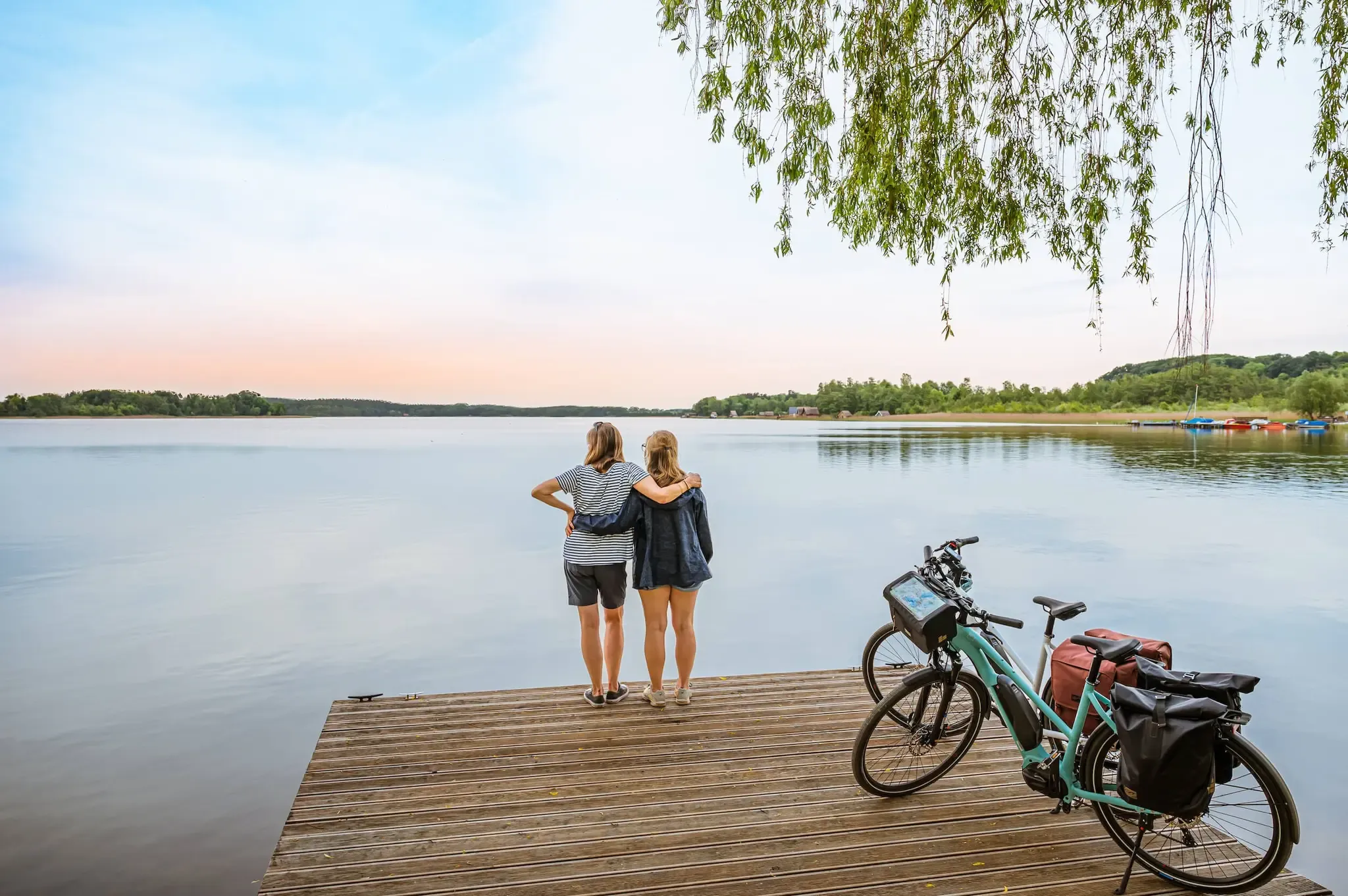
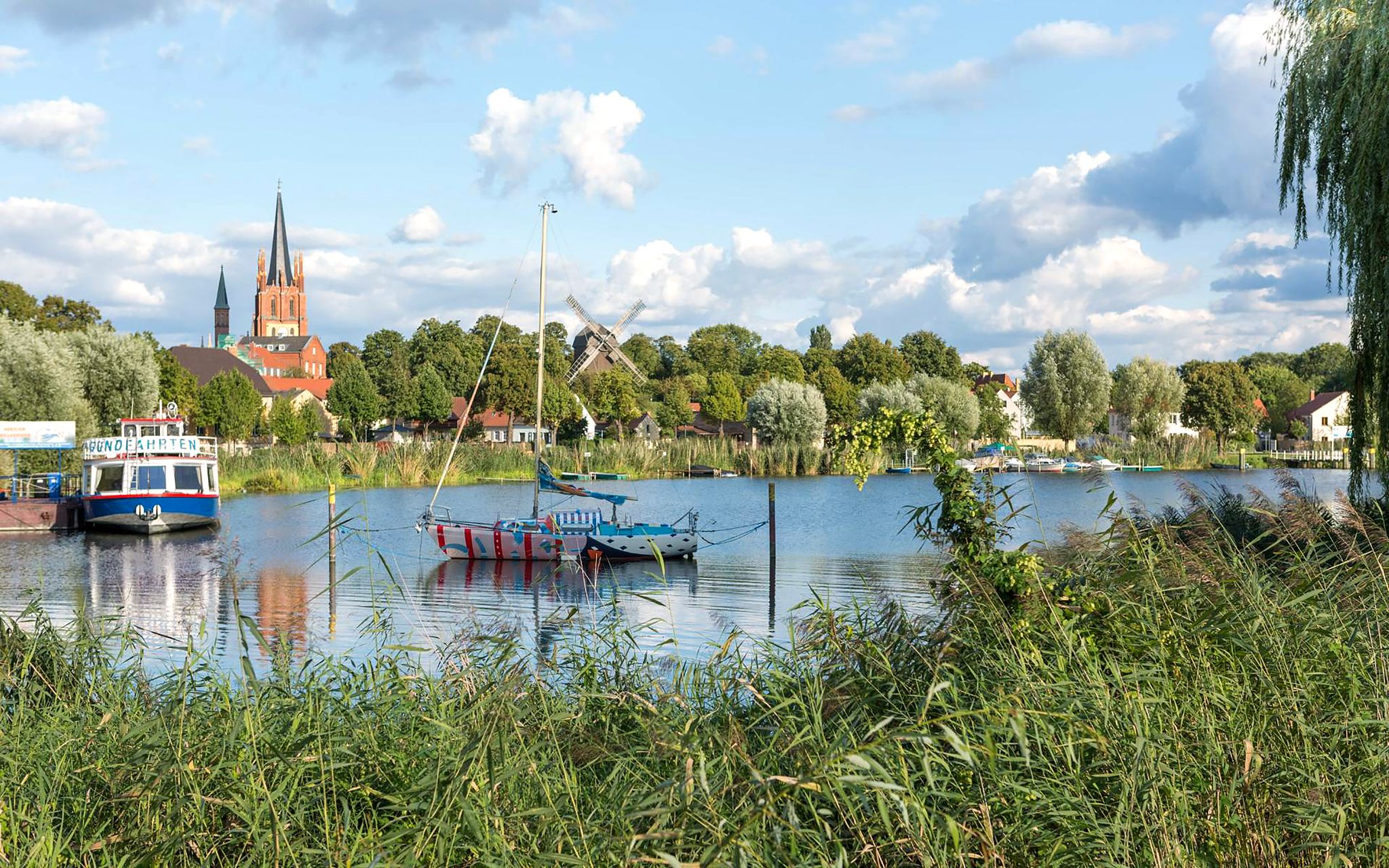
The long distance bicycle route Berlin-Copenhagen
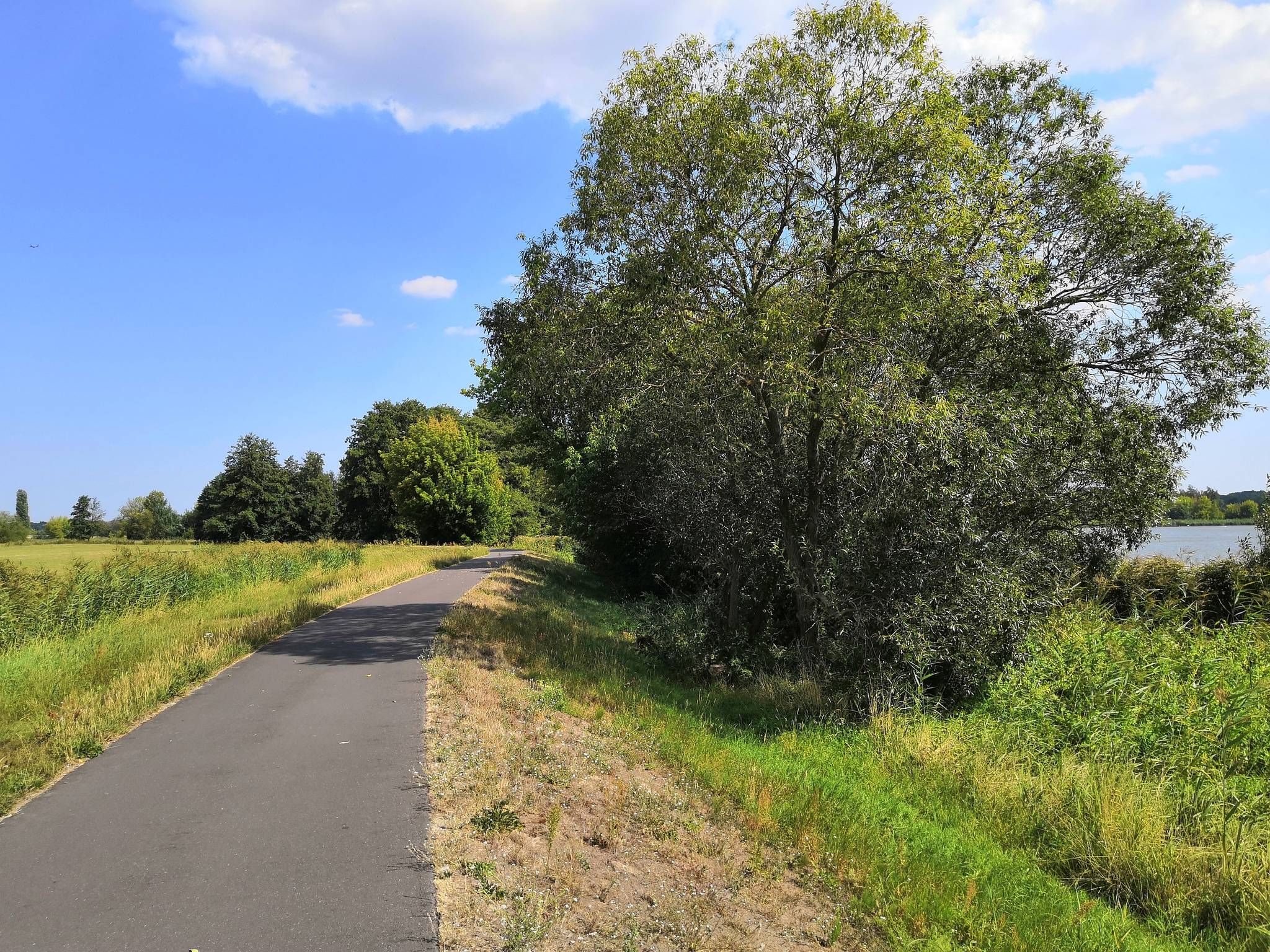
The Havel Cycle Path – in 6 stages from its source to its mouth
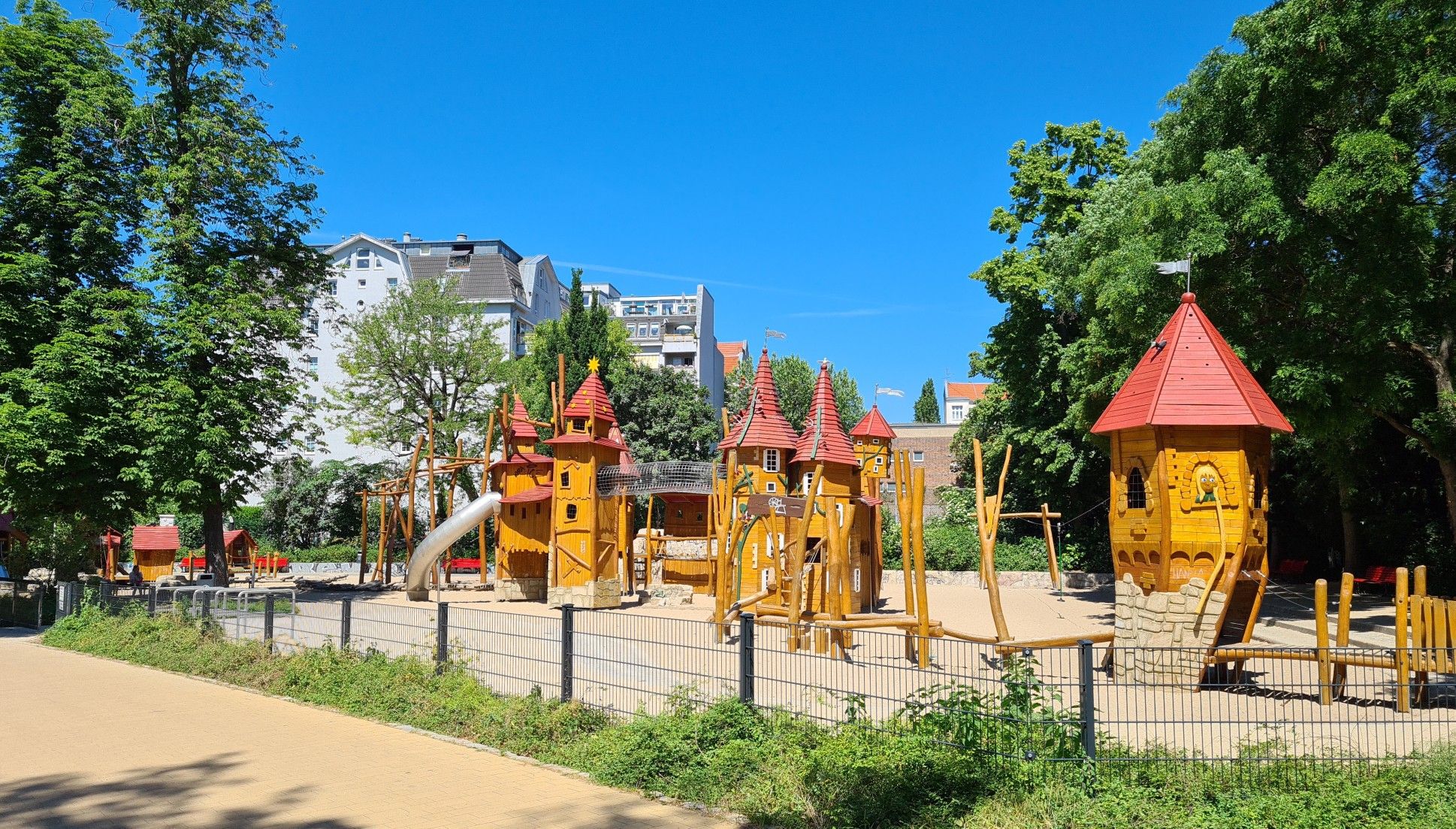
Hike and explore – take the S–Bahn to Berlin’s best playgrounds
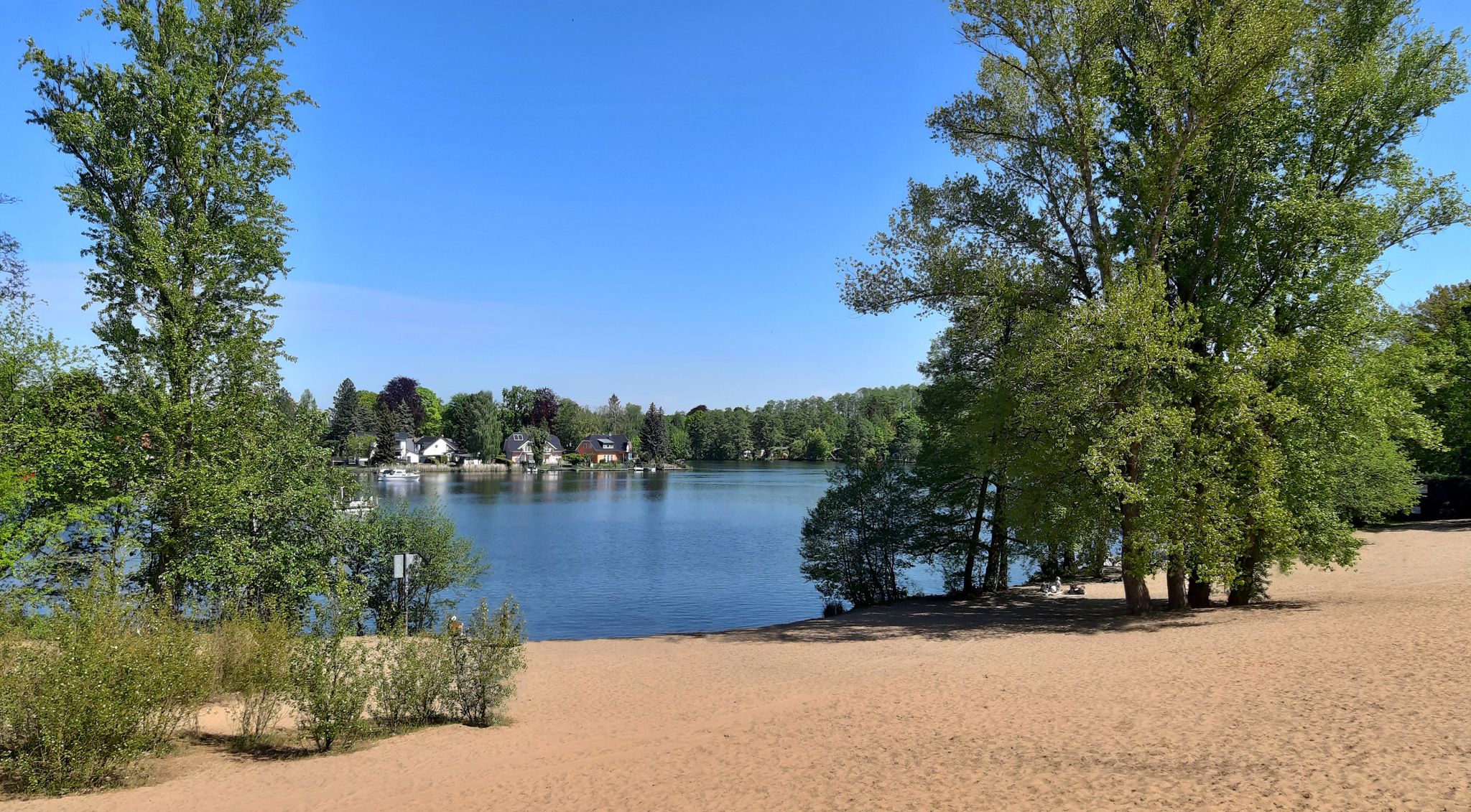
Swimming fun — on the S-Bahn to the lakes of Berlin and Brandenburg

Strawberry, Raspberry & Blueberry - by S-Bahn to berry picking
The FONTANE.RAD route – ride in the footsteps of writer Theodor Fontane
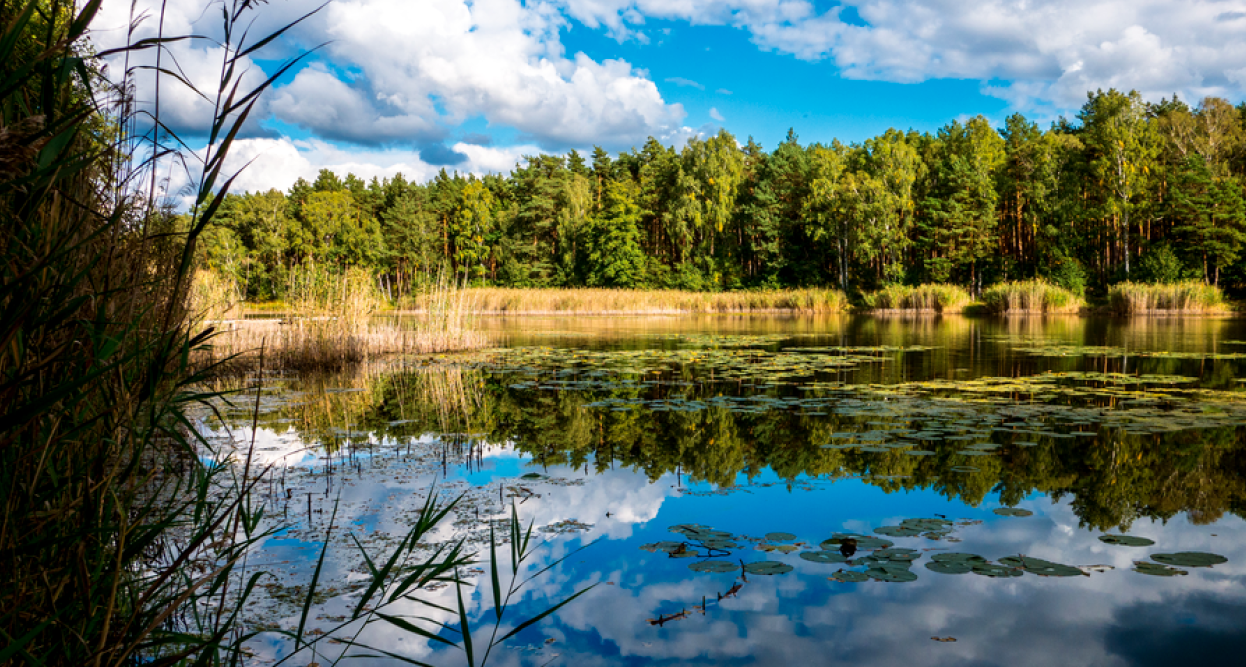
Five amazing lake hikes around Brandenburg
Tourentipps des ADFC Berlin - mit S- oder U-Bahn erreichbar
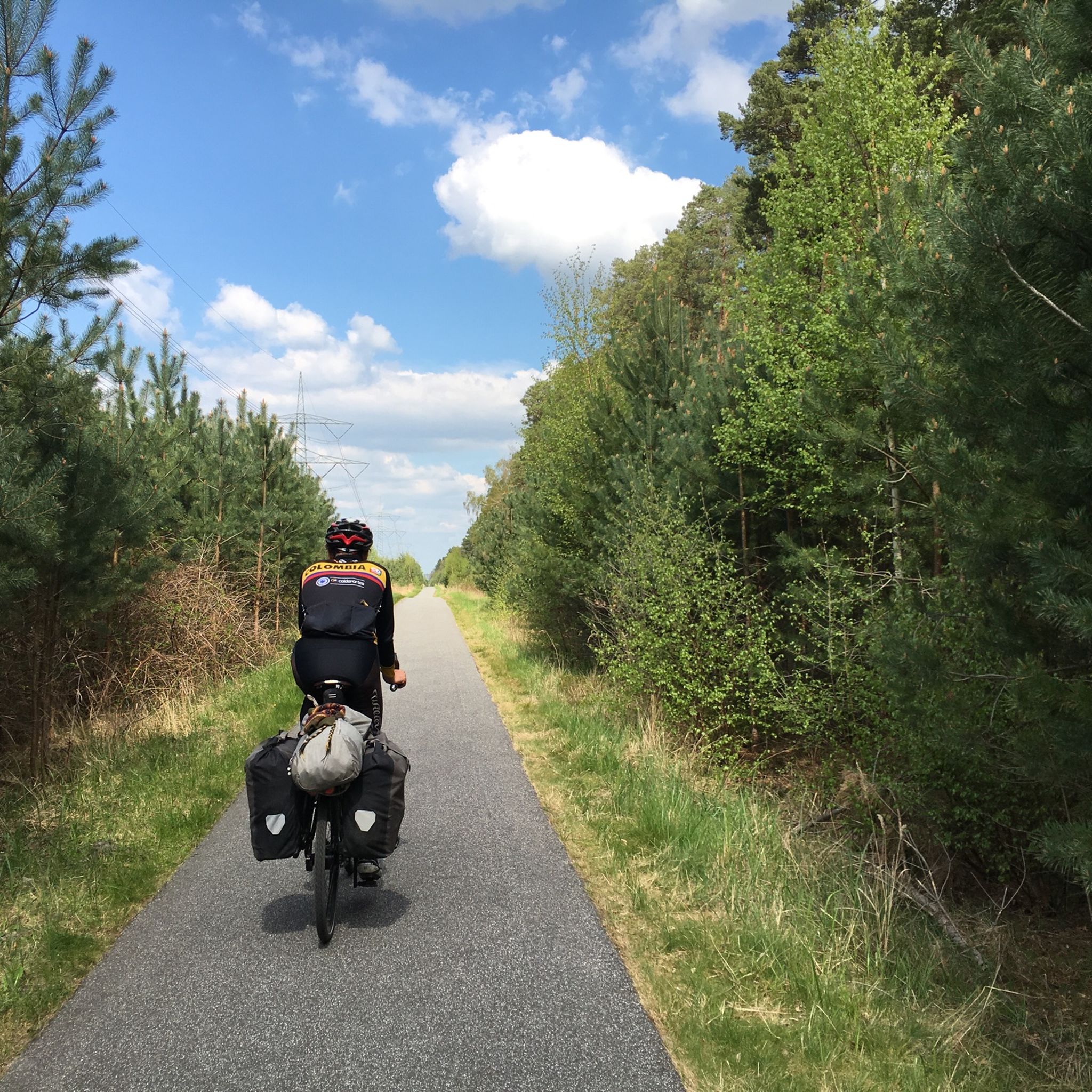
Cycling around Oranienburg
Hiking around Oranienburg
Other adventures around Oranienburg


Tips from the Community

The neo-baroque garden element was built by Count Philipp Conrad zu Eulenburg (1820 –1889) in the course of the palace renovations in 1876/77 in the central axis of the palace park. During this time, the entire park received decorative elements with terraces, fountains, sculptures and elaborate plantings in accordance with the taste of the time. More information at: https://www.dkb-stiftung.de/projekt/historischer-spaziergang/
1
0
The origins of the castle building in Liebenberg probably date back more than 500 years. In 1460, the diocese of Brandenburg sold the small town of Löwenberg, including Liebenberg, to the prominent von Bredow family from Brandenburg. After the end of the Thirty Years' War, the Prussian chief hunter Jobst Gerhard von und zu Hertefeld (1594-1659), who came from Kleve, bought the Liebenberg property with two houses in 1652. The Hertefelds settled Lower Rhine and Dutch families who were skilled at building dikes and canals and reclaiming the swampy landscape. Ludwig Casimir built the first one-story manor house between 1743 and 1747. After the end of the Napoleonic Wars in 1815, Karl Adolf Freiherr von und zu Hertefeld (1794-1867) led the property to new prosperity. He built a larger manor house on the site of the first building in 1833/1834, which became the starting point of the castle. He remained childless and bequeathed the Liebenberg properties to his great-niece, who was married to the East Prussian Count Philipp Conrad zu Eulenburg (1820-1889). Around 1875, he expanded the manor house to include a hall wing with a stair tower and a terrace facing the park. This expansion gave the building complex a castle feel for the first time. His son Philipp, Prince of Eulenburg from 1900, and Hertefeld (1847-1921), close friend and advisor of Kaiser Wilhelm II, added numerous representative buildings in a historicizing style to the palace complex. Among other things, a chapel was built as an extension of the hall wing and a courtyard branching off towards the church. With the relocation of the road that was once near the castle to its current course, a park-like and representative driveway with small hunters' houses was created, and the castle courtyard gate was built, on the pillars of which two lions were enthroned. The courtyard bar was probably destroyed by arson in 1945 and was only rebuilt in 2004 as an event and conference room. The T-shaped lock bar was spared from the fire, but was looted from 1945 onwards after the royal family fled and was expropriated. In 1946 Liebenberg became an SED school property. After 1989, the castle and estate were leased several times until it was acquired by the DKB STIFTUNG in 2005 for social commitment. It is based here and maintains Schloss & Gut Liebenberg in accordance with the principles of monument protection.
3
0

This is the area around Sommerswalde Castle and not a Lost Place, even if it makes the impression at first glance. The castle itself is the Tharpaland Kadampa Meditation Center: A center for meditation and modern Buddhism.
1
0

Nice café and a great castle garden
1
0

Liebenberg Castle is another highlight of the region and is located near the White Lake. The castle is a historic complex from the 14th century and has been repeatedly expanded and rebuilt over the centuries. Today the castle houses a hotel and offers its guests an unforgettable ambience. The castle is surrounded by an extensive park and offers a fantastic view of the White Lake. If you want to take a break from the hike, you can visit the castle and go on a journey through time. The castle museum shows numerous exhibits from bygone times and offers an insight into the history of the region.
3
0

We included the castle in one of our hikes. We walk through the park to the back of the estate with its functional buildings and the church. We are pleasantly surprised; everything has been largely restored and there are information boards describing the history everywhere. We discover the museum in the old Inspector House, the oldest surviving half-timbered building in the region, from 1698. We didn't find much about this in our preliminary research, but we are amazed at its scope. The story begins in 1267 with the first mention of Liebenberg. We were not prepared for the wealth of information. In another building we see the lapidarium, for which you can get a key. At least two hours must be planned for the park and museum.
0
0

The former manor house is situated on 1,900 hectares of parkland. In GDR times it was a SED model estate, after reunification it was released for sale along with the adjacent village. Today it is a hotel run by the DKB Foundation. The focus is on supporting educational projects, monument preservation, art and culture. People with disabilities can also find career prospects here.
0
0

Today the castle and the park is a popular place for conferences, wedding celebrations and you can also book beautiful rooms for a short break here. The restaurant is only open to house guests, but you can strengthen yourself and take a short break in the charming courtyard café. You can find information about Liebenberg Palace and Park here: https://www.schloss-liebenberg.de/.
3
0
Frequently Asked Questions
What is the most historically significant castle in the Oranienburg area?
The most historically significant castle is Schloss Oranienburg (Oranienburg Palace) itself. It is the oldest Baroque palace in the Margraviate of Brandenburg, originally built between 1651 and 1655. It played a key role in the region's history and is now a museum showcasing Baroque art and Prussian royal history.
Are there family-friendly castles to visit near Oranienburg?
Yes, several castles in the area offer family-friendly amenities. Liebenberg Castle and Estate has a charming courtyard café and extensive grounds. Schloss Oranienburg also features a large play area and water play area within its 30-hectare park, making it suitable for families.
What kind of outdoor activities can I do near these castles?
The area around Oranienburg offers various outdoor activities. You can find numerous routes for hiking, gravel biking, and road cycling. For instance, you can explore the Briese Wetlands on an easy cycle path or hike along the Oder-Havel Canal. You can find more details on these activities in the hiking guide, gravel biking guide, and road cycling guide for Oranienburg.
What makes Dammsmühle Castle unique?
Dammsmühle Castle is a baroque palace with an eventful history, situated directly on a mill pond. It has seen various occupants, including the Red Army and the East German Stasi, and despite its current state as a ruin, it exudes an incomparable charm. Its location amidst three lakes is also a notable feature.
Can I find accommodation or dining options at the castles?
Yes, some castles offer accommodation and dining. Schloss Ziethen functions as a modern hotel and restaurant. Liebenberg Castle and Estate is a popular place for events and offers rooms for short breaks, with a charming courtyard café open to visitors. The Forsthaus at Sommerswalde Castle also includes a restaurant and café.
What is the best time of year to visit castles around Oranienburg?
The castles and their extensive parks, like the 30-hectare park at Schloss Oranienburg, are beautiful year-round. Spring and summer offer lush greenery and pleasant weather for exploring gardens and outdoor areas. Autumn provides scenic foliage, while winter can offer a serene, less crowded experience, especially for indoor museum visits.
Are there any castles that are now used for other purposes?
Yes, several castles have adapted their functions. Schloss Ziethen operates as a modern hotel and restaurant. The Forsthaus at Sommerswalde Castle, originally part of a larger estate, now houses a restaurant, café, and even a registry office branch. Schloss Oranienburg itself functions as a museum.
What natural features can I expect to see near the castles?
Many castles are set amidst beautiful natural landscapes. Schloss Oranienburg is complemented by a 30-hectare park with 16 differently designed garden rooms. Dammsmühle Castle is located directly on a mill pond and surrounded by three lakes. The region generally offers extensive forests and waterways, providing a blend of historical sites and natural beauty.
Is there public transport available to reach the castles?
While specific public transport details for each castle vary, Oranienburg itself is well-connected. From Oranienburg, local buses or regional trains can often take you closer to many of the surrounding castles. It's advisable to check local transport schedules for your specific destination.
What can I expect to see inside Schloss Oranienburg?
Inside Schloss Oranienburg, you can explore a museum under the Prussian Palaces and Gardens Foundation Berlin-Brandenburg. It houses valuable objects of Baroque handicrafts and paintings, including masterpieces by Anthony van Dyck, royal ornamental silver, porcelain, ivory furniture, tapestries, and sculptures, offering deep insights into the region's cultural heritage.
Are there any hidden gems or lesser-known castles worth visiting?
While Schloss Oranienburg is prominent, places like Rosenburg in the Castle Park offer a unique experience. Built around 1900 as a playhouse, it's an artificial ruin that provides a nice view of the palace complex and is a charming, unexpected find within the park.
Most popular routes around Oranienburg
Most popular attractions around Oranienburg

Get inspired with the komoot mobile app


Explore more
Looking for the best castles somewhere else? Discover other guides around Oranienburg:
