Top 20 Natural Monuments in Veneto
Best natural monuments in Veneto showcase a diverse landscape, from the towering peaks of the Dolomites to the tranquil wetlands of the Po Delta and the volcanic Euganean Hills. This northeastern Italian region features unique geological formations, varied ecosystems, and numerous opportunities for outdoor activities. Its natural areas are characterized by mountains, lakes, rivers, and coastal environments, offering a range of natural attractions.
Best natural monuments in Veneto
- The most popular natural monuments is Cinque Torri, a natural monument…
Last updated: September 29, 2026
Auronzo Hut
Highlight • Mountain Hut
Translated by Google •
Tip by

Lake Sorapis
Highlight • Lake
Source: it.wikipedia.org/wiki/Lago_di_Sorapiss
Translated by Google •
Tip by

Sign up now to discover places like this
Get recommendations on the best single tracks, peaks, & plenty of other exciting outdoor places.
Cinque Torri
Highlight • Natural Monument
Translated by Google •
Tip by

Nuvolau Hut
Highlight • Mountain Hut
Source: rifugionuvolau.it/?page_id=253
Translated by Google •
Tip by
View of Lake Garda from La Rocca di Garda
Highlight • Viewpoint
Translated by Google •
Tip by

Piz Boè Summit
Highlight • Summit
Translated by Google •
Tip by

Burci Boat Cemetery
Highlight • Historical Site
Translated by Google •
Tip by

Sanctuary of Madonna della Corona
Highlight • Religious Site
Translated by Google •
Tip by

Mount Plain
Highlight • Summit
Translated by Google •
Tip by

Kreuzberg Pass (Passo Monte Croce di Comelico)
Highlight • Mountain Pass
Translated by Google •
Tip by

Sign up for free to discover even more natural monuments in Veneto.
Already have an account?
Start today with a free account
Your next adventure awaits.
Popular around Veneto
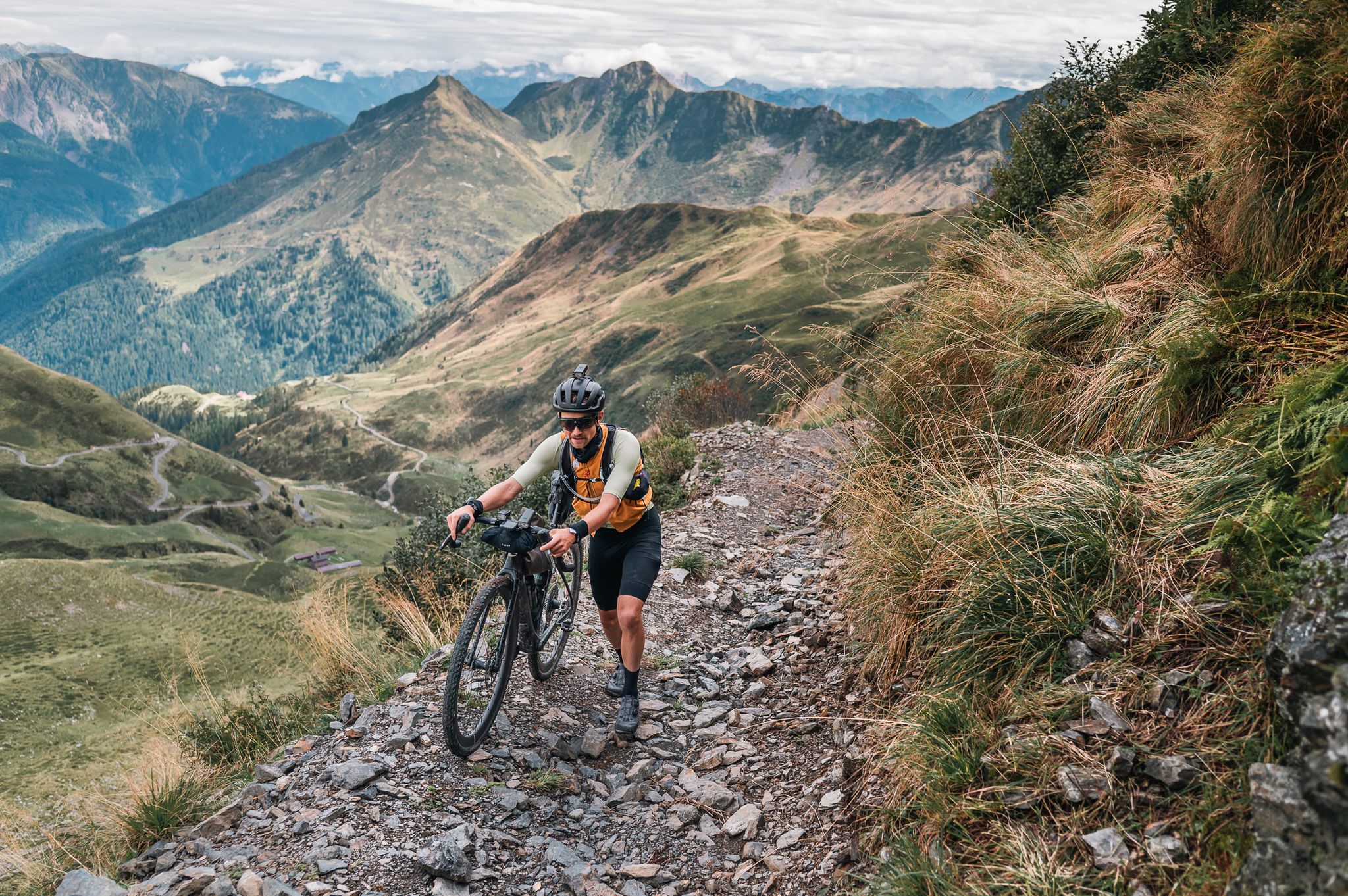
Sneak Peaks ADVENTURE 🥇
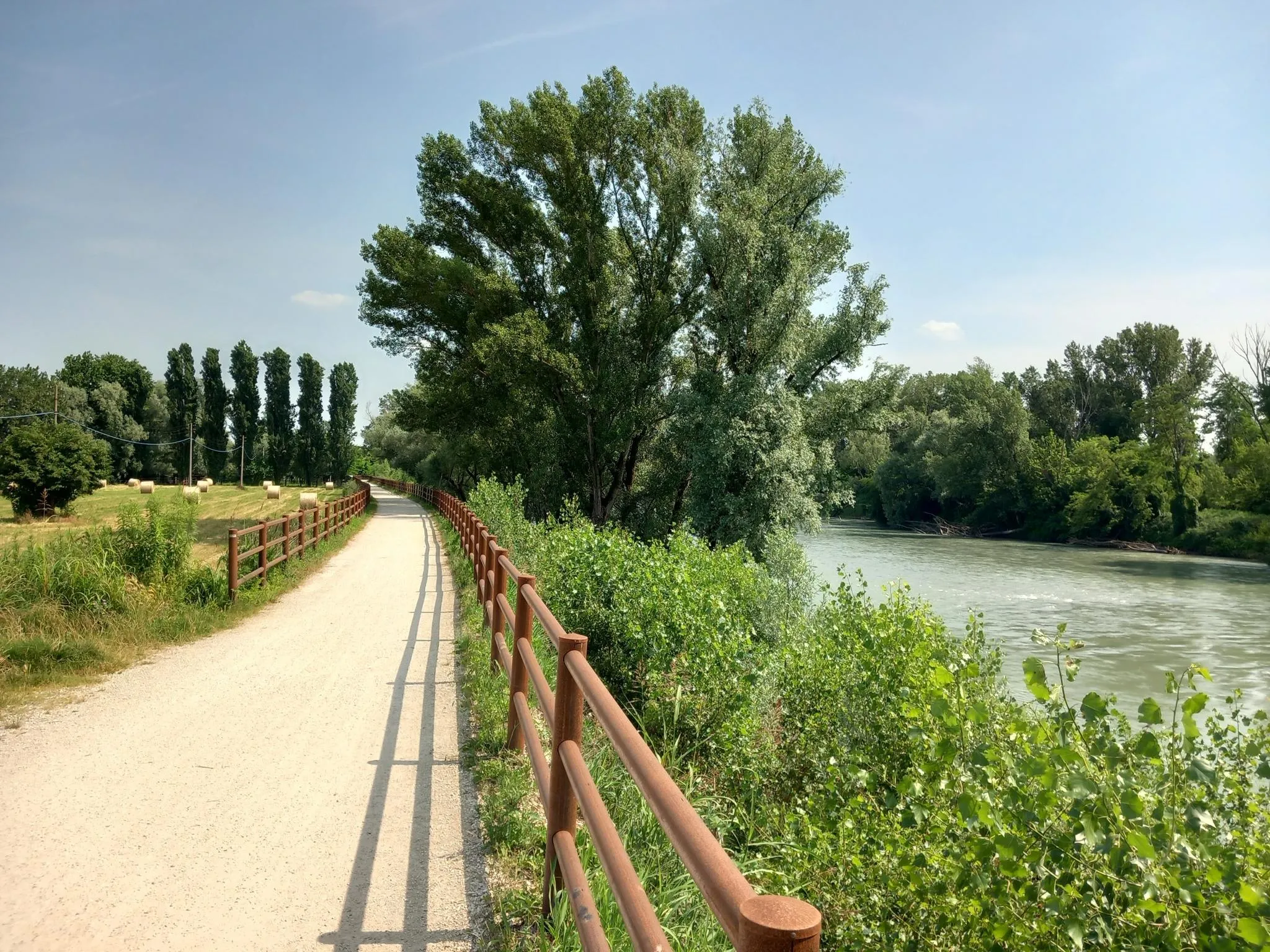
Via Postumia – Hike between the Tyrrhenian and Adriatic seas
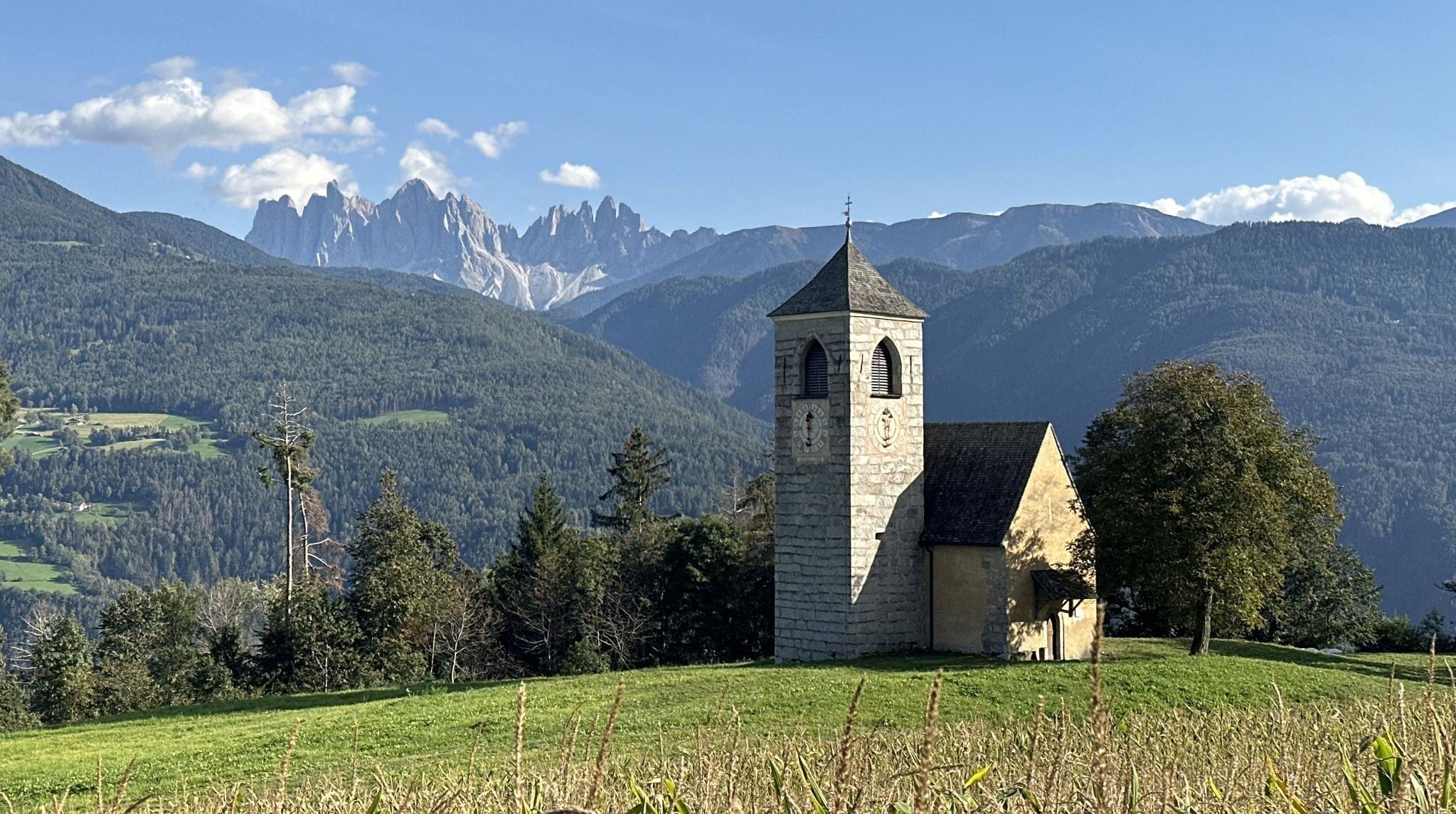
Via Romea Germanica – History, nature and spirituality
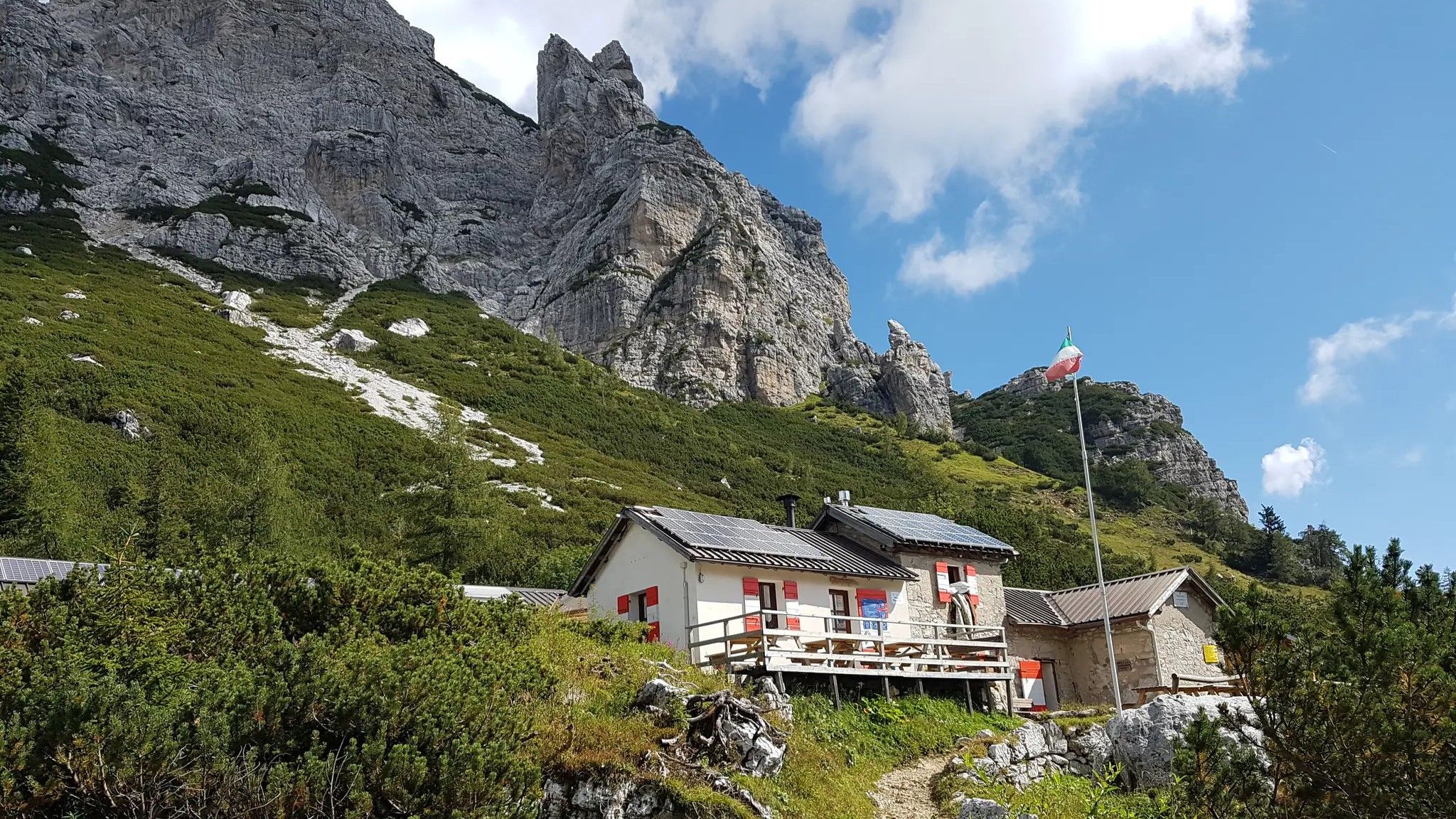
Alta Via Dolomiti Bellunesi – the wild Dolomiti Bellunesi National Park
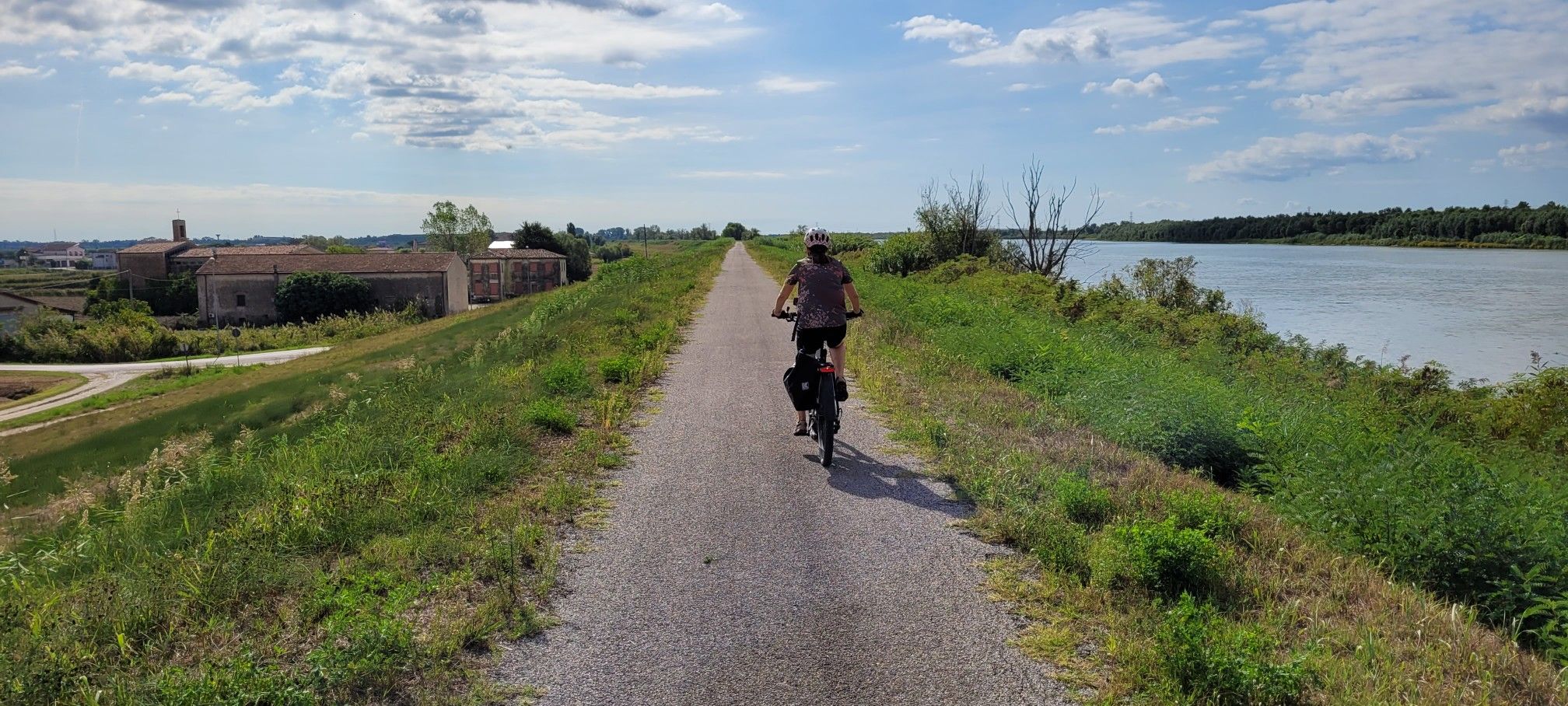
Ciclovie del Po — An all-round experience along Italy's longest river
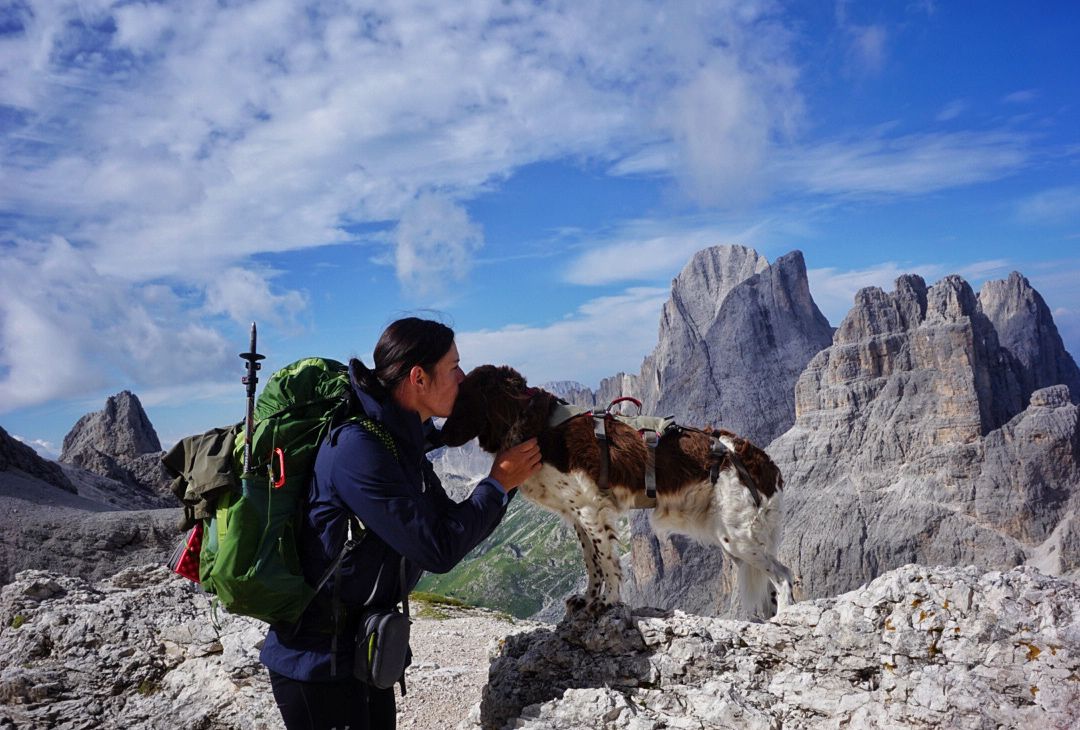
The extra-large Dolomites round – an out-of-this-world hiking adventure
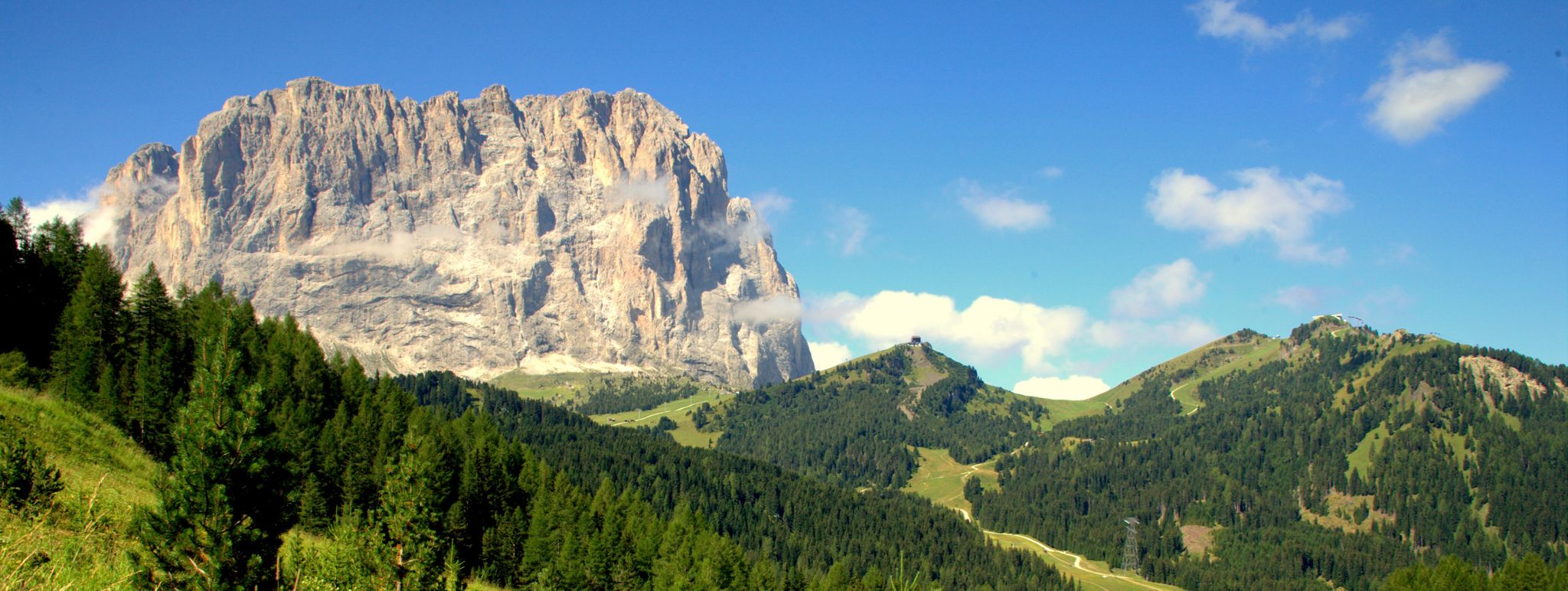
Via Venezia Alpina – hiking across the Alps to the Adriatic Sea
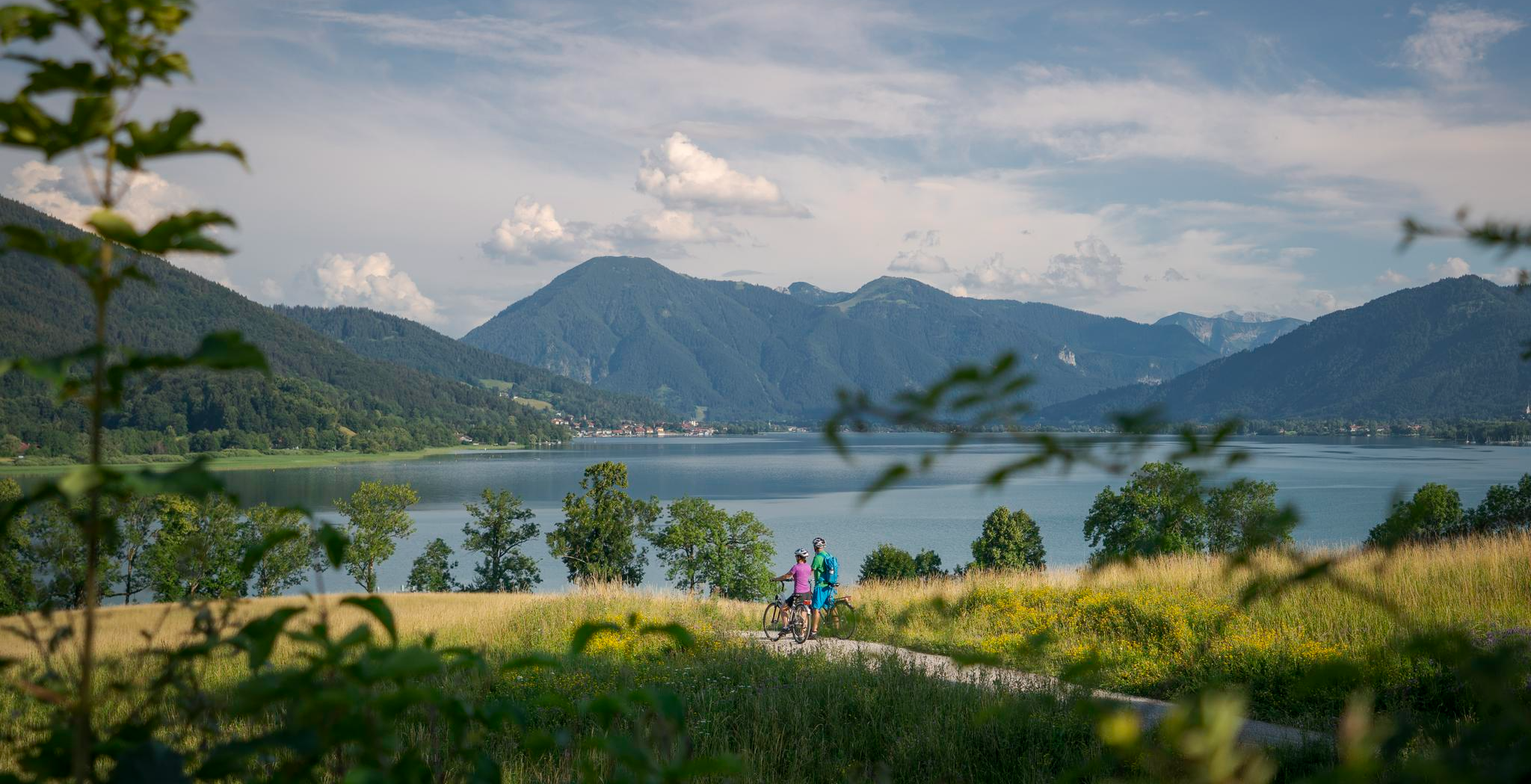
The Munich-Venice Long-Distance Cycle Path – A beautiful Alps crossing
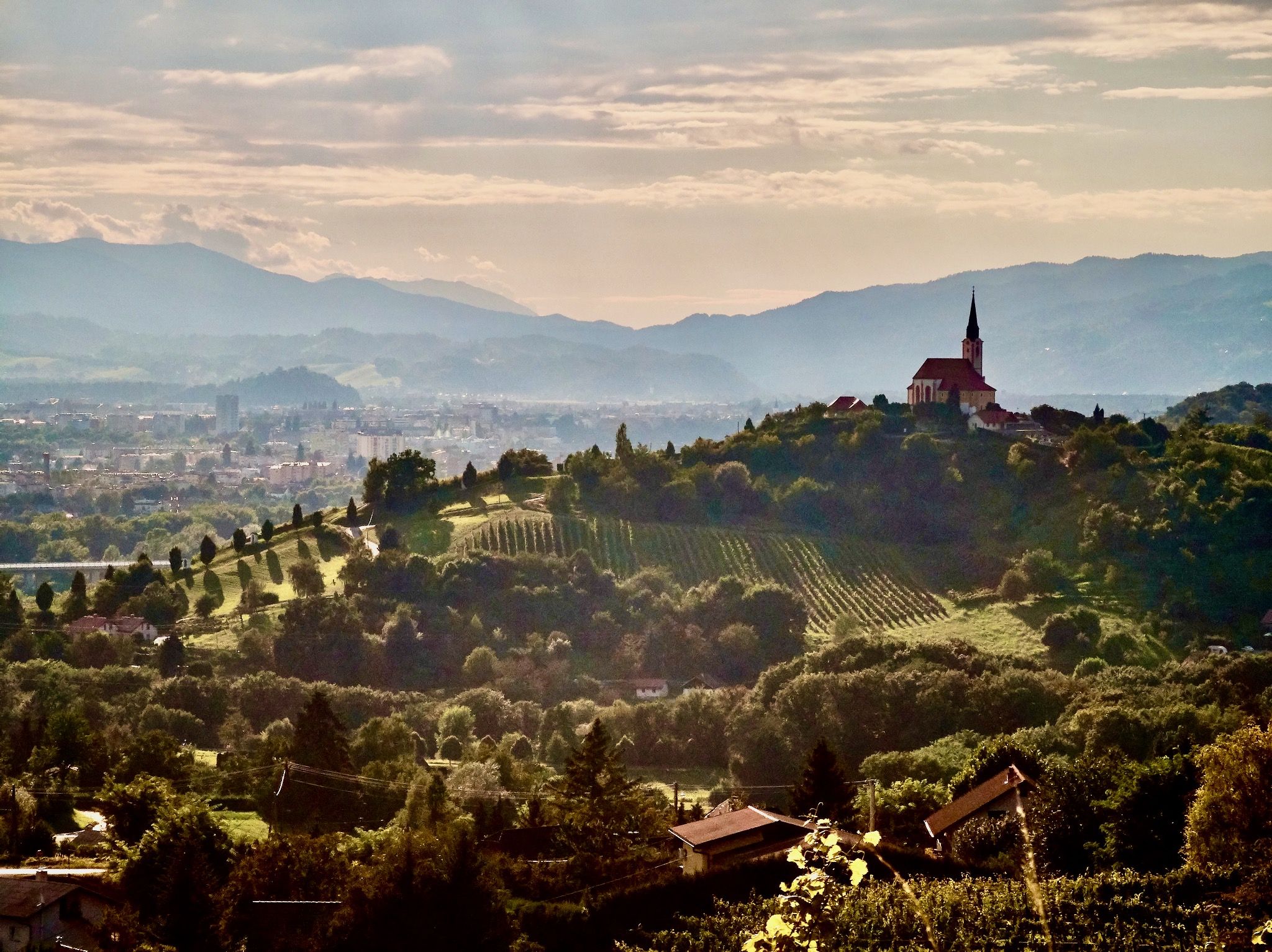
Budapest to Venice via the beautiful Soča Valley
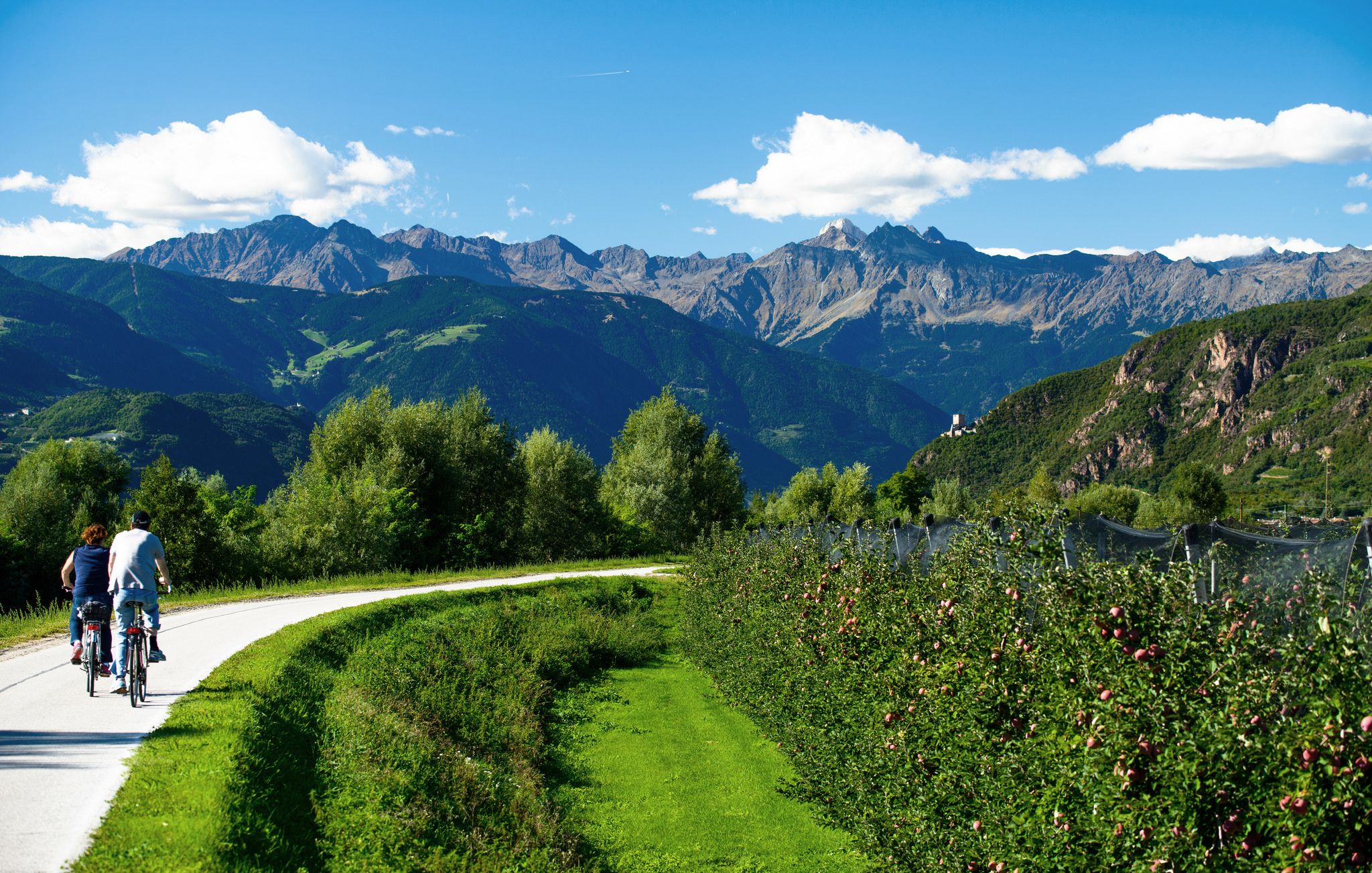
Adige Valley Cycle Path – Through South Tyrol
Other adventures in Veneto


Tips from the Community

The Croce dell'Osservatorio Italiano and the nearby Croce di Dobbiaco are located on the Monte Piana plateau (2324 m), an important open-air museum of the First World War. From the historical path (Route 6A) you can enjoy a breathtaking view of the Tre Cime di Lavaredo.
0
0

The summit cross on Monte Piana stands on the southern summit (2,324 m). It marks one of the most important vantage points in the Dolomites and is also a symbol of remembrance, as the entire plateau was a heavily contested front-line area during World War I. Around the cross are trenches, emplacements, and bunkers, which are now part of the Monte Piana Open-Air Museum. From here, a magnificent panorama of the Tre Cime di Lavaredo, the Paternkofel, Cristallo, Sorapiss, and the Cadini Group opens up.
45
0

Thanks to its strategic position, the Auronzo refuge offers easy access to one of the most famous excursions in the area. In addition to being a convenient stopping point, the refuge has hospitable services and a kitchen that serves tasty local dishes, perfect after a day of trekking.
6
7

From this point you can enjoy a wonderful, if not the best, view of the rock church of Madonna della Corona near Spiazzi. On the way to the pilgrimage church you pass a Stations of the Cross with life-size figures and you keep looking down into the Adige Valley. The highest pilgrimage church in Italy is at an altitude of 773 meters and was built directly into and on the rock face. It is unmistakable that the church has merged with the rock, because the west and parts of the north wall consist largely of the rock of the mountain. The wall behind the altar of the Madonna della Corona is unusual and contains the miraculous image, a figure of the Virgin Mary with the body of Jesus on her knees (Pietà), surrounded by a crown of thorns and five groups of angels. The pilgrimage church was built in the 15th century, but there is said to have been a hermit church there from the 12th century. In 1982 the church was given the title “Basilica minor” and on April 17, 1988, Pope John Paul II visited the place of pilgrimage.
12
1

Standard starting point for climbing tours to the Three Peaks, but also a tourist magnet. The food is ok, nothing more or less. On quieter days the staff is really friendly, otherwise it gets lost in the rush of tourists. Nothing as a goal in itself, but useful for the cake when you're there.
8
0

You can see sport climbers on every corner. Just pause and watch the ladies and gentlemen doing their great sport. Really nice to look at.
13
0

Obviously a paradise for sport climbers. We were able to discover climbers in all possible and sometimes impossible places.
8
1

the hike from the closest cable car (Rifugio Averau) on a summer day is similar to the exit of a subway station in term of people density ! Fortunately, the view on the top is rewarding. And the best comes when you go down on the north ridge: after 5 minutes, the crowd is behind and you can enjoy a very nice walk. Beware of the path: 2 short sections of 40m are equipped with a cable. Easy if you have a sure foot.
6
1
Frequently Asked Questions
What makes the natural monuments in Veneto unique?
Veneto boasts a diverse range of natural monuments, from the dramatic peaks of the Dolomites, a UNESCO World Heritage site known for its 'pale mountains,' to the tranquil wetlands of the Po Delta, Italy's only delta. You can also explore the volcanic Euganean Hills, which are now a UNESCO World Network of Biosphere Reserves, and the Lessinia Regional Nature Park with its significant karst caves and fossil deposits. This variety offers unique geological features, rich biodiversity, and numerous outdoor opportunities.
What are some of the most popular natural monuments to visit in Veneto?
Among the most appreciated natural monuments in Veneto are Cinque Torri, famous for its distinctive rock formations and climbing opportunities. Visitors also highly rate Lake Sorapis, known for its stunning pastel-turquoise waters set against white rock faces, and Nuvolau Hut, one of the oldest mountain huts in the Dolomites offering panoramic views from its summit.
Are there family-friendly natural monuments in Veneto?
Yes, several natural monuments in Veneto are suitable for families. For instance, Cinque Torri offers beautiful nature and is accessible for families. The Kreuzberg Pass (Passo Monte Croce di Comelico) is another family-friendly option with facilities and trails. The Euganean Hills Regional Park also provides numerous well-marked paths suitable for various fitness levels, including families.
What kind of wildlife can I expect to see in Veneto's natural monuments?
Veneto's diverse natural monuments are home to a rich array of wildlife. In the Dolomiti Bellunesi National Park, you might spot chamois, deer, roe deer, and even brown bears and wolves. The Po Delta Regional Nature Park is a haven for birdwatchers, with almost 300 species, including flamingos, alongside 50 species of fish and 40 species of mammals. Lessinia Regional Nature Park features red deer, roe deer, chamois, marmots, and golden eagles.
What outdoor activities can I do near these natural monuments?
The natural monuments in Veneto offer a wide range of outdoor activities. You can find numerous waterfall hikes, running trails, and MTB trails throughout the region. The Dolomites are ideal for hiking, climbing, and winter sports, while the Euganean Hills are perfect for hiking and cycling. The Po Delta is excellent for birdwatching, cycling, and boat tours. Lessinia offers hiking, horseback riding, mountain biking, and snowshoeing in winter.
Are there historical sites or cultural attractions near Veneto's natural monuments?
Yes, many natural monuments in Veneto are intertwined with history and culture. The Cinque Torri area in the Dolomites has historical significance from WWI. The Sanctuary of Madonna della Corona is a remarkable religious building built into the rock face. The Euganean Hills feature medieval hamlets and historic villas. The Po Delta offers insights into local culture with ancient fishing villages and traditional 'casoni' (fishermen's houses). Even the Burci Boat Cemetery on the Sile River is a unique historical site.
What is the best time to visit the natural monuments in Veneto?
The best time to visit depends on the specific natural monument and desired activities. For hiking and outdoor activities in the mountains like the Dolomites or Lessinia, late spring to early autumn (May to October) is ideal. The Euganean Hills are particularly spectacular in autumn due to their vibrant colors. The Po Delta can be visited year-round, with spring and autumn being excellent for birdwatching. Winter offers opportunities for snow sports in the mountainous areas.
Can I access these natural monuments using public transport?
Access to natural monuments by public transport varies. Major towns like Cortina d'Ampezzo, a hub for the Dolomites, are generally well-connected. For specific trailheads or more remote areas, public transport might be limited, and a combination with local shuttles or private vehicles may be necessary. For example, Nuvolau Hut can only be reached on foot. It's advisable to check local transport options for your specific destination.
What should I wear or bring when visiting Veneto's natural monuments?
Given the diverse landscapes, it's essential to dress appropriately. For mountain areas like the Dolomites or Lessinia, wear layered clothing, sturdy hiking boots, and bring rain gear, even in summer. Sun protection (hat, sunglasses, sunscreen) is crucial. For wetlands like the Po Delta, comfortable walking shoes and insect repellent are recommended. Always carry enough water, snacks, and a map or GPS device, especially for longer trails.
Are there any natural monuments in Veneto that offer stunning panoramic views?
Absolutely. Many natural monuments in Veneto are renowned for their breathtaking views. Nuvolau Hut and Piz Boè Summit in the Dolomites offer unparalleled panoramic vistas. The Lagazuoi Piccolo Summit and Kreuzberg Pass also provide excellent viewpoints. From the Veneto side of Lake Garda, you can enjoy stunning perspectives, such as the View of Lake Garda from La Rocca di Garda, or take the cable car up Monte Baldo for expansive scenery.
What geological features are prominent in Veneto's natural monuments?
Veneto's natural monuments showcase remarkable geological diversity. The Dolomites are famous for their distinctive dolomite rock formations, which glow pink at sunset. The Euganean Hills are of volcanic origin, featuring conical hills and thermal areas. Lessinia Regional Nature Park is known for its karst topography, including the impressive Covolo di Camposilvano Cave, the largest karst cave in the pre-Alpine area of Veneto, and rich fossil deposits. The Po Delta is a unique wetland formed by the Po River meeting the Adriatic Sea, creating a dynamic landscape of lagoons, dunes, and sandbanks.
Most popular routes in Veneto
Most popular attractions in Veneto

Get inspired with the komoot mobile app


Didn’t find what you were looking for?
Find even more amazing natural monuments in Veneto by checking out the top Highlights region by region:
Explore more
Extend your search for the best caves by checking out these guides of the top ones in Veneto:
