Top 20 Mountain Passes in the Stubaital
Best mountain passes in the Stubaital are found within a prominent alpine valley in Tyrol, Austria. The region is characterized by its glaciated peaks, high-alpine trails, and numerous mountain passes connecting different areas. These passes often serve as natural boundaries and offer routes through the rugged terrain. The Stubaital provides a diverse landscape for exploring mountain passes, ranging from accessible routes to more challenging ascents.
Best mountain passes in the Stubaital
- The most popular mountain pass is Peiljoch, a…
Last updated: September 29, 2026
Peiljoch
Highlight • Mountain Pass
Translated by Google •
Tip by

Zwölfernieder
Highlight • Mountain Pass
Translated by Google •
Tip by

Sign up now to discover places like this
Get recommendations on the best single tracks, peaks, & plenty of other exciting outdoor places.
Niederl
Highlight (Segment) • Mountain Pass
A good description is included here (click the link to get there at the right time):
Translated by Google •
Tip by

Brenner Pass Northern Ascent
Highlight (Segment) • Mountain Pass
Translated by Google •
Tip by

Serlesbahn Gondola
Highlight • Rest Area
Showing Translation
Tip by

Serlesjoch
Highlight • Mountain Pass
Translated by Google •
Tip by

Gletscherblick Viewpoint
Highlight • Viewpoint
Translated by Google •
Tip by

View of the Kalkkögel Mountains
Highlight • Viewpoint
Translated by Google •
Tip by

Pinnisjoch with Two Valleys Bench
Highlight • Mountain Pass
Translated by Google •
Tip by

Basslerjoch
Highlight • Mountain Pass
Translated by Google •
Tip by

Sign up for free to discover even more mountain passes in the Stubaital.
Already have an account?
Start today with a free account
Your next adventure awaits.
Popular around Stubaital
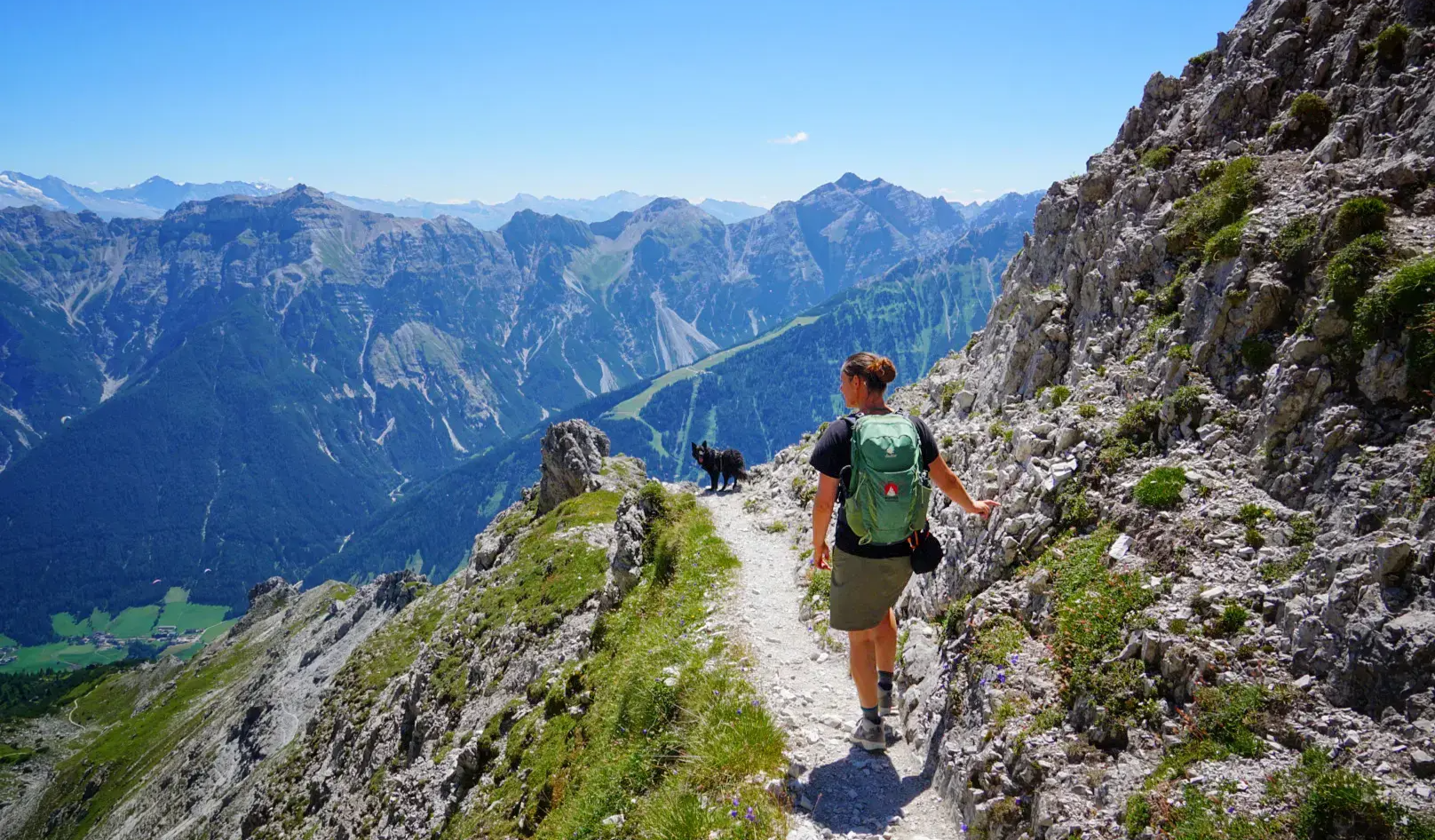
Stubai Valley Hiking Paradise – routes for the perfect break
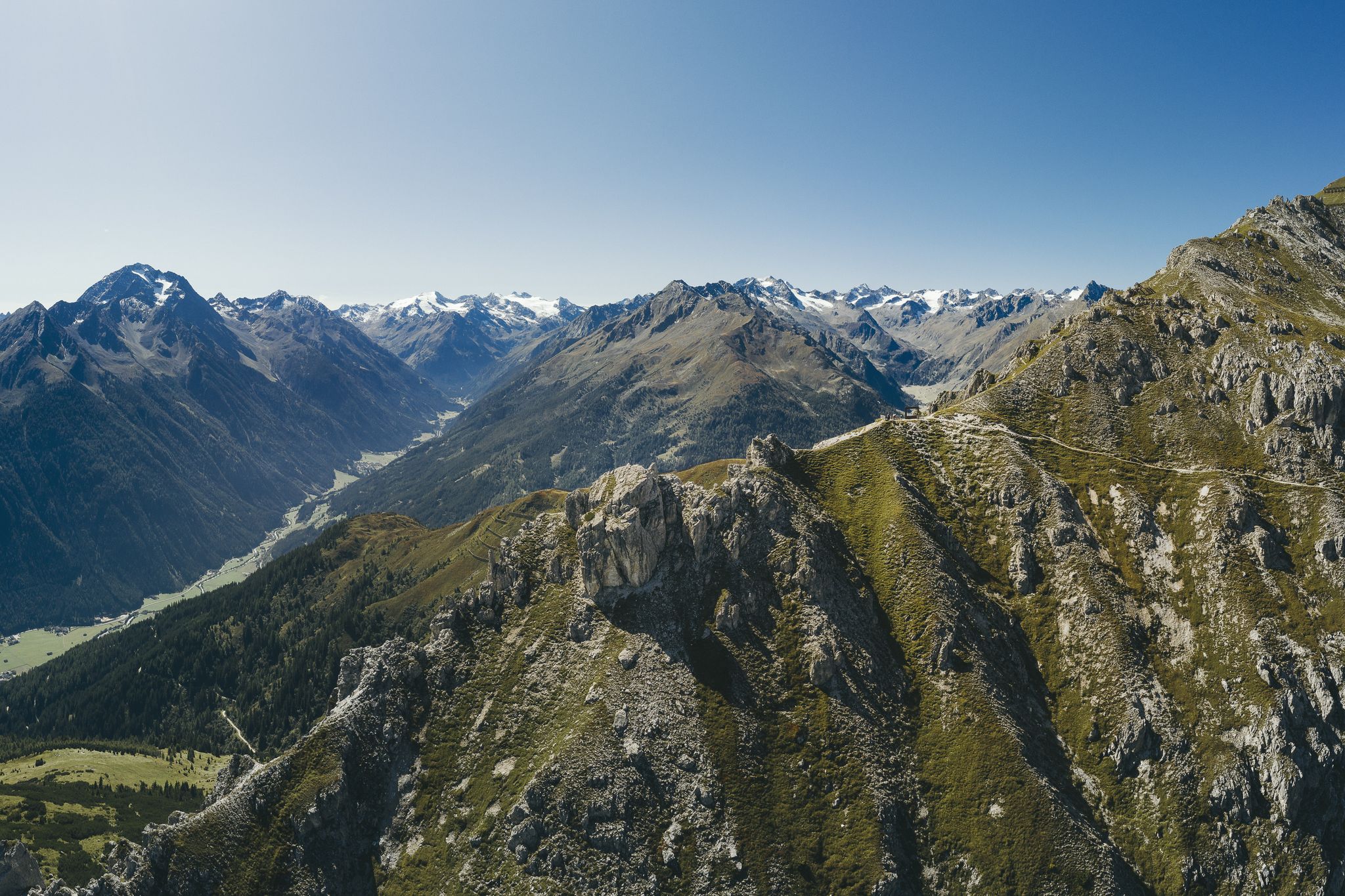
Hiking up high with the Stubai cable cars
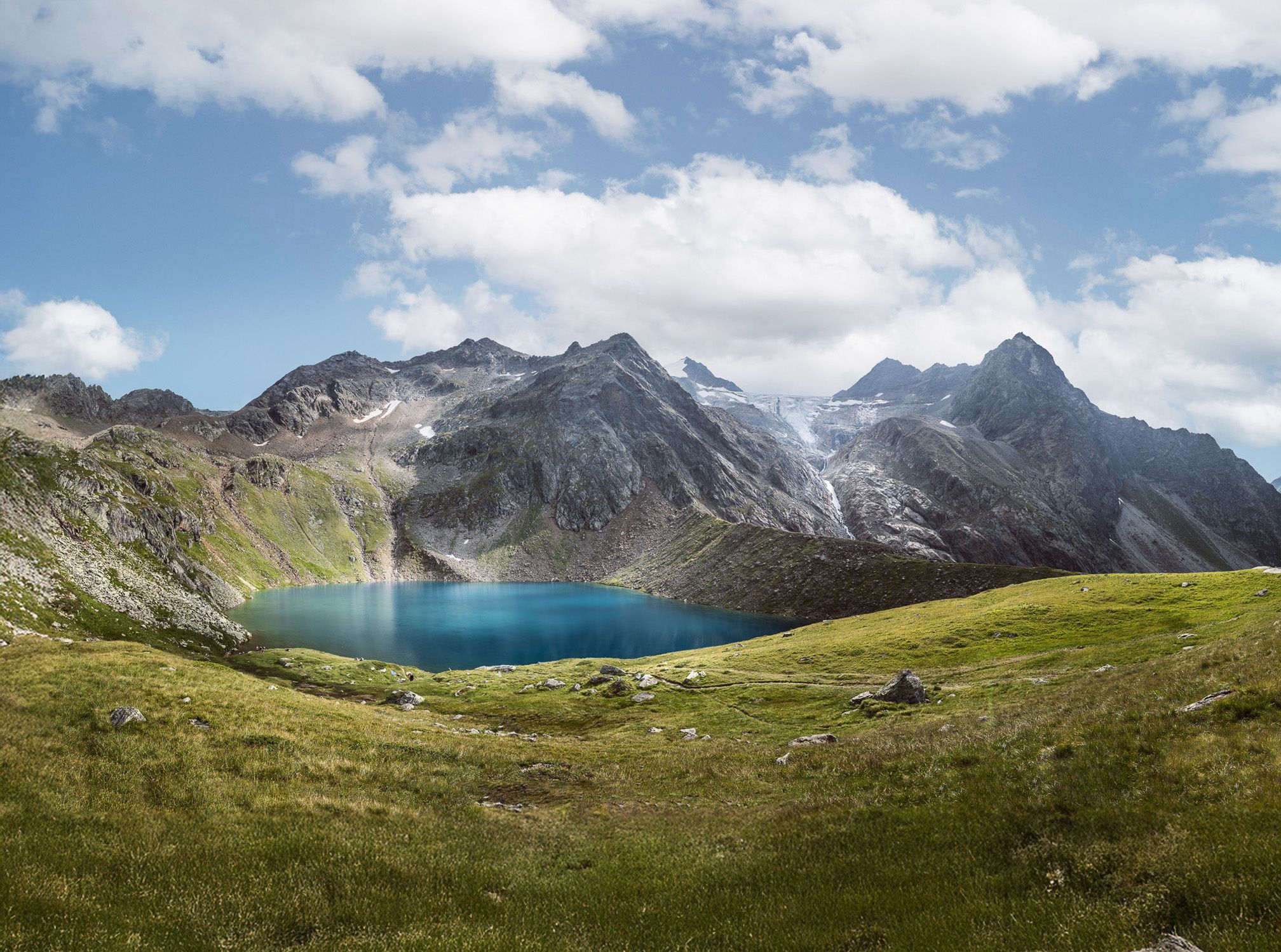
Stubai's mountain lakes – hiking to Tyrol's alpine gems
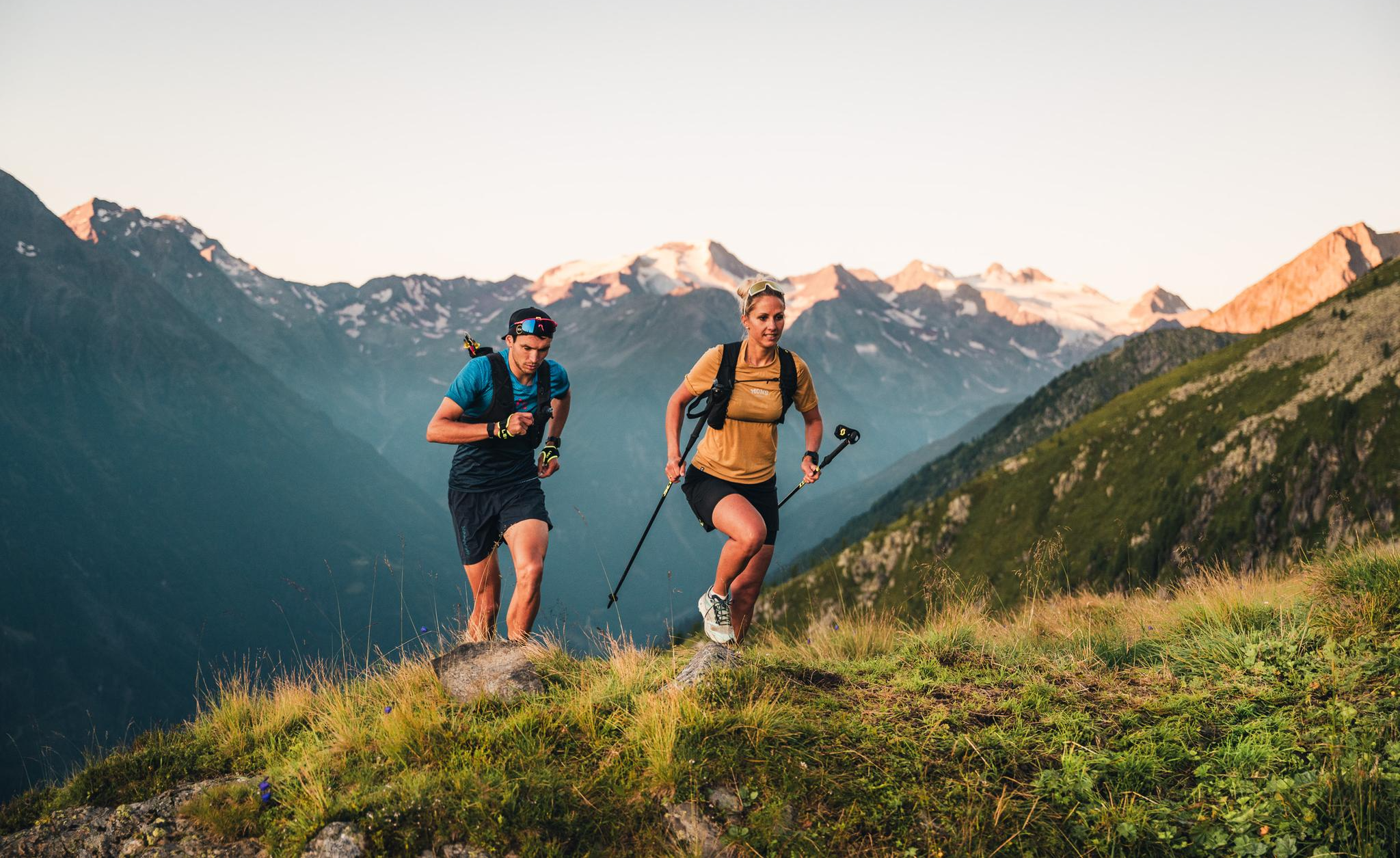
STUBAI ULTRATRAIL 2026
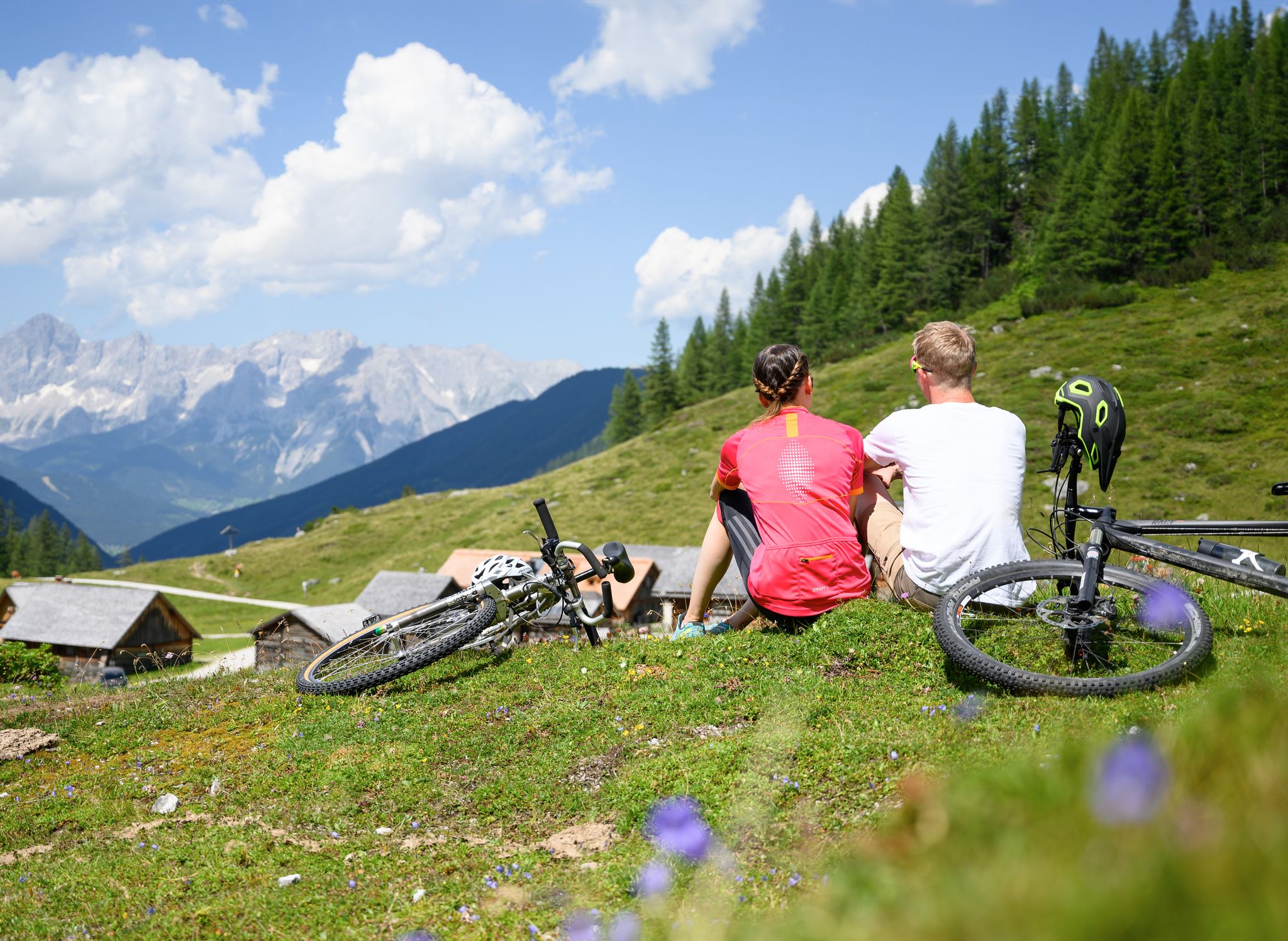
Magnificent mountain biking on Austria's alpine pastures
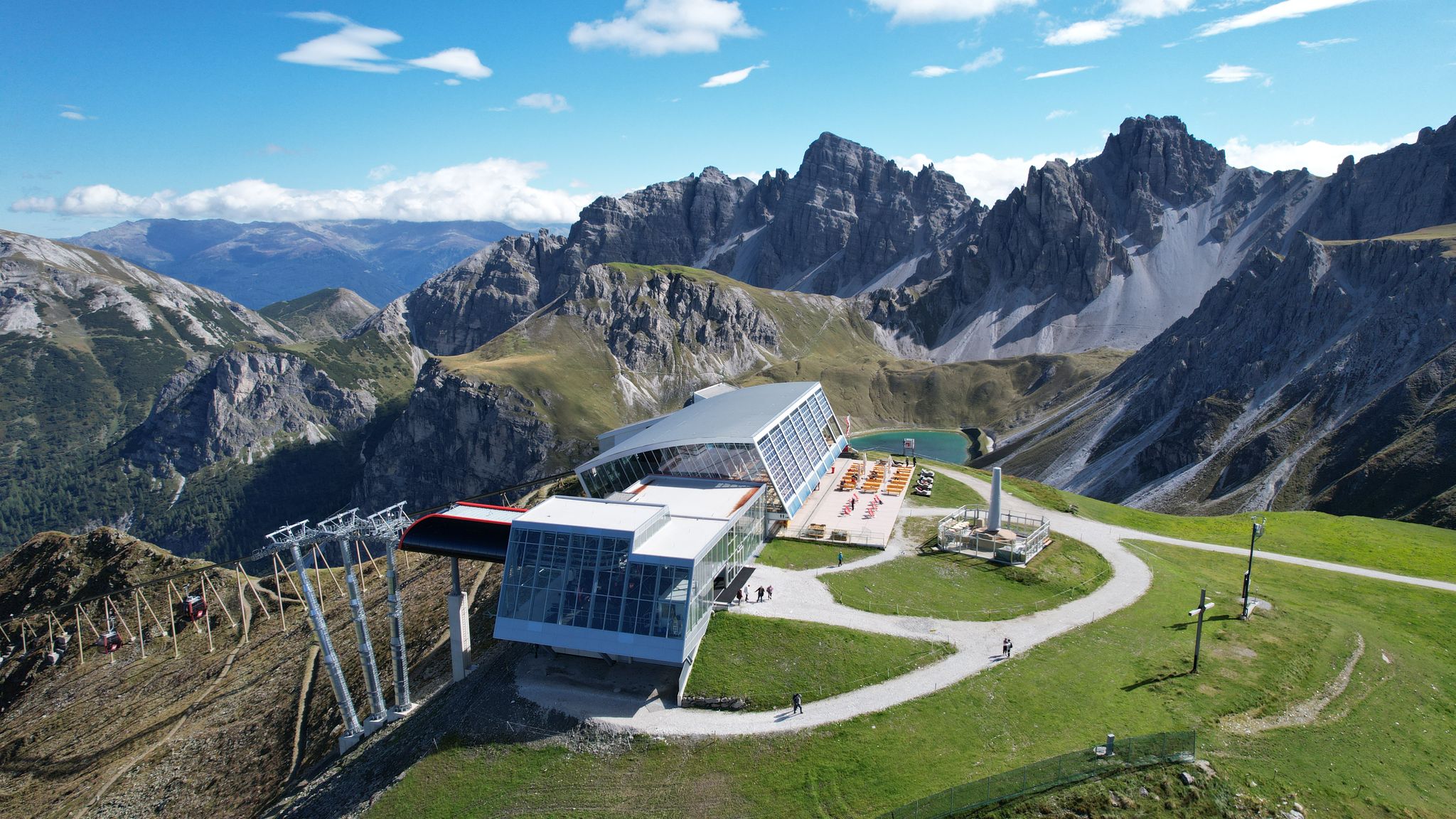
In the ‘Dolomites of North Tyrol’ – hiking in Axamer Lizum
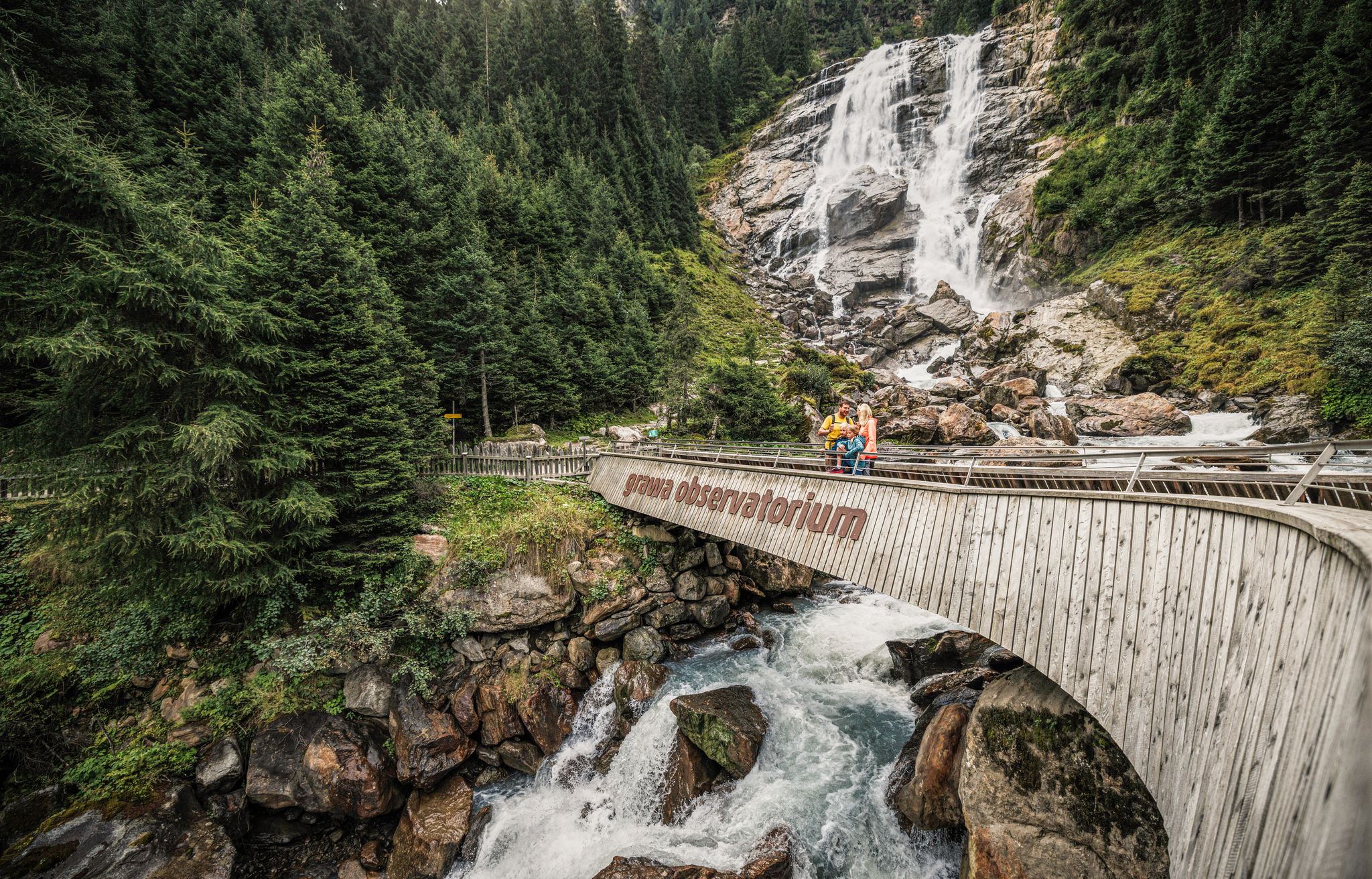
Wild water hiking in Austria – WildeWasserWeg
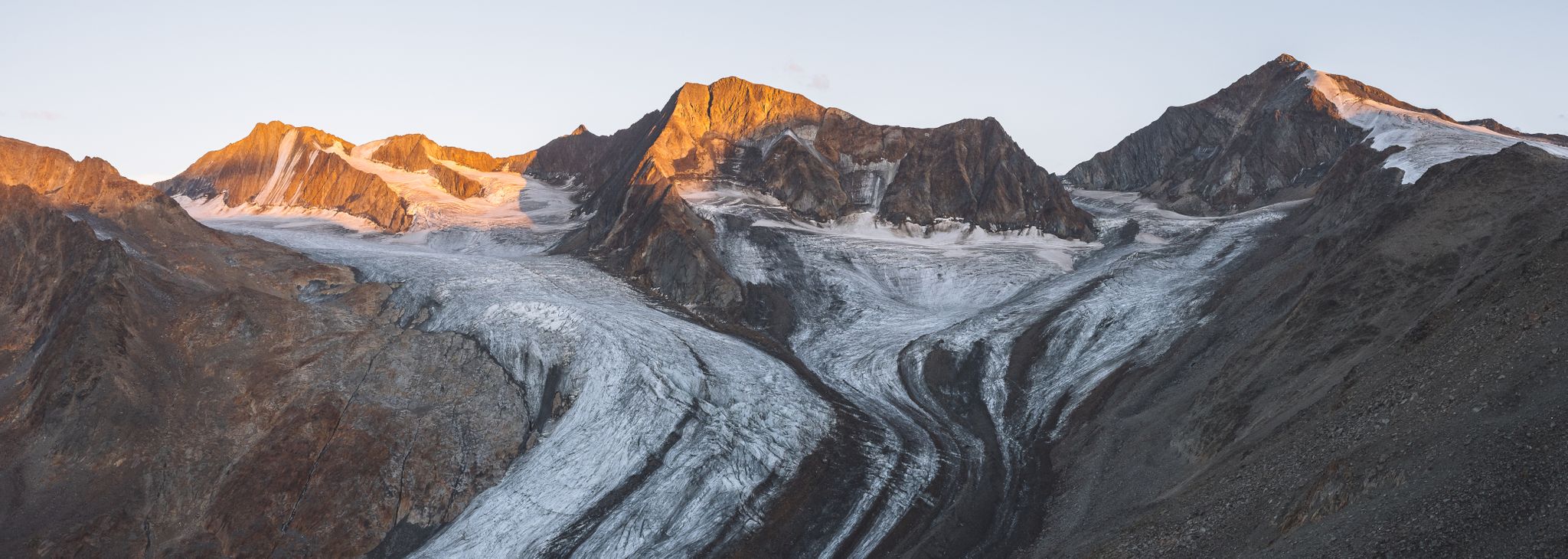
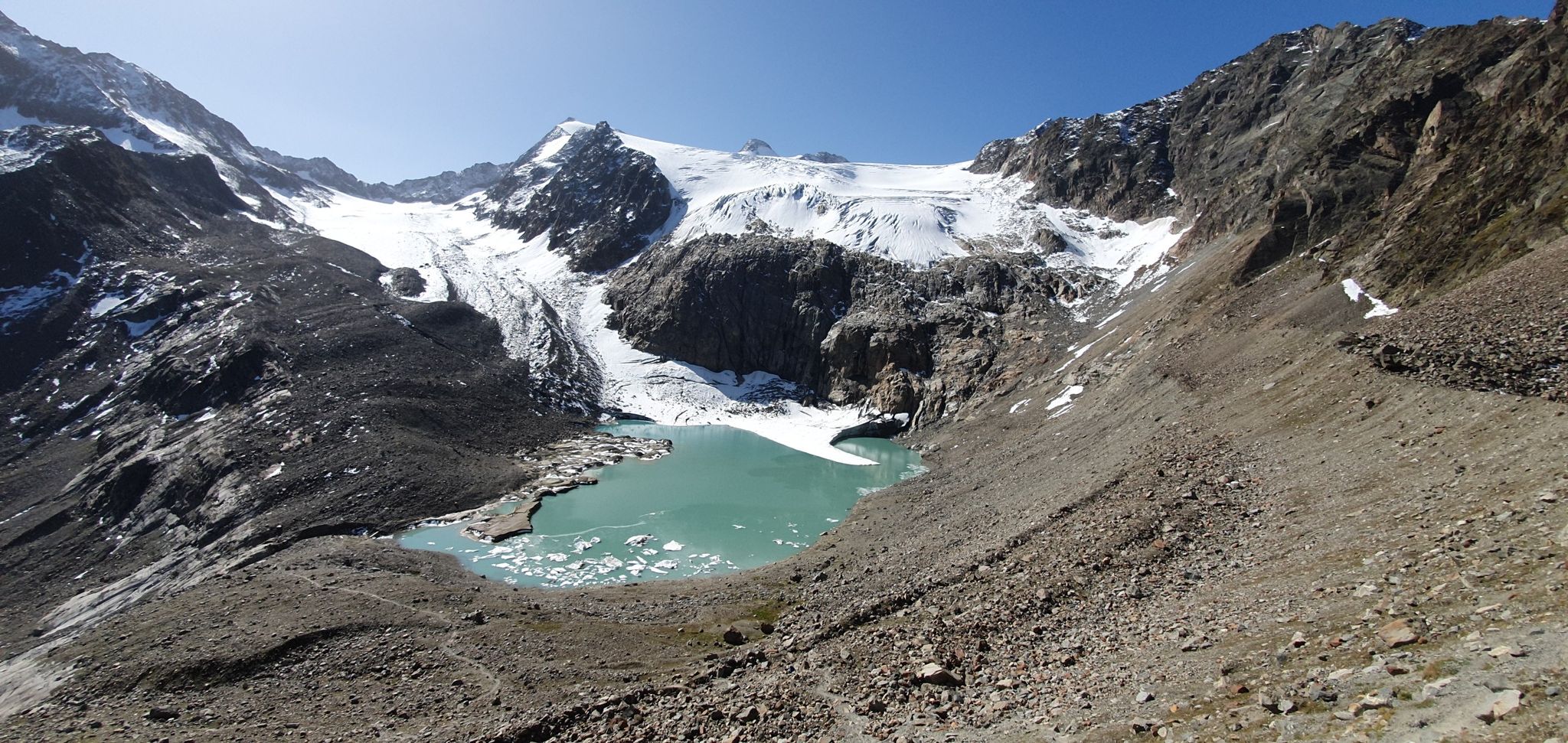
Hikes to the melting giants of the Alps – glaciers
Stubai Alps Crossing – 10 days of pure adventure
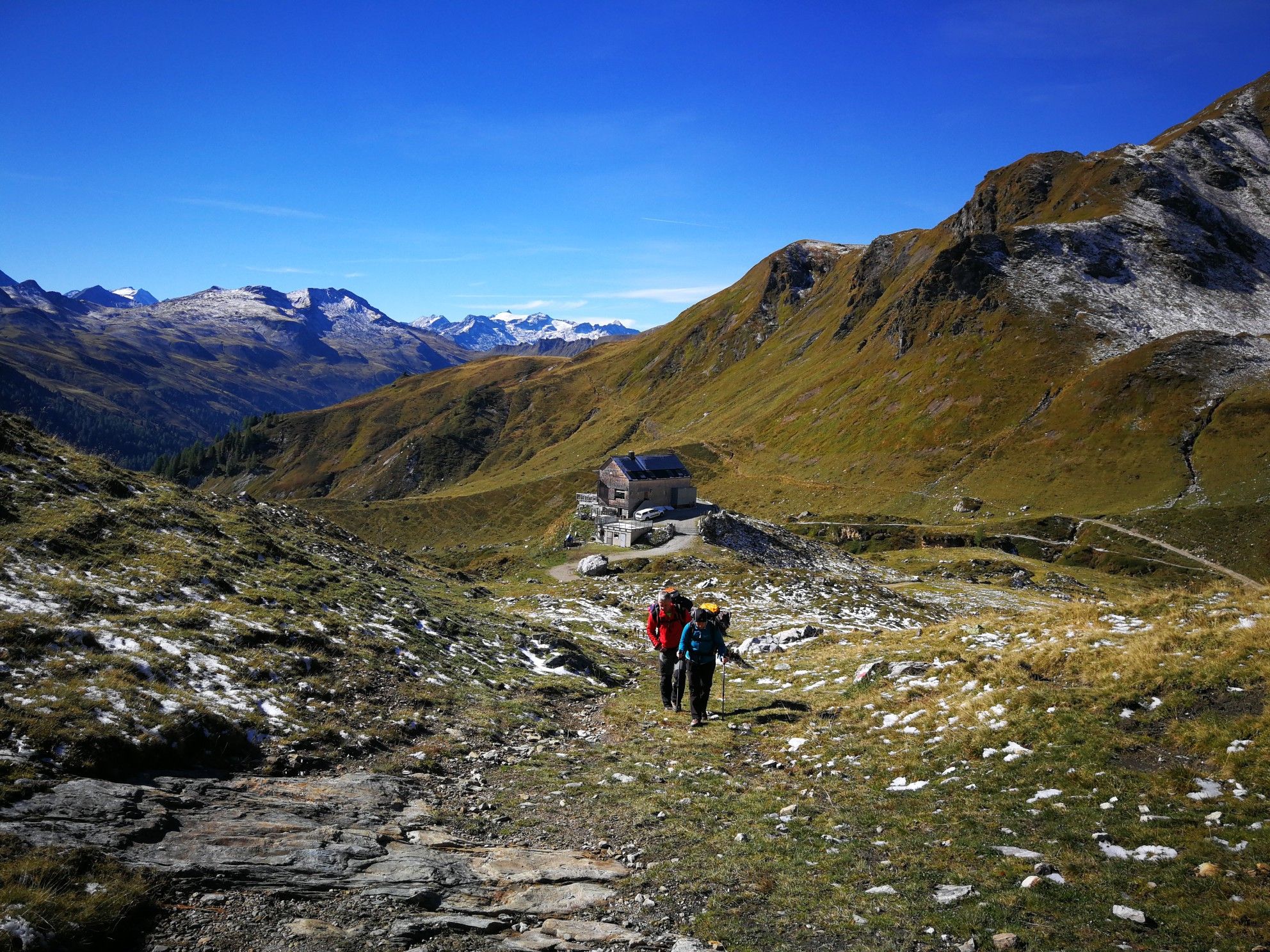
Lower Austria to Carinthia — our favourite huts in Austria
Other adventures in the Stubaital


Tips from the Community

Long climb with mostly moderate gradient.
0
0


Well-known from tourism advertisements, it makes a great souvenir photo. In poor visibility, it can also be used for a joke photo :)
0
0


The additional 20 minutes of climbing are definitely worth it. Grassy hilltop with a 360° view
0
0

One of many ways to cycle up the Brenner Pass: Starting from Innsbruck, you'll cover a total of 36.4 kilometers on your way up. The route is relatively pleasant on asphalt, with an average gradient of 2.2 percent. A plus for Alpine lovers: You'll cycle through picturesque Tyrolean villages time and again.
0
0

After a long, tough climb, ideal for setting new goals. Located near the Innsbruckerhütte.
0
0

The Zwölfernieder is a 2,300-meter-high pass below the Elferspitze. It connects the Pinnistal with the Stubai Valley.
2
0
Frequently Asked Questions
What are some of the most scenic mountain passes in the Stubaital?
The Stubaital offers many scenic mountain passes. For breathtaking glacier views and the Sulzenausee, consider Peiljoch. Sennjoch provides a stunning 360° mountain panorama with views of colorful pastures and rugged peaks. Another beautiful option is Niederl, known for its wonderful views and as a transition point to the Nürnberger Hütte.
Are there challenging mountain passes for experienced hikers in the Stubaital?
Yes, the Stubaital is known for its challenging mountain passes. Peiljoch, for instance, has sections secured with wire ropes, requiring concentration and surefootedness. The descent from Zwölfernieder to Autenalm is also very steep, narrow, and exposed, requiring a head for heights. Grawagrubennieder and Serlesjoch are also categorized as challenging.
What kind of natural features can I expect to see around the mountain passes?
You'll encounter diverse natural beauty. Many passes offer spectacular views of glaciated peaks and alpine lakes, such as the Sulzenausee visible from Peiljoch. You can also expect rugged mountain landscapes, colorful alpine pastures, and unique rock formations like the 'Stoamandl' (stone men) near Peiljoch.
Are there any family-friendly options or accessible viewpoints near the mountain passes?
While many passes are high-alpine, some areas offer more accessible experiences. The Serlesbahn Gondola provides family-friendly access to higher elevations, offering viewpoints. The 'View of the Kalkkögel Mountains' is also noted as a family-friendly viewpoint, providing beautiful and versatile skiing and hiking opportunities.
What outdoor activities can I do near the mountain passes in the Stubaital?
The Stubaital offers a wide range of outdoor activities. You can explore various hiking trails, including challenging routes like the 'Grawa Alm to the Sulzenau glacier lake – Melting Giants' or 'Wild Water Trail: Stage 2'. For cycling enthusiasts, there are options for gravel biking and touring, such as the 'View of the Glacier – Maria Waldrast Monastery loop' for gravel or the 'View of the Glacier – View of the Stubai Valley loop' for touring. Find more details on these activities in our guides on waterfall hikes, gravel biking, and cycling in the Stubaital.
Are there any historical sites or points of interest near the mountain passes?
Yes, the region has historical significance. The Brenner Pass Northern Ascent is not only a mountain pass but also a historical site, reflecting its long-standing role as a major European transit route.
What is the best time of year to visit the mountain passes in the Stubaital?
The best time to visit the high-alpine mountain passes in the Stubaital is typically during the summer months, from late June to early September, when trails are generally free of snow and weather conditions are most stable. For lower passes and general hiking, late spring (May/June) and early autumn (September/October) can also be excellent, offering cooler temperatures and vibrant scenery.
What should I know about the difficulty of mountain passes in the Stubaital?
Mountain passes in the Stubaital range from intermediate to challenging. Many routes involve significant elevation gain, rocky terrain, and some exposed sections that may require surefootedness and a head for heights. Always check the specific route description and difficulty ratings before you go, and be prepared for alpine conditions.
Are there any mountain passes with unique features or viewpoints?
Absolutely. Pinnisjoch with Two Valleys Bench offers a unique viewpoint with a bench to rest and take in the scenery. Peiljoch is notable for its 'Stoamandl' (stone men) and views of the Sulzenauferner glacier. Sennjoch provides a full 360° panorama.
What do visitors enjoy most about the mountain passes in the Stubaital?
Visitors frequently praise the incredible panoramic views, especially of glaciers and rugged mountain ranges. The sense of accomplishment after a challenging climb and the unique natural features, such as the Sulzenausee and the 'Stoamandl' at Peiljoch, are often highlighted. The diverse landscape catering to different skill levels is also a major draw.
Can I find circular walks that include mountain passes in the Stubaital?
While specific circular walks directly over passes aren't always explicitly named, many routes in the Stubaital are designed as loops or can be combined to form circular tours. For example, the path from Zwölfernieder allows you to decide between a ridge route or a descent to Autenalm, which can be part of a larger circular itinerary. It's best to plan your route using a map or a komoot tour planner to create a circular path that suits your preferences.
What kind of wildlife and flora can I observe around the Stubaital mountain passes?
The high-alpine environment of the Stubaital is home to resilient alpine flora, including various wildflowers that bloom in summer, and unique grasses. While specific wildlife sightings are not guaranteed, you might encounter marmots, chamois, or ibex in the higher elevations. Birdwatchers may spot eagles or other birds of prey soaring above the peaks.
Most popular routes in the Stubaital
Most popular attractions in the Stubaital

Get inspired with the komoot mobile app


Didn’t find what you were looking for?
Find even more amazing mountain passes in the Stubaital organized by region:
Explore more
See even more epic mountain passes by checking out these guides in the Stubaital:
