Top 20 Castles around Erlangen
Best castles around Erlangen include significant historical structures that reflect its margravial past, offering a glimpse into its rich heritage. While Erlangen itself features the Margravial Palace and the Markgrafentheater, the surrounding Franconian Switzerland region provides numerous traditional castles. The Burgberg also holds historical significance, contributing to the area's diverse historical landscape. This region combines cultural landmarks with natural beauty, making it a notable destination for historical exploration.
Best castles around Erlangen
- The most popular castles is Ruins of Neideck Castle, a castle that is one of the landmarks of Franconian Switzerland. Visitors can climb the main tower and enjoy panoramic views.
- Another must-see spot is Ruins of Streitburg Castle, a castle remnant of a high medieval Adelsburg over the village Streitberg. It features a well-preserved dungeon and offers fantastic views over the Wiesenttal.
- Visitors also love Gößweinstein Castle, a medieval hilltop castle in Gößweinstein. It is one of the oldest castles in Franconian Switzerland and provides wonderful views.
- Erlangen is known for historical palaces, medieval ruins, and fortified churches. The region offers a variety of structures to see and explore, from well-preserved castles to ancient ruins.
- The castles around Erlangen are appreciated by the komoot community, with over 3200 upvotes and more than 2900 photos shared.
Last updated: October 9, 2026
Ruins of Neideck Castle
Highlight • Castle
Quite apart from that, this is just a nice place. There is a lot to discover, the view is great and in good weather it makes sense to take a little break and let the sun shine on your fur.
Translated by Google •
Tip by

Ruins of Streitburg Castle
Highlight • Castle
Admission is free, so it is worth the detour to Streitburg alone for the fantastic view over the Wiesenttal.
Translated by Google •
Tip by

Sign up now to discover places like this
Get recommendations on the best single tracks, peaks, & plenty of other exciting outdoor places.
Atzelsberg Castle
Highlight • Castle
Translated by Google •
Tip by

Egloffstein — Village and Castle
Highlight • Castle
Everything you need to know about Egloffstein at: frankentourismus.de/orte/egloffstein-165
Translated by Google •
Tip by

Ruins of Thuisbrunn Castle
Highlight • Castle
Translated by Google •
Tip by
Castle Trail to Wiesentfels Castle
Highlight (Segment) • Trail
The castle path starts at the bottom of the small park opposite the church and leads down through stairs between the houses. He comes out right up at the castle gate.
Not suitable for bad goers.
Translated by Google •
Tip by

Gaillenreuth Castle
Highlight • Castle
With restaurant, snack bar and also event location.
Translated by Google •
Tip by

Effeltrich Fortified Church and Dance Lime Tree
Highlight • Historical Site
Translated by Google •
Tip by

Margrave's Palace
Highlight • Castle
Translated by Google •
Tip by

Forchheim Imperial Palace
Highlight • Castle
Translated by Google •
Tip by

Sign up for free to discover even more castles around Erlangen.
Already have an account?
Start today with a free account
Your next adventure awaits.
Popular around Erlangen
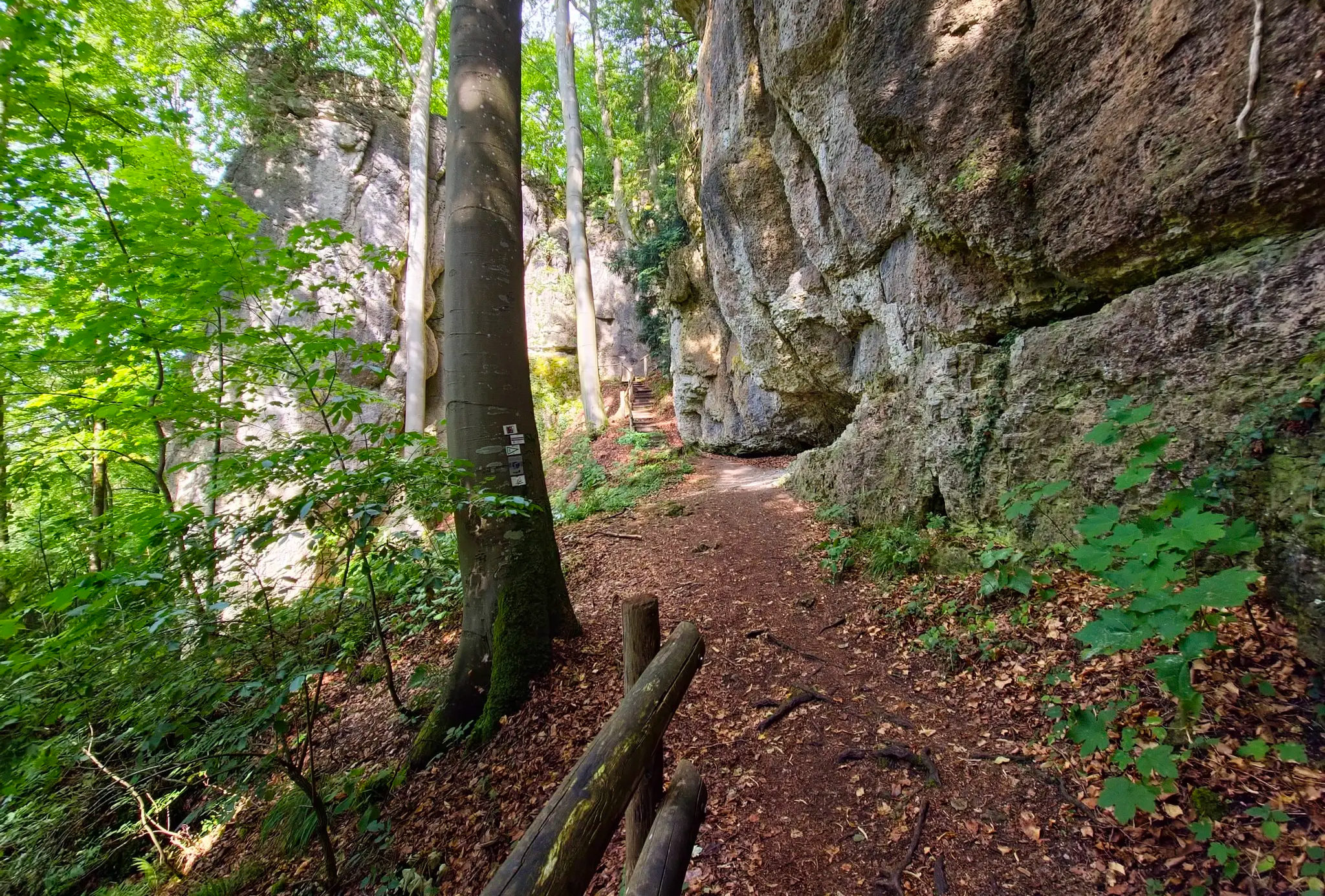
Ultratrail Fränkische Schweiz – 2 Days Burgen, Wälder, Trails
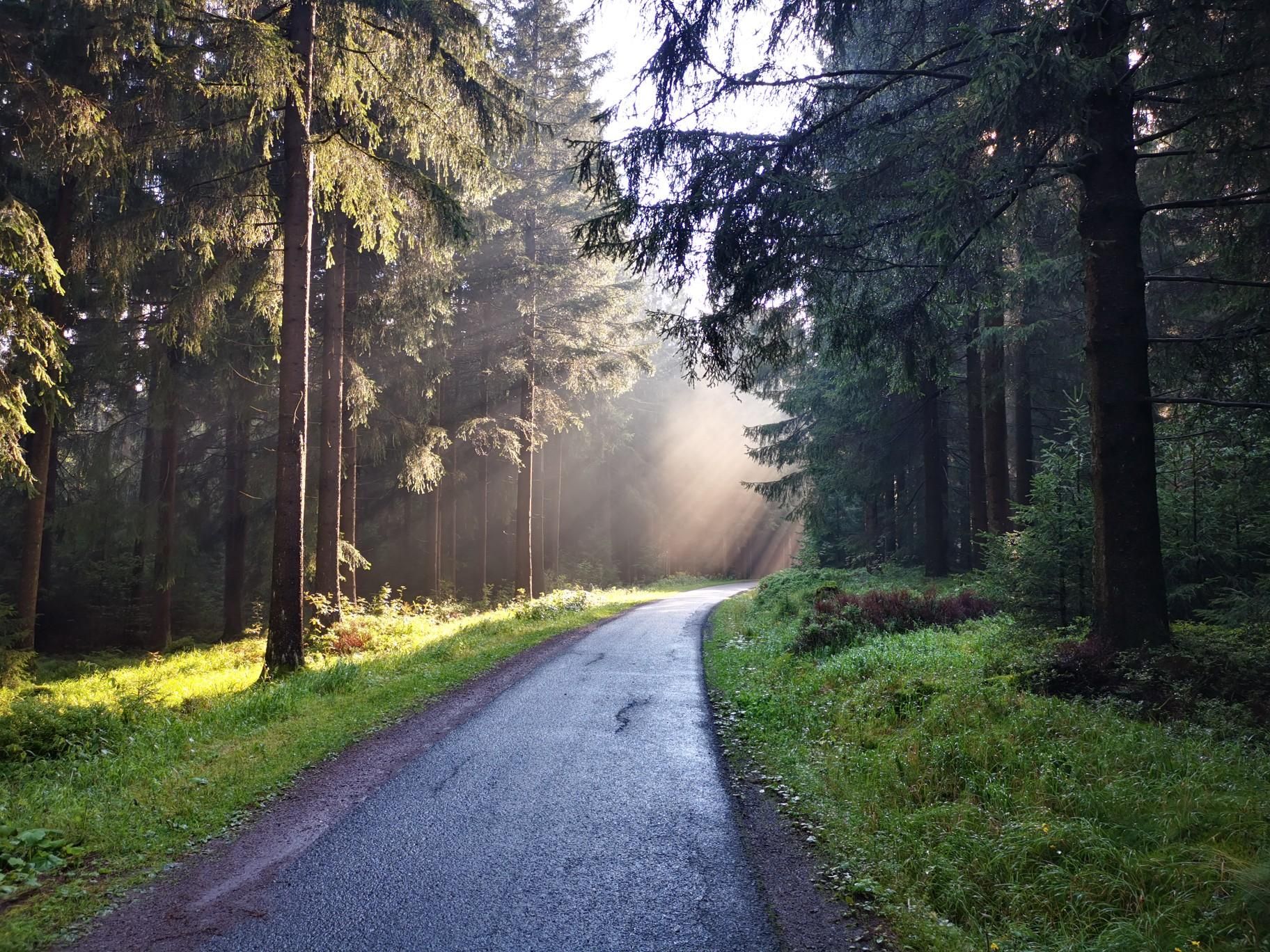
Nuremberg to Erfurt – Discover the German countryside by bike
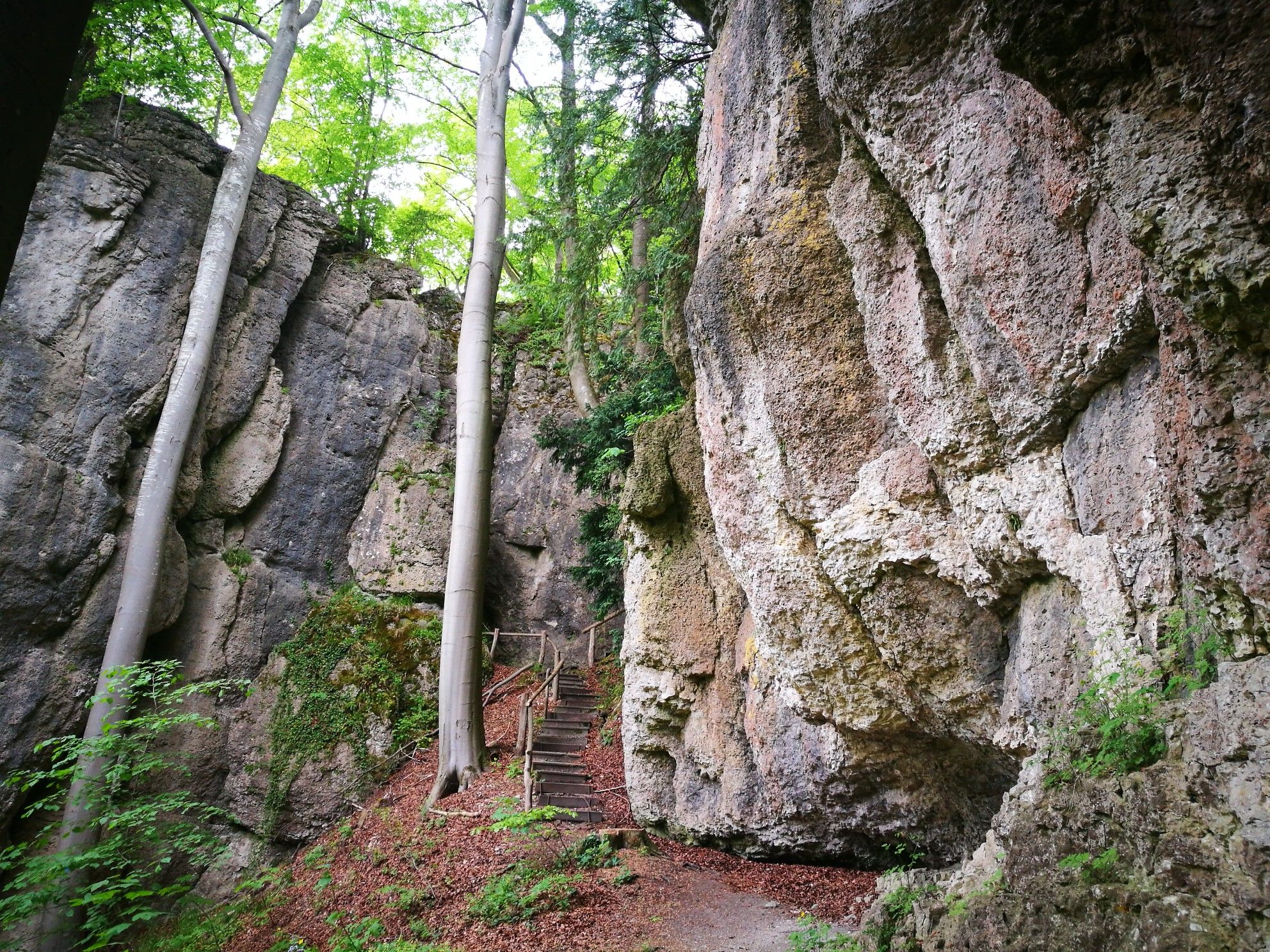
Forests, rocks and castles – 5-day circular through Franconian Switzerland
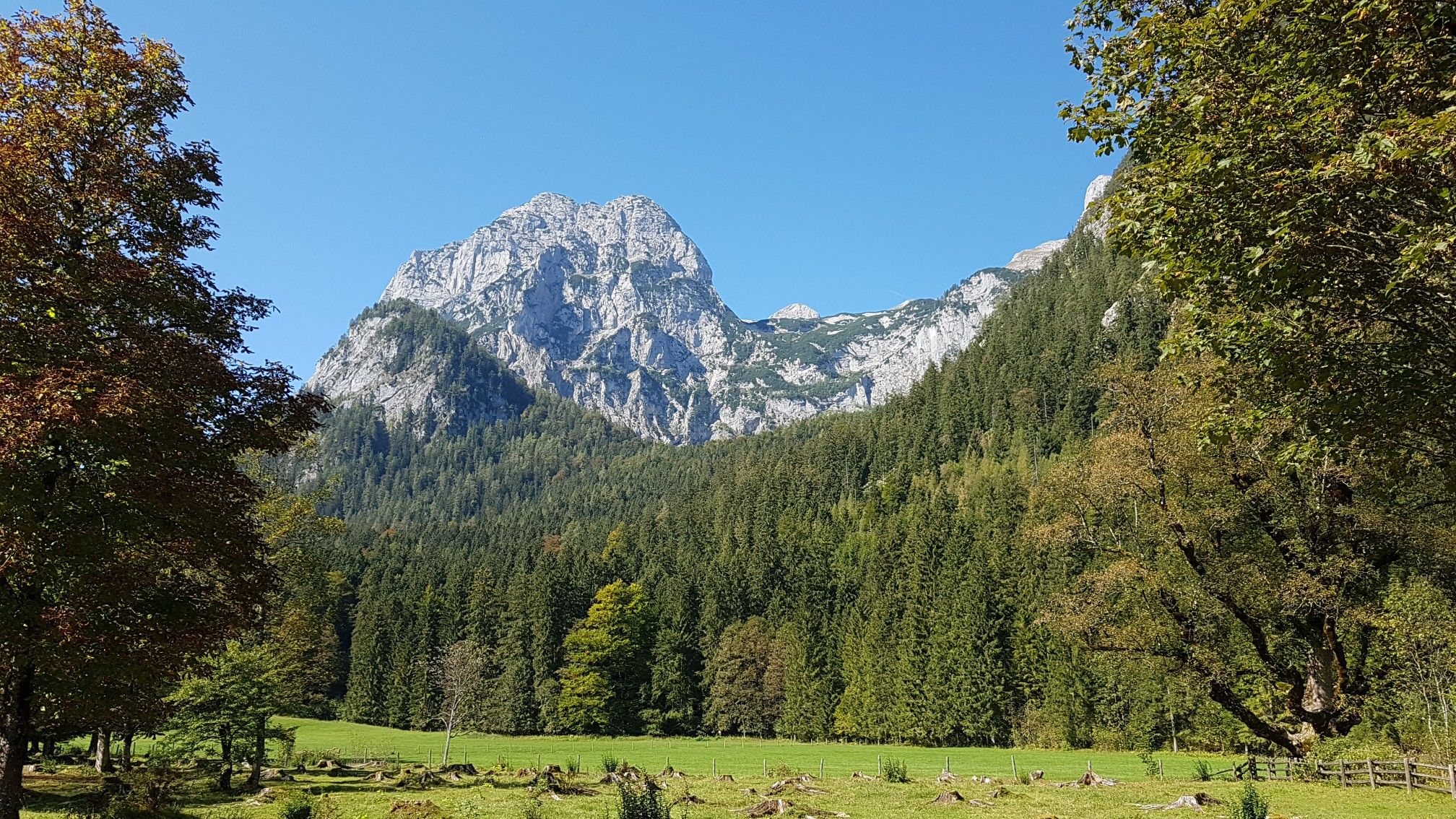
The National Natural Landscapes in Bavaria
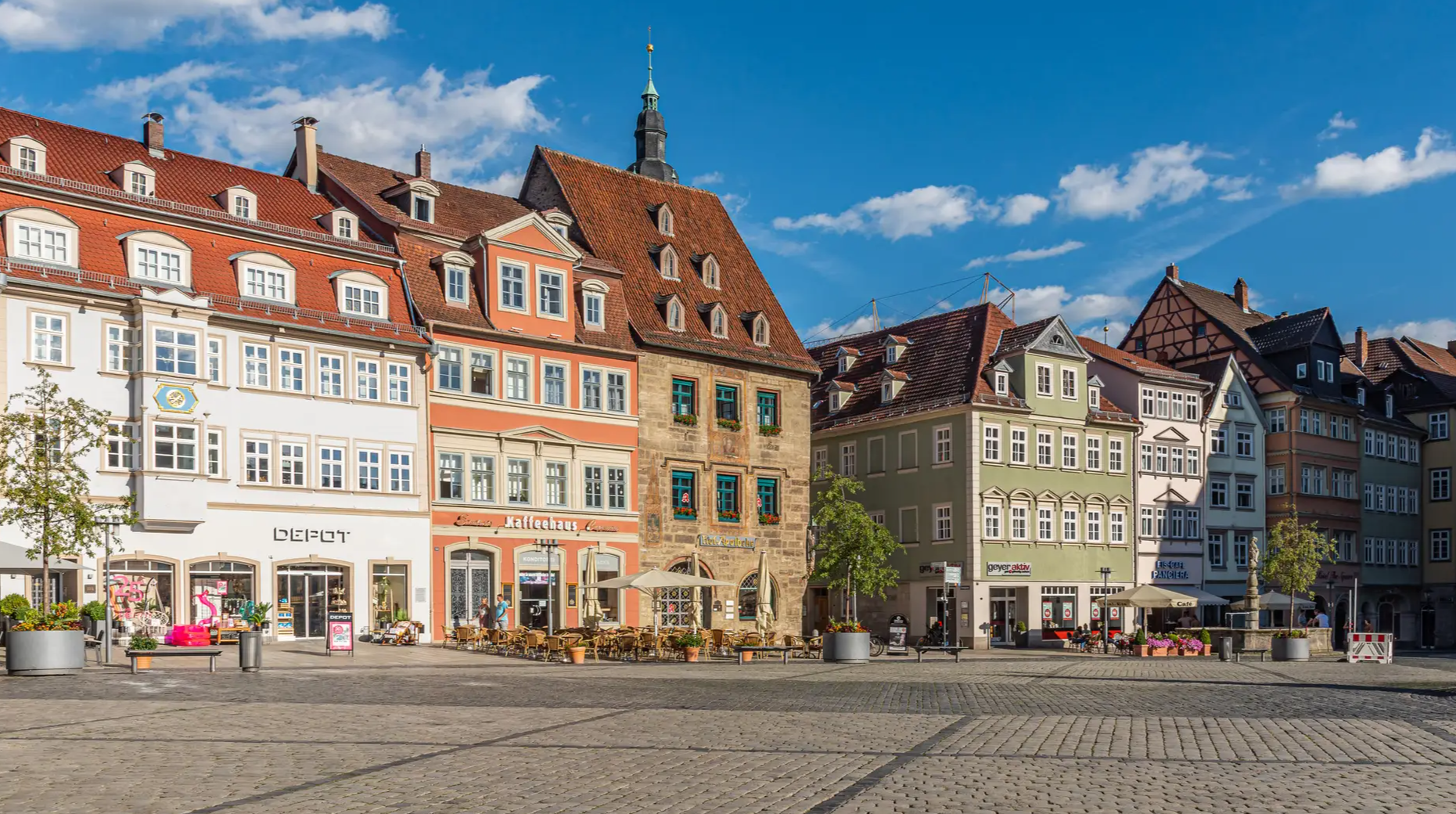
From the metropolis to enjoyment – city hiking on the VGN
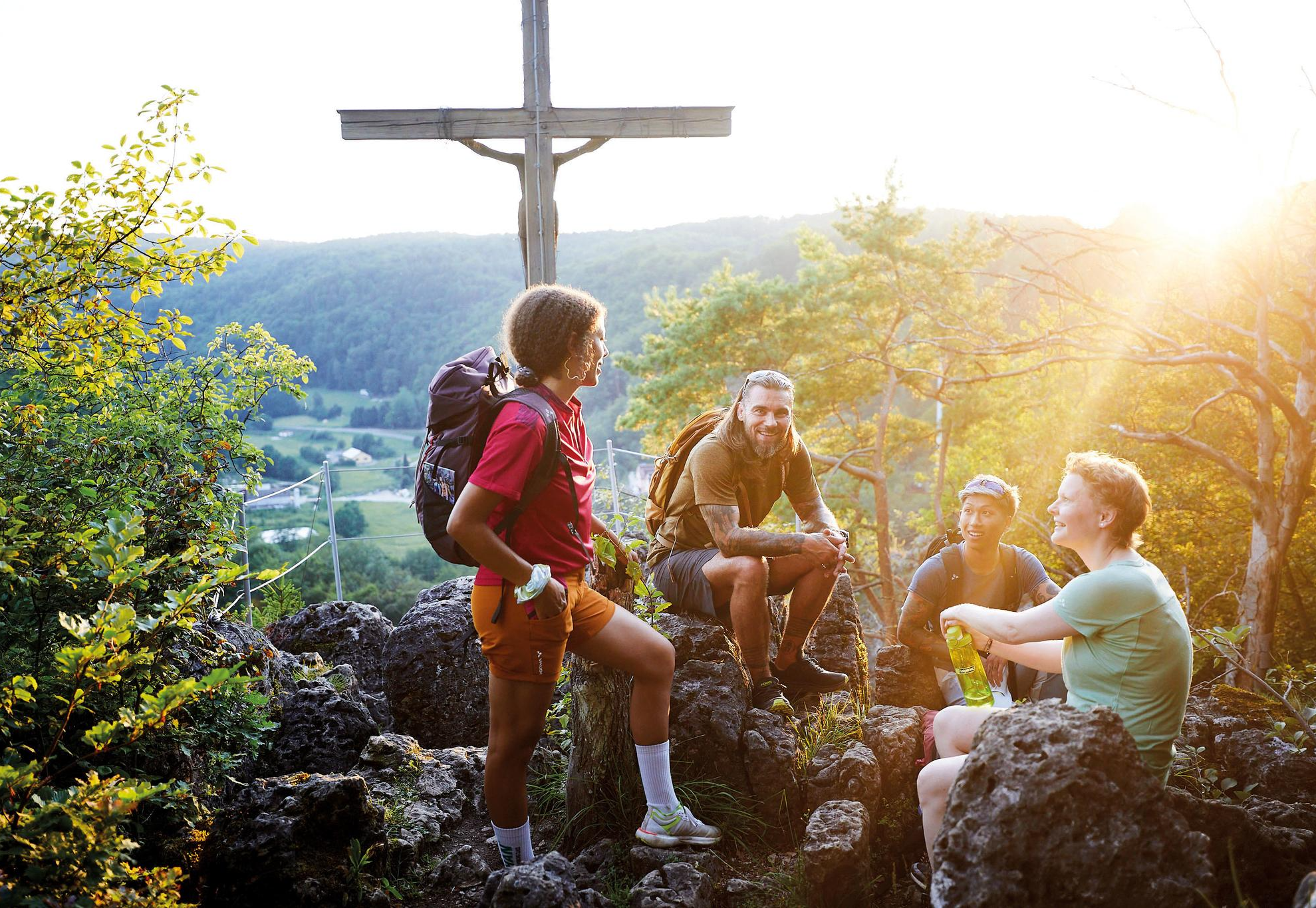
City, country, lake – VGN leisure tips 2025
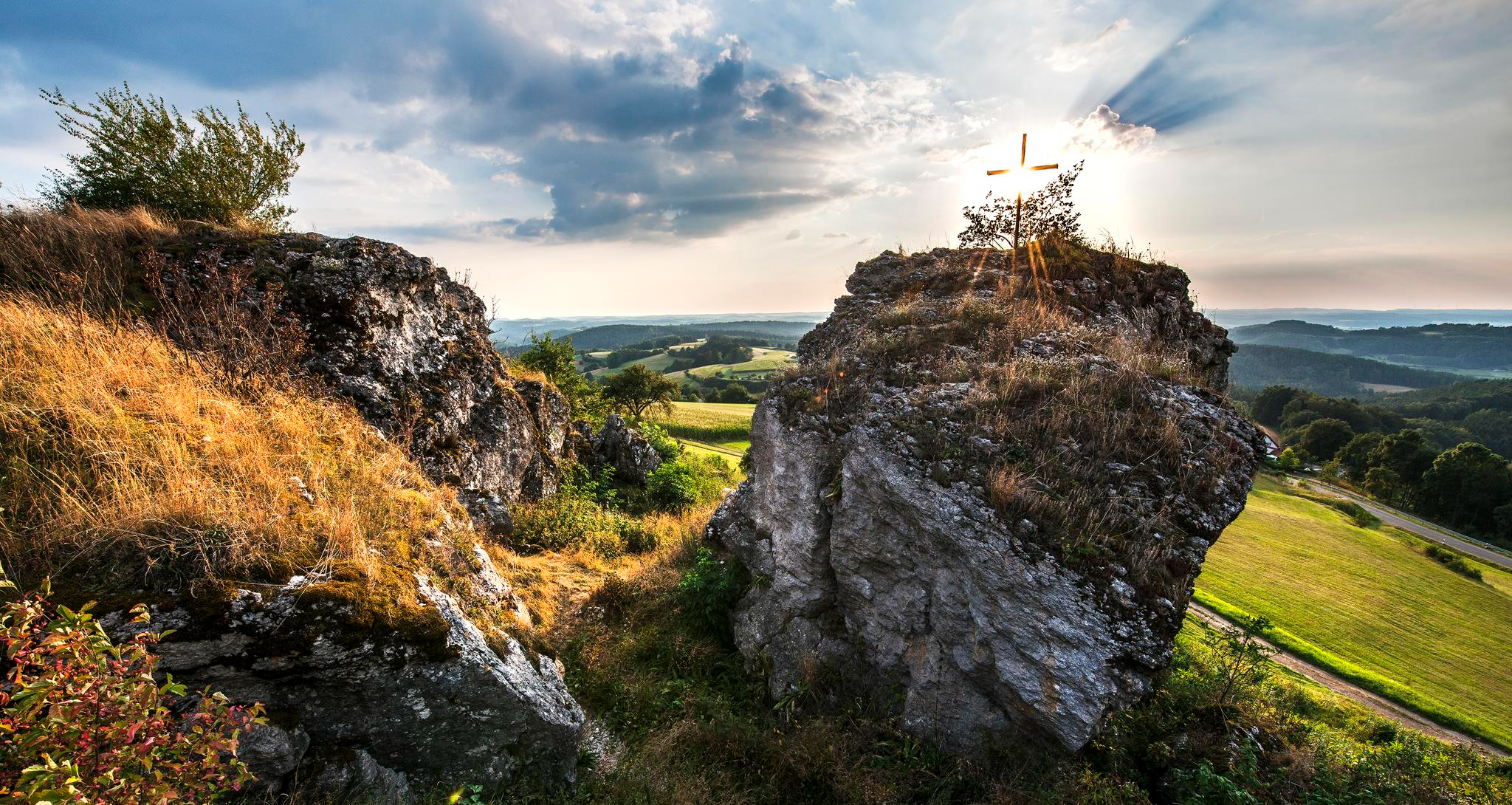
Fun hiking and wonderful views in Franconian Switzerland
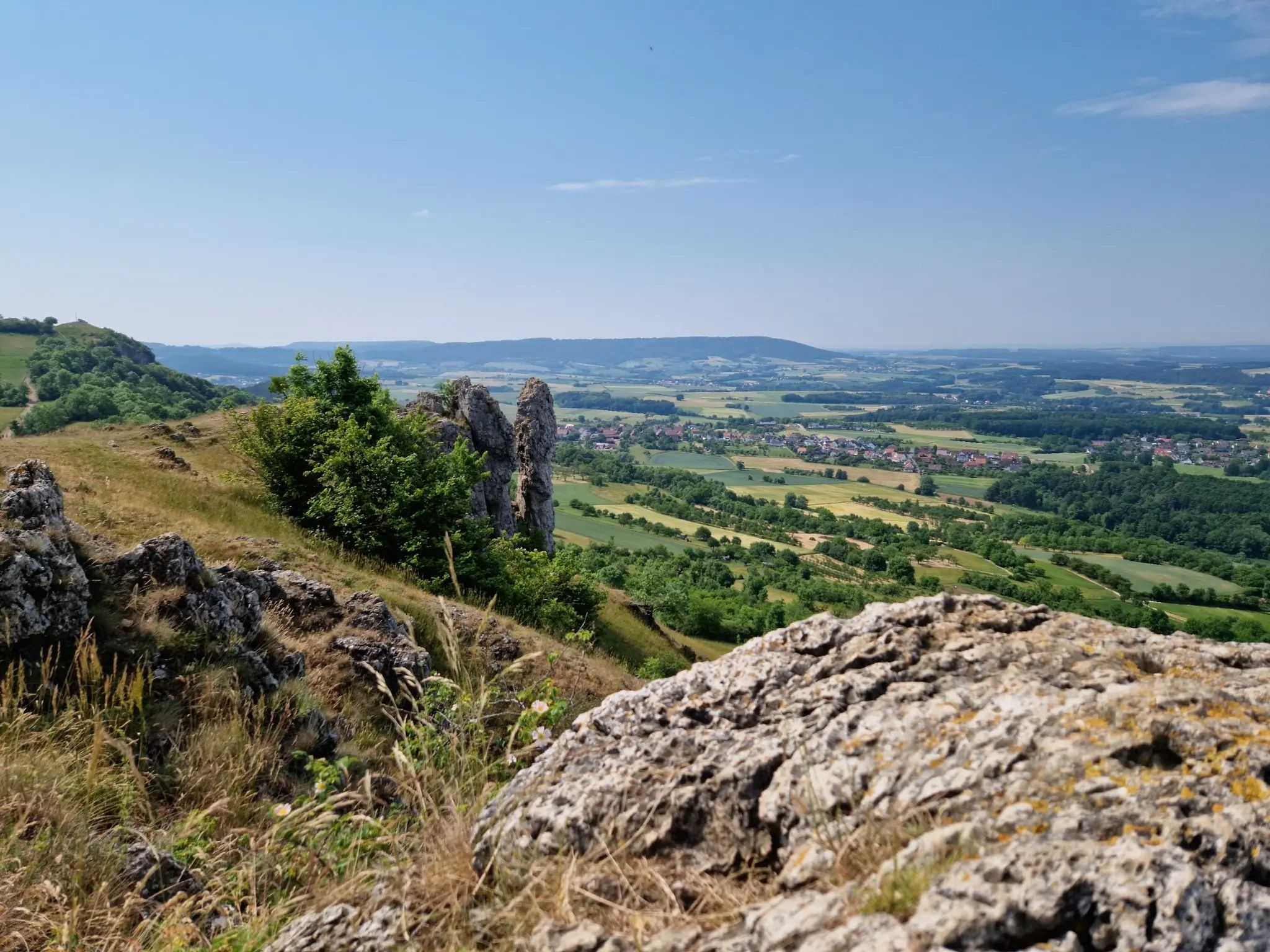
Ten fantastic hikes throughout Germany
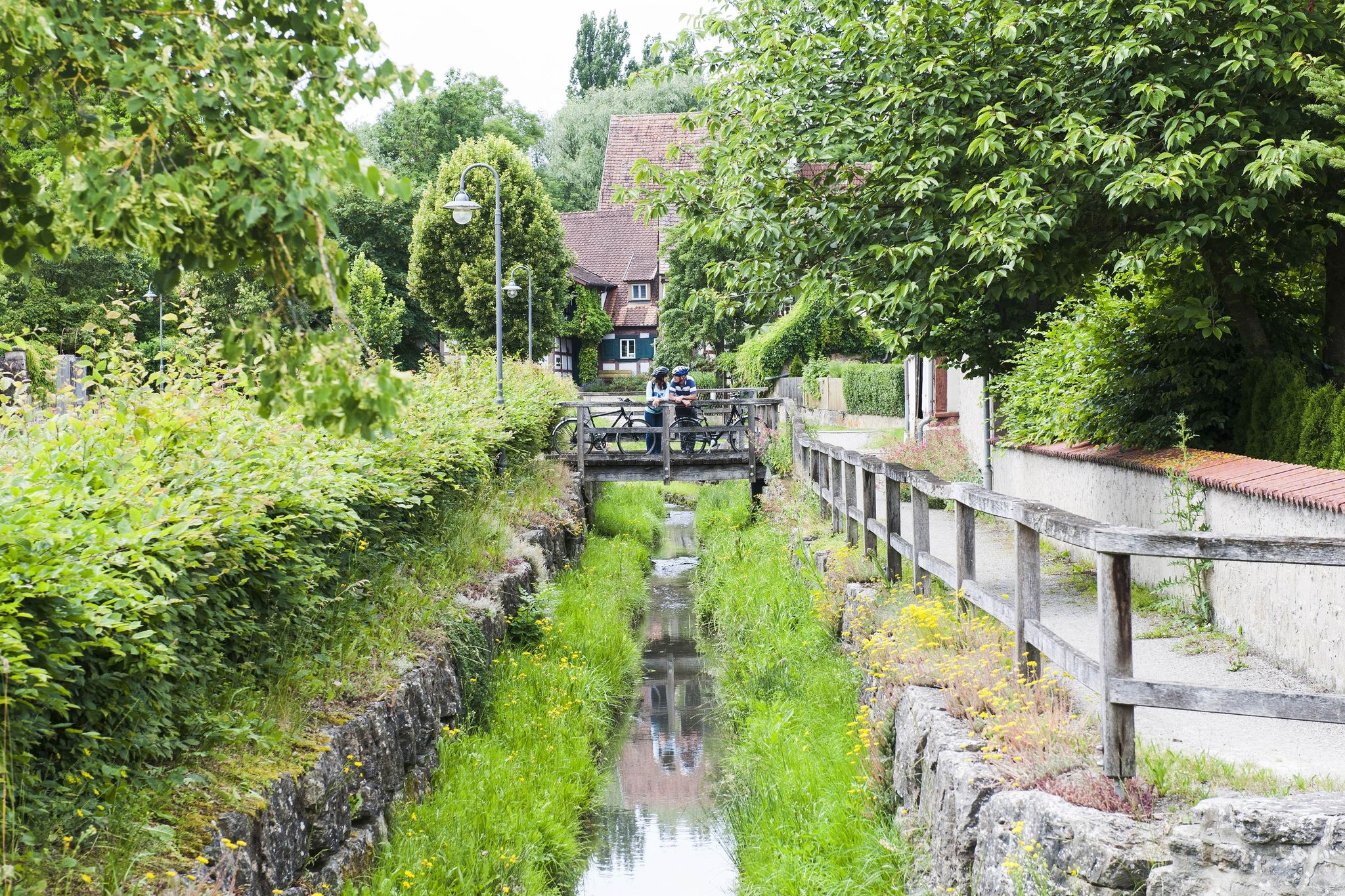
Fun, nature and culture – discover Franconia by bike
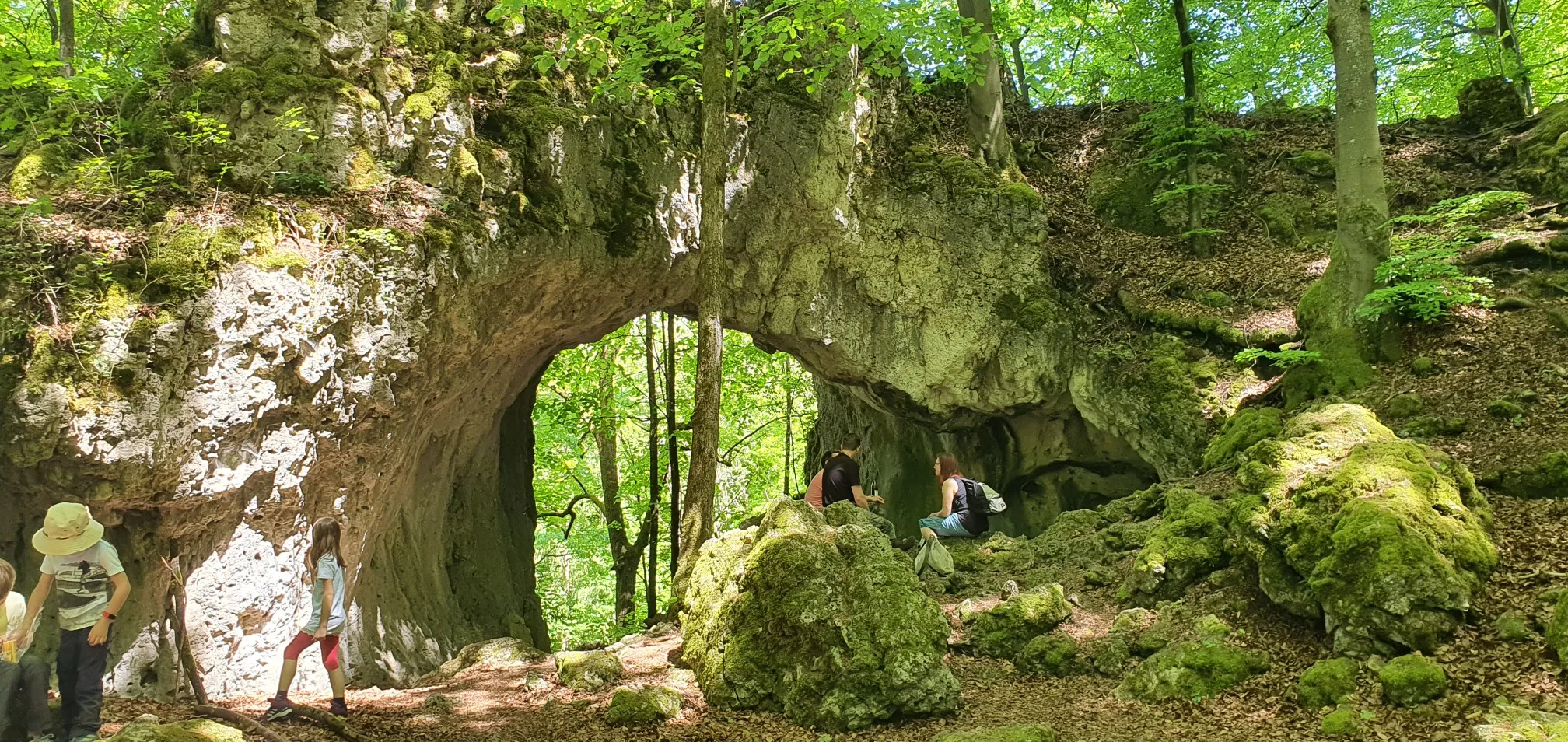
Catch the bus and train into nature – VGN Leisure Tips 2023
Other adventures around Erlangen


Tips from the Community

The margravial palace, 65 meters wide and 21 meters high, with its palace garden, orangery, and Concordienkirche, was built from 1700 onwards in Erlangen as the first self-contained Baroque ensemble in Franconia, commissioned by Georg Wilhelm, Hereditary Prince of Brandenburg-Bayreuth and later Margrave of Bayreuth. Antonio della Porta and Jaques Bourdin de la Fond adopted the Baroque style under the influence of French Classicism. In 1703, Georg Wilhelm's father, Margrave Christian Ernst, bought the still unfinished palace to gift it to his third wife, Elisabeth Sophie. After Christian Ernst's death in 1712, it served as a widow's residence for Elisabeth Sophie, then for Sophia of Saxe-Weissenfels. In 1764, the widowed Margravine Sophie Caroline Marie moved into Erlangen Palace and lived there with her court of around 40 people for almost 50 years. She received numerous guests at the palace, including King Frederick William of Prussia twice. Erlangen society met at the palace: above all the professors, who presented their latest scientific findings to Sophie. In her will, the Margravine bequeathed the palace with its outbuildings to the university. Since 1945, it has served exclusively for the university administration.
4
0

Behind the castle, a 280-meter-wide and 550-meter-long castle garden was created with an orangery (completed in 1706), Concordia Church (1706; now the Geological Institute), Huguenot fountain, equestrian statue and the now-defunct Hedge Theatre. The first self-contained, baroque courtly building ensemble in Franconia was created here. (Wikipedia)
3
0

Banned?? I think the kids like this atmosphere. And they can't really just walk across the street.
5
0
Unfortunately currently partially scaffolded.
5
0

At the end of the axis of the castle park, you will of course find the castle. Renovation work is currently taking place. Nevertheless, it is an eye-catcher
4
0

Egloffstein is absolutely worth seeing and has a lot to offer
2
1

Beautiful castle in the middle of the old town with a wonderful adjacent park to relax and linger
10
0

Before 1180, Egloffstein Castle can be identified as the ancestral home of the Lords of Egloffstein. However, the first documented mentions only come from the years 1180 and 1184, in which Salmann was called “Henricus de Hegelofuesten” or “Heinricus de Agilulfi lapide” (from Latin lapide, stone). In 1509 the castle became a fiefdom of the bishops of Bamberg, but it remained in the possession of the von Egloffstein family to this day. In 1525 the town of Egloffstein was burned down in the Peasants' War, and in 1561 the Reformation gained a foothold in Egloffstein. The place was burned down twice during the Thirty Years' War. He came to Bavaria in the course of secularization in Bavaria. The associated town of Bieberbach was temporarily held by Hans von Streitberg in the second half of the 16th century.[4][5] 20th and 21st centuries In 1956 the title of climatic health resort was awarded and three years later Egloffstein was declared a market town. Source: Wikipedia
7
2
Frequently Asked Questions
What historical structures can I visit within Erlangen itself?
Within Erlangen, you can explore the Margravial Palace (Erlangen Schloss), a significant Baroque building that now houses the Friedrich-Alexander University. Its beautiful Schlossgarten (Palace Garden) is also a highlight. Additionally, the Markgrafentheater is the oldest still-played Baroque theater in Southern Germany, offering a glimpse into historical performing arts.
Are there traditional medieval castles directly in Erlangen?
While Erlangen features significant historical structures like the Margravial Palace, it doesn't have traditional medieval castles within its immediate city limits. However, the nearby Franconian Switzerland region is rich with such castles, including Ruins of Neideck Castle and Gößweinstein Castle.
Which castles offer the best panoramic views in the Erlangen region?
For stunning panoramic views, consider visiting the Ruins of Neideck Castle, where you can climb the main tower. The Ruins of Streitburg Castle also provides fantastic views over the Wiesenttal, and Gößweinstein Castle offers wonderful vistas over Franconian Switzerland.
Are there family-friendly castles to visit near Erlangen?
Yes, several castles in the region are suitable for families. The Ruins of Neideck Castle, Gößweinstein Castle, and Atzelsberg Castle are all categorized as family-friendly. These often include easy access, historical exploration, and sometimes nearby amenities.
What kind of outdoor activities can I do near the castles around Erlangen?
The region offers diverse outdoor activities. You can find numerous hiking trails, including easy, moderate, and difficult options, often connecting to castles. For example, there are mountain hikes and easy hikes around Erlangen that incorporate castle visits. You can explore routes like the 'View of Thuisbrunn – View of Egloffstein Castle loop' or the 'Gößweinstein Rock Trail – Gößweinstein Castle loop'. For more details, check out the easy hikes around Erlangen guide or the mountain hikes around Erlangen guide.
Are there any castles near Erlangen with dining options or beer gardens?
Yes, Atzelsberg Castle features an inn with a lovely beer garden right next door, making it a great spot for a break. Gaillenreuth Castle also has nearby pub and restaurant options.
What is the historical significance of the Burgberg in Erlangen?
The Burgberg, or 'Castle Hill,' in Erlangen is historically significant for its extensive beer cellars, which have been used since 1675 due to the hill's geological composition. These cellars are famously the site of the annual Bergkirchweih festival, one of Bavaria's largest folk festivals. While there's no physical castle structure, it offers recreational opportunities and views over Erlangen.
Can I visit the Margravial Palace in Erlangen?
The Margravial Palace (Schloss Erlangen) currently serves as the seat of the Friedrich-Alexander University Erlangen-Nürnberg. While the interior is primarily used by the university, the exterior and the beautiful Schlossgarten (Palace Garden) are accessible to the public and are worth visiting for their Baroque architecture and historical significance.
What makes Egloffstein Castle and Village unique?
Egloffstein — Village and Castle is a state-approved climatic health resort where the houses cling to the rocky slope, crowned by the thousand-year-old castle of the Freiherren von Egloffstein. It's known for its romantic and idyllic atmosphere, with numerous fountains and springs, and offers many hiking possibilities in the Trubach valley.
What is the best time of year to visit the castles around Erlangen?
The castles and surrounding areas are beautiful throughout the year. Spring and autumn offer pleasant temperatures for hiking and exploring, with vibrant foliage in autumn. Summer is ideal for enjoying outdoor beer gardens and festivals like the Bergkirchweih. Even in winter, some castles offer a unique, serene atmosphere, though accessibility on trails might vary with snow.
Are there any lesser-known or 'hidden' castle ruins to explore?
If you're looking for less prominent sites, the Ruins of Thuisbrunn Castle offer a historical site to explore. While not as grand as some others, it provides a quiet glimpse into the region's past and is often part of scenic hiking routes.
What kind of historical information is available at the castle ruins?
Many castle ruins, such as the Ruins of Neideck Castle, provide information boards detailing their history and archaeological background. At the Ruins of Streitburg Castle, you can even see a well-preserved dungeon and learn about its high medieval origins.
Most popular routes around Erlangen
Most popular attractions around Erlangen

Get inspired with the komoot mobile app


Explore more
Looking for the best castles somewhere else? Discover other guides around Erlangen:
