Top 20 Natural Monuments in the Ore Mountains
Best natural monuments in the Ore Mountains are found in a low mountain range straddling the German-Czech border. This region features a diverse natural landscape with dramatic rock formations, high peaks, and scenic river valleys. The area's geology and varied terrain offer compelling reasons for exploration. It is a destination for outdoor activities throughout the year.
Best natural monuments in the Ore Mountains
- The most popular natural monuments is Schwarze Pockau Rest Area, a river that meanders picturesquely through…
Last updated: September 29, 2026
Fichtelberghaus Restaurant & Hotel
Highlight • Restaurant
Translated by Google •
Tip by

Greifensteine Observation Rock
Highlight • Natural Monument
Translated by Google •
Tip by

Sign up now to discover places like this
Get recommendations on the best single tracks, peaks, & plenty of other exciting outdoor places.
Schwarzwassertal
Highlight • Gorge
Translated by Google •
Tip by

Kaisernstein Legends and Myths Information Board
Highlight • Monument
Translated by Google •
Tip by

Fichtelberg Peace Bell
Highlight • Monument
Translated by Google •
Tip by

Rock Square (Skalní náměstí), Tiské Walls
Highlight • Natural Monument
Translated by Google •
Tip by

Schwarze Pockau Rest Area
Highlight • River
Translated by Google •
Tip by

Bridge Cliff
Highlight • Viewpoint
Translated by Google •
Tip by

Tisa Walls (Tiské stěny)
Highlight • Gorge
Translated by Google •
Tip by

Devil's wall on the Black Pockau
Highlight • Climb
Translated by Google •
Tip by

Sign up for free to discover even more natural monuments in the Ore Mountains.
Already have an account?
Start today with a free account
Your next adventure awaits.
Popular around Ore Mountains
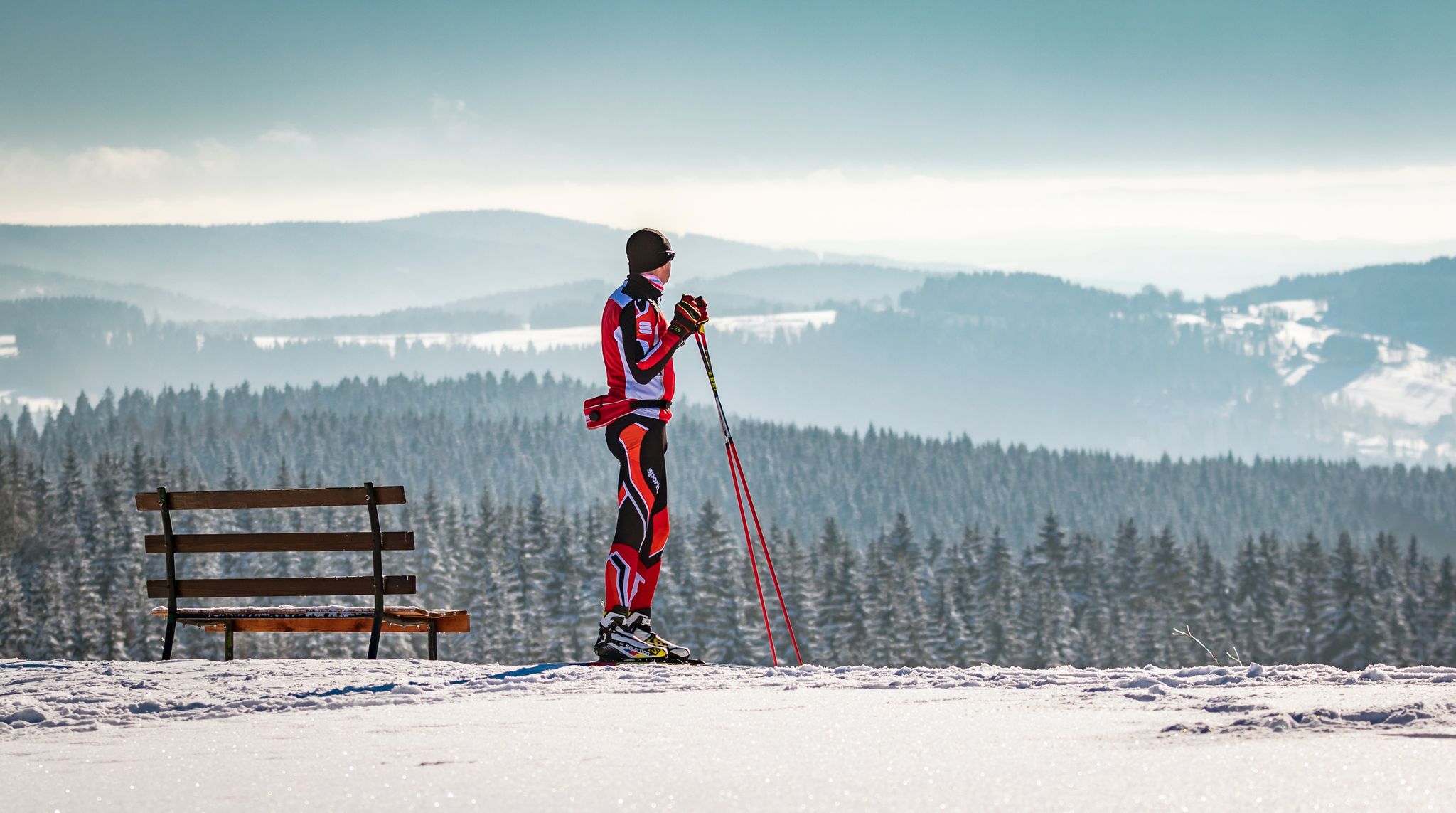
Let it flow! Cross-country skiing in the Ore Mountains
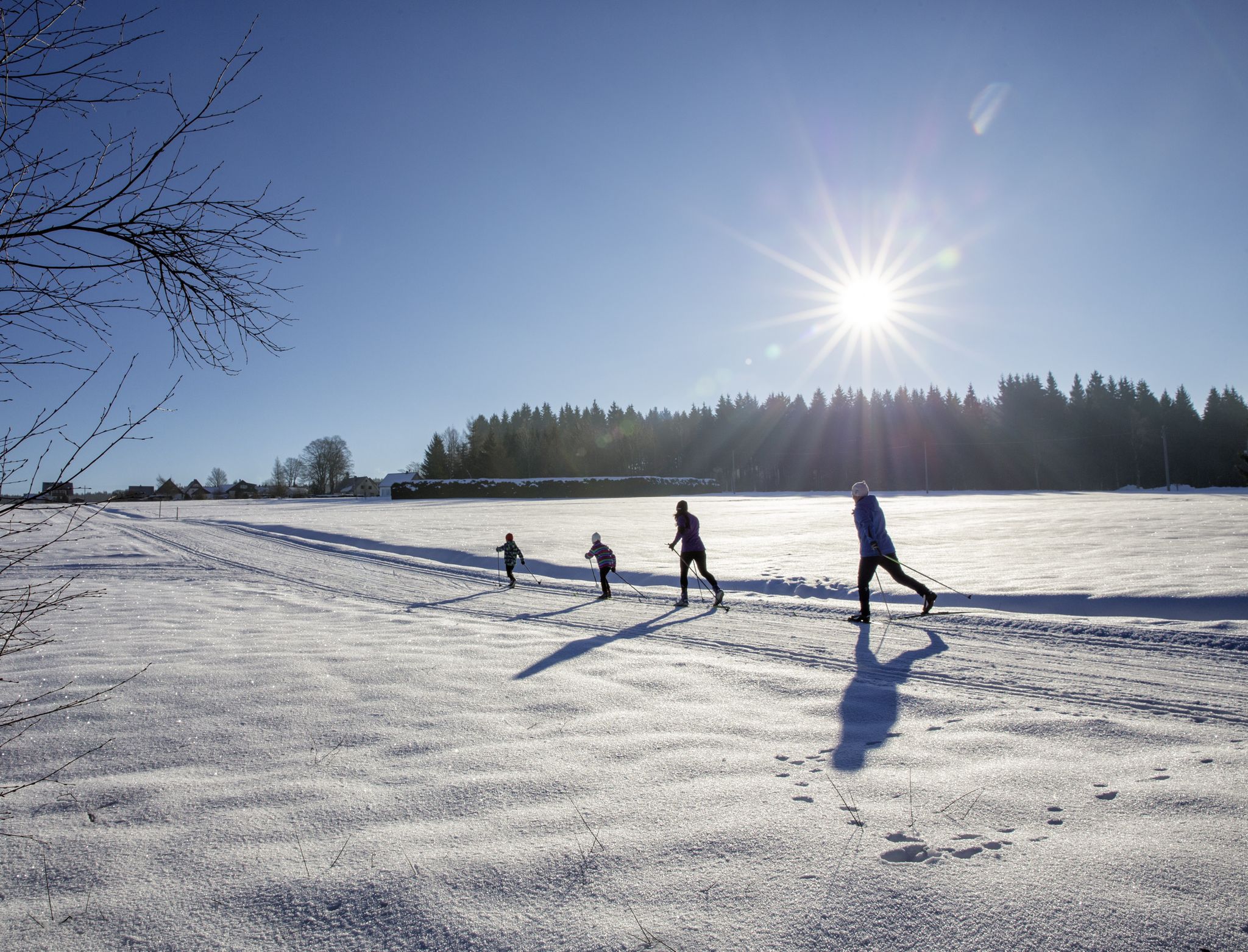
A snowy paradise – winter hiking and cross-country skiing in Germany’s Vogtland
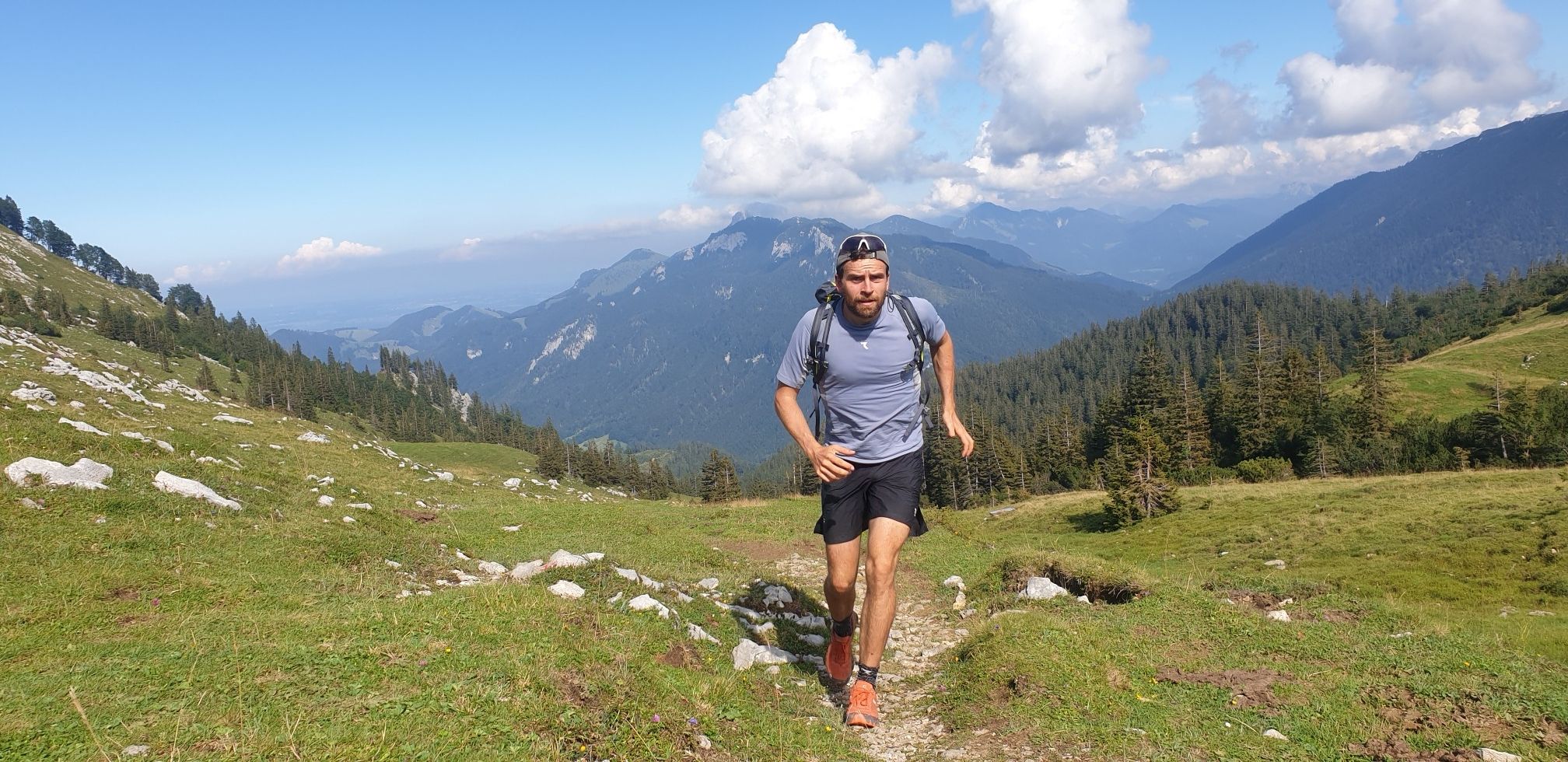
Triathlon around Germany
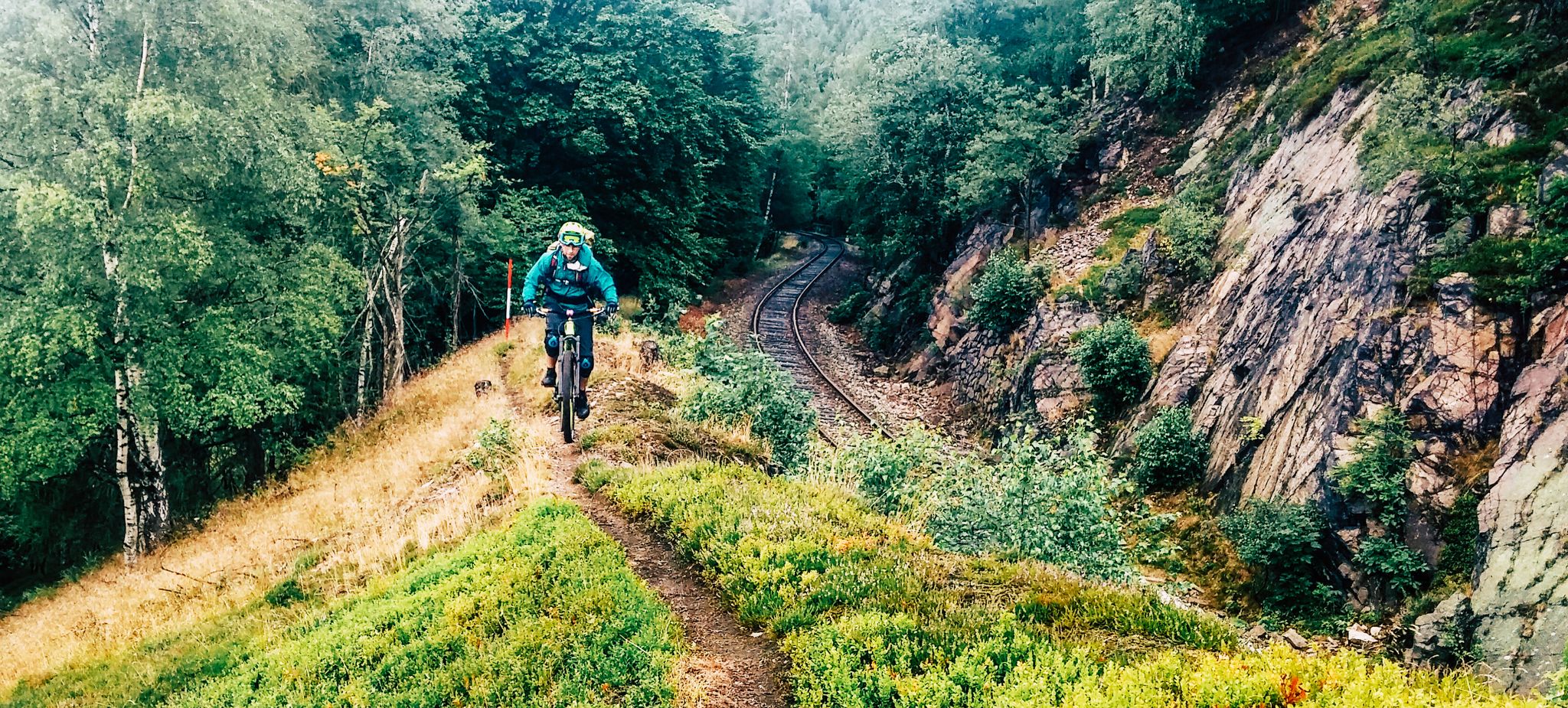
Kammweg Erzgebirge – Border adventure along the Ridgeway

The Stoneman Trail in the Ore Mountains
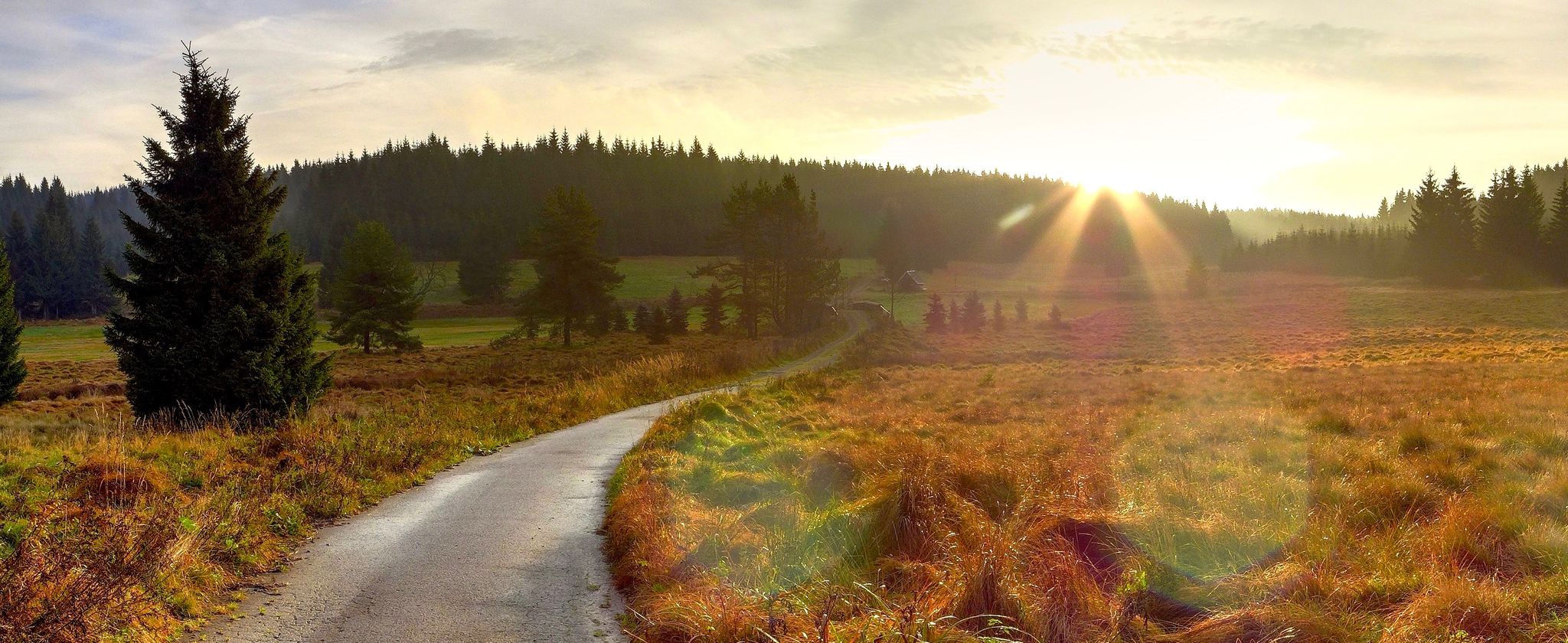
Ore Mountains — between forests and elevation
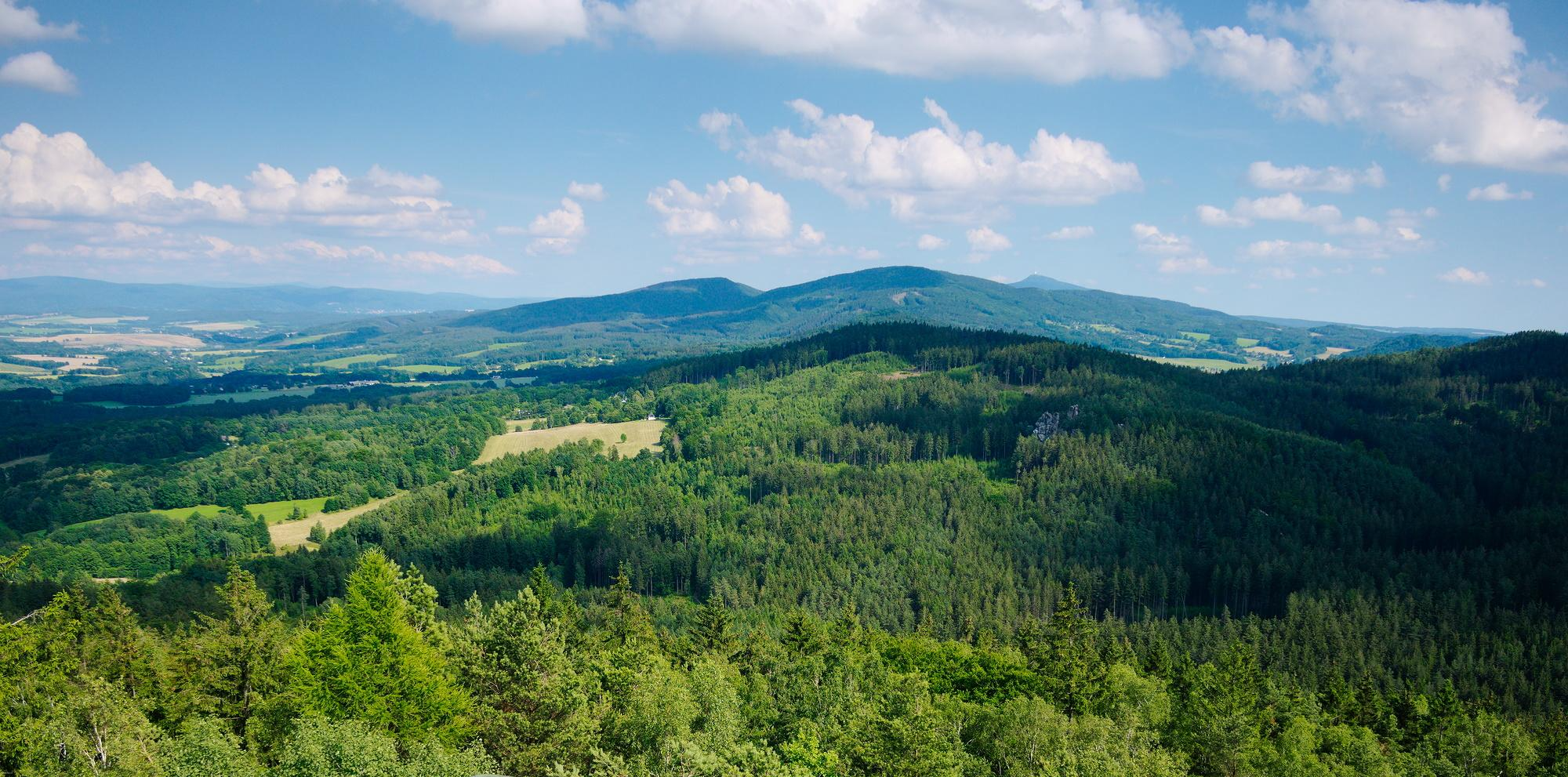
The National Natural Landscapes in Saxony
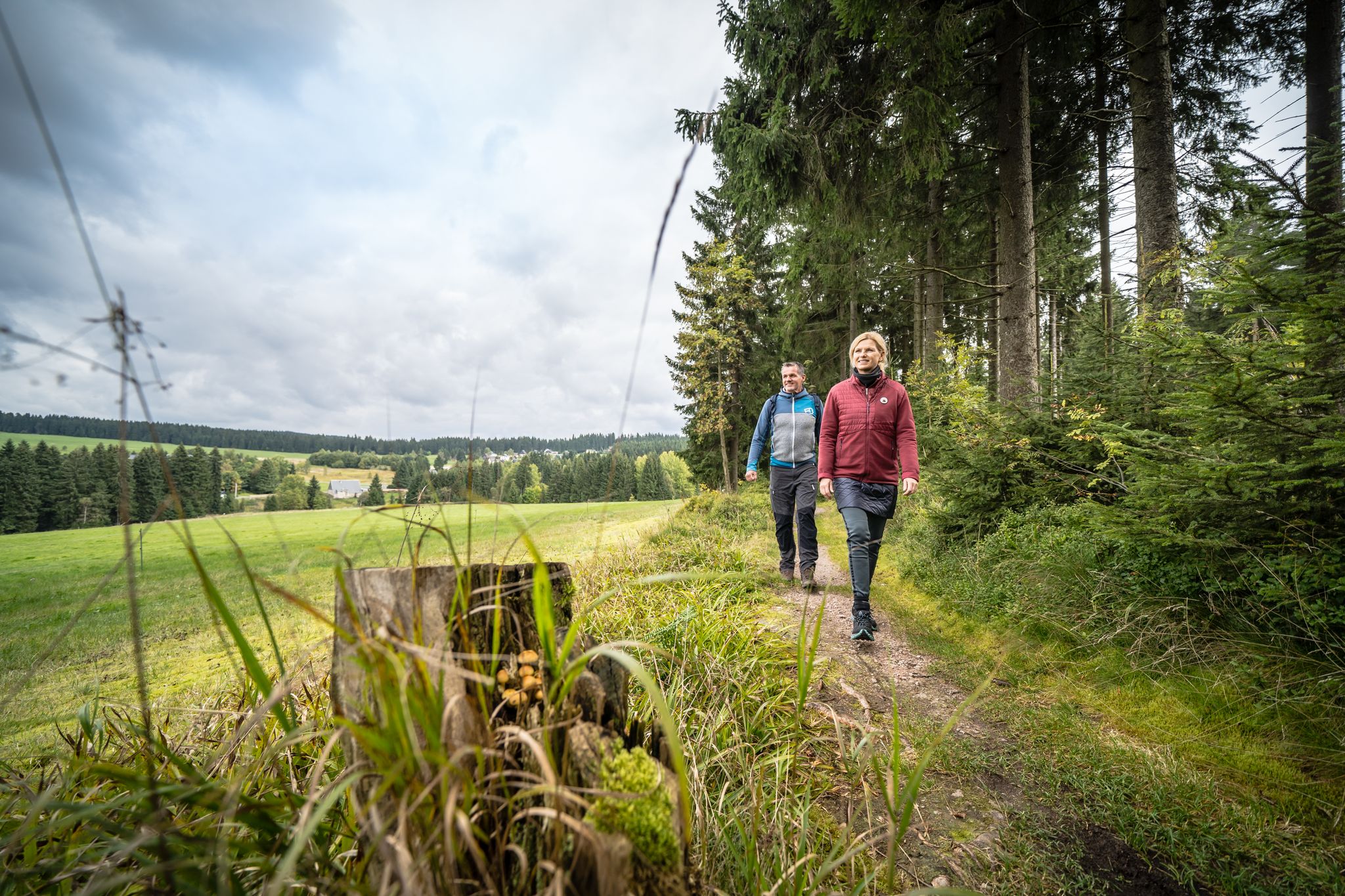
Hiking with heart in the Ore Mountains
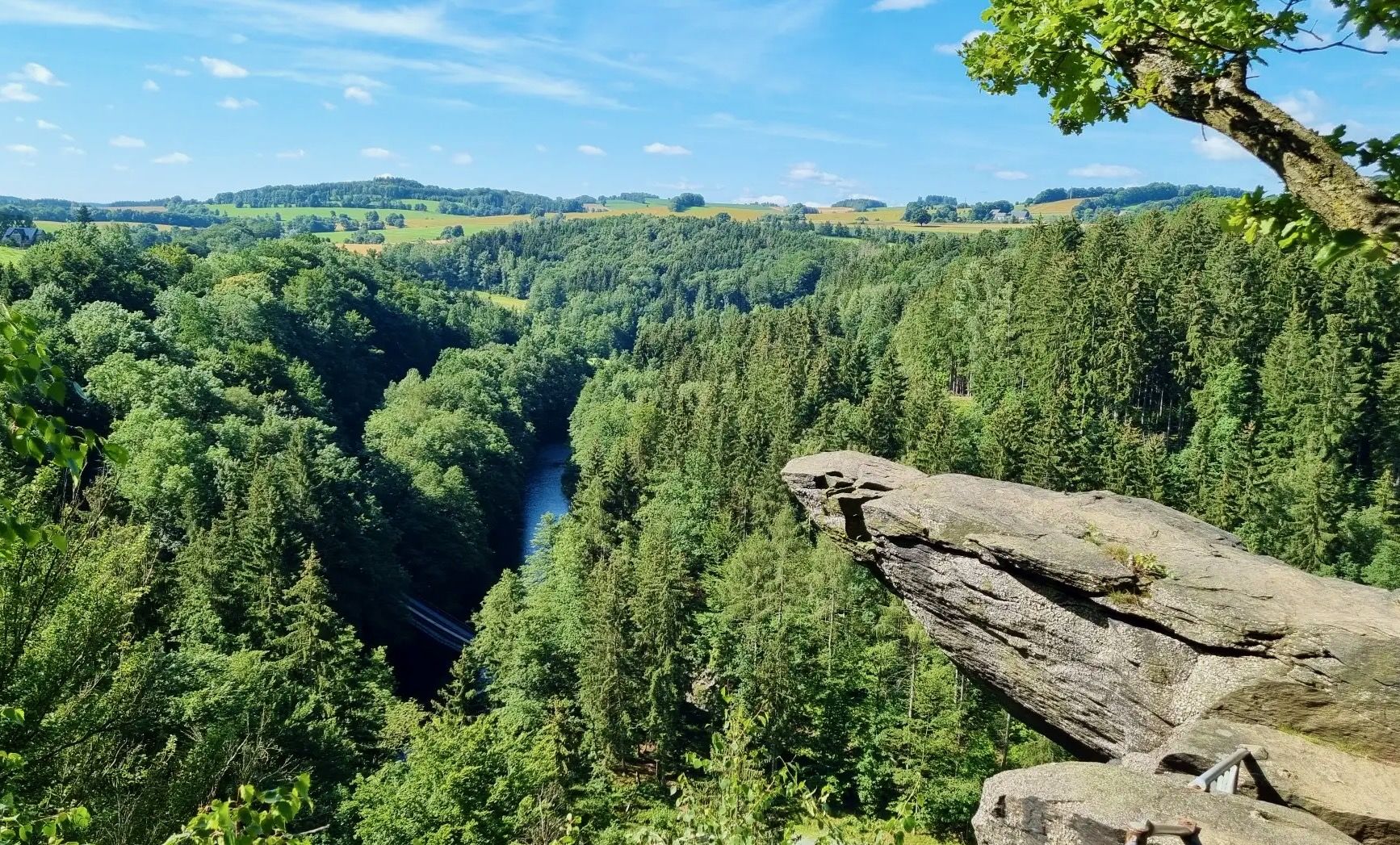
From Fichtelberg to Mulde - The Zschopautal Hiking Trail
#GoFurther – discover the views of Germany!
Other adventures in the Ore Mountains


Tips from the Community

It's no wonder the Teufelsmauer is so often photographed. It's located directly on the hiking trail and the Schwarzen Pockau, and it's a wonderful place to watch the climbers.
1
0

The large peace bell on the Fichtelberg had to remain silent for six months in 2024. Stone throwing in May 2022 had so badly damaged the bell that its sound suffered. It was decided to stop ringing it and replace it with a new one. The old bell rang for the last time on Easter Monday 2024. Just in time for the mountain service on German Unity Day on October 3, the new bell was officially rung for the first time in the fall of 2024. The idea of using a peace bell to commemorate the peaceful revolution of 1989 in the GDR and German reunification in 1990 came from watchman Gerd Schlesinger and night watchman Jörg Eller from the Ore Mountains town of Schwarzenberg. The bell was also intended to be heard in neighboring Czechia and thus ring for a united Europe. The cast steel bell, already ninety years old at the time, was rung for the first time in 2010. The new bell was cast in Innsbruck by the Grassmayr company. At 2,700 kilograms, it is about 1,100 kilograms heavier than the old bell.
17
1

The Greifensteine are a rock formation in Saxony, known for climbing and mountaineering, among other things. Their highest point reaches an elevation of approximately 731 meters above sea level. The area around the Greifensteine is a nature reserve.
16
1
The deep valley with exposed gneiss is the result of the erosion of the Zschopau, which rises on the Fichtelberg and has been flowing in a northerly direction with a greater gradient since the uplift of the Ore Mountains block in the Tertiary period, and flows into the Freiberg Mulde near Döbeln. Steep, often bizarre rock faces are created on steep slopes by the increased flow speed. The most impressive formation is probably an overhanging cliff.
9
0

a very nice corner
0
0

On October 3, 2024, about 11 months after its consecration, a new bell rang for the first time and has since replaced the previous bell from 2010. This had been damaged by vandalism. The new bell was cast in Innsbruck. It is made of bronze and weighs about 2700 kg. The bell is rung on Sundays and public holidays.
6
0

The area near the eponymous town of Tisá (Tyssa), with its up to 30 m high cliffs, is one of the biggest tourist attractions in Bohemian Switzerland. The Tyssa Walls are located at a height of around 600 m above sea level. An entrance fee is charged for entry into the rock labyrinth - when we were there, the ticket office was closed, so we saved money. Many of the rocks have names that are actually accurate when you look closely - e.g. the porcini mushroom, or the outline of Africa. The 4 km long circular route is not too difficult, but it is not possible to do it without stairs and ladders. And there is also a mayor here.
7
1

The small donation doesn't hurt, you can give the operators a small donation, then immerse yourself in a country of thousands of hiking enthusiasts.🇨🇿✌️🫠📸
17
2
Frequently Asked Questions
What are some of the most popular natural monuments to visit in the Ore Mountains?
Visitors frequently enjoy the Schwarze Pockau Rest Area, where the river meanders picturesquely through a varied landscape, offering diverse hiking options. Another highly rated spot is the Rock Square (Skalní náměstí), Tiské Walls, an impressive rock town with much to discover. The Greifensteine Observation Rock also offers stunning panoramic views up to the peaks of the Ore Mountains and into the valleys.
Are there family-friendly natural monuments in the Ore Mountains?
Yes, several natural monuments are suitable for families. The Schwarzwassertal is considered one of the most beautiful valleys, perfect for hiking and appreciating nature with its impressive flora and fauna. The Katzenstein Lookout and Bridge Cliff also offer family-friendly paths and scenic views. Additionally, the broader area of the Tisa Walls (Tiské stěny) provides an adventurous rock labyrinth that children often enjoy exploring.
What kind of unique rock formations can I see in the Ore Mountains?
The Ore Mountains are renowned for their dramatic rock formations. You can explore the striking granite pillars of the Greifensteine Observation Rock, which are also popular for climbing. On the Czech side, the Rock Square (Skalní náměstí), Tiské Walls, offers an impressive rock labyrinth with cliffs up to 30 meters high, featuring caves, tunnels, and arches. The Devil's wall on the Black Pockau is another impressive rock formation and a popular climbing spot.
What outdoor activities can I do near the natural monuments?
The Ore Mountains offer a wide range of outdoor activities. You can enjoy extensive hiking trails, such as those in the Schwarzwassertal or the Rabenauer Grund Nature Reserve. Cycling is also very popular, with numerous routes for touring bicycles and road cycling available throughout the region. In winter, higher peaks like Fichtelberg and Klínovec become popular for skiing and snowboarding.
Are there any natural monuments that offer panoramic views?
Absolutely. The Greifensteine Observation Rock provides beautiful panoramic views of the Ore Mountains peaks and surrounding valleys. The Katzenstein Lookout is another excellent spot for scenic vistas. Additionally, the Fichtelberg mountain, the highest in Saxony, offers exceptional panoramic views extending into the Bohemian Basin.
What is the best season to visit the natural monuments in the Ore Mountains?
The Ore Mountains are a year-round destination. Spring and summer are ideal for hiking, cycling, and exploring the lush valleys like the Schwarzwassertal. Autumn brings vibrant foliage, making for picturesque walks. In winter, the higher elevations, including Fichtelberg, transform into a snowy landscape perfect for skiing and cross-country skiing.
Can I find historical sites near the natural monuments?
Yes, the Ore Mountains are rich in history, particularly mining history, which earned it UNESCO World Heritage status. While exploring natural monuments, you might encounter historical elements. For instance, near the Fichtelberg summit, you can find the Fichtelberg Peace Bell, which is a man-made monument with historical significance, offering both cultural and natural appreciation.
What kind of river valleys and gorges can I explore?
The Ore Mountains are characterized by numerous beautiful gorges and river valleys. The Schwarzwassertal is a prime example, known for its lush landscapes and diverse wildlife. The Rabenauer Grund Nature Reserve is another idyllic valley along the Weißeritz river. The Schwarze Pockau Rest Area also offers a picturesque river landscape with varied terrain.
Are there any natural monuments suitable for climbing enthusiasts?
Yes, the Ore Mountains offer excellent opportunities for climbing. The Greifensteine Observation Rock, with its unique granite pillars, is a very popular destination for climbing and mountaineering. Another notable spot is the Devil's wall on the Black Pockau, which is a well-known climbing rock.
What do visitors enjoy most about the natural monuments in the Ore Mountains?
Visitors consistently praise the stunning natural beauty and the diverse opportunities for outdoor activities. Many highlight the impressive rock formations, the tranquility of the river valleys, and the panoramic views from various lookouts. The sense of discovery in places like the Rock Square (Skalní náměstí), Tiské Walls, and the peaceful atmosphere of the Schwarzwassertal are frequently mentioned as reasons for repeat visits.
Are there any natural monuments located on the Czech side of the Ore Mountains?
Yes, the Ore Mountains straddle the German-Czech border, and some impressive natural monuments are located on the Czech side. The Tisa Walls (Tiské stěny), including the Rock Square (Skalní náměstí), are a significant natural spectacle with an extensive rock labyrinth. Klínovec, the highest mountain in the entire Ore Mountains range, is also on the Czech side and offers exceptional views.
Most popular routes in the Ore Mountains
Most popular attractions in the Ore Mountains

Get inspired with the komoot mobile app


Explore more
Extend your search for the best caves by checking out these guides of the top ones in the Ore Mountains:
