The best traffic-free bike rides in the Ore Mountains
4.6
(28164)
109,915
riders
3,716
rides
No traffic touring cycling routes in the Ore Mountains traverse a diverse landscape characterized by gently sloping plateaus, dense forests, and deep river valleys. This low mountain range, straddling the German and Czech border, features elevations up to 1,244 meters, offering varied terrain for cyclists. The region's topography includes extensive woodlands, high moors, and impressive rock formations, providing scenic backdrops for rides. Its rich mining history has also shaped a unique cultural landscape accessible via numerous cycling paths.
Best no…
Last updated: September 30, 2026
4.5
(14)
39
riders
24.8km
01:47
370m
370m
Moderate bike ride. Good fitness required. Mostly paved surfaces. Suitable for all skill levels.
4.3
(18)
44
riders
22.3km
01:36
340m
340m
Moderate bike ride. Good fitness required. Mostly paved surfaces. Suitable for all skill levels.

4.5
(11)
37
riders
24.8km
01:55
390m
390m
Moderate bike ride. Good fitness required. Mostly paved surfaces. Suitable for all skill levels.
4.4
(14)
696
riders
32.1km
03:13
920m
920m
Hard bike ride. Very good fitness required. You may need to push your bike for some segments of this route.
4.5
(50)
497
riders
Hard bike ride. Very good fitness required. You may need to push your bike for some segments of this route.
Get access to more routes and recommendations from other explorers.
Already have an account?
Our route recommendations are based on thousands of hikes, rides, and runs completed by other people on komoot.
Start today with a free account
Your next adventure awaits.
Popular around Ore Mountains
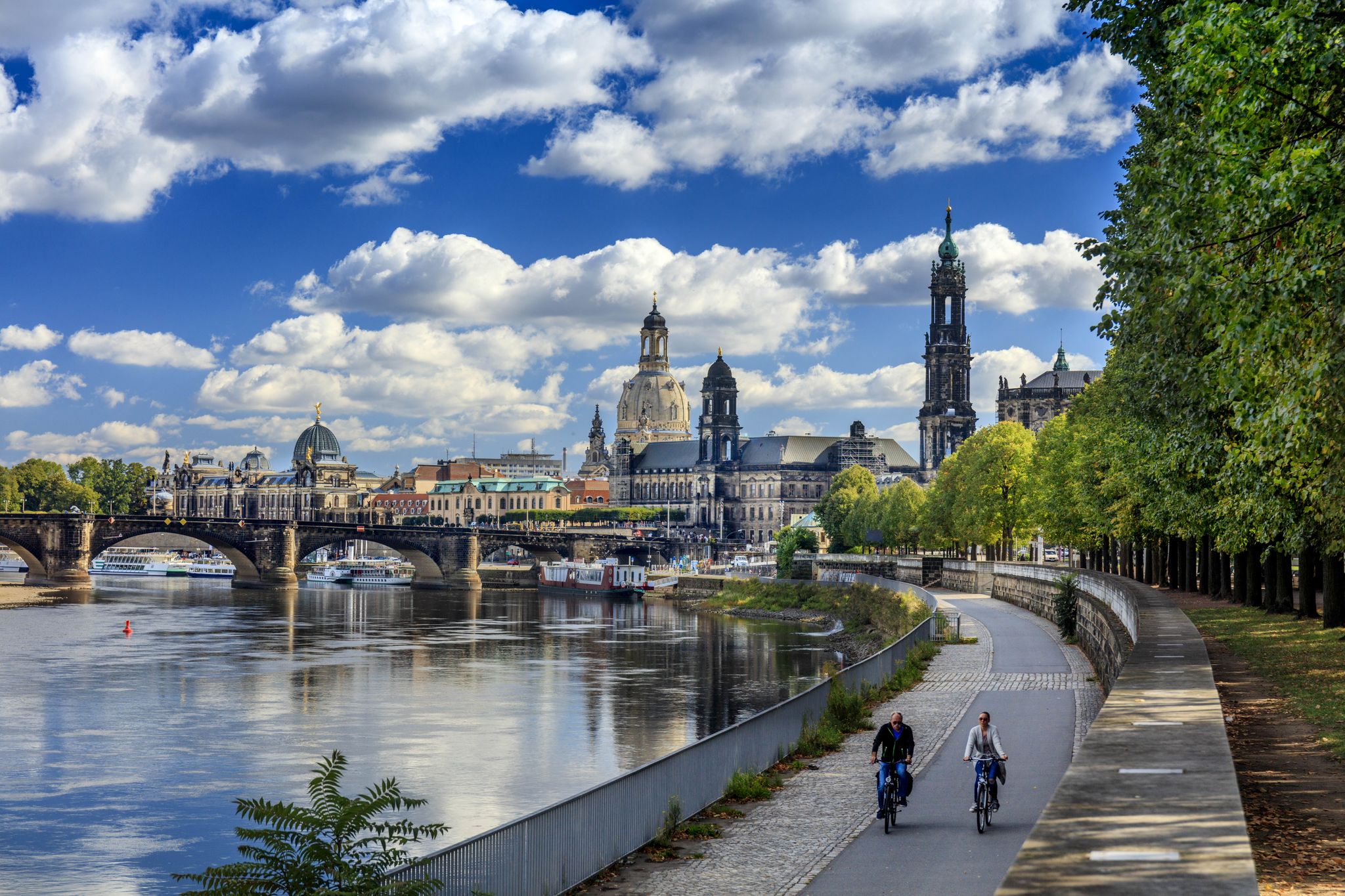
Cycling in Saxony – joy on two wheels
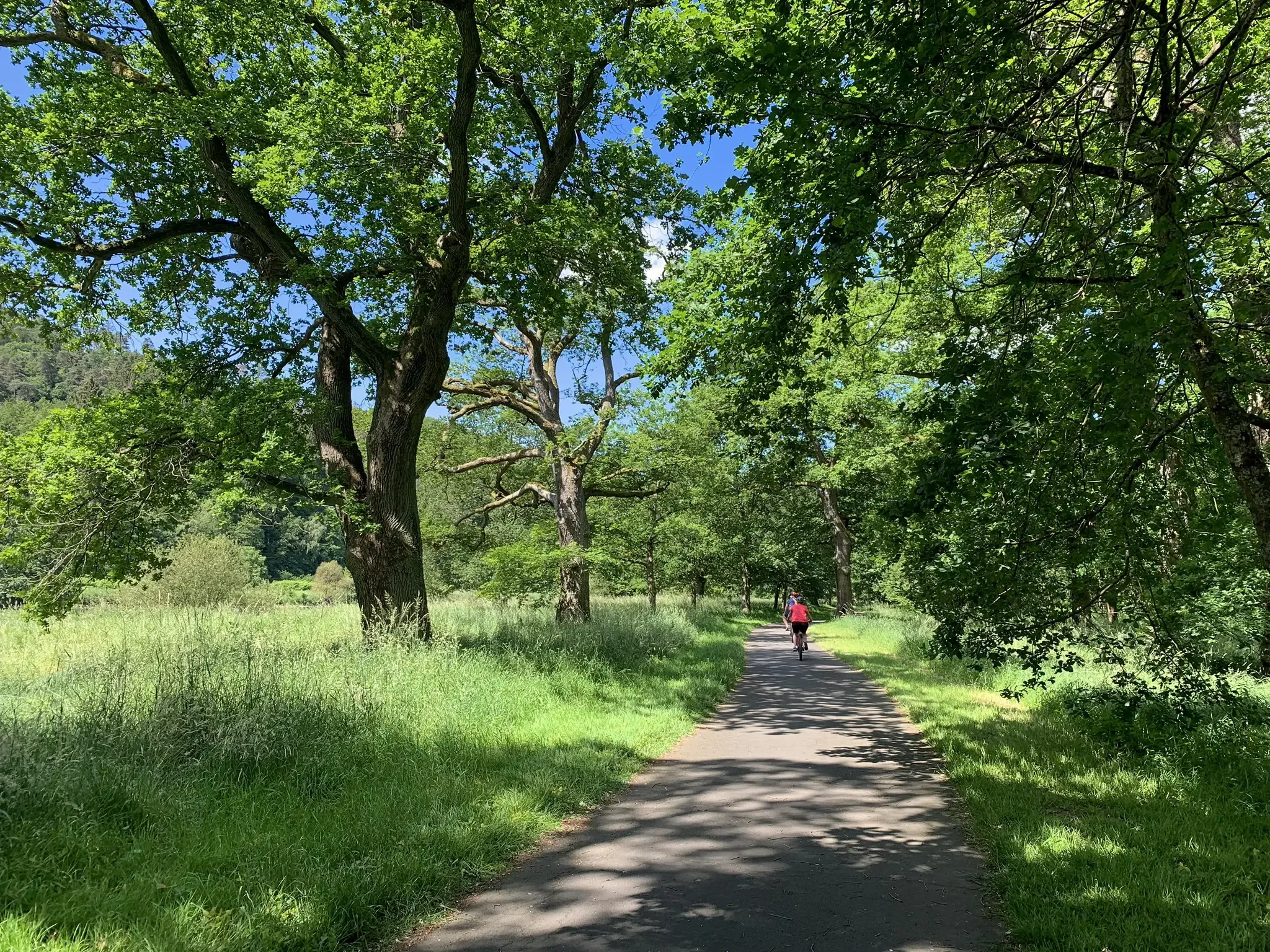
D-Route 4: Mittelland Route
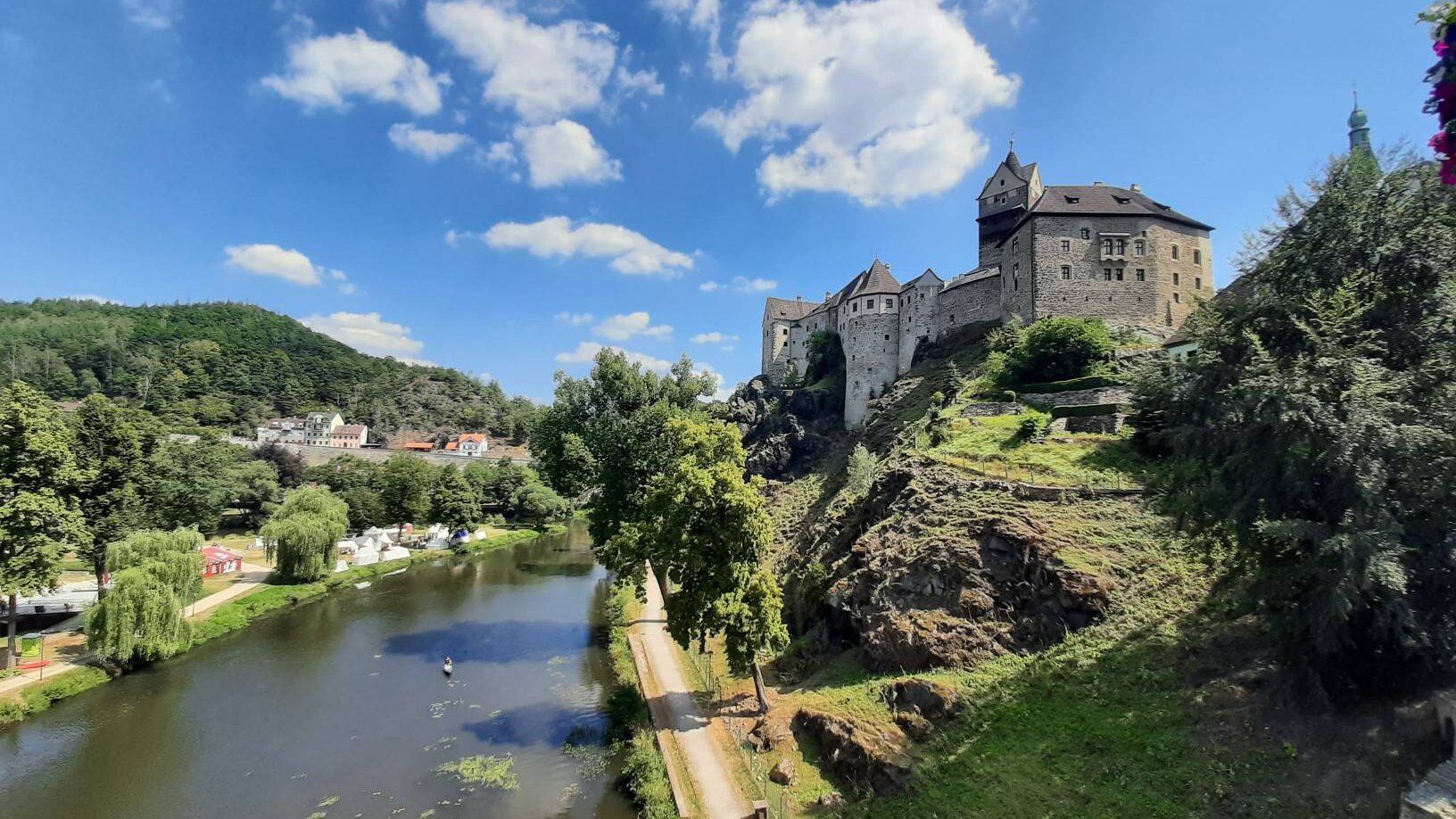
Through the heart of Europe – riding the Euregio Egrensis
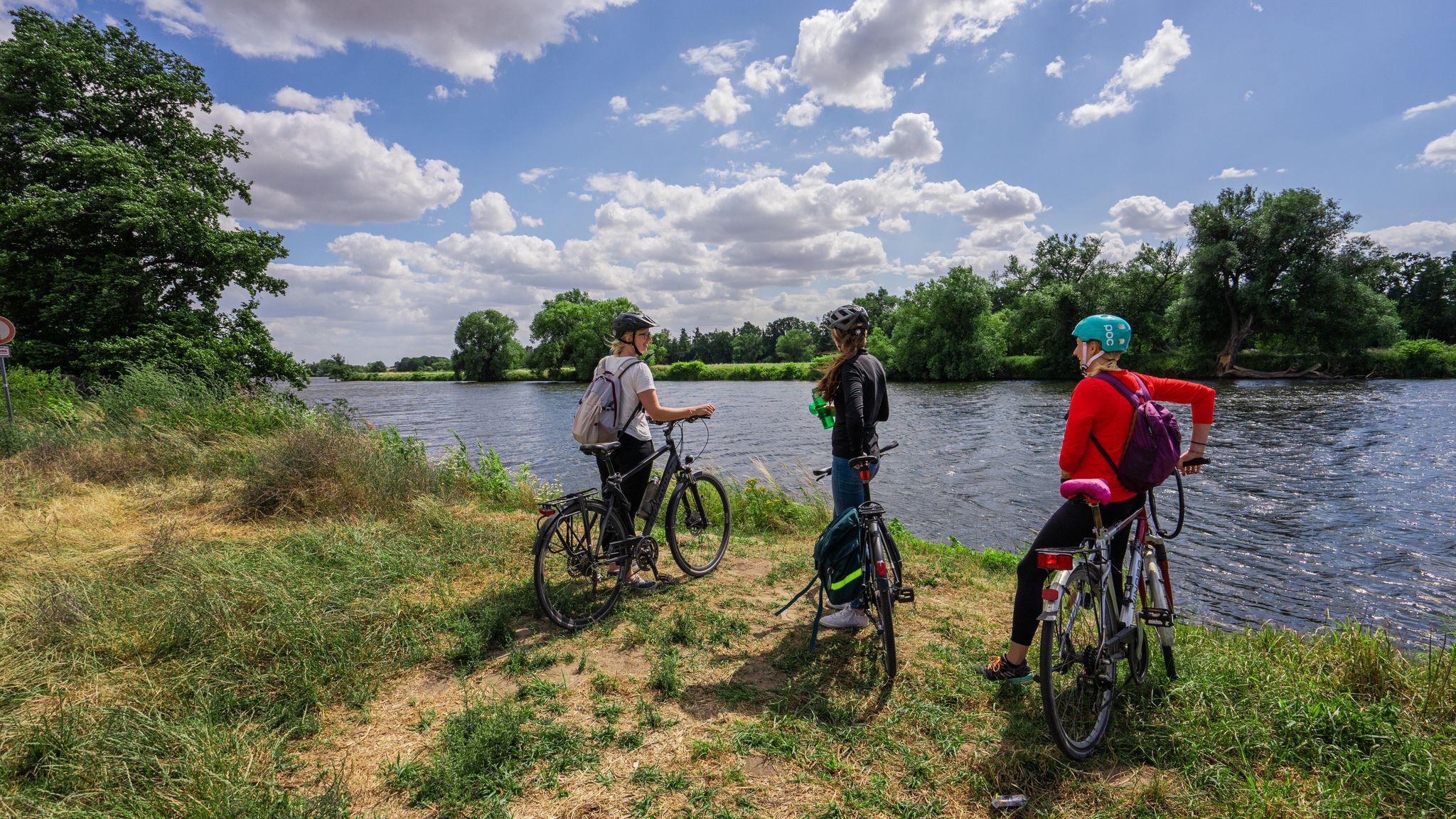
The Mulde Cycling Path
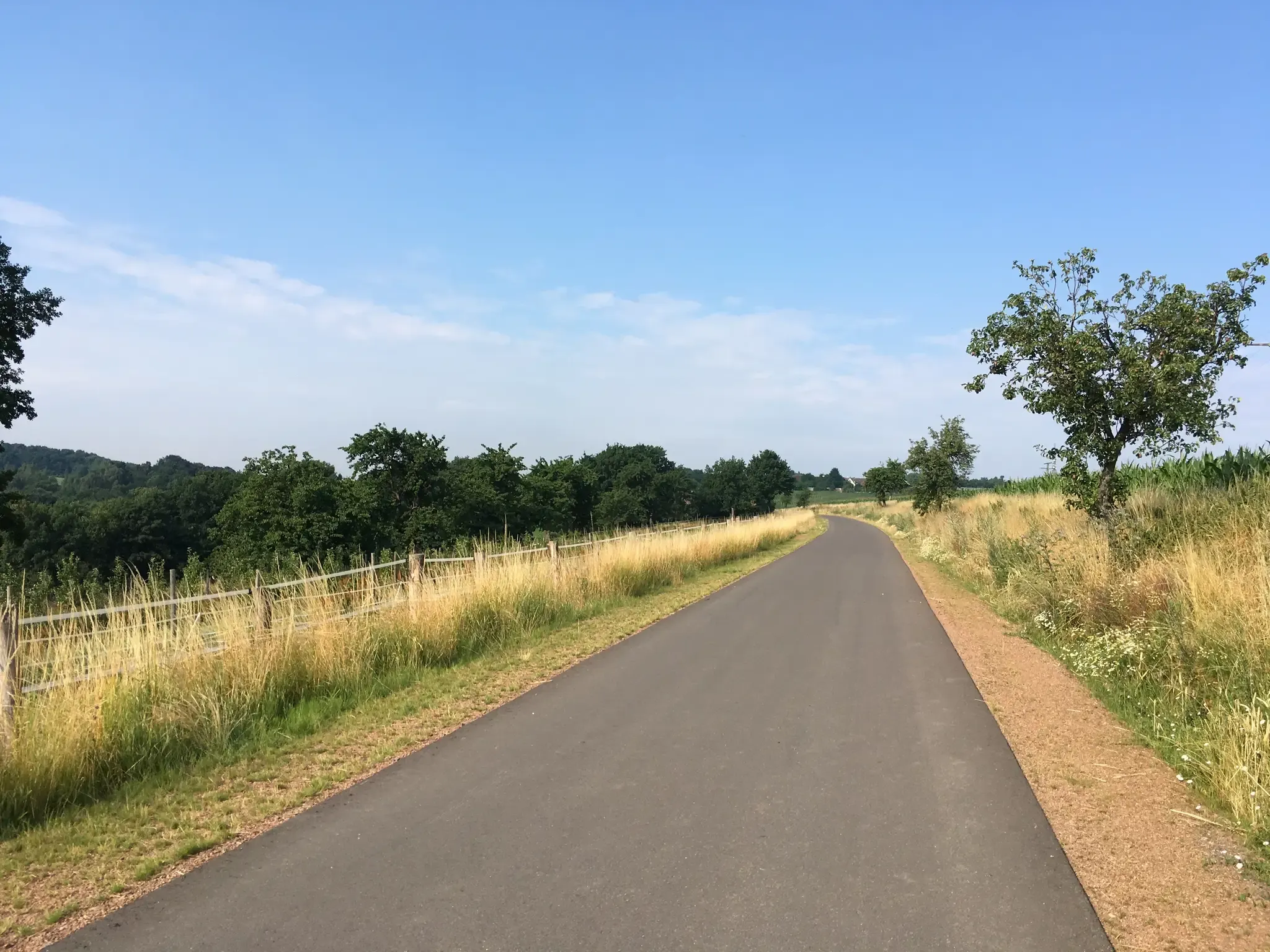
Full steam ahead – cycling through railway history around Dresden
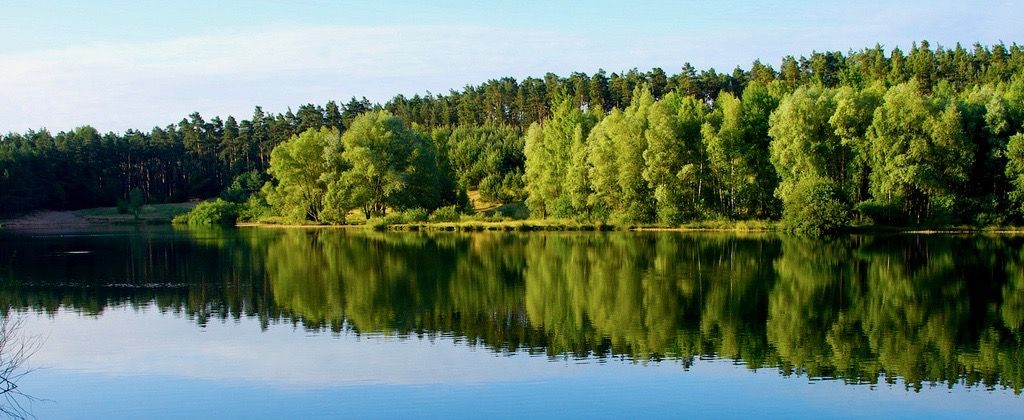
33 lakes for sunny weekends
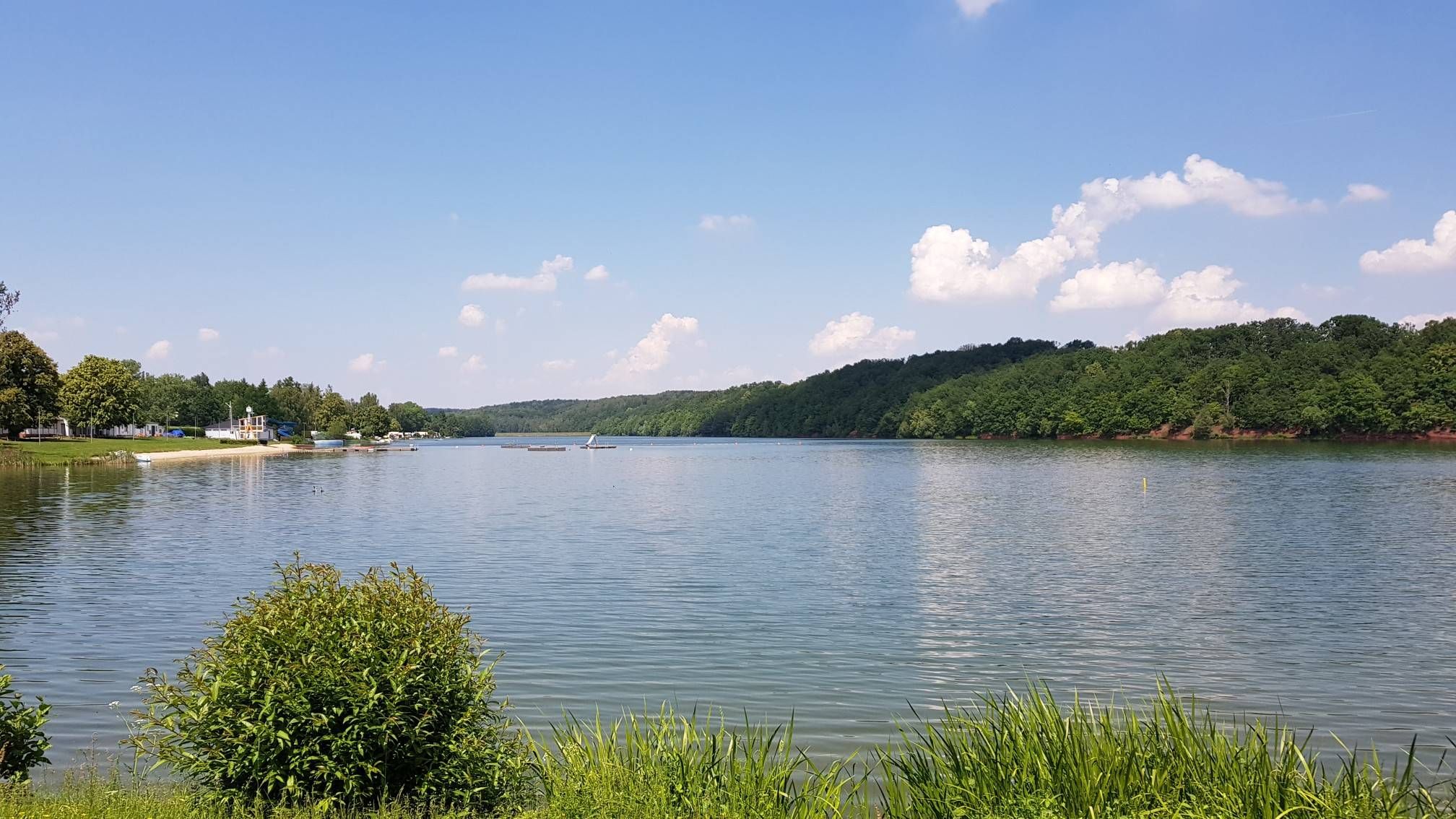
The best swimming lakes in Saxony
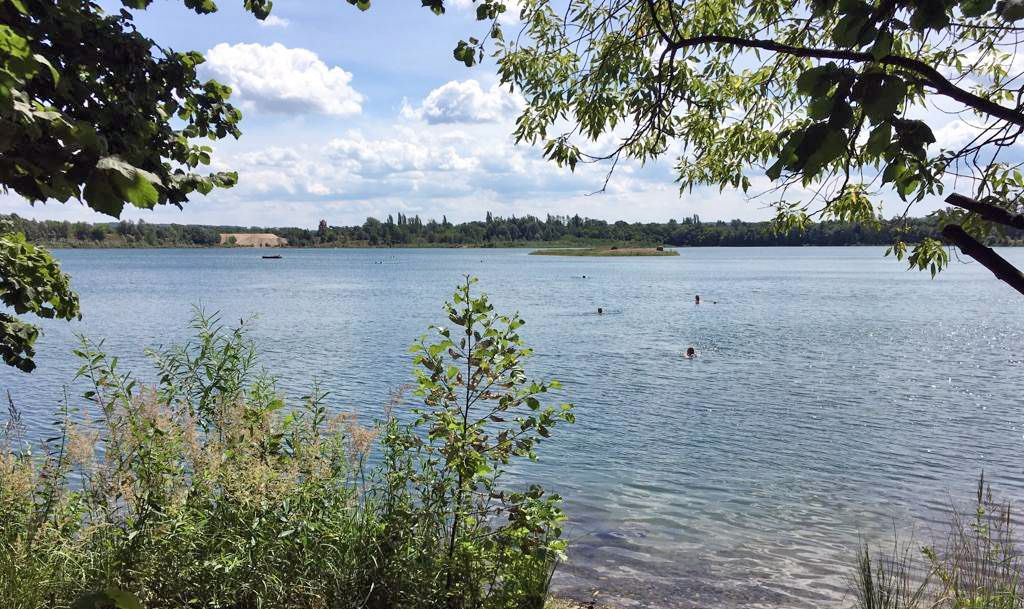
The most popular swimming spots around Dresden
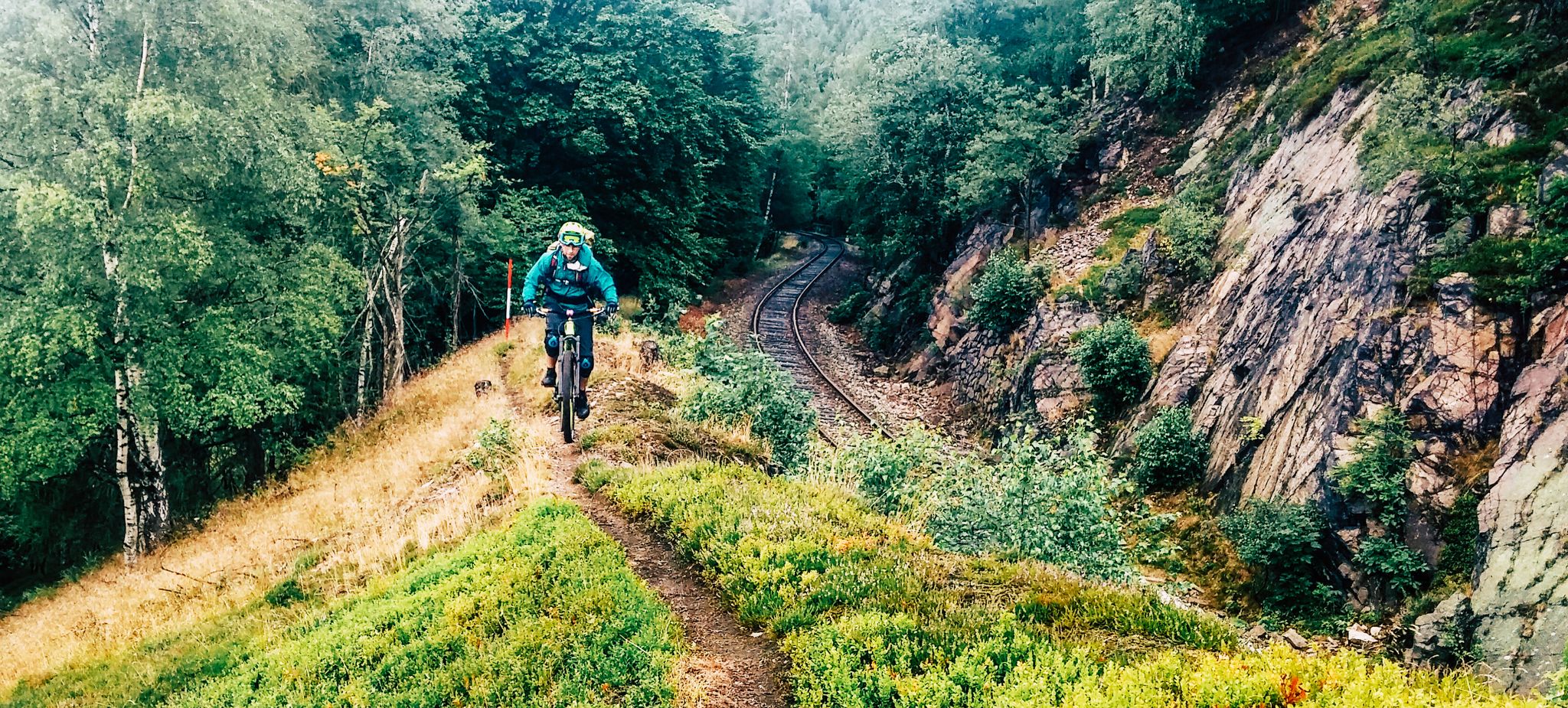
Kammweg Erzgebirge – Border adventure along the Ridgeway
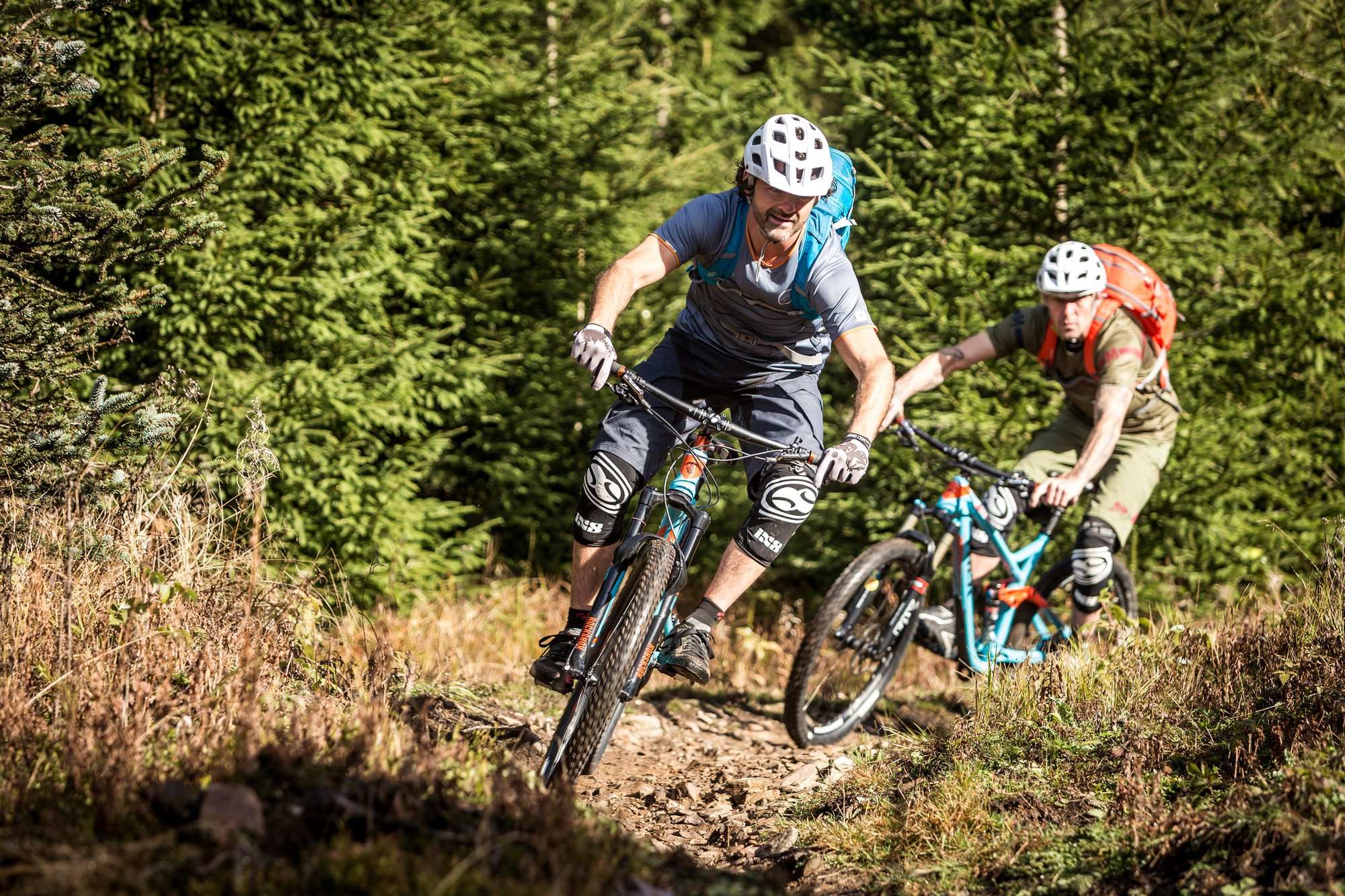
The Stoneman Trail in the Ore Mountains
Other adventures in the Ore Mountains


Tips from the Community

The road is quite busy, but offers a well-rideable ascent to the summit
0
0

This is indeed a magnificent sight, except that it is not German Katharinenberg, but Bohemian Katharinenberg.
0
0

Modern construction, you can probably rent it as a holiday home
0
0

Nice dam but under construction. So you may have to push your bike.
2
1

The silicic acid springs of the Frauenbach in Bad Einsiedel were discovered around 1550 and described soon afterwards in a text by Leonhard Thurneysser. He attributed a healing effect to the springs for ulcers, melancholy and open wounds. However, the springs were probably not used continuously until the 18th century, as the first bathhouse with bathing rooms was not built until 1723. In 1840, the bathhouse had nine rooms with twelve tubs. A water analysis carried out in 1846 confirmed the healing effect of the springs. In 1881, the small settlement was the highest spa and mineral bath in Saxony. In 1937, the spa operation was discontinued due to lack of demand. Bad Einsiedel subsequently established itself increasingly as a winter sports resort.
14
0
The forest inn "Bad Einsiedel" with a guesthouse and large open spaces for campers in the middle of beautiful nature invites you to linger. The kitchen offers rustic home cooking with typical Erzgebirge dishes. The farm was first mentioned in a document from 1560 as a "house with several fields and meadows". The current buildings were built between 1723 and 1753 on the foundations of a former granary (monastery farm). During the GDR era, the buildings were used as a FDGB convalescent home and as apartments.
14
0

What a sight! From here you can enjoy a wonderful view of Deutschkatharinenberg. The town's observation tower is the most striking building that you can easily see from here, even without binoculars.
0
0
Right on the path you will find this covered bench where several cyclists can sit at the same time. There is also a signpost here to help you find your way.
0
0
Frequently Asked Questions
How many no-traffic touring cycling routes are available in the Ore Mountains?
The Ore Mountains offer a vast network of routes, with nearly 3,800 touring cycling routes available on komoot. This includes over 580 easy routes, more than 1,700 moderate routes, and nearly 1,500 difficult routes, ensuring options for every skill level.
What kind of terrain can I expect on no-traffic touring cycling routes in the Ore Mountains?
The Ore Mountains feature a varied topography, characterized by gently sloping plateaus, deep V-shaped valleys, and extensive woodlands. You'll encounter both ascents and scenic descents, with routes often winding through dense forests and meadows. While many routes are traffic-free, expect a mix of paved and unpaved surfaces, reflecting the region's natural landscape.
Are there any circular no-traffic touring cycling routes in the Ore Mountains?
Yes, the Ore Mountains offer numerous circular routes perfect for touring cyclists seeking a traffic-free experience. For example, you could try the challenging View of the Eibenstock Dam – Viewpoint over Eibenstock Reservoir loop from Schneeberg, or the equally demanding View of the Eibenstock Dam – Viewpoint over Eibenstock Reservoir loop from Schönheide Ost. These loops allow you to start and finish in the same location, making logistics easier.
What natural features can I see along the no-traffic touring cycling routes?
The Ore Mountains are rich in natural beauty. You can cycle past impressive deep river valleys like the Schwarzwassertal, known for its lush landscapes. The region also features high moors, unique ecosystems fed by rainwater, and various waterfalls. Keep an eye out for dramatic rock formations, especially around viewpoints like the Wolkensteiner Schweiz.
Are there any historical or cultural landmarks along the routes?
Absolutely! The Ore Mountains are a UNESCO World Heritage Site due to their rich mining history. Many routes pass through quaint villages known for traditional wooden crafts, such as Seiffen. You might also encounter historic sites like the Röhrgrabenweg – Historic Mining Canal Trail, which tells the story of the region's past. The Fichtelberghaus on the Fichtelberg summit is another notable landmark offering panoramic views.
What is the best time of year for no-traffic touring cycling in the Ore Mountains?
Warm summers provide ideal conditions for cycling in the Ore Mountains. The extensive woodlands offer shade, and the weather is generally pleasant for longer tours. Spring and autumn also offer beautiful scenery with changing foliage, though temperatures can be cooler.
Are there family-friendly no-traffic cycling options?
Yes, the Ore Mountains offer many routes suitable for families. While specific family-friendly routes are not listed here, the region's extensive network includes numerous easy and moderate options that are traffic-free, providing a safe and enjoyable experience for all ages. Look for routes with lower elevation gains and shorter distances.
Can I bring my dog on these cycling routes?
Many of the no-traffic routes in the Ore Mountains are suitable for cycling with dogs, especially those that follow forest paths or quiet country lanes. However, it's always recommended to check local regulations for specific trails or nature reserves, and ensure your dog is well-behaved and on a leash where required. Remember to carry enough water for both you and your pet.
Where can I find parking for no-traffic touring cycling routes in the Ore Mountains?
Many cycling routes in the Ore Mountains are designed with accessibility in mind, often starting and ending near towns or villages where parking facilities are available. Look for designated parking areas at trailheads or near train stations, which often serve as convenient starting points for tours.
What do other touring cyclists enjoy most about cycling in the Ore Mountains?
The Ore Mountains are highly rated by the komoot community, with an average score of 4.6 stars from over 25,000 ratings. Reviewers often praise the region's diverse landscapes, the extensive network of well-maintained routes, and the opportunity to explore its rich cultural heritage away from traffic. The blend of natural beauty and historical sites makes for a truly rewarding cycling experience.
Are there any lakes or reservoirs I can cycle past on traffic-free routes?
Yes, the Ore Mountains feature several beautiful lakes and reservoirs that you can encounter on your rides. Highlights include the Greifenbach pond, Stollberg Reservoir, and Cranzahl Dam. These offer picturesque views and often have quiet paths around them, perfect for a peaceful cycling experience.
Can I access these routes using public transport?
Yes, the Ore Mountains region offers good infrastructure for cyclists, with many routes conveniently starting and ending near train stations. This makes it easy to access the traffic-free touring cycling routes for weekend tours, especially from larger cities like Chemnitz, Leipzig, and Dresden. Always check train schedules and bike transport policies in advance.
Most popular routes in the Ore Mountains
Most popular attractions in the Ore Mountains

Get inspired with the komoot mobile app


Explore more
Browse the best Cycling routes in other regions.
