Top 20 Natural Monuments in North Rhine-Westphalia
Best natural monuments in North Rhine-Westphalia offer a diverse range of landscapes, from striking rock formations to extensive cave systems and unique wildlife habitats. This region is characterized by its geological significance and ecological value. These sites often hold rich historical or mythical associations, providing varied experiences for visitors. North Rhine-Westphalia's natural landscape provides numerous opportunities for outdoor exploration.
Best natural monuments in North Rhine-Westphalia
- The most popular natural monuments is Externsteine, a natural monument that features imposing sandstone rock formations. These rocks are among the most important natural and cultural monuments in the Teutoburg Forest, offering panoramic views from their peaks.
- Another must-see spot is Stenzelberg Rock Formations, a natural monument known for its rugged rocks and exciting views. This 287-meter-high mountain in the Siebengebirge offers a picturesque rocky landscape and is a popular destination for hikes.
- Visitors also love Sengbach Reservoir, a man-made monument that serves as a drinking water dam. A circular route of about 10 kilometers leads around the reservoir, which is between 100 and 180 meters wide, offering beautiful views of the water.
- North Rhine-Westphalia is known for its geological formations, diverse water bodies, and unique rock structures. The region offers a variety of natural monuments to see and explore, from ancient caves to scenic reservoirs.
- The natural monuments in North Rhine-Westphalia are appreciated by the komoot community, with more than 9700 upvotes and over 10200 photos shared by visitors.
Last updated: September 29, 2026
Drachenfels Castle Ruins
Highlight • Castle
Translated by Google •
Tip by

Externsteine
Highlight • Natural Monument
Information and events around the Externsteine:
externsteine-info.de
Translated by Google •
Tip by

Sign up now to discover places like this
Get recommendations on the best single tracks, peaks, & plenty of other exciting outdoor places.
Kahler Asten
Highlight • Summit
Translated by Google •
Tip by

Ruhr weir and towpath in Hattingen
Highlight (Segment) • River
Translated by Google •
Tip by

Lake Baldeney
Highlight • Lake
Translated by Google •
Tip by

View of Drachenburg Castle
Highlight • Viewpoint
Showing Translation
Tip by

Siegfried Pulpit
Highlight • Viewpoint
Showing Translation
Tip by

Halterner Reservoir
Highlight • Lake
Translated by Google •
Tip by

Sengbach Reservoir
Highlight • Monument
Translated by Google •
Tip by

View of the Externsteine from the north shore of the Upper Pond
Highlight • Viewpoint
Translated by Google •
Tip by

Sign up for free to discover even more natural monuments in North Rhine-Westphalia.
Already have an account?
Start today with a free account
Your next adventure awaits.
Popular around North Rhine-Westphalia
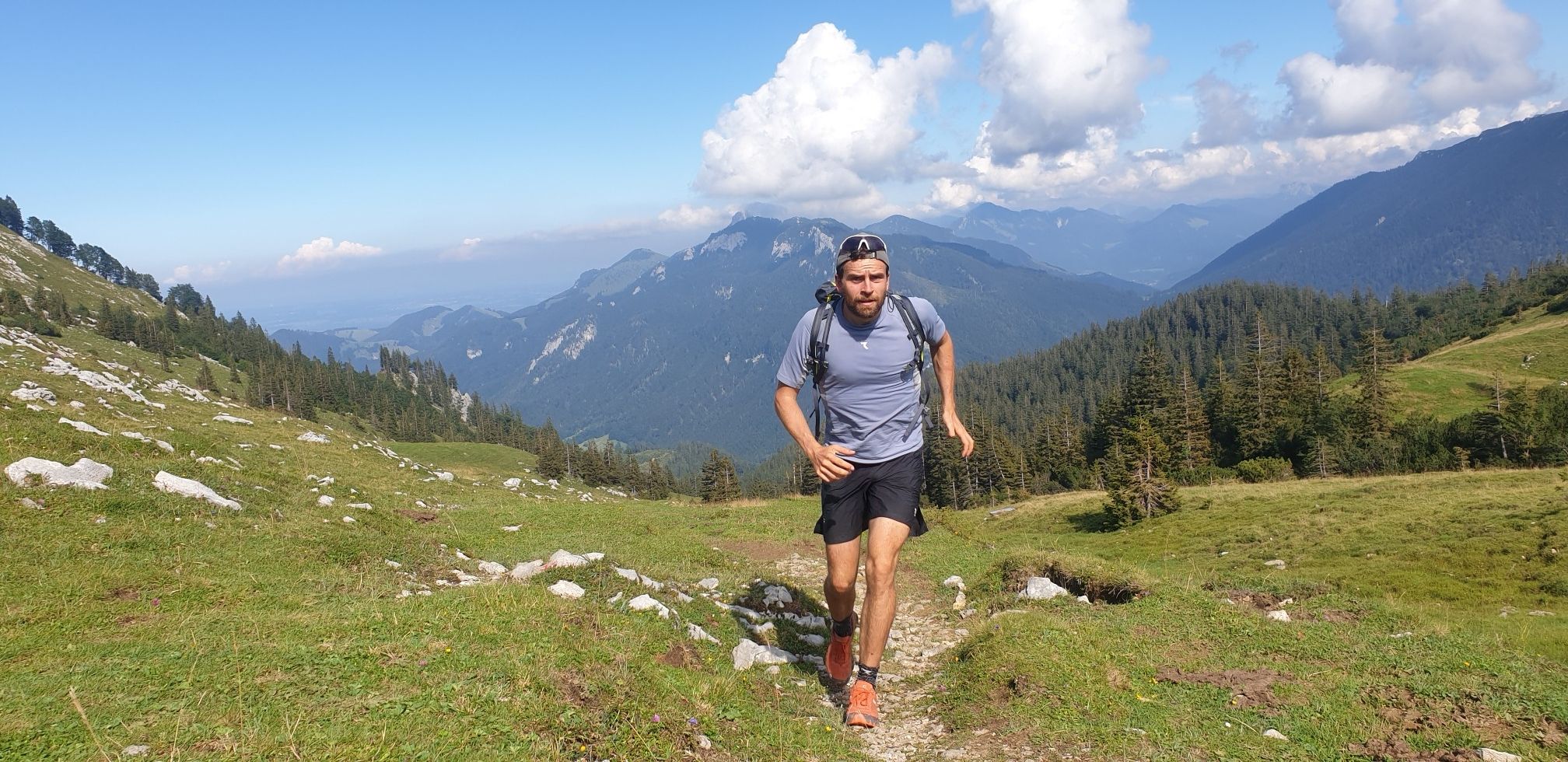
Triathlon around Germany
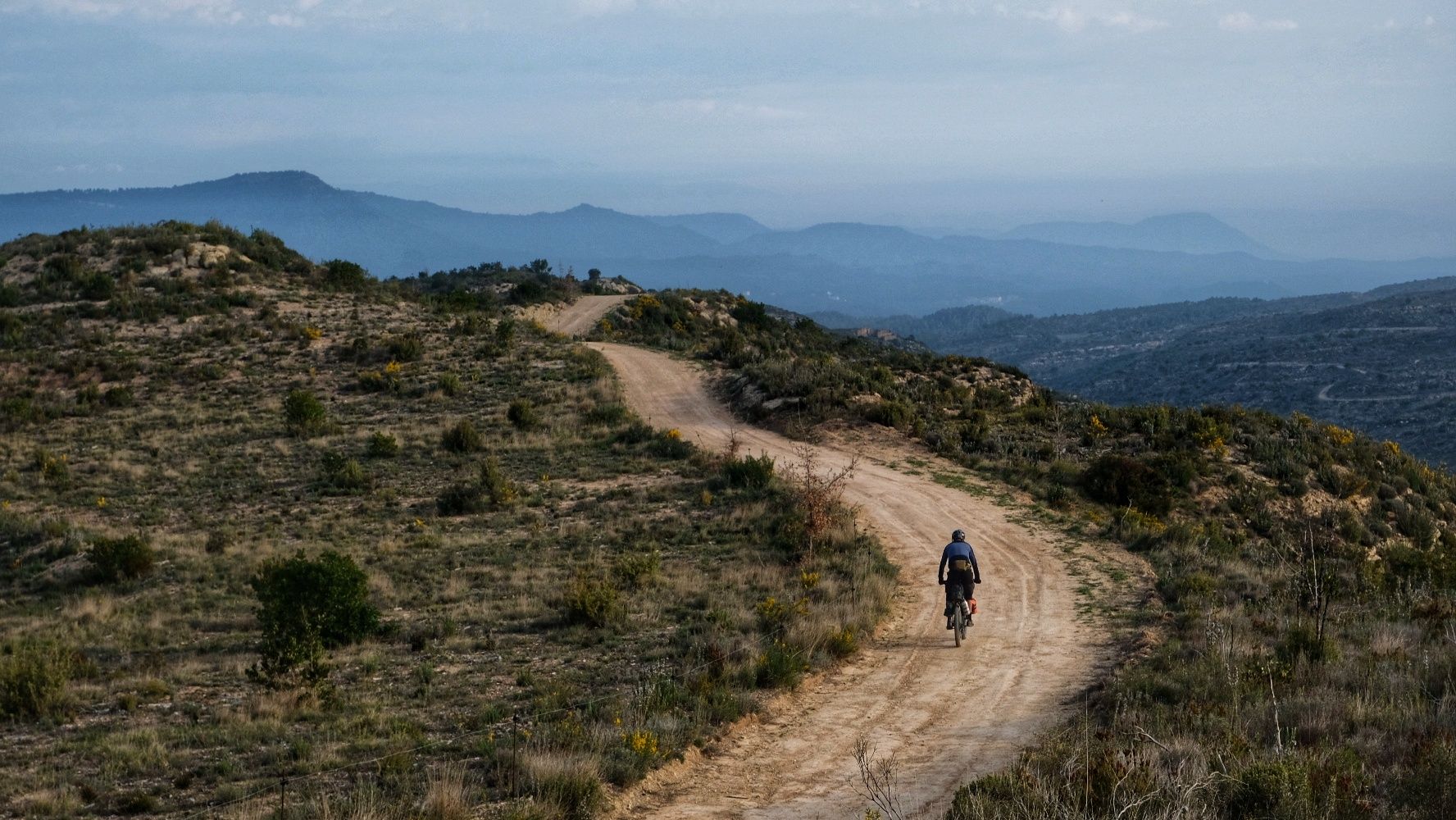
European Divide Trail — 7,600 km across the continent
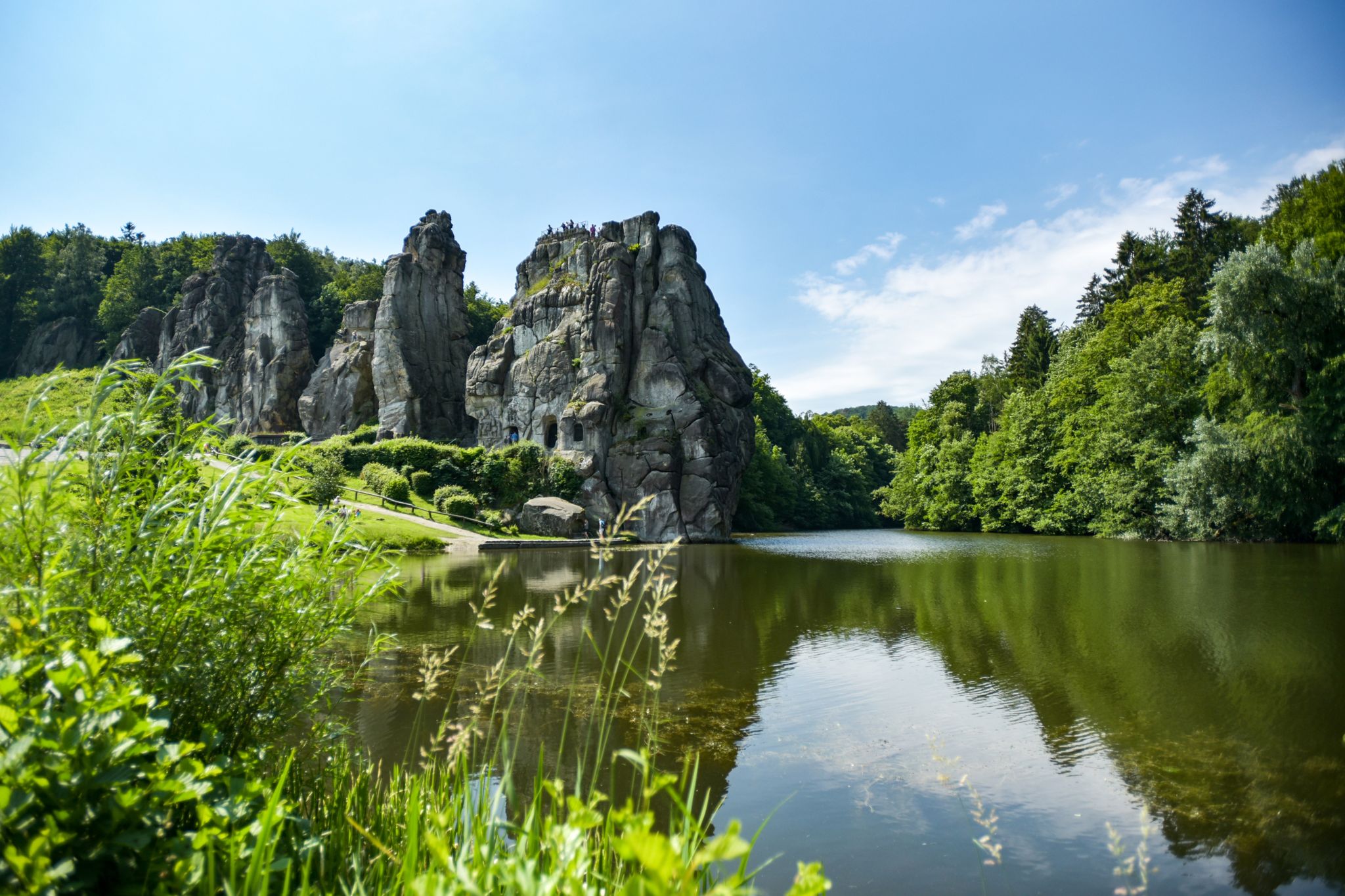
Hiking Germany's Hermannsweg – In the footsteps of the Cheruscan
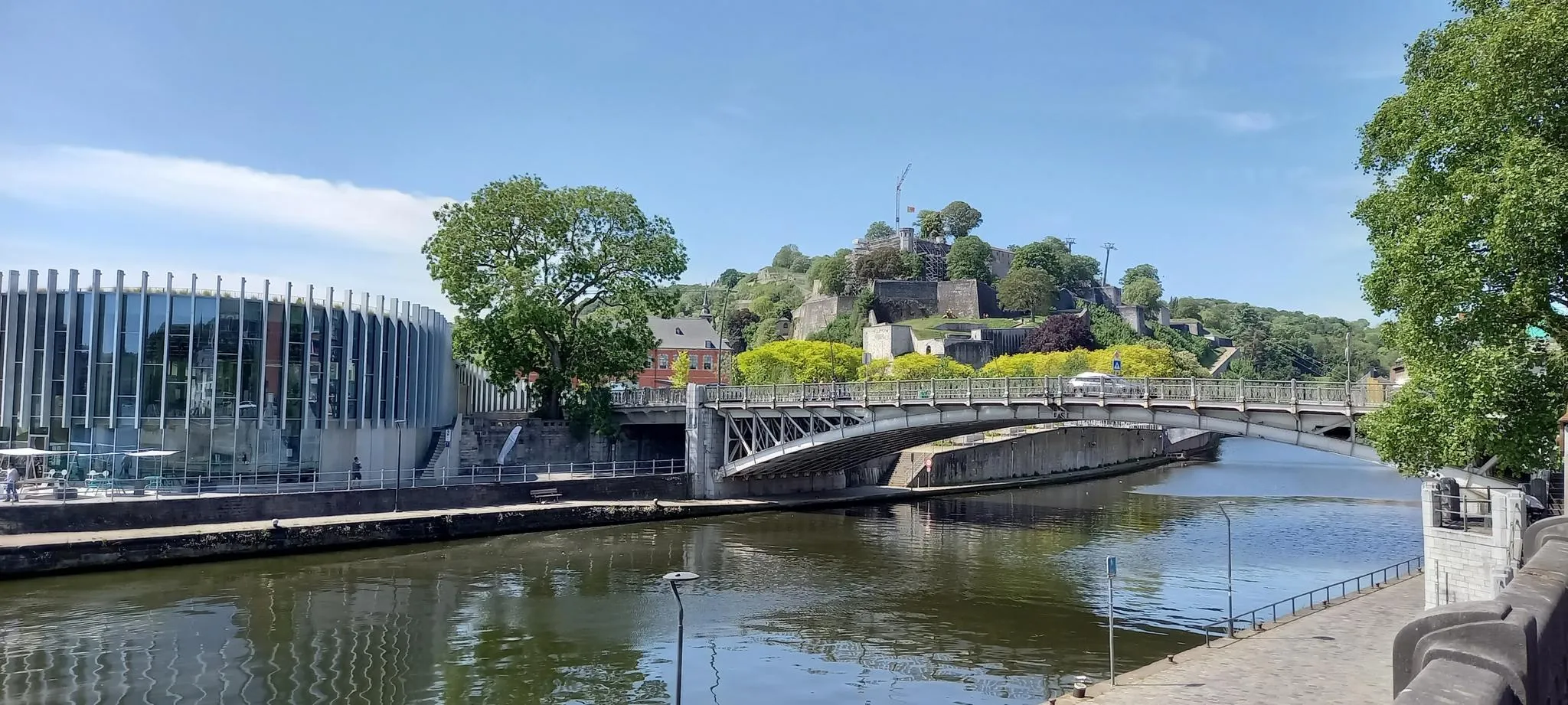
EuroVelo 3 — The adventure in the heart of Belgium
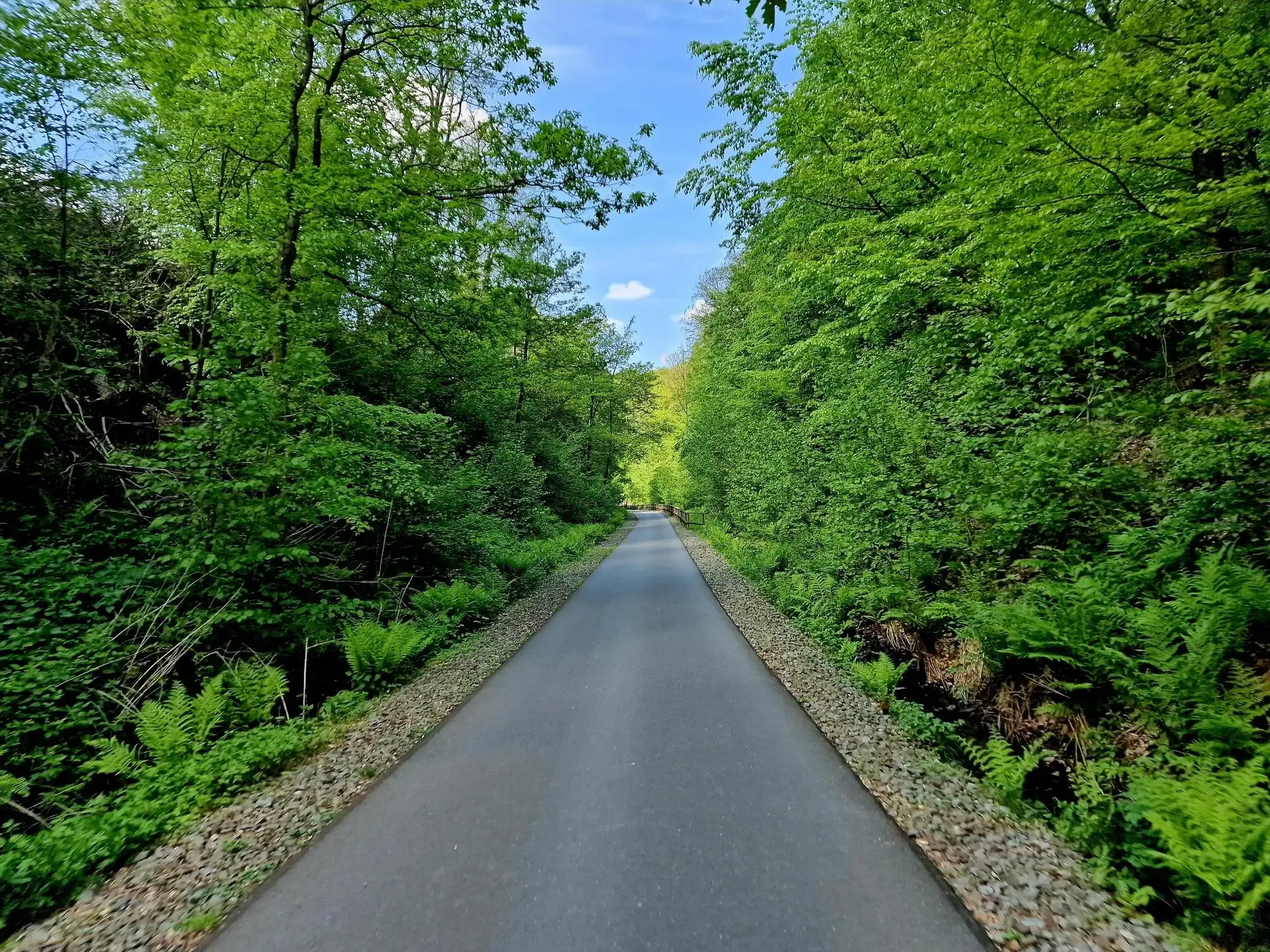
WHEW 100 – An Ultramarathon in three days in the middle of NRW
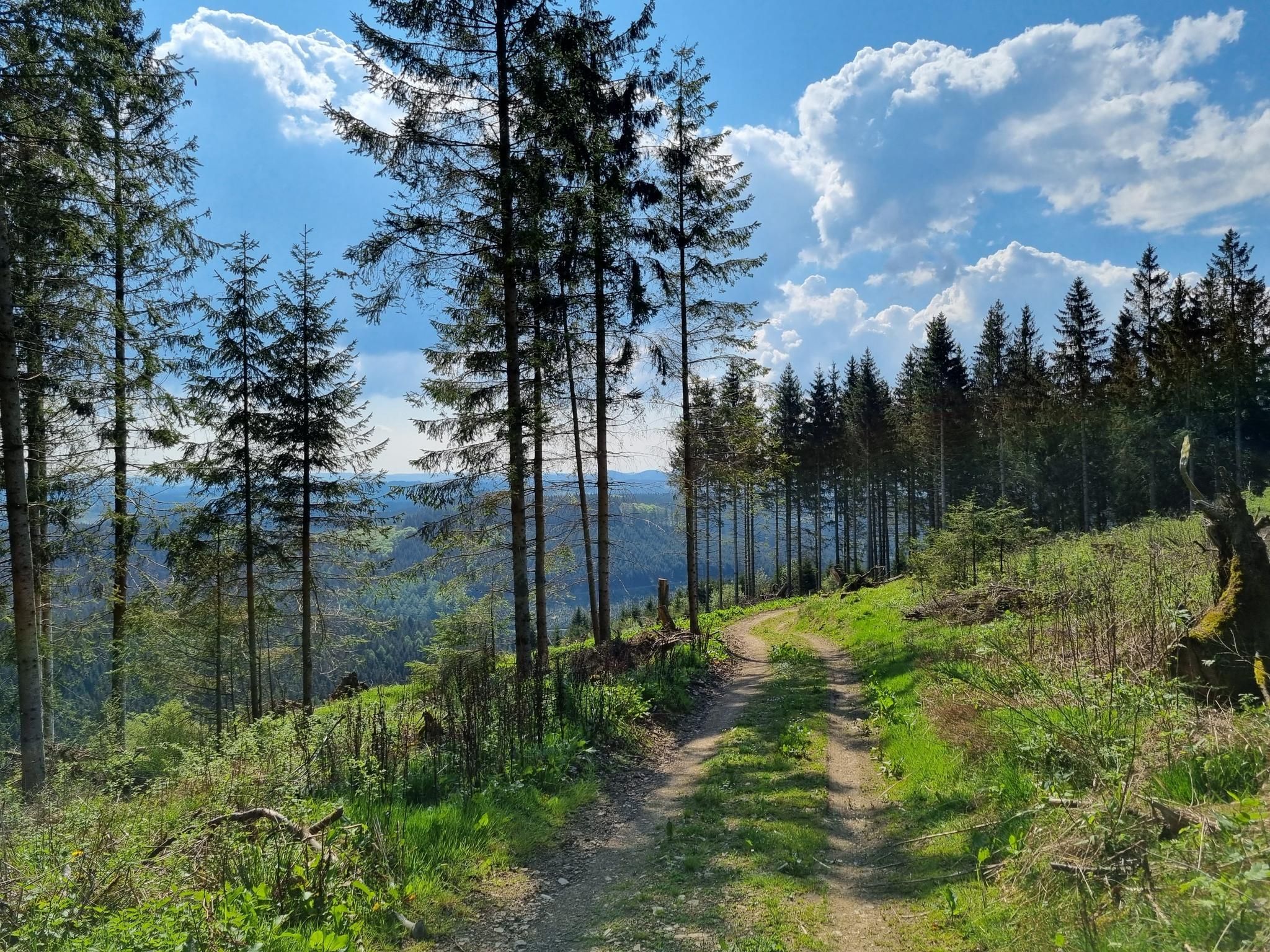
Ehmsenweg – Hiking through Western Sauerland
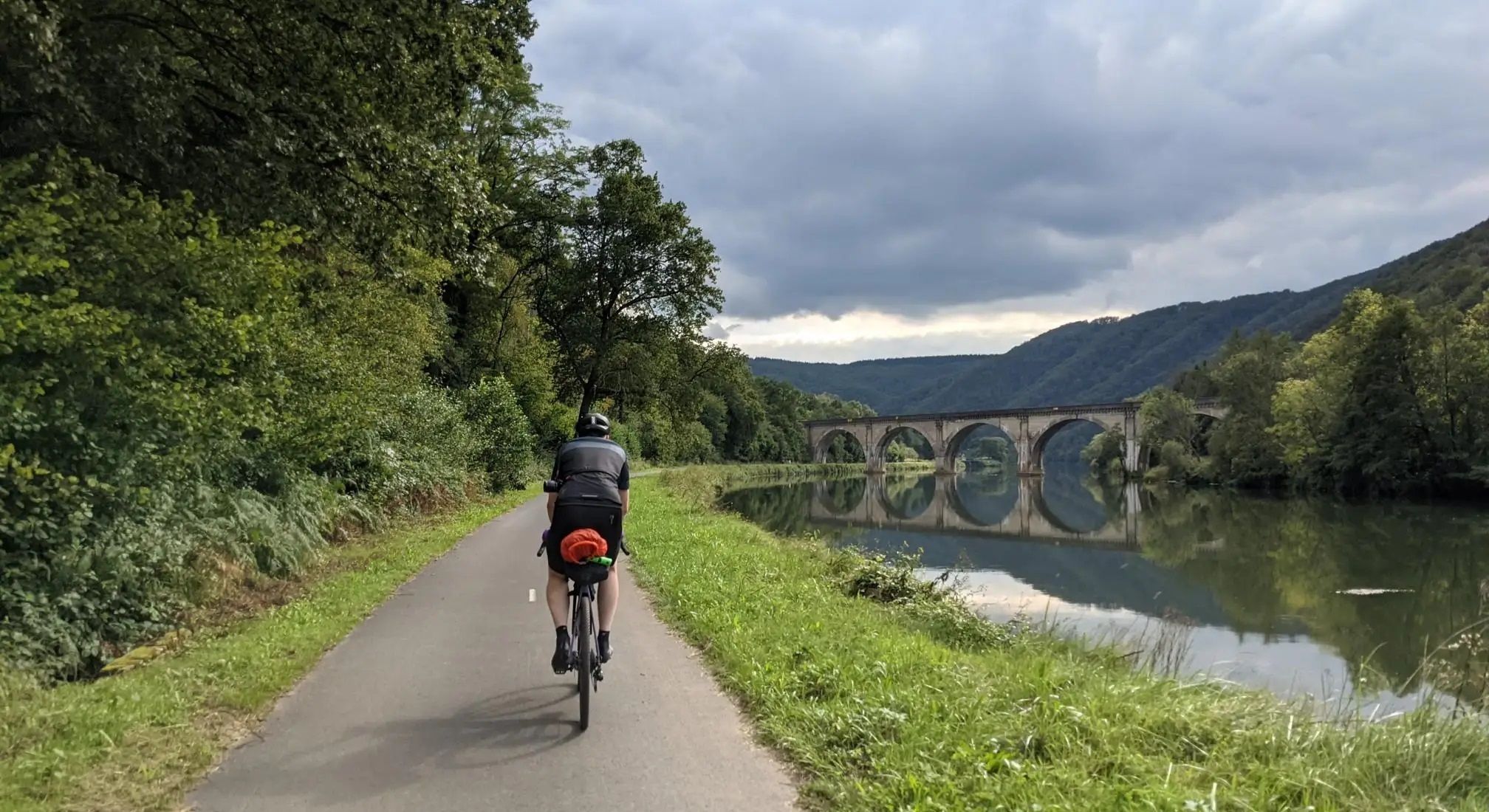
Aachen to Reims – Ardennes, Meuse and Champagne
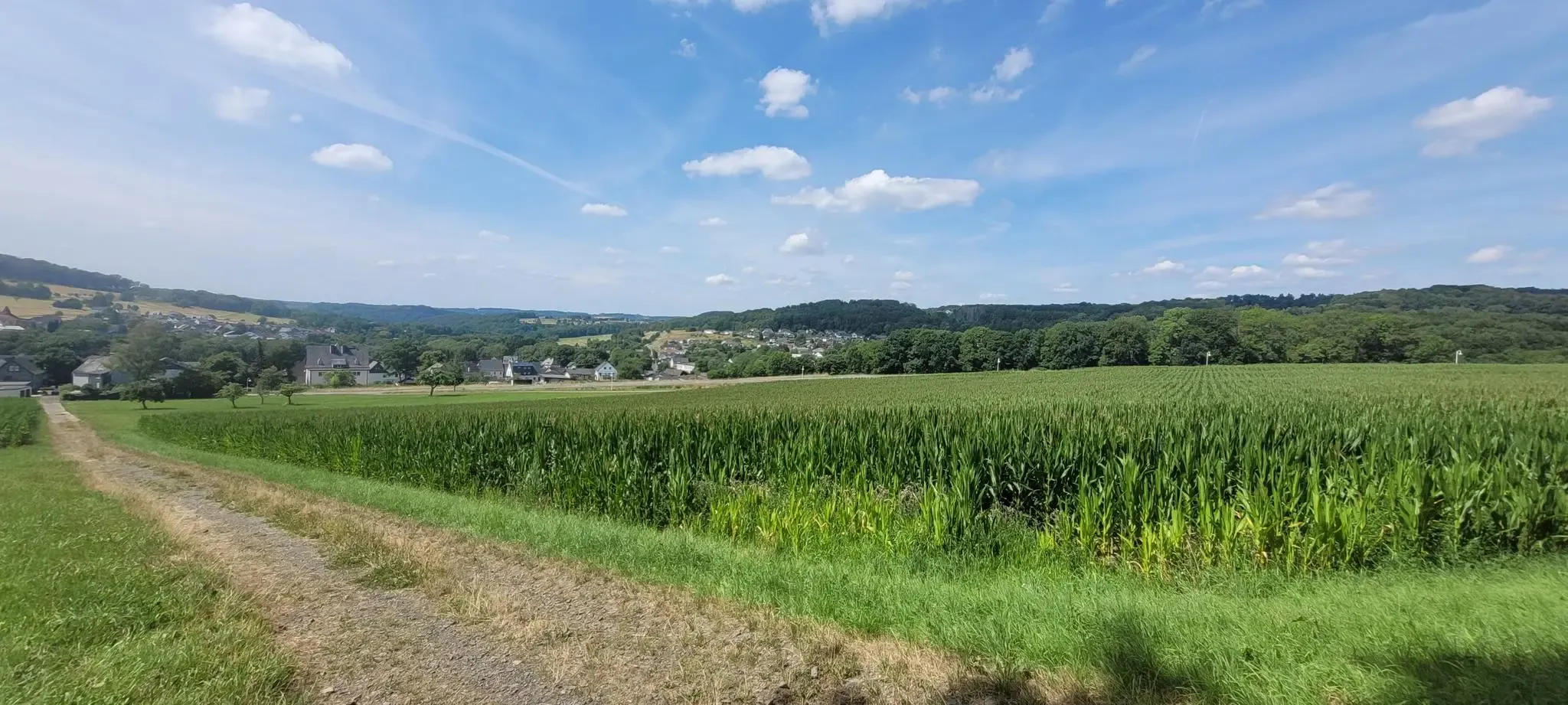
Hiking on the Cologne Trail – Discover nature close to the city
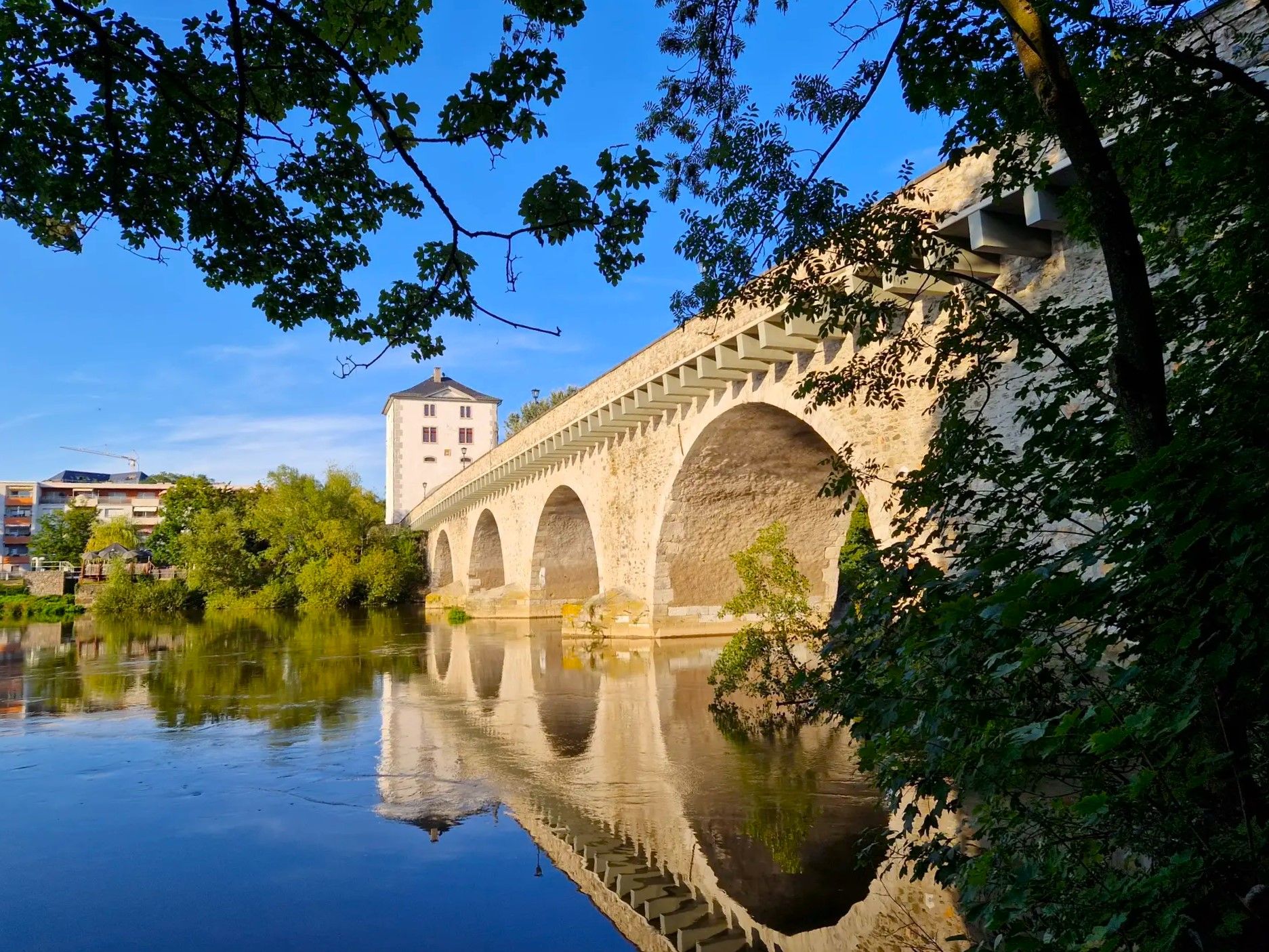
Lahnwanderweg Trail – The Lahn from its source to the estuary
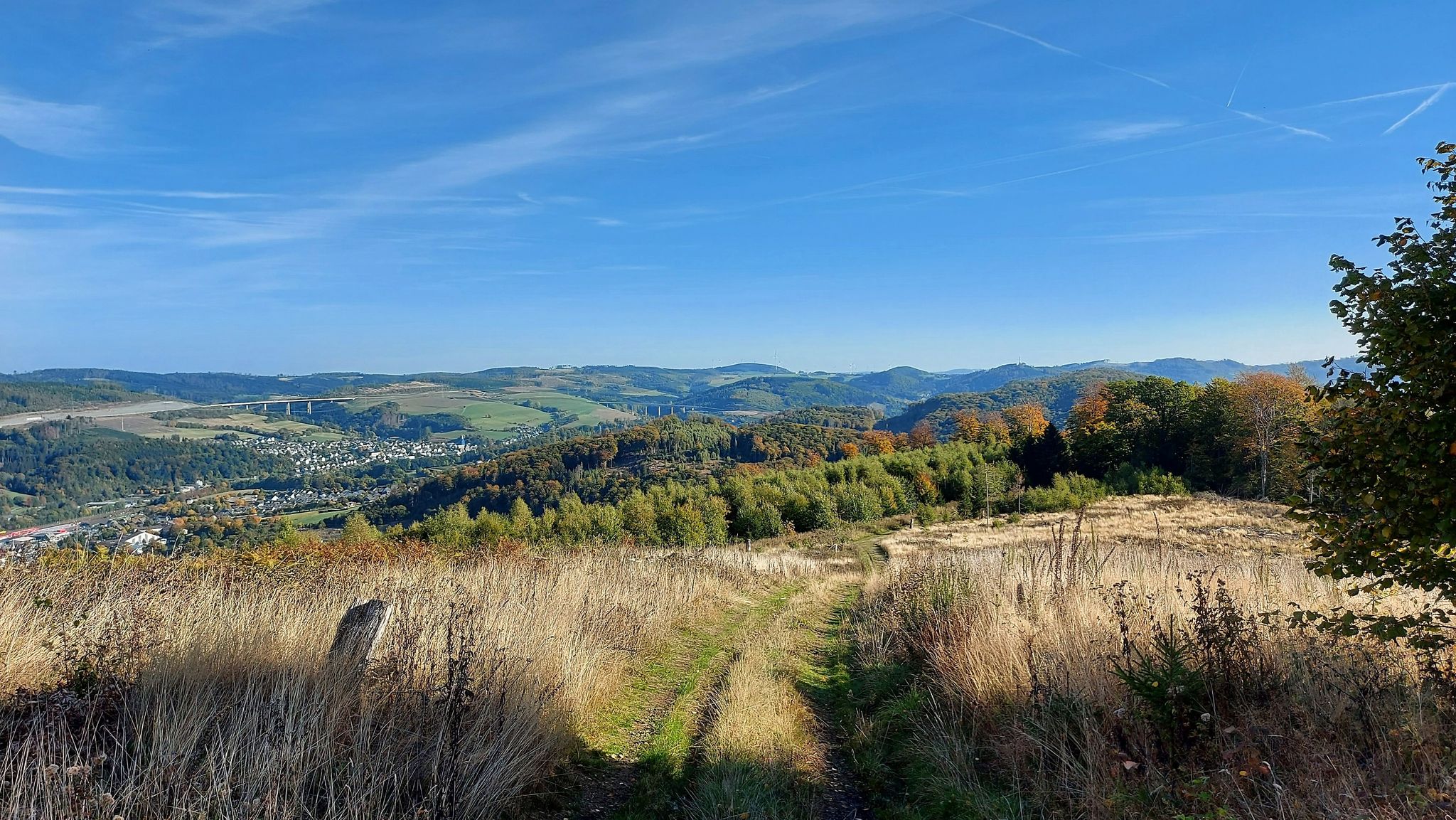
Bestwig Panorama Trail – 4 days of Sauerland views
Other adventures in North Rhine-Westphalia


Tips from the Community

The Externsteine are a unique sandstone formation. It is worth taking a break at this special natural spectacle. The rocks can also be climbed. Information about prices and opening hours can be found here: https://www.externsteine-info.de/tickets-und-anreise/tickets/
8
0

A little below the Plateau you will pass this vantage point of Drachenburg Castle on the way. The view of the (almost kitschy) castle with the Rhine and the Bonn skyline in the background is great. Photos from the small platform almost automatically have postcard quality.
18
1

Taking a picture without people is difficult
12
0

The impressive 40-meter-high rock formation is one of the most remarkable natural and cultural monuments in Central Europe. From here you have a particularly beautiful view of the rocks and, with the right light, it makes a wonderful postcard motif.
19
2

Just beautiful
11
0

With its important past as a Roman base around the birth of Christ, Haltern am See has had town rights since 1289 and is a historical, up-and-coming medium-sized town, located at the northernmost point of the Lippe, embedded in the Hohe Mark, Haard and Borkenberge forest areas. The current urban area of Haltern am See was created as part of the municipal territorial reform in North Rhine-Westphalia in 1975. At that time, the town and the Haltern district, consisting of the communities Kirchspiel-Haltern (Holtwick, Lavesum and Sythen), Hullern and Lippramsdorf, were merged and expanded south of the Lippe to include the communities of Flaesheim (formerly part of the Datteln district) and Hamm-Bossendorf (parts of the Hamm community formerly part of the Marl district). The allocation of districts south of the Lippe to Haltern meant crossing a centuries-old border. A border that was the reason and prerequisite for the granting of town rights to Haltern by the sovereign and Prince-Bishop of Münster, Everhard von Diest, in the 13th century. Since 1908, Haltern am See has had a pumping station to pump drinking water for the northern Ruhr area. Water extraction has been steadily expanded; it helped the city to earn its decorative name "Haltern am See" and reached its provisional end point with the completion of the Hullerner Lake in 1985. A side effect of the area-intensive water management is the increased recreational value of the Haltern landscape, which, free of industry, has become even more attractive to visitors and locals thanks to the creation of the lakes. Today, the Haltern lakes with their boathouses, sailing harbor and seaside resort are the destination of many people seeking relaxation. But Haltern am See has more to offer visitors than just the lake. The attractive and varied landscape is often referred to as the lungs of the Ruhr area. The city is the heart of the Hohe Mark Nature Park. The extensive forests of the Haard and the Hohe Mark, as well as the Westruper Heide, Holtwicker Heide and Sebbelheide nature reserves, are accessible via a dense network of hiking, cycling, horse riding and walking trails. The pedestrian zones of the old town and the modern town centers of Sythen, Flaesheim, Lippramsdorf, Hullern and Lavesum are popular shopping and meeting places for residents and visitors alike.
13
2

A beautiful view with a view of the castle
18
1

Drachenburg Castle is a castle on the Drachenfels in Koenigswinter. It was built in record time from 1882 to 1884 in the style of historicism (especially neo-early gothic on the exterior and neo-renaissance in the interior) as a representative residence for Stephan von Sarter, who, however, never lived in the castle. After his death, the castle was subjected to several changes in use.
24
1
Frequently Asked Questions
What are some notable natural monuments to visit in North Rhine-Westphalia?
North Rhine-Westphalia offers a diverse range of natural monuments. Among the most iconic are the Externsteine, impressive sandstone rock formations in the Teutoburg Forest. Other significant sites include the Stenzelberg Rock Formations with their rugged landscape, the unique volcanic Bruchhauser Steine, and the breathtaking Atta Cave, one of Germany's most beautiful dripstone caves.
Are there natural monuments in North Rhine-Westphalia suitable for families with children?
Yes, many natural monuments in North Rhine-Westphalia are family-friendly. The Externsteine offer climbing opportunities and myths that captivate children. The Lake Baldeney and Halterner Reservoir areas provide easy paths for walks and cycling. The Eifel National Park also offers guided tours suitable for families to explore its wild nature.
What kind of geological formations can I expect to see among the natural monuments?
North Rhine-Westphalia is rich in geological diversity. You can explore dramatic sandstone formations like the Externsteine, volcanic rock structures such as the Bruchhauser Steine, and the intricate dripstone formations within the Atta Cave and Kluterthöhle Cave. The Stenzelberg Rock Formations also showcase unique geological history from ancient quarrying.
Are there opportunities for hiking near the natural monuments in North Rhine-Westphalia?
Absolutely. Many natural monuments are integrated into extensive trail networks. For example, a circular route of about 10 kilometers leads around the Sengbach Reservoir. The running trails in North Rhine-Westphalia guide offers various routes, some of which pass by natural attractions. The Eifel National Park is also ideal for discovering its landscape on foot.
Can I observe wildlife at any of North Rhine-Westphalia's natural monuments?
Yes, several natural monuments are important wildlife habitats. The Zwillbrocker Venn nature and bird sanctuary is famous for hosting Europe's northernmost breeding colony of free-living flamingos. The Eifel National Park is a haven for rare plants and animals, including the wildcat, as its beech forests gradually transform into a primeval forest.
What historical or cultural significance do some of these natural monuments hold?
Many natural monuments in NRW are intertwined with history and culture. The Externsteine are steeped in myths and legends, considered important cultural monuments. The Bruchhauser Steine feature remnants of Iron Age ramparts. The Neandertal is globally renowned for traces of Neanderthal man, offering a unique journey into prehistoric times.
Are there cycling routes that pass by natural monuments in the region?
Yes, cycling is a popular way to explore the natural beauty of North Rhine-Westphalia. The 450-kilometer-long Flamingo Route cycling path leads directly past the habitat of the free-living flamingos in the Zwillbrocker Venn. Additionally, the cycling in North Rhine-Westphalia guide features routes like the 'Family bike tour around Lake Baldeney' that offer scenic rides near natural attractions.
What is the best time of year to visit the natural monuments in North Rhine-Westphalia?
The best time to visit depends on the specific monument and your interests. Spring and autumn offer pleasant temperatures for hiking and exploring rock formations like the Externsteine or Stenzelberg Rock Formations. For observing the flamingos at Zwillbrocker Venn, March to July (and sometimes September) is ideal. Caves like Atta Cave can be visited year-round.
Are there any natural monuments that offer impressive viewpoints?
Many natural monuments in North Rhine-Westphalia provide stunning vistas. The Externsteine offer wide panoramic views from their peaks. The Kahler Asten summit and the View of Drachenburg Castle also provide excellent vantage points over the surrounding landscapes and the Rhine Valley.
What kind of water bodies are considered natural monuments or are found near them?
North Rhine-Westphalia features diverse water bodies. The Sengbach Reservoir, a drinking water dam, is surrounded by a scenic circular route. Lake Baldeney and Halterner Reservoir are popular for recreation. The Ruhr weir and towpath in Hattingen highlight the historical significance of the Ruhr river.
Are there any underground natural monuments to explore?
Yes, North Rhine-Westphalia is home to impressive cave systems. The Atta Cave in Attendorn is one of Germany's most beautiful dripstone caves, featuring a vast labyrinth of stalactites and stalagmites. The Kluterthöhle Cave in Ennepetal also offers an impressive natural spectacle with underground lakes and fossilized creatures.
What do visitors particularly enjoy about the natural monuments in North Rhine-Westphalia?
Visitors frequently praise the diverse experiences offered by the natural monuments. They appreciate the opportunity to climb the Externsteine for panoramic views, the picturesque rocky landscape and exciting views at Stenzelberg Rock Formations, and the peaceful circular routes around reservoirs like Sengbach Reservoir. The blend of natural beauty, geological wonders, and historical context makes these sites highly engaging.
Most popular routes in North Rhine-Westphalia
Most popular attractions in North Rhine-Westphalia

Get inspired with the komoot mobile app


Didn’t find what you were looking for?
Find even more amazing natural monuments in North Rhine-Westphalia by checking out the top Highlights region by region:
Explore more
Extend your search for the best caves by checking out these guides of the top ones in North Rhine-Westphalia:
