Top 20 Gorges in North Rhine-Westphalia
Best canyons in North Rhine-Westphalia, locally known as "Schluchten" or "Klammen," present diverse geological formations and unique natural experiences. The region features impressive rock formations, lush vegetation, and varied hiking trails, offering opportunities for exploring the natural landscape. These areas, including former industrial sites reclaimed by nature, provide significant recreational value. North Rhine-Westphalia geological formations gorges are notable for their unique ecosystems.
Best canyons in North Rhine-Westphalia
- The most popular canyons is Helletal Bridge, a bridge that is part of a super beautiful gorge. The circular hiking trail is a little more than 4 km in total, with a difference in altitude of around 500 meters due to various counter ascents and descents.
- Another must-see spot is Stenzelberg Rock Formations, a natural monument. This 287-meter-high mountain in the Siebengebirge is geologically a spring dome of volcanic rock, where erosion exposed harder latite.
- Visitors also love Deep Cutting on the Nordbahntrasse, a cycle way. This impressive cut into the mountain showcases the significant effort involved in constructing the railway line in 1884.
- North Rhine-Westphalia is known for natural gorges, former quarries, and man-made cuts that resemble canyons. Visitors can explore a variety of landscapes, from volcanic rock formations to areas reclaimed by nature.
- The canyons in North Rhine-Westphalia are appreciated by the komoot community. Over 3500 upvotes and more than 3100 photos highlight the appeal of these natural and geological features.
Last updated: October 9, 2026
Stenzelberg Rock Formations
Highlight • Natural Monument
Geologically, the Stenzelberg is a spring dome from the volcanic rock Latit, whereby the rising magma did not reach the earth's surface, but got stuck in the surrounding tuff cover rock. Erosion later eroded the softer tuff and exposed the harder latite.
The Stenzelberg has been used as a quarry for quartz latite since the 11th century. The stone was used, among other things, for the Propsteikirche in Oberpleis, the Nikolauskapelle in Heisterbacherrott and the Bonn Minster, and later also for the churches in Niederdollendorf, Oberdollendorf and Asbach.
Quarrying ended in 1931.[3] After the closure of the quarries, a characteristic landscape developed on the Stenzelberg, which offers the special flora and fauna of a dry biotope.
(Info taken from de.wikipedia.org/wiki/Stenzelberg)
Translated by Google •
Tip by

Deep Cutting on the Nordbahntrasse
Highlight • Cycleway
That had to happen when the track was built - Anno 1884.
Translated by Google •
Tip by

Sign up now to discover places like this
Get recommendations on the best single tracks, peaks, & plenty of other exciting outdoor places.
Gorge and Bridge Trail on the Helle
Highlight • Gorge
Translated by Google •
Tip by

Recreation area Grube 7
Highlight • Natural Monument
Translated by Google •
Tip by

RadBahn Münsterland
Highlight (Segment) • Cycleway
Translated by Google •
Tip by

Helletal Bridge
Highlight • Bridge
Translated by Google •
Tip by

The Neander Valley
Highlight (Segment) • Gorge
At first they encountered bitter resistance with this assumption: The theory of evolution was not generally accepted for a long time, and Charles Darwin's groundbreaking book “The Origin of Species” was not due to appear until three years after the discovery. The leading German pathologist at the time, Rudolf Virchow, considered the bones to be the remains of a modern human being deformed by an illness. The thought that other kinds of people should have lived on earth besides us was simply unheard of.
To this day the idea is strange that a few thousand years ago, here by the river between the trees, you could have met a Neanderthal man. You can catch up on this meeting in the Neanderthal Museum, the destination of the hike. There are replicas of Neanderthals that are so realistic that you want to speak to them. You can't get any closer to them than this.
Translated by Google •
Tip by

Waterfalls and Creekside Bench on the Bridges and Gorges Trail
Highlight • Waterfall
Translated by Google •
Tip by

Viewpoint Canyon Blick
Highlight • Canyon
Translated by Google •
Tip by

Gorge and Bridge Trail in the Helletal
Highlight • Trail
Translated by Google •
Tip by

Sign up for free to discover even more gorges in North Rhine-Westphalia.
Already have an account?
Start today with a free account
Your next adventure awaits.
Popular around North Rhine-Westphalia
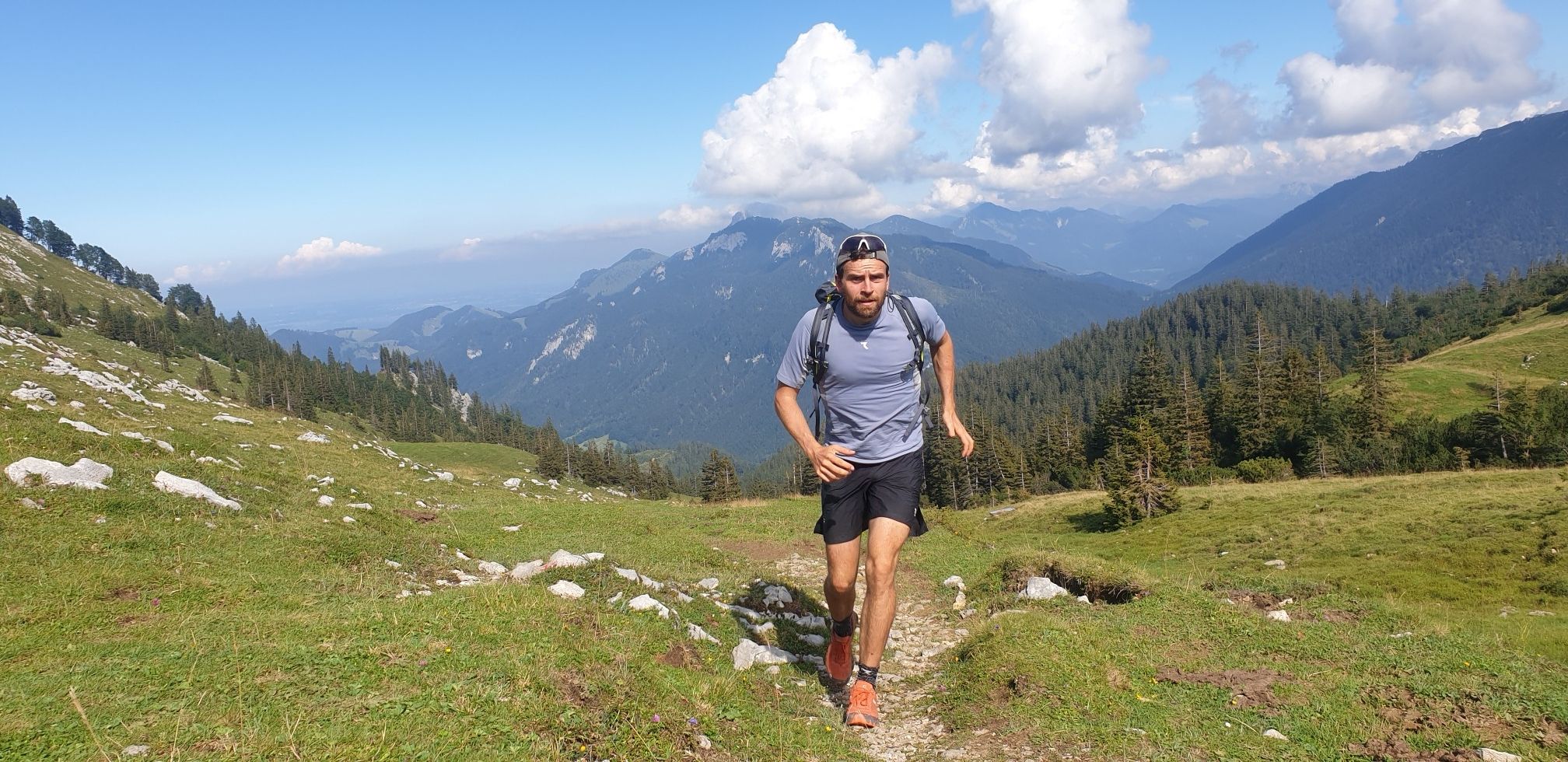
Triathlon around Germany
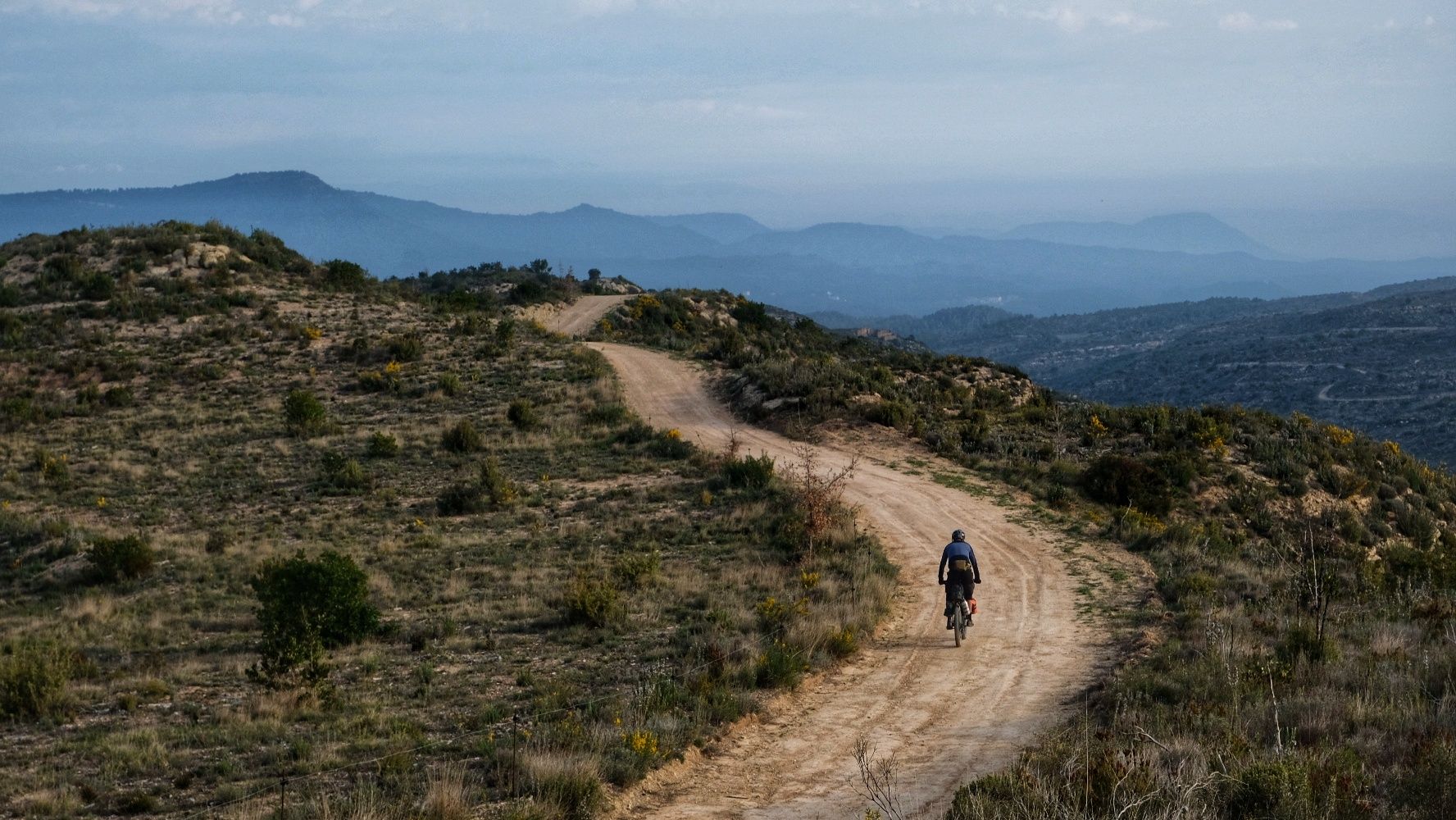
European Divide Trail — 7,600 km across the continent
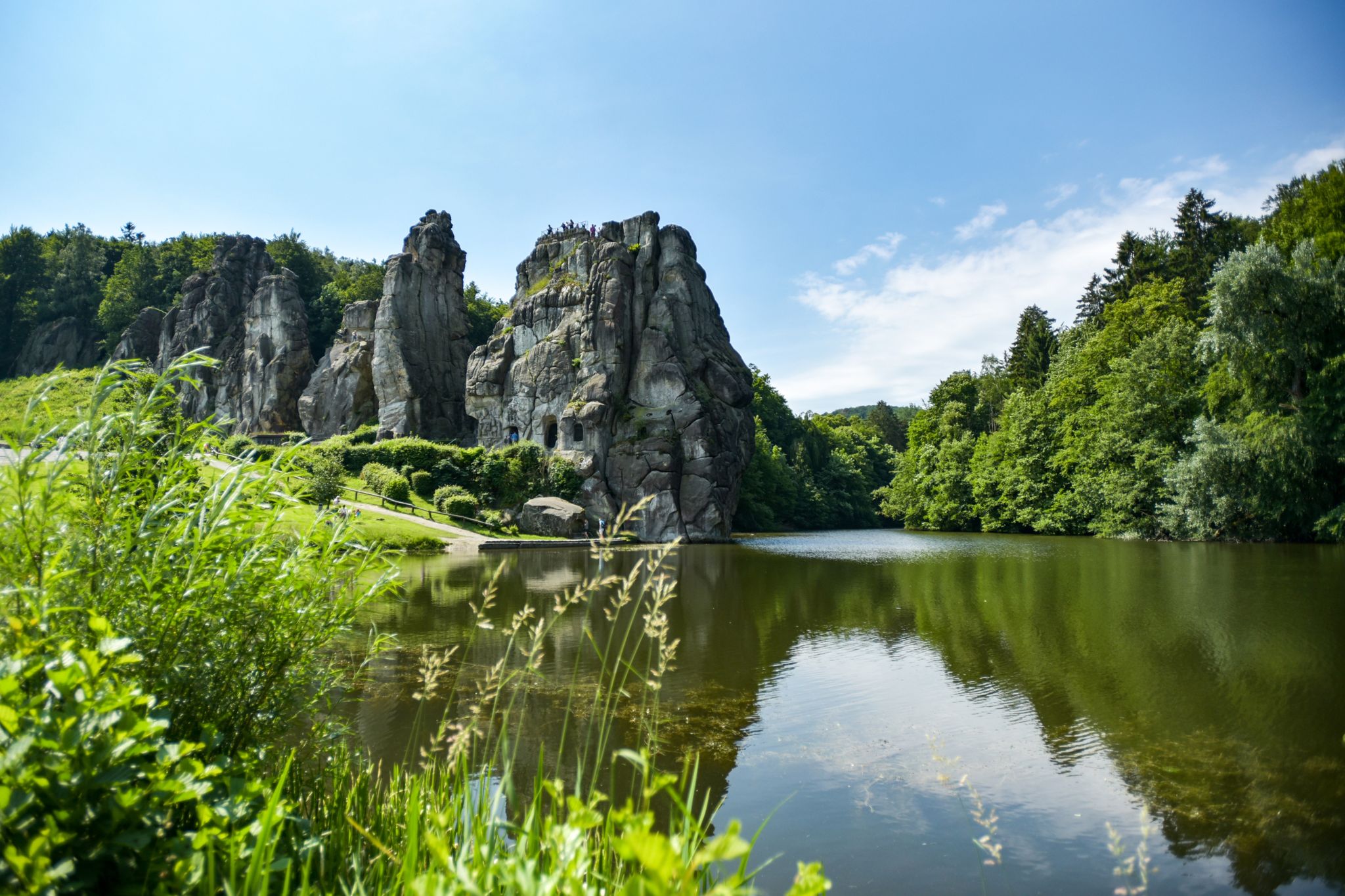
Hiking Germany's Hermannsweg – In the footsteps of the Cheruscan
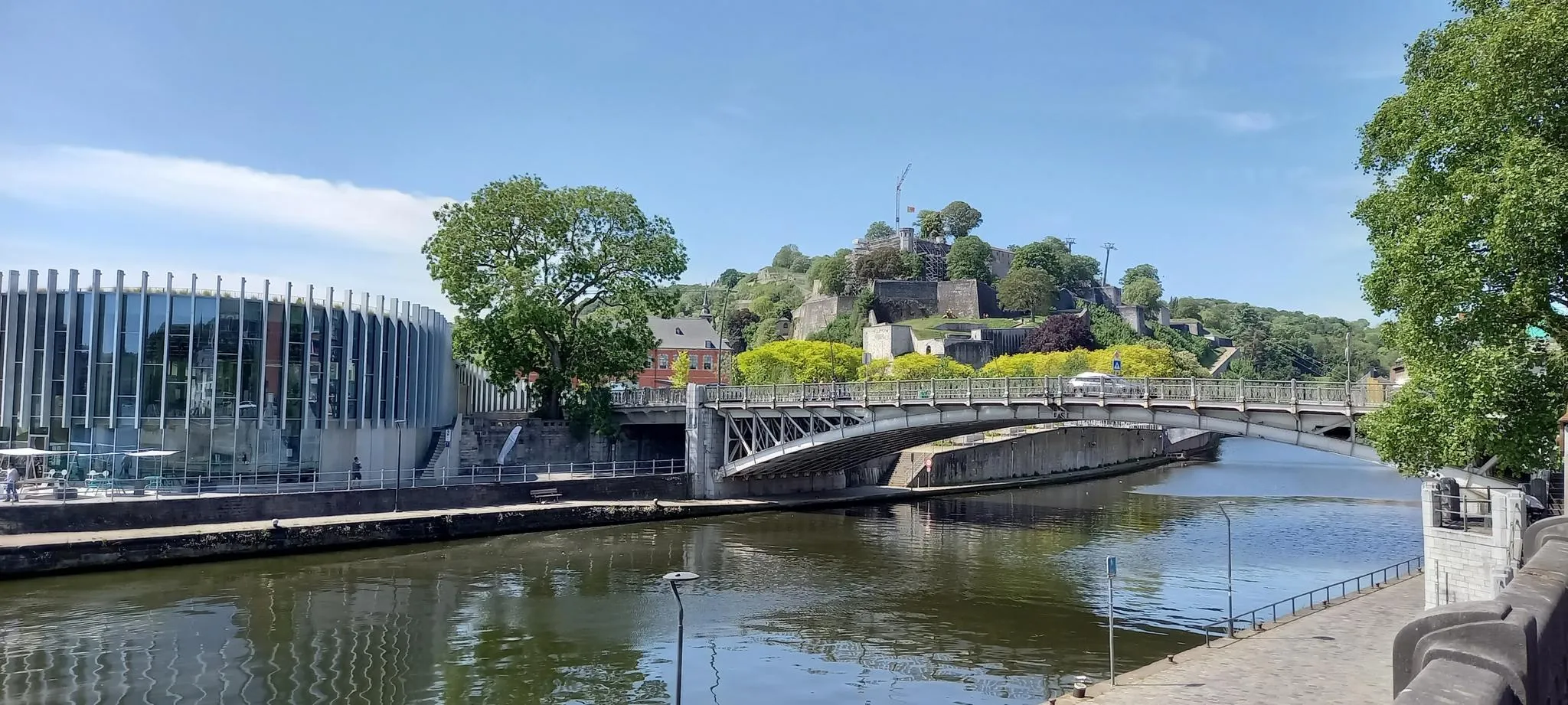
EuroVelo 3 — The adventure in the heart of Belgium
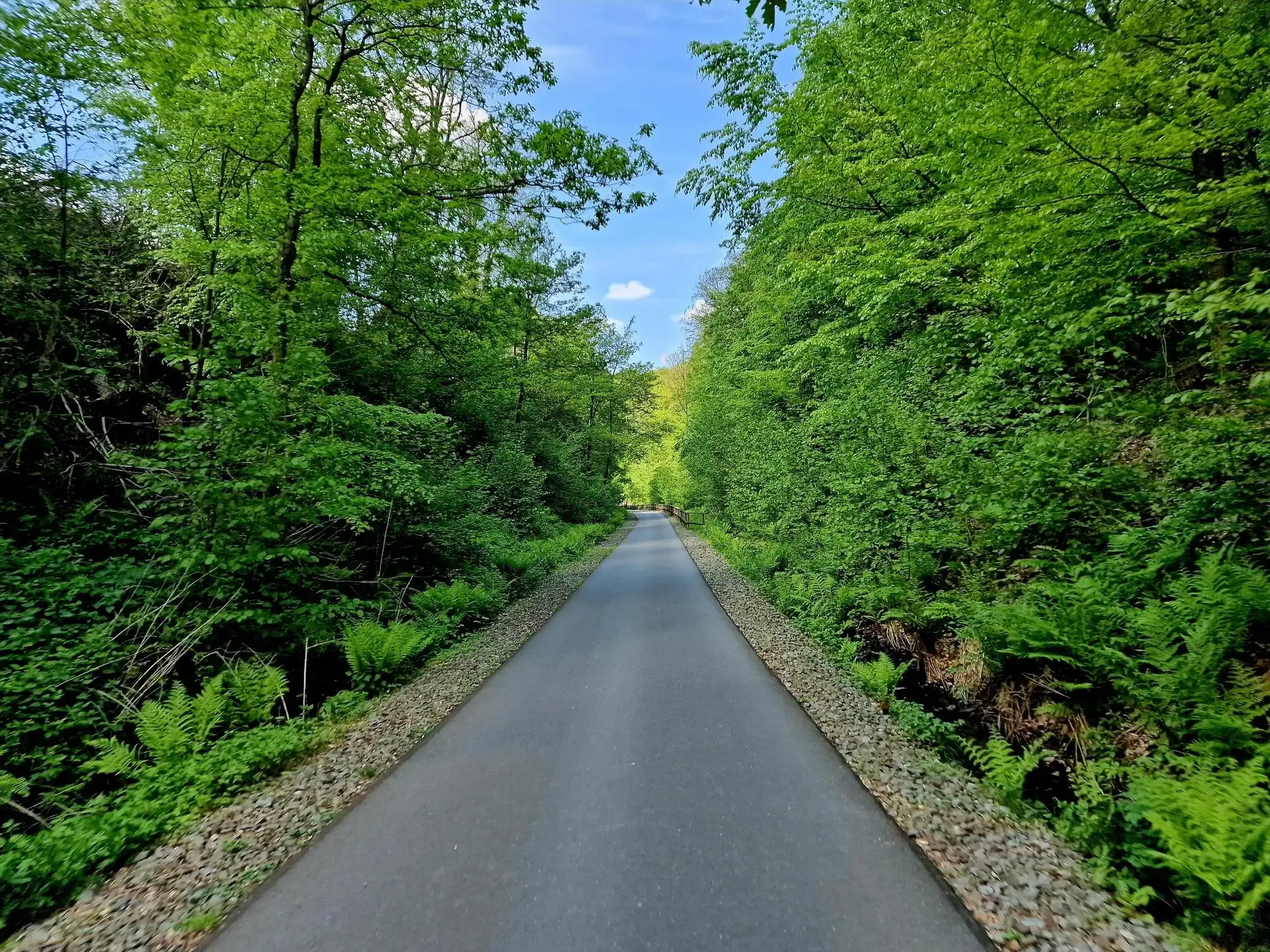
WHEW 100 – An Ultramarathon in three days in the middle of NRW
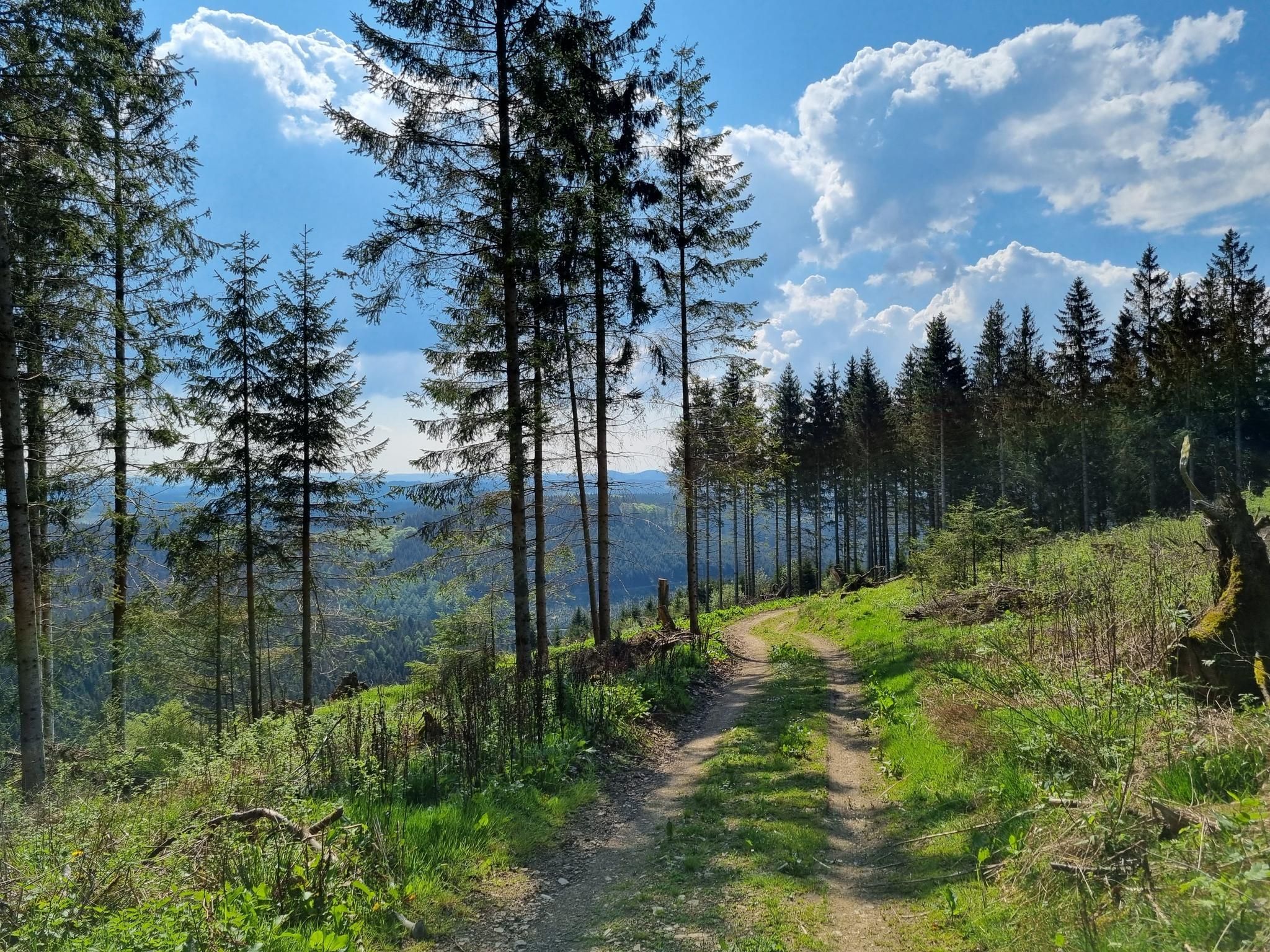
Ehmsenweg – Hiking through Western Sauerland
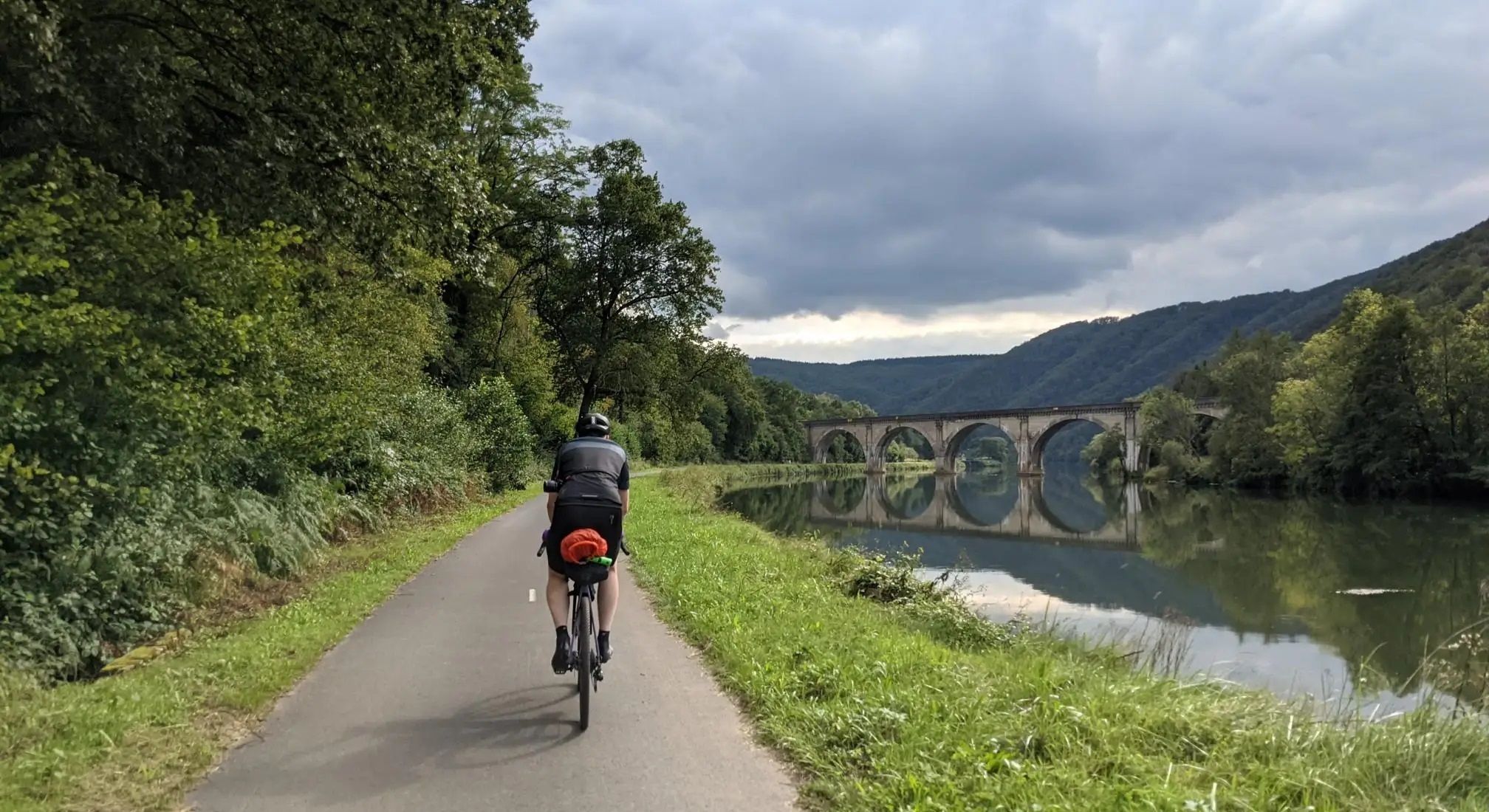
Aachen to Reims – Ardennes, Meuse and Champagne
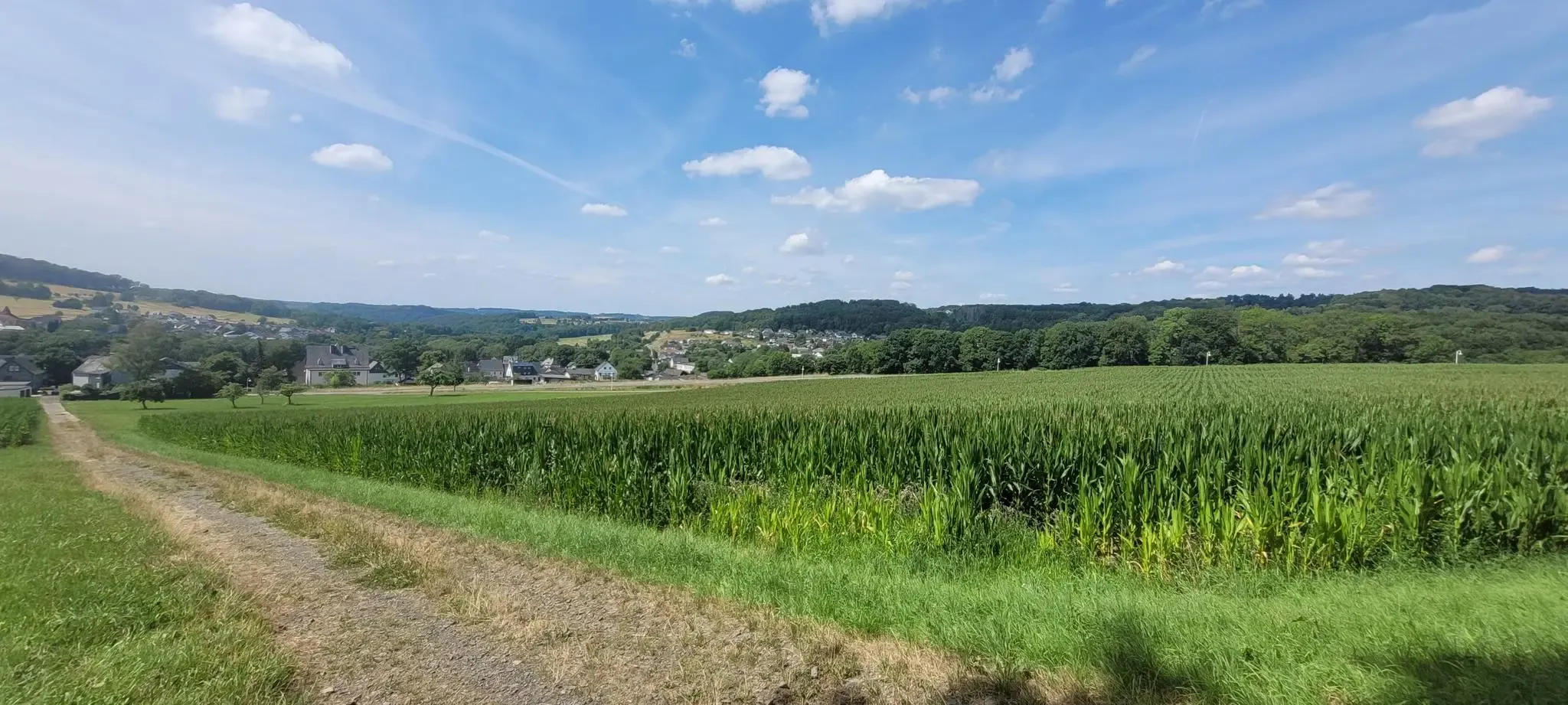
Hiking on the Cologne Trail – Discover nature close to the city
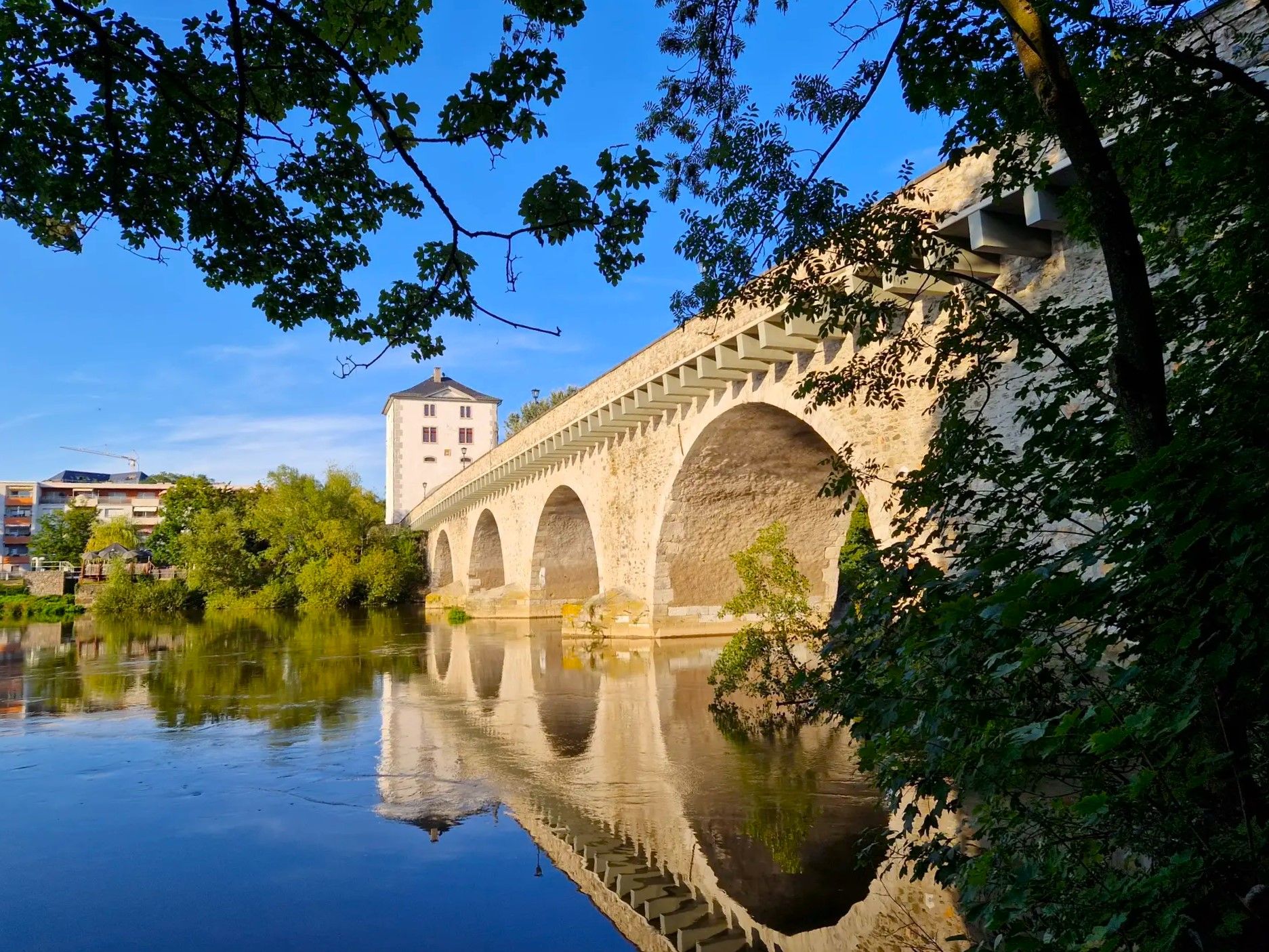
Lahnwanderweg Trail – The Lahn from its source to the estuary
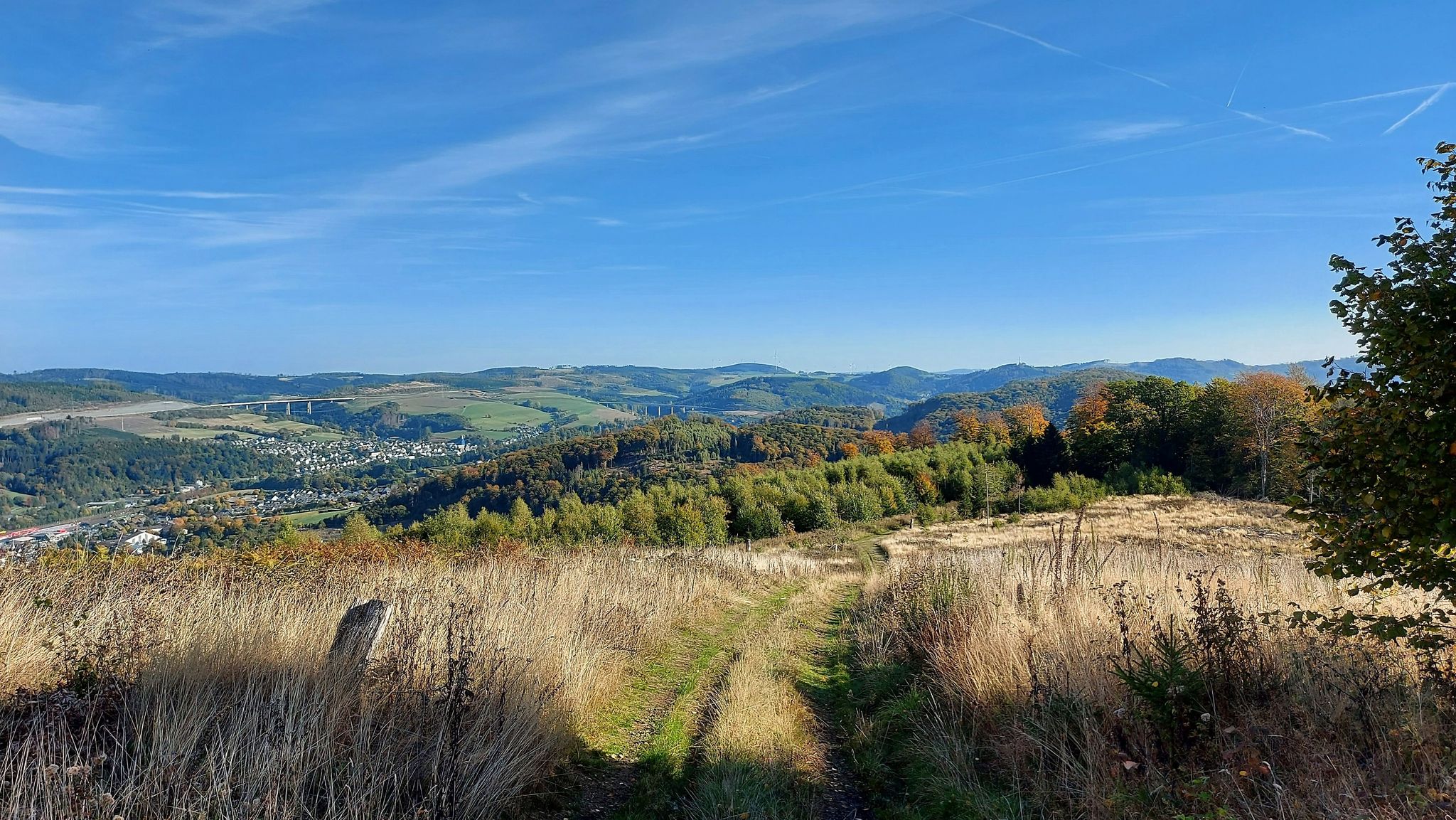
Bestwig Panorama Trail – 4 days of Sauerland views
Other adventures in North Rhine-Westphalia


Tips from the Community

The gorge and bridge path in Winterberg leads for around 4.2 kilometers through the low mountain gorge of the "Helle". The circular path begins in the heart of Winterberg, right next to the spa park, and it is hard to believe that such a special natural jewel can be found so close to the city. The hike is entertaining, but leads downhill quite steeply in places, so sturdy shoes are advisable. In addition, the leafy paths can be very slippery, especially in autumn.
5
1
The gorge and bridge path begins and ends in the Winterberg spa park at an altitude of around 670m. The lowest point is Lake Constance at about 540m. The circular hiking trail is a little more than 4 km in total, with a difference in altitude of around 500 meters due to various counter ascents and descents.
14
1

Beautiful low mountain range. The gorge and bridge path is highly recommended!
3
1

Very nice paths lead through the forest.
10
5

Great gorge and that in Winterberg. With breaks we were on the road for a good 4 hours.
7
0

"ZEIT WISSEN Podcast" and "Peter_H_65 🐻" wrote everything that is worth knowing.
9
3

Climbing on the Stenzelberg has been expressly forbidden since June 2005. Previously, the Rhein-Sieg district had tolerated climbing, although the Stenzelberg, like the entire Siebengebirge, had been designated as a nature reserve (NSG) since 1920. The climbing ban became necessary due to the new nature reserve ordinance in the course of the recognition of the Siebengebirge as FFH area 5309-301 (Fauna-Flora-Habitat) of the European Union. In particular, the occurrence of the wall lizard was concerned and egg-laying sites at the foothills of the fields were destroyed. Despite the ban, climbing continued illegally after 2005. The path to the rocks was therefore closed by the forestry department.
13
0

An absolute highlight of our hike. Just great to look at.
13
0
Frequently Asked Questions
What types of geological formations can I expect to see in North Rhine-Westphalia's canyons and gorges?
North Rhine-Westphalia features a diverse range of geological formations. You'll find impressive rock formations, lush vegetation, and unique ecosystems. Some areas, like the Stenzelberg Rock Formations, are volcanic spring domes where erosion has exposed harder latite rock. Others, such as the Lengerich Canyon, are former limestone quarries that have been reclaimed by nature, creating striking landscapes with steep cliffs and lakes. The region also has natural gorges and ravines, locally known as "Schluchten" or "Klammen," offering varied natural beauty.
Are there family-friendly canyons or gorges in North Rhine-Westphalia?
Yes, several areas are suitable for families. The Neander Valley offers a combination of natural beauty and historical significance with trails suitable for exploration. The RadBahn Münsterland, which includes gorge-like sections, is a well-developed cycle way with many opportunities for rest, making it enjoyable for families. The View of Lengerich Canyon is also considered family-friendly.
What kind of hiking experiences do the gorges in North Rhine-Westphalia offer?
The gorges and ravines in North Rhine-Westphalia provide varied hiking experiences. For instance, the Gorge and Bridge Trail on the Helle is a picturesque circular path known for its natural beauty, bridges, and can be steep and slippery in parts, requiring sturdy footwear. Other trails, like those in the Neander Valley, combine natural exploration with historical insights. Many trails wind through lush forests and along waterways, offering scenic views.
Can I find historical sites or learn about the region's past while visiting these areas?
Absolutely. The Neander Valley is famously known for the discovery of Neanderthal man, offering a unique blend of natural beauty and significant historical context. The Stenzelberg Rock Formations were historically used as a quarry since the 11th century, with stone used for various churches. Additionally, the Deep Cutting on the Nordbahntrasse is a man-made cut showcasing the engineering efforts involved in railway construction in 1884.
What outdoor activities are available near the canyons and gorges in North Rhine-Westphalia?
Beyond exploring the gorges themselves, North Rhine-Westphalia offers a wide range of outdoor activities. You can find numerous hiking opportunities, including moderate to difficult routes like the Struffelt Route or the Dörenther Cliffs – Teutoschleifen. For cyclists, there are routes such as the RadBahn Münsterland or longer tours like 'From the Ruhr to the Ruhr – experience the Bergisch'. You can explore more options on the Hiking in North Rhine-Westphalia or Cycling in North Rhine-Westphalia guide pages.
Are there any waterfalls or unique water features in the gorges?
Yes, some gorges feature beautiful water elements. For example, the Waterfalls and Creekside Bench on the Bridges and Gorges Trail highlights a spot with waterfalls and a serene creekside setting. The Lengerich Canyon, a former quarry, now features a lake at its base, adding a unique water feature to its landscape.
What is the difference between a 'canyon', 'gorge', 'Schlucht', and 'Klamm' in North Rhine-Westphalia?
In North Rhine-Westphalia, the terms 'Schlucht' and 'Klamm' are local German words for gorges or ravines, which are typically narrow valleys with steep, rocky sides, often carved by a river. While the region doesn't have 'canyons' in the grand North American sense, some sites, like the Lengerich Canyon, are referred to as such due to their canyon-like appearance, often being former quarries or significant man-made cuts that have been reclaimed by nature.
What do visitors enjoy most about the gorges and canyon-like areas in North Rhine-Westphalia?
Visitors frequently praise the natural beauty and unique character of these areas. Many appreciate the 'herlicher way' and 'very natural' feel of trails like the Gorge and Bridge Trail on the Helle. The impressive geological formations, the peaceful forest settings, and the opportunities for scenic hikes are often highlighted. The transformation of former industrial sites into natural havens, like the Lengerich Canyon, also captivates many.
Are there any cycle paths that go through or near these gorge-like formations?
Yes, the region offers excellent cycling opportunities. The Deep Cutting on the Nordbahntrasse is part of a cycle way that showcases an impressive man-made cut through the mountain. The RadBahn Münsterland is another well-developed cycle route that includes gorge-like sections, offering pleasant rides with many rest opportunities along the way.
What should I know about the Stenzelberg Rock Formations?
The Stenzelberg Rock Formations are a natural monument in the Siebengebirge. This 287-meter-high mountain is geologically a spring dome of volcanic rock, where erosion has exposed harder latite. It was historically a quarry until 1931. Today, it's a popular hiking destination known for its picturesque rocky landscape and unique dry biotope, which supports special flora and fauna like smooth snakes and wall lizards. While climbing is prohibited, it offers exciting views and narrow paths.
Are there any gorges that are also designated as recreation areas?
Yes, the Recreation area Grube 7 is an example of a natural monument that also serves as a recreational space. These areas often combine natural beauty with historical significance, providing visitors with opportunities for both relaxation and exploration.
Most popular routes in North Rhine-Westphalia
Most popular attractions in North Rhine-Westphalia

Get inspired with the komoot mobile app


Didn’t find what you were looking for?
Want to see even more gorges? See the best ones in North Rhine-Westphalia region by region:
Explore more
Already discovered everything in this region? See additional gorges in North Rhine-Westphalia for your next adventure:
