Top 15 Castles in Dortmund
Castles in Dortmund offer a glimpse into the city's rich history, from ancient strategic sites to well-preserved moated castles. Located in the Ruhr valley, the region features diverse landscapes including the Emscher River and Phoenix Lake. These historical sites showcase Dortmund's evolution, blending medieval architecture with natural exploration. The city provides a variety of castle experiences for visitors.
Best castles in Dortmund
- The most popular castles is Hohensyburg castle ruins, a castle that features 12th-century ruins and a monument atop the historical Sigiburg hillfort. It offers sweeping vistas over the Ruhr valley and the Hengsteysee.
- Another must-see spot is Haus Dellwig Water Castle and Local History Museum, a castle with a local history museum. This picturesque moated castle is a destination for walkers, hikers, and cyclists, especially when nature is in bloom.
- Visitors also love Bodelschwingh Castle, a moated castle. Its impressive exterior with curved gables and turrets is reflected in the surrounding water, making it a notable architectural site.
- Dortmund is known for its strategic medieval strongholds, elegant moated residences, and sites reflecting industrial and cultural evolution. Visitors can explore castle ruins, well-preserved water castles, and historical sites with museums.
- The castles in Dortmund are appreciated by the komoot community. The guide features 11 highlights, with more than 4000 upvotes and over 3000 photos shared by visitors.
Last updated: September 26, 2026
Hohensyburg castle ruins
Highlight • Castle
Translated by Google •
Tip by

Haus Rodenberg Water Castle
Highlight • Castle
The bell tower tackles the quality time 🔔 🏰⛲️🏞
Translated by Google •
Tip by

Sign up now to discover places like this
Get recommendations on the best single tracks, peaks, & plenty of other exciting outdoor places.
Haus Dellwig Water Castle and Local History Museum
Highlight • Castle
Translated by Google •
Tip by

Bodelschwingh Castle
Highlight • Castle
Translated by Google •
Tip by
Hörde Castle
Highlight • Castle
One does not want to suspect a castle between the former steelworks and the artificially created Phoenix Lake.
The origins of the former Hörder Castle go back to the 12th century. Since 1840 it was used as an administration building for the Hermannshütte (later the Hörder Bergwerks- und Hütten-Verein or Hoesch-Hüttenwerk Phoenix-Ost). Today the renovated castle is used as an office or seminar building for the Sparkassenakademie NRW and is located on the promenade at the artificially created Phoenix Lake. There is an open excavation site in front of the building. Here are the uncovered remains of the foundation wall of the castle chapel.
Translated by Google •
Tip by

Westhusen Castle
Highlight • Castle
Translated by Google •
Tip by

Husen Castle and Botanical Trail
Highlight • Castle
DO-6
House Husen
The manor of the Lords of Hüsen was first mentioned in 1259. Around 1330, Johann von der Husen was named as the feudal bearer of the Counts of Dortmund. The property later passed to the Barons of Romberg, to whom the now heavily weathered coat of arms in the lower left area of the façade refers.
The medieval residential tower is a rectangular core building with a floor area of 9.30 x 11.30 m and is made of quarry stone masonry made from Ruhr sandstone. A construction seam on the west wall marks the break between the older northern building and the narrow extension added in 1681. The adjoining one-story, unplastered extension dates from the 19th century.
When the residential tower no longer met the demands of its owners despite enlargement and other modernization measures, they built the classicist Husen manor house around 1830 in the immediate vicinity north of Syburger Dorfstrasse.
Translated by Google •
Tip by

Archaeological excavations at Hörde Castle
Highlight • Historical Site
Translated by Google •
Tip by

View of Hörde Castle
Highlight • Castle
- heimatverein-hoerde.de/hoerder-burg.html ,
- de.wikipedia.org/wiki/H%C3%B6rder_Burg
Tip by

Haus Steinhausen Ruins
Highlight • Historical Site
The castle was first mentioned in documents in the 15th century and was the smallest of the knights' residences of the Reichshof Westhofen.
During the French-Dutch War, French soldiers under Marshal Turenne conquered the castle in February 1672 via the frozen moats and burned it. Reconstruction of the complex only began around 1700. owned by the Blankennagel noble family.
A major renovation took place in the 1990s, but the mansion burned down in 1999.
Translated by Google •
Tip by

Sign up for free to discover even more castles in Dortmund.
Already have an account?
Start today with a free account
Your next adventure awaits.
Popular around Dortmund
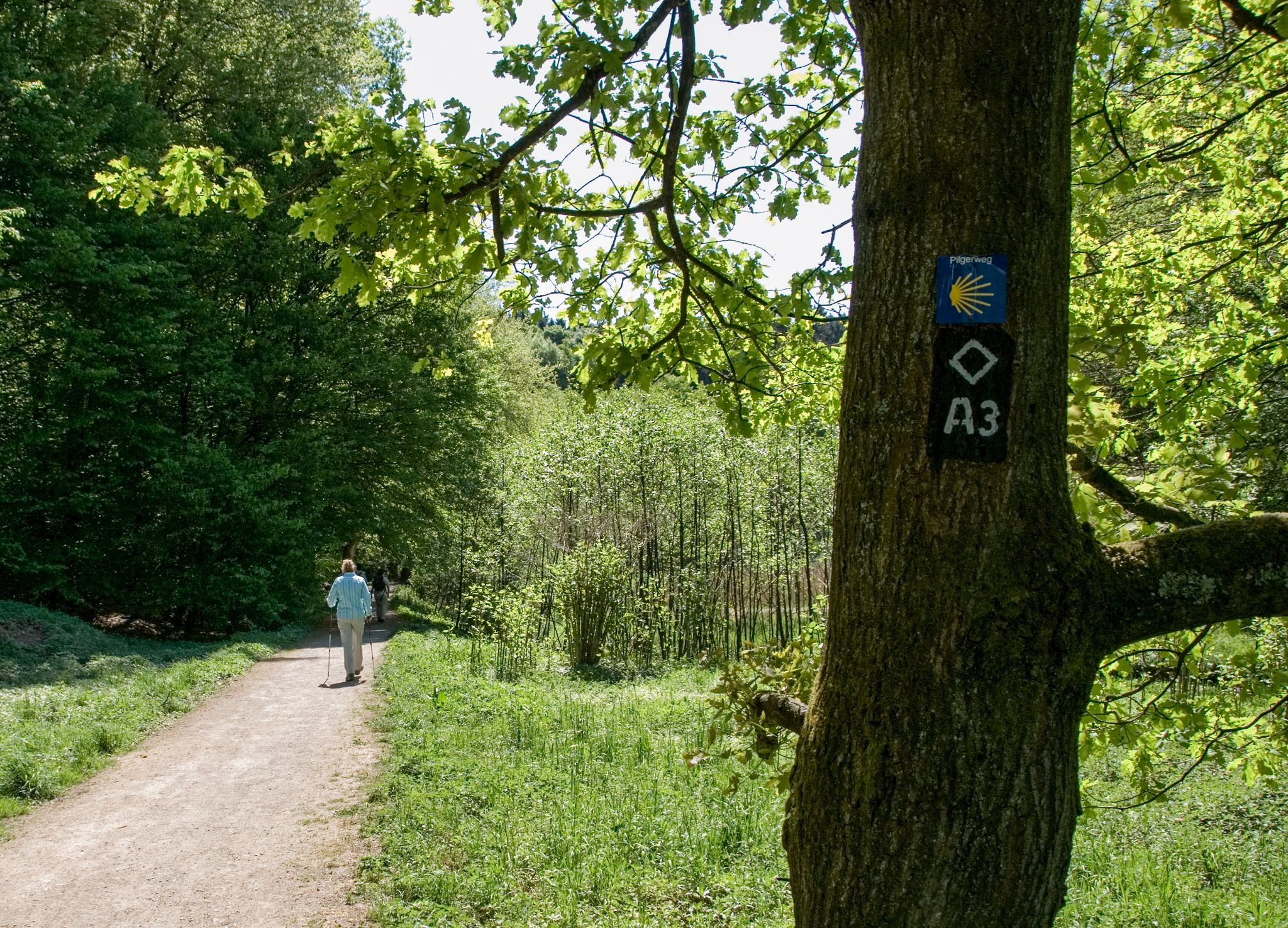
Westphalian Way of St. James – 9 days

Long live the break – bike tours with beer gardens & culinary delights
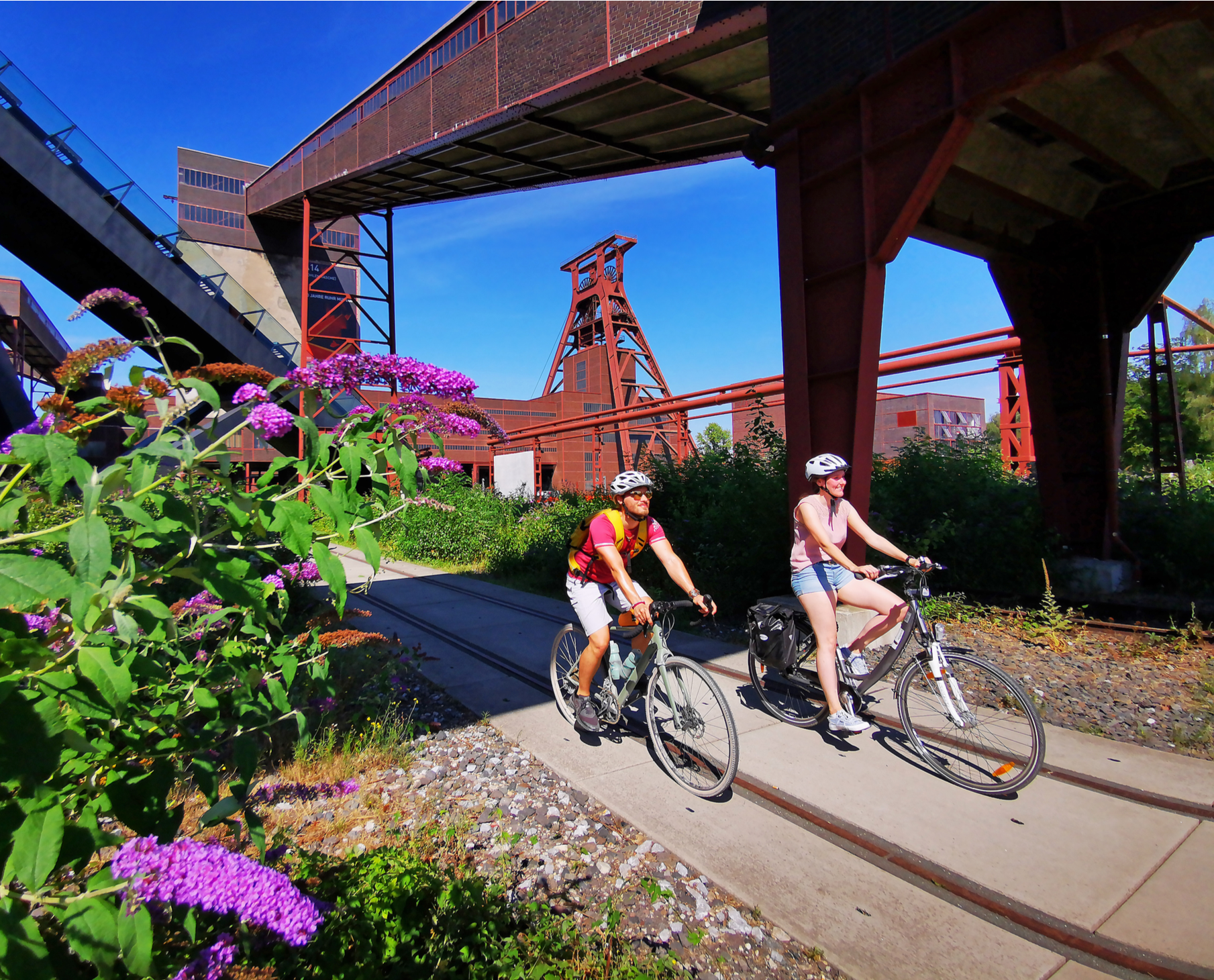
Railway cycling and industrial heritage in the Ruhr area – RevierRouten
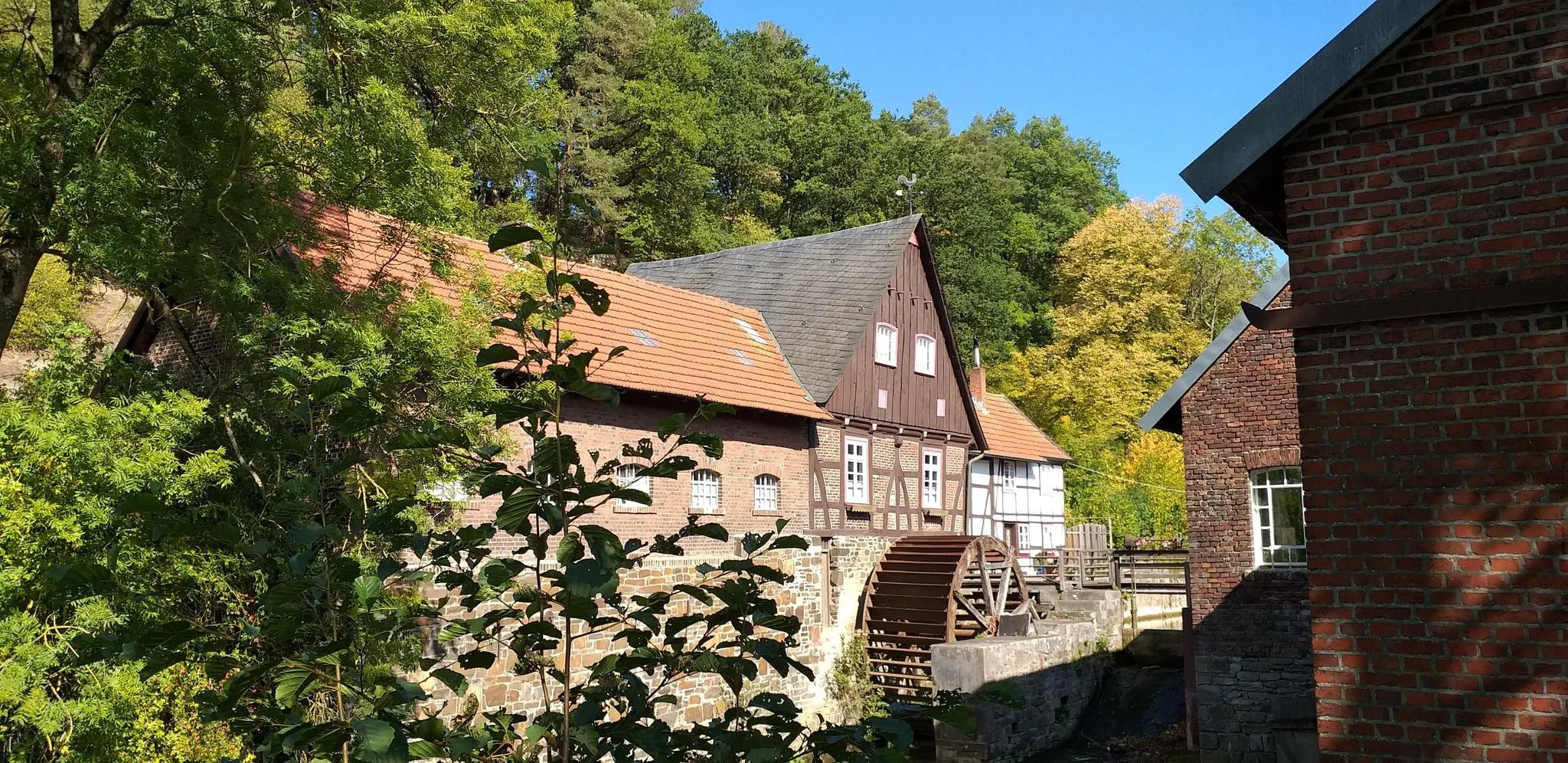
Hike through history in Germany’s Ruhr area – WestfalenWanderWeg
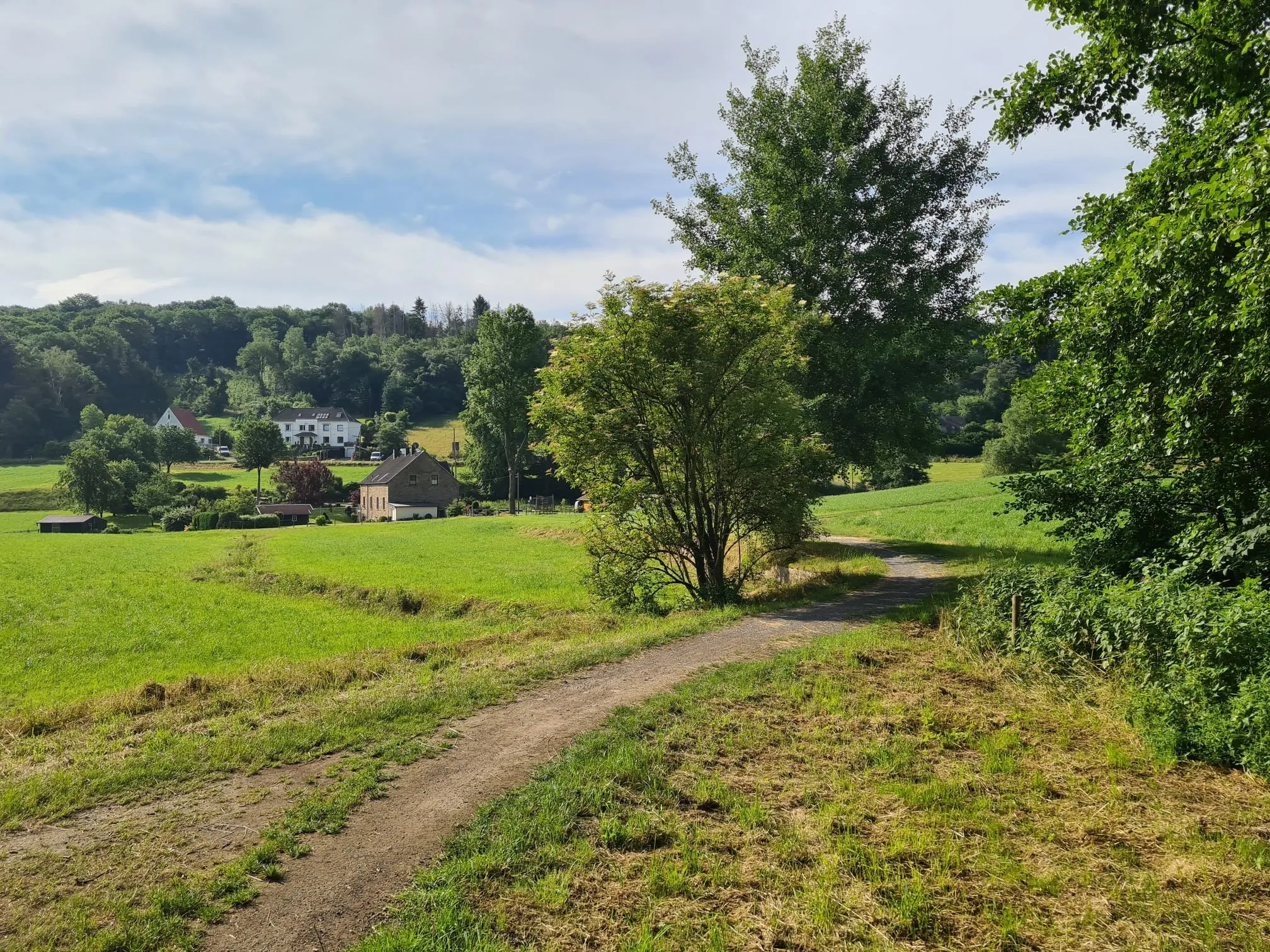
Trail running south of Dortmund – around the Hohensyburg
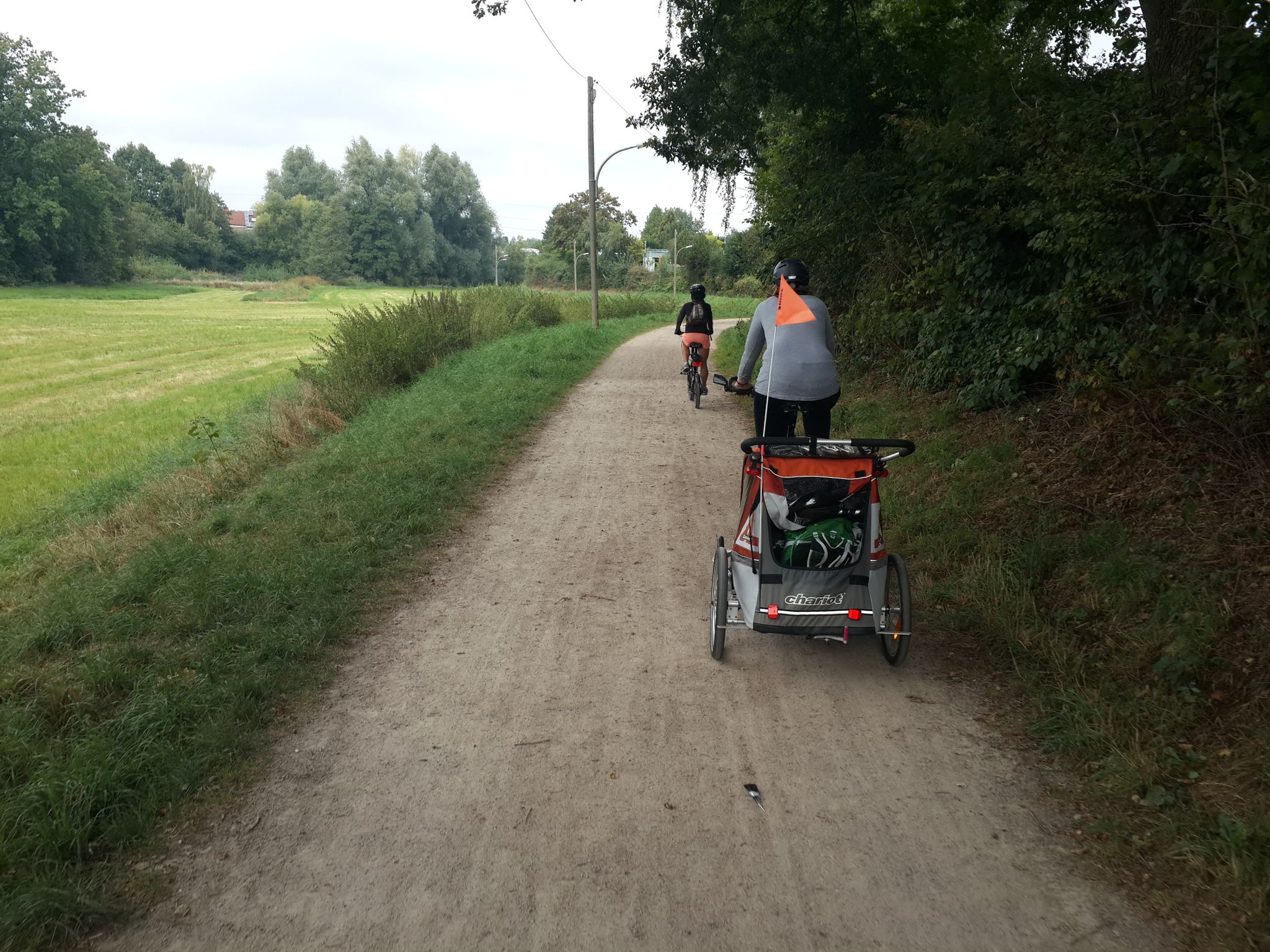
Cycling tours in the cardinal directions in Dortmund
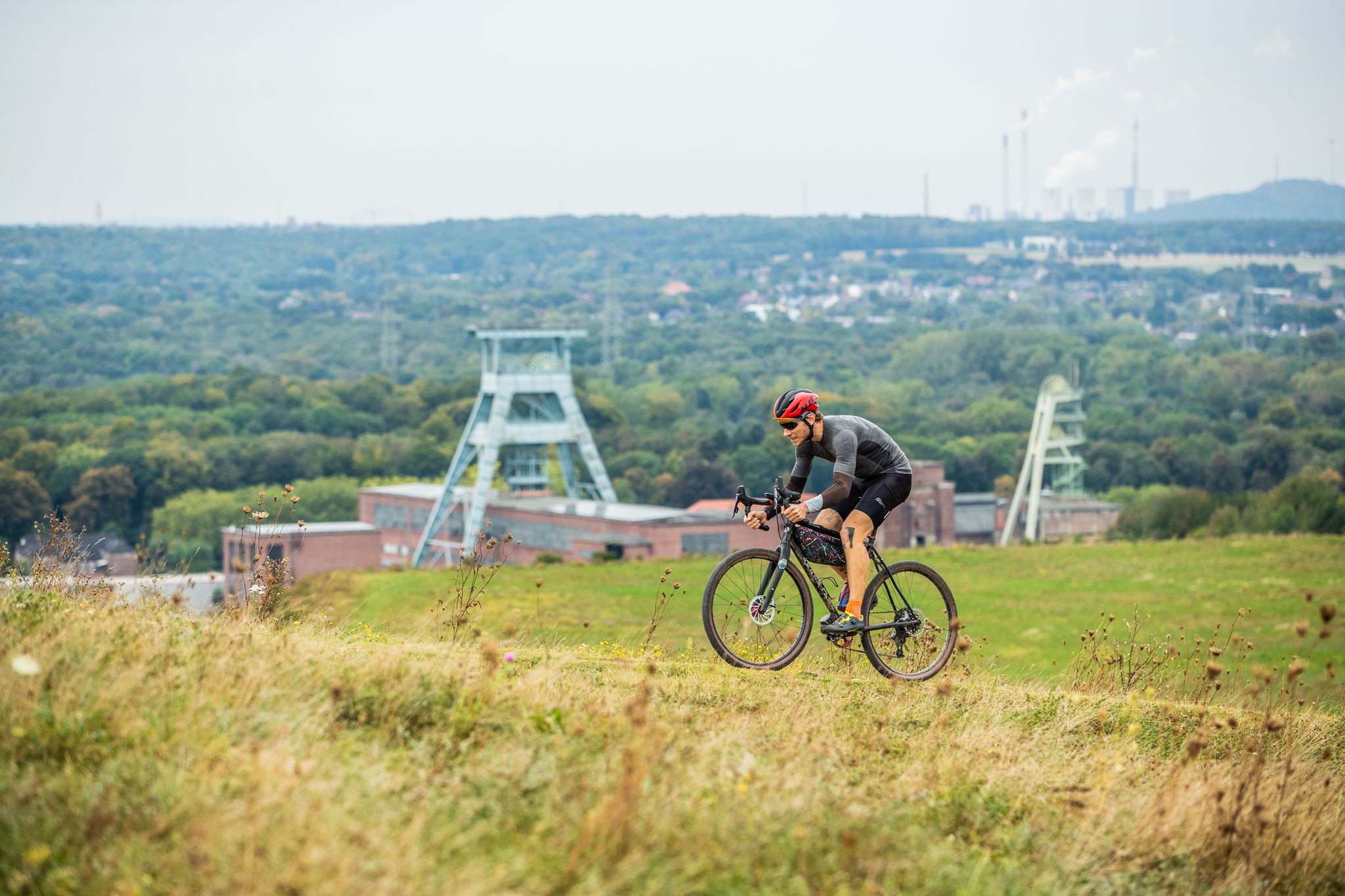
To the colliery by gravel bike — riding in Germany's Ruhr region
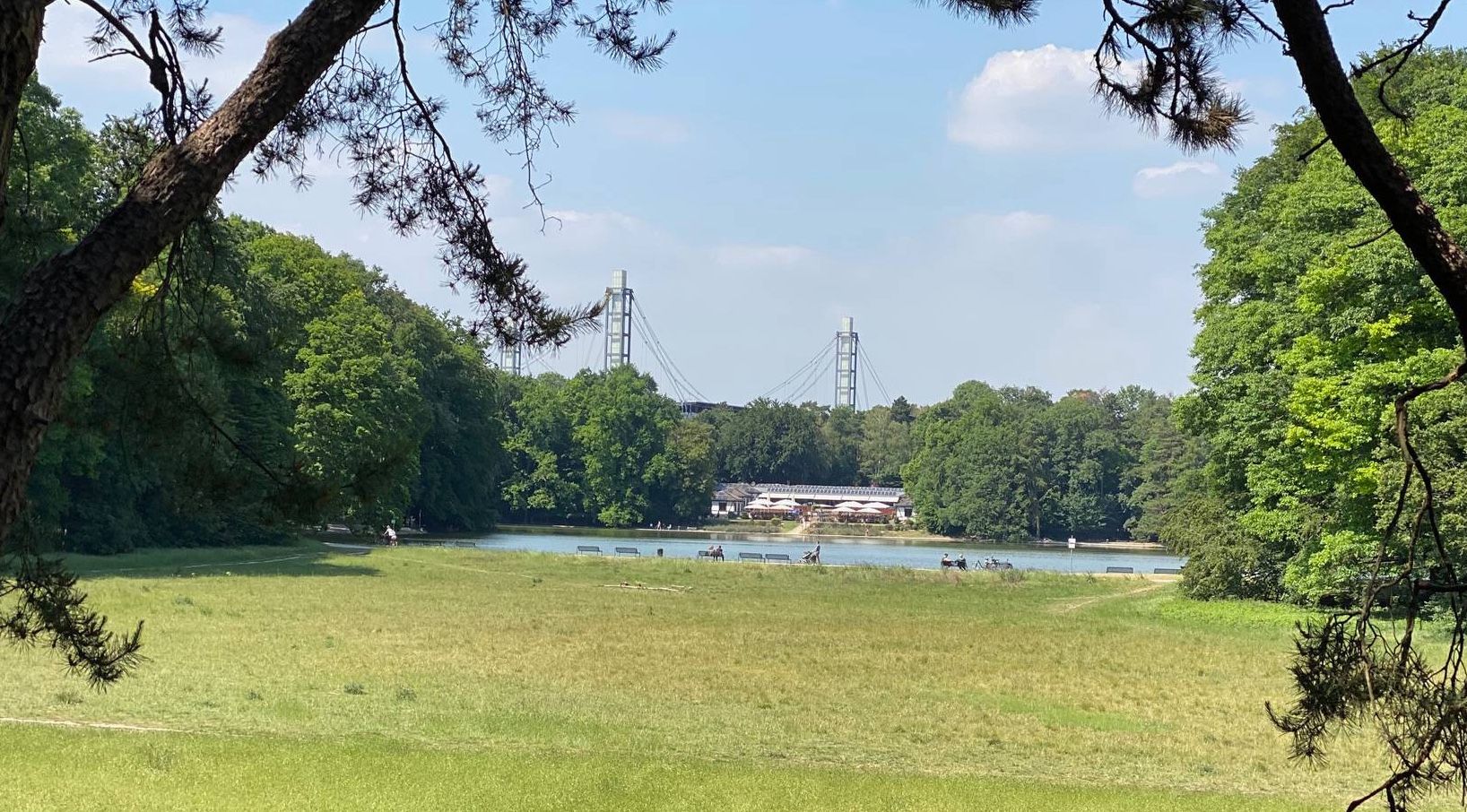
German Football Route NRW — history meets modernity
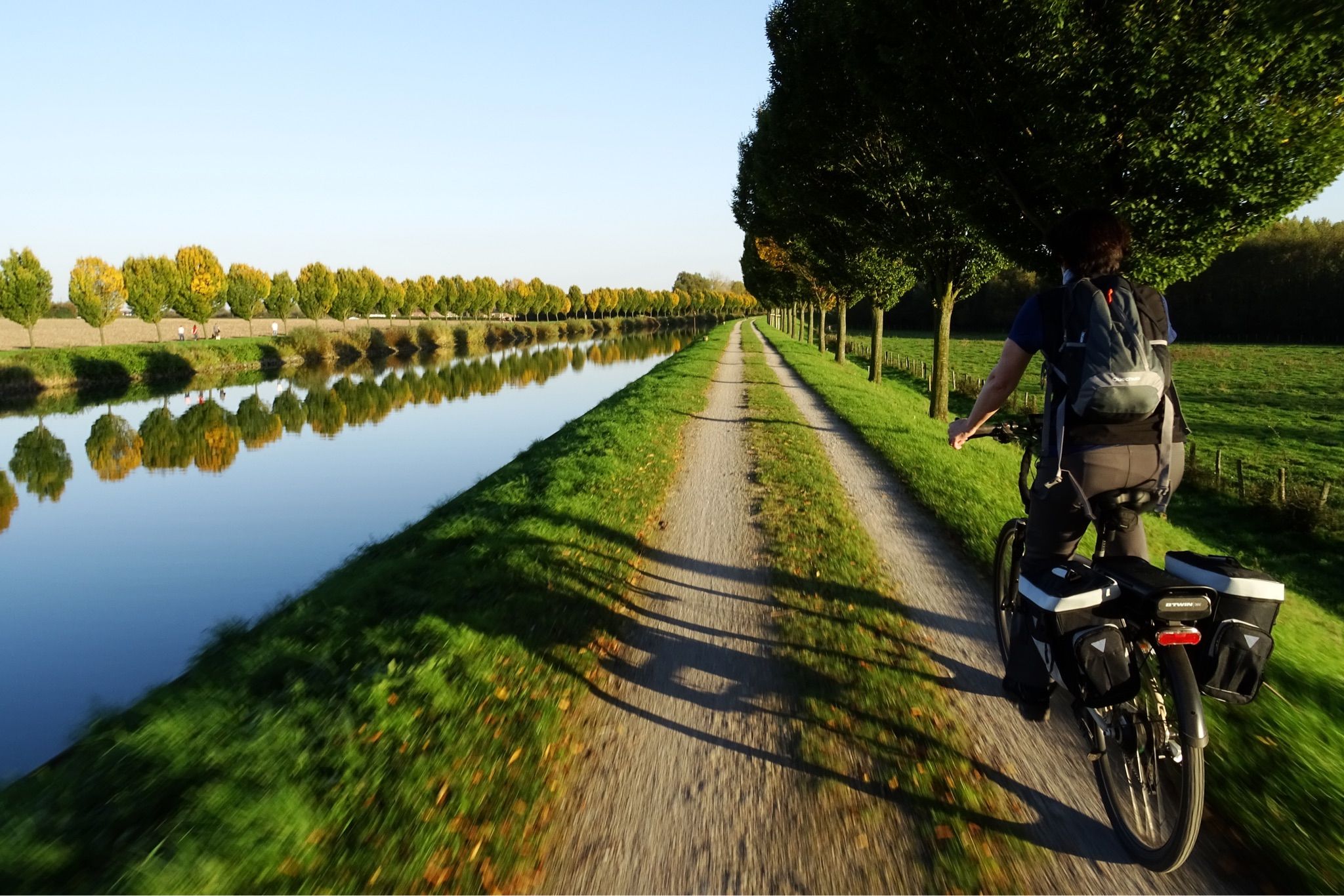
On to the mud flats – the Dortmund-Ems Canal Cycle Route
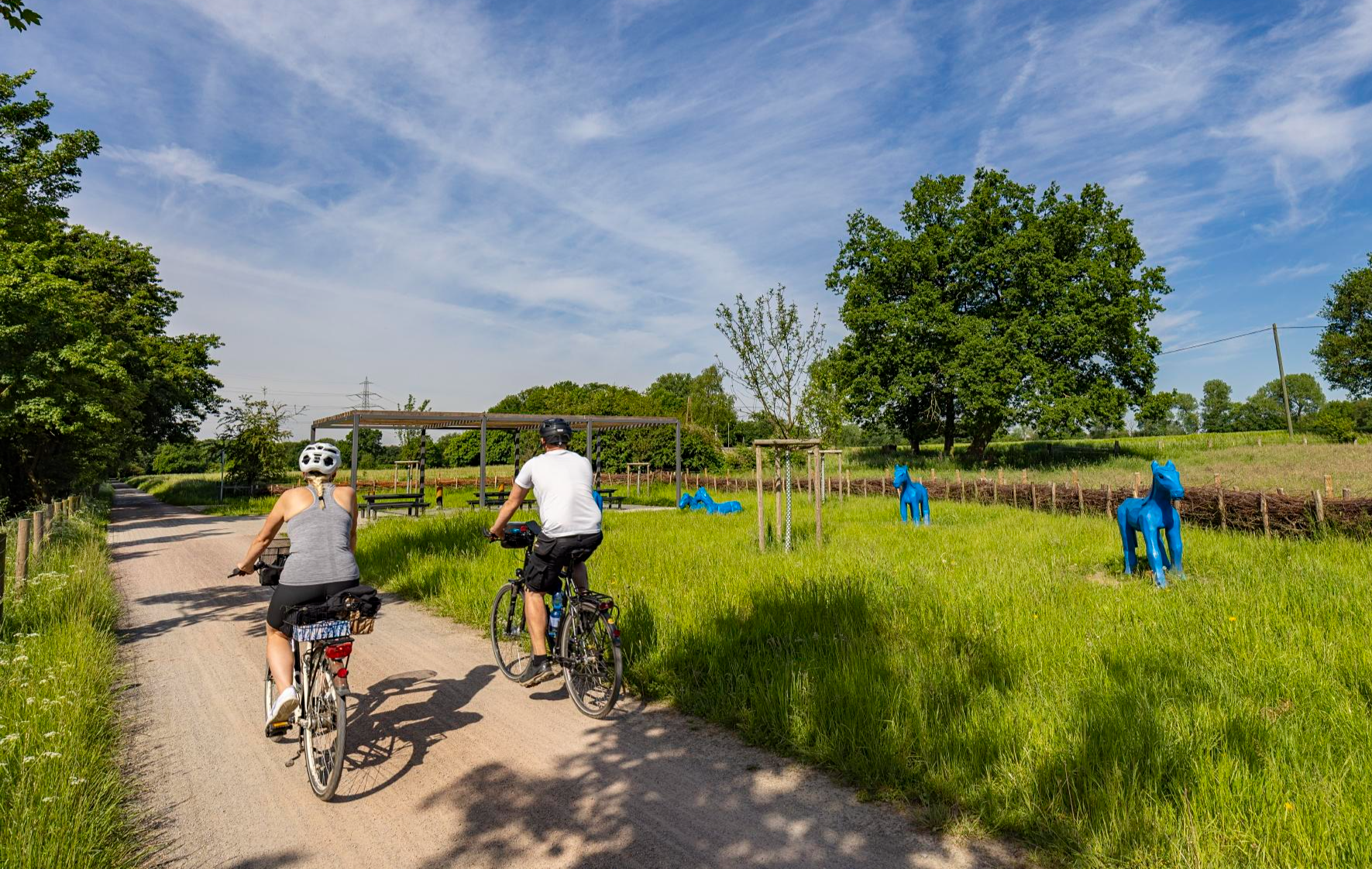
Healthy cycling on Germany’s Emscher River
Other adventures in Dortmund


Tips from the Community

"History: Husen House is located in what is now the Syburg district of Dortmund, in the south of the city. It lies below the Syberg hill, "on a gentle slope leading to the north bank of the Ruhr River." This location was likely chosen for strategic reasons. Husen House could maintain a fire signal connection with both Hohensyburg Castle and Ruhr Castle, thus allowing for early warning and repelling of potential attacks. The proximity of the navigable Ruhr River was also likely a decisive factor influencing the choice of building site. Husen House is the ancestral home of the Lords of Husen, who were first mentioned in 1259. The building that stands today is the former medieval residential tower, which was rebuilt in its current form in the 17th century. It is assumed that the original structure dates back to the 12th century. This is supported by the construction of the original building, which is based on the residential tower design typical of the 11th and 12th centuries. Husen House is the ancestral home of the Lords of Husen, who were first mentioned in 1259. The residential tower was built of Ruhr sandstone using rubble masonry. Originally, it consisted of two single-room residential floors surrounded by a wall approximately one meter thick. Husen House also had a two-aisled cellar. The fireplace, still extant today, on the south side of the tower was of central importance. It served both as a hearth and as a source of heat for the living quarters. In 1681, significant renovations were carried out on the residential tower. The year 1681, carved into the door jamb, commemorates these renovations. The few small windows were replaced with rectangular windows framed in sandstone. An external staircase now led directly to the entrance door on the east side of the tower. The southern part of the castle was extended with a smaller, single-story addition, which served as a stable and sleeping quarters for the servants. On the east side of the residential tower, a coat of arms is affixed to the cellar wall, commemorating the Barons von Romberg, successors of the Lords von Husen. The alterations made to the residential tower in 1681 still shape the building's exterior appearance today. Following interior renovations in the 1960s and late 1980s, Haus Husen has taken on its current form. https://vcp-westfalen.de/zeltplatz-haeuser/burg-husen/#geschichte
1
0

Hörde Castle, located in the Dortmund district of the same name, is a former moated castle whose origins date back to the 12th century. It sits on the shores of the artificially created Phoenix Lake 🌊, which was built to revitalize the disused Phoenix-Ost steelworks ⛓️. During World War II, Hörde Castle was partially destroyed and subsequently rebuilt. In 2001, the Phoenix-Ost plant ⛓️ was shut down, leading to the demolition of the production facilities. Starting in 2008, archaeological excavations were carried out on the grounds of Hörde Castle, followed by extensive roof and structural renovations. 📷 A great photo opportunity 📸
6
0

The original castle was probably built in the 12th century near the confluence of the Hörderbach and Emscher rivers. An economically important grain mill also stood here. The castle burned down twice, and only the keep survived. The castle was rebuilt around the keep. Now, in front of the renovated castle, one can see the remains of the old castle's foundations and the Hörderbach stream.
1
0

Phoenix Lake is always a good place to visit. But it's also always quite crowded. Watch your step. There are many restaurants, including the Kuhbar. There are also playgrounds.
4
0

The castle, the quay and the great paths - the lake has brought Hörde a long way forward.
4
0

Husen Castle is a medieval residential tower in Dortmund-Syburg, North Rhine-Westphalia. The castle's origins date back to the 13th century, and its current form dates from the 17th century. The castle is a listed building and is now used by the Association of Christian Girl Scouts and Boy Scouts (VCP) in Westphalia as a center and youth camp site1. The castle grounds cover around 7,000 square meters and offer space for youth groups and events. There are bedrooms, a self-catering kitchen, day rooms and a large knights' hall with a fireplace. There is also a camp site with a fireplace and covered shelter. Source: KI
3
0

Beautiful castle in a very quiet location with a large garden where seniors can find peace and quiet.
4
0

The gardens were not open
2
1
Frequently Asked Questions
Which castles in Dortmund are open to the public for interior visits?
Many of Dortmund's castles are privately owned or primarily offer exterior views and grounds. For example, Bodelschwingh Castle is privately owned and generally not open for interior visits, except during special events like Open Monument Days. Haus Dellwig Water Castle hosts a local history museum, offering some interior access. Hörde Castle also houses a museum, providing insight into its history and archaeological finds.
Are there family-friendly castles in Dortmund?
Yes, several castles in Dortmund are considered family-friendly. Hohensyburg castle ruins offers historical exploration and sweeping views, which can be engaging for families. Haus Rodenberg Water Castle features an adjacent park and a beer garden, making it a pleasant spot for families to relax. Haus Dellwig Water Castle is also a great destination for walks and events suitable for all ages.
What kind of natural features and viewpoints can I find at Dortmund's castles?
Hohensyburg castle ruins is renowned for its sweeping vistas over the Ruhr valley and the Hengsteysee. It's a popular spot for hikers to enjoy both history and natural beauty. Haus Rodenberg Water Castle is set amidst a beautifully landscaped park, offering peaceful views. Hörde Castle is located near the Emscher River and the new Phoenix Lake, providing scenic surroundings.
Are there hiking or walking trails around Dortmund's castles?
Absolutely. The areas around Dortmund's castles are excellent for outdoor activities. For instance, Hohensyburg castle ruins is a popular starting point for hikers, offering trails with great views. Haus Dellwig Water Castle is a worthwhile destination for walkers and cyclists, especially when nature is in bloom. You can find many routes, including easy to moderate hikes, in the region. For more detailed hiking options, explore the Hiking in Dortmund guide.
How can I reach Dortmund's castles by public transport?
Public transport options vary by castle. For Hohensyburg castle ruins, there are bus connections from Dortmund city center. Many castles, like Haus Rodenberg and Hörde Castle, are integrated into their respective districts and are generally accessible via local bus or tram services. It's advisable to check local transport schedules for the most current routes to specific castle locations.
Is parking available at Dortmund's castles?
Parking availability varies. For popular sites like Hohensyburg castle ruins, there are usually designated parking areas nearby. Haus Dellwig Water Castle has a parking lot on the road at the cam, making it convenient for visitors. For other castles, street parking or nearby public parking might be available. Always check local signage.
What is the best time of year to visit Dortmund's castles?
Dortmund's castles can be enjoyed year-round, but each season offers a different experience. Spring and summer are ideal for exploring the grounds and enjoying the surrounding nature, especially at moated castles like Haus Dellwig when nature is in bloom. Autumn provides beautiful foliage, particularly around sites like Hohensyburg with its panoramic views. Even in winter, the historical sites offer a unique, often quieter, atmosphere.
Are dogs allowed at Dortmund's castles and on nearby trails?
Many outdoor areas and trails around Dortmund's castles are dog-friendly, making them great for walks with your canine companion. For example, the adjacent forest around Bodelschwingh Castle is suitable for walks. However, access to castle interiors or specific grounds might be restricted for dogs. Always keep dogs on a leash and be mindful of local regulations.
What historical significance do Dortmund's castles hold?
Dortmund's castles offer a deep dive into the city's rich history. Hohensyburg castle ruins, for instance, sits on an ancient hillfort with connections dating back to the Neolithic era and Charlemagne. Hörde Castle, originally from the 12th century, reflects the area's transformation from a medieval site to an industrial center. Moated castles like Haus Bodelschwingh showcase centuries of architectural evolution and noble heritage.
Are there any hidden gem castles in Dortmund worth visiting?
While some castles are well-known, others offer a more tranquil experience. Husen Castle and Botanical Trail, first mentioned in 1259, provides a blend of historical architecture and natural exploration away from the busiest spots. Westhusen Castle is another historical site that might offer a quieter visit for those looking to explore lesser-known locations.
What kind of events or cultural activities are hosted at Dortmund's castles?
Some castles in Dortmund are vibrant cultural hubs. Haus Dellwig Water Castle frequently hosts numerous events organized by local history societies and clubs. Bodelschwingh Castle, though privately owned, occasionally opens its grounds for special events like gardening fairs or Open Monument Days, offering a unique opportunity to experience its beauty.
Most popular routes in Dortmund
Most popular attractions in Dortmund

Get inspired with the komoot mobile app


Explore more
Looking for the best castles somewhere else? Discover other guides in Dortmund:
