Top 20 Natural Monuments in the Sauerland
Natural monuments in the Sauerland feature a diverse landscape with geological formations, forests, and unique ecosystems. This region in Germany offers numerous protected areas and natural parks. Visitors can explore a variety of natural wonders, from ancient rock formations to extensive moorlands. The Sauerland provides opportunities to experience its natural beauty and geological history.
Best natural monuments in the Sauerland
- The most popular natural monuments is Feldstein Summit (Bruchhauser Steine), a summit that features considerable rock formations. A climb…
Last updated: September 29, 2026
Kahler Asten
Highlight • Summit
Translated by Google •
Tip by

Möhnesee Dam
Highlight • Monument
Showing Translation
Tip by

Sign up now to discover places like this
Get recommendations on the best single tracks, peaks, & plenty of other exciting outdoor places.
Feldstein Summit (Bruchhauser Steine)
Highlight • Summit
Translated by Google •
Tip by

Hochheide Nature Reserve Neuer Hagen
Highlight • Natural
Showing Translation
Tip by

Neuer Hagen (Niedersfeld High Heath)
Highlight • Natural Monument
Translated by Google •
Tip by

Feldhof Cave
Highlight • Cave
Translated by Google •
Tip by

View from Kanzel Bridge
Highlight • Viewpoint
Translated by Google •
Tip by

Langenberg Summit (843 m) – Highest Point in North Rhine-Westphalia
Highlight • Summit
Translated by Google •
Tip by

Sculpture "Stone Time Man" on the Forest Sculpture Trail
Highlight • Monument
Translated by Google •
Tip by

Source of the Ruhr
Highlight • River
Translated by Google •
Tip by

Sign up for free to discover even more natural monuments in the Sauerland.
Already have an account?
Start today with a free account
Your next adventure awaits.
Popular around Sauerland
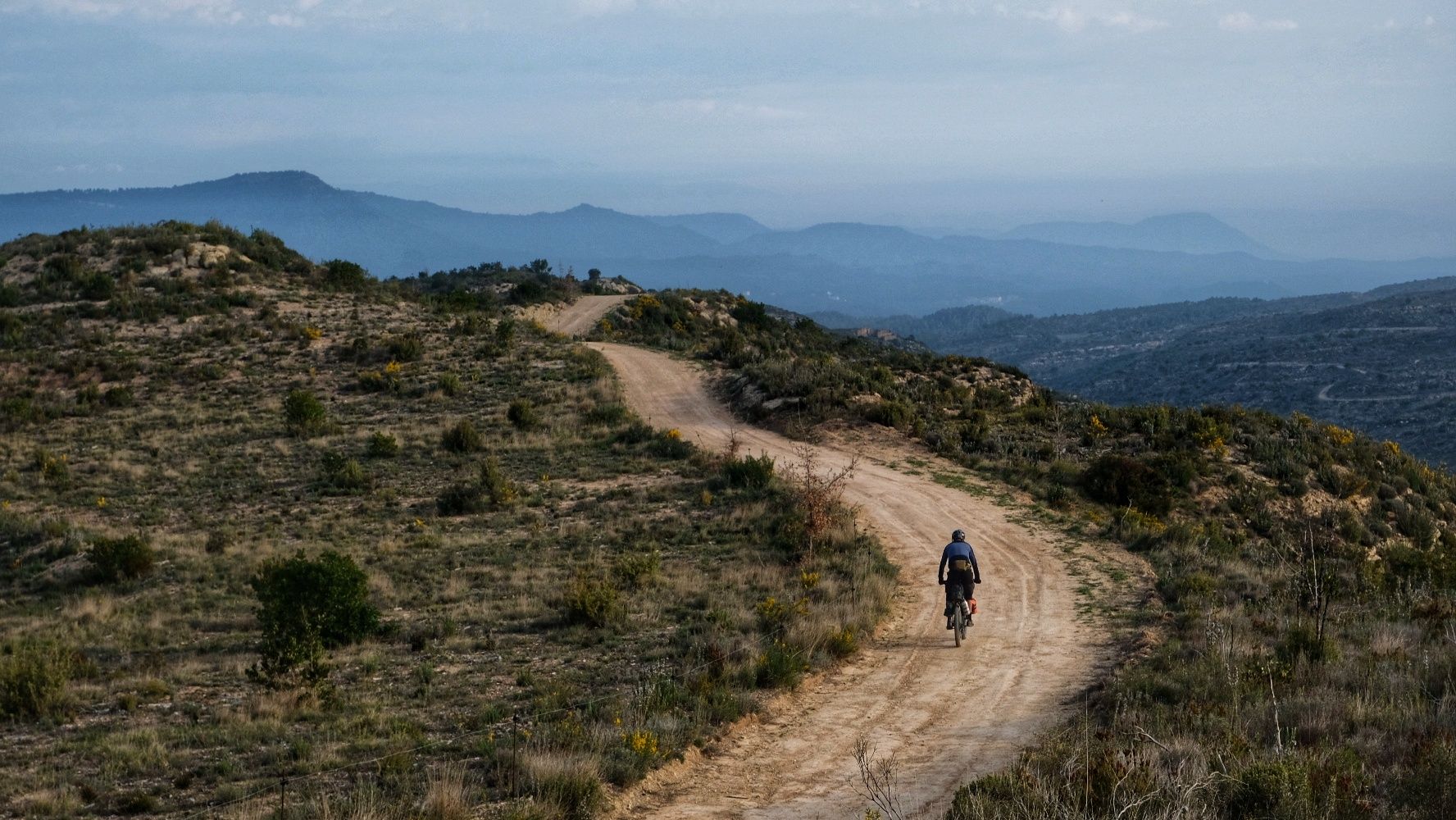
European Divide Trail — 7,600 km across the continent
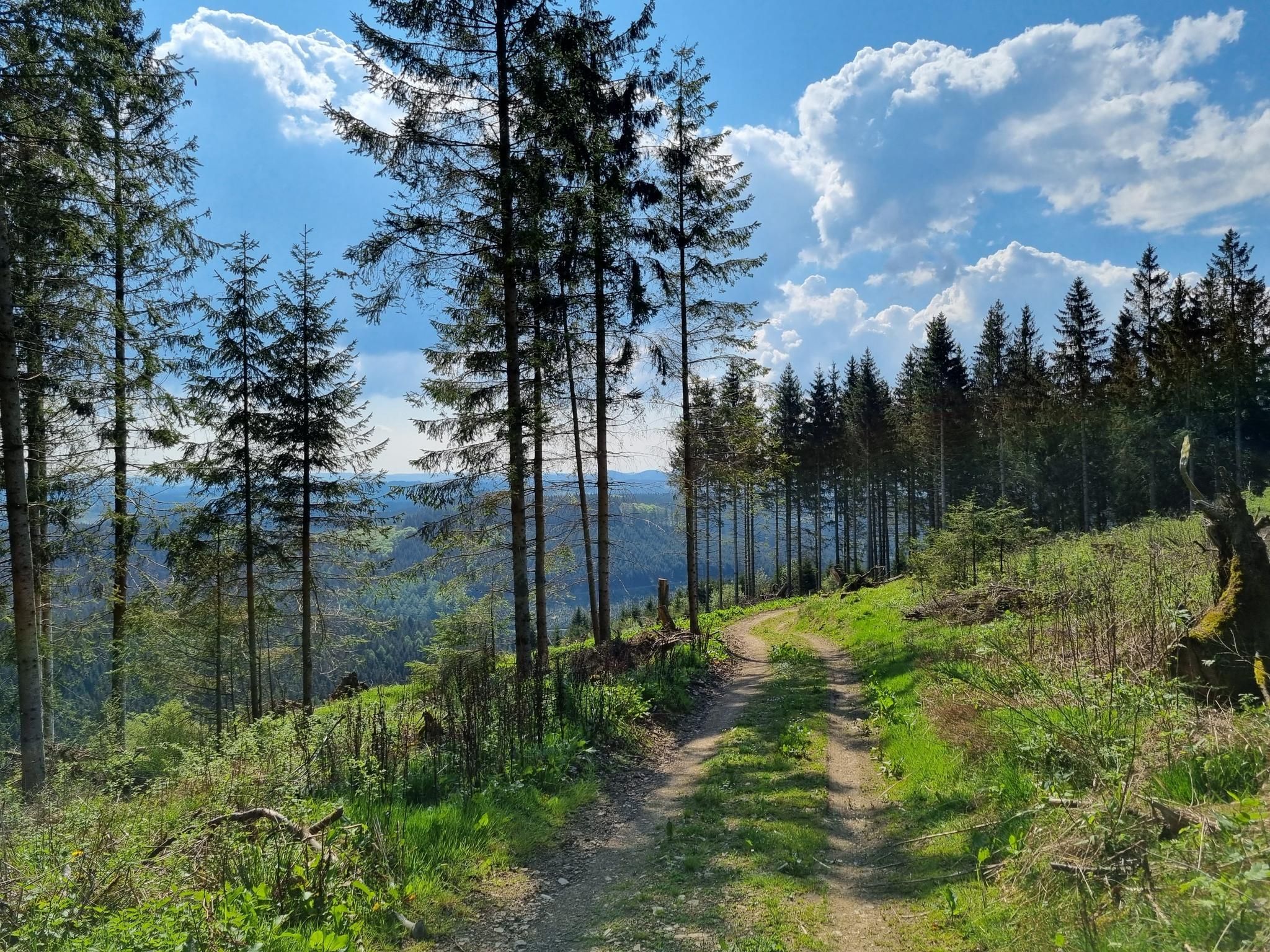
Ehmsenweg – Hiking through Western Sauerland
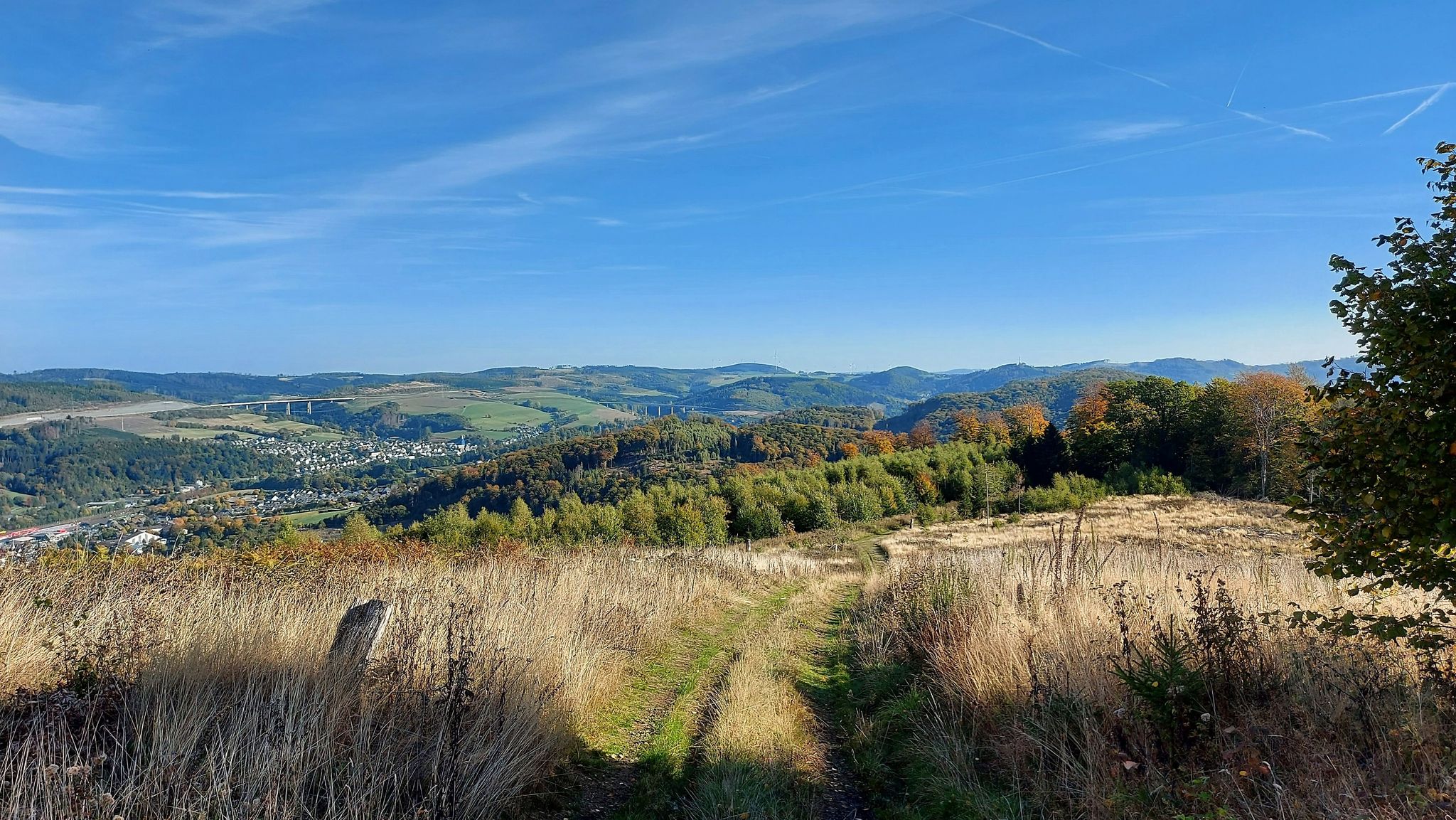
Bestwig Panorama Trail – 4 days of Sauerland views
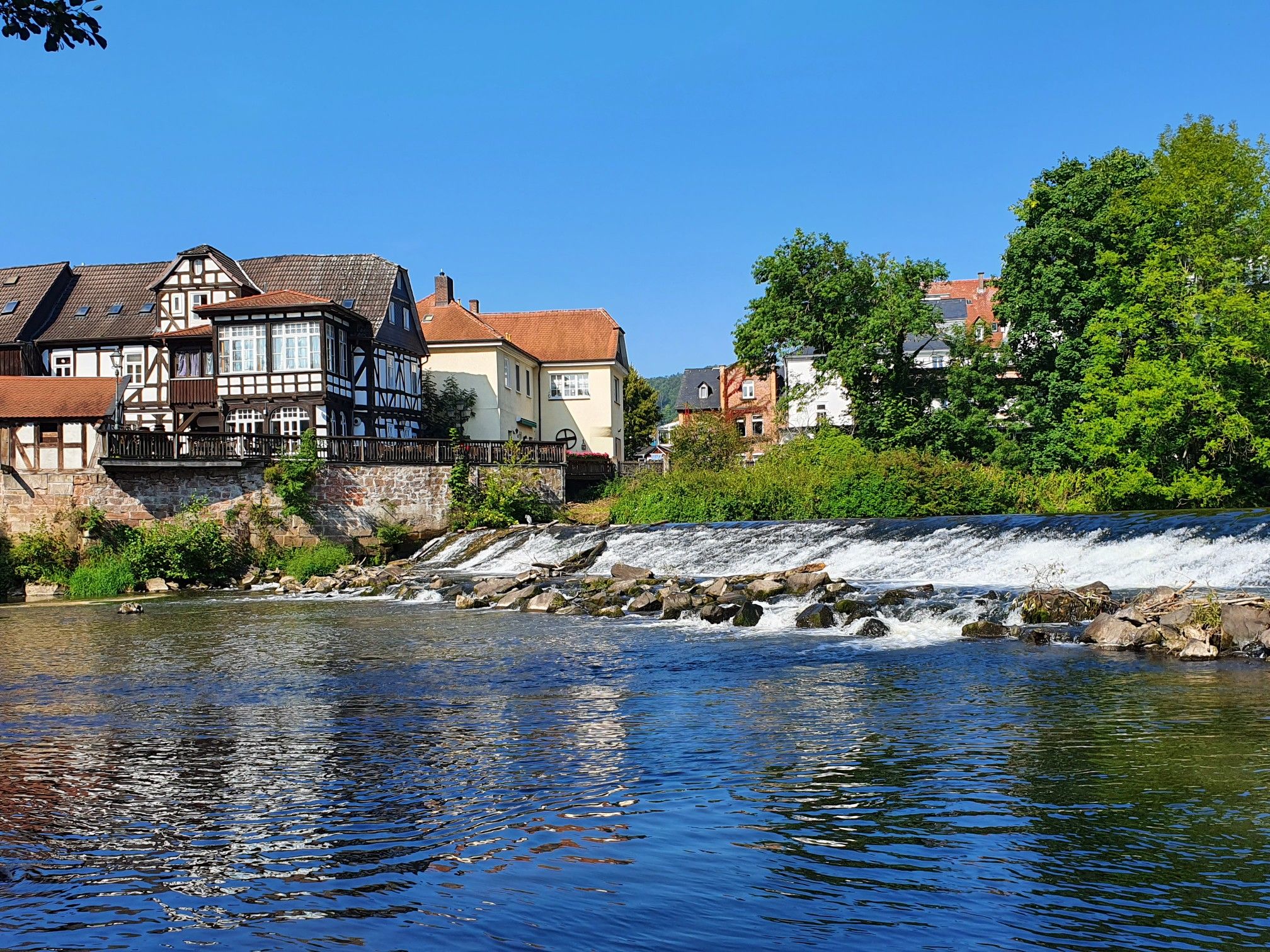
11 Hessen trails – criss-cross through the countryside
Siegerland-Höhenring – A classic in six stages
Germany's Westphalian City Tour — linking historic town centres
Germany's Sauerland Forest Route – Views and discoveries
Siegerland-Höhenring – Discover a classic in 6 days
Römer‑Lippe Route – Water and history – 6 days
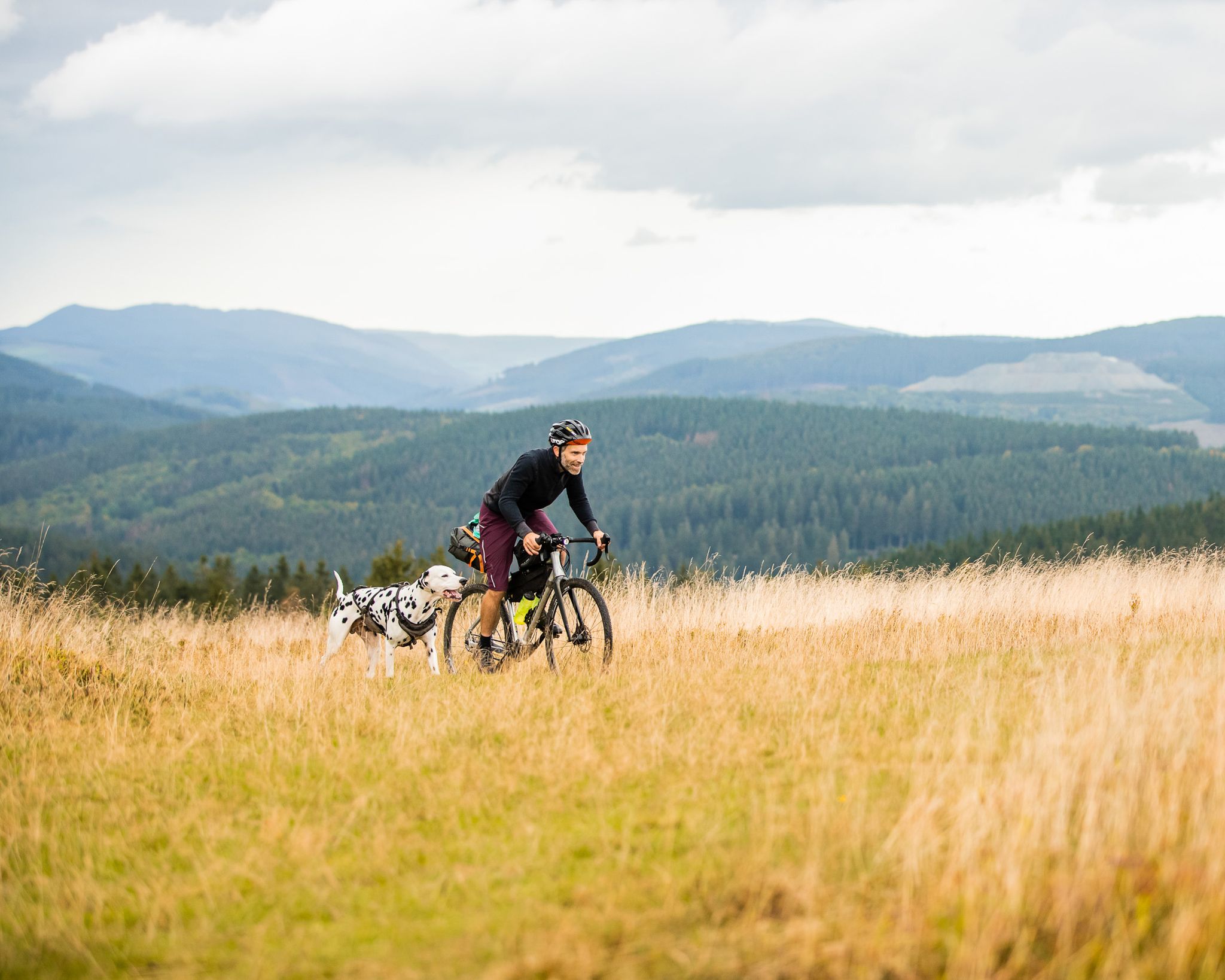
A fantastic adventure in Germany's Sauerland — bikepacking with a dog
Other adventures in the Sauerland


Tips from the Community

A really beautiful corner there at the Möhnesee. Lots of space for leisure activities, whether hiking, biking or water sports. Everyone can be happy there. And if not, there are enough restaurants and cafés around the lake. 😜😁
10
0

The Möhnesee is one of the oldest dams in Germany. The 1908-1913 quarry stone barrier wall is a monument and the main attraction of the Möhnesee. The dam wall is 650 meters long and 30 meters at its highest point. The southern half of the Möhnesee is completely surrounded by the Arnsberg Forest Nature Park. The varied and extensive forest area is ideal for relaxing walks and long hikes. The circular route around the lake is great, you should plan a tour during the week, it's just too crowded at the weekend.
13
0

Wandering the Rothaarsteig... Day 3: We start in Schanze, and with a lot of luck, we don't get lost. Without a hiking map, we rely solely on Komoot, crossing the 'Roof of the Sauerland' and through the 'Land of a Thousand Hills and Valleys'. We explore the Schanze Forest Reserve primarily on wide forest paths and along deeply carved streams. 'Denkmal Altarstein' (Altarstone Memorial) is an idyllic spot with a stone column where you can relax in its shade. In the shade, you can 'contemplate' all sorts of things... Crazy, isn't it? We respectfully greet the old 'Fat Oak' a little further on. It's a landmark, and in our experience, it keeps us on the right path to continue our ascent of the Rothaarsteig. A charming, playful suspension bridge is a highlight in itself. Bridges connect landscapes. This 'suspension bridge' primarily connects people. It's the weekend, and the attraction is undeniable. Young and old, everyone wants to be quick. The crowd barometer goes into the red, and like a hare, we stampede along a narrow, deserted forest path to the summit of the Saukopf – 750 meters high. Once we reach the top, it looks like the finish line of some mountain stage. Cycling enthusiasts, suffering from excessive dehydration (breakouts in sweat), are nevertheless proud to have climbed the summit in record time. We let the "recreational sports heroes" of the day enjoy their slim figure and meager success. Without disturbing their success story, we leisurely stroll along the edge of the forest to the "Wittgensteiner Panoramaweg." There, we hoped to catch a glimpse of the bison that make their habitat here. Unfortunately, the passing cycling peloton has disturbed the bison's habitat, and they don't respond. Six forest sculptures provide some solace and distraction on our way back to Schanze. To conclude our hike, we meander along the Kyrill Trail. A battlefield of trees felled by the force of Hurricane Kyrill (January 18, 2007) gives us pause for thought. We were lucky in Schanze; we didn't get lost or blown over. And the setting sun on the Rothaar makes our hair turn a little red. You can read about our other experiences in the collection https://www.komoot.com/nl-nl/collection/1321198/-hochsauerland-vakantieweek
13
1

The up to 90 meters high Bruchhauser stones are a striking landscape symbol of this region and a landscape protection area. All are under strict nature protection, there is only one way up on the field stone with its summit cross.
11
1

A beautiful old bridge that is reflected in the water here
14
1

The largest of the mountain heaths in north-west Germany, which are rare in Europe, is in Niedersfeld. The wide, tree-poor landscape turns into a pink carpet of heather flowers in late summer. The protected area is rightly one of the natural treasures of South Westphalia.
9
0


"... The Neue Hagen near Niedersfeld is the largest high heathland in North Rhine-Westphalia. The extraordinary landscape exerts a very special fascination. Heath and high moor are home to rare flora and fauna. The 800 meter high area is on the border to Hesse on the northern slope of the Clemensberg and has been a nature reserve since 1955. Heath sheep graze there, act as "biological lawn mowers" and thus ensure the preservation of the heath. Birds such as the cuckoo, wood grouse and nightjar build their nests. Hobby biologists can even discover arctic and alpine plants in the Neuer Hagen nature reserve. ..." https://www.winterberg.de/poi/nreservation-neuer-hagen/
8
0
Frequently Asked Questions
What are some of the most popular natural monuments in the Sauerland?
The Sauerland is home to many cherished natural monuments. Among the most popular are the Feldstein Summit (Bruchhauser Steine), known for its considerable rock formations and expansive views. Another must-see is Kahler Asten, the region's well-known mountain offering extensive vistas. The Hochheide Nature Reserve Neuer Hagen is also highly regarded for its mountain heath, one of the largest in northwestern Germany.
Are there natural monuments in the Sauerland suitable for families?
Yes, several natural monuments in the Sauerland are family-friendly. The Hochheide Nature Reserve Neuer Hagen offers easy trails suitable for all ages. The Möhnesee Dam is another great spot, providing scenic views and a pleasant environment for families. Additionally, the Source of the Ruhr is accessible and offers a gentle natural experience. The Almequellen (Alme springs) also feature a largely barrier-free circular trail, perfect for relaxing walks.
What unique geological formations can I explore in the Sauerland?
The Sauerland boasts diverse geological wonders. The Bruchhauser Steine are four massive rock formations, up to 92 meters high, formed by volcanic activity and erosion. You can also explore the fascinating underground structures of the Bilsteinhöhlen Warstein (Bilstein Caves), which showcase stunning limestone formations. The region's highest point, Langenberg Summit, also offers insights into the geological history of the Rothaargebirge.
Are there any natural waterfalls in the Sauerland?
Yes, the Plästerlegge Waterfall near Bestwig is the only natural waterfall in North Rhine-Westphalia. Water falls approximately 20 meters from a rocky outcrop, creating an impressive spectacle, especially after rainy days. In winter, it can freeze into stunning ice formations, offering a unique natural sight.
What kind of hiking trails are available near the natural monuments in the Sauerland?
The Sauerland offers a wide range of hiking trails near its natural monuments, catering to various difficulty levels. You can find easy walks like the "Balve: Hönne Trail" or the "Briloner Waldfeenpfad." For more moderate challenges, consider the "Golddörfer Route from Westfeld to Kahler Asten" or the "Wisentpfad." Many trails, including those around the Kahler Asten and Hochheide Nature Reserve Neuer Hagen, are well-signposted. For more hiking options, explore the Hiking in the Sauerland guide.
Can I find accessible natural sights in the Sauerland?
Yes, efforts have been made to make some natural sights more accessible. The Almequellen (Alme springs) feature a largely barrier-free circular trail, allowing for relaxing walks amidst the bubbling springs. While not all natural monuments are fully accessible, areas like the View from Kanzel Bridge are noted as wheelchair accessible, offering scenic views.
What are the best natural areas for observing unique ecosystems or wildlife in the Sauerland?
For unique ecosystems, the Ebbemoore (Moors in the Ebbegebirge) are notable for their specialized flora and fauna, adapted to the harsh, rainy climate. The Woeste Nature Reserve also offers ecological diversity with fens, peat bogs, and various wetlands. For wildlife, the Wisent Wilderness near Jagdhaus Wiese provides an opportunity to observe a small herd of free-roaming European bison in a semi-wild setting.
What is the highest point in the Sauerland, and what does it offer?
The highest point in the Sauerland, and North Rhine-Westphalia, is the Langenberg Summit, reaching 843 meters. While it doesn't offer expansive views directly from the summit due to dense forest, it provides a sense of solitude and tranquility. The Kahler Asten, at 841 meters, is more renowned for its spectacular panoramic views, especially from its observation tower, and features pristine moorland.
Are there any natural monuments with historical significance in the Sauerland?
Yes, several natural monuments in the Sauerland also hold historical significance. The Bruchhauser Steine are recognized as North Rhine-Westphalia's first national natural monument and have a rich historical context. The Feldhof Cave is another site with historical importance, offering a glimpse into past eras. Additionally, the View from Kanzel Bridge is associated with historical elements.
What is the best time of year to visit the natural monuments in the Sauerland?
The best time to visit the natural monuments in the Sauerland largely depends on your interests. Spring and summer offer lush greenery, blooming heathlands (like at Hochheide Nature Reserve Neuer Hagen), and ideal conditions for hiking. Autumn brings vibrant fall foliage, particularly beautiful in the forested areas. Winter can be magical, with snow-covered landscapes and frozen waterfalls like Plästerlegge, offering opportunities for winter hikes, though some areas might require suitable gear.
Where can I experience impressive forests or unique trees in the Sauerland?
The Sauerland is heavily forested, offering many opportunities to experience impressive woodlands. A standout location is the Himmelssäulen (Douglas firs in Glindfeld forest) near Medebach, where 38 majestic Douglas firs, over 120 years old, reach heights of up to 63 meters. These 'sky columns' create a profound sense of peace and are the tallest living things in the Sauerland.
Are there opportunities for mountain biking near the natural monuments?
Yes, the Sauerland is a popular region for mountain biking. While specific trails may not run directly through every natural monument, many routes are in close proximity. You can find challenging trails like the "Panorama Tour - Bike Arena Sauerland" or the "Diemelsee Tour." For more options and detailed routes, refer to the MTB Trails in the Sauerland guide.
Most popular routes in the Sauerland
Most popular attractions in the Sauerland

Get inspired with the komoot mobile app


Explore more
Extend your search for the best caves by checking out these guides of the top ones in the Sauerland:
