Top 20 Castles in the Taunus
Castles in the Taunus region offer a glimpse into Germany's rich past, set within picturesque landscapes of rolling hills and forests. The area is home to numerous historical sites, including a UNESCO World Heritage site. This region provides a blend of cultural heritage and natural beauty, making it suitable for exploring historical architecture and outdoor activities. Visitors can discover a variety of castles, from Roman forts to medieval strongholds and romanticized reconstructions.
Best castles in the Taunus
- The most popular castles is Marksburg, a castle from the 12th century. It is the only hilltop castle on the Middle Rhine that has never been destroyed.
- Another must-see spot is Ruins of Falkenstein Castle, castle ruins. From here, visitors have a view over the hills of the Taunus and into the Rhine-Main plain.
- Visitors also love Rheinstein Castle, a historical castle. It is a well-preserved example of a Rhine castle, offering insights into medieval life.
- Taunus is known for Roman forts, medieval castles, and castle ruins. The region offers a variety of historical structures to see and explore.
- The castles in the Taunus are appreciated by the komoot community, with more than 3000 upvotes and over 1000 photos shared.
Last updated: September 26, 2026
Old Lahn bridge with castle view
Highlight • Bridge
Translated by Google •
Tip by

Ruins of Falkenstein Castle
Highlight • Castle
Translated by Google •
Tip by

Sign up now to discover places like this
Get recommendations on the best single tracks, peaks, & plenty of other exciting outdoor places.
View of Burg Reichenstein
Highlight • Castle
Translated by Google •
Tip by

Rossel Ruins
Highlight • Castle
Showing Translation
Tip by

Saalburg Roman fort
Highlight • Historical Site
saalburgmuseum.de
Translated by Google •
Tip by

Pfalzgrafenstein Castle
Highlight • Castle
Translated by Google •
Tip by
View of Marksburg Castle from the Rhine riverside path
Highlight • Viewpoint
Translated by Google •
Tip by

Rheinstein Castle
Highlight • Castle
This form is preserved to this day and can be visited. The castle now houses a museum and an adjoining restaurant. In addition, the view from the wall and from the towers down to the Rhine Valley is simply picturesque. If you can not get enough of the castle, then you should also look at the accommodation offers.
You can find all information about opening times and entrance fees at burg-rheinstein.de.
Translated by Google •
Tip by

View of Rheinstein Castle and the Rhine from the Kleine Bastei
Highlight • Viewpoint
Translated by Google •
Tip by

View of Stolzenfels Castle
Highlight • Viewpoint
Translated by Google •
Tip by

Sign up for free to discover even more castles in the Taunus.
Already have an account?
Start today with a free account
Your next adventure awaits.
Popular around Taunus
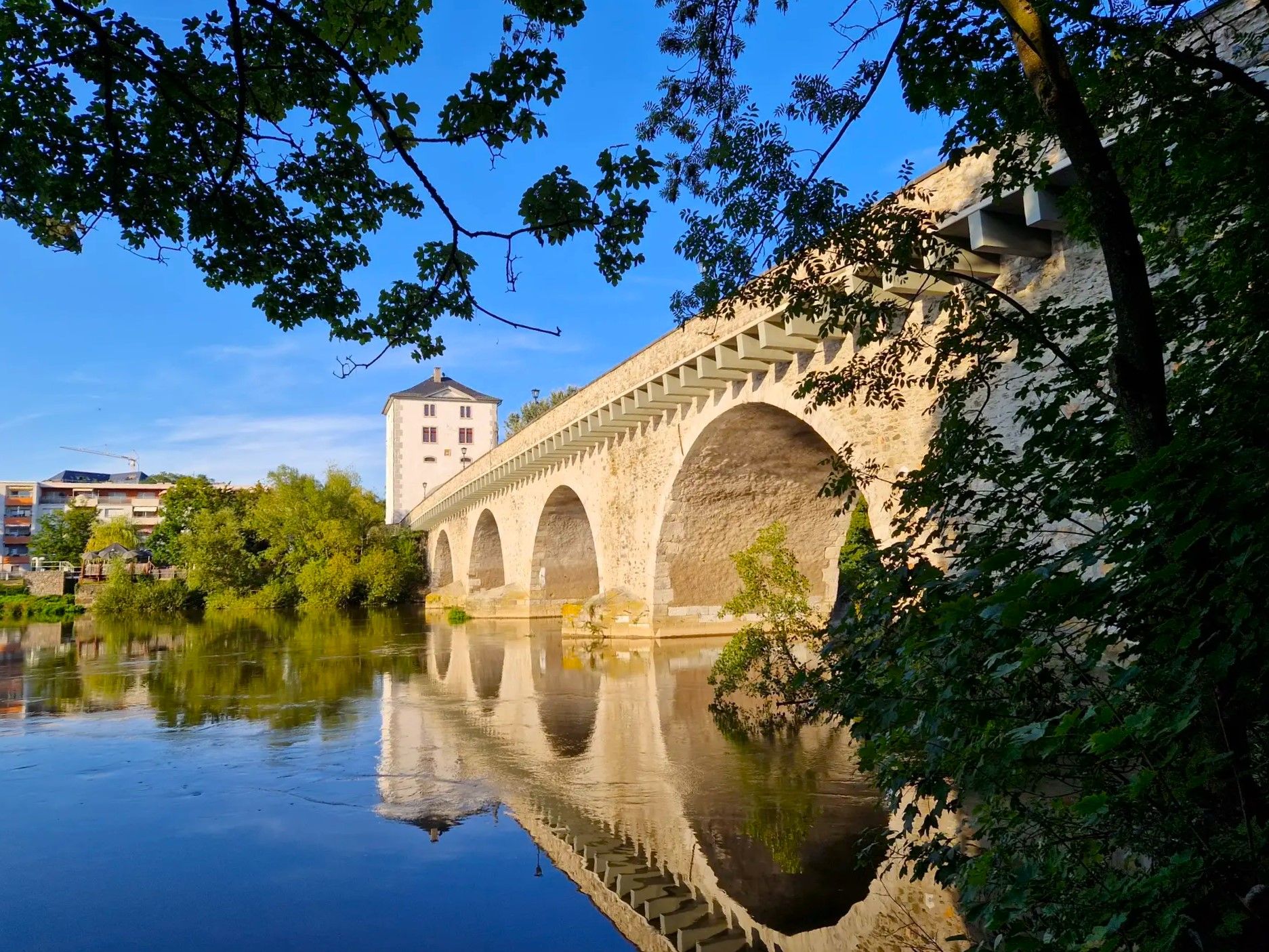
Lahnwanderweg Trail – The Lahn from its source to the estuary
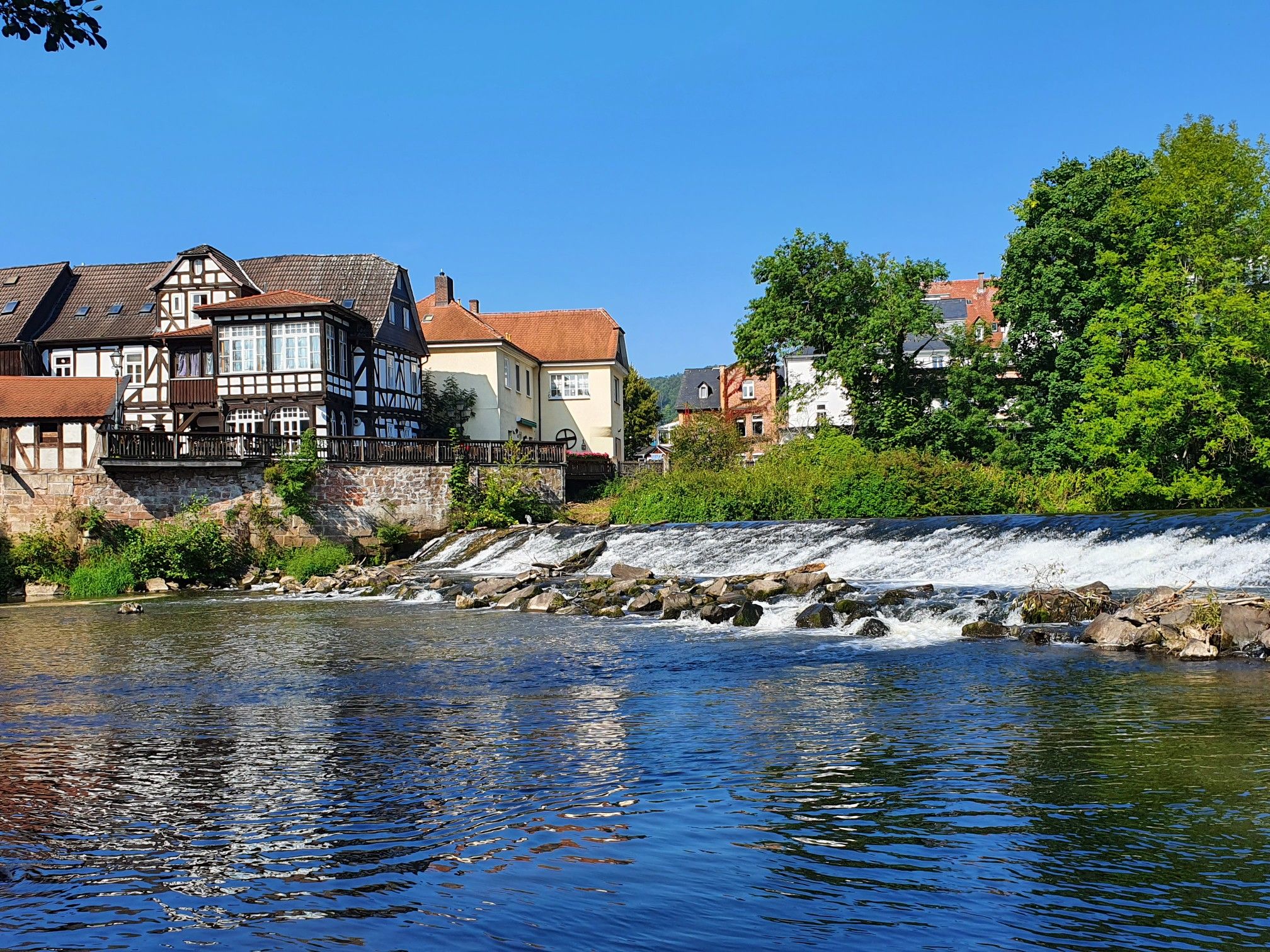
11 Hessen trails – criss-cross through the countryside
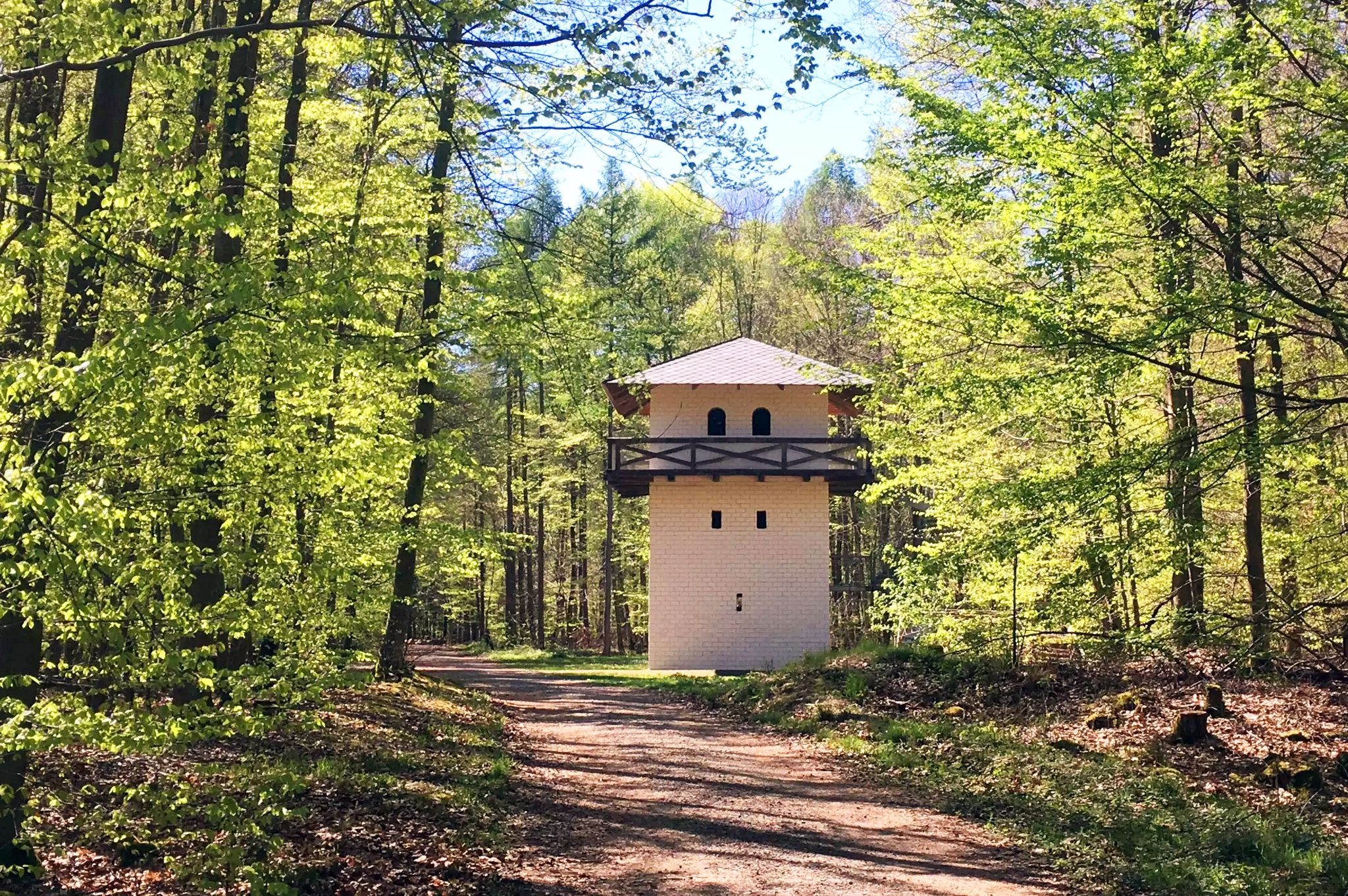
German Limes Cycle Path – Riding from the Rhine to the Danube
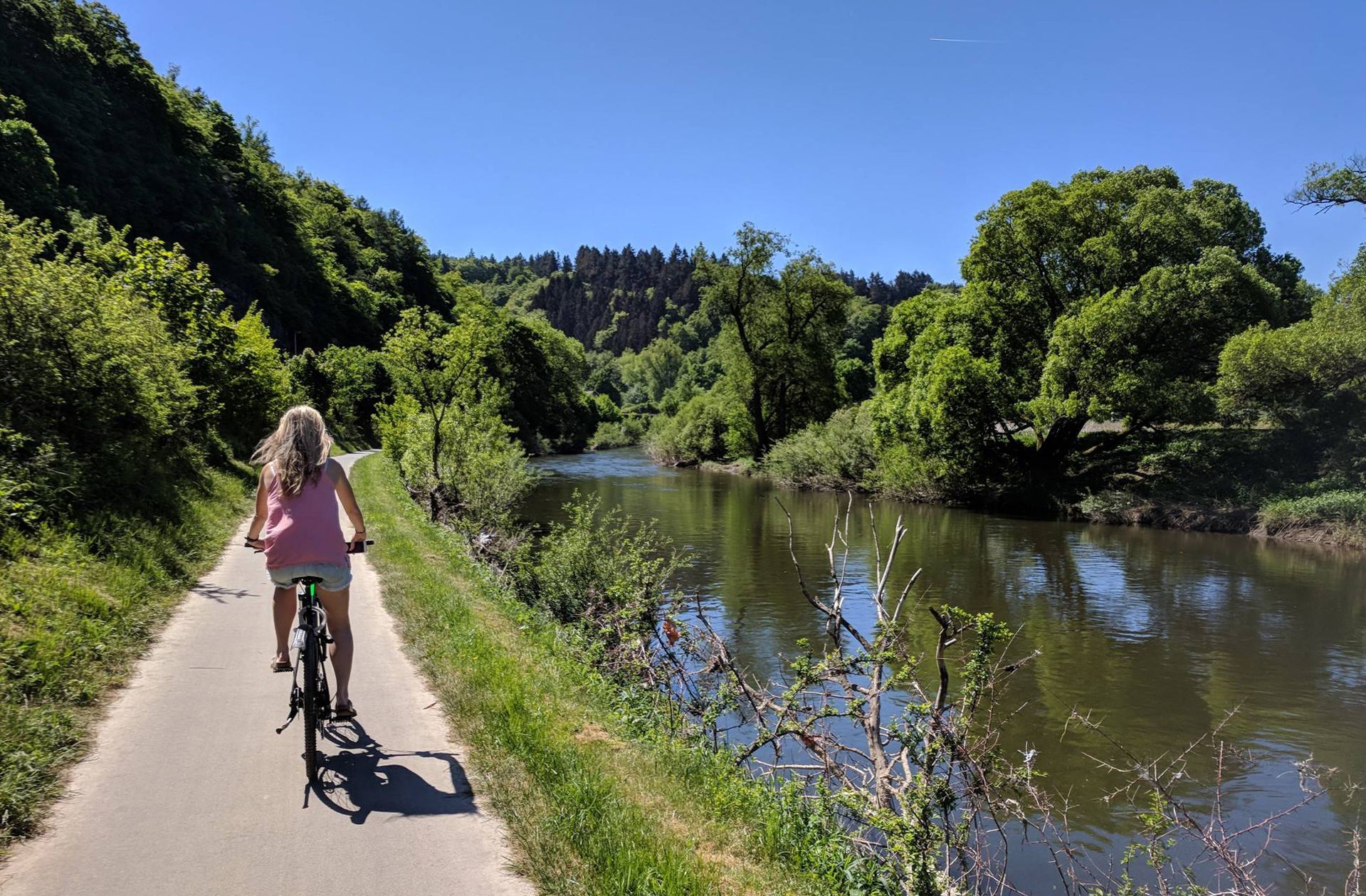
Lahn Cycle Path — from the Rothaar Mountains to the Rhine
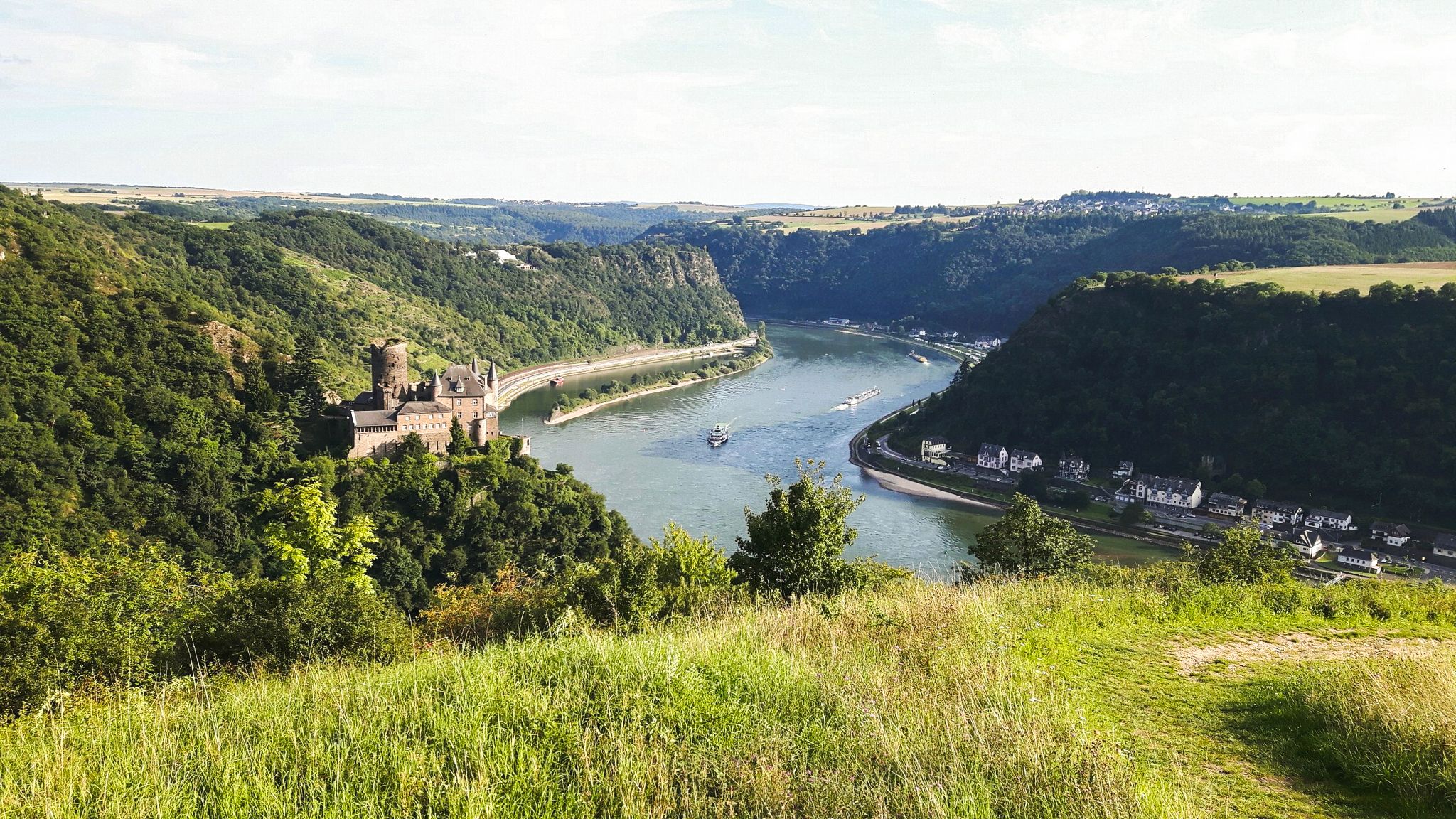
Rheinsteig Trail – The 21 stages along the Rhine
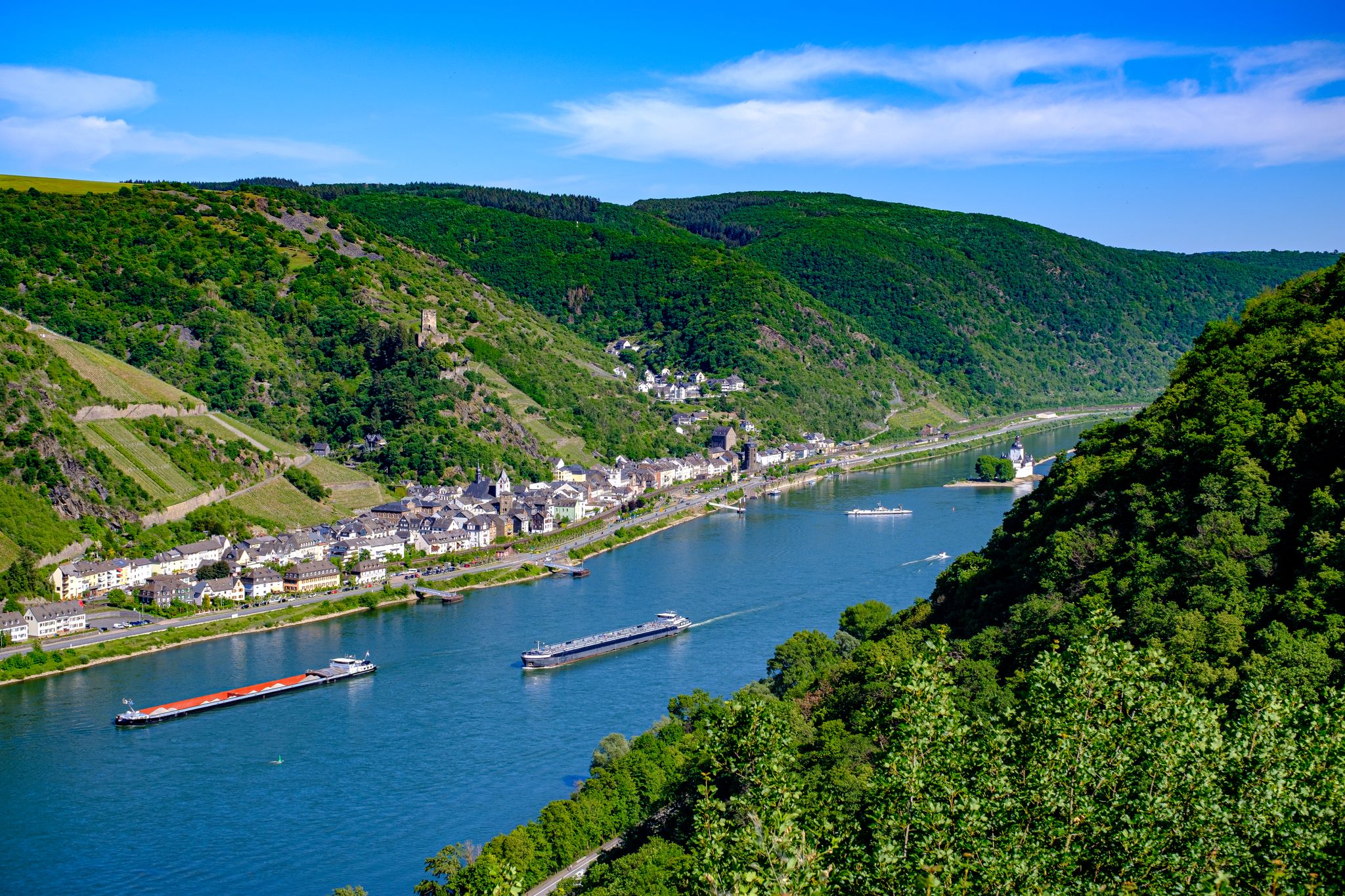
The Rhine Castle Trail – 13 stages of pure Rhine romanticism
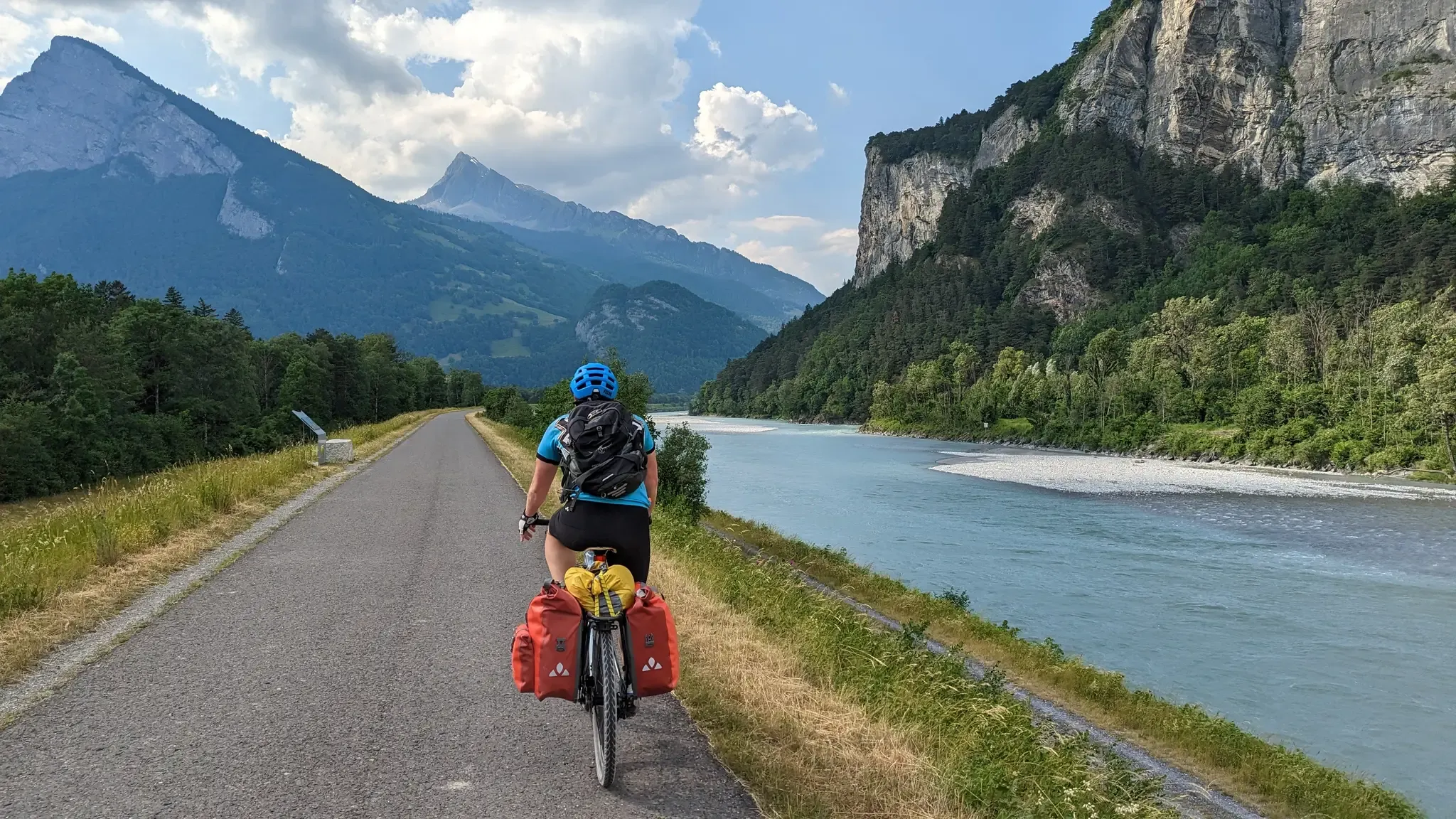
The Rhine Cycle Path — From the source to the North Sea
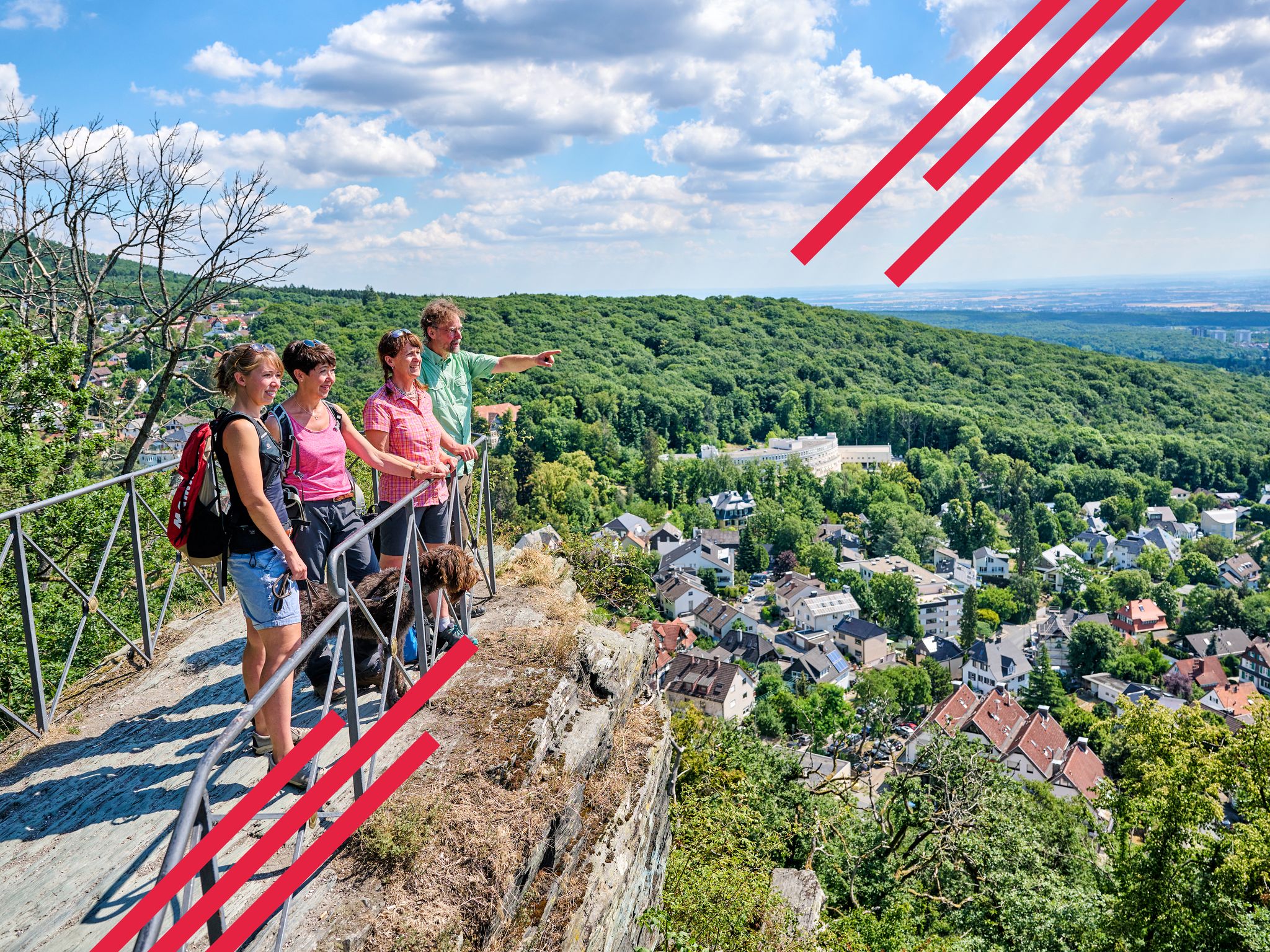
Delightfully scenic hiking in the Taunus range
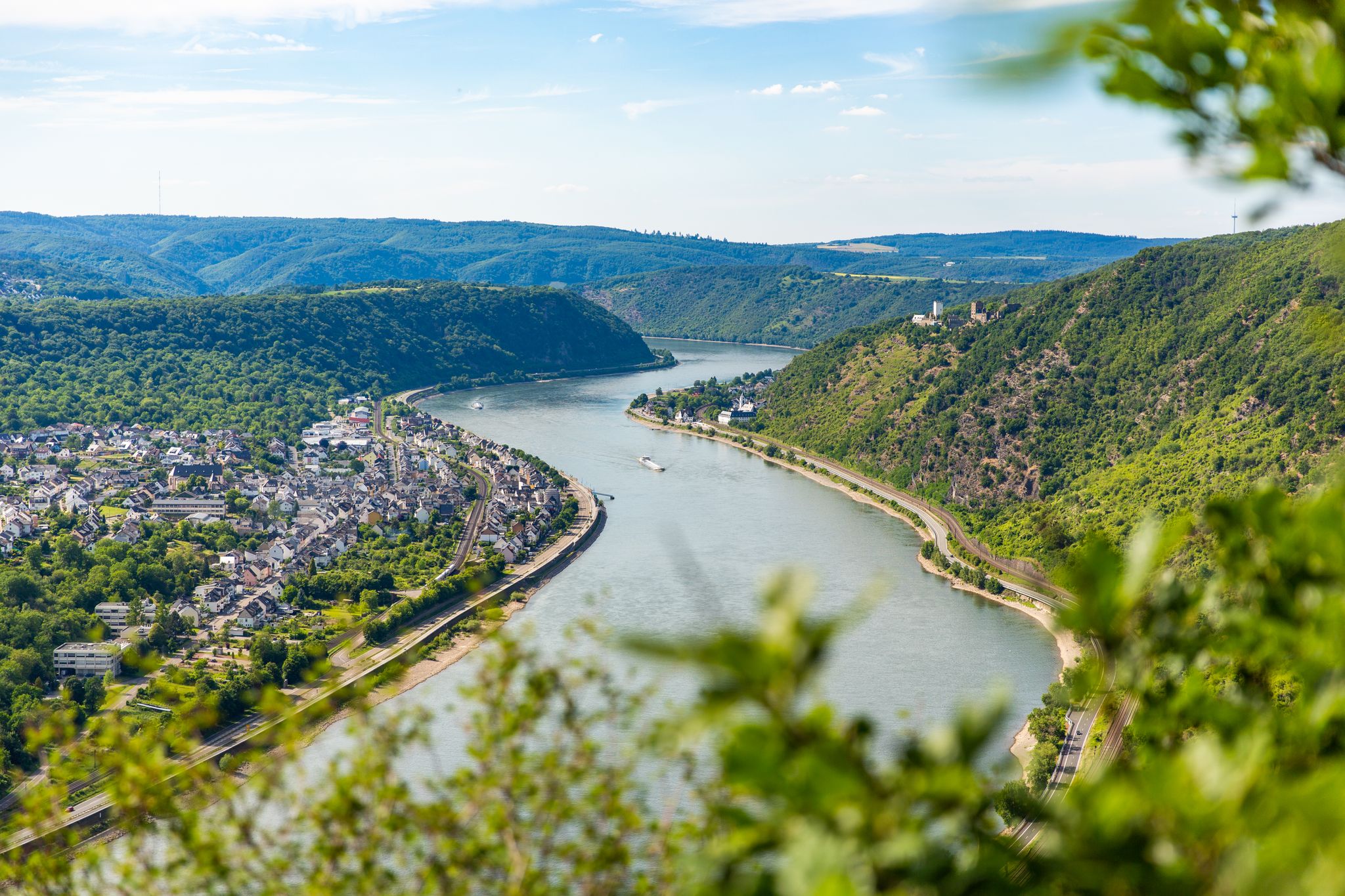
Up and down along the Rhine – adventure on the Rheinsteig

Dream Trails in the Rhine-Mosel-Eifel Region – Small Trails, Great Nature
Other adventures in the Taunus


Tips from the Community

The Falkenstein castle ruins (historically also called Neu-Falkenstein) are located at an altitude of around 450 meters in the Falkenstein district of Königstein in the Taunus region. It is considered a striking landmark, visible from afar, and boasts a turbulent history. The fortress was built in the mid-14th century by the Lords of Bolanden-Falkenstein immediately next to the older foundations of Nürings Castle and was first mentioned in a document in 1364. After a rapid succession of various noble families – including the Counts of Nassau and Cronberg – the complex underwent a comprehensive modernization phase around the year 1500. During this time, modern defensive structures, two cannon towers, and the 18-meter-high keep, preserved to this day in the distinctive "butter barrel" style, were erected. After the Thirty Years' War, the fortification gradually lost its strategic importance. From around 1780 onwards, it was finally abandoned and gradually fell into ruin, as parts of the buildings were used as a quarry. The deliberate demolition of the historic walls could only be stopped in 1842. Since 1945, the protected area has been owned by the municipality (now the town of Königstein) and has since been continuously maintained and renovated with significant financial commitment from the local historical society. Today, the castle's elevated core is a popular excursion destination, offering visitors during the opening months (March to October) an impressive panoramic view over the Rhine-Main plain and the Taunus.
8
0

From Falkenstein Castle you have an impressive view of Frankfurt. On a clear day, the view extends to the skyline and far into the surrounding area. A worthwhile stop on the hike.
7
0

The first documented mention of the hilltop castle dates back to 1213, when the Imperial Abbey of Kornelimünster near Aachen appointed Philipp III von Bolanden as "castellanus" and governor. Experts partly doubt or reject the first conquest in 1253. What is certain is the siege, conquest and destruction by King Rudolph of Habsburg in 1282. The castle was banned from being rebuilt. From 1290 onwards, the ruins were owned by the Counts Palatine, who gave them up in favour of the Electorate of Mainz in 1344. A new building was then quickly constructed. A double ring wall enclosed a rectangular residential tower and an inner courtyard of the main castle. A forecourt was located to the north. In 1397, after the Pope had appointed John II of Nassau Archbishop of Mainz, ignoring the election of the Mainz Cathedral Chapter the previous year, Archbishop Gottfried von Leiningen, elected in 1396, barricaded himself in the castle. Only after tough negotiations did he give up the bishop's seat and was instead given the office of provost of Mainz Cathedral. His concession prevented another attack on the castle and possible further destruction. The castle had been left to decay since the 16th century. The remains were blown up in 1689 during the War of the Palatinate Succession. In 1834 Franz Wilhelm von Barfus bought the ruins and converted a tower into his residence. His heirs sold the castle to Baron von Rehfuß in 1877 and he sold it to Consul Chosodowsky in 1889. The castle was given its current appearance by Baron Nikolaus von Kirsch-Puricelli, a wealthy industrialist and owner of the Rheinböllerhütte. From 1899 to 1902, Kirsch-Puricelli had the castle rebuilt into a neo-Gothic residential castle in the Tudor style according to plans by the Regensburg architect Strebel. Additional residential buildings and an observation tower were built on the site of the outer castle. Reichenstein was the last castle in the Upper Middle Rhine Valley to be rebuilt in the spirit of Rhine Romanticism. After the castle was sold by the family in the 1990s, media entrepreneur Lambert Lensing-Wolff, a descendant of the Kirsch-Puricelli family, acquired Reichenstein Castle in 2014 as a weekend residence and also runs a museum and a hotel with a restaurant here.
5
0

Monster view not only of the skyline of Mainhattan!!!
7
0

The Lahn rises at the Lahntopf near Lahnhof in the southeastern Rothaar Mountains at an altitude of 625 m and flows into the Rhine in Lahnstein at an altitude of about 69 m at Rhine kilometer 585.7. The right or eastern tributary of the Rhine has a length of 245.6 km.
1
0

Stolzenfels Castle is a feast for the eyes.
1
0

A visit to this new palace and its gardens is also well worth it.
1
0

Beautiful view from the bike path up to the castle
7
1
Frequently Asked Questions
What types of historical sites can I explore in the Taunus region?
The Taunus region offers a diverse range of historical sites, including impressive Roman forts like the Saalburg Roman fort, medieval strongholds such as Marksburg, and romanticized reconstructions like Schloss Braunfels. You'll find everything from well-preserved castles to atmospheric ruins.
Are there family-friendly castles to visit in the Taunus?
Yes, several castles in the Taunus are suitable for families. The Saalburg Roman fort is particularly engaging, offering interactive exhibitions and live demonstrations that bring Roman history to life. Other highlights like Pfalzgrafenstein Castle and Rheinstein Castle are also listed as family-friendly.
What kind of views can I expect from castles in the Taunus?
Many castles in the Taunus offer spectacular panoramic views. For instance, the Ruins of Falkenstein Castle provide stunning vistas over the rolling hills of the Taunus and into the Rhine-Main plain. Similarly, Burg Kronberg and Burgruine Königstein are known for their magnificent outlooks over the surrounding landscapes and valleys.
Are there hiking opportunities near the castles in the Taunus?
Absolutely. The Taunus region is excellent for combining castle visits with hiking. You can find numerous trails, including easy hikes like the 'Castle Views – Riesling Loops' or more challenging mountain hikes such as those around Großer Feldberg. For more details on routes, check out the Easy hikes in the Taunus or Mountain Hikes in the Taunus guides.
Which castles offer insights into medieval life and architecture?
For a deep dive into medieval life and architecture, Marksburg is a prime example, being the only hilltop castle on the Middle Rhine that has never been destroyed. Rheinstein Castle also provides excellent insights into medieval living. Burg Kronberg showcases varied architectural styles from different eras, including a Romanesque keep and a Gothic kitchen.
What is unique about the Saalburg Roman Fort?
The Saalburg Roman fort is a UNESCO World Heritage site and Germany's most complete reconstruction of a Roman frontier fort. It offers a unique opportunity to experience Roman history firsthand, with reconstructed buildings, a museum showcasing artifacts, and a partially excavated civilian settlement outside its walls. You can even see staff in authentic Roman attire.
Can I visit castles that are still inhabited?
Yes, Schloss Braunfels is a notable example. It is still owned and inhabited by the Counts of Oppersdorff and Solms-Braunfels. While it's a 'living cultural monument,' parts of its impressive interiors, including the Knights' Hall with its weapon collection and the princely family's art-historical collections, are accessible as a museum through guided tours.
Are there any castle ruins that are particularly interesting to explore?
The Ruins of Falkenstein Castle and Burgruine Königstein are both captivating. Königstein, though largely ruined, has many well-preserved and explorable cellars, and an accessible tower offering magnificent views. Falkenstein, while smaller, also provides a historical site with stunning panoramic views over the Taunus hills.
What kind of events are hosted at Taunus castles?
Many castles in the Taunus host cultural events, especially during the warmer months. Burg Kronberg frequently holds concerts, theatre performances, and markets. Burgruine Königstein is known for knight's tournaments and castle festivals in the summer, and Burg Eppstein hosts an annual castle festival. These events add a vibrant dimension to your visit.
What natural features can I find around the castles?
Beyond the historical structures, the Taunus region is rich in natural beauty. For example, Burg Kronberg features a unique yew grove with trees over 200 years old, now a protected nature reserve. Many castles are situated on rock spurs or basalt rocks, offering elevated positions with views of rivers like the Lahn or Rhine, and surrounded by picturesque forests and rolling hills.
What do visitors enjoy most about the castles in the Taunus?
Visitors frequently highlight the combination of rich history and stunning natural scenery. The opportunity to explore well-preserved medieval architecture, delve into Roman history, and enjoy panoramic views from castle ruins is highly appreciated. Many also enjoy the hiking opportunities that connect these historical sites, making for a fulfilling outdoor and cultural experience.
Are there opportunities for running near the castles?
Yes, the Taunus offers various running trails. You can find routes like the 'Bad Homburg Spa Park loop' or the 'Shelter in the Hardtwald – Hardwald Forest Playground loop' which are moderate in difficulty. For more options, consult the Running Trails in the Taunus guide.
Most popular routes in the Taunus
Most popular attractions in the Taunus

Get inspired with the komoot mobile app


Explore more
Looking for the best castles somewhere else? Discover other guides in the Taunus:
